Complete guide
Cooking Basics: A Complete Guide to Getting Started in the Kitchen
Published April 12, 2026
Cooking basics for beginners come down to five fundamentals: knife skills, heat control, seasoning, basic techniques like boiling and sautéing, and timing. Start by mastering eggs, rice, and a simple stir-fry — they teach every technique you'll reuse forever. Keep a sharp knife, season as you go, and taste everything before serving.
- Learn to use a knife safely — the pinch grip on the blade, a claw with your other hand, and a sharp edge beat a dull one every time.
- Understand heat — medium-high for sautéing, low for gentle simmers, high and dry for searing.
- Season in layers — salt the water, salt the meat, taste as you cook, and adjust at the end.
- Master five beginner recipes — boiled eggs, fluffy rice, pizza dough, pasta from scratch, and a weeknight fried rice.
- Work clean and plan ahead — read the recipe end-to-end, prep ingredients first, clean as you go.
Getting Started in the Kitchen
Learning to cook is one of the most rewarding things you can do for yourself. It saves money, it gives you control over what you eat, and honestly, pulling a golden loaf of bread out of the oven just feels good. But getting started can be intimidating. There are so many techniques, tools, and recipes out there that it's hard to know where to begin.
This guide breaks it down. We'll walk through the essentials you actually need in your kitchen, build up your knife skills, get into bread and dough making, explore some international cooking, and even touch on fermentation. Each section connects to detailed step-by-step tutorials you can follow along with. By the end, you'll have a clear path from "I burn toast" to "I made sushi for dinner last night."
Ready? Let's get cooking. And if you want to browse all our cooking tutorials in one place, head over to our cooking category page.
Kitchen Essentials: What You Actually Need
Walk into any kitchen supply store and you'll be surrounded by garlic presses, avocado slicers, and twelve different kinds of tongs. Ignore most of it. A well-equipped beginner kitchen needs far less than you think.
The Core Toolkit
- A chef's knife (8-inch). This is your single most important tool. A good chef's knife handles 90% of your cutting tasks. We'll talk more about keeping it sharp below.
- A cutting board. Wood or plastic, large enough that food isn't falling off the edges. Go bigger than you think you need.
- A heavy-bottomed skillet. Stainless steel or cast iron. This is your go-to for searing, sautéing, and pan sauces.
- A large pot. For boiling pasta, making soups, and blanching vegetables. A 6-quart pot covers most needs.
- A sheet pan. Half-sheet pans are the workhorses of roasting. Get two if you can.
- A digital instant-read thermometer. Takes the guesswork out of meat, bread, and candy making. This small investment prevents more kitchen failures than any other tool.
Nice to Have (But Not Yet)
A Dutch oven, a food processor, a stand mixer. These are all great tools, but they solve specific problems. Buy them when you hit a recipe that needs them, not before. The exception is a Dutch oven if you're getting into bread baking, since it creates the steam environment that gives artisan loaves their crackling crust.
One more thing about equipment: keep your counters clear. Cooking in a cluttered kitchen is frustrating and slow. Put away what you're not using. Give yourself room to work.
Knife Skills: The Foundation of Everything
Ask any professional chef what skill matters most, and they'll say knife work. It's not glamorous, but solid knife skills make you faster, safer, and more consistent in the kitchen. Rough, uneven cuts mean uneven cooking. Pieces that are different sizes finish at different times, leaving you with some bits burnt and others underdone.
The Basic Cuts
- The rough chop. Casual, imprecise cuts for things that will be puréed or cooked down. Soups, stews, sauces.
- The dice. Even cubes, usually described as small (1/4 inch), medium (1/2 inch), or large (3/4 inch). Essential for salsas, stir-fries, and grain bowls.
- The julienne. Thin matchstick strips. Great for salads, garnishes, and stir-fries where you want quick, even cooking.
- The mince. Very fine cuts, almost a paste. This is what you do to garlic, ginger, and fresh herbs.
- The chiffonade. Stack leafy herbs or greens, roll them tight, and slice thin ribbons. Beautiful on pasta, pizza, and soups.
Keeping Your Blade Sharp
Here's something most home cooks get wrong: a dull knife is more dangerous than a sharp one. When your blade is dull, you push harder, the knife slips, and that's how you end up in the ER. A sharp knife bites into food cleanly and goes exactly where you direct it.
You don't need to send your knives out to a professional every month. With the right technique and a simple whetstone, you can maintain a razor edge at home. Our tutorial on how to sharpen dull knives at home walks you through the full process, from choosing the right grit to testing your edge on a tomato. It's one of those skills that takes 15 minutes to learn and saves you money for years.
Between full sharpenings, a honing steel realigns the blade's edge. Run your knife along the steel a few times before each cooking session. It's a 30-second habit that makes a noticeable difference.
Bread and Dough: Where Patience Meets Reward
There is something almost magical about mixing flour, water, salt, and yeast and ending up with bread. Baking is where cooking starts to feel like a craft. It teaches you patience, timing, and how to read the signs your food gives you. Is the dough tacky or sticky? Does it spring back when you poke it? These subtle cues become second nature with practice.
Starting with Sourdough
Sourdough has a reputation for being difficult, but the process itself is straightforward. It just takes time. You're working with a living culture of wild yeast and bacteria, and that culture needs feeding and attention. The flavor you get from a real sourdough starter is something commercial yeast simply cannot replicate. That tang, that complex, almost nutty depth. It comes from slow fermentation.
If you've ever wanted to bake a proper loaf with a shattering crust and an open, airy crumb, check out our guide on how to bake sourdough bread from scratch. It covers everything from creating your starter to scoring the dough and getting that perfect oven spring. Even if your first loaf isn't Instagram-worthy, it will taste incredible.
Pizza Dough: Fast, Fun, and Forgiving
If sourdough tests your patience, pizza dough rewards your spontaneity. You can mix a dough in the morning and be eating homemade pizza for dinner. The ingredients are pantry staples: flour, water, yeast, salt, and a little olive oil. That's it.
The key to great pizza dough is hydration and handling. A wetter dough gives you those big, bubbly charred spots on the crust. But it's also harder to shape. You learn to work with it, stretching gently with your knuckles rather than rolling it out with a pin (which presses out all the gas bubbles you worked to develop).
Our homemade pizza dough recipe tutorial gives you a reliable formula that works in a regular home oven. It also covers cold fermentation, which is a simple trick where you let the dough develop in the fridge overnight for dramatically better flavor. Once you've made pizza from scratch, the delivery box loses its appeal fast.
General Dough Tips
- Weigh your flour. A cup of flour can vary by 30% depending on how you scoop it. A $15 kitchen scale eliminates this variable entirely.
- Water temperature matters. Too hot and you kill the yeast. Too cold and it barely activates. Aim for 100-110°F for active dry yeast.
- Don't over-knead. Gluten development is good, but too much makes bread tough. When the dough is smooth, slightly tacky, and springs back slowly when poked, stop.
- Trust the timing, but trust the dough more. Recipes give time ranges, but your kitchen temperature affects everything. Look for the dough to double in size, regardless of how long that takes.
International Flavors: Expanding Your Range
Once you're comfortable with basic techniques, cooking from other traditions is the fastest way to grow. Different cuisines teach you different principles. French cooking builds on sauces and technique. Japanese cooking emphasizes freshness, precision, and balance. Mexican cooking layers bold flavors through chiles, citrus, and spice. Each tradition has something to teach you.
Making Sushi at Home
Sushi intimidates people, which is a shame because the fundamentals are accessible to anyone willing to practice. The real secret to great sushi isn't the fish. It's the rice. Perfectly seasoned sushi rice, with the right balance of vinegar, sugar, and salt, is what separates a good roll from a great one.
Rolling technique takes a few tries to get right. Your first rolls might be a little loose or overstuffed. That's completely normal. By your third or fourth attempt, your hands start to understand the pressure and tightness needed. Our how to make sushi rolls at home tutorial breaks down every step, from preparing the rice to rolling tight maki with a bamboo mat. It's a fantastic skill to pull out for dinner parties.
Start with simple rolls. Cucumber, avocado, and cream cheese are forgiving fillings that let you focus on technique. As you get more confident, move to fish and more complex combinations.
Building a Global Pantry
You don't need to overhaul your entire pantry at once, but stocking a few key ingredients opens up huge possibilities:
- Soy sauce and rice vinegar for Asian-inspired dishes
- Cumin, coriander, and smoked paprika for Latin and Middle Eastern flavors
- Fish sauce for Thai and Vietnamese cooking (a little goes a long way)
- Miso paste for soups, marinades, and dressings
- Coconut milk for curries and Southeast Asian soups
Buy small quantities and use them. Spices lose their punch after about a year. Better to replace often than to hoard a rack of dusty jars.
Fermented Foods: A Kitchen Adventure
Fermentation is having a moment, but humans have been fermenting food for thousands of years. Sauerkraut, kimchi, yogurt, sourdough, miso, and yes, kombucha. These are all products of controlled microbial activity. It sounds scientific because it is, but the practice is surprisingly low-tech.
Fermentation preserves food, develops complex flavors, and produces probiotics that support gut health. It's also one of the most hands-off types of cooking. You set things up, then you wait. The microbes do the work.
Getting Started with Kombucha
Kombucha is a great entry point into fermentation. The process is simple: brew sweet tea, add a SCOBY (that rubbery disc of bacteria and yeast), and let it ferment for a week or two. The SCOBY consumes the sugar and produces a tangy, slightly fizzy drink. You can flavor it with fruit, ginger, herbs, or juice during a second fermentation.
Our beginner's guide to kombucha making covers the full process, including where to get a SCOBY, how to manage the fermentation timeline, and how to get the carbonation just right without exploding bottles (yes, that can happen if you're not careful).
Once you're comfortable with kombucha, you might find yourself eyeing other fermentation projects. Homemade sauerkraut is dead simple: shredded cabbage, salt, time. Fermented hot sauce is another crowd-pleaser. The rabbit hole goes deep, and it's a fun one.
Fermentation Safety
People worry about fermentation safety, but the process is inherently self-protecting. The acidic environment created during fermentation prevents harmful bacteria from growing. That said, a few basic rules keep things safe:
- Keep everything clean. Sanitize jars and utensils before use.
- Use the right salt concentration for vegetable ferments (usually 2-3% by weight).
- Keep ferments submerged below the liquid line to prevent mold.
- Trust your nose. If something smells truly foul (not just funky), discard it.
Next Steps: Building Your Confidence
The biggest mistake new cooks make is trying to learn everything at once. Pick one thing from this guide that excites you and focus on it for a week or two. Maybe that's baking your first loaf of sourdough. Maybe it's learning to dice an onion properly. Maybe it's brewing a batch of kombucha on your kitchen counter. Whatever it is, repetition builds skill faster than variety does.
A Practical Learning Path
- Week 1-2: Get your knife skills solid. Practice your basic cuts every time you cook. Sharpen your knives so you're starting with the right tools.
- Week 3-4: Try a simple dough project. Homemade pizza dough is a great starting point because it's fast and the results are immediately delicious.
- Week 5-6: Start a sourdough starter or begin a kombucha brew. Both teach you to observe and respond to living processes.
- Week 7-8: Branch out internationally. Try your hand at homemade sushi rolls or explore a cuisine you've never cooked before.
- Ongoing: Tackle sourdough bread when you feel ready. It pulls together everything: timing, technique, patience, and intuition.
The Mindset That Matters
Cooking is a skill, not a talent. Nobody is born knowing how to deglaze a pan or shape a baguette. Every good cook you've ever met burned things, under-seasoned things, and made recipes that went straight into the trash. The difference is they kept going.
Taste everything as you cook. Season in layers, not all at once. Read the whole recipe before you start. Clean as you go. These small habits compound over time into genuine competence.
And remember that cooking is supposed to be enjoyable. Put on music. Pour yourself a drink. Invite someone to chop vegetables with you. The food matters, but so does the process of making it.
Explore more tutorials, tips, and step-by-step guides on our cooking page. Every recipe is broken down into clear, manageable steps so you always know exactly what to do next.
Frequently Asked Questions
What are the basics of cooking?
The basics of cooking are knife skills, heat control, seasoning, a few core techniques (boiling, sautéing, roasting, braising), and timing. Master these and you can cook nearly anything — every recipe is just a sequence of those moves applied to specific ingredients.
What should every beginner cook learn first?
Start with eggs, rice, and a simple stir-fry. Eggs teach heat control, rice teaches ratios and patience, and a stir-fry teaches knife work, seasoning, and timing — all in one ten-minute dish. Once those three feel routine, move to pizza dough and fresh pasta for a feel for kneading and rolling.
What are the 5 basic cooking techniques?
The five techniques every cook leans on are boiling (water-based, gentle), sautéing (small amount of fat, high heat, quick), roasting (dry oven heat for whole cuts and vegetables), braising (sear then simmer in liquid for tough cuts), and grilling (direct radiant heat). Almost every recipe combines two or three of these.
How long does it take to learn to cook?
You can be confident with about ten go-to dishes in three to four months of cooking three or four times a week. The first month is awkward — knife work feels slow and timing falls apart. By month three the muscle memory clicks and you start improvising. Mastery takes years, but competence comes faster than people expect.
What kitchen tools does a beginner need?
An eight-inch chef's knife, a large cutting board, one heavy skillet (cast iron or stainless), a saucepan, a sheet pan, a wooden spoon, a fish spatula, and a digital thermometer. That covers 90% of weeknight cooking. Add a Dutch oven and an instant-read scale once you start baking bread.
Is it cheaper to cook at home?
Yes — typically by 3-5×. A homemade weeknight dinner runs $3-6 per person; a comparable restaurant or takeout meal is $15-25. The savings compound: a $25 chef's knife pays for itself in the first month. The harder cost is time, which is why batch-cooking on Sunday is the highest-leverage habit a beginner can build.
Tutorials in This Guide
203 step-by-step tutorials

How to Make Shrimp Cocktail
How to Make Sticky Rice

How to Mince Garlic

How to Make Salsa Verde (Roasted Tomatillo Salsa)

How to Make Popcorn Balls (Classic Halloween Treat)

How to Make Hummus (Best Homemade Hummus Recipe)

How to Make Christmas Crack

How to Make Peppermint Bark

How to Make a Gingerbread House

How to Make Pasta Salad

How to Carve a Ham
How to Make Fresh Pasta from Scratch
How to Grill Corn on the Cob

How to Spatchcock a Turkey

How to Cook a Turkey
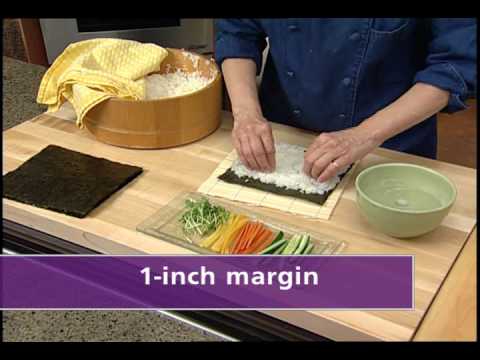
How to Make Sushi Rolls at Home

How to Brine a Turkey
How to Cook Pearl Barley
How to Make Chimichurri Sauce (Authentic Argentinian Recipe)

How to Smoke a Brisket: A Beginner's Step-by-Step Guide
Easy Banana Bread Recipe

How to Make Hot Chocolate
How to Make Rotel Dip

How to Make Creamy Cucumber Salad

How to Roast Pumpkin Seeds (Crispy and Salty)

How to Make the Best Waffles (7 Steps)

How to Throw a Graduation Brunch
How to Make Real Basil Pesto: 8-Step Italian Recipe
How to Bake Chicken Breast

How to Make Homemade Ice Cream

How to Make Chili Dogs (Homemade Hot Dog Chili)

How to Make a Pumpkin Spice Latte at Home (Better Than Starbucks)

How to Make Compound Butter (Herb and Garlic Butter)

How to Make Honey Mustard Dipping Sauce

How to Make Hot Honey

How to Make Homemade Hot Sauce (Craft Your Own Recipe)

How to Make BBQ Rub: 3 Easy Recipes (Sweet, Texas, Spicy)

How to Make Chicken Biryani (Hyderabadi Style)

How to Make Teriyaki Sauce

How to Make Snickerdoodles
How to Make Miso Soup

How to Make Pumpkin Puree

How to Cook Couscous (Perfectly Fluffy Every Time)
How to Cut a Watermelon

How to Grill Salmon

How to Make Gingerbread Cookies
How to Make Rice Cooker Ground Beef and Egg Rice
How to Make Oatmeal
How to Soft Boil an Egg
How to Grill Asparagus

How to Dehydrate Apples

How to Make Greek Salad Dressing (Authentic Restaurant Recipe)

How to Soften Brown Sugar in One Minute

How to Make Apple Cider

How to Roast Chestnuts

How to Smoke a Pork Butt (Easy Pulled Pork)

How to Make Pumpkin Pie (Classic Thanksgiving Recipe)

How to Make Mashed Potatoes

How to Cook Sweet Potatoes (3 Ways)
How to Make French Fries (Ultra Crispy at Home)
How to Cook Rice

How to Make Waffles from Scratch
How to Cook Lentils

How to Make Toffee

How to Make Iced Tea: 4 Easy Methods

How to Season a Wok

How to Make Homemade Bagels

How to Make Lemonade: Chef John's State Fair Recipe

How to Carve a Turkey
How to Poach an Egg

How to Make Chicken Noodle Soup

How to Make Caramel Apples (Classic Halloween Treat)

How to Use a French Press
How to Make Rice in a Rice Cooker
How to Grill Shrimp (Garlic Herb Skewers)
How to Keep Guacamole from Turning Brown

How to Make Dinner Rolls
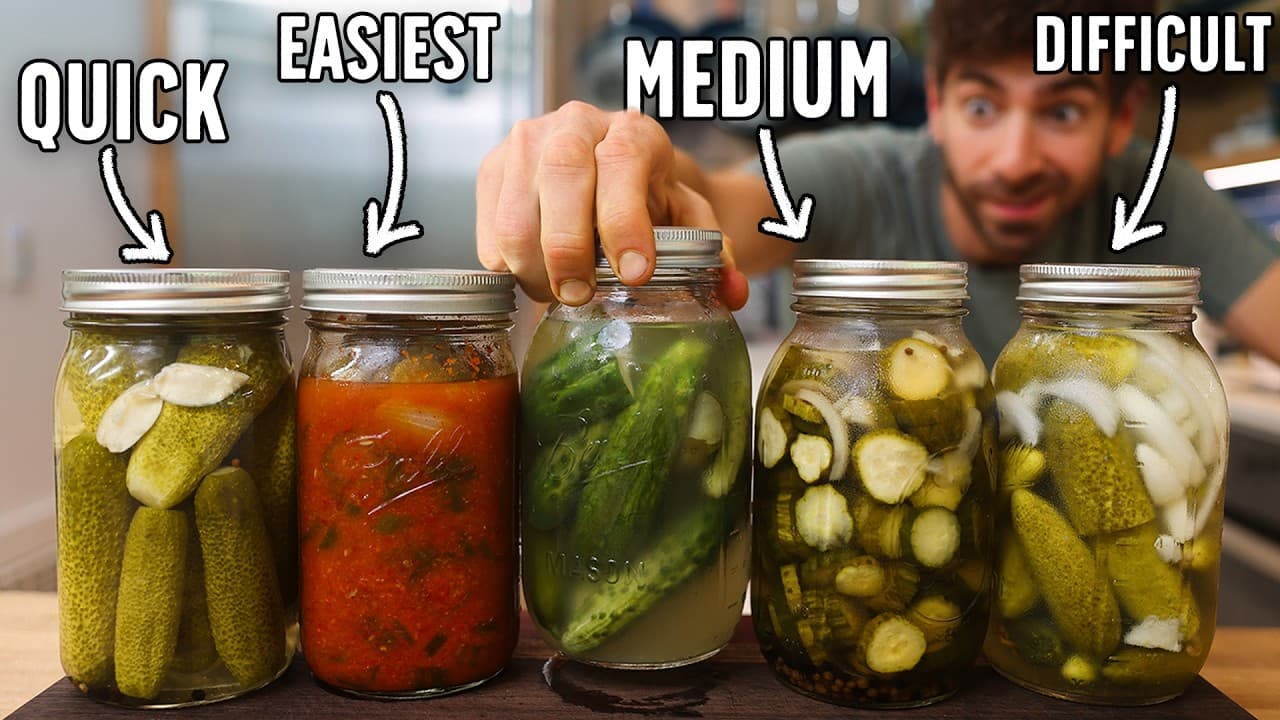
How to Make Pickles: 6 Methods From Quick Pickle to Lacto-Fermented

How to Make French Toast

How to Make Green Bean Casserole

How to Make Pickled Red Onions (Quick Refrigerator Pickles)

Cookout Side Dishes: 4 Easy BBQ Sides for Your Next Backyard Party
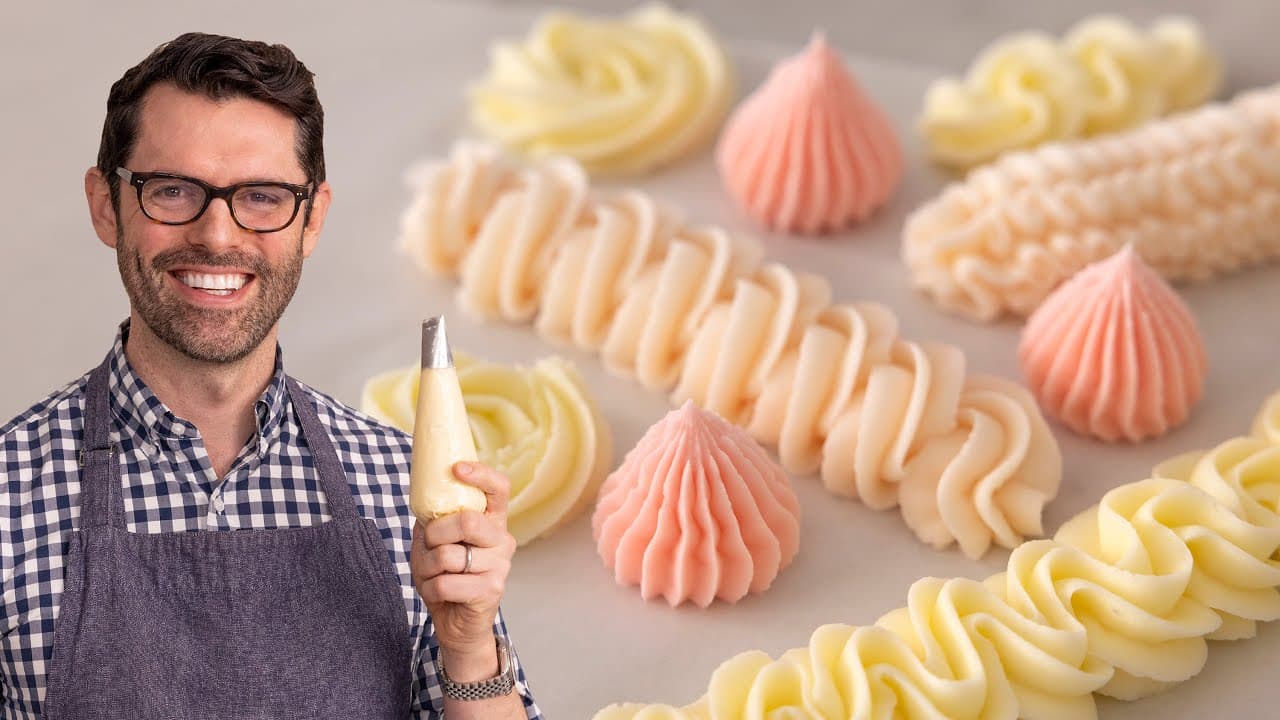
How to Make Icing (Easy Buttercream Frosting)
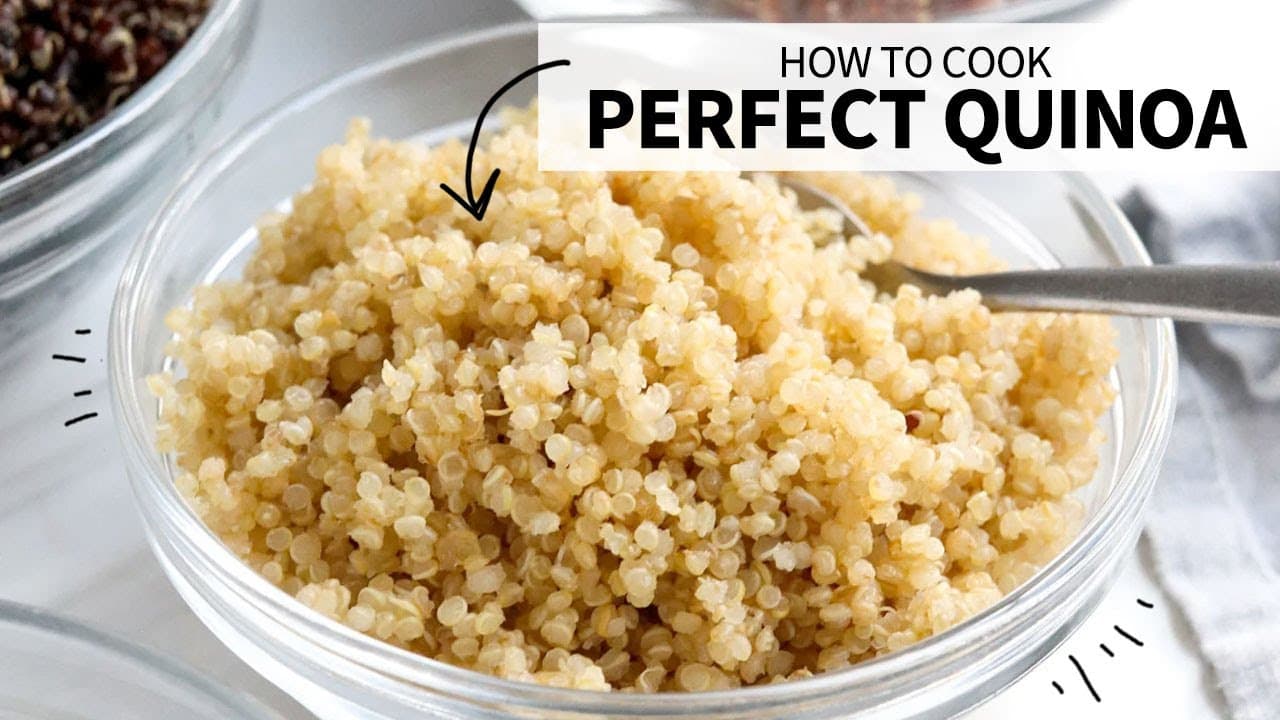
How to Cook Quinoa
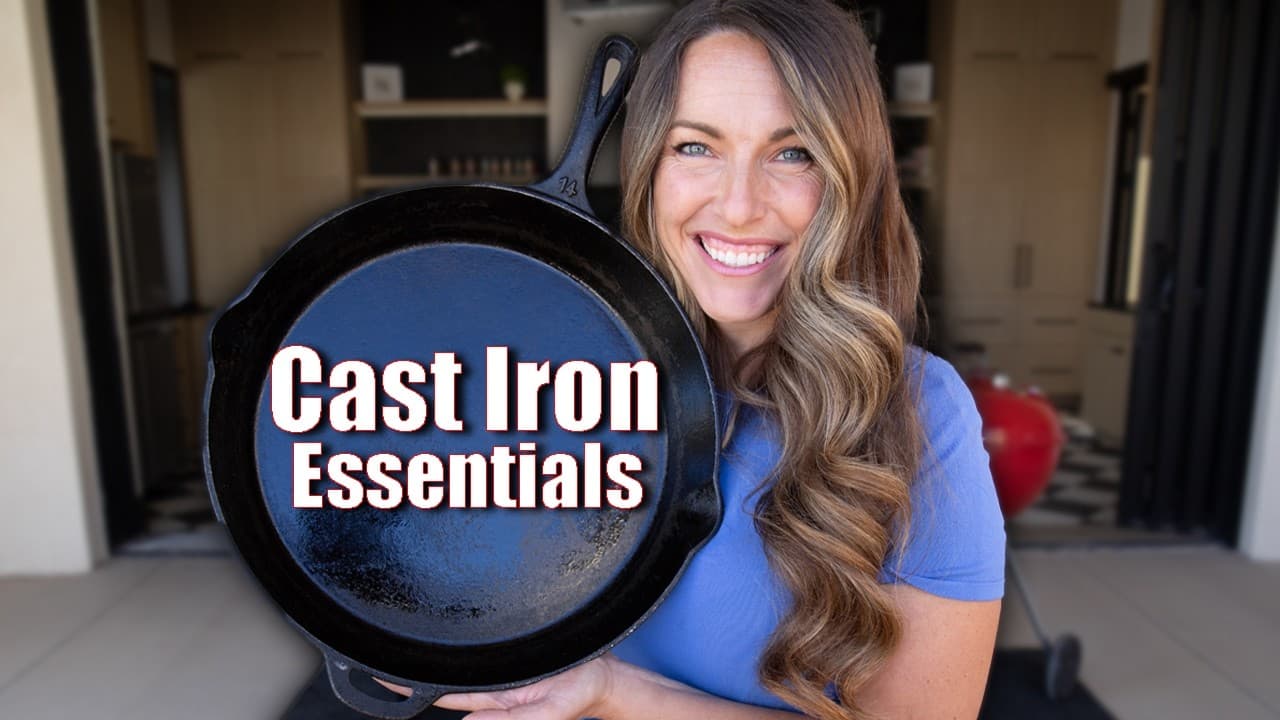
How to Use a Cast Iron Skillet

How to Make Apple Pie
How to Make Hard Boiled Eggs Easy to Peel

How to Make Cheesecake
How to Make Deviled Eggs
How to Make a Banh Mi Sandwich
How to Cook Brown Rice

How to Cook Chicken in the Oven (Juicy Whole Roast Chicken)

How to Make Focaccia: Easy No-Knead Italian Bread Recipe

How to Make Cold Brew Coffee
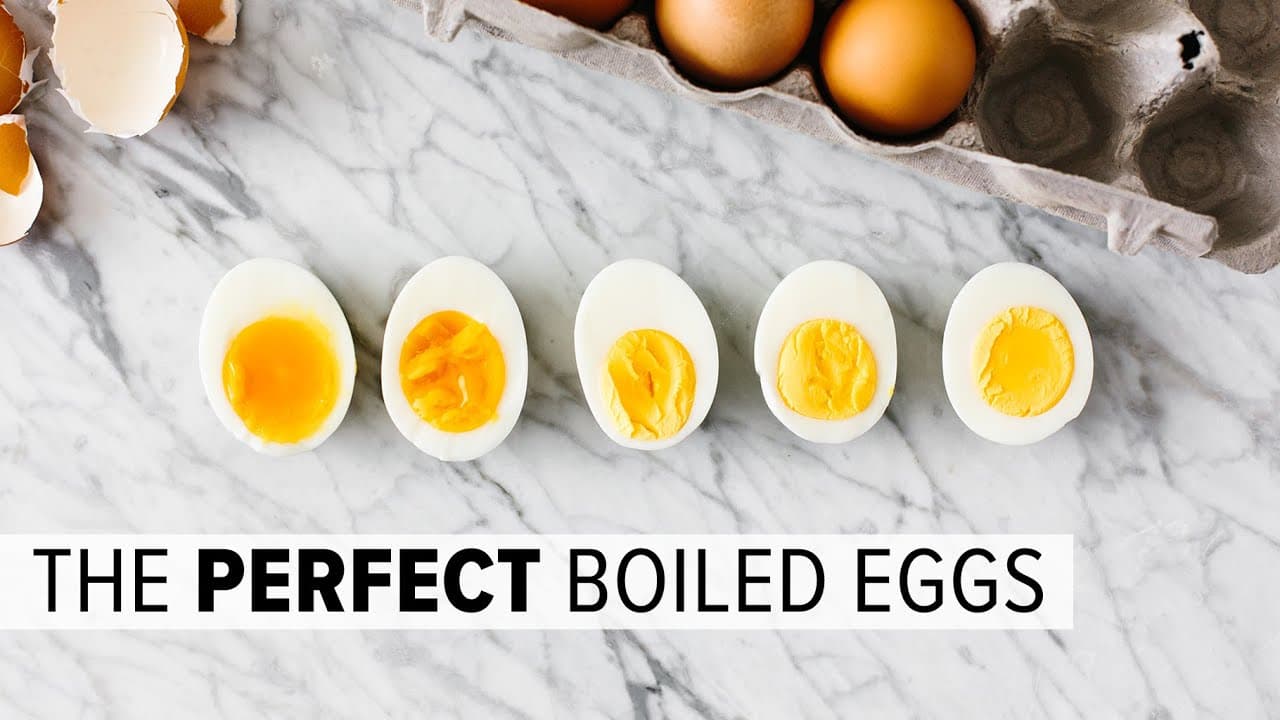
How to Make Perfect Boiled Eggs Every Time

How to Make Smash Burgers (Diner-Style Cast Iron Recipe)
How to Cook Bacon in the Oven

How to Make Thousand Island Dressing
How to Make Mozzarella Sticks

How to Make Pico de Gallo
How to Cut a Mango
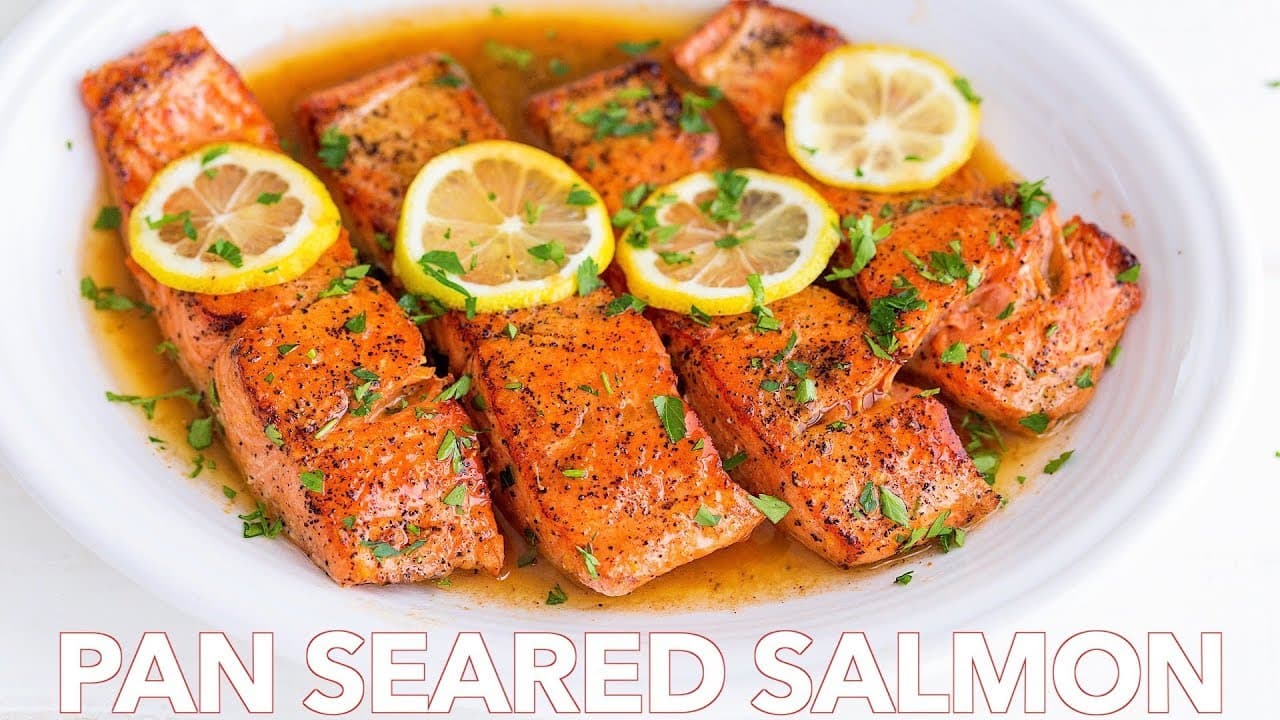
How to Pan-Sear Salmon with Lemon Brown Butter

How to Make Apple Crisp
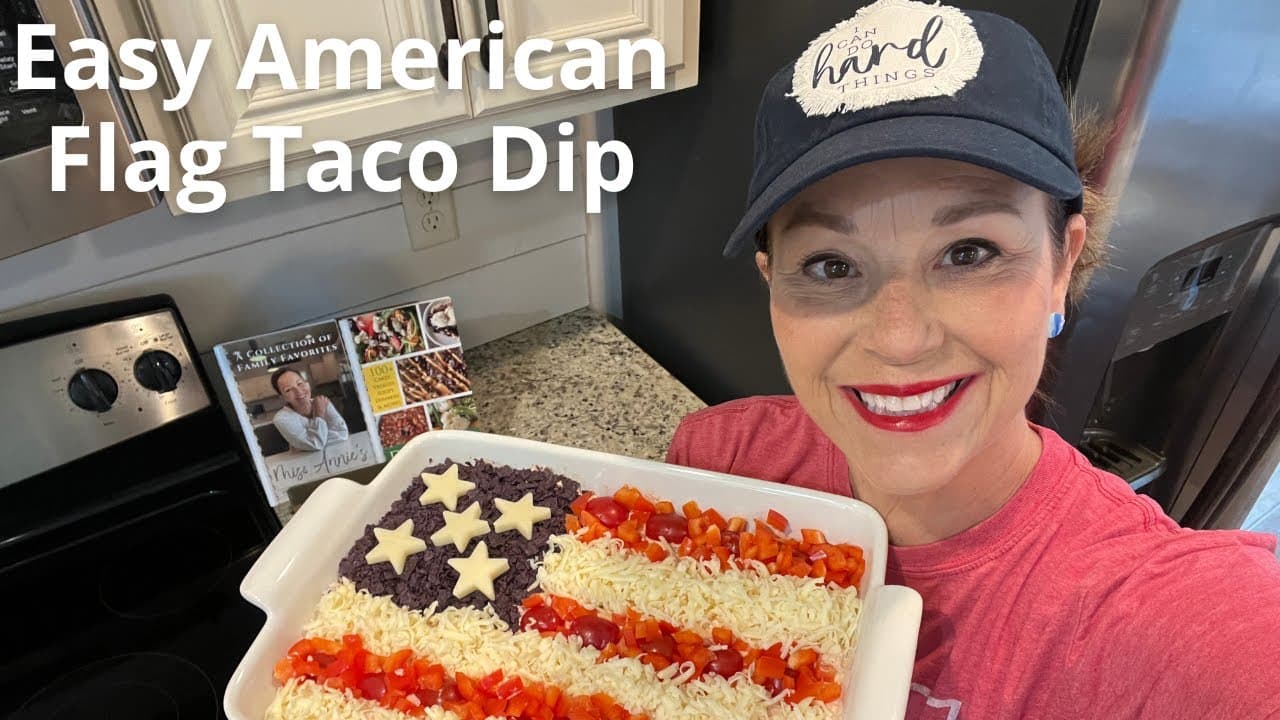
How to Make an American Flag Taco Dip
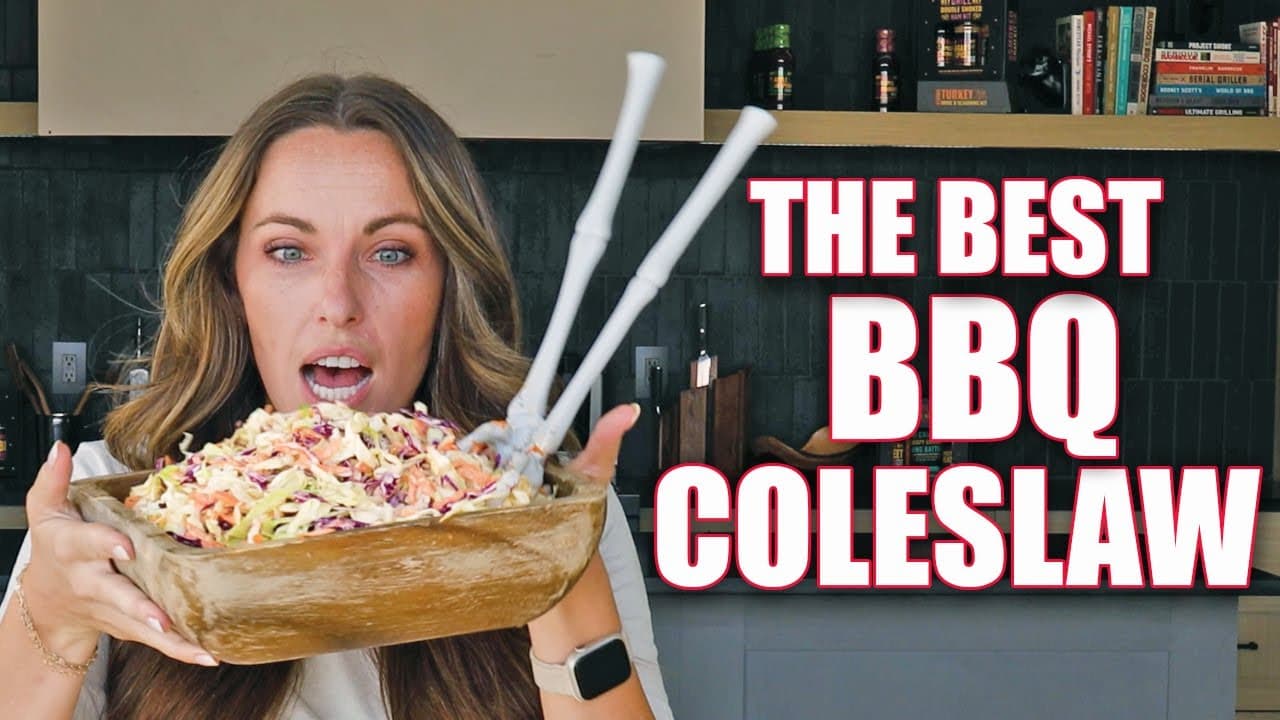
How to Make Coleslaw - 7-Step Zesty BBQ Side Dish

How to Make Ketchup

How to Make Pigs in a Blanket
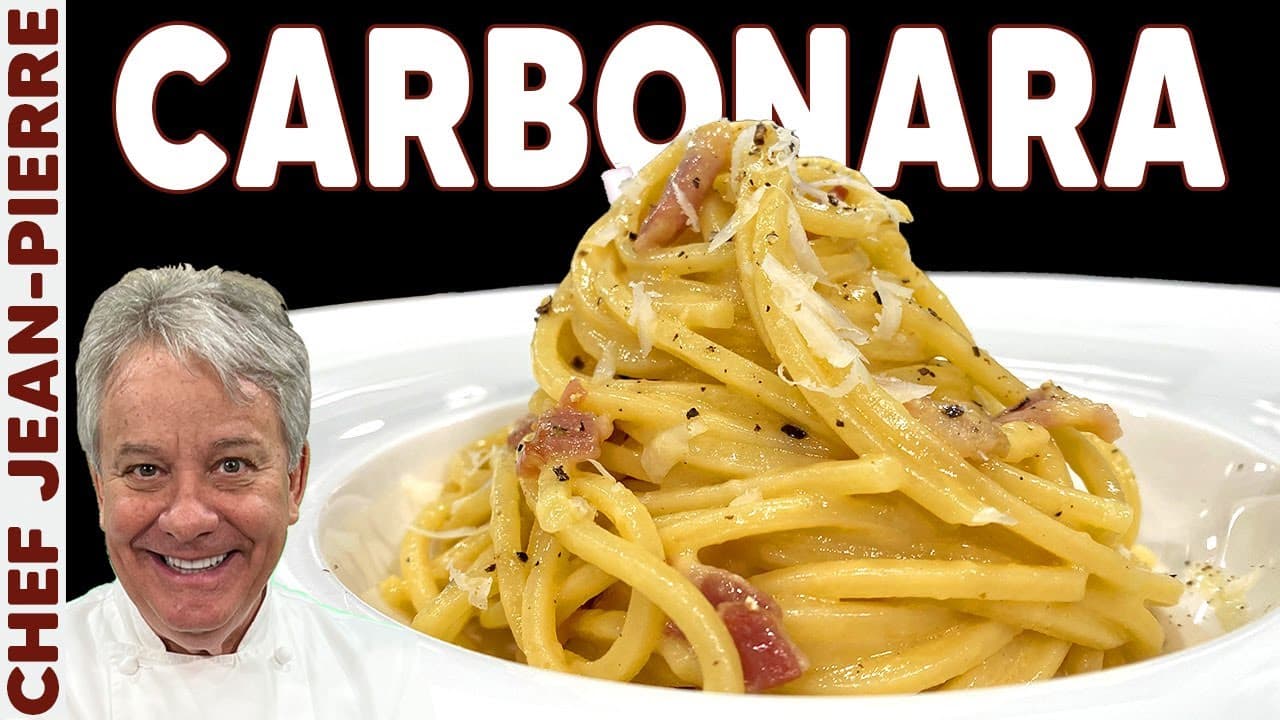
How to Make a Traditional Carbonara (No Cream, Just Eggs)

How to Make French Onion Soup (Classic Caramelized Recipe)

How to Make Marinara Sauce from Scratch

How to Bake Sourdough Bread from Scratch

How to Make Fudge

How to Make Macaroni Salad - Classic Southern Cookout Side
How to Make Spaghetti and Meatballs

How to Make Caesar Dressing
How to Make Hamburger Patties in 7 Steps
How to Make BBQ Sauce - 7-Step Guide to 4 Regional Styles

How to Make Beef Wellington

How to Make Mulled Wine
How to Make Tomato Sauce
How to Make a Mojito in 5 Steps

How to Make Pizza Sauce

How to Restore Cast Iron: 3 Methods That Actually Work
How to Caramelize Onions

How to Make Chana Masala
How to Make Corn on the Cob - 6 Methods Compared

How to Grill Chicken Breast
How to Make Pizza Dough
How to Bake Potatoes in the Oven

How to Make Tartar Sauce from Scratch
How to Make the Best Pancakes from Scratch

How to Use a Pizza Oven
How to Grill Corn on the Cob - 3 Easy Methods

How to Make a Piña Colada: Tropical Cocktail Tutorial
How to Cut a Pineapple

How to Grill Hot Dogs in 7 Steps
How to Smoke Salmon (Brined and Hot-Smoked)
How to Season a Blackstone Griddle

How to Make Gravy

How to Make Candy Apples

How to Make Whipped Cream
How to Dice an Onion

How to Smoke Ribs: A Beginner's Guide to Tender BBQ Ribs

How to Make Chocolate Chip Cookies

How to Make Pie Crust

How to Use a Blackstone Griddle
How to Make Pumpkin Bread (Moist and Spiced)
How to Make Mayonnaise
How to Make Cornbread in 7 Steps
How to Remove Rust from Cast Iron

How to Cook a Chicken Breast
How to Make Ribs in the Oven - Fall-Off-The-Bone Baby Back Ribs

How to Make Sangria - The Best 6-Step Pitcher Recipe

How to Smoke Chicken Wings with Crispy Skin

How to Bake Salmon in the Oven (Lemon Garlic Butter)

How to Make Buttermilk Ranch Dressing from Scratch
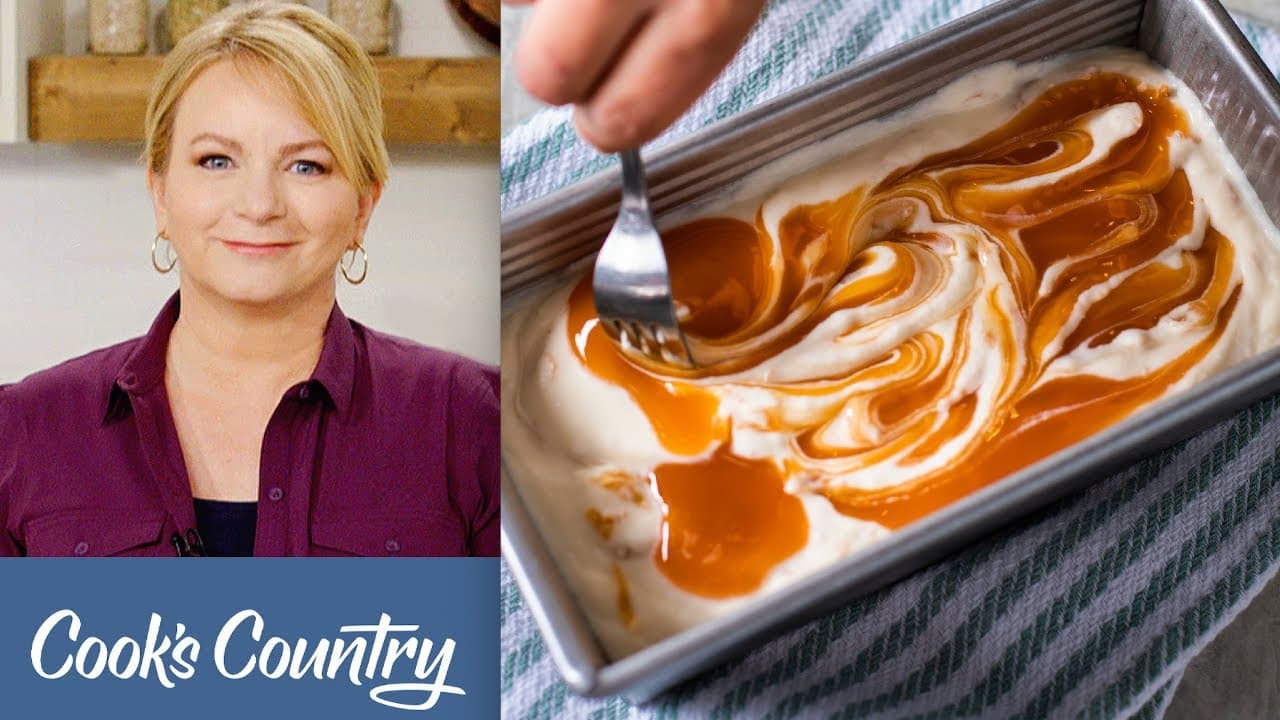
How to Make Ice Cream Without an Ice Cream Maker

How to Make Tacos: Cheesy Beefy Crunchy Tacos at Home

How to Grill Burgers

How to Make Brownies

How to Make Sugar Cookies
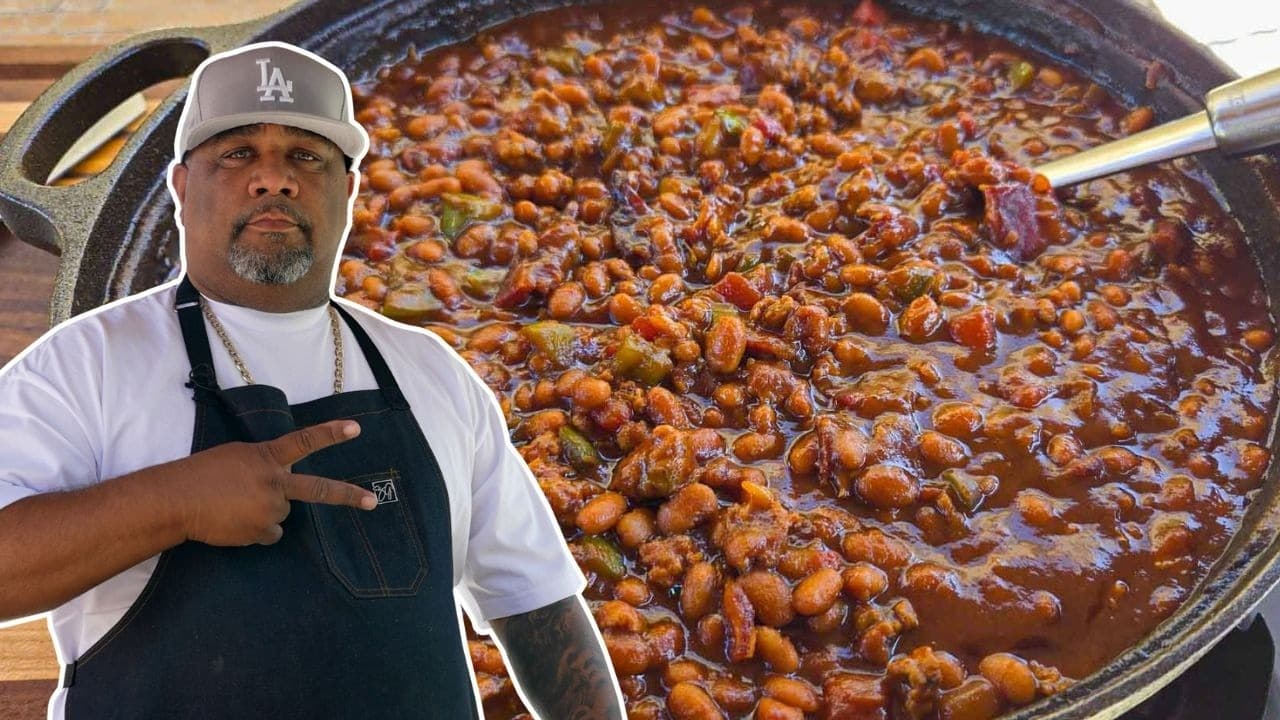
How to Make Baked Beans

How to Make Cinnamon Rolls (Easy Homemade Recipe)
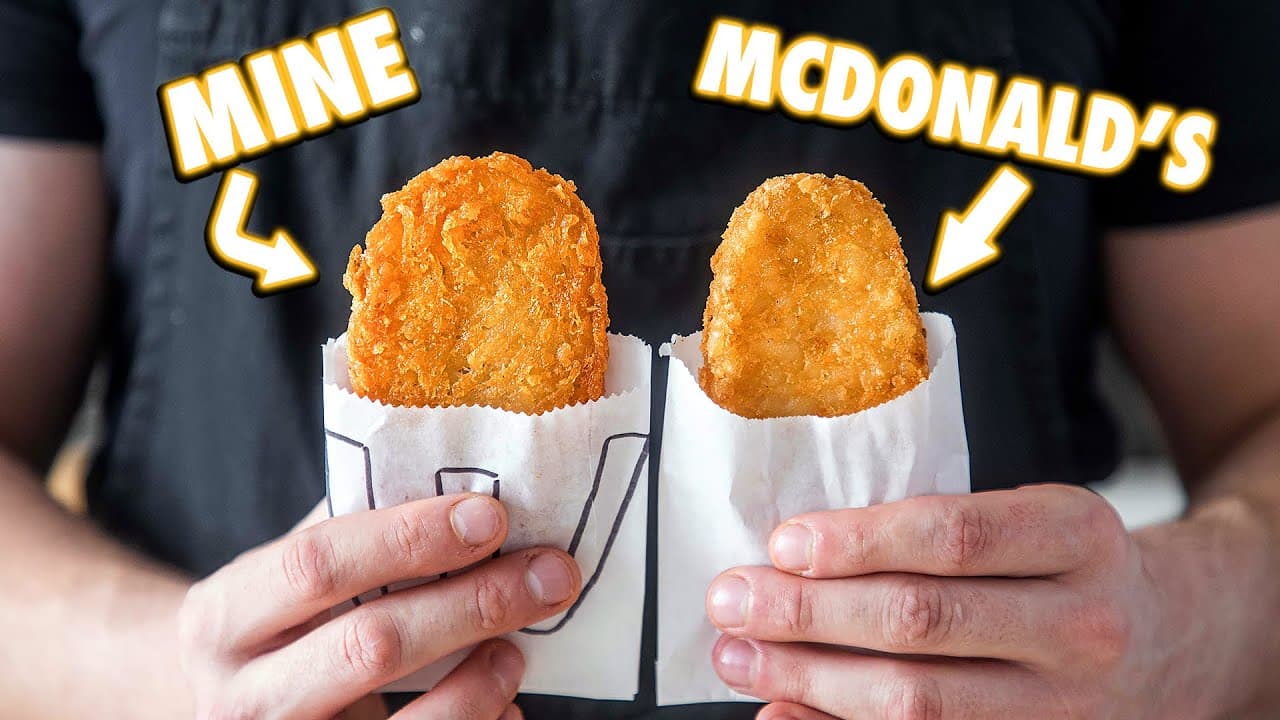
How to Make Hash Browns in 9 Steps

How to Make Royal Icing

How to Make Stuffing

How to Cook Jasmine Rice on the Stove

Hot Cocoa Bomb Recipe: How to Make Them at Home
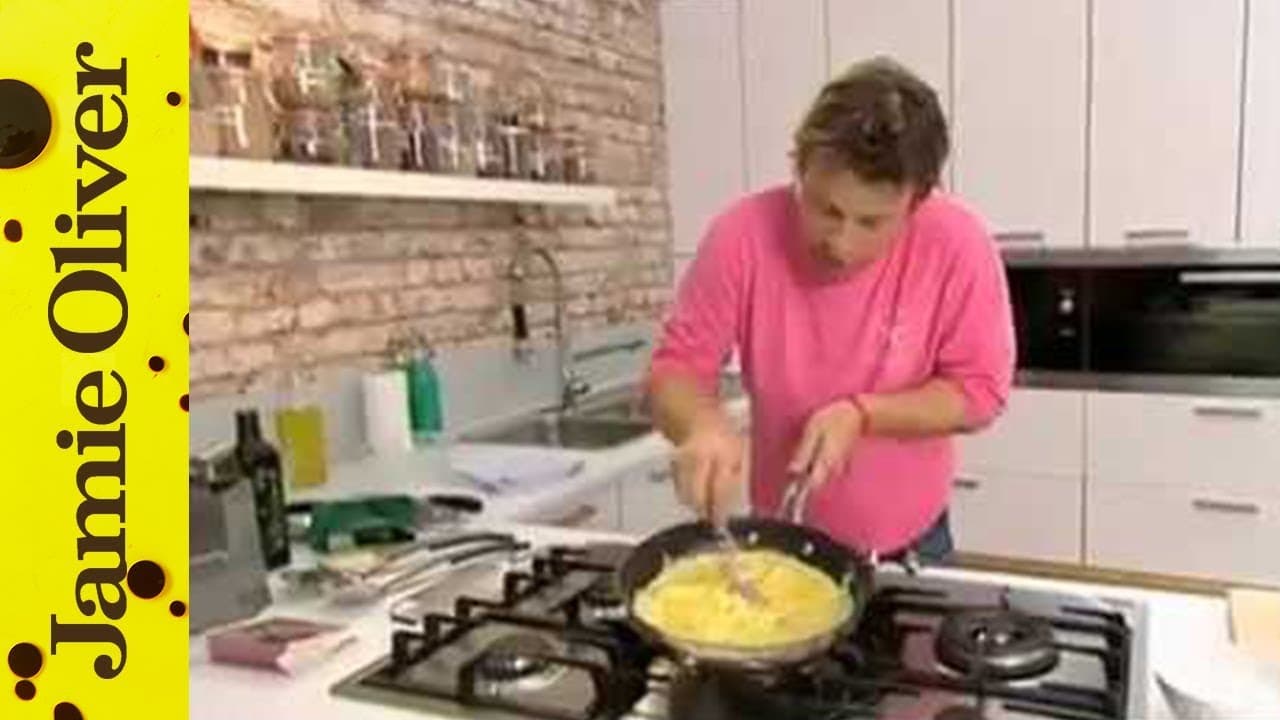
How to Make an Omelette

How to Make Butternut Squash Soup (Roasted, No Cream)
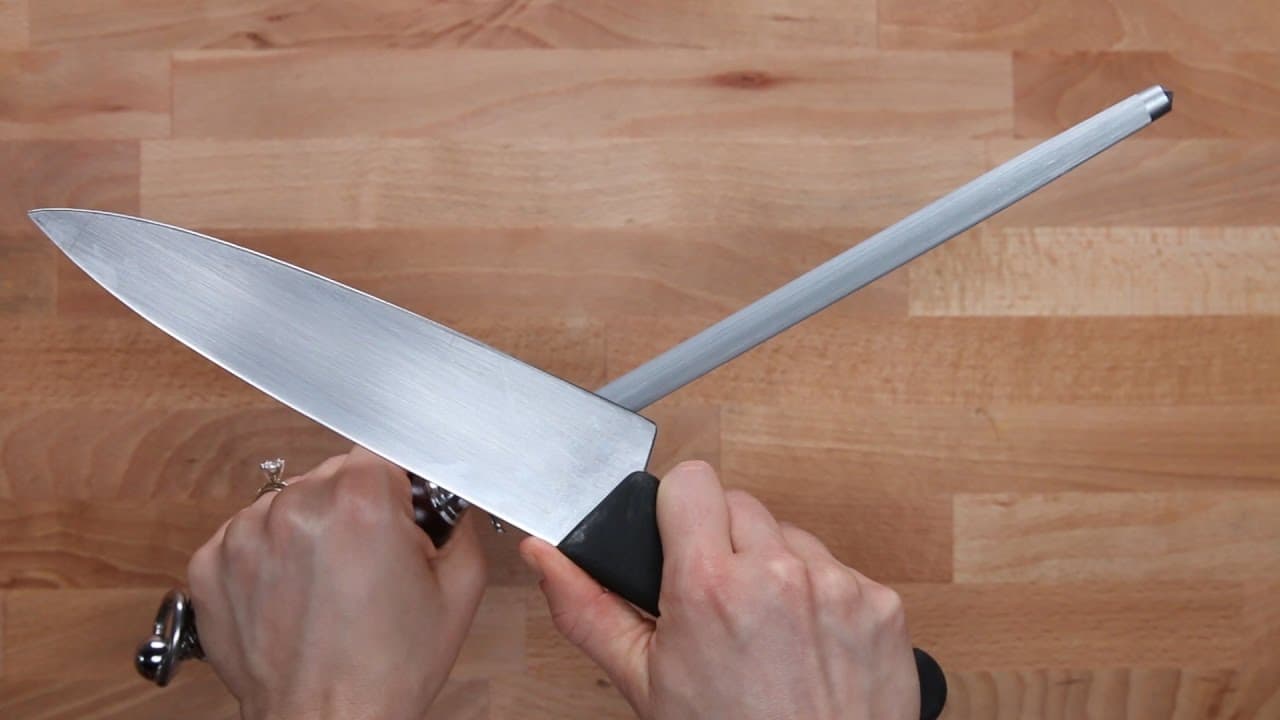
How to Sharpen Dull Knives at Home

How to Make Roasted Garlic Aioli (3-Ingredient Mayo Dip)
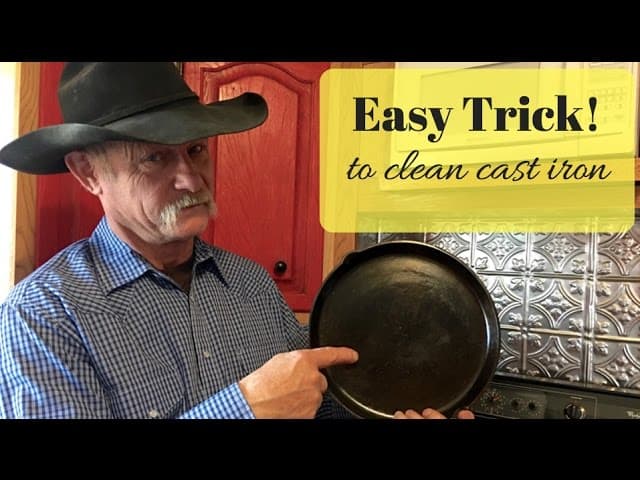
How to Clean a Cast Iron Skillet
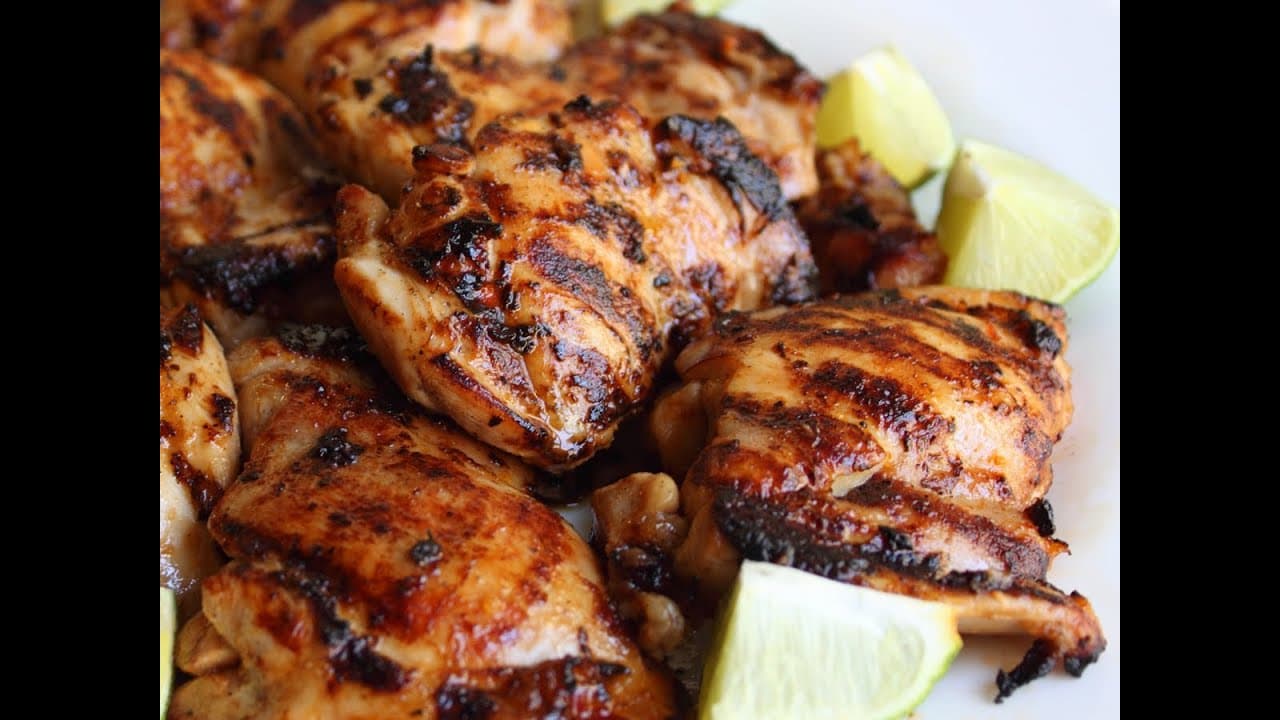
How to Grill Boneless Chicken Thighs (Rusty Chicken)

How to Make Authentic Greek Tzatziki Sauce
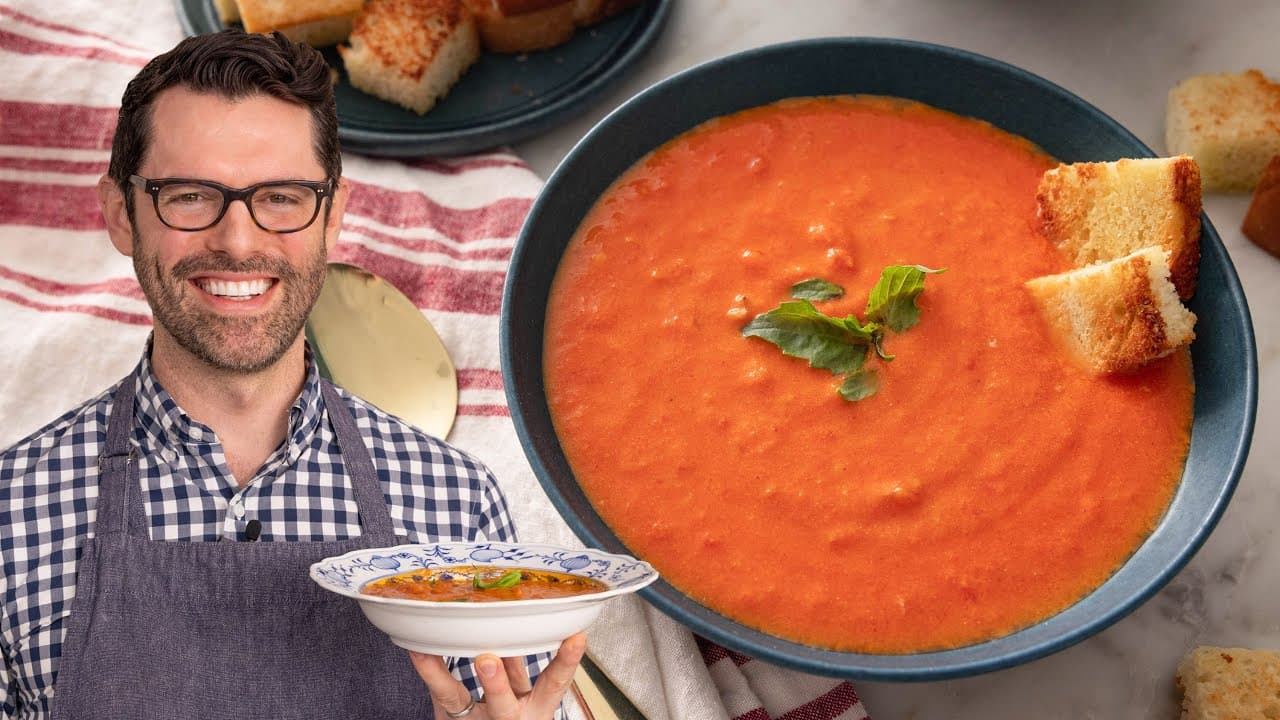
How to Make Tomato Soup

How to Make Cocktail Sauce (Easy 4-Ingredient Recipe)
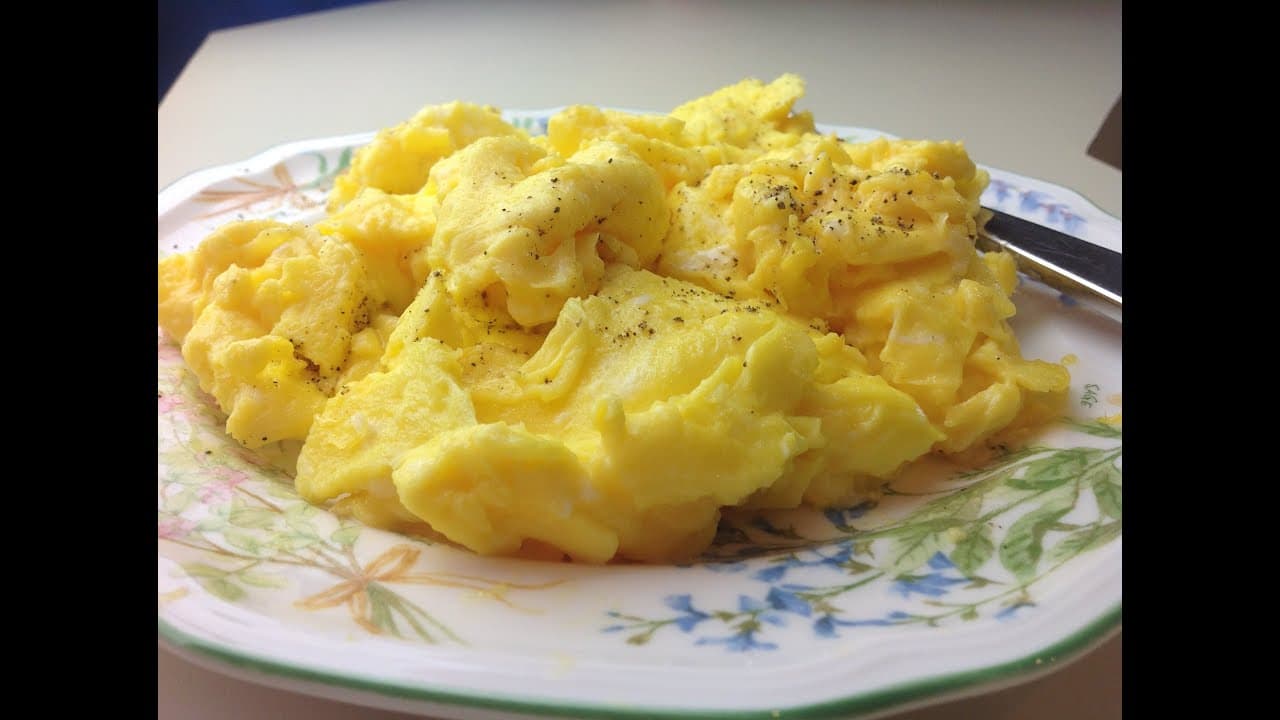
How to Make Perfect Fluffy Scrambled Eggs
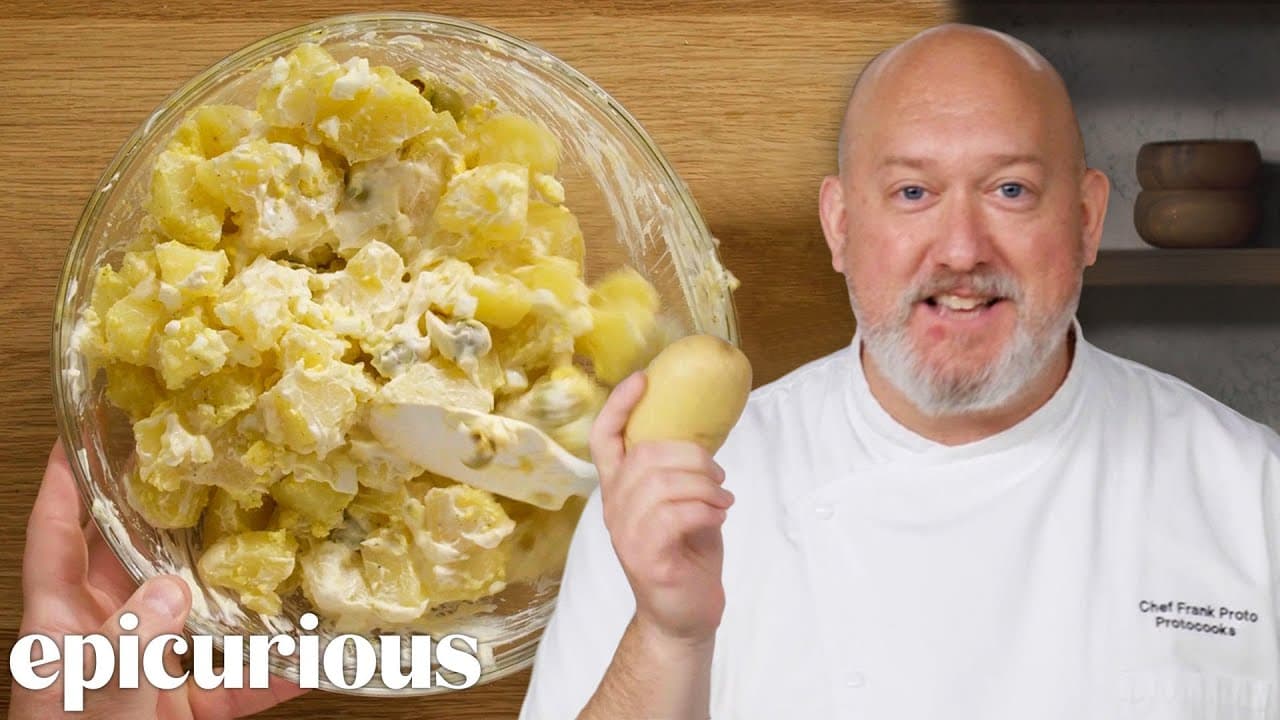
How to Make Potato Salad - 7-Step Classic Deli Recipe
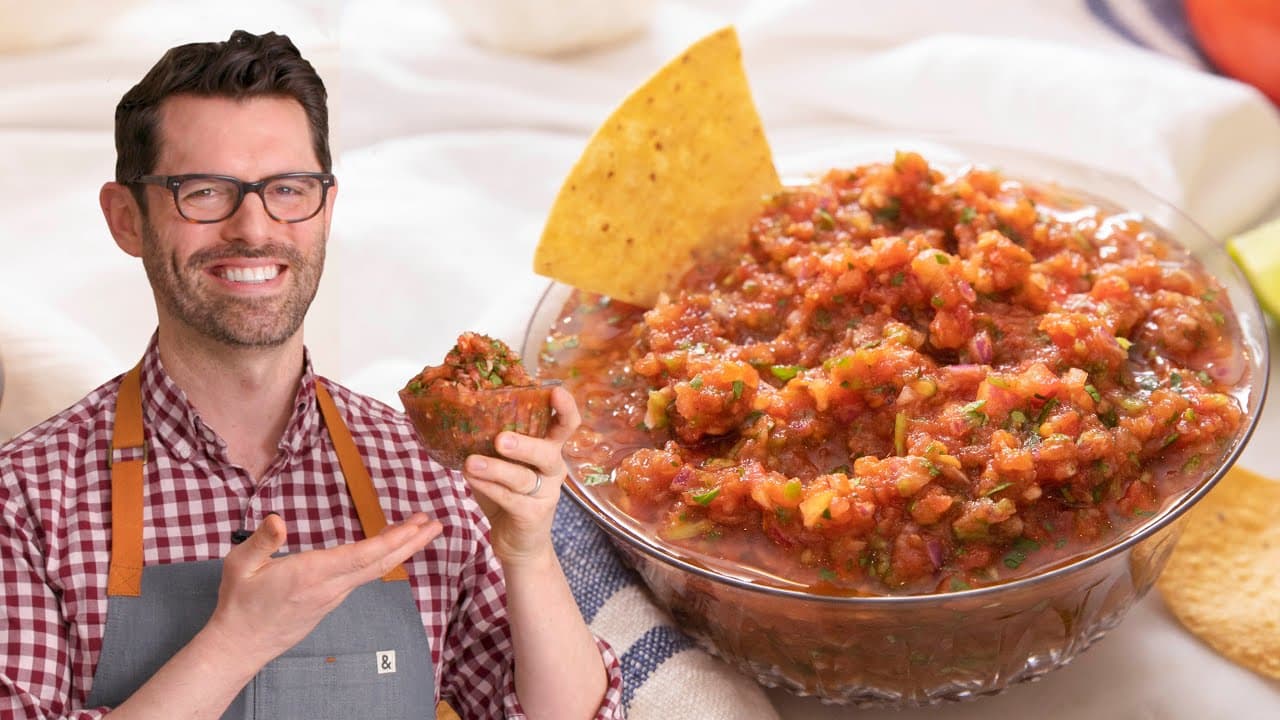
How to Make Salsa (Fresh Homemade Recipe in 15 Minutes)

How to Make Sweet Potato Casserole

How to Make Pancakes (Easy Classic Recipe)
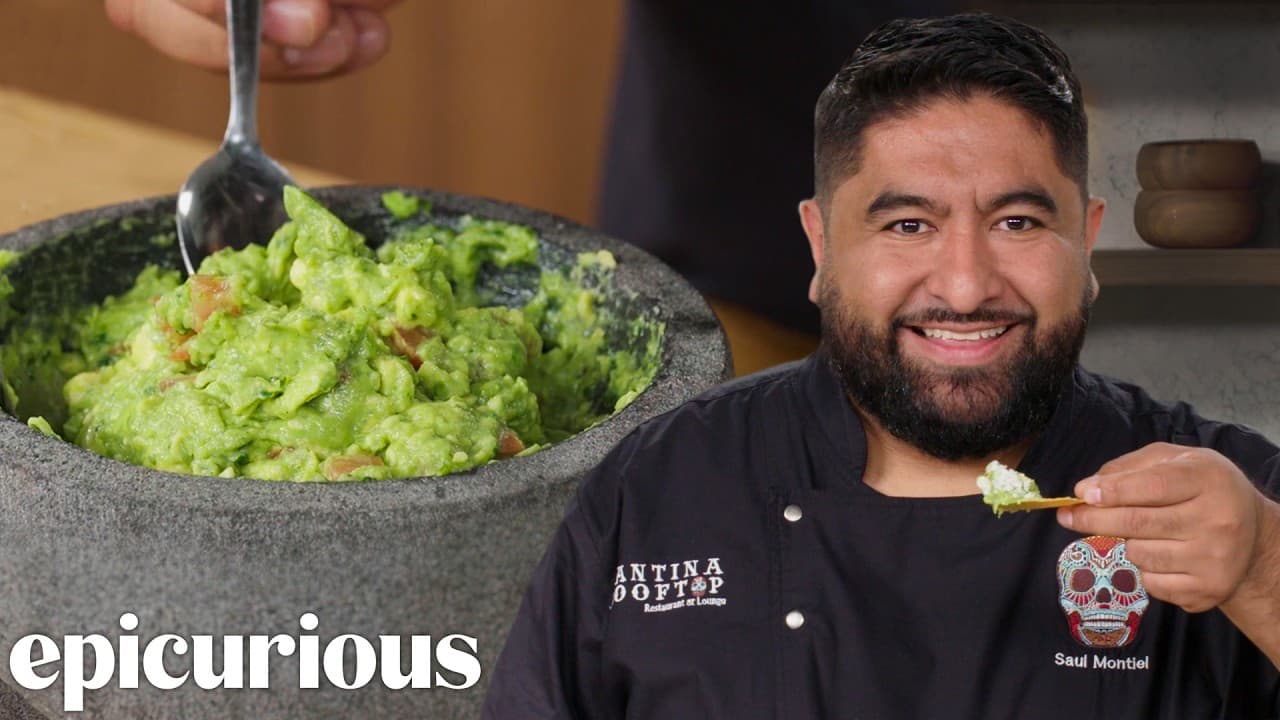
How to Make Guacamole: 9-Step Restaurant-Quality Recipe

Homemade Cranberry Sauce

How to Make a Classic Martini: Cocktail Tutorial

How to Make Southern Candied Yams
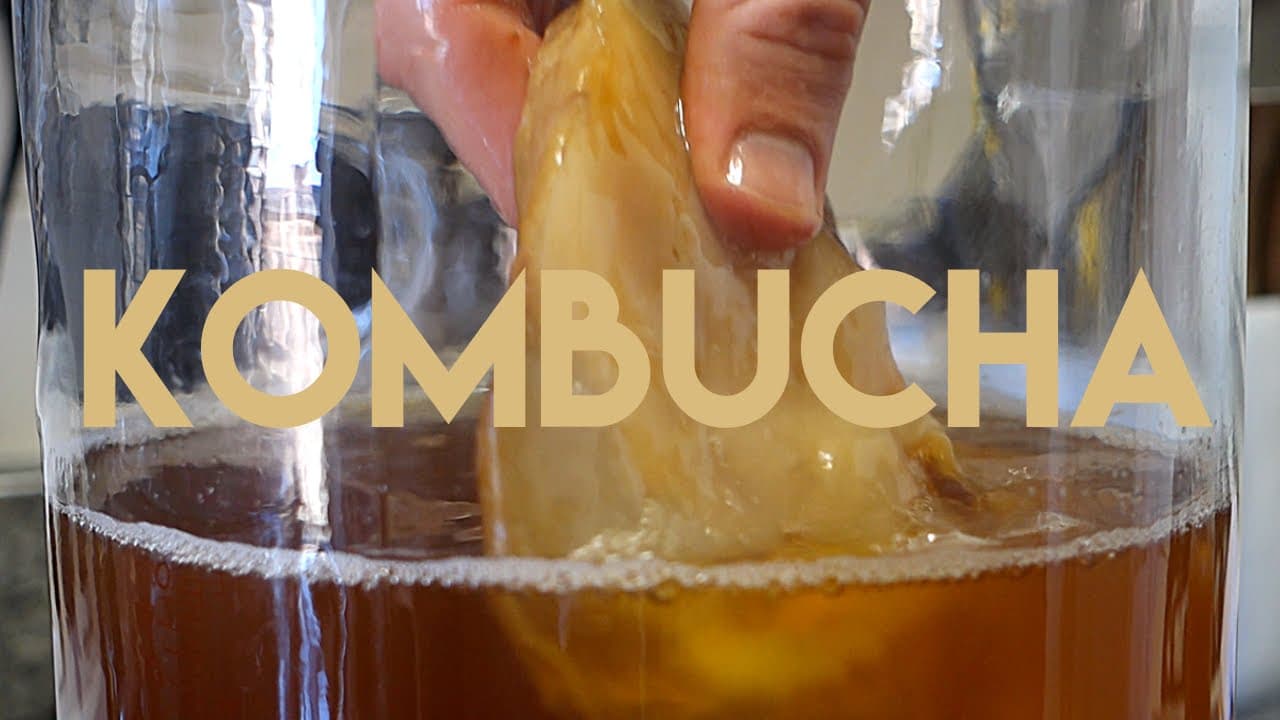
Beginners Guide to Kombucha Making

How to Make Apple Butter in a Slow Cooker
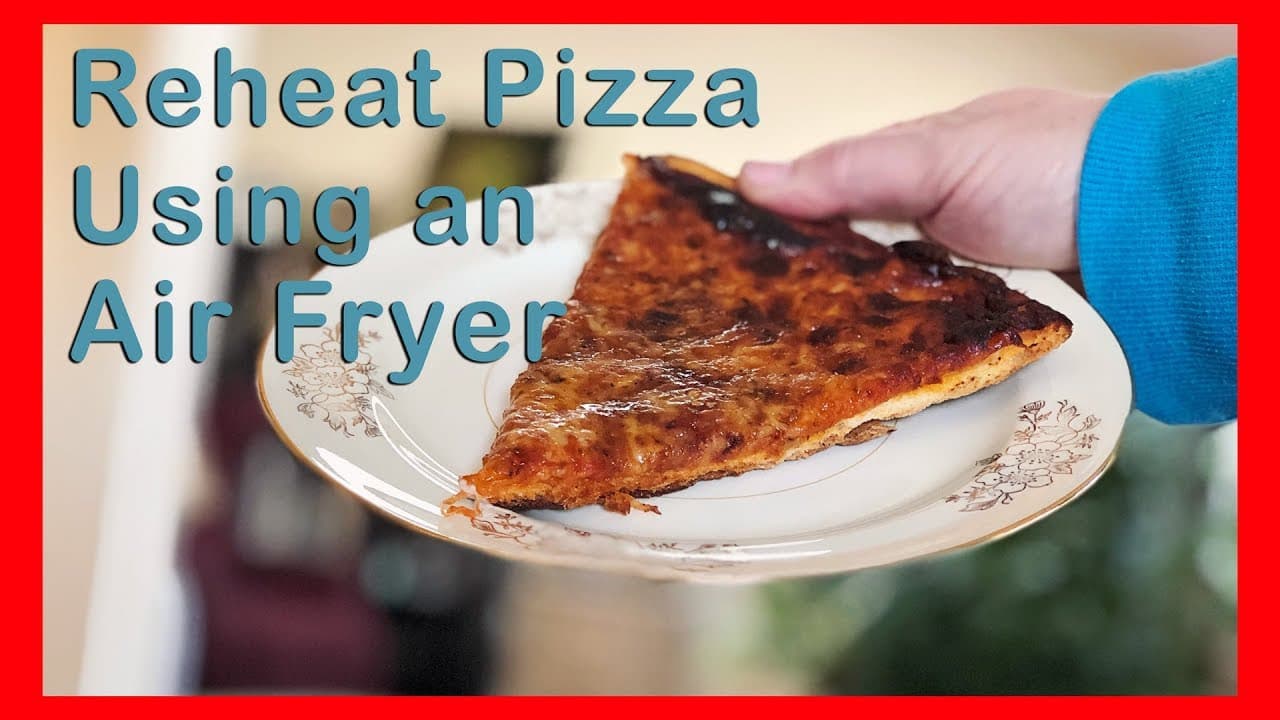
How to Reheat Pizza in an Air Fryer

How to Make Broccoli Cheddar Soup (Panera Copycat in 30 Minutes)
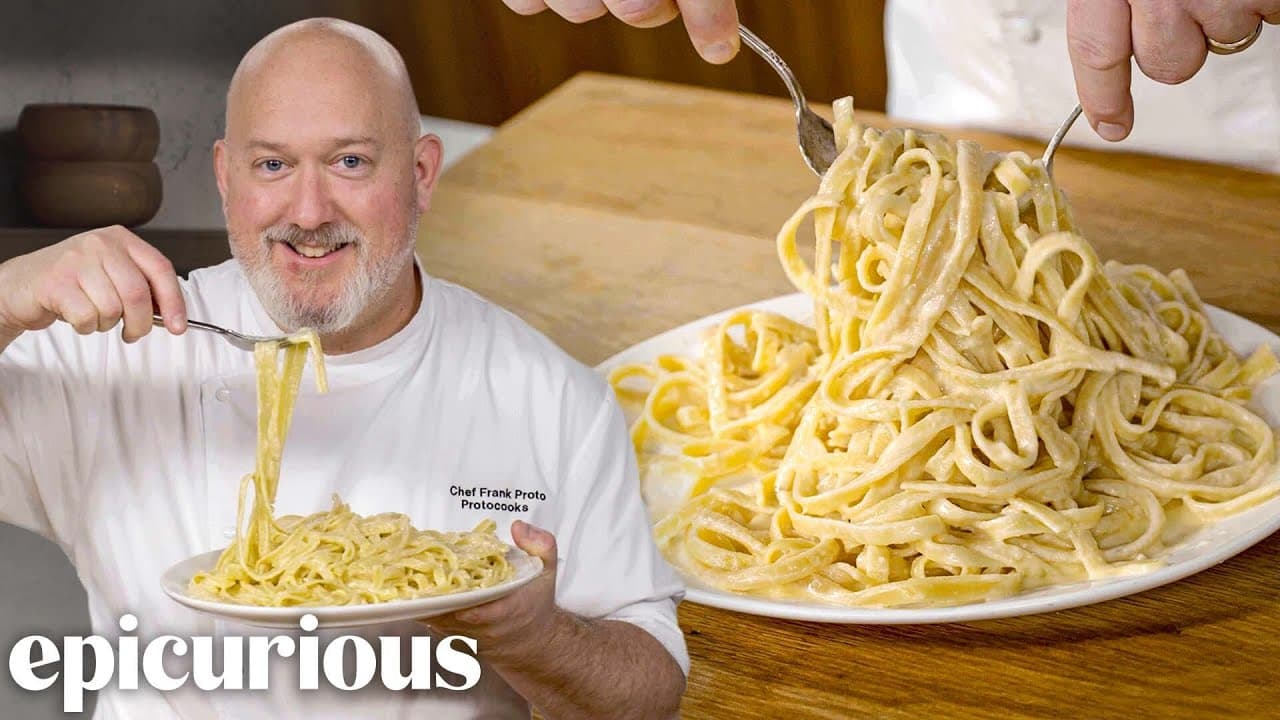
How to Make Alfredo Sauce (Authentic Italian Style)

How to Make Butter Chicken (Restaurant Style at Home)

How to Use a Smoker

How to Make a Charcuterie Board

How to Make Belgian Waffles (Brussels-Style)

How to Cook Hot Dogs: 8 Non-Grill Methods Compared

How to Make a Margarita

How to Make Cake Pops: Easy Step-by-Step Recipe

How to Make Restaurant-Quality Fried Rice
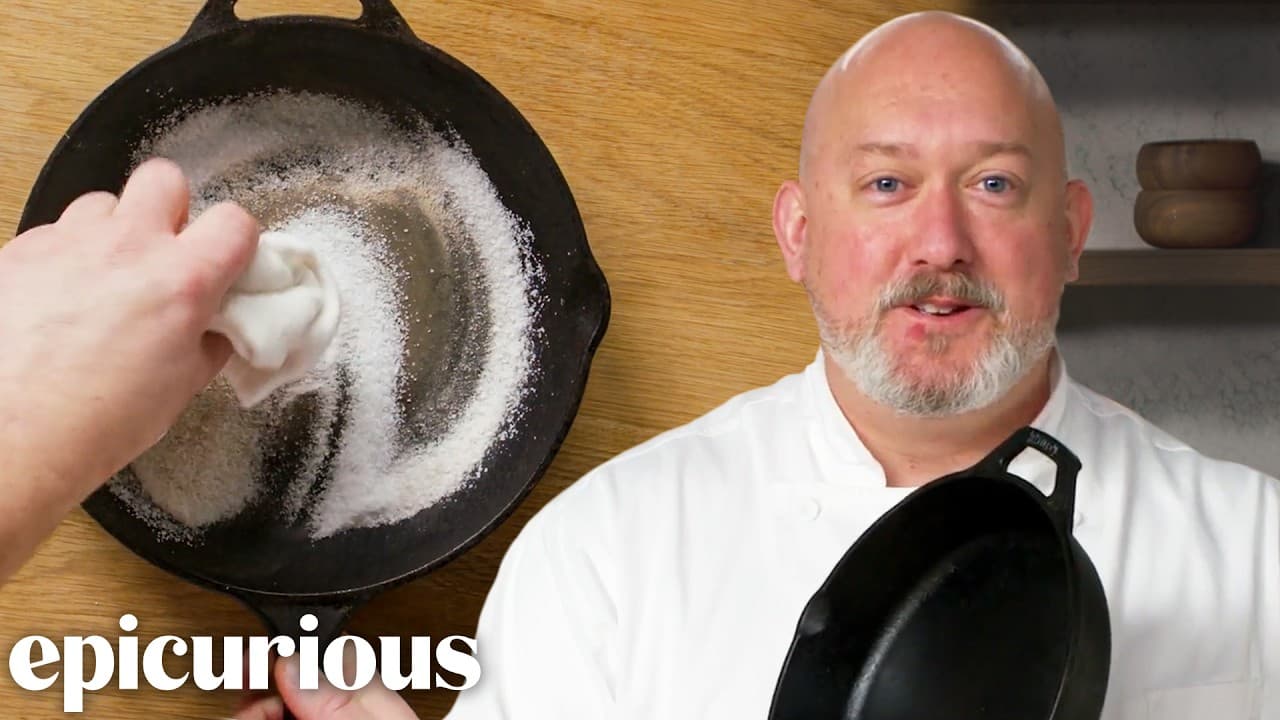
How to Season a Cast Iron Skillet (and Keep It That Way)
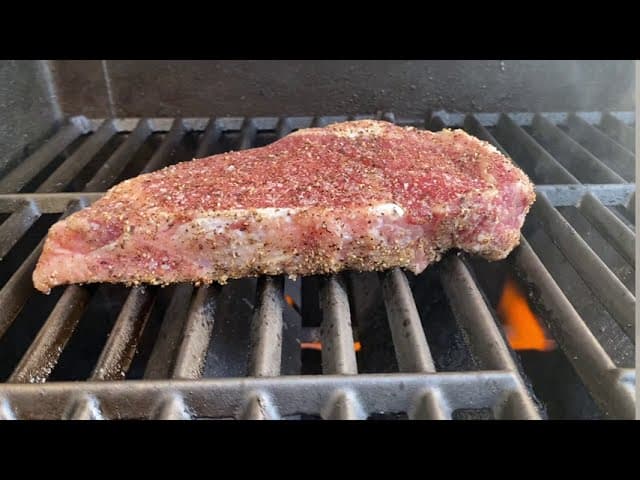
How to Grill a Steak
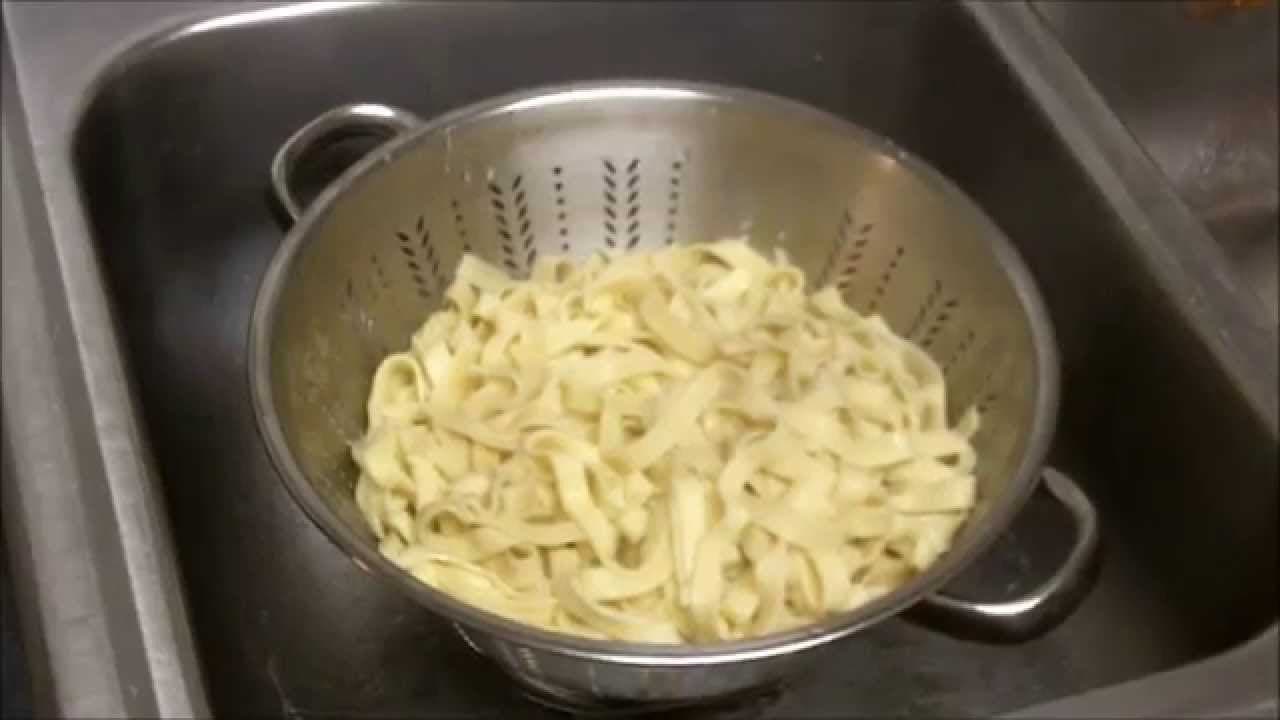
How Long to Cook Fresh Pasta
