How to Make Fresh Pasta from Scratch

By ShowMeStepByStepPublished Updated

Based on a video by Epicurious.

Step 4 of 5 inCooking Fundamentals

Fresh pasta takes about 30 minutes of active work and the difference from box pasta is obvious the first time you try it. The dough is just flour, eggs, and salt. The technique is what makes it work.

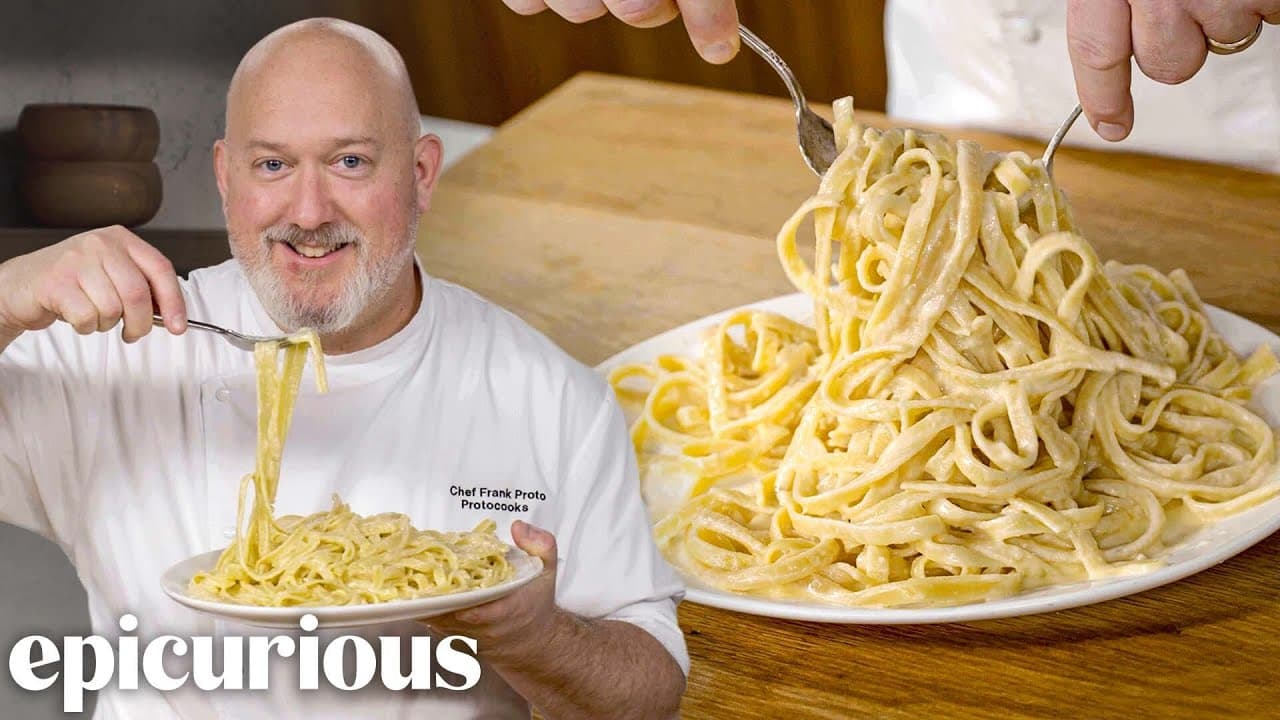
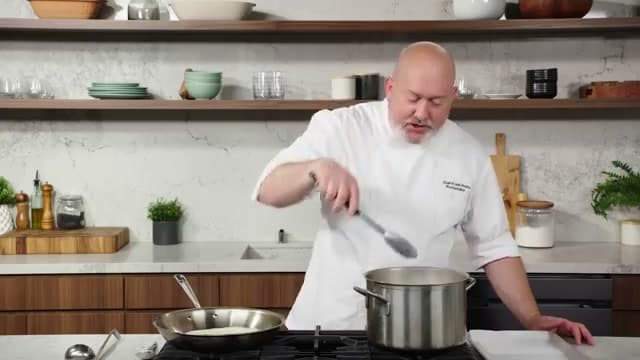
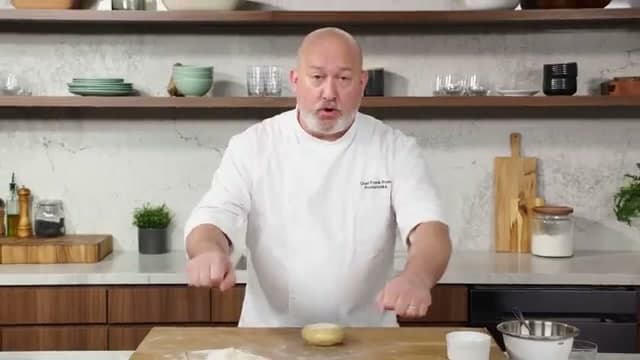
Chef Frank Proto from Epicurious walks through the classic Italian method - building a flour well, incorporating the eggs by hand, kneading until elastic, and rolling it thin through a pasta machine. He makes both egg-based pappardelle and water-based cavatelli to show the range of what you can do with homemade dough. The same hands-on technique transfers to our homemade pizza dough recipe — flour, water, knead, rest. A sharp knife makes cutting your noodles cleaner once they're rolled.

Step-by-Step Guide

1

Make the Flour Well and Add Eggs

0:31
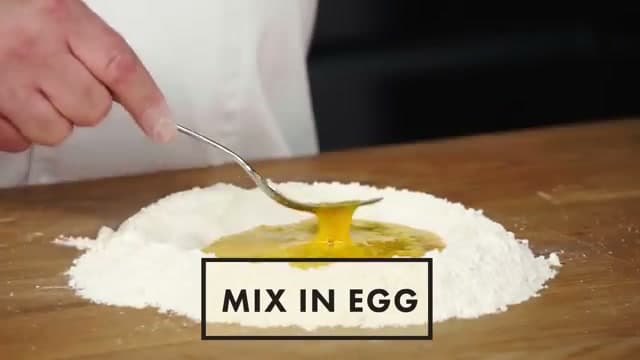
Step 1: Make the Flour Well and Add Eggs

Mound two cups of 00 flour (or all-purpose) on your work surface and push a large well in the center. Crack two eggs into the well with a pinch of salt. Scramble the eggs with a fork, then start pulling flour in from the edges a little at a time.

One egg per person, one cup of flour per egg. Keep incorporating flour until the dough comes together into a shaggy ball. It does not need to be smooth yet.
2

Knead Until Elastic

2:14
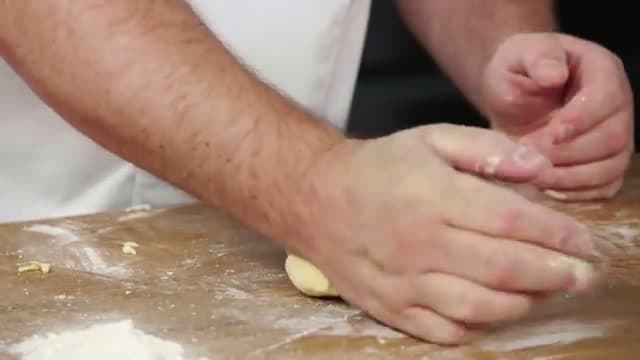
Step 2: Knead Until Elastic

Push the dough away from you with your body weight, fold it in half, give it a quarter turn, and repeat. Keep going for about 8-10 minutes until the dough is smooth and springs back when you poke it.

If it stays flat when pressed, either add more flour or keep kneading. The gluten is what gives fresh pasta its chewy bite. Under-kneaded dough makes limp, mushy pasta.

Products used in this step

3

Rest the Dough

3:06
Step 3: Rest the Dough

Wrap the dough in plastic wrap so it does not dry out. Let it sit for 20-30 minutes at room temperature. This lets the gluten relax.

If you try to roll it out immediately, the dough will spring back and fight you. After resting, it will hold its shape when rolled flat.

Tip

If you do not have plastic wrap, cover the dough with an upside-down bowl or a clean towel. The goal is to prevent a dry skin from forming on the surface.

4

Roll Through the Pasta Machine

7:49
Step 4: Roll Through the Pasta Machine

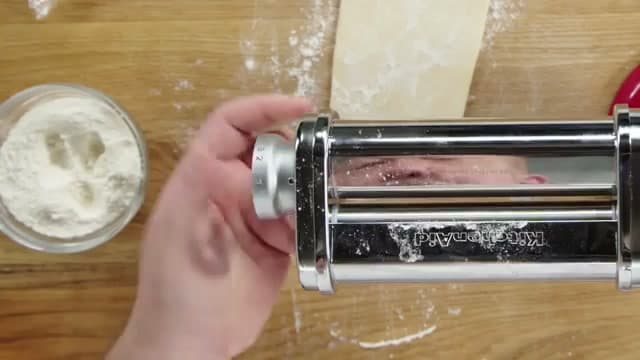
Cut off about a third of the dough and keep the rest covered. Flatten it slightly and dust with flour. Start at the thickest setting (usually 1) and feed it through the rollers. Fold it in half, dust again, and run it through on 1 one more time.

Then go up one number at a time - 2, 3, 4, and so on - making the sheet thinner each pass. For pappardelle, stop around setting 7. Use the backs of your hands to guide the sheet as it gets long so your fingers do not poke through.

5

Cut the Pasta

9:40
Step 5: Cut the Pasta

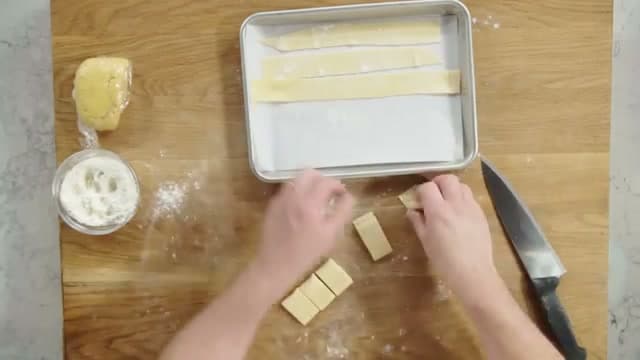
Dust the pasta sheet generously with flour on both sides so it does not stick to itself. Roll it up loosely and cut across into strips with a sharp knife. For pappardelle, cut about an inch wide. For fettuccine, cut thinner.

Unroll the strips and lay them flat on a floured tray. Try not to stack them or they will stick together. You can also toss them into loose nests dusted with flour.

Products used in this step

6

Cook the Fresh Pasta

10:30
Step 6: Cook the Fresh Pasta

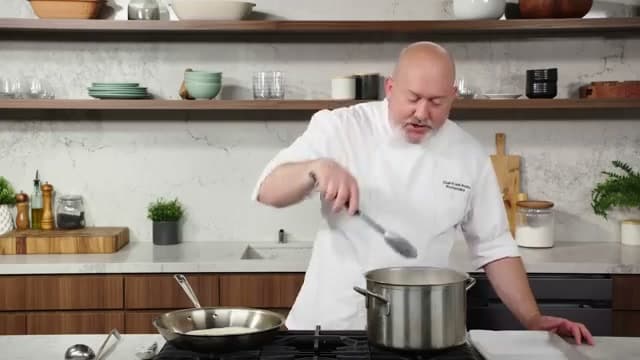
Bring a large pot of well-salted water to a rolling boil. Drop the pasta in and stir immediately so it does not stick. Fresh pasta cooks much faster than dried - about 2-3 minutes for thin noodles.

Taste a piece. It should be cooked through with a slight chew, not doughy or gummy. Pull it out with tongs or a spider and drop it directly into your hot sauce. Add a splash of pasta water to loosen the sauce and finish cooking in the pan.

Products Used

❖ The Recipe

How to Make Fresh Pasta from Scratch

Italian
Serves
2 servings (1 egg per person)
Prep
40 min
Cook
3 min
Total
43 min

Ingredients

4 items
  • 2 cups00 flourall-purpose flour also works
  • 2large eggs
  • pinchsalt
  • for dusting and the work surfaceextra flour

Nutrition

estimated · per servingEstimated from the ingredient list, not measured. Actual values vary by brand, preparation, and serving size. Not a substitute for measured nutrition data.
Calories
510kcal
Protein
19g
Fat
5g
Carbs
96g
Fiber
3g
Sodium
100mg

Method

  1. 1
    Make the Flour Well and Add Eggs. Mound two cups of 00 flour (or all-purpose) on your work surface and push a large well in the center.
  2. 2
    Knead Until Elastic. Push the dough away from you with your body weight, fold it in half, give it a quarter turn, and repeat.
  3. 3
    Rest the Dough. Wrap the dough in plastic wrap so it does not dry out.
  4. 4
    Roll Through the Pasta Machine. Cut off about a third of the dough and keep the rest covered.
  5. 5
    Cut the Pasta. Dust the pasta sheet generously with flour on both sides so it does not stick to itself.
  6. 6
    Cook the Fresh Pasta. Bring a large pot of well-salted water to a rolling boil.

Your Guide

Epicurious

As an Amazon Associate we earn from qualifying purchases. Links on this page may be affiliate links - clicking them and buying doesn't change your price, but helps support ShowMeStepByStep.

Tags

Test your knowledge

Did the lesson stick? Find out in 2 minutes.

5 quick questions covering what you just read. No signup, no score saved — just a gut check.

Quick reference

Key takeaways from How to Make Fresh Pasta from Scratch

5 questions, answers, and one-line explanations. Tap to expand.

  1. 1.What three ingredients make the dough?

    Answer: Flour, eggs, salt

    Just flour, eggs, and salt. The technique is what makes it work.

  2. 2.Why rest the dough for 20 to 30 minutes after kneading?

    Answer: Lets the gluten relax

    Resting lets the gluten relax. If you roll it out immediately, the dough springs back and fights you.

  3. 3.What flour does Chef Frank reach for first?

    Answer: 00 flour

    Two cups of 00 flour (or all-purpose if 00 isn't available). 00 is finely milled and gives the smoothest texture.

  4. 4.When feeding through the pasta machine, where do you start?

    Answer: Setting 1 (thickest)

    Always start at the thickest setting and step down. Fold and feed again at setting 1 to align the dough before thinning.

  5. 5.How long does fresh pasta cook compared to dried?

    Answer: Roughly 2 to 3 minutes

    2 to 3 minutes for thin noodles. Fresh pasta has egg already in the dough and is much thinner than dried.

What's next

Related collections

Curated theme pages that include this tutorial.

Weekly Digest

Liked this cooking tutorial?

Pick the categories you want to hear about. Weekly digest of new step-by-step tutorials. No spam, easy unsubscribe.

Send me tutorials about

We only email about new tutorials. Easy unsubscribe anytime.