How to Cook Rice

The finished result: How to Cook Rice

By ShowMeStepByStepPublished Updated

Based on a video by Tasty.

Rice is the dish people are most embarrassed about getting wrong. It sticks, it burns, or it collapses into porridge. Three things fix it: measure the water, rinse the grains, and leave the lid on after the heat goes off.

This walkthrough follows Tasty's breakdown, a video with over 13 million views, and finishes with a pilaf upgrade that turns weeknight rice into something worth serving on its own.

The water ratio, by rice type

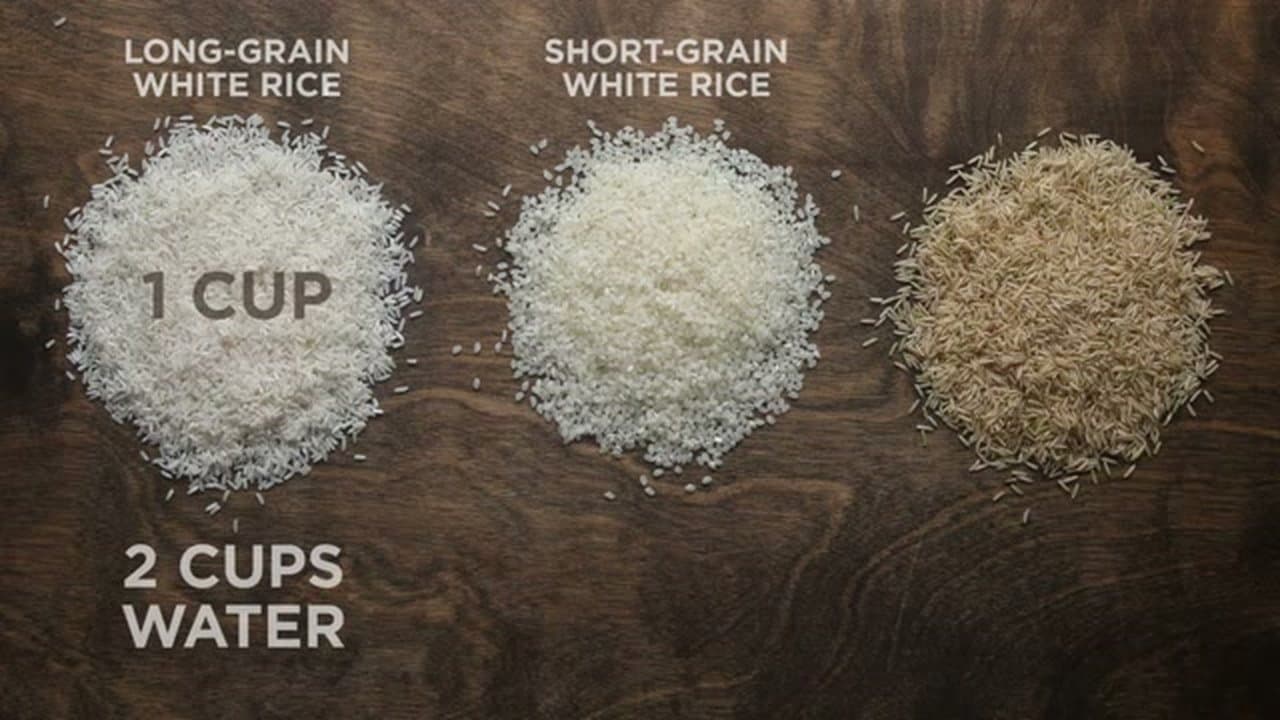
The 2:1 rule you half-remember is only right for one kind of rice. Long-grain white is 1.5 parts water to 1 part rice. Brown needs roughly 2:1 and about twice the time. Jasmine and basmati sit near 1.5:1 but want a longer soak. Short-grain sushi rice is closer to 1.1:1 because you want it sticky.

Measure by volume with the same cup for both, and the ratio holds no matter how much you are making.

Rinse until the water runs clear

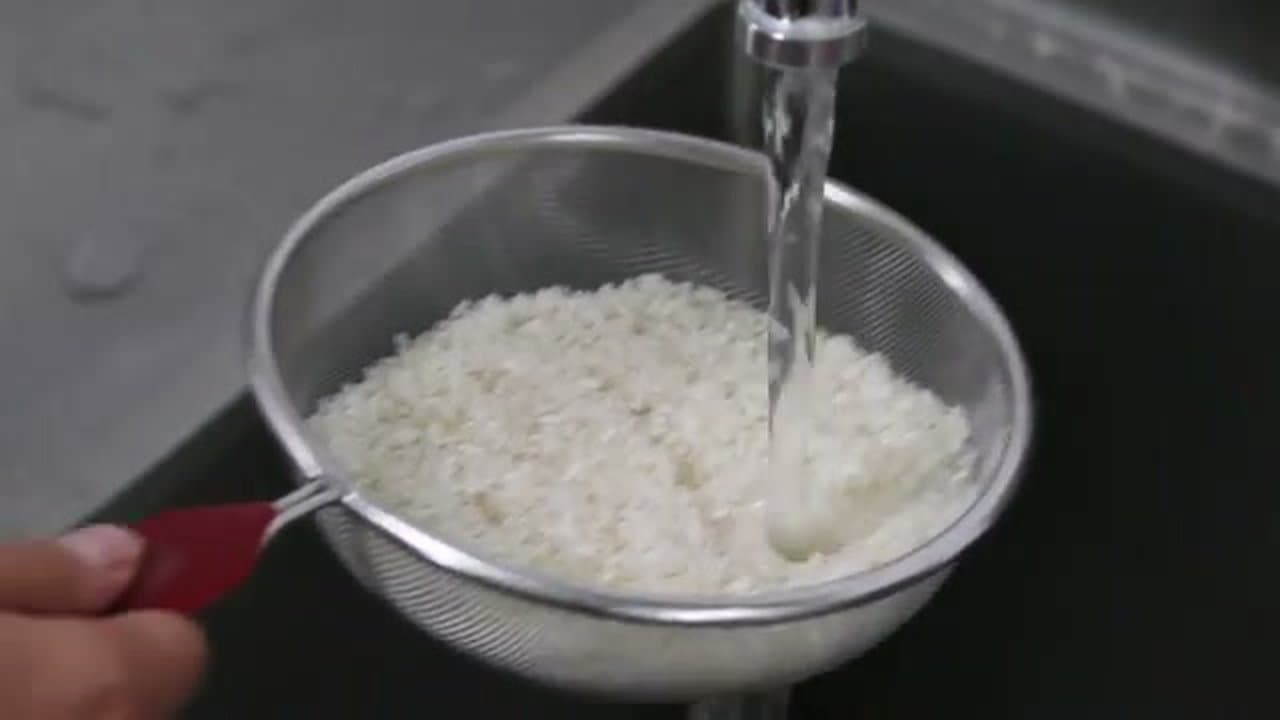
Dry rice is coated in loose surface starch from milling. Cook it in and the grains glue together. Rinsing takes ninety seconds: cover the rice with cold water, swirl it with your hand, pour off the cloudy water, repeat two or three times until it runs nearly clear.

The exception is any rice you want sticky on purpose, and enriched American white rice where rinsing washes off added vitamins. For everything else, rinse.

Do not lift the lid

Bring it to a boil, stir once, drop the heat to its lowest setting and cover. Every time you peek you release the steam doing the cooking, and the top layer ends up crunchy while the bottom scorches. Set a timer and walk away: 18 minutes for white, 40 to 45 for brown.

The rest is not optional

Off the heat, lid still on, 10 minutes. The grains at the bottom are waterlogged and the ones on top are dry, and resting lets the moisture even out through the pot. Fluff with a fork, never a spoon, which crushes the grains against each other.

What went wrong

Mushy. Too much water, or you stirred it during cooking. Stirring rubs starch off the grains, which is how you make risotto and how you ruin plain rice.

Crunchy in the middle. Heat was too high, so the water boiled off before the grains absorbed it. Lowest burner setting, always.

Burnt on the bottom. Thin pan. A heavy-bottomed pot with a tight lid solves most rice problems on its own.

Sticky and clumped. You skipped the rinse.

Other ways to cook it

For hands-off rice every time, a rice cooker removes the ratio guesswork entirely. Brown rice needs its own timing, and jasmine has a slightly different soak.

For sticky rice, glutinous rice is steamed rather than boiled, and it is a genuinely different method. And day-old rice is the only rice that makes decent fried rice, because fresh rice steams in the wok instead of frying.

What you'll need

Tools

Ingredients

  • 1 cuplong-grain white rice
  • 2 cupswater
  • 1/8 teaspoonsalt
  • 1 tablespoonolive oil (optional)
  • 1, finely choppedshallot (optional)
  • a few tablespoonswhite wine (optional)
  • 2 cupschicken or vegetable stock (optional)

Step-by-Step Guide

7 steps · about 5 minutes.Check off each step as you go and your progress saves automatically.

1

Get the Rice-to-Water Ratio Right

0:40
Step 1: Get the Rice-to-Water Ratio Right - How to Cook Rice

Rice is about two things: timing and ratios. Nail both and you can stop guessing.

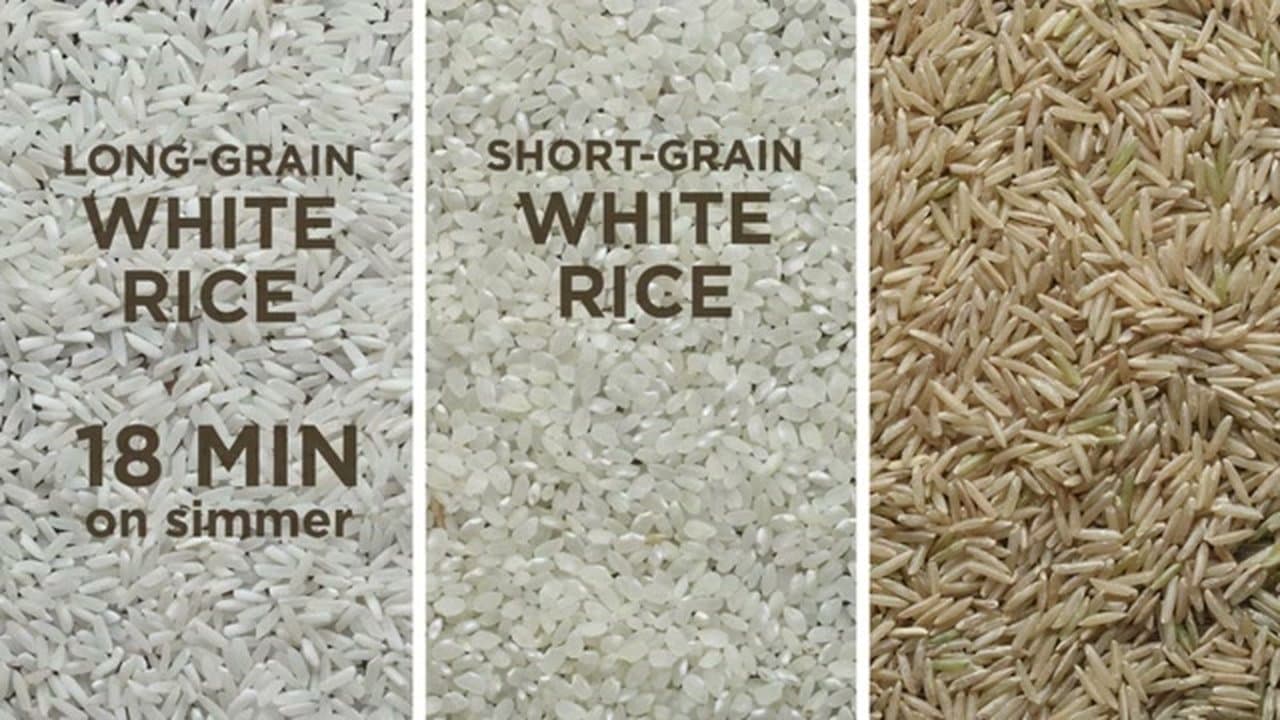
  • Long-grain white rice: 1 cup rice to 2 cups water
  • Short-grain white rice: 1 cup rice to 1¼ cups water
  • Brown rice: 1 cup rice to 1¾ cups water

Measure before you pour. Eyeballing is how rice ends up gummy or crunchy.

Watch this moment in the video.

Tip

If you're using a rice type not listed here, check the package. Most brands print their recommended ratio on the back.

Used in this stepDry Measuring Cup Set
2

Rinse the Rice Three Times

0:58
Step 2: Rinse the Rice Three Times - How to Cook Rice

Pour your rice into a strainer or bowl and rinse it under cold water. Swirl it around, drain, and repeat two more times.

You're washing off the extra starch that makes rice clump and turn gluey. The water won't run fully clear after three rinses and that's fine.

If you're in a hurry you can skip this step, but rinsed rice fluffs up noticeably better.

Watch this moment in the video.

Tip

A fine-mesh strainer works best, but a regular bowl works fine too. Just pour the cloudy water off carefully so you don't lose grains down the drain.

Used in this stepFine Mesh Strainer
3

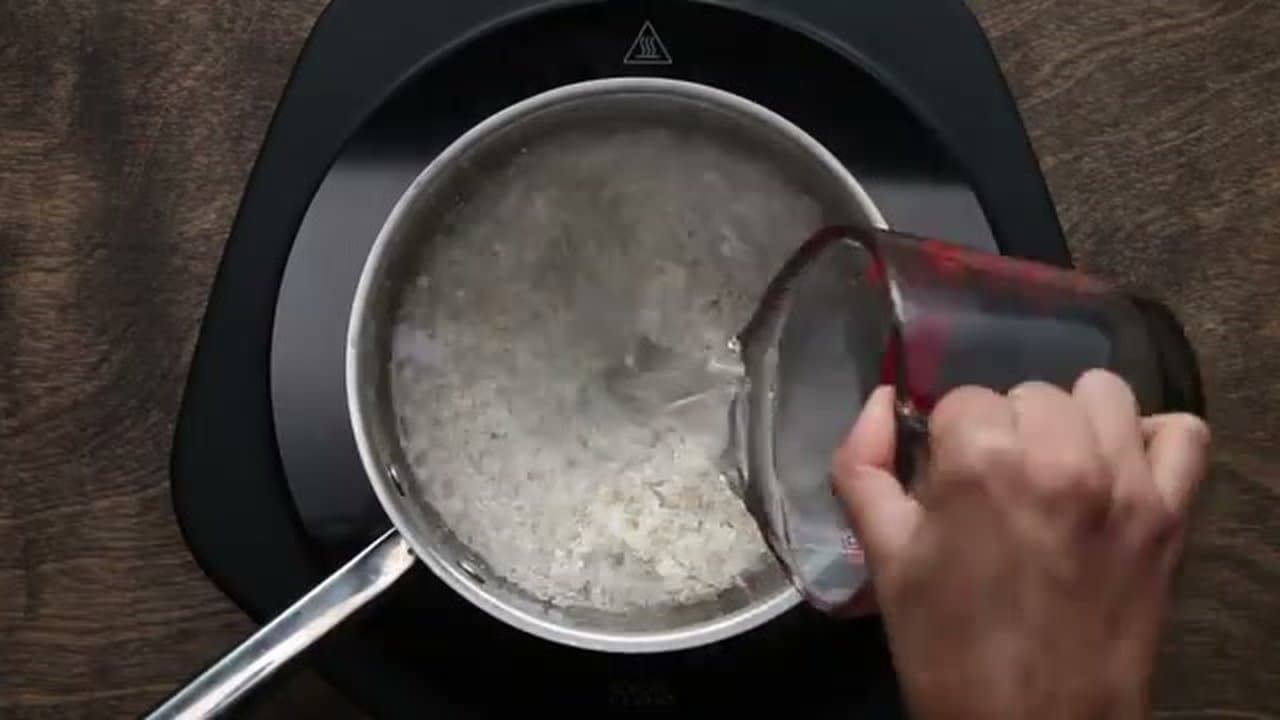
Combine Rice, Water, and Salt in a Pot

1:10
Step 3: Combine Rice, Water, and Salt in a Pot - How to Cook Rice

Tip the rinsed rice into a small pot. Add the water you measured out in Step 1. Toss in a pinch of salt, around ⅛ teaspoon for one cup of rice.

The pot should be small enough that the rice and water fill at least a couple of inches deep. Too wide a pot and the water evaporates unevenly, which throws off your cook time.

Watch this moment in the video.

Tip

Salt is optional but makes a big difference. If you switch to stock in Step 7, cut back on salt since stock is already seasoned.

Used in this stepSmall Saucepan with Lid
4

Bring to a Boil and Stir Once

1:17
Step 4: Bring to a Boil and Stir Once - How to Cook Rice

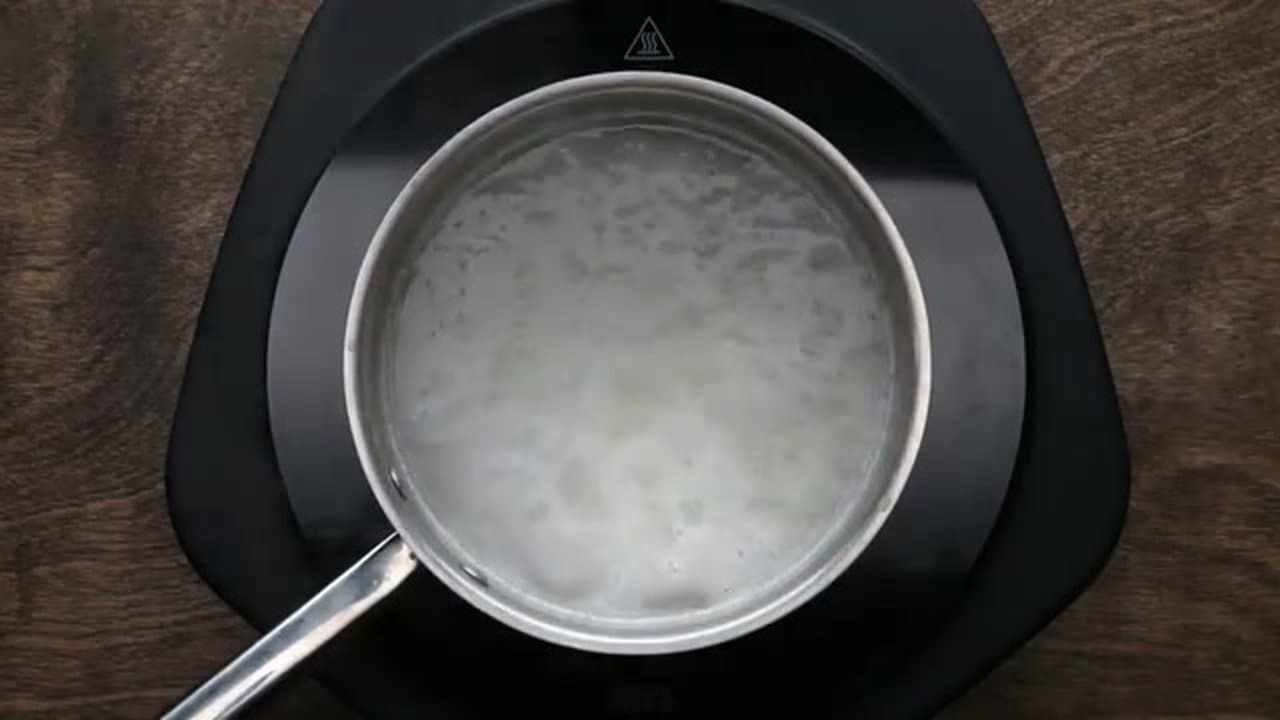
Turn the burner to high and wait for the water to hit a rolling boil. When it does, stir the rice once from the bottom to lift any grains that have settled.

One stir is the goal. Over-stirring releases more starch and brings back the stickiness you washed off a minute ago.

Watch this moment in the video.

Tip

A rolling boil means big sustained bubbles, not just a few wisps of steam. Wait for it. Rushing this step is what leaves a raw layer at the bottom of the pot.

5

Cover and Simmer for the Right Time

1:28
Step 5: Cover and Simmer for the Right Time - How to Cook Rice

Drop the lid on tight and turn the heat down to the lowest simmer your burner will hold.

  • Long-grain white rice: 18 minutes
  • Short-grain white rice: 15 minutes
  • Brown rice: 45 minutes

Set a timer and walk away. Don't lift the lid to peek. Every time you do, steam escapes and the cook time goes out of whack.

Watch this moment in the video.

Tip

If your burner doesn't go low enough (electric stoves are tricky), use a flame tamer or move to a smaller burner. You want the barest simmer, not a bubbling pot.

Used in this stepKitchen Timer
6

Rest Off the Heat for 5 to 10 Minutes

1:50
Step 6: Rest Off the Heat for 5 to 10 Minutes - How to Cook Rice

When the timer goes off, take the pot off the heat but keep the lid on. Let it sit undisturbed for 5 to 10 minutes.

The residual steam finishes cooking the grains and evens out any damp spots on the bottom. Fluff with a fork before serving.

Skip the rest and the rice comes out wetter and less defined.

Watch this moment in the video.

Tip

Don't fluff while the rice is still covered. Let it finish steaming, then take the lid off and fluff. Steaming without fluffing keeps the bottom grains from turning mushy.

7

Level Up with Pilaf Technique

2:50
Step 7: Level Up with Pilaf Technique - How to Cook Rice

Same pot, same ratios, better rice.

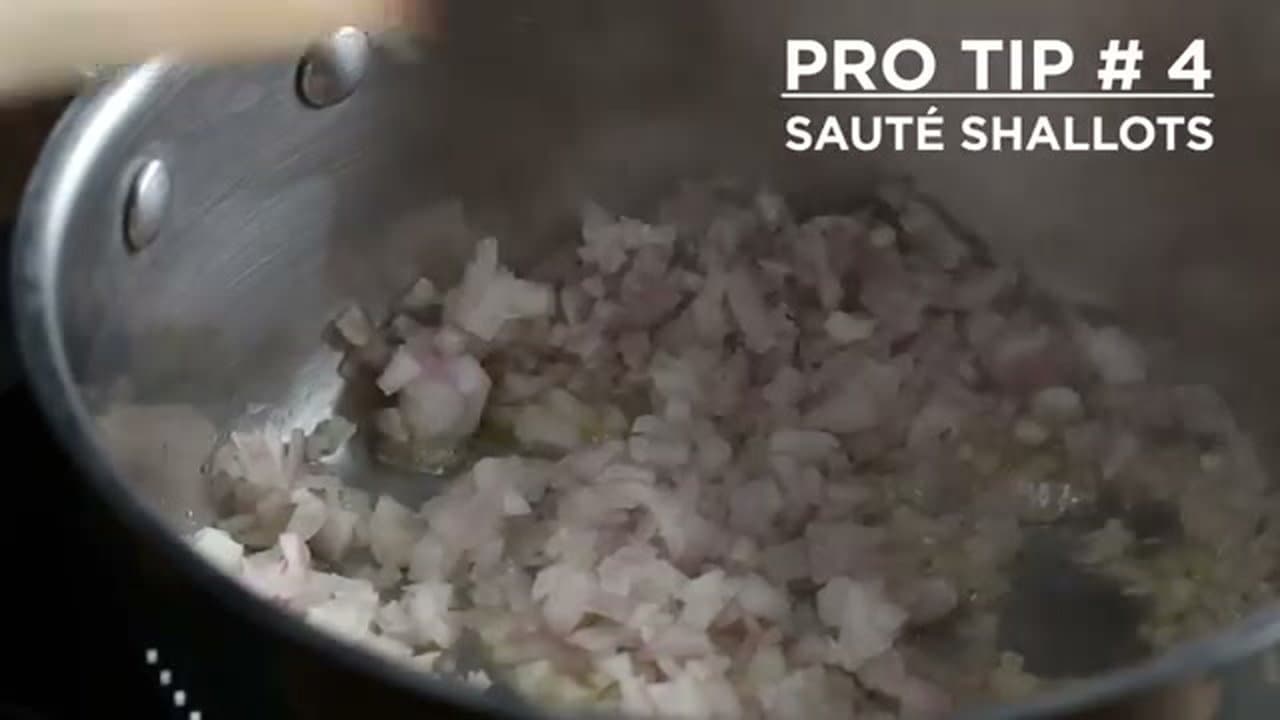
  1. Before adding water, warm a tablespoon of olive oil on high heat
  2. Cook a finely chopped shallot until it's golden
  3. Add your dry rice and stir for 30 seconds to coat every grain
  4. Splash in a few tablespoons of white wine if you have it
  5. Pour in chicken or vegetable stock instead of water

From there, it's boil-cover-simmer-rest, same as before. One shallot and a stock swap turns weeknight rice into restaurant rice.

Watch this moment in the video.

Tip

Swap the shallot for garlic, onion, or scallions. Any allium works. If you make rice a few times a week, a rice cooker (the Zojirushi is the gold standard) takes most of the fuss out.

Used in this stepOlive OilRice Cooker

Keep going

How to Make Hot Chocolate

Products Used

The Recipe

How to Cook Rice

Serves
2 to 3
Prep
5 min
Cook
28 min
Total
33 min

Ingredients

7 items
  • 1 cuplong-grain white ricefor short grain use 1 1/4 cups water; for brown rice use 1 3/4 cups water
  • 2 cupswater
  • 1/8 teaspoonsalt
  • 1 tablespoonolive oil (optional)for the pilaf upgrade
  • 1, finely choppedshallot (optional)for the pilaf upgrade
  • a few tablespoonswhite wine (optional)for the pilaf upgrade
  • 2 cupschicken or vegetable stock (optional)replaces water for the pilaf upgrade

Nutrition

estimated · per servingEstimated from the ingredient list, not measured. Actual values vary by brand, preparation, and serving size. Not a substitute for measured nutrition data.
Calories
240kcal
Protein
5g
Fat
0g
Carbs
53g
Fiber
1g
Sodium
100mg

Method

  1. 1
    Get the Rice-to-Water Ratio Right. Rice is about two things: timing and ratios.
  2. 2
    Rinse the Rice Three Times. Pour your rice into a strainer or bowl and rinse it under cold water.
  3. 3
    Combine Rice, Water, and Salt in a Pot. Tip the rinsed rice into a small pot.
  4. 4
    Bring to a Boil and Stir Once. Turn the burner to high and wait for the water to hit a rolling boil.
  5. 5
    Cover and Simmer for the Right Time. Drop the lid on tight and turn the heat down to the lowest simmer your burner will hold.
  6. 6
    Rest Off the Heat for 5 to 10 Minutes. When the timer goes off, take the pot off the heat but keep the lid on.
  7. 7
    Level Up with Pilaf Technique. Same pot, same ratios, better rice.

The Checklist

How to Cook Rice

Tools
6
Steps
7
Video
5 min

Your Guide

Tasty

As an Amazon Associate we earn from qualifying purchases. Links on this page may be affiliate links - clicking them and buying doesn't change your price, but helps support ShowMeStepByStep.

Tags

Sunday How-To

New cooking tutorials, every Sunday

One short email with the week's best step-by-step guides. Free, no spam, unsubscribe anytime.

Test your knowledge

Did the lesson stick? Start with this one.

5 questions covering what you just read. No signup, no score saved, and you can stop after this one.

Question 1 of 5

Long-grain white rice ratio?

Quick reference

Key takeaways from How to Cook Rice

5 questions, answers, and one-line explanations. Tap to expand.

  1. 1.Long-grain white rice ratio?

    Answer: 1:2

    1 cup long-grain white to 2 cups water. Short-grain wants 1:1.25; brown wants 1:1.75.

  2. 2.Why rinse rice 3 times before cooking?

    Answer: Cuts surface starch

    Less surface starch = fluffier, less sticky cooked rice. Cloudy rinse water is the visible starch.

  3. 3.After it hits a rolling boil, how many stirs?

    Answer: Once from the bottom

    One stir frees grains stuck to the bottom. Over-stirring releases the starch you just rinsed off.

  4. 4.Simmer time for long-grain white?

    Answer: 18 minutes

    18 minutes covered on lowest simmer. Short-grain is 15 min; brown is much longer (45 min).

  5. 5.When the timer goes off, what next?

    Answer: Rest lidded 5-10 min

    Residual steam finishes the grains evenly. Lifting the lid early gives you damp, sticky rice.

Did this work for you?

What's next

Related collections

Curated theme pages that include this tutorial.

Weekly Digest

Liked this cooking tutorial?

Pick the categories you want to hear about. Weekly digest of new step-by-step tutorials. No spam, easy unsubscribe.

Send me tutorials about

We only email about new tutorials. Easy unsubscribe anytime.