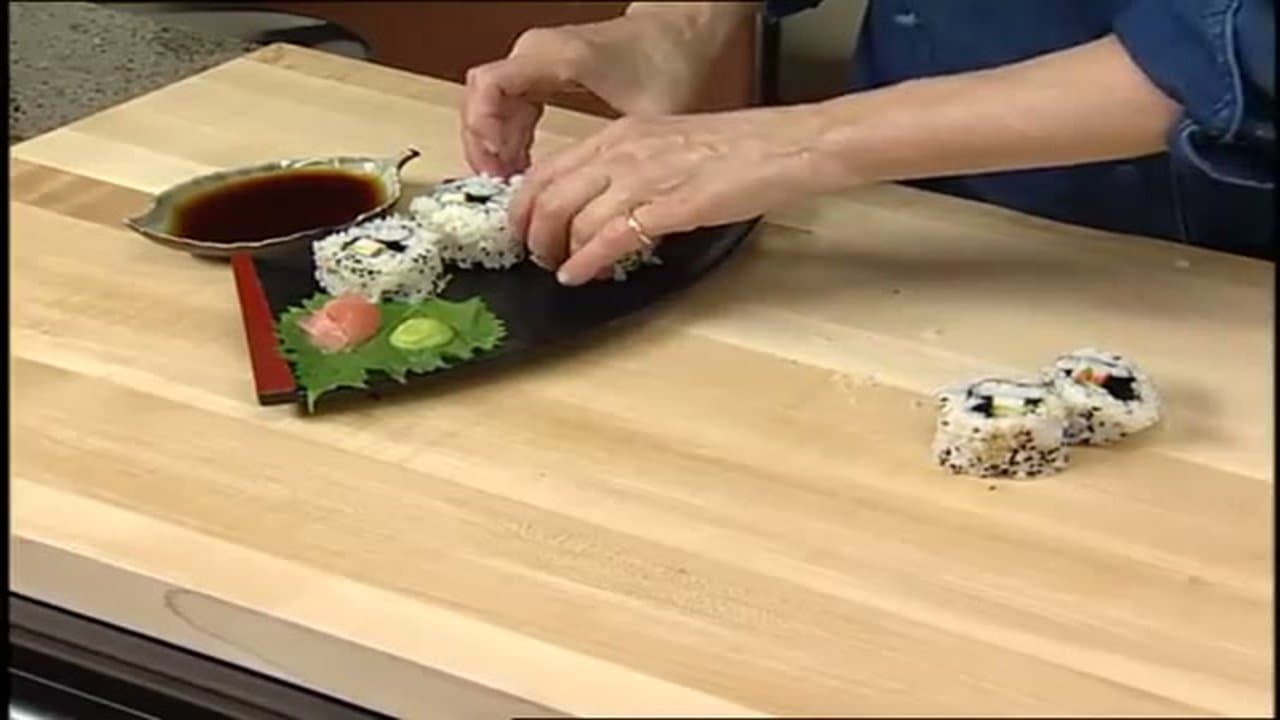
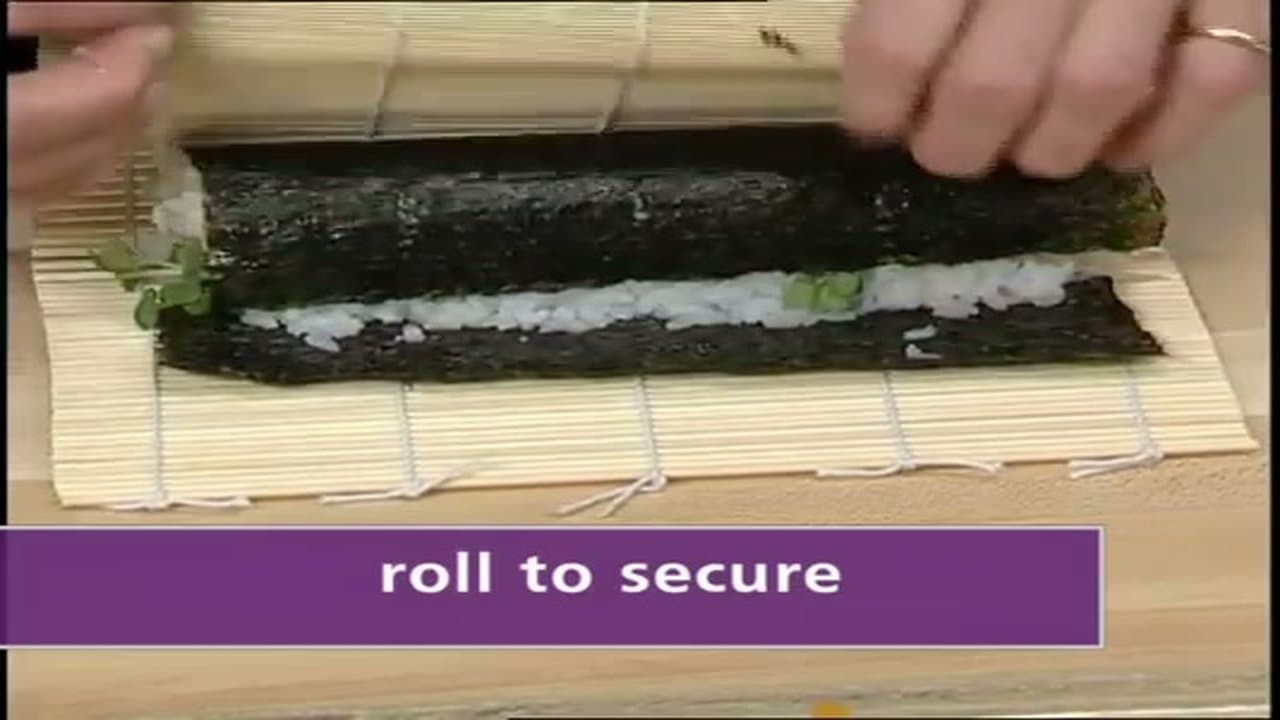
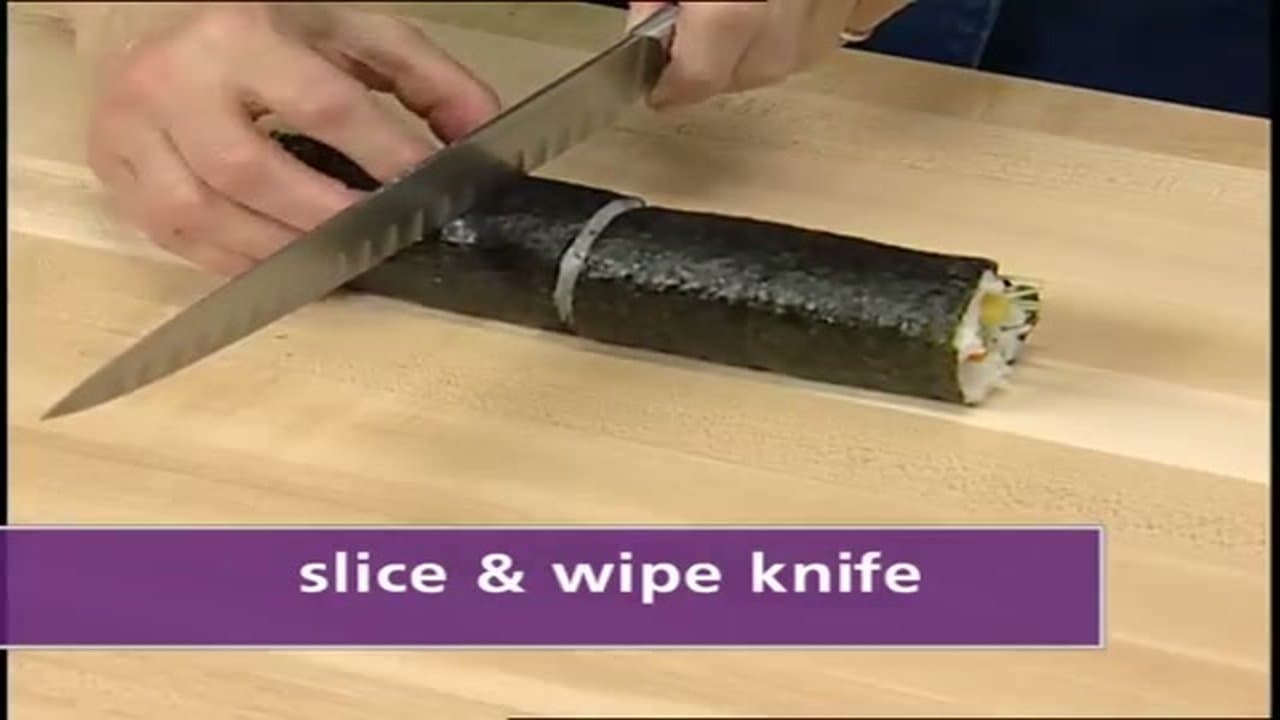
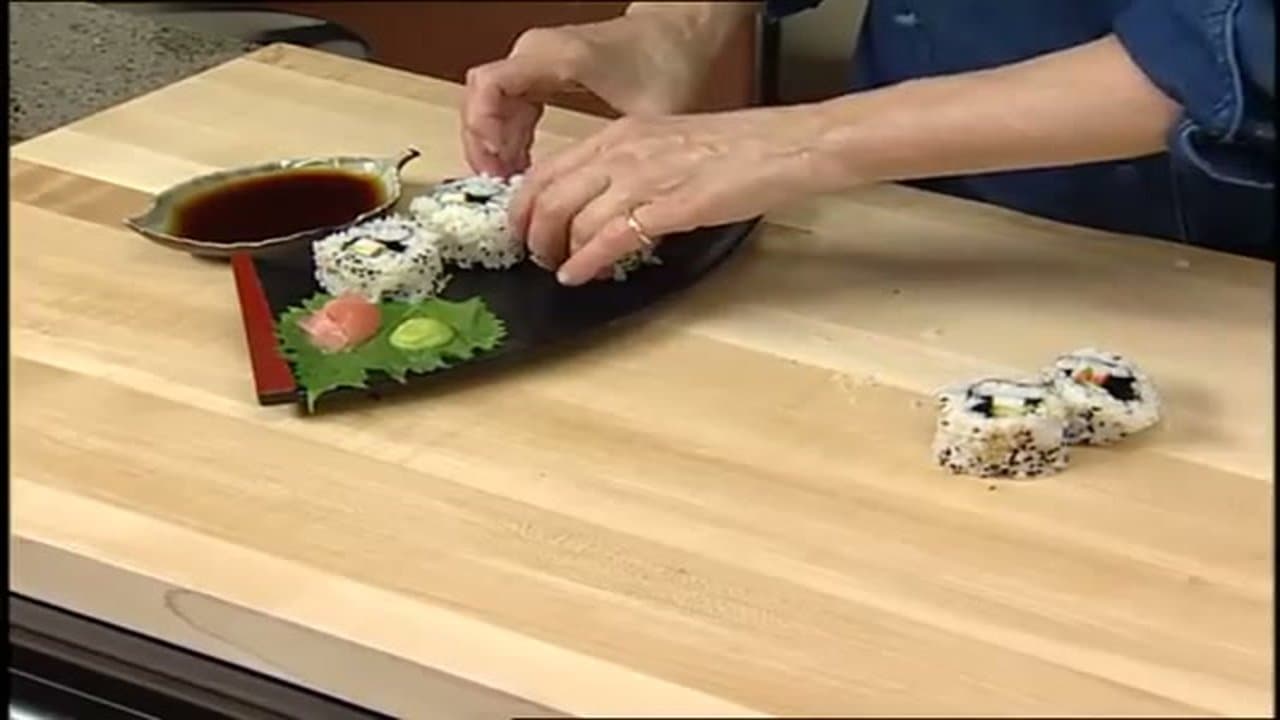
Sushi looks intimidating but the technique is pretty straightforward once you see it done. This video from Kikkoman walks through two types of rolls - a traditional norimaki with pickled vegetables and a California roll with avocado and surimi. The whole thing comes down to getting the rice right and keeping your hands wet so nothing sticks.
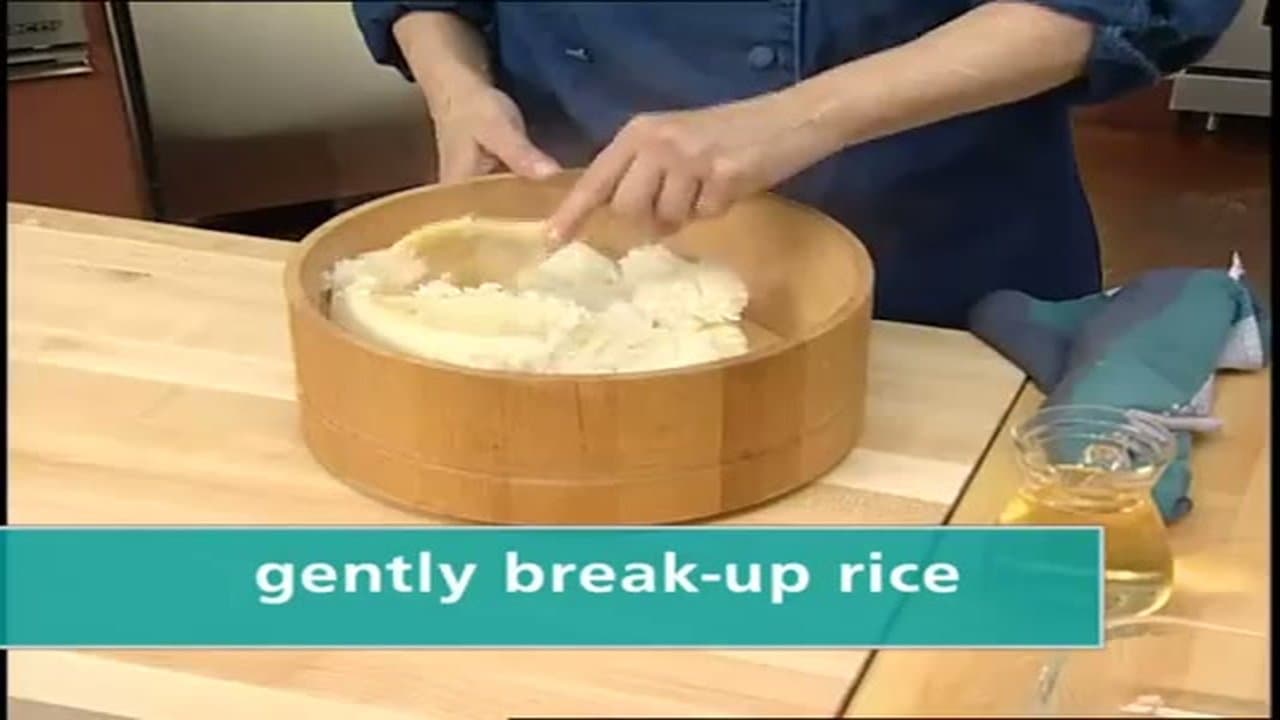
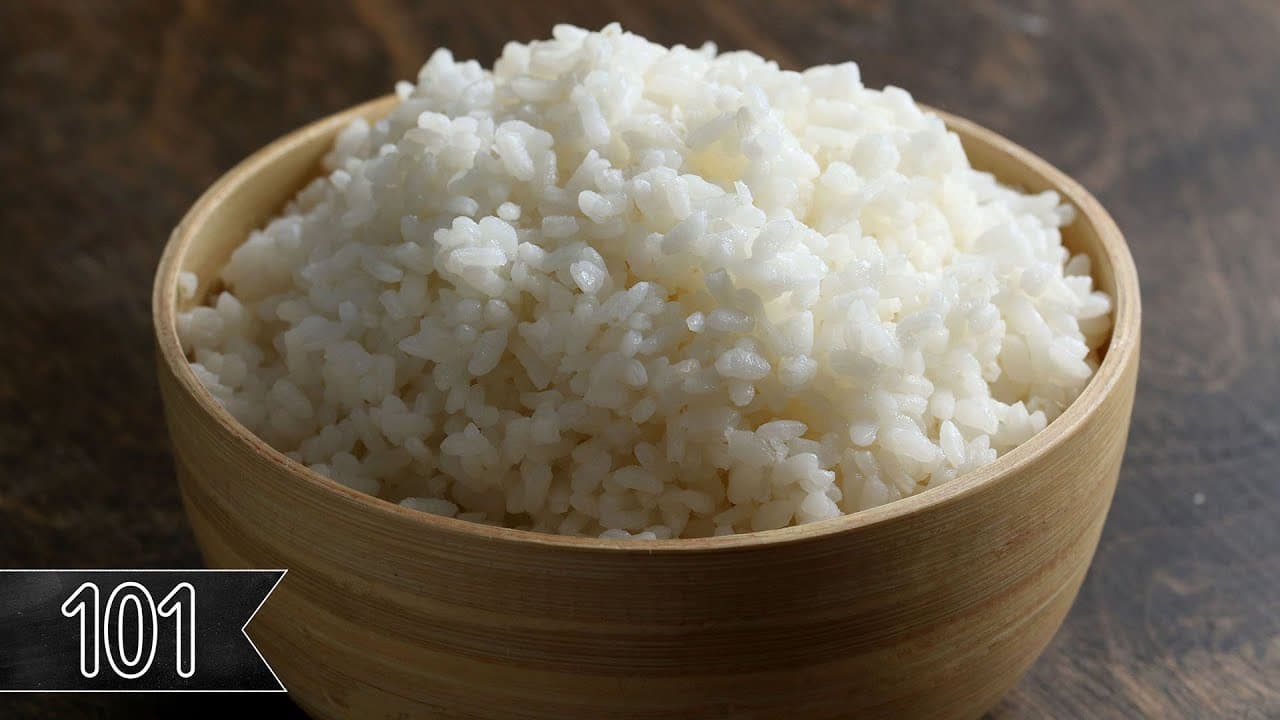
The rice is the whole game. Restaurant sushi tastes the way it does because the rice is seasoned and handled well, not because a chef rolled it tighter than you can. Use short or medium grain rice labeled sushi rice, rinse it until the water runs mostly clear, and cook it a touch firmer than you would for a rice bowl. If your rice needs work, start with our guide to cooking rice perfectly and come back. Season the cooked rice with rice vinegar while it is still warm, fold rather than stir, and let it cool to just above room temperature before you roll.
Neither of these rolls needs raw fish, which is what makes them the right starting point. Surimi, cucumber, avocado, and pickled daikon are cheap, safe, and forgiving. If you want to work with raw fish later, buy fish labeled sushi grade or ask the fish counter what is safe to eat raw, and keep it cold until the minute you slice it. But learn the rolling technique with cooked and vegetable fillings first; the mechanics are identical.
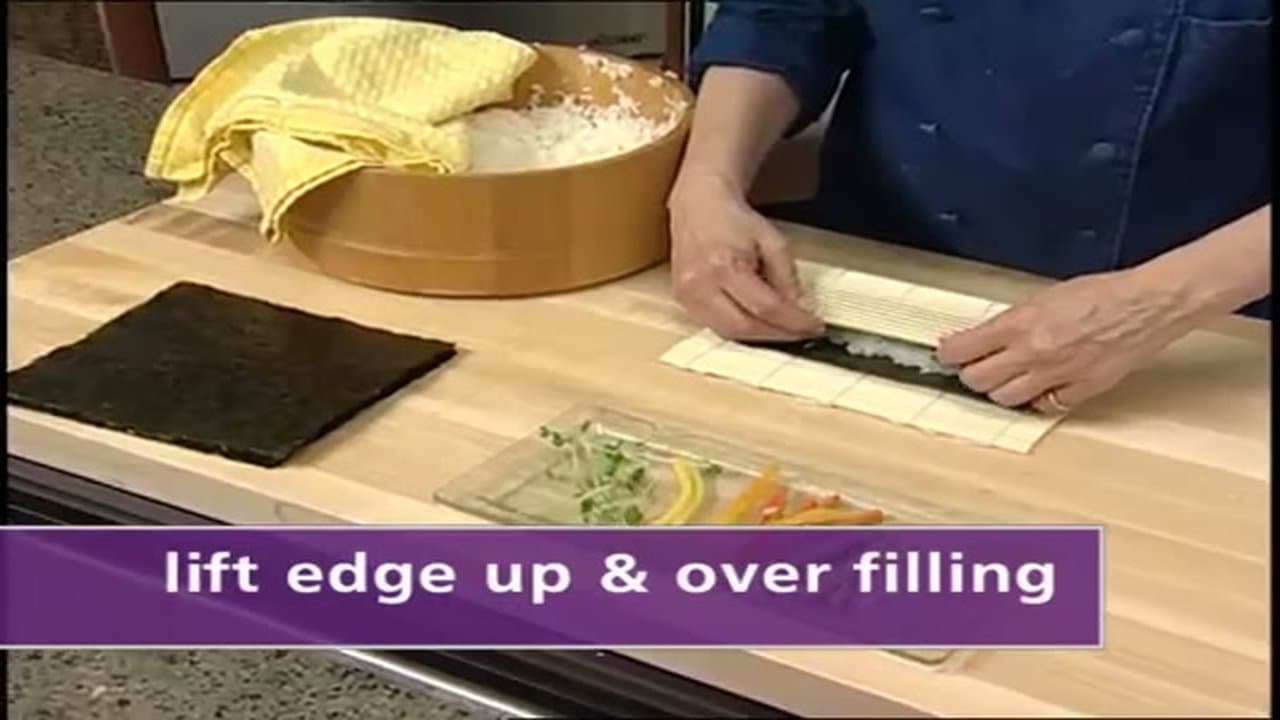
A bamboo mat helps but it is not a dealbreaker. A clean kitchen towel covered in plastic wrap does the same job: it gives you something with a little structure to lift and press the roll as you go. Slicing is where most home rolls actually fall apart, so use your sharpest knife, wet the blade, and wipe it between cuts. A dull blade will crush and tear the roll no matter how well you rolled it. Our guide to sharpening knives at home is worth 15 minutes before sushi night.
Round out the meal the easy way: a bowl of miso soup and some edamame turn six sushi pieces into dinner.
Common questions
Can I use regular rice for sushi?
Long grain rice like jasmine or basmati stays too separate and dry to hold a roll together. You need short or medium grain rice, which releases enough starch to get sticky. Bags labeled sushi rice or Calrose are the ones to grab.
Why do my sushi rolls fall apart?
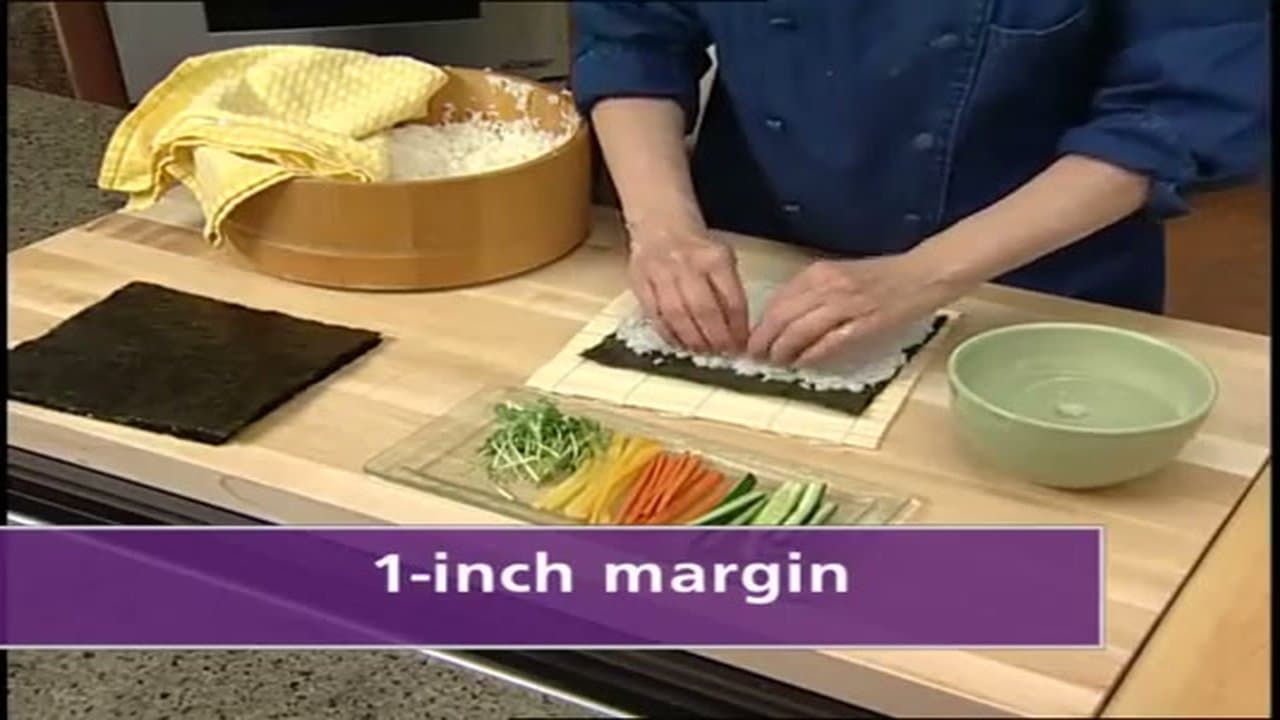
The usual culprits are overfilling, dry hands and a dry knife, or rice spread all the way to the far edge of the nori. Use less filling than feels right, keep a bowl of water next to you for your hands, leave an inch of bare nori to seal the roll, and slice with a wet blade.
What fish is safe to use in homemade sushi?
Only fish sold as sushi grade or sashimi grade, which has been frozen to kill parasites. Regular fresh fish from the seafood counter is not safe to eat raw. Cooked shrimp, surimi, and smoked salmon are safe options that need no special sourcing.
How long does homemade sushi keep?
It is best the day you make it. Refrigerated rolls are fine the next day but the rice hardens and the nori goes chewy. If you have to store rolls, wrap them whole and uncut in plastic wrap and slice just before eating.