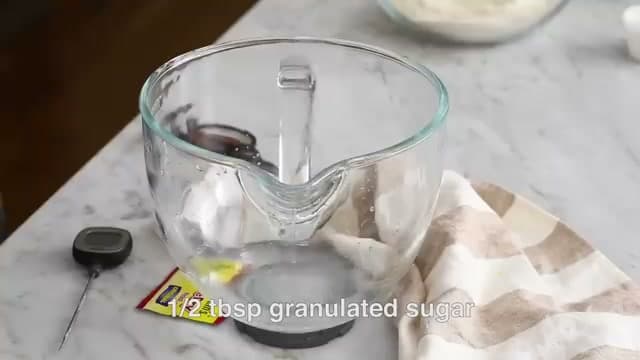
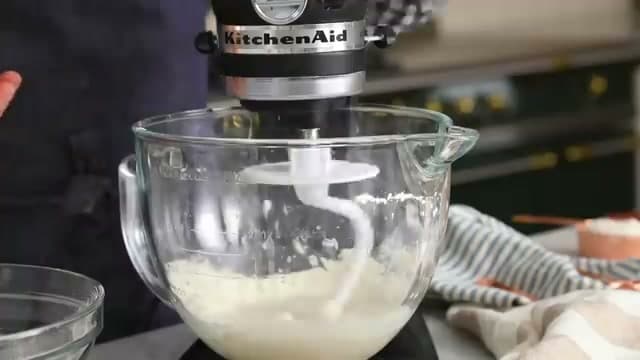
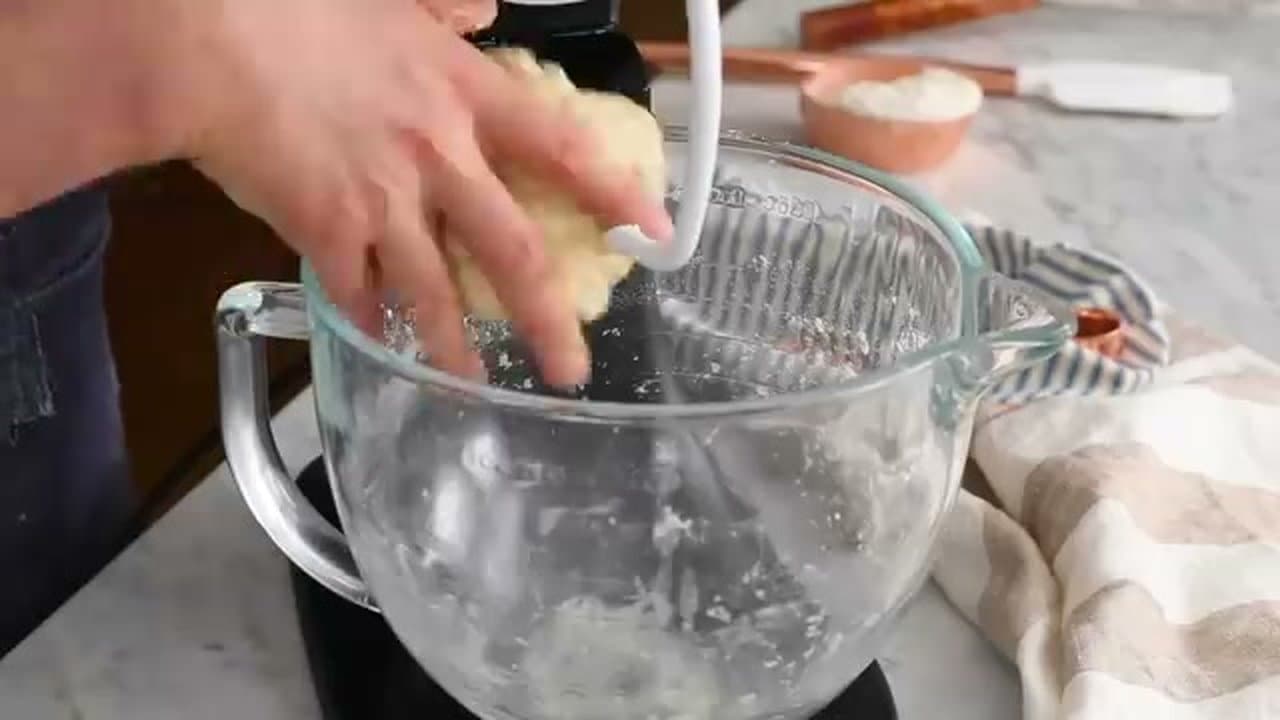
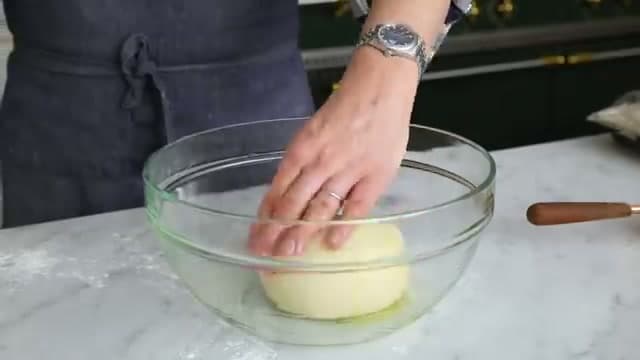
Store-bought pizza dough works fine, but homemade dough takes about 10 minutes of actual work and tastes noticeably better. The rest is waiting for it to rise.
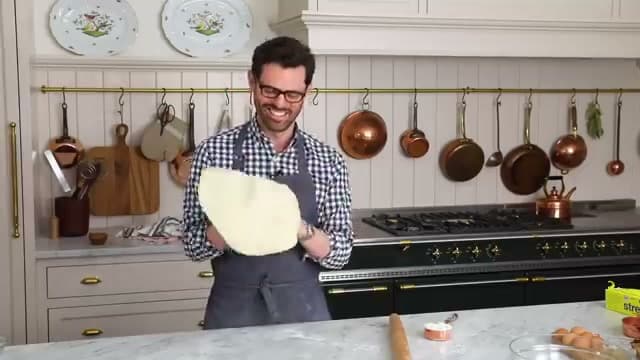
John Kanell from Preppy Kitchen walks through a straightforward recipe with no fussy techniques. You can use a stand mixer or do it by hand. Either way, you end up with enough dough for one pizza that is thin in the middle with a puffy crust around the edge. Want another homemade Italian staple? Our fresh pasta recipe uses the same flour-and-egg foundation, and perfect boiled eggs takes the next cooking-basic off your list.
Common questions about homemade pizza dough
Answers to the questions we see most often about making pizza dough at home - overnight rises, no-yeast alternatives, and why dough shrinks back when you stretch it.
What is the secret to making good pizza dough?
Three things matter more than the rest: accurate measurement (weigh the flour if you can), enough rise time for the yeast to fully activate (60-90 minutes at room temperature, or overnight in the fridge for deeper flavor), and letting gravity do the work when you shape the crust. Warm water (not hot), fresh yeast, and a proper knead for gluten development do the rest.
Can I make pizza dough the night before?
Yes, and it is actually better that way. After the first knead, place the dough in a lightly oiled bowl, cover it tightly, and refrigerate for up to 24 hours. The slow cold rise develops richer flavor than a quick room-temperature rise. Pull the dough out of the fridge 30 minutes before shaping so it comes back to room temperature.
Can I make pizza dough without yeast?
You can, but the result is a different kind of crust. A quick no-yeast alternative uses about 1 cup of plain Greek yogurt plus 1 cup of self-rising flour and a pinch of salt, mixed to a soft dough. It bakes in roughly 12 minutes with no rise time needed. It will not have the airy, chewy structure of a proper yeasted dough, but it works in a pinch.
Why does my pizza dough keep shrinking back when I stretch it?
The gluten has not relaxed enough. Cover the dough, let it rest another 10-15 minutes, and try again. If it still springs back, the dough was under-proofed - give the rise more time. Stretching aggressively with a rolling pin instead of letting gravity and your hands shape it is another common cause, because a rolling pin pushes out the air pockets that make a puffy crust.
What are the most common pizza dough mistakes to avoid?
Using water that is too hot and kills the yeast (keep it under 110 F), skimping on salt (salt controls fermentation and adds flavor), under-kneading (the dough needs around 8-10 minutes of proper kneading to develop gluten), and rolling the dough flat with a rolling pin instead of stretching it by hand. Letting the dough rise at a too-cold room temperature also slows everything down.