Banana bread is the rare bake that rewards neglect. The browner and uglier the bananas on your counter, the better the loaf. That is the whole trick, and it is why this one works on a Tuesday with no planning at all.
The recipe below follows John of Preppy Kitchen, who leans on brown sugar instead of white and skips the wait by ripening bananas in the oven. What follows is the part the steps do not cover: which bananas to grab, what to do if all you own is a muffin tin, and why a loaf sinks in the middle.
How Ripe Do the Bananas Need to Be?
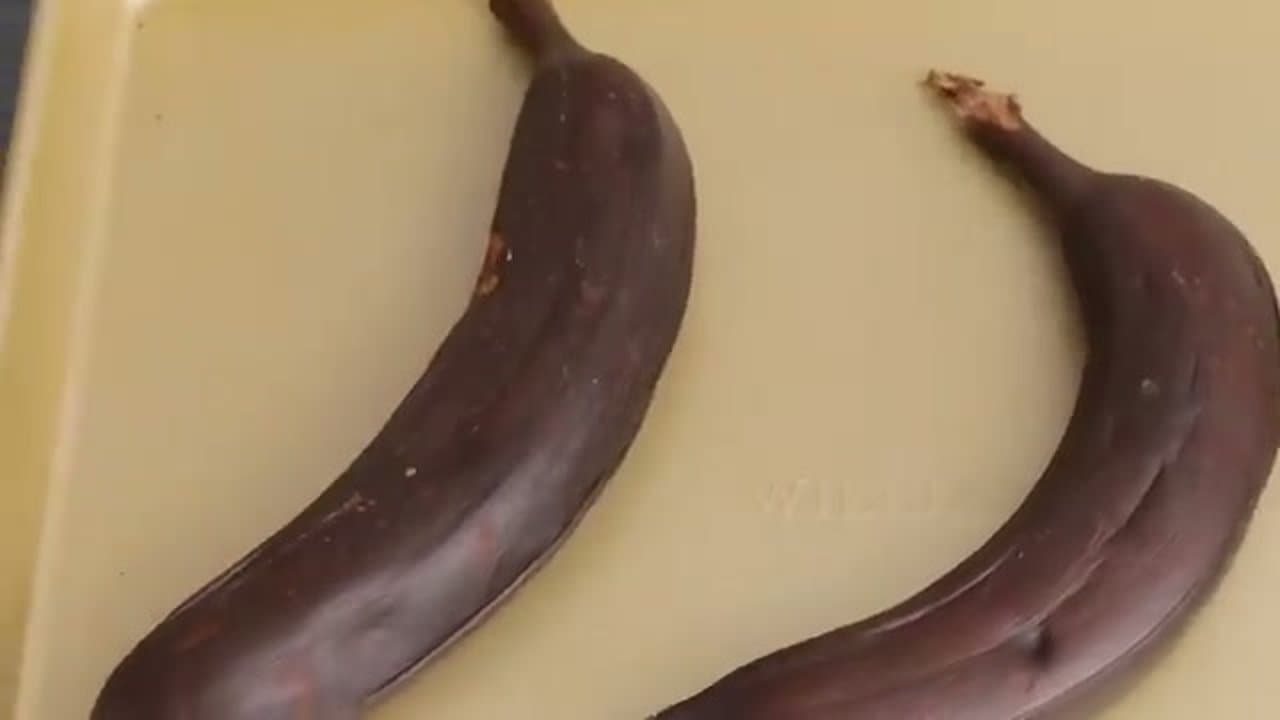
Yellow bananas make bland bread. Starch turns to sugar as a banana ripens, so a peel that is mostly brown or black carries two to three times the sweetness and far more of that deep banana smell. Firm flesh and green tips give you a loaf that tastes of very little.
Nothing spotty in the house? Lay the bananas on a sheet pan and bake at 350F for 10 to 12 minutes, until the peels go black and glossy. The fruit slides out soft and dark. You get the sugar without the depth a week on the counter builds, but it turns a no-bake afternoon into a bake.
Frozen bananas work too. Thaw them and pour off the watery liquid that pools, or the batter goes loose and the center stays wet.
One Bowl, and When to Stop Stirring
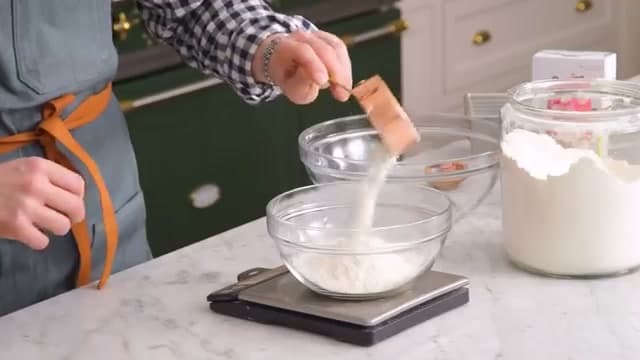
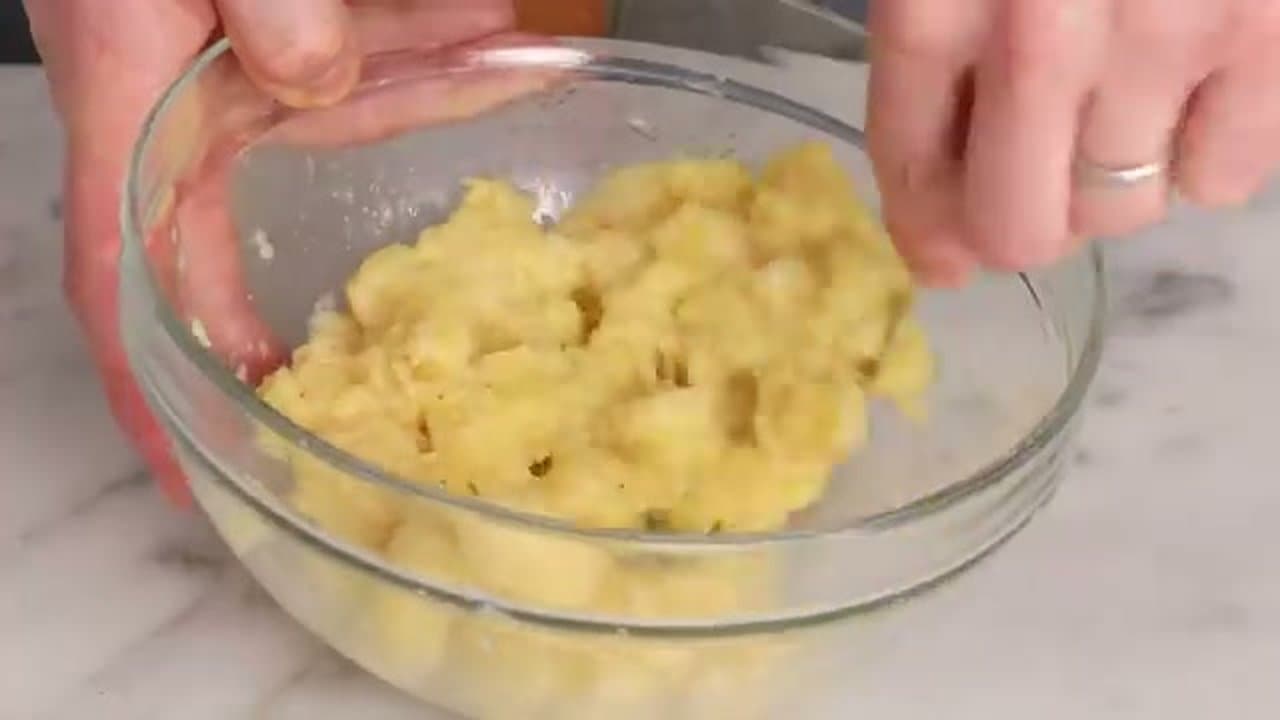
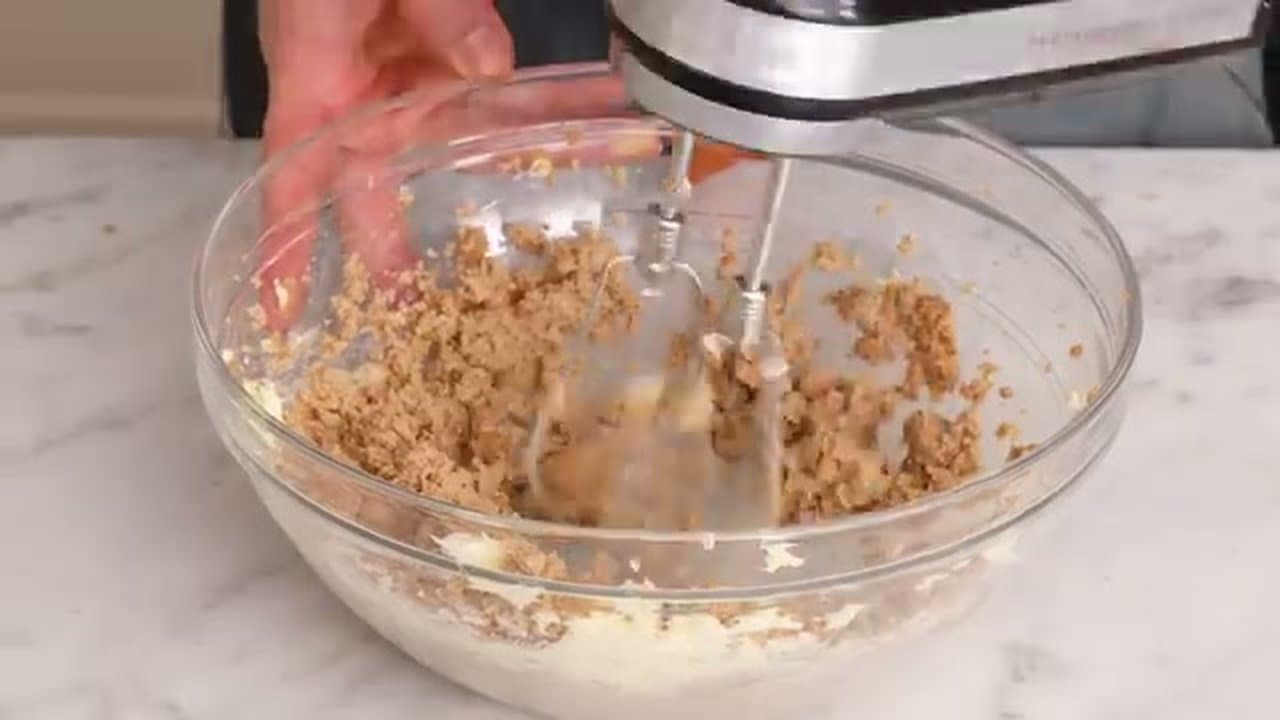
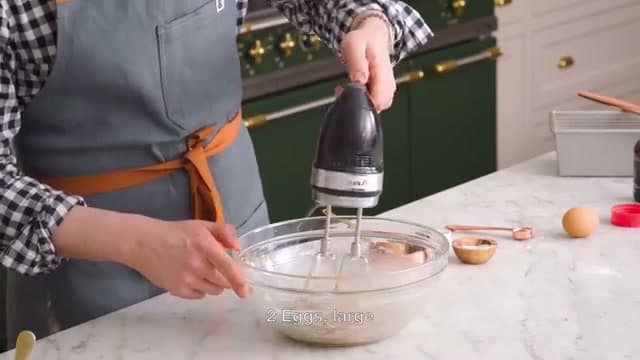
Creaming butter with brown sugar, beating the eggs in, then folding the flour through means one big bowl and one small one. No separate wet-and-dry ritual, because the batter stays thick enough to hold the mashed fruit.
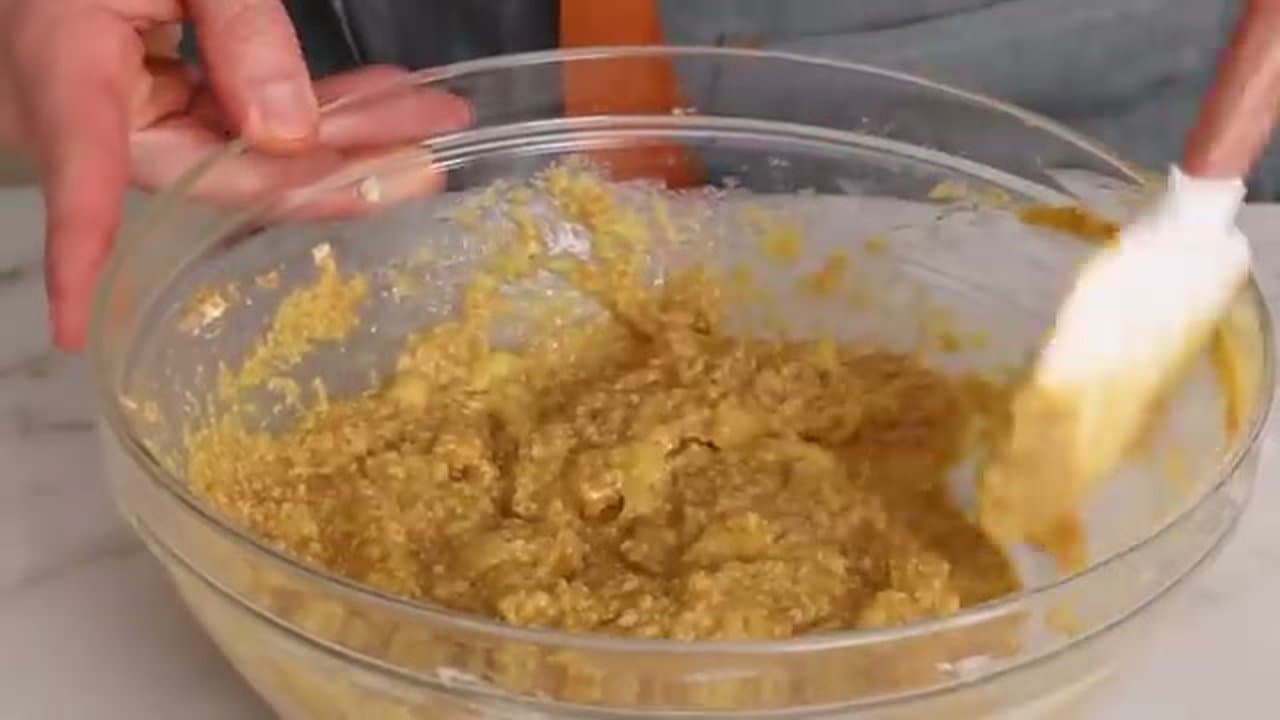
The fold is where people lose the loaf. Flour plus liquid plus stirring builds gluten, and gluten in a quick bread reads as rubbery and tight. Stop while a few dry streaks still show. They vanish in the pan. A smooth, glossy batter is the warning sign.
Loaf Pan, Muffin Tin, or Mini Loaves
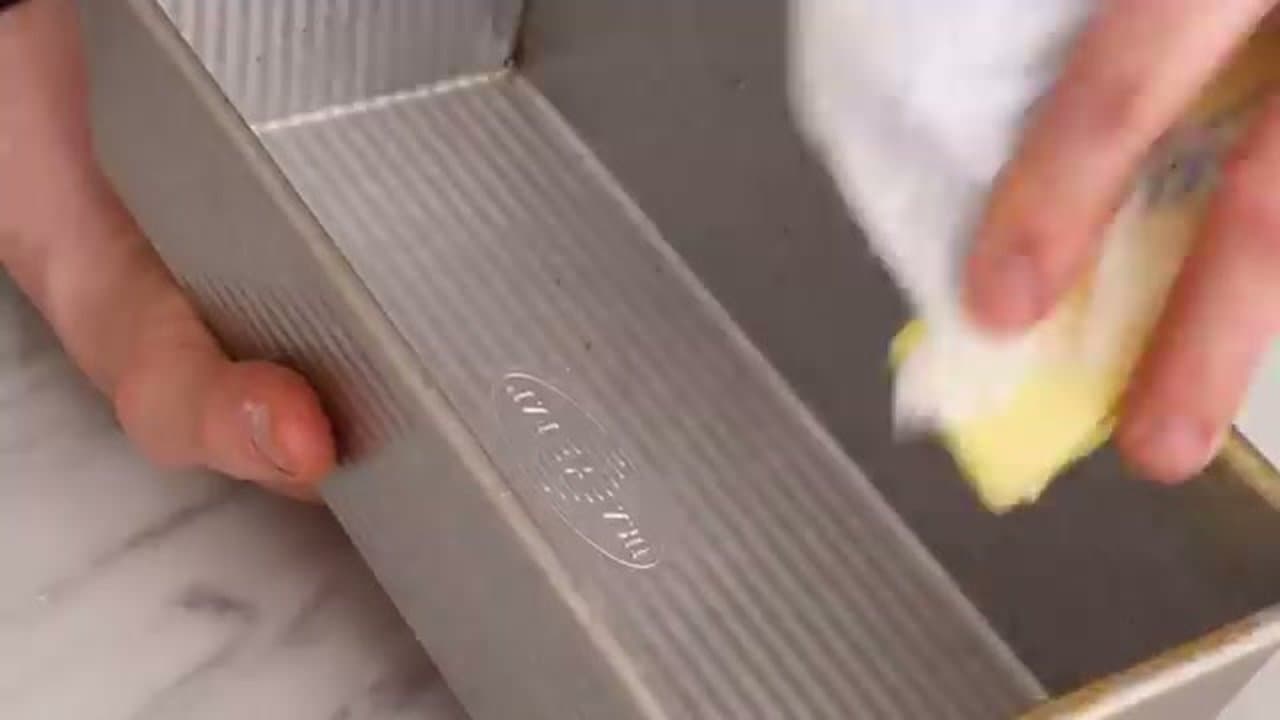
A 9x5 inch pan bakes in 50 to 60 minutes and gives the wide, flat-topped loaf most people picture. An 8x4 pan holds the same batter taller, so the crack down the middle runs deeper and the bake stretches closer to 70 minutes. Tent the top with foil if it colors before the center sets. Other shapes, same batter:
- Muffins - cups two thirds full, 18 to 22 minutes at 350F
- Mini loaves - three 5x3 pans, 28 to 32 minutes
Whatever the shape, a skewer is the only honest test. Dry crumbs clinging to it means done. Wet batter means another eight minutes.
Why Banana Bread Sinks in the Middle
A crater in the center almost always means the loaf came out early. This batter carries a lot of moisture, and the middle has to reach about 205F before the crumb holds itself up. The top looks and smells done a good ten minutes before that happens.
Three other causes worth ruling out:
- Baking soda older than six months has lost its lift. Drop a pinch into vinegar. No hard fizz, no rise.
- Too much banana. Three medium is right. Five gives you pudding with a crust.
- Opening the oven in the first 40 minutes drops the temperature and collapses a set but soft top.
Swaps, Add-Ins, and Keeping It
Melted butter in place of creamed makes a denser, fudgier crumb and saves five minutes. Neutral oil keeps it soft on day three. Trade a quarter of the butter for sour cream and you buy extra tenderness. White sugar stands in if brown is what you are out of, though you lose the caramel note.
Chocolate chips, walnuts or pecans go in at the very end, a cup at most, tossed in a spoonful of flour so they do not sink. A glaze turns a slice into dessert: whisk powdered sugar with a splash of milk, or go heavier with the buttercream method.
Wrapped in foil on the counter it keeps four days, and day two beats day one once the crumb settles. For longer, cool it through, wrap slices in plastic and then foil, and freeze up to three months. They toast from frozen. A dry loaf is not a loss either - stale banana bread makes very good French toast, and the same gentle fold carries over to pancakes.