Pumpkin bread is the loaf that tells you the season changed. It is a quick bread: no yeast, no kneading, no rising time. You whisk two bowls together and the oven does the rest. Ten minutes of work, an hour of waiting.
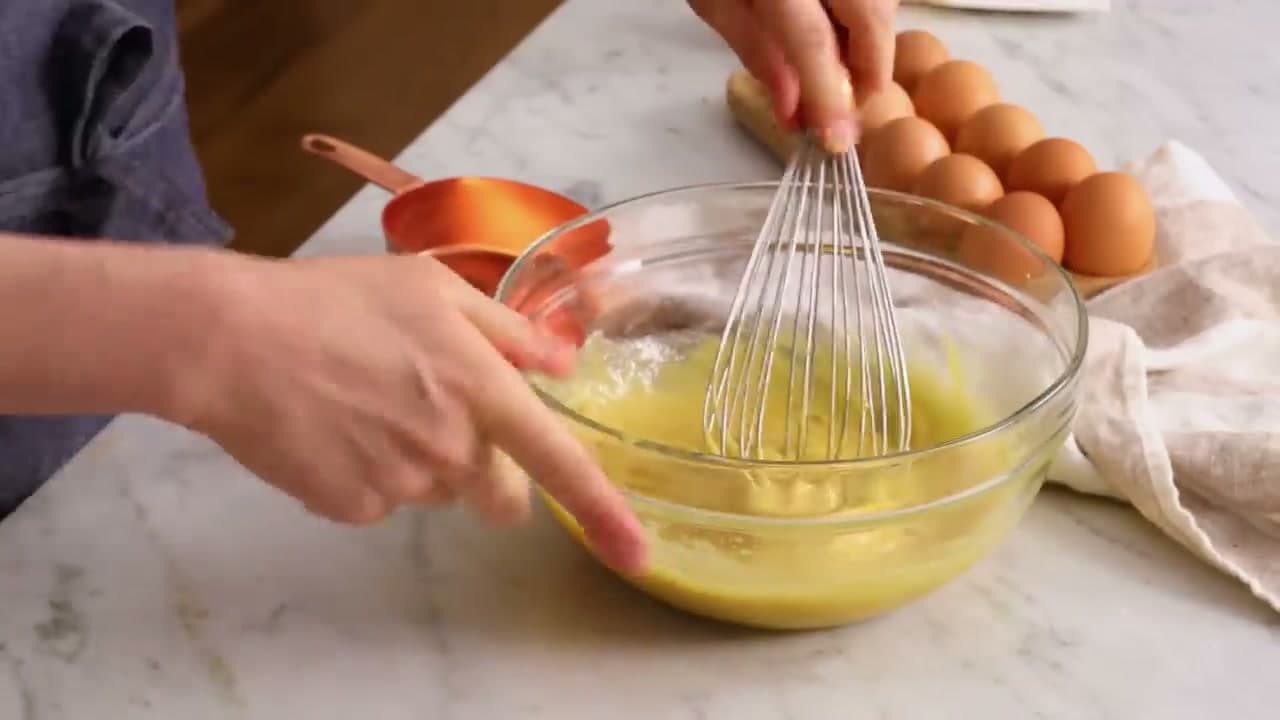
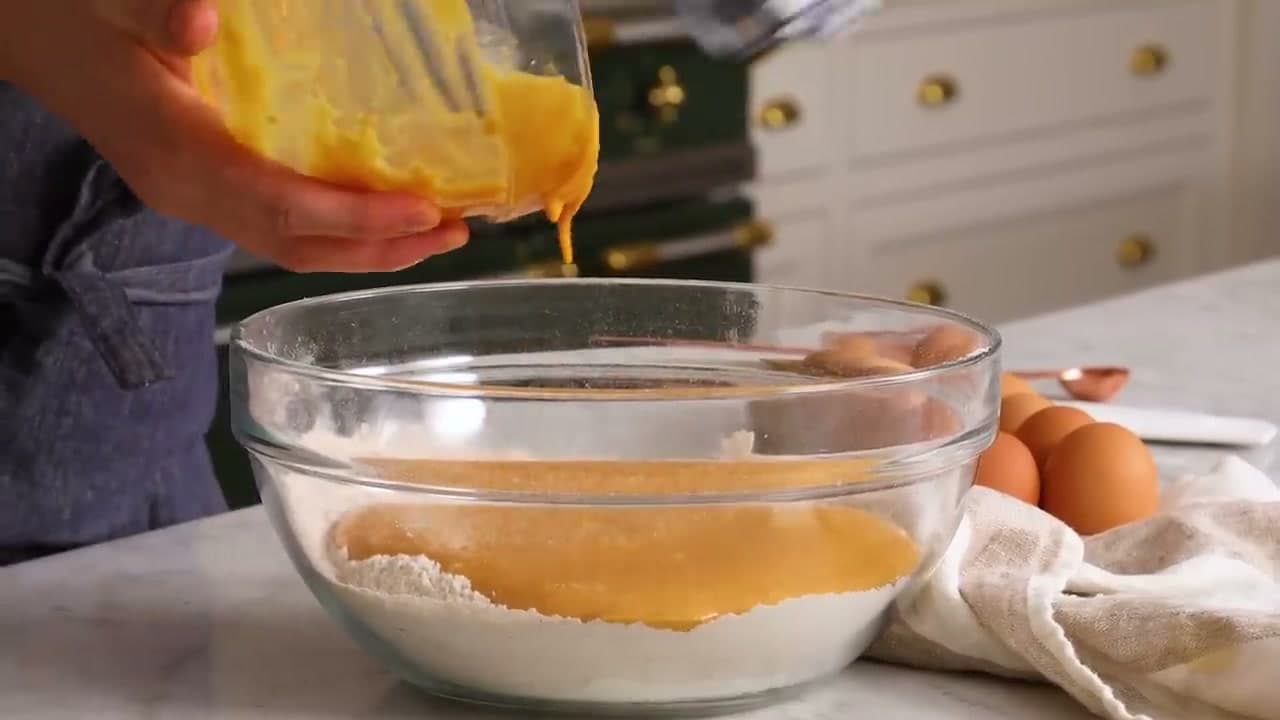
The method here follows the Preppy Kitchen version, built around one can of pumpkin puree and a spice blend you probably already own. What sets it apart is the order. Spices go into the dry bowl, oil and sugar are whisked into a paste before the eggs arrive, and the two bowls only meet for about twenty seconds at the end. Get that right and the crumb stays tender for three days.
Buy Canned Pumpkin Puree, Not Pumpkin Pie Filling
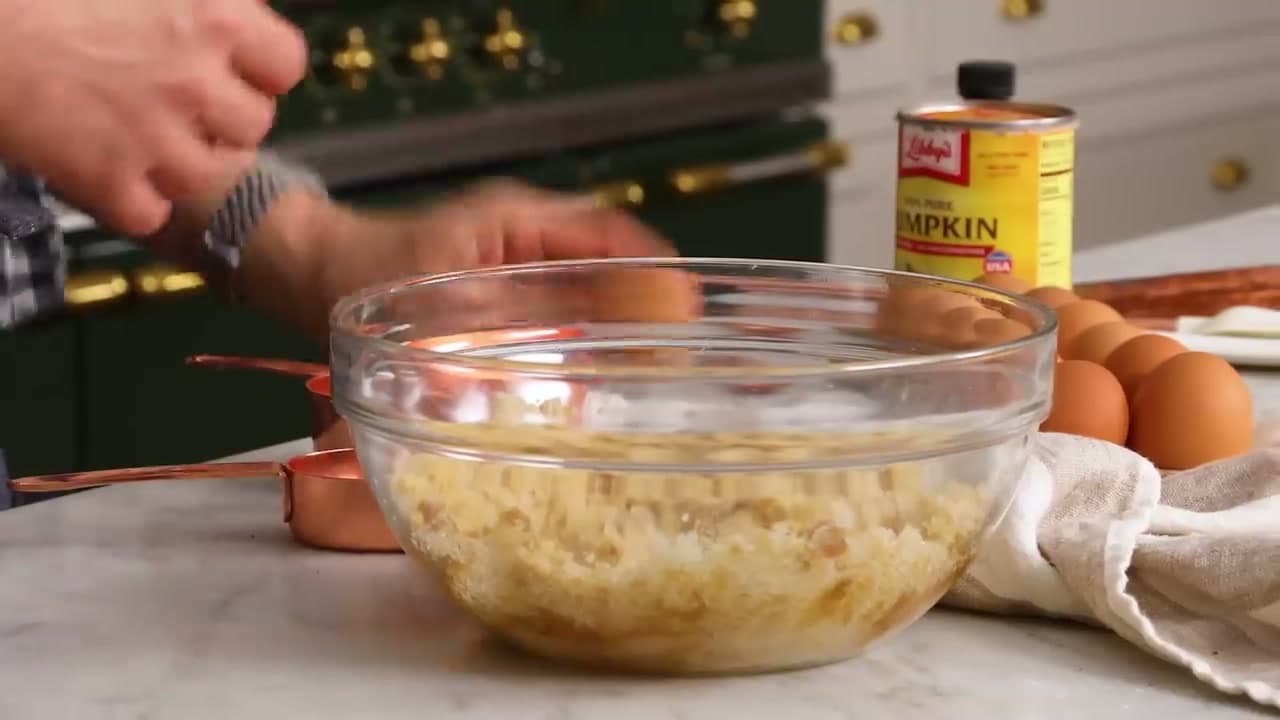
The two cans sit next to each other on the shelf and the difference matters. Pumpkin puree is cooked squash and nothing else. Pie filling is already sweetened and spiced, so a loaf made with it tastes like candy and bakes wet in the middle. Read the label, not the picture.
Canned beats fresh, and not because fresh is difficult. Roasted sugar pumpkin holds far more water, so the batter loosens and the centre takes longer to set. If you do roast your own, drain it in a sieve for an hour and save the seeds for roasted pumpkin seeds.
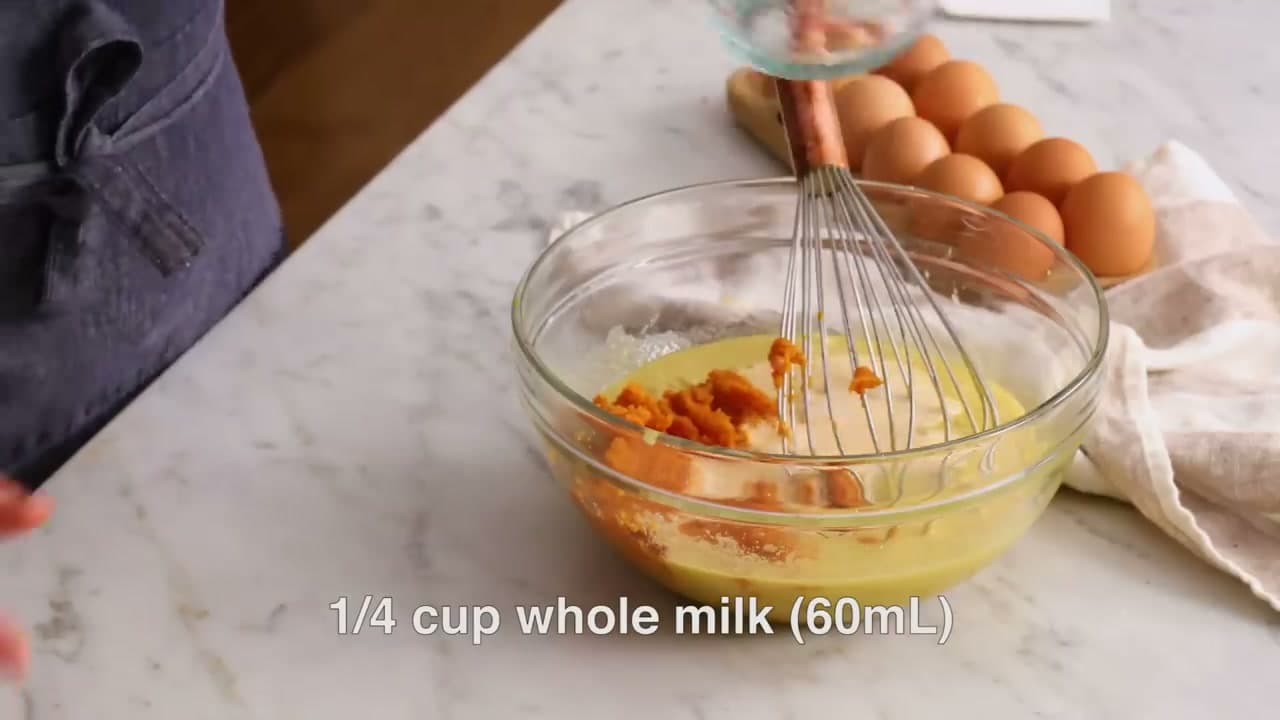
One cup is half a 15oz can. The rest keeps a week in the fridge. Stir it into oatmeal, or spend it on a pumpkin pie or a pumpkin spice latte.
The Spice Blend, and When Pumpkin Pie Spice Is Fine
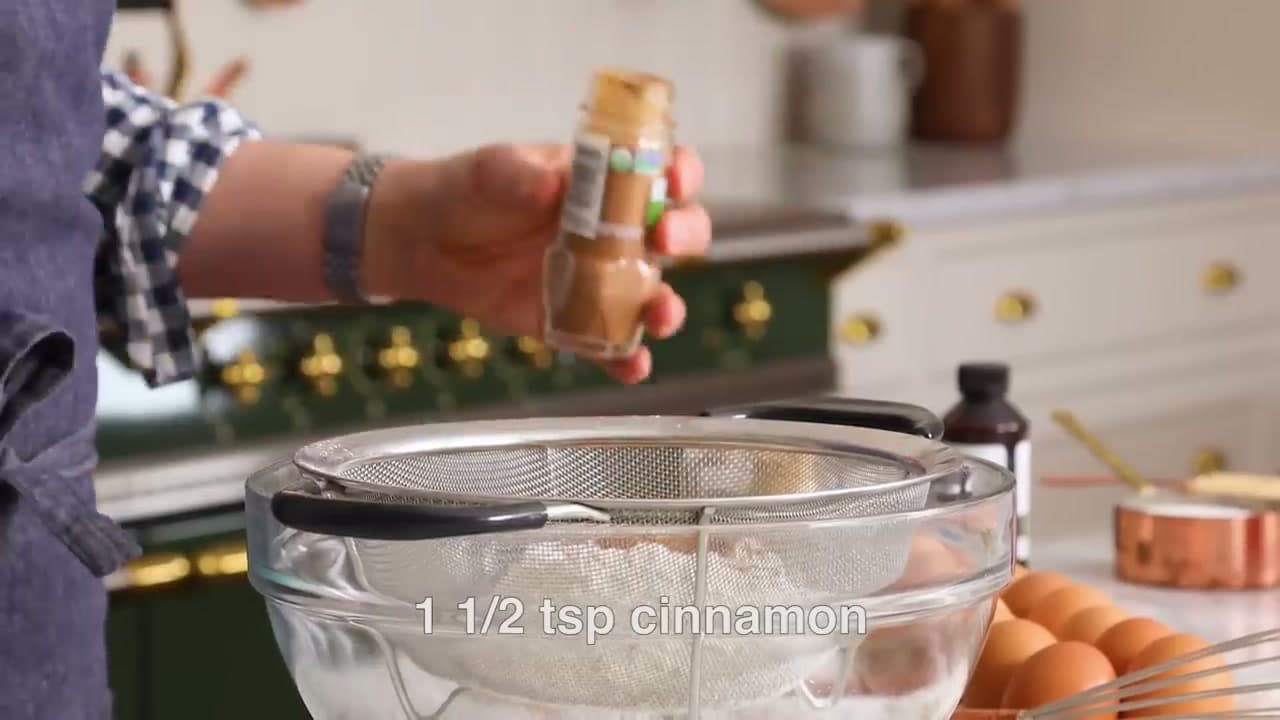
Cinnamon carries the loaf. Ginger sharpens it, nutmeg rounds it off, and cloves sit underneath doing work you cannot name until you leave them out.
Pre-mixed pumpkin pie spice is no compromise. Use 2 teaspoons in place of all four. The blend leans cinnamon-heavy and the ginger fades, so add a pinch more if you want heat. Ground spice goes flat after a year. If the jar smells like dust, it will not season anything.
Why Pumpkin Bread Sinks in the Middle
A crater down the centre is the failure people ask about. Three usual causes.
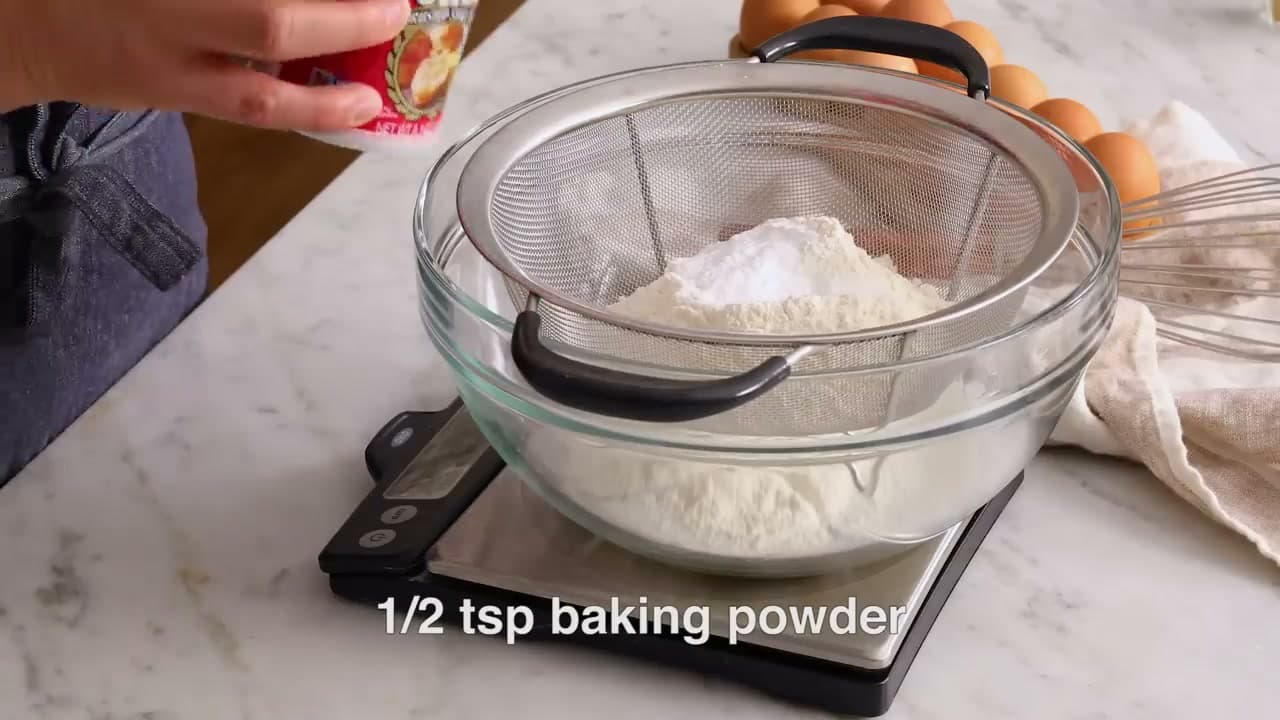
- Too much leavening. A heaped teaspoon of baking soda instead of a level one lifts the loaf fast, then drops it. Level the spoon against the jar rim.
- An underbaked centre. The top browns by 45 minutes and looks finished long before the middle sets.
- The oven door. Every peek before the 50-minute mark pulls heat out, and a rising centre falls with it.
Test with a toothpick pushed into the exact centre, through the crack in the crust. Clean, or a few damp crumbs, means done. Wet batter means another eight minutes. If your loaves come out gummy over and over, hang a thermometer in the oven. Plenty of home ovens run 25 degrees cool.
Loaf Pan or Muffin Tin
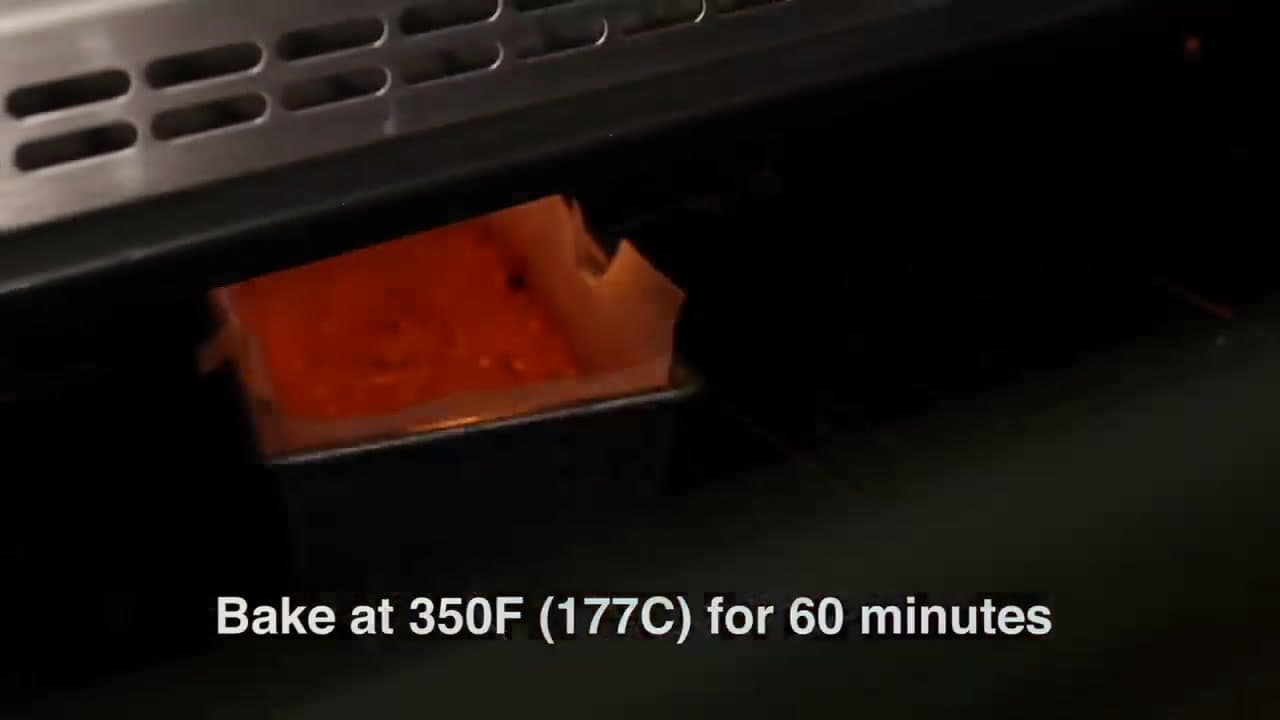
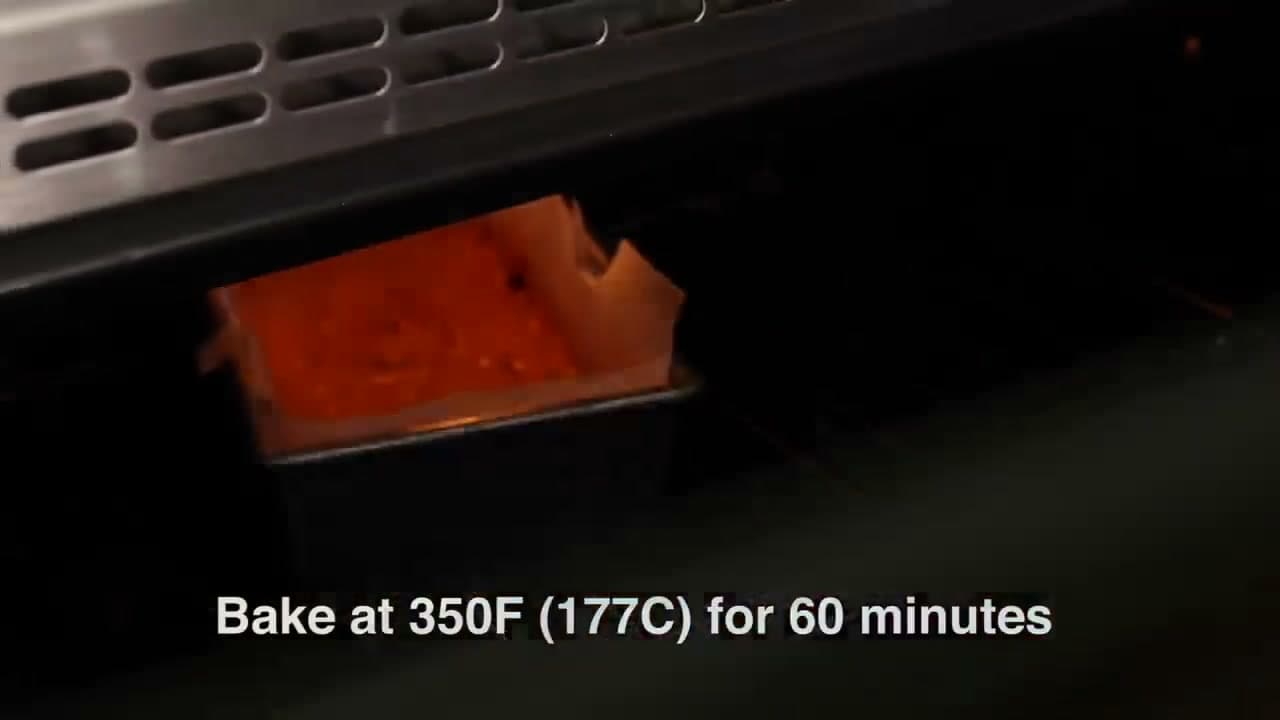
Same batter, two bakes. A 9x5 loaf pan at 350F takes about 60 minutes. An 8x4 pan gives you a taller loaf and needs closer to 70. Divide the batter into a 12-cup muffin tin and you are down to 20 to 22 minutes, the version to make on a school night.
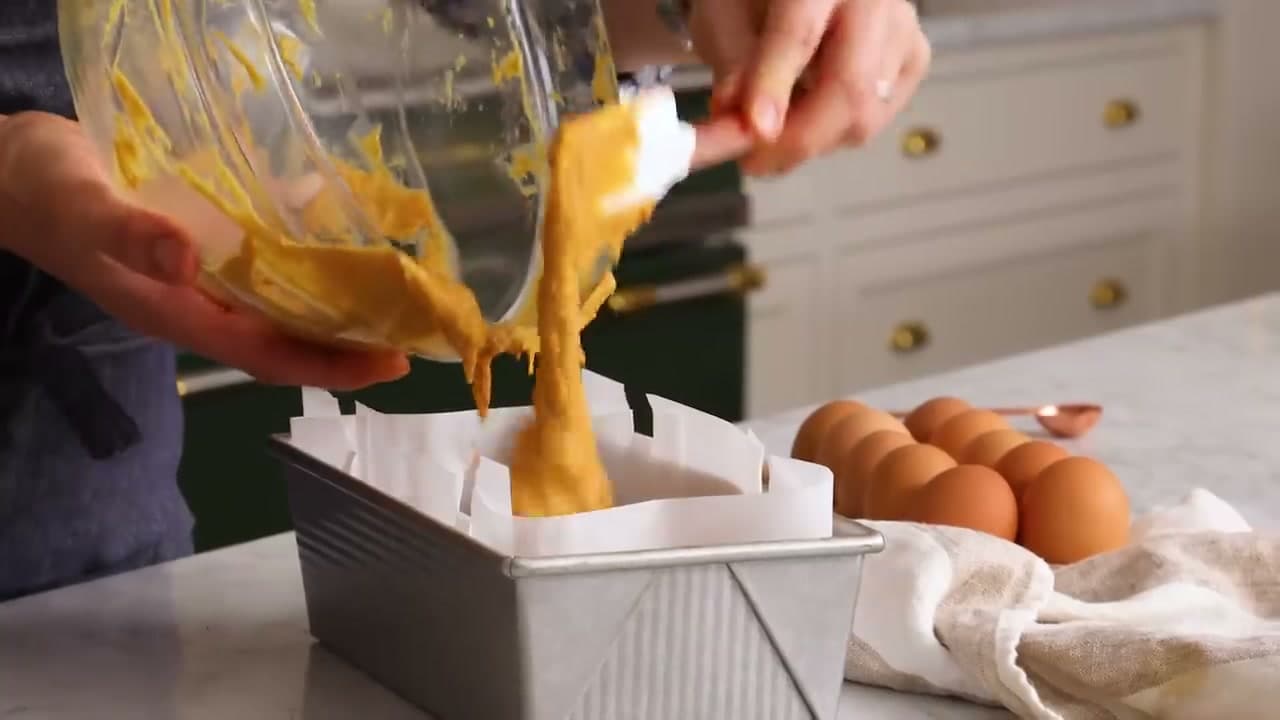
Fill muffin cups three quarters full. Any fuller and the tops spread into one another instead of doming. The loaf pan wants a parchment sling with two flaps over the long sides, so the bread lifts straight out.
Add-Ins, Storing and Freezing
A cup of chocolate chips or toasted walnuts folded in at the very end is the standard upgrade. Toss them in a spoonful of the dry mix first so they stay suspended. A streusel of butter, brown sugar and flour scattered over the top bakes into a crunchy lid. If your brown sugar has gone solid, soften it first.
Let the loaf cool all the way before it goes near plastic wrap. Warm bread wrapped tight steams itself and the crust turns slack. Cooled and wrapped, it holds three days on the counter and a week in the fridge. To freeze, slice it first and stack the slices with parchment between them, then toast one straight from frozen. Once the two-bowl rhythm makes sense, banana bread runs on the same method.