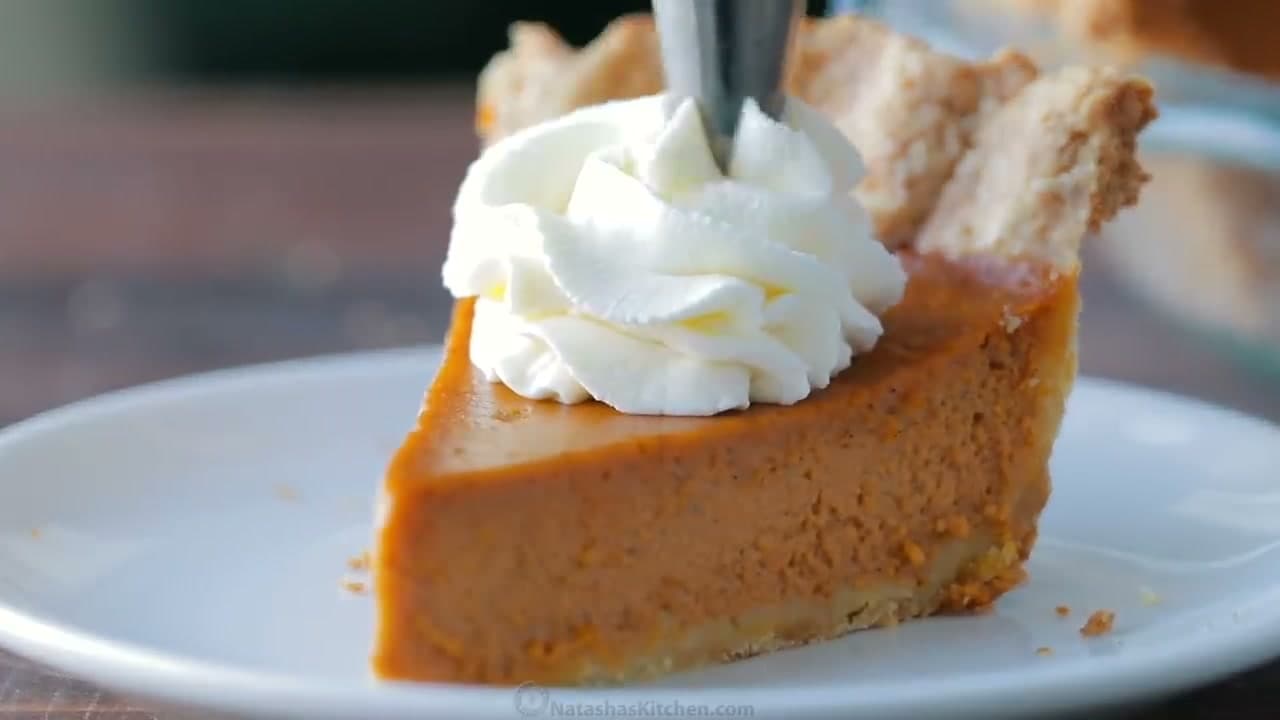
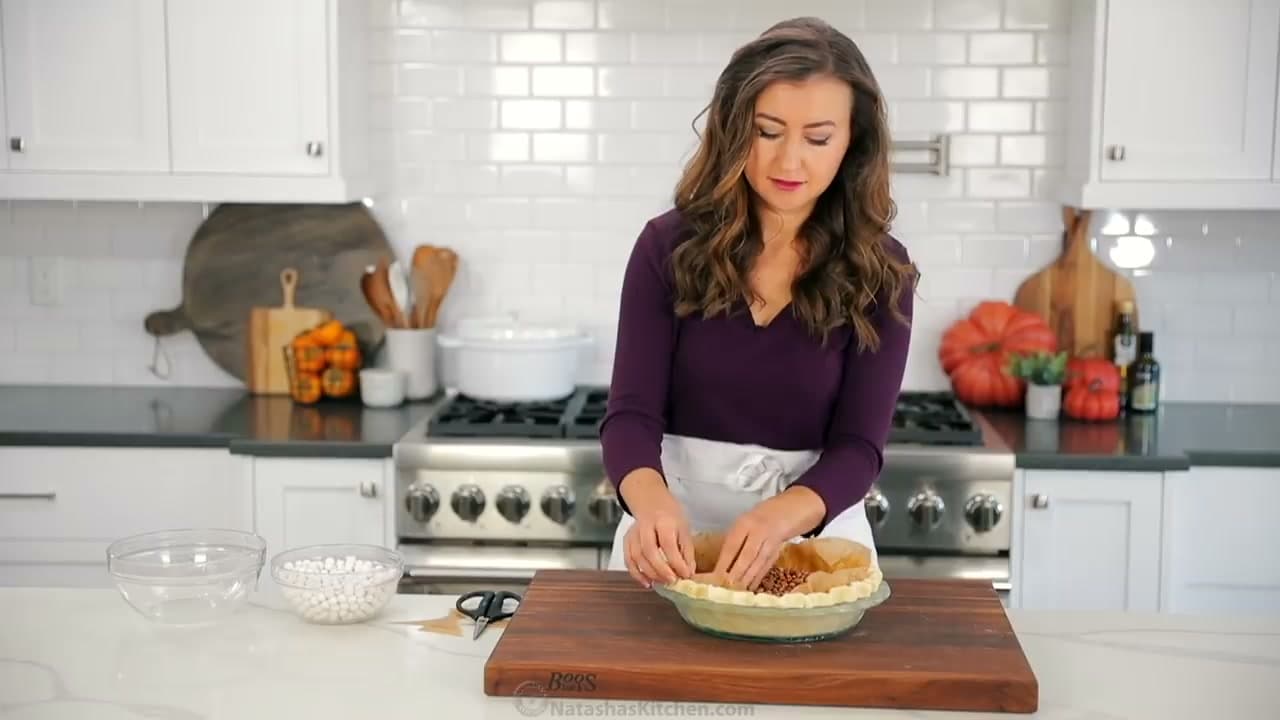
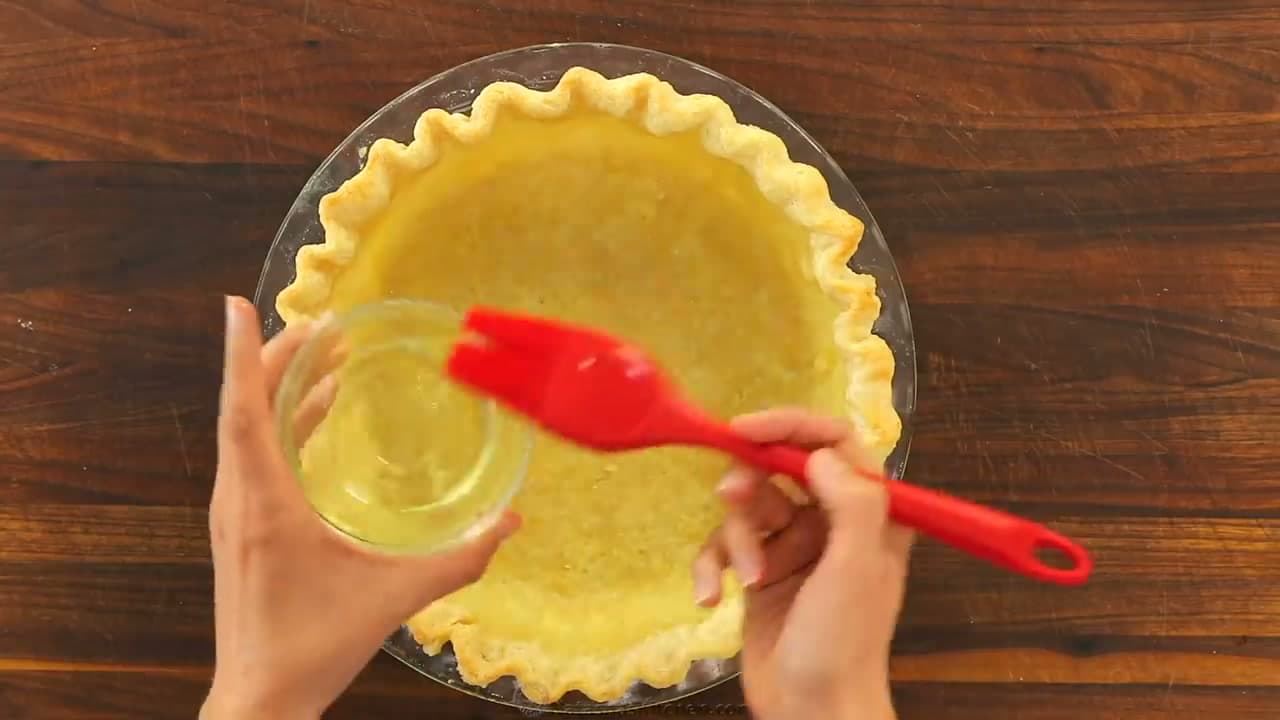
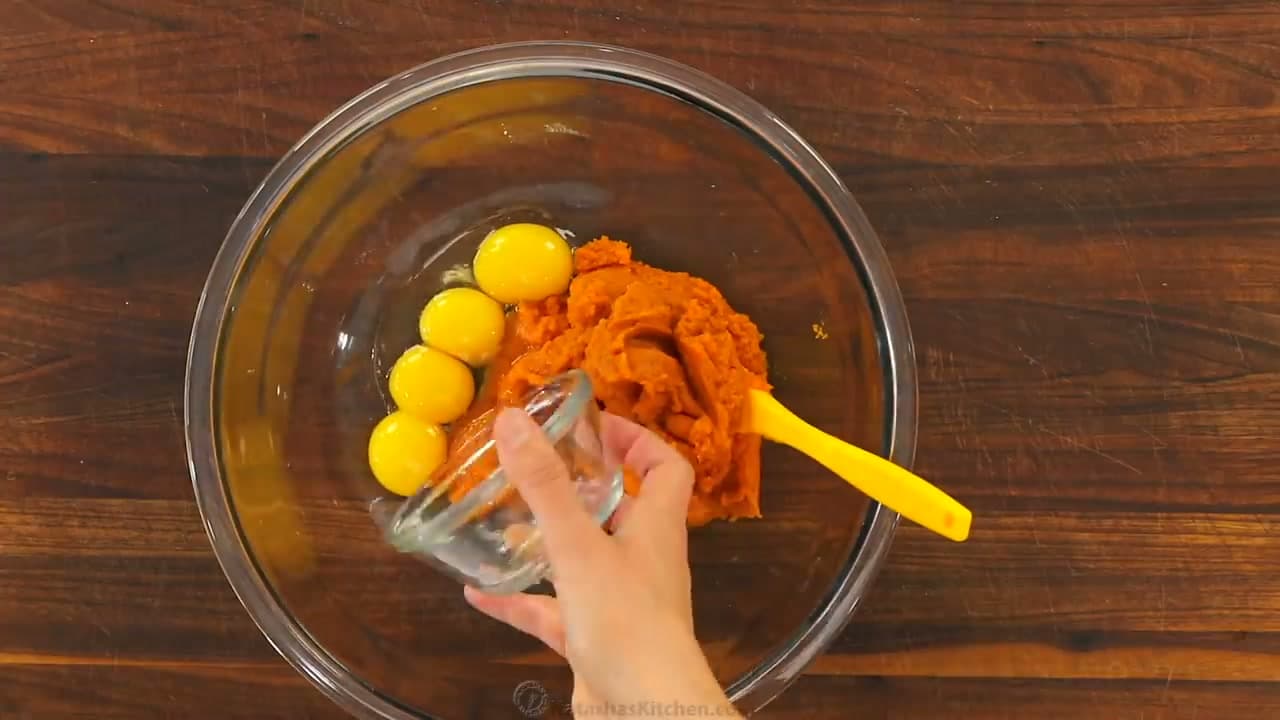
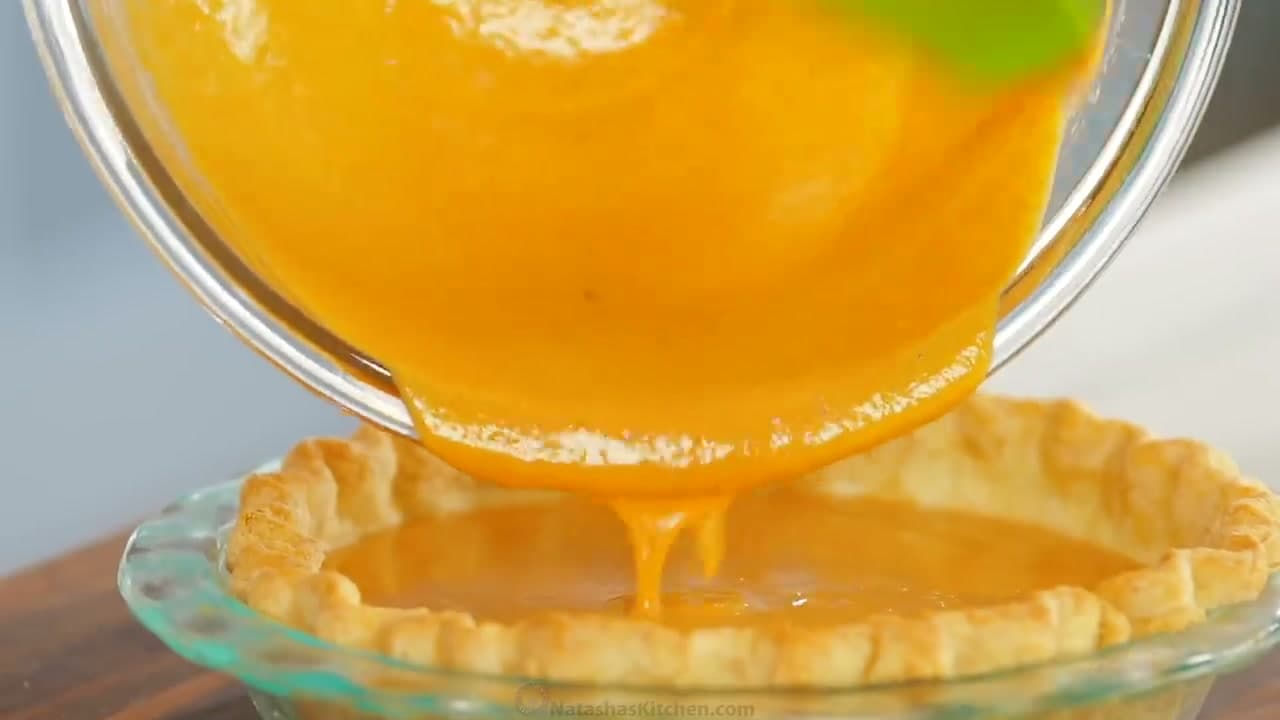
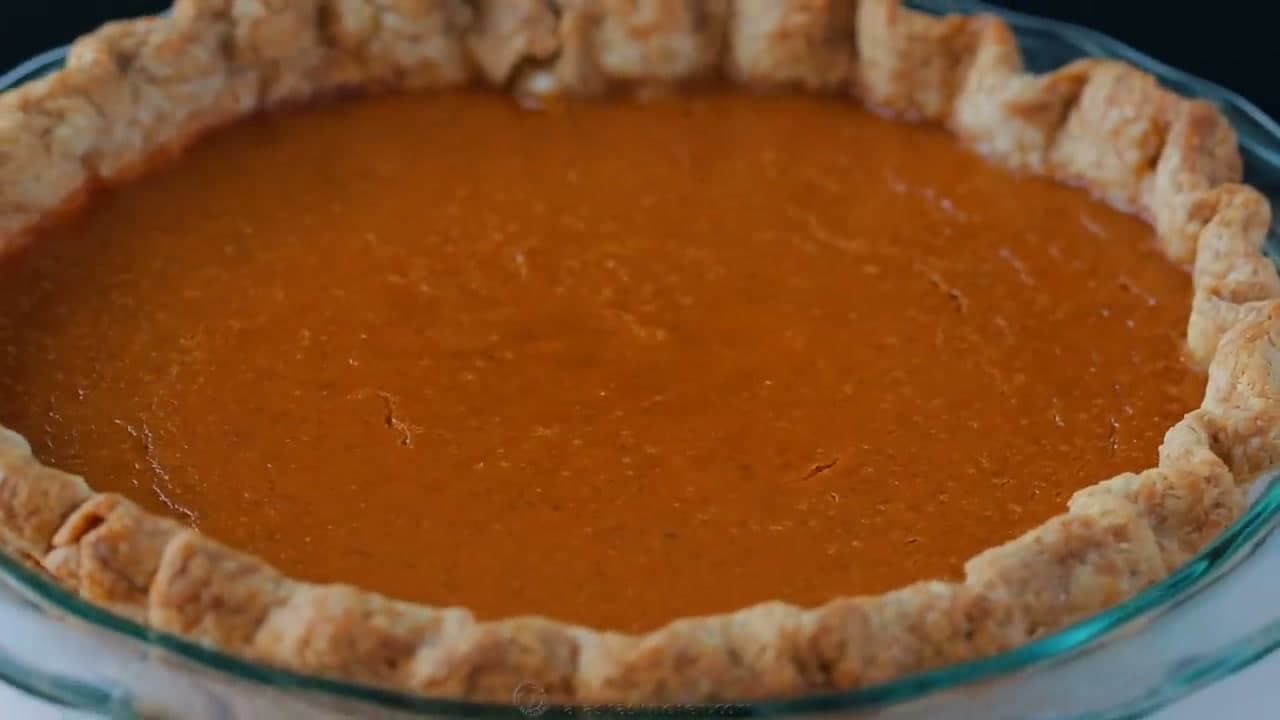
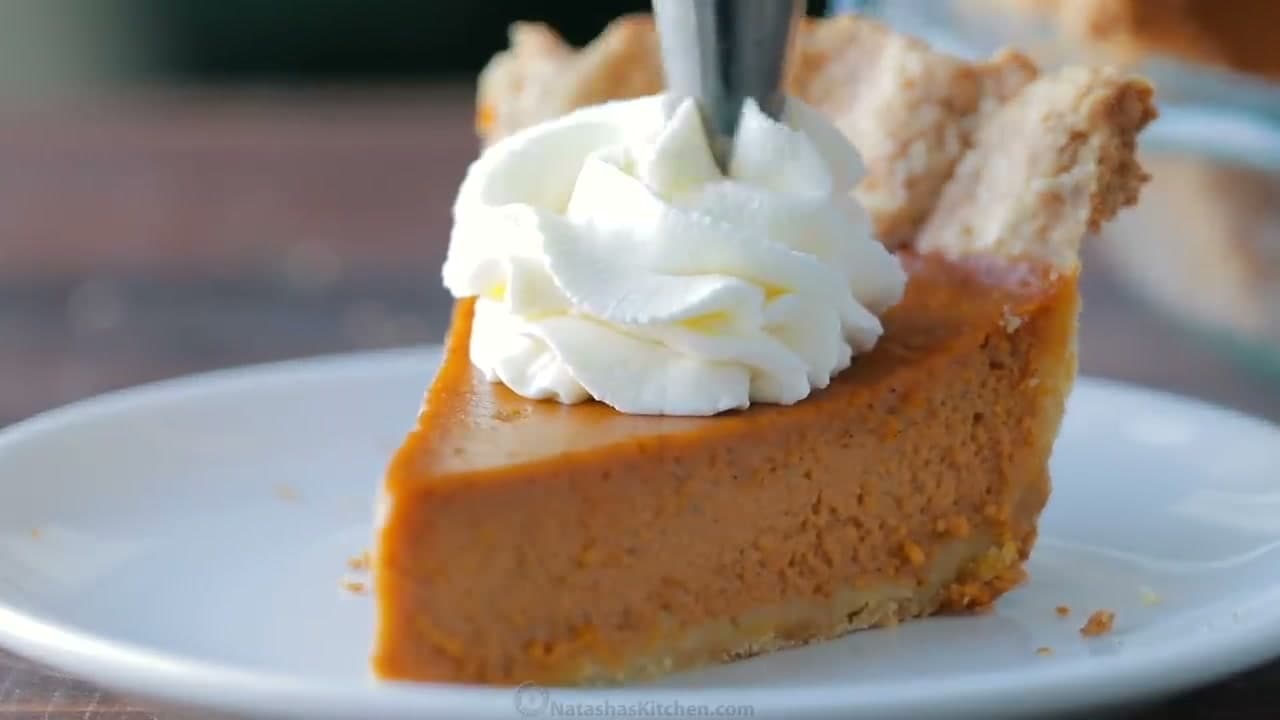
Pumpkin pie is the one Thanksgiving dessert that doesn't change. Same color, same spice, same custard wobble, year after year. This is Natasha Kravchuk's version from NatashasKitchen.com, and the reason it tops every taste test on her site is two small tricks: the crust gets a quick egg-white seal so it doesn't go soggy under the wet filling, and the filling uses one whole egg plus three extra yolks for a custard texture closer to creme brulee than baby food.
Classic pumpkin pie works for Halloween parties and Thanksgiving alike. The same slice that ends a turkey dinner doubles as the dessert at a Halloween potluck, and the orange custard against a fluted golden crust photographs gorgeously next to jack-o-lanterns or fall foliage. Make it the day before either holiday and refrigerate overnight - the flavor deepens as the spices meld.
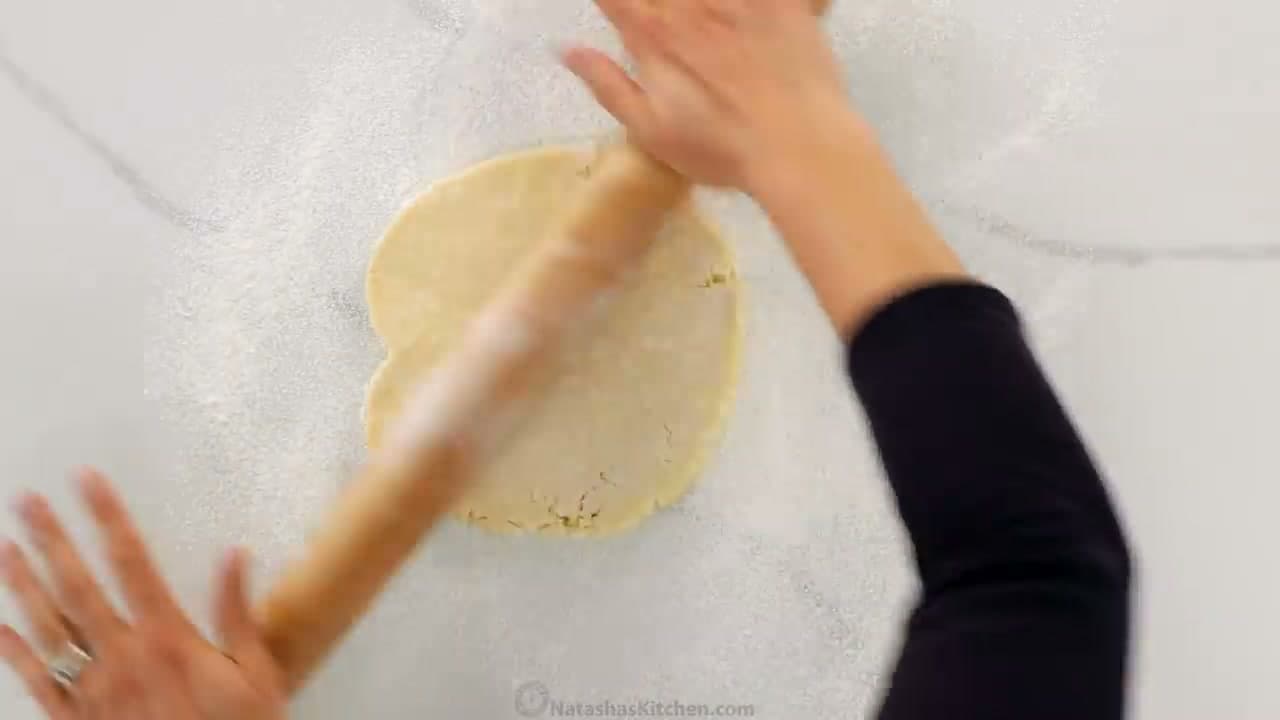
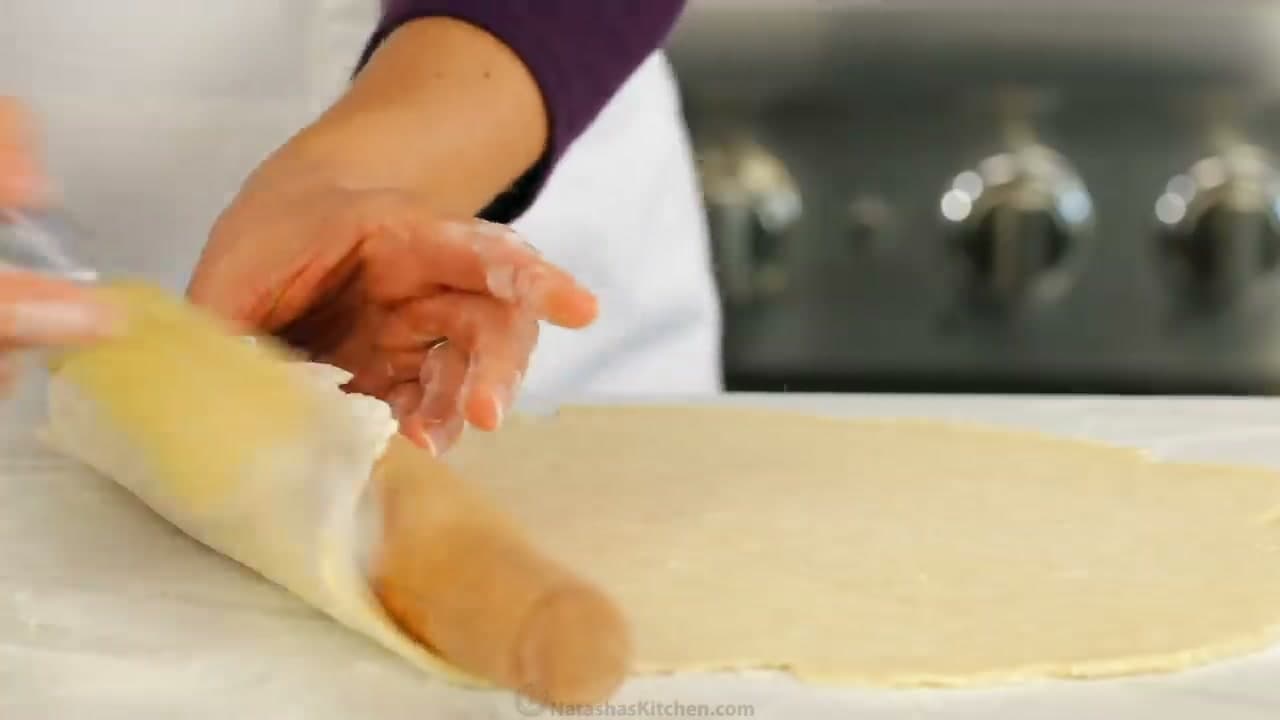
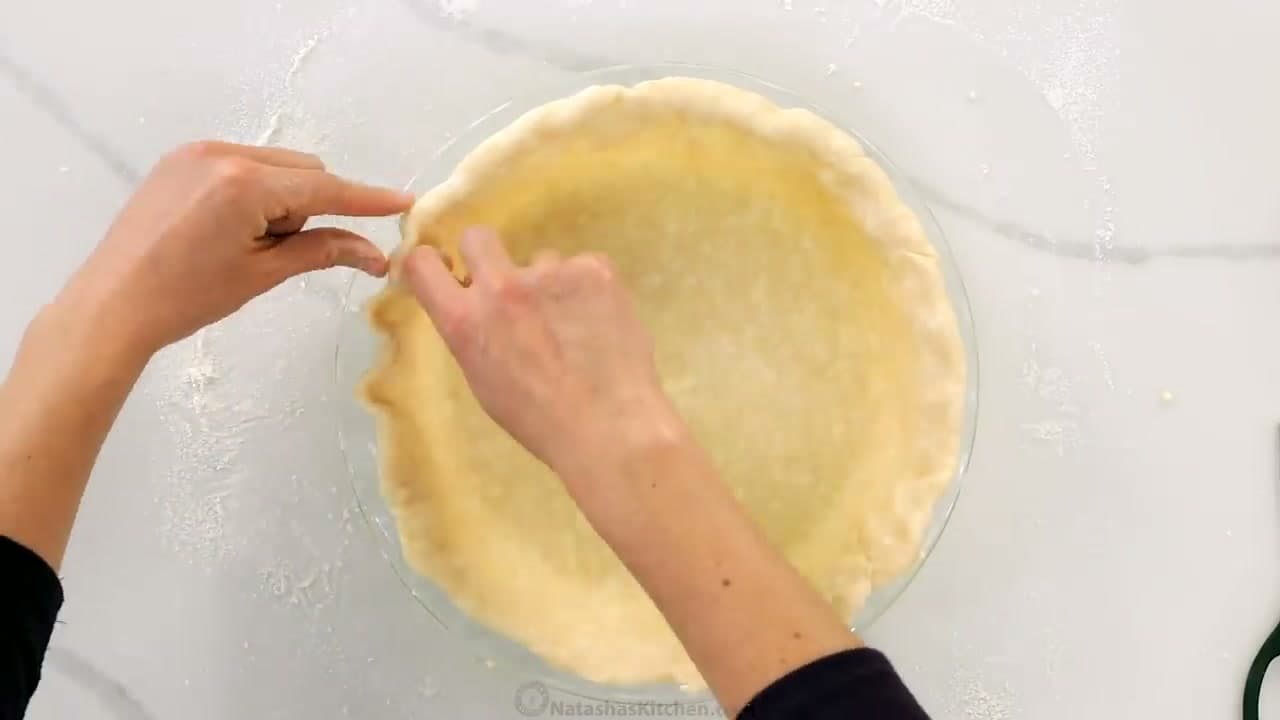
The recipe is built on Libby's canned pumpkin puree, evaporated milk (the Carnation kind), and a teaspoon of pumpkin pie spice plus a half teaspoon of extra cinnamon. No fancy ingredients, no roasting your own pumpkin. The technique is what makes it next-level: chill the crust hard before blind baking, dock the bottom with fork holes after pulling the weights, and use room-temperature milk so the custard sets evenly. Total active time is about 30 minutes, plus an hour to bake and a few hours to cool. Pair this with homemade waffles the next morning to use the extra egg whites.
How this compares to the Libby's label recipe
The one on the back of the can is the recipe most American pumpkin pies come from, and it is genuinely good. It uses two whole eggs, granulated sugar, evaporated milk and a spice blend, poured into an unbaked shell and started at 425F before dropping to 350F.
This version changes three things. The extra yolks give a denser, silkier custard. The brown sugar adds a molasses note the granulated version does not have. And blind baking the crust first, with an egg-white seal, fixes the one real weakness of the label recipe, which is a pale wet bottom.
If you have the can in front of you and no pie weights, the label method still works. Put the pie on a preheated baking sheet on the lowest rack, which browns the base from underneath.
How to tell when it is done
The edges should be set and slightly puffed, and the middle two inches should still wobble as a single mass when you nudge the pan. Not liquid sloshing, a wobble.
An instant-read thermometer in the centre should say 175F to 180F. Past 185F the custard curdles and weeps water when you slice it. The pie carries on cooking for a while out of the oven, so pulling it at a slight wobble is not underbaking, it is the plan.
Do not use the clean-knife test. By the time a knife comes out clean the centre is overcooked.
Why pumpkin pie cracks
Overbaking, almost always. Custard is egg protein, and past about 185F the proteins tighten, squeeze out water, and the surface splits as it cools and contracts.
Cooling too fast does it too. Take the pie from a hot oven to a cold windowsill and the top sets while the middle is still moving. Cool it on a rack at room temperature, away from a draught, for at least two hours before it goes anywhere near the fridge.
A crack is a cosmetic problem, not a flavour one. Whipped cream covers it and nobody at the table will know.
Making it with fresh pumpkin
You can, and it needs one extra step most recipes skip. Fresh puree holds far more water than canned, and if you pour it straight in the custard will not set.
Use a sugar pumpkin or a pie pumpkin, not a carving one, which is stringy and bland. Halve it, scoop the seeds, roast cut side down at 400F for about forty-five minutes until a knife goes in with no resistance. Scrape the flesh out and blend it smooth, then let it drain in a fine sieve or a cloth for an hour. You want it thick enough to hold a spoon up. Our roasted pumpkin seeds guide covers what to do with what you scooped out.
Canned is not the lazy option, for what it is worth. It is more consistent, and most side-by-side tastings cannot pick it out.
Pumpkin pie spice from scratch
Three tablespoons ground cinnamon, two teaspoons ground ginger, two teaspoons ground nutmeg, one and a half teaspoons ground allspice and one and a half teaspoons ground cloves. That is the standard blend, and it keeps for six months in a sealed jar.
Cloves are the one to be careful with. They dominate everything else if you go heavy, and a pie that tastes of cloves tastes like a candle. If you only have cinnamon, ginger and nutmeg, make it with those three and it will still taste like pumpkin pie.
No evaporated milk
Heavy cream is the best straight swap, same volume, and it makes a richer pie. Half and half works. Whole milk works but gives a looser set, so add an extra yolk if that is your only option.
You can also make your own: simmer two and a quarter cups of whole milk down to one cup over medium-low heat, stirring so it does not catch. It takes about twenty-five minutes. Cool it before it goes into the filling. Sweetened condensed milk is not a substitute here, because the sugar in the recipe already accounts for the sweetness.
Storing, freezing and making it ahead
Pumpkin pie is better on day two, which makes it the one Thanksgiving dish you should deliberately make early. Bake it the day before, cool it completely, then cover and refrigerate. It keeps four days.
Do not leave it on the counter overnight. It is an egg and dairy custard, and it needs to be in the fridge within two hours of cooling.
It freezes for up to a month, whole and unwhipped. Wrap it in plastic then foil, thaw overnight in the fridge, and add the whipped cream on the day. The crust softens a little on the way back, so a few minutes in a 350F oven helps if you want it crisp again.
The rest of the meal
The crust here is our all-butter pie crust, and blind baking it is the step that separates this from the version with a wet bottom. If you are cooking the whole dinner, the turkey sets the schedule, with green bean casserole, stuffing and cranberry sauce filling the table around it.