How to Poach an Egg

By ShowMeStepByStepPublished Updated

Based on a video by Epicurious.

Step 3 of 5 inCooking Fundamentals

Poached eggs are famously fussy. The whites run everywhere, the yolks overcook, and somehow you end up with egg-drop soup instead of a clean teardrop.

This walkthrough is based on a tutorial from Epicurious 101 - a method developed in restaurant kitchens where you need to poach dozens of eggs at once without wasting any. The key is a 10-minute vinegar pre-soak that tightens the whites before they ever hit the water.

Step-by-Step Guide

1

Make a Vinegar-Water Bath

0:35
Step 1: Make a Vinegar-Water Bath

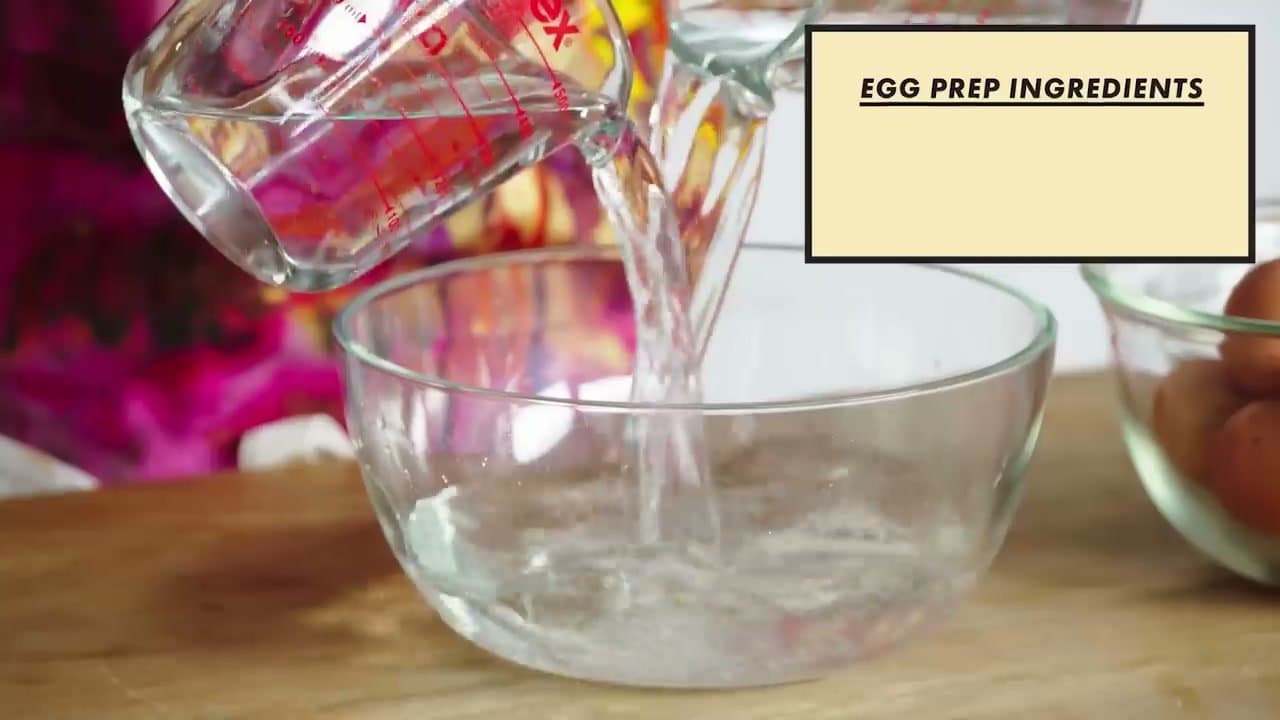
In a medium bowl, combine equal parts white distilled vinegar and water - about a cup of each. You need distilled white vinegar specifically; it has the highest acidity, which is what does the work.

Don't substitute apple cider or wine vinegar - they flavor the egg too strongly.

Tip

A glass or stainless bowl is better than plastic for this. Plastic can hold onto vinegar smell.
2

Crack the Eggs Into the Bath

0:55
Step 2: Crack the Eggs Into the Bath

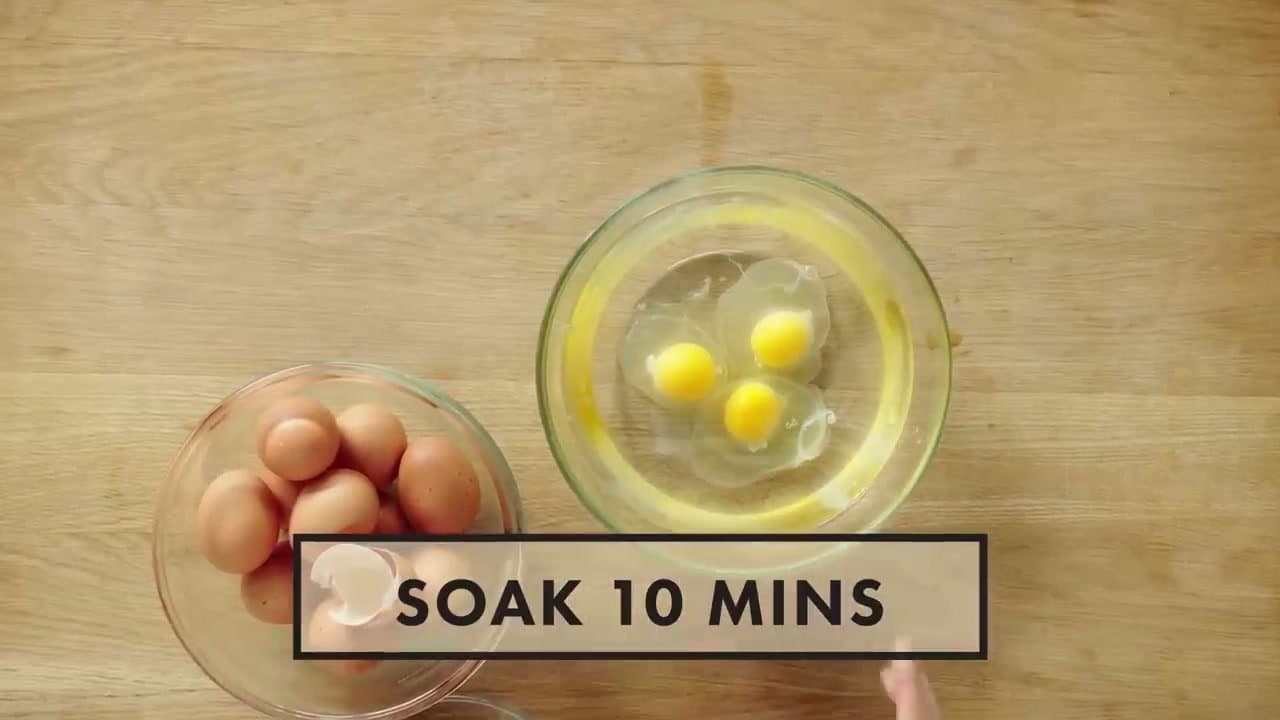
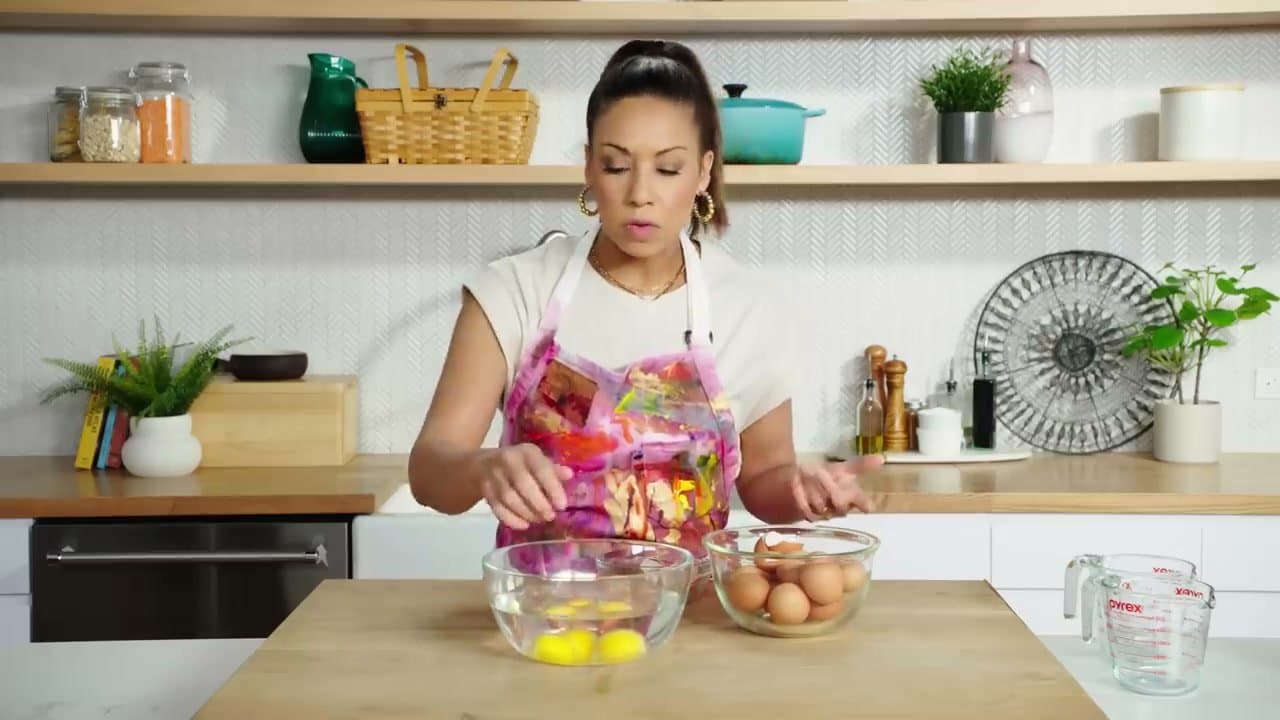
Crack eggs directly into the vinegar-water bath. Cold eggs from the fridge are fine - they'll come up to temp while they soak.

Don't crowd the bowl. Each egg needs space to float freely, or they'll stick together.

Tip

Crack each egg into a small dish first if you want to inspect for shell pieces before they hit the bath. Easier to fish out of a small dish than a big bowl.

Products used in this step

3

Soak for 10 Minutes

1:25
Step 3: Soak for 10 Minutes

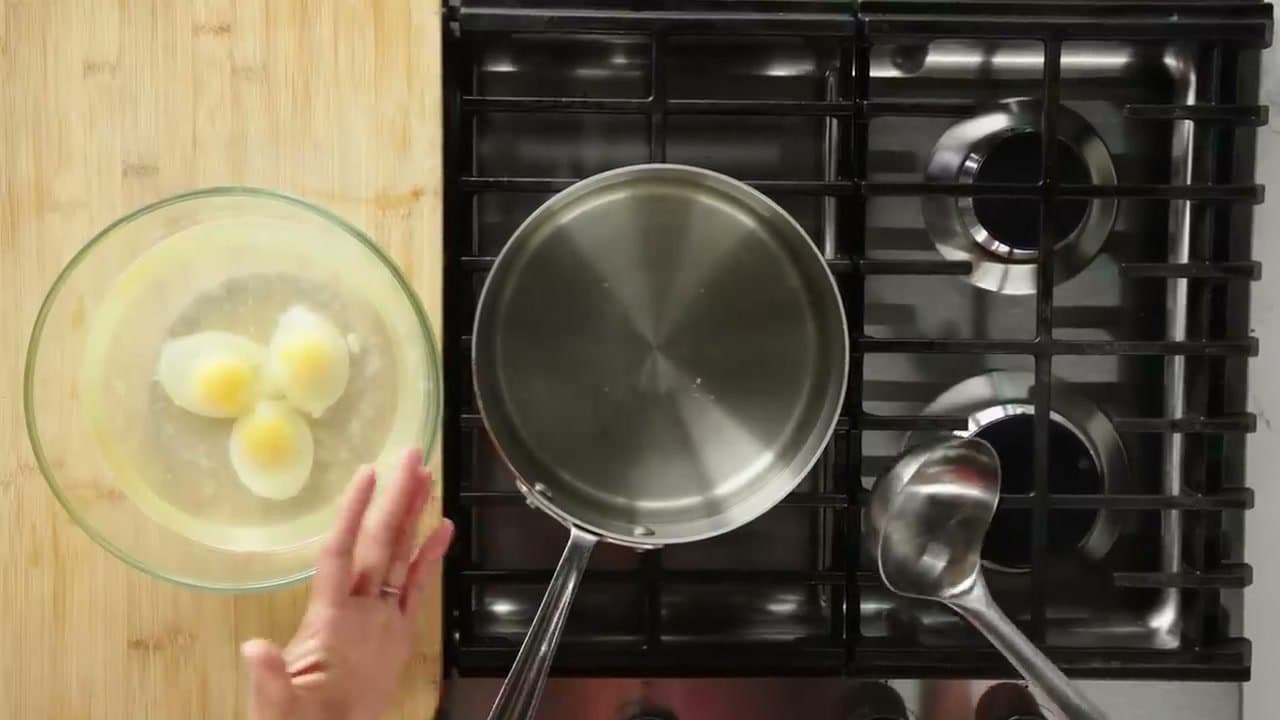
Let the eggs soak for about 10 minutes. The vinegar denatures the outer layer of the egg white, drawing it into a tight teardrop around the yolk. You'll see the outside turn opaque white when they're ready.

Swirl the bowl gently every couple of minutes so the vinegar reaches all sides.

Tip

Don't soak longer than 10 minutes or the eggs pick up a vinegar flavor. Under-soaked eggs will still spread a bit when they hit the water.

4

Bring Water to a Bare Simmer

2:00
Step 4: Bring Water to a Bare Simmer

Fill a medium saucepan with 3 to 4 inches of water. Bring it up to a bare simmer - tiny bubbles at the bottom, faint steam rising, nothing more. A rolling boil will tear your eggs apart.

A 3 to 4-quart saucepan filled halfway is about right for 3 eggs.

Tip

Skip adding vinegar or salt to the poaching water - the pre-soak already handled that. Anything extra just changes the flavor.

Products used in this step

5

Scoop Each Egg Into the Pot

2:20
Step 5: Scoop Each Egg Into the Pot

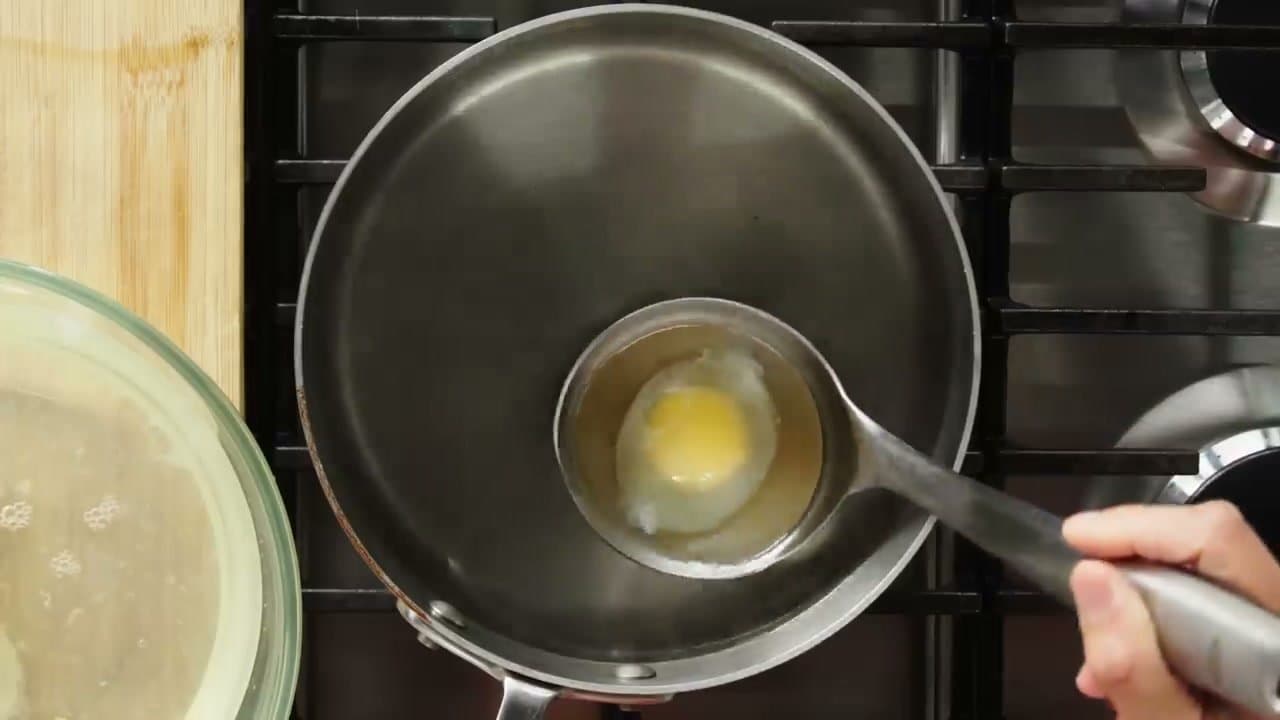
Use a ladle to scoop each egg from the vinegar bath with some of the liquid around it. Gently place the ladle in the simmering water and let the egg slide out.

No tornado swirling needed - the pre-soaked egg holds its shape on its own. That swirl technique only works for one egg at a time anyway.

Tip

Drop the eggs in close to the water so they don't splash. The longer the fall, the more likely they break apart.

6

Poach for 2 to 3 Minutes

2:50
Step 6: Poach for 2 to 3 Minutes

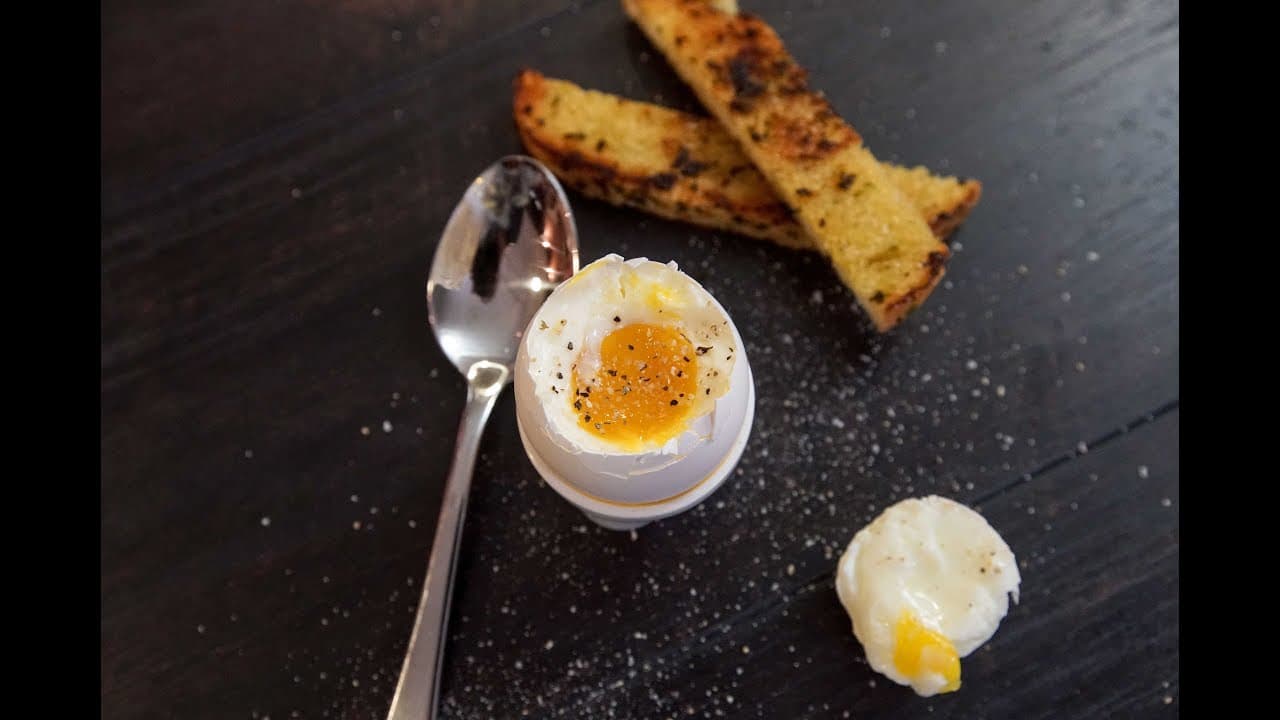
Poach for 2 to 3 minutes, depending on how soft you want the yolk. At 2 minutes the yolk is very runny; at 3 minutes it's jammy but still liquid-centered.

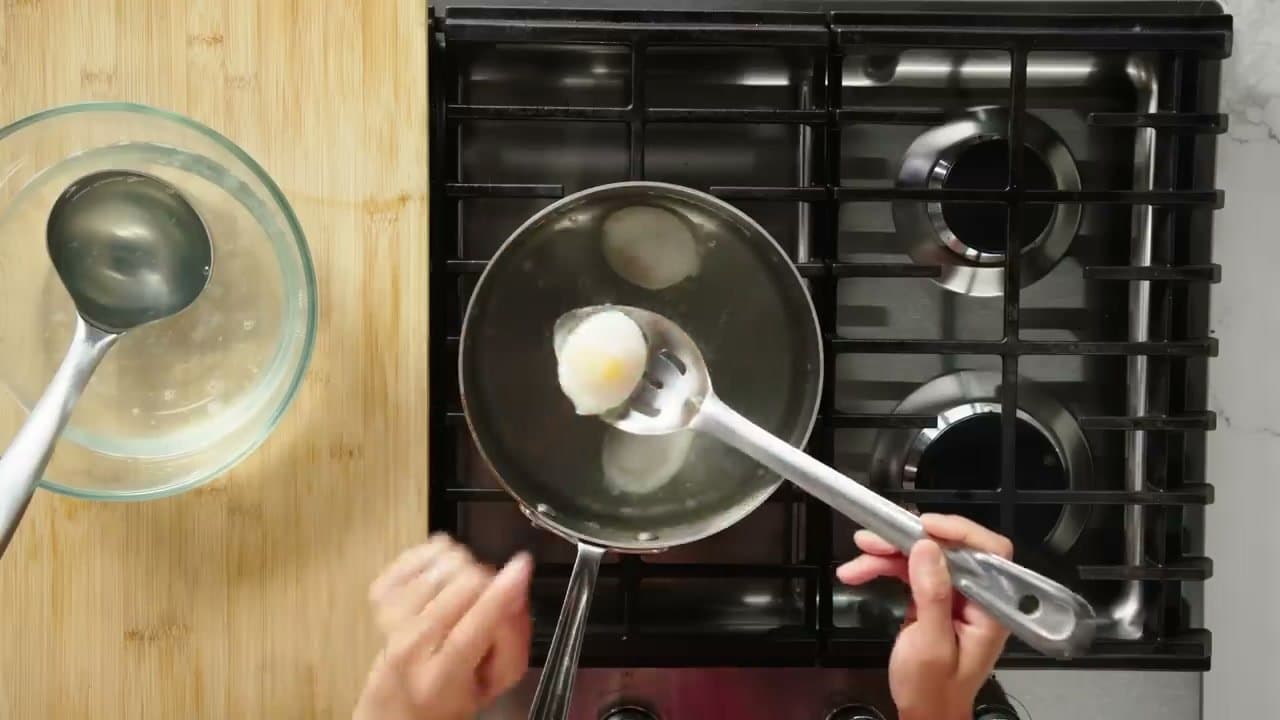
Press the egg lightly with a slotted spoon to check. The white should feel set but the yolk should still give under pressure.

Tip

If you want to save poached eggs for later, cook them one minute less, then transfer to ice water to stop the cooking. Reheat in hot water for 30 seconds when you're ready to serve.

Products used in this step

7

Lift, Blot, Season

3:20
Step 7: Lift, Blot, Season

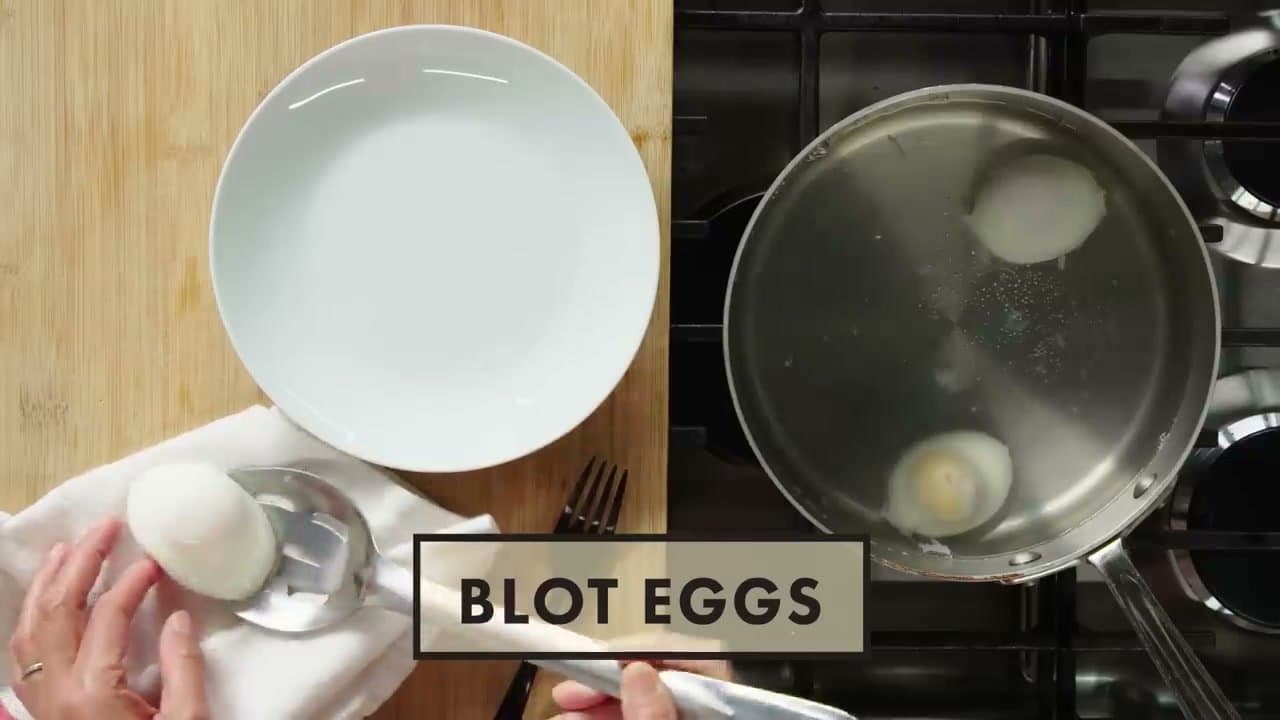
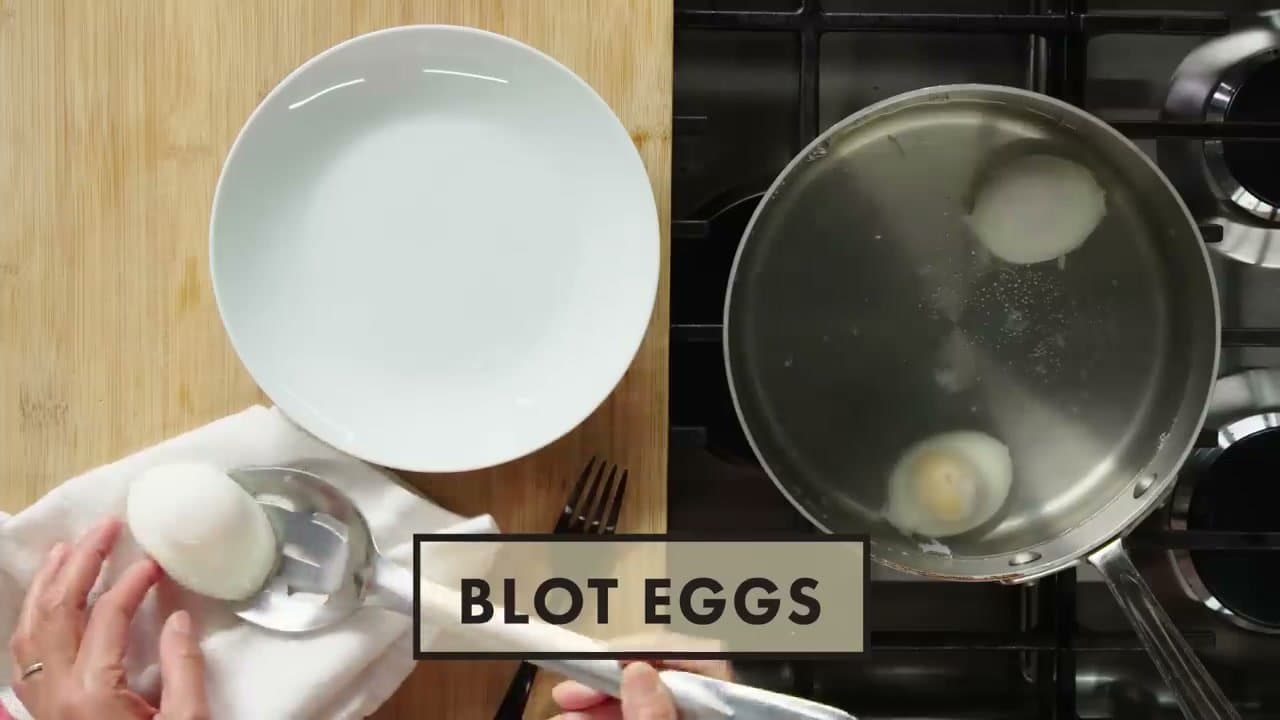
Lift each egg out with a slotted spoon, let the excess water drain, and blot on a clean kitchen towel. Skip paper towels - they stick and leave fuzz on the egg.

Season on the plate with salt and fresh black pepper just before serving.

Tip

Serve immediately on toast, avocado toast, or eggs Benedict. Poached eggs don't wait well - the heat in the yolk keeps cooking it if you let them sit.

Products Used

❖ The Recipe

How to Poach an Egg

Serves
3 eggs
Prep
12 min
Cook
3 min
Total
15 min

Ingredients

6 items
  • 3large eggscold from the fridge is fine
  • 1 cup (for the pre-soak bath)white distilled vinegarhighest acidity - don't substitute apple cider or wine vinegar
  • 1 cup (for the pre-soak bath)water
  • 3 to 4 inches deep (for poaching)water
  • to taste (on the plate)salt
  • to taste (on the plate)fresh black pepper

Nutrition

estimated · per servingEstimated from the ingredient list, not measured. Actual values vary by brand, preparation, and serving size. Not a substitute for measured nutrition data.
Calories
70kcal
Protein
6g
Fat
5g
Carbs
0g
Sodium
70mg

Method

  1. 1
    Make a Vinegar-Water Bath. In a medium bowl, combine equal parts white distilled vinegar and water - about a cup of each.
  2. 2
    Crack the Eggs Into the Bath. Crack eggs directly into the vinegar-water bath.
  3. 3
    Soak for 10 Minutes. Let the eggs soak for about 10 minutes.
  4. 4
    Bring Water to a Bare Simmer. Fill a medium saucepan with 3 to 4 inches of water.
  5. 5
    Scoop Each Egg Into the Pot. Use a ladle to scoop each egg from the vinegar bath with some of the liquid around it.
  6. 6
    Poach for 2 to 3 Minutes. Poach for 2 to 3 minutes, depending on how soft you want the yolk.
  7. 7
    Lift, Blot, Season. Lift each egg out with a slotted spoon, let the excess water drain, and blot on a clean kitchen towel.

Your Guide

Epicurious

As an Amazon Associate we earn from qualifying purchases. Links on this page may be affiliate links - clicking them and buying doesn't change your price, but helps support ShowMeStepByStep.

Tags

Test your knowledge

Did the lesson stick? Find out in 2 minutes.

5 quick questions covering what you just read. No signup, no score saved — just a gut check.

Quick reference

Key takeaways from How to Poach an Egg

5 questions, answers, and one-line explanations. Tap to expand.

  1. 1.Right vinegar for the bath?

    Answer: White distilled

    White distilled has the highest acidity, which is what does the work. Cider/wine flavor the egg too strongly.

  2. 2.Vinegar pre-soak duration?

    Answer: About 10 minutes

    Vinegar denatures the outer white, drawing it into a tight teardrop around the yolk. Outside turns opaque when ready.

  3. 3.Right water temperature for the poach?

    Answer: Bare simmer

    Tiny bubbles at the bottom, faint steam, nothing more. A rolling boil tears your eggs apart.

  4. 4.Why does the swirl-tornado technique NOT matter here?

    Answer: Pre-soak holds shape

    Pre-soaked egg holds its shape on its own. Swirl only works for one egg at a time anyway.

  5. 5.Poach time for a jammy, liquid-centered yolk?

    Answer: 2-3 minutes

    2 min = very runny; 3 min = jammy but still liquid-centered. White feels set, yolk gives under slotted-spoon press.

What's next

Related collections

Curated theme pages that include this tutorial.

Weekly Digest

Liked this cooking tutorial?

Pick the categories you want to hear about. Weekly digest of new step-by-step tutorials. No spam, easy unsubscribe.

Send me tutorials about

We only email about new tutorials. Easy unsubscribe anytime.