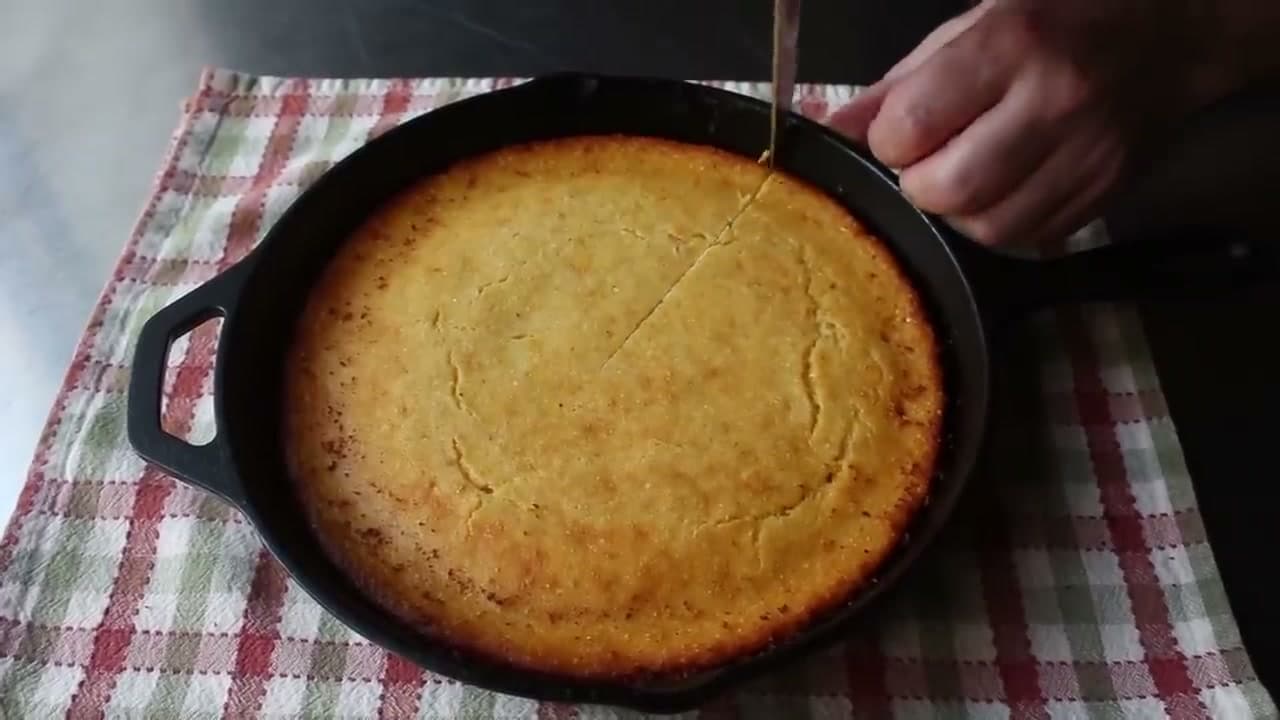
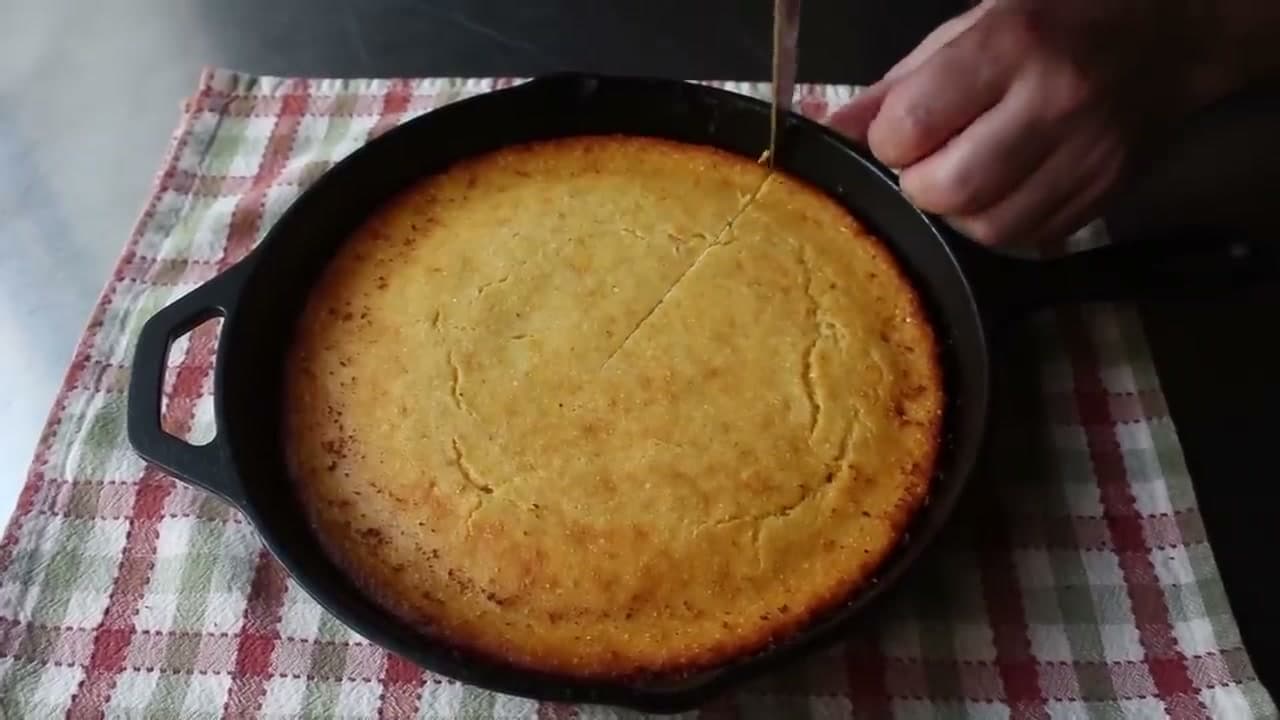
Cornbread earns its spot on the table without drama. Whisk a few pantry staples together, pour the batter into a hot buttered skillet, and 25 minutes later you have a golden, tender slab that goes with chili or ribs. Chef John's version leans on honey instead of sugar and a whole stick of butter, which is where the crust's crackle comes from.
About 35 minutes start to finish, no mixer. Read the steps first so the melted butter and the oven preheat line up - that is where people go wrong. Serve it with oven ribs and coleslaw and a weeknight dinner turns into a cookout.
What you need
- A 10-inch cast iron skillet, or a 9-inch cake pan
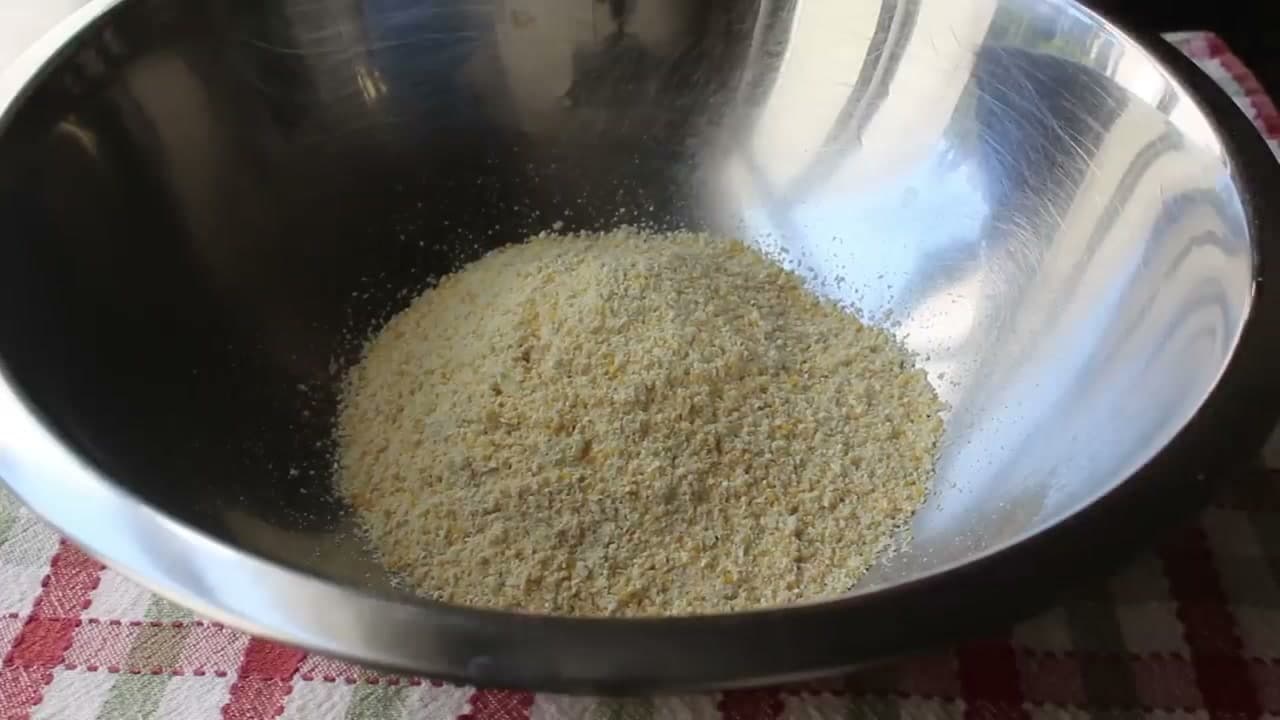
- 1 1/2 cups stone-ground yellow cornmeal
- 1/2 cup self-rising flour, or plain flour plus leavening
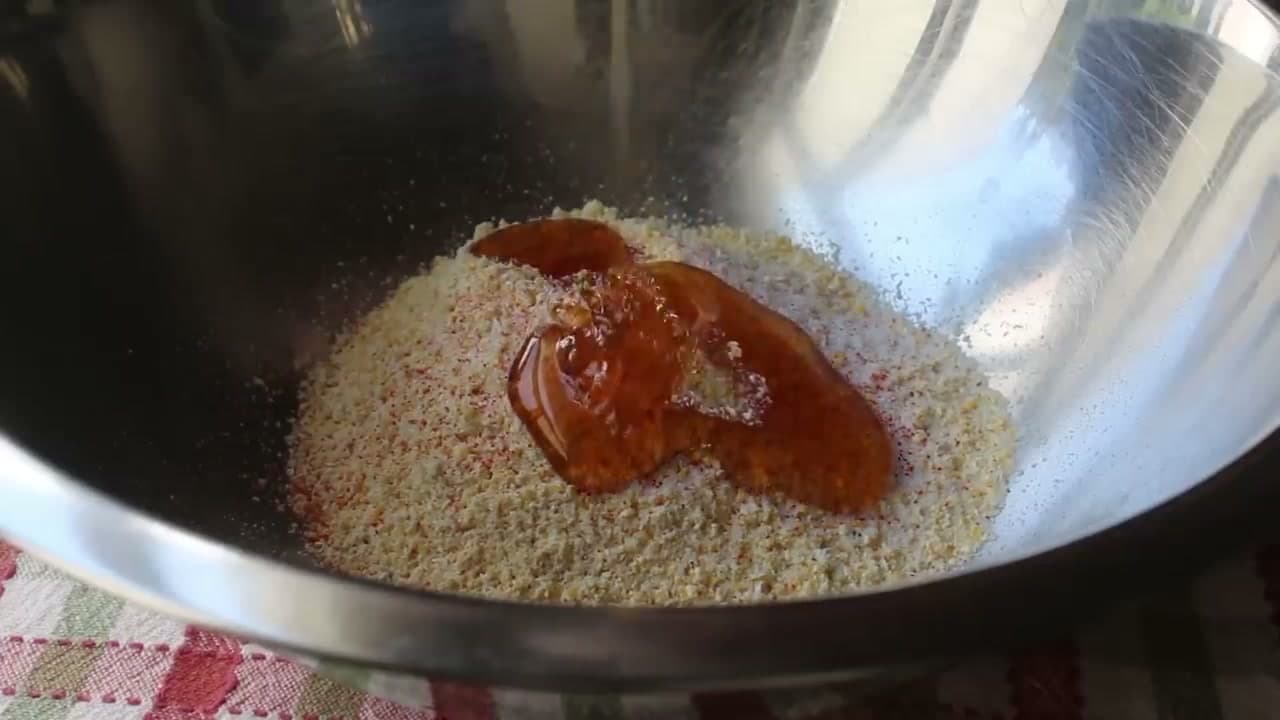
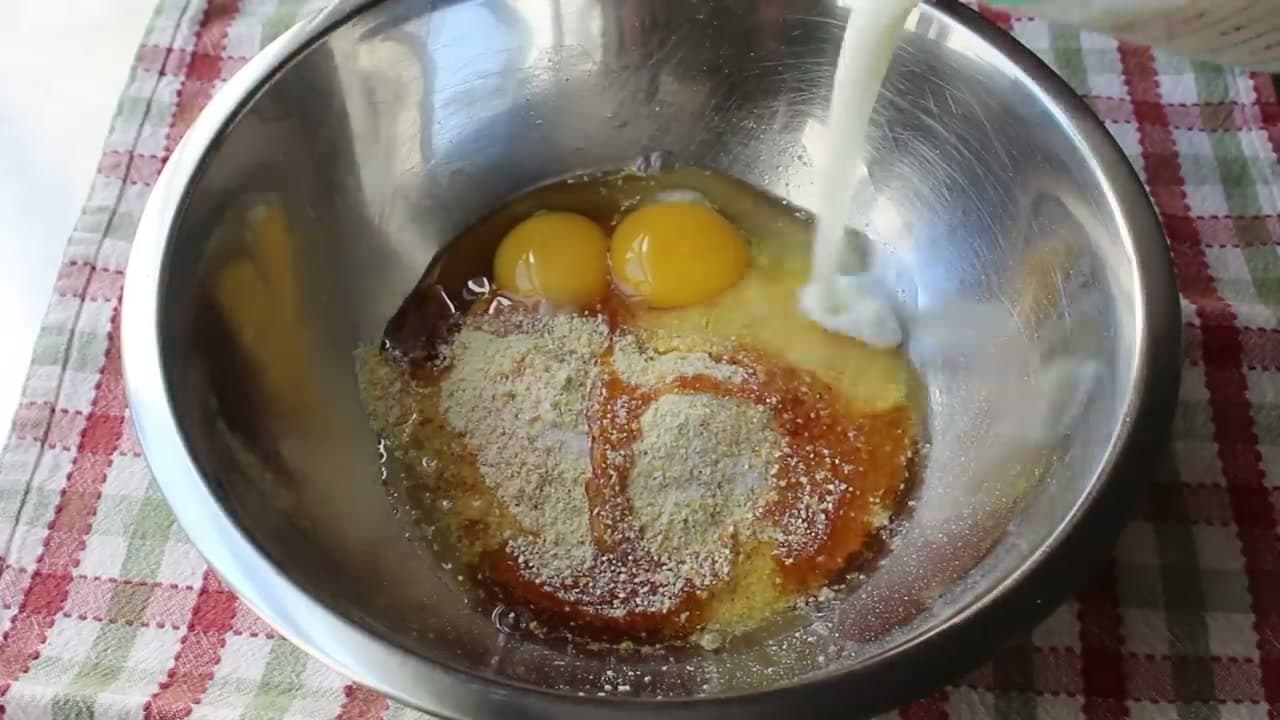
- 1 1/4 cups buttermilk, 2 large eggs, 1/4 cup honey
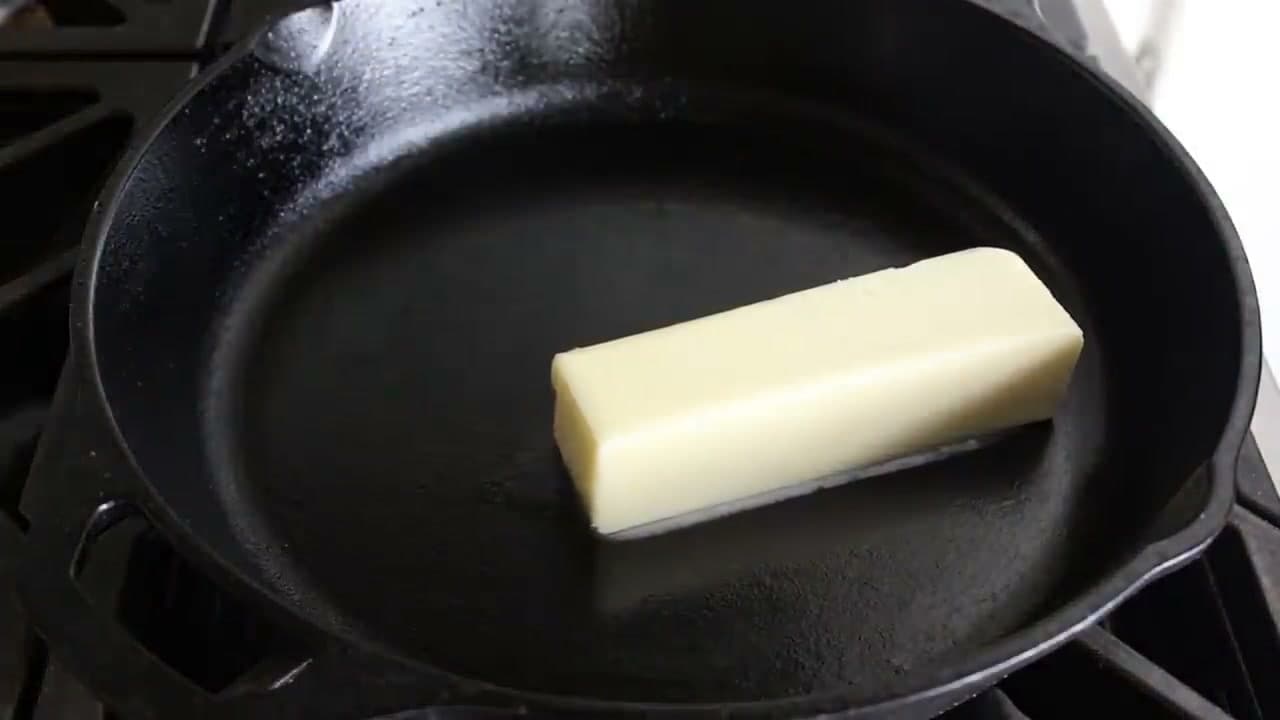
- A stick of butter, half in the batter, half left in the pan
- Kosher salt and a pinch of cayenne
Southern vs Northern cornbread
People argue about this at family tables. Southern cornbread is savory: mostly cornmeal, little or no sugar, buttermilk for tang, baked in a hot greased skillet so the bottom goes dark and crisp. Northern cornbread carries more wheat flour and real sugar, so it lands softer, paler, closer to cake.
This one sits between them. Cut the honey to a tablespoon for a Southern loaf, or take it to a third of a cup for a sweeter one.
Why the hot buttered skillet matters
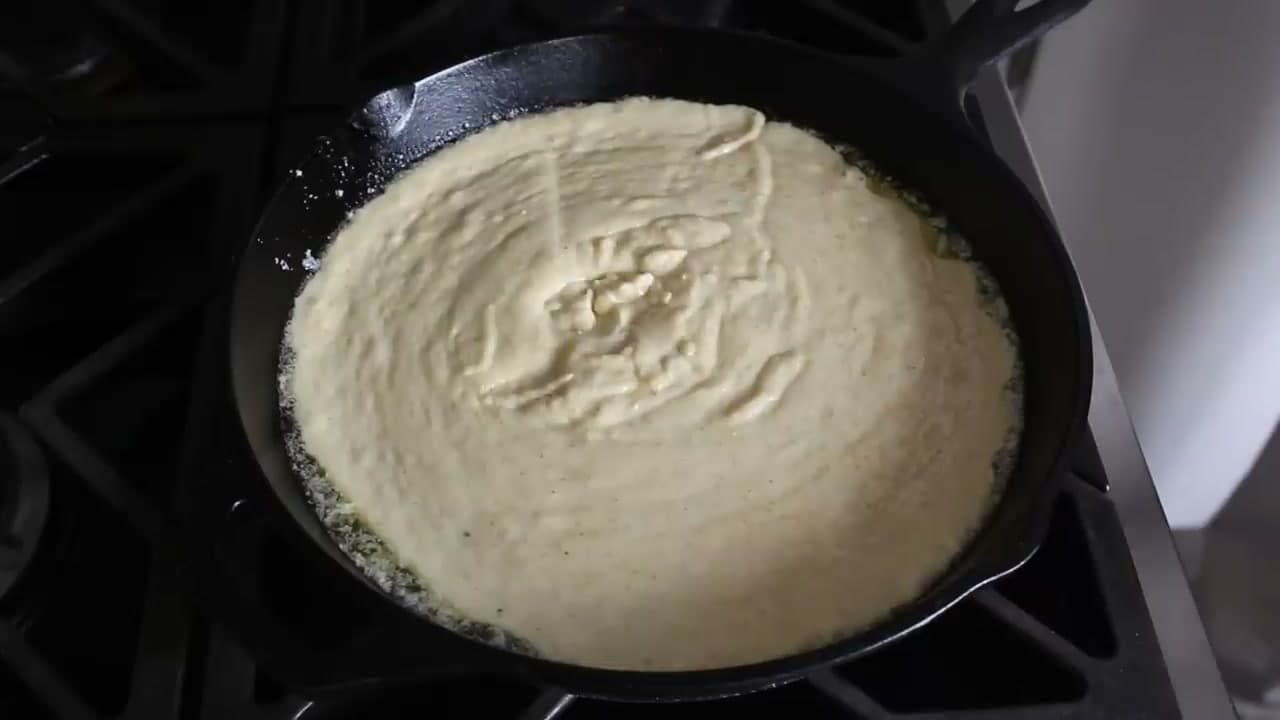
Batter poured into a cold pan steams before it browns and the bottom stays pale. Butter melted in the pan and left there does the opposite: the edges sizzle on contact and start frying while the middle is still raw. That is the crust. Preheating the empty greased skillet in the oven works too. Cast iron holds that heat better than anything in the cupboard. If yours is new or sticky, read how to use a cast iron skillet first.
Cornmeal, flour and buttermilk swaps
Stone-ground cornmeal has more corn flavor and a grit you can feel; steel-ground is finer and bakes softer. Medium grind is the safe middle; coarse needs every drop of buttermilk or it turns sandy. Yellow or white both work.
Self-rising flour already carries the leavening and salt. With plain all-purpose, add 2 teaspoons baking powder and half a teaspoon baking soda. Skip self-rising cornmeal mix unless you drop the flour, or the loaf rises fast then falls. No buttermilk? Stir a tablespoon of lemon juice or vinegar into a cup of whole milk and leave it 5 minutes. That acid is what makes the soda work and keeps the crumb tender.
Cake pan and muffin tin times
- 10-inch cast iron skillet, 400F: 22-25 minutes
- 9-inch round or square cake pan, 400F: 25-30 minutes
- 12-cup muffin tin, 400F: 14-17 minutes
Glass and ceramic heat slower, so drop the oven 25 degrees. Grease muffin cups hard or use liners.
Leftovers and cornbread dressing
Wrapped on the counter it holds two days; sliced and frozen, a month. Reheat under foil at 300F. Toasted in butter, day-old cornbread beats fresh.
Plenty of cooks bake a skillet two days early on purpose, because dressing wants dry bread. Cube the cooled loaf, leave the cubes out uncovered overnight, then use them as the bread base - the ratios in how to make stuffing carry over. One skillet fills a 9x13 dish, which lands beside candied yams.
Dry, crumbly or sunken
Dry. Too much cornmeal for the liquid, or five extra minutes in the oven. Pull it when a toothpick comes out with a crumb or two clinging.
Crumbly. Not enough fat or egg to bind the cornmeal; that stick of butter is doing structural work. Cutting it hot tears the crumb, so give the pan its 10 minutes.
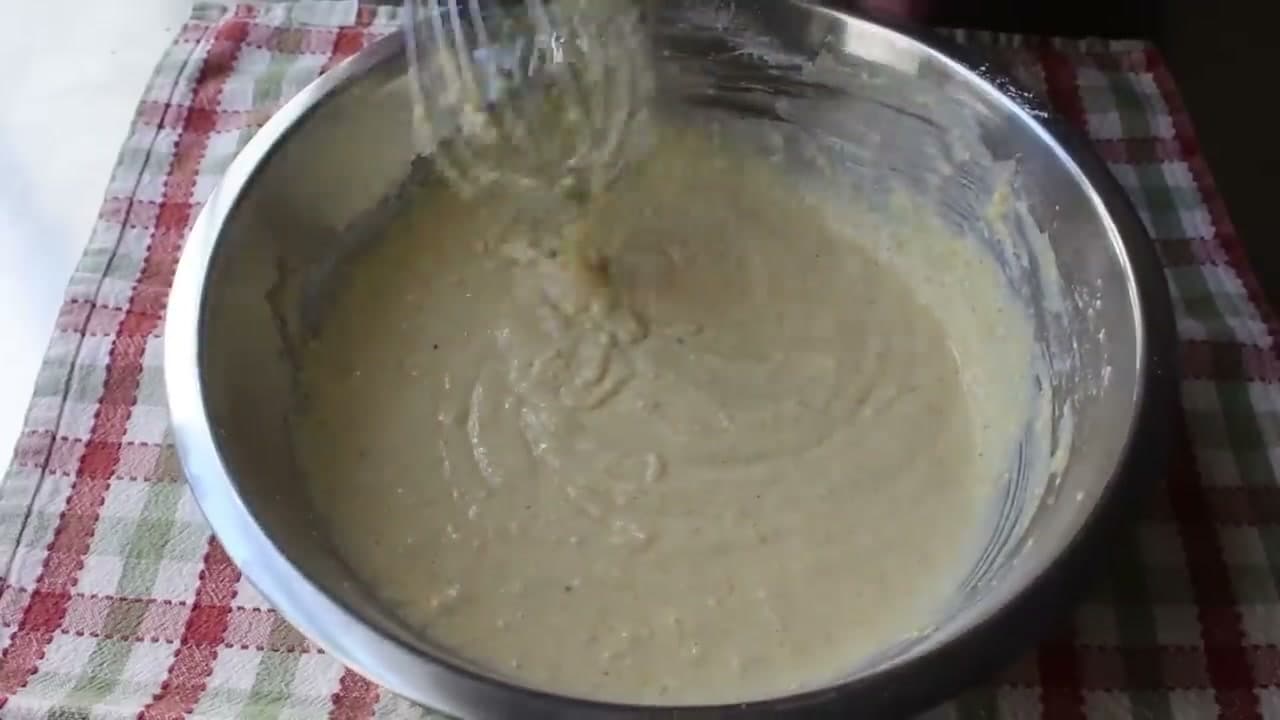
Sunken middle. Overmixed batter, or old baking powder. Whisk only until the dry streaks go. Lumps bake out, gluten does not.