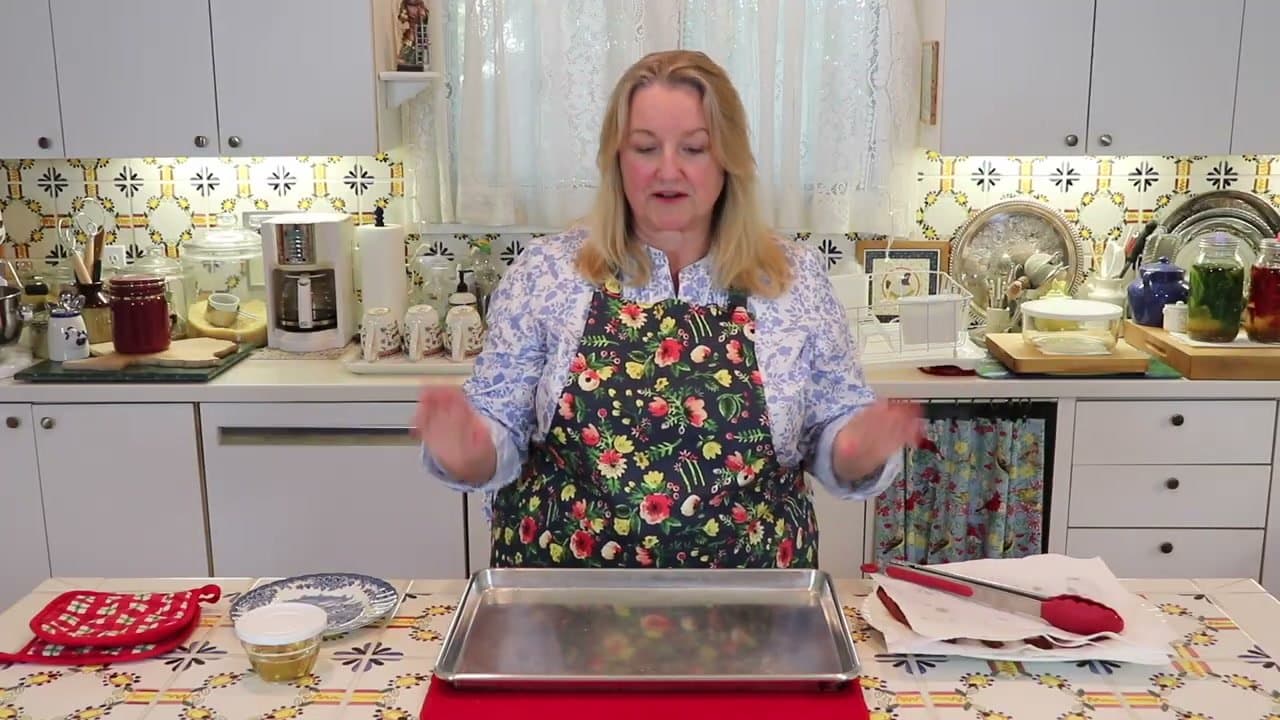
How to Cook Bacon in the Oven

By ShowMeStepByStepPublished Updated

Based on a video by Mary's Nest.

The hardest thing about cooking bacon is the cleanup, not the cooking. A skillet covers your stove in grease and cooks two slices at a time. The oven cooks ten at once, no splatter, and you can walk away while it goes. The trick is the foil or parchment lining - it takes the grease, you toss it, the pan stays clean. Pair the bacon with our omelette guide or some fluffy scrambled eggs for the full weekend-breakfast spread.

Step-by-Step Guide

1

Preheat the Oven and Line a Sheet Pan

1:10
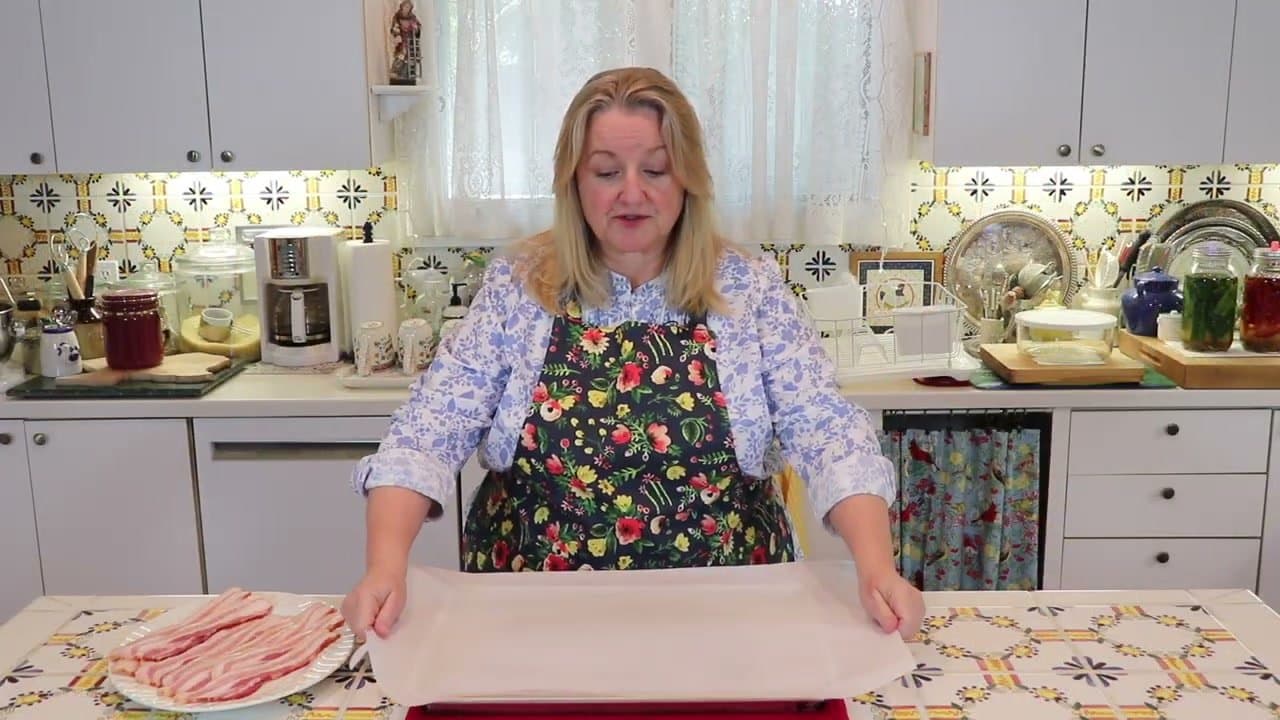
Step 1: Preheat the Oven and Line a Sheet Pan

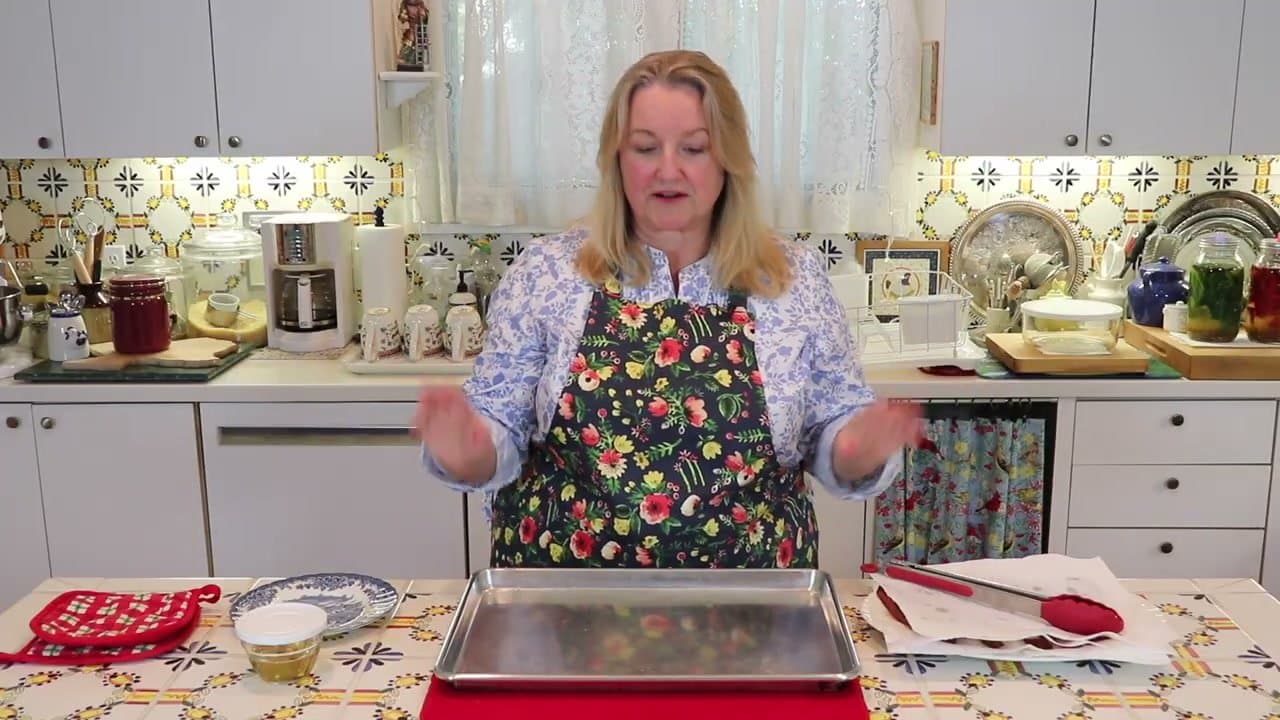
Set your oven to 400 degrees Fahrenheit. While it warms up, line a rimmed baking sheet with aluminum foil or parchment paper. Use a piece bigger than the pan so the edges hang over and tuck under. That's what catches all the rendered fat and saves you from scrubbing later.

Either lining works. Foil molds easily and you can crinkle the corners up. Parchment lays flat and the bacon weights it down once you start placing strips.

Tip

If you're cooking for a crowd, do two sheets at once on different oven racks. Rotate them halfway through so both cook evenly.
2

Lay Out the Bacon Strips

2:10
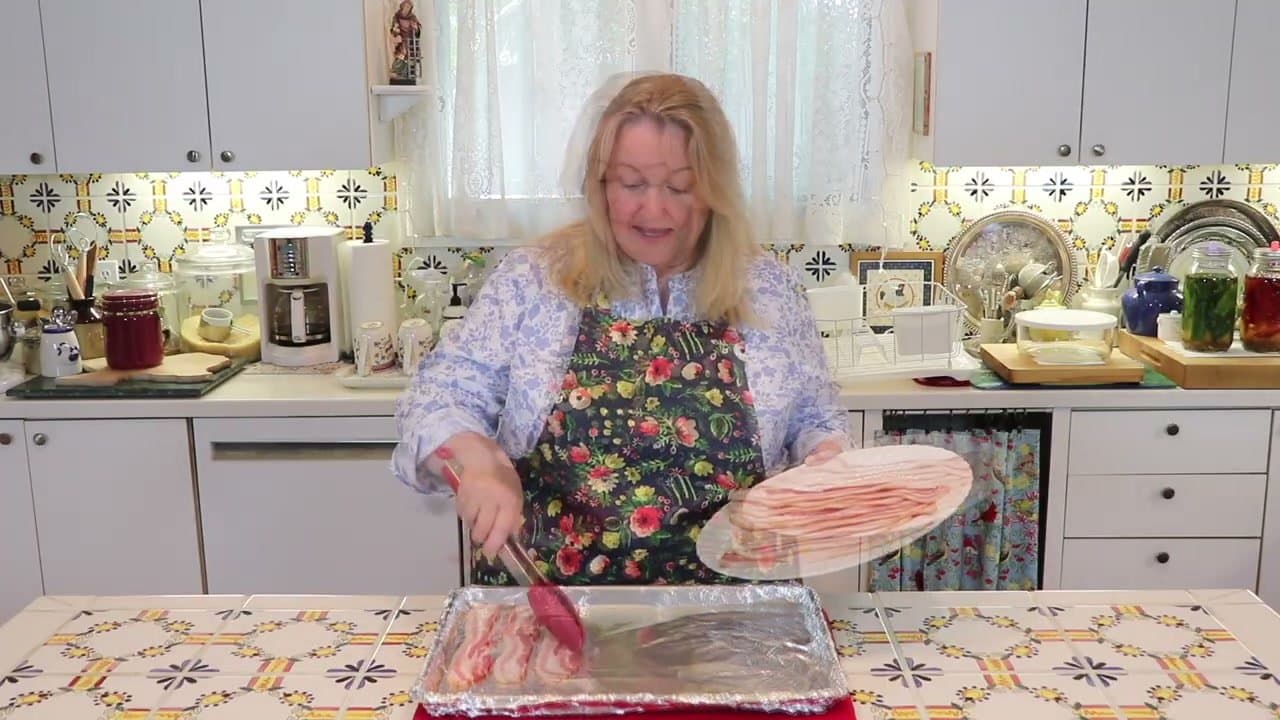
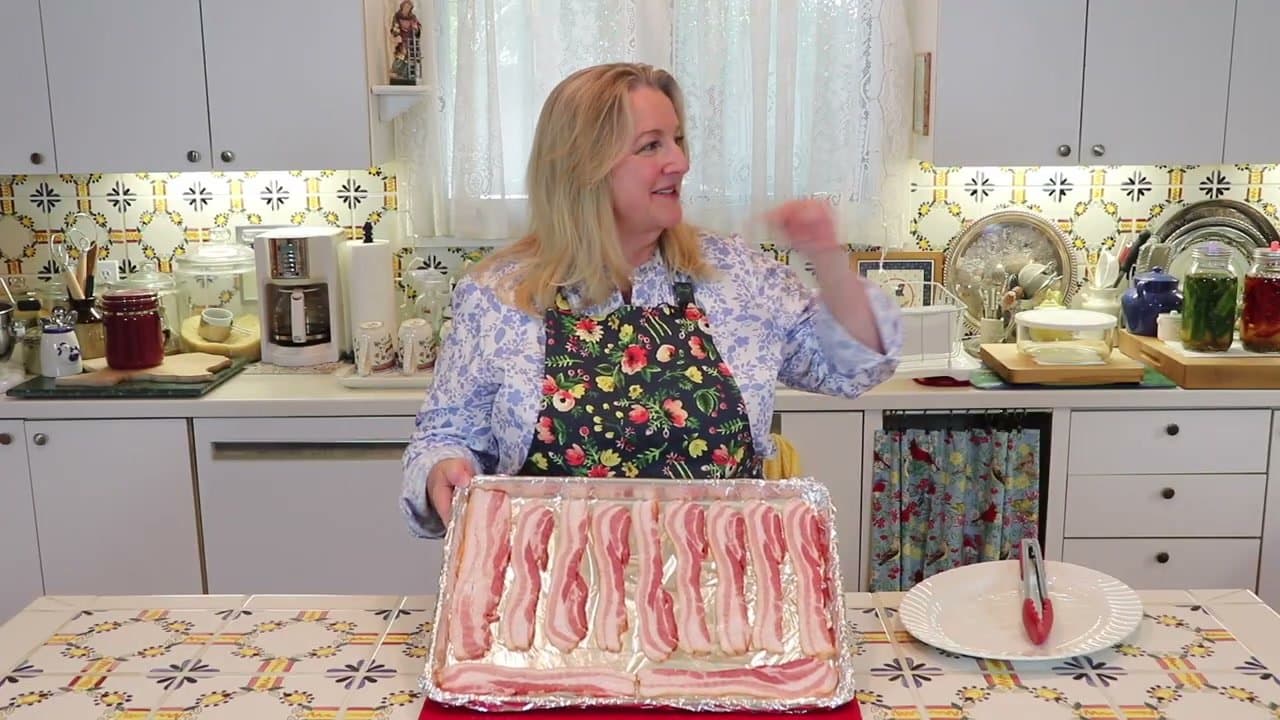
Step 2: Lay Out the Bacon Strips

Place the raw bacon strips flat across the lined sheet. Keep them in a single layer with a tiny gap between each one. They'll shrink as they cook, so it's fine if the strips touch lightly, but don't overlap or they'll steam instead of crisp.

3

Bake at 400 Degrees

2:52
Step 3: Bake at 400 Degrees

Slide the sheet onto the middle rack of the preheated oven. Bake for 15 to 20 minutes. Thin-cut bacon hits crispy at 15. Thick-cut needs the full 20 or a little longer.

4

Check at 15 Minutes

3:15
Step 4: Check at 15 Minutes

Open the oven and look at the bacon. It should be deep golden brown and lying flat. If it still looks pale or floppy, give it another 2 to 4 minutes and check again. Bacon goes from perfect to scorched in about 90 seconds, so don't wander off after the first check.

Tip

Every oven runs a little different. Once you've made bacon this way twice, you'll know the exact time for your oven and your favorite brand.

5

Transfer to Paper Towels

3:35
Step 5: Transfer to Paper Towels

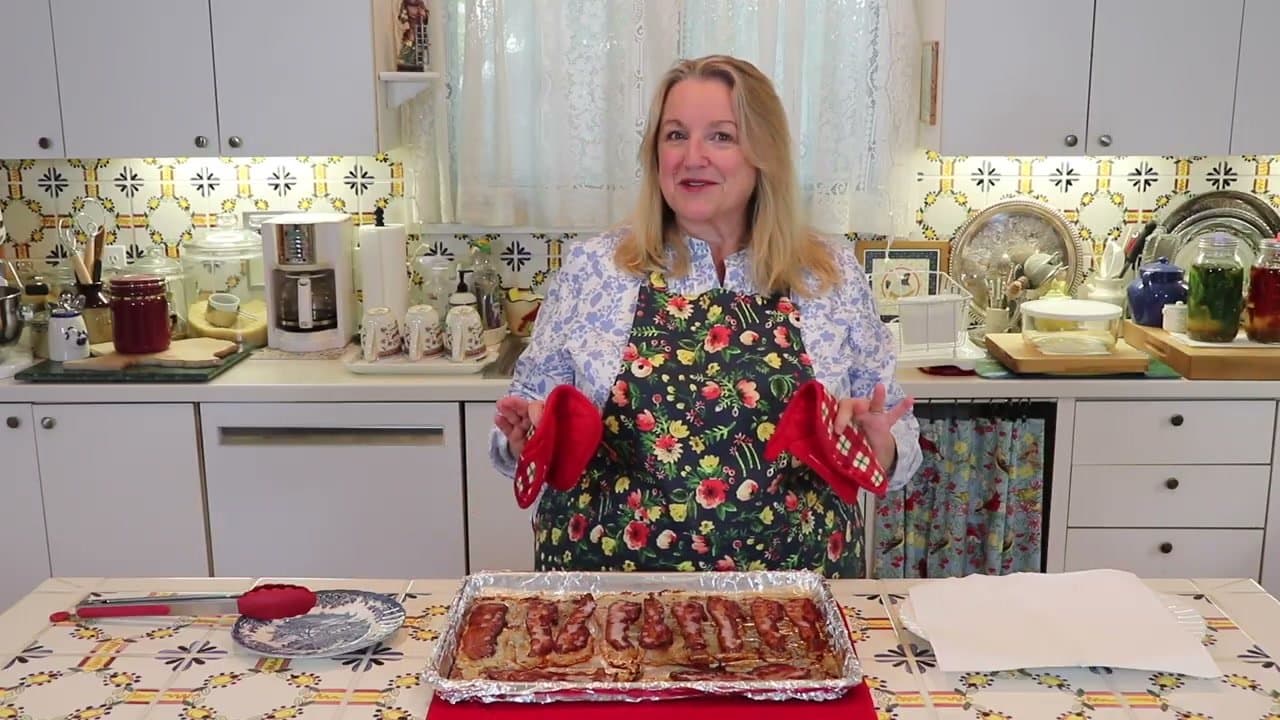
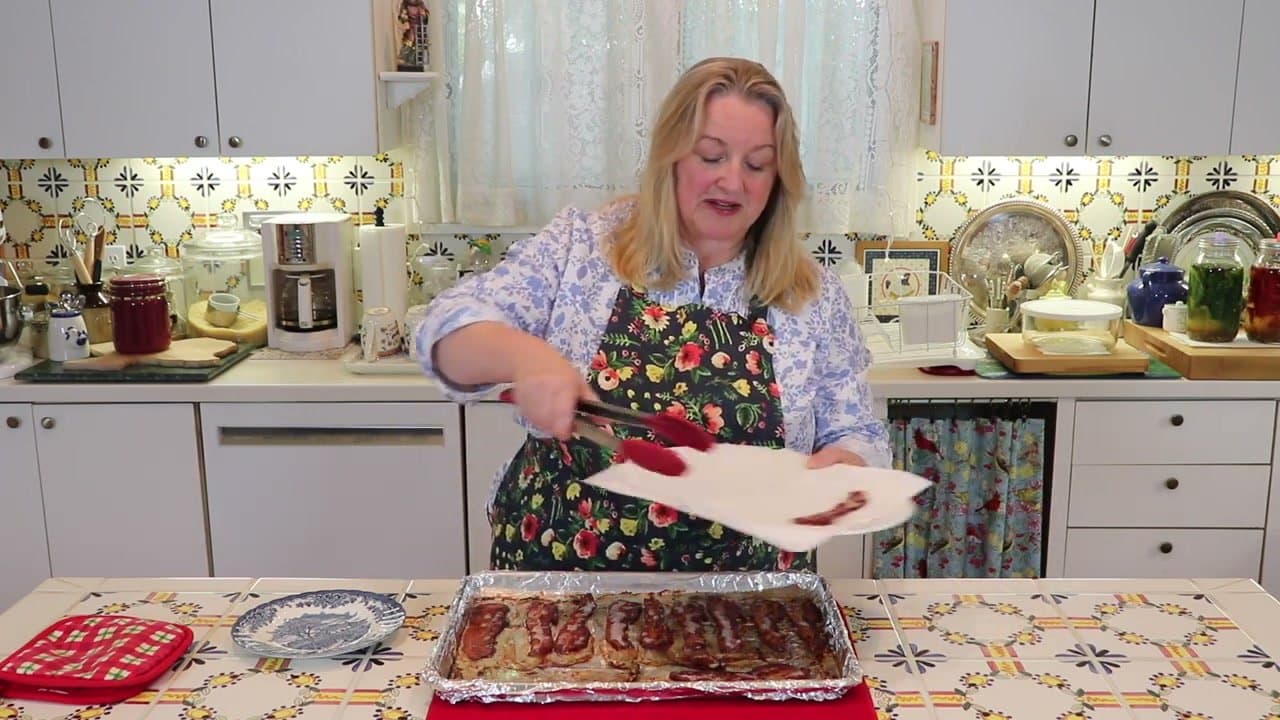
Pull the sheet out using oven mitts. Use tongs to lift each strip onto a plate lined with a couple paper towels. The towels grab the surface grease so the bacon stays crisp instead of going soggy in its own fat.

Products used in this step

6

Cover and Rest

4:04
Step 6: Cover and Rest

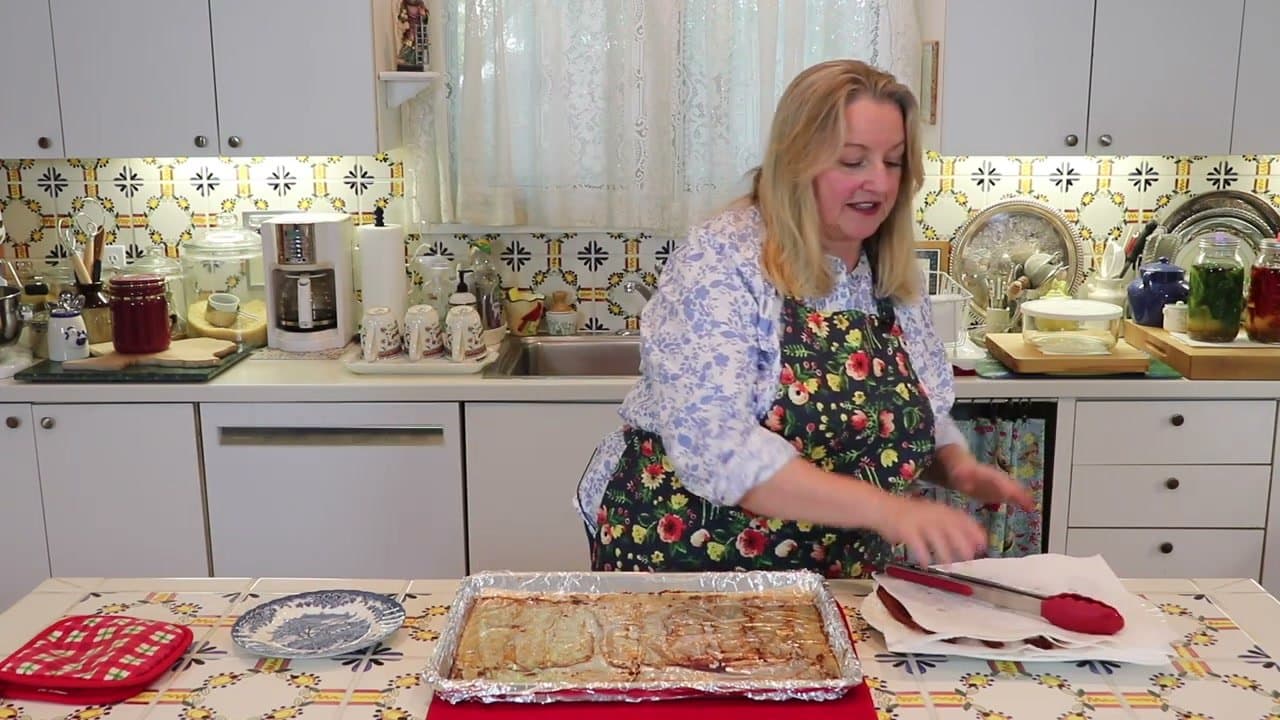
Set another paper towel on top of the bacon. If you're cooking a second batch, layer it on the towel - then add another paper towel on top of that. A minute of resting under the towels pulls off the last bit of grease.

7

Save the Bacon Fat

4:23
Step 7: Save the Bacon Fat

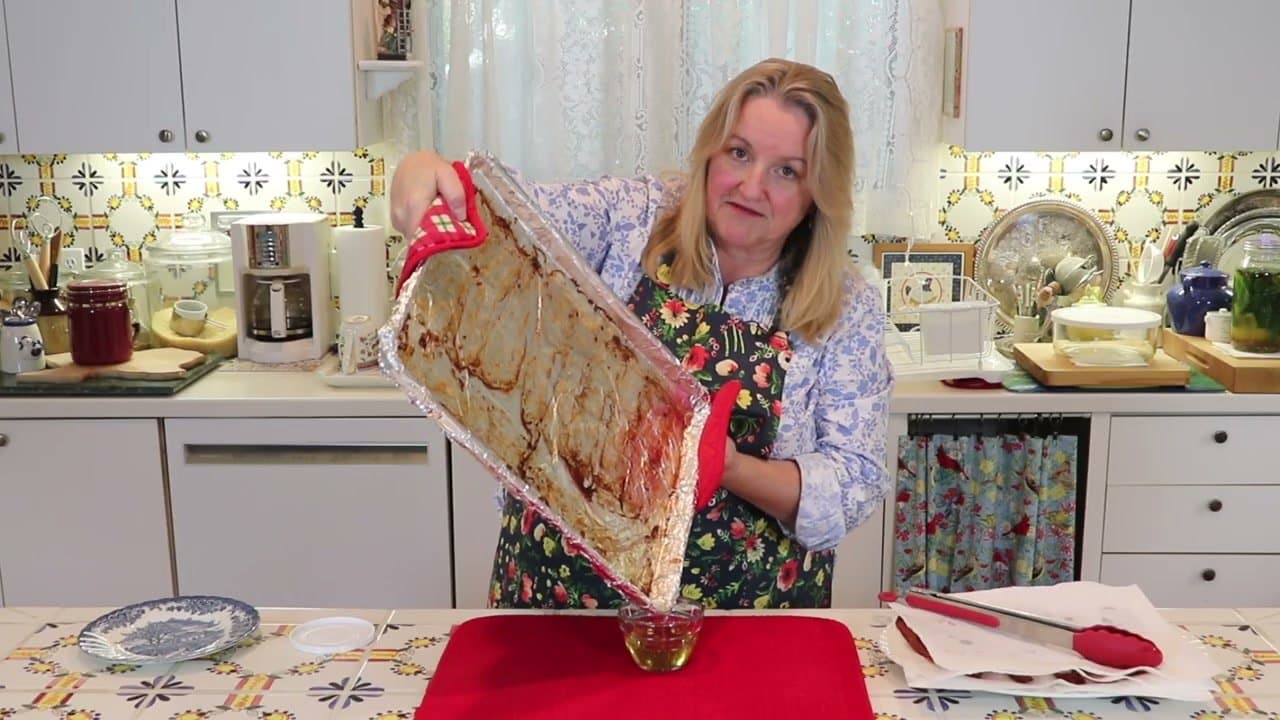
Tilt the foil and pour the rendered fat into a small jar or heat-safe container. Strain it through a fine mesh sieve if you want it cleaner. This is liquid gold for sauteing greens, frying eggs, or seasoning a cast iron pan.

Store the jar in the fridge once it cools. It keeps for a couple months.

Tip

Never pour bacon fat down the drain. It hardens and clogs pipes. Even if you're not going to use it, let it cool and toss the solid in the trash.

Products used in this step

8

Toss the Foil and Skip the Cleanup

4:43
Step 8: Toss the Foil and Skip the Cleanup

Wait until the pan cools enough to handle. Lift the foil off in one piece and drop it in the trash. The pan underneath looks like it never touched bacon. Wipe it with a paper towel if anything ended up directly on the metal, then stash it back in the cabinet.

Products Used

❖ The Recipe

How to Cook Bacon in the Oven

American
Serves
Serves 4-6
Prep
5 min
Cook
20 min
Total
25 min

Ingredients

2 items
  • 1 poundbacon stripsthick-cut works best
  • 1 sheetparchment paper or foilfor easy cleanup

Nutrition

estimated · per servingEstimated from the ingredient list, not measured. Actual values vary by brand, preparation, and serving size. Not a substitute for measured nutrition data.
Calories
250kcal
Protein
16g
Fat
22g
Carbs
0g
Sodium
1000mg

Method

  1. 1
    Preheat the Oven and Line a Sheet Pan. Set your oven to 400 degrees Fahrenheit.
  2. 2
    Lay Out the Bacon Strips. Place the raw bacon strips flat across the lined sheet.
  3. 3
    Bake at 400 Degrees. Slide the sheet onto the middle rack of the preheated oven.
  4. 4
    Check at 15 Minutes. Open the oven and look at the bacon.
  5. 5
    Transfer to Paper Towels. Pull the sheet out using oven mitts.
  6. 6
    Cover and Rest. Set another paper towel on top of the bacon.
  7. 7
    Save the Bacon Fat. Tilt the foil and pour the rendered fat into a small jar or heat-safe container.
  8. 8
    Toss the Foil and Skip the Cleanup. Wait until the pan cools enough to handle.

Your Guide

Mary's Nest

As an Amazon Associate we earn from qualifying purchases. Links on this page may be affiliate links - clicking them and buying doesn't change your price, but helps support ShowMeStepByStep.

Tags

Test your knowledge

Did the lesson stick? Find out in 2 minutes.

5 quick questions covering what you just read. No signup, no score saved — just a gut check.

Quick reference

Key takeaways from How to Cook Bacon in the Oven

5 questions, answers, and one-line explanations. Tap to expand.

  1. 1.Oven temp for crispy bacon?

    Answer: About 400°F

    400°F renders the fat fully without burning the meat. Lower = chewy; higher = scorches between checks.

  2. 2.Cook time at 400°F?

    Answer: 15-20 minutes

    15 min for thin-cut, 20 for thick. Check at 15 min - goes from perfect to scorched in about 90 seconds.

  3. 3.Why line the pan with overhanging foil?

    Answer: Lift-off cleanup

    Catches the rendered fat AND tucks under to lift off in one piece. Crinkle corners up to contain grease.

  4. 4.What to do with rendered bacon fat?

    Answer: Strain, jar, refrigerate

    Bacon fat is kitchen gold. Strained and refrigerated, it boosts flavor in eggs, greens, cast iron - for months.

  5. 5.Why don't strips overlap on the pan?

    Answer: Touching pieces steam

    Single layer, tiny gap. Touching lightly is fine; overlapping = soggy patches even with a long bake.

What's next

Related collections

Curated theme pages that include this tutorial.

Weekly Digest

Liked this cooking tutorial?

Pick the categories you want to hear about. Weekly digest of new step-by-step tutorials. No spam, easy unsubscribe.

Send me tutorials about

We only email about new tutorials. Easy unsubscribe anytime.