How to Make Greek Salad Dressing (Authentic Restaurant Recipe)

CookingEasy4:547 stepsBrowse more →

By ShowMeStepByStepPublished

Based on a video by Medusa’s Kitchen with Chef Greg.

This is the Greek dressing Chef Greg from Medusa's Kitchen made at his restaurant for over 20 years. Bright lemon, sharp apple cider vinegar, twenty cloves of garlic, real Mediterranean oregano, and a base of homemade mayo and Dijon mustard that keeps the whole thing creamy in your fridge for six weeks without separating.

It's restaurant strength on a spoon, which is the point. Taste it alone and it punches you in the mouth. Once it tosses with romaine, cucumber, tomato, red onion, and feta, the lettuce dilutes it down to perfect balance. The mayo and Dijon work together as a double emulsifier so the oil never breaks away from the acid the way a basic vinaigrette does after a day in the fridge.

Total active time is about three minutes if your ingredients are already prepped. The hardest part is peeling 20 cloves of garlic, which a microplane and a little patience handle. Use the dressing on Greek salad first, then on broiled cod, on baked or grilled chicken breasts, or as a drizzle on Greek-style ribs alongside barbecue sauce.

Pair this with how to make mayonnaise for the homemade mayo this recipe leans on, and pull it out at your next backyard cookout next to classic cookout side dishes or homemade coleslaw.

Step-by-Step Guide

1

Step 1: Load the Blender with Shallot, Garlic, and Homemade Mayo

0:36

Step 1: Step 1: Load the Blender with Shallot, Garlic, and Homemade Mayo

Drop one diced shallot and twenty peeled garlic cloves into a high-powered blender (Vitamix or similar). Add three ounces of homemade mayonnaise made with avocado or olive oil. The mayo is the trick of this whole recipe - the egg yolks inside it are what keep your finished dressing emulsified for six weeks in the fridge without ever separating.

If you don't make your own mayo, a clean store-bought avocado-oil mayo works as a substitute. Skip soybean-oil mayonnaise; the flavor gets in the way of the lemon and oregano. Twenty cloves of garlic sounds like a lot - it is, on purpose. This is restaurant strength.

Tip

Pre-peel a whole head of garlic and store the cloves in a small jar in the fridge. The dressing comes together faster the next time, and peeled garlic stays good for a week.
2

Step 2: Add Dijon Mustard, Black Pepper, and Kosher Salt

1:10
Step 2: Step 2: Add Dijon Mustard, Black Pepper, and Kosher Salt

Spoon in three ounces of French Dijon mustard. Add one tablespoon of fresh ground black pepper - grind it that morning if you can, the difference shows up in the finished dressing. Then add two to three tablespoons of kosher salt to taste.

The Dijon is the second half of the emulsifier system. Together with the egg yolks from the mayo, it's what holds the oil and acid in suspension week after week. Use real French Dijon, not yellow mustard or a sweet honey Dijon - both throw the flavor off and don't emulsify the same way.

Tip

Salt your dressing in stages. Add two tablespoons now, taste after blending, then add the third tablespoon only if it needs it. Salting twice is easy. Un-salting a dressing is impossible.

3

Step 3: Add Mediterranean Oregano and Fresh Herbs

1:40
Step 3: Step 3: Add Mediterranean Oregano and Fresh Herbs

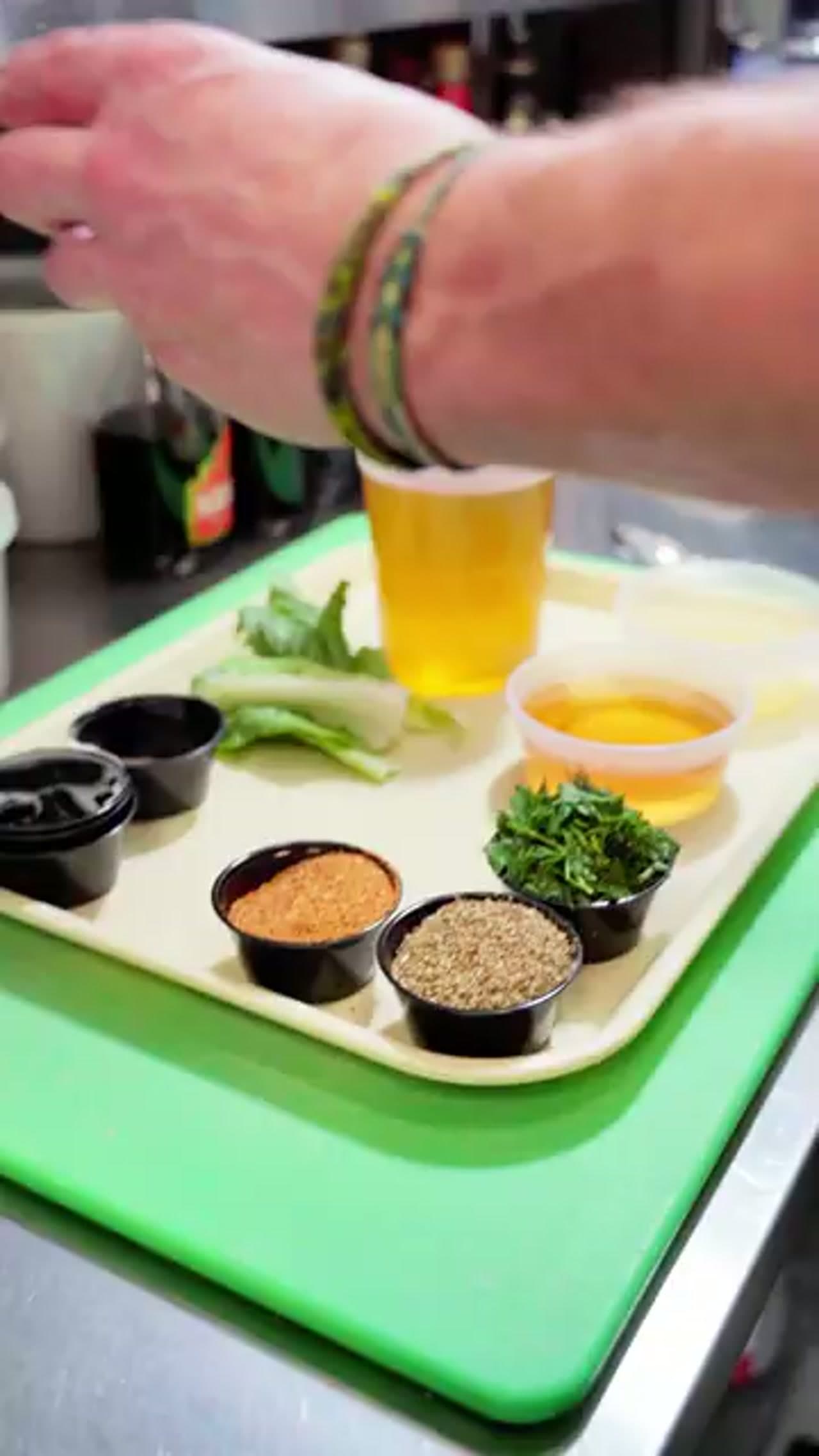
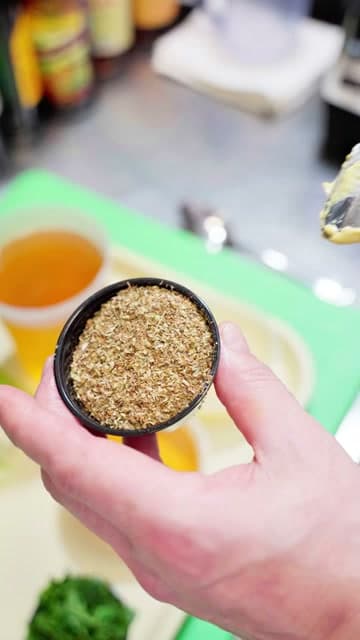
Measure in three ounces of dried Mediterranean oregano - this is roughly half a cup. Mediterranean (or Greek, or Italian) oregano has a warm, golden flavor that defines Greek dressing. Mexican oregano is a different plant and tastes bitter in this dressing. Read the jar label before you buy.

Add a quarter cup of fresh Italian parsley and fresh dill, chopped together. The parsley gives a clean green base note and the dill ties everything to the Mediterranean. Both should be bright green and recently chopped, not dried.

Tip

Three ounces of oregano looks like an enormous amount. Trust the recipe. The oregano flavor mellows once it blends with the lemon and oil. Cut it down and the dressing tastes flat.

4

Step 4: Pour in Lemon Juice and Apple Cider Vinegar

2:05
Step 4: Step 4: Pour in Lemon Juice and Apple Cider Vinegar

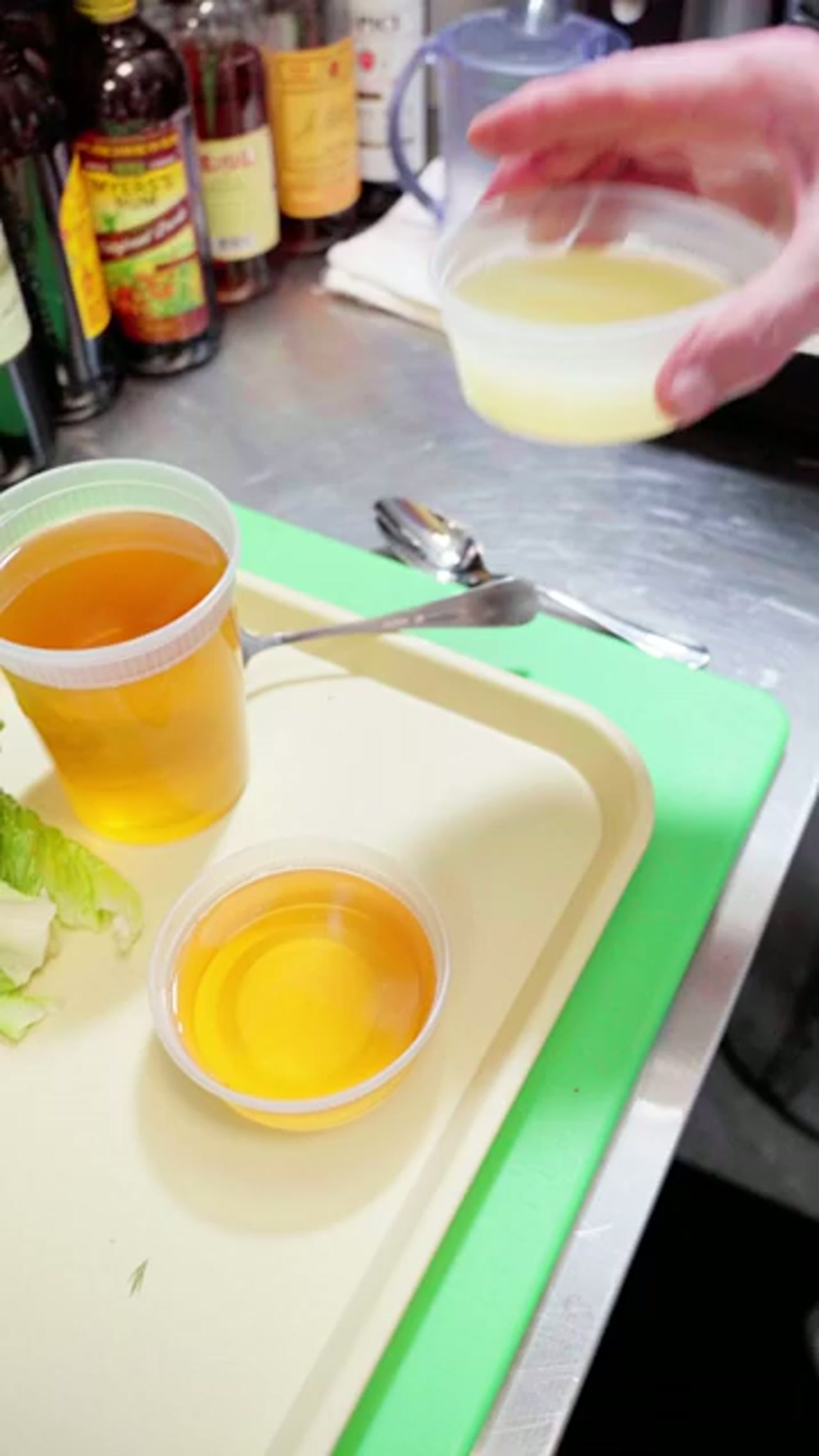
Squeeze one cup of fresh lemon juice. You'll need four to five lemons - roll each one on the counter under your palm before cutting to break the membranes and release more juice. Strain out the seeds.

Add one cup of apple cider vinegar. The combination of lemon and apple cider vinegar is what makes this Cretan-style dressing distinct - a basic vinaigrette uses only one acid; this recipe uses two for layered brightness. Bottled lemon juice works in a pinch but loses the floral note that fresh has.

Tip

Microwave each lemon for 15 seconds before squeezing. Warm lemons give up about a third more juice than cold ones straight from the fridge.

5

Step 5: Blend the Base Smooth, Then Slowly Drizzle in the Olive Oil

3:10
Step 5: Step 5: Blend the Base Smooth, Then Slowly Drizzle in the Olive Oil

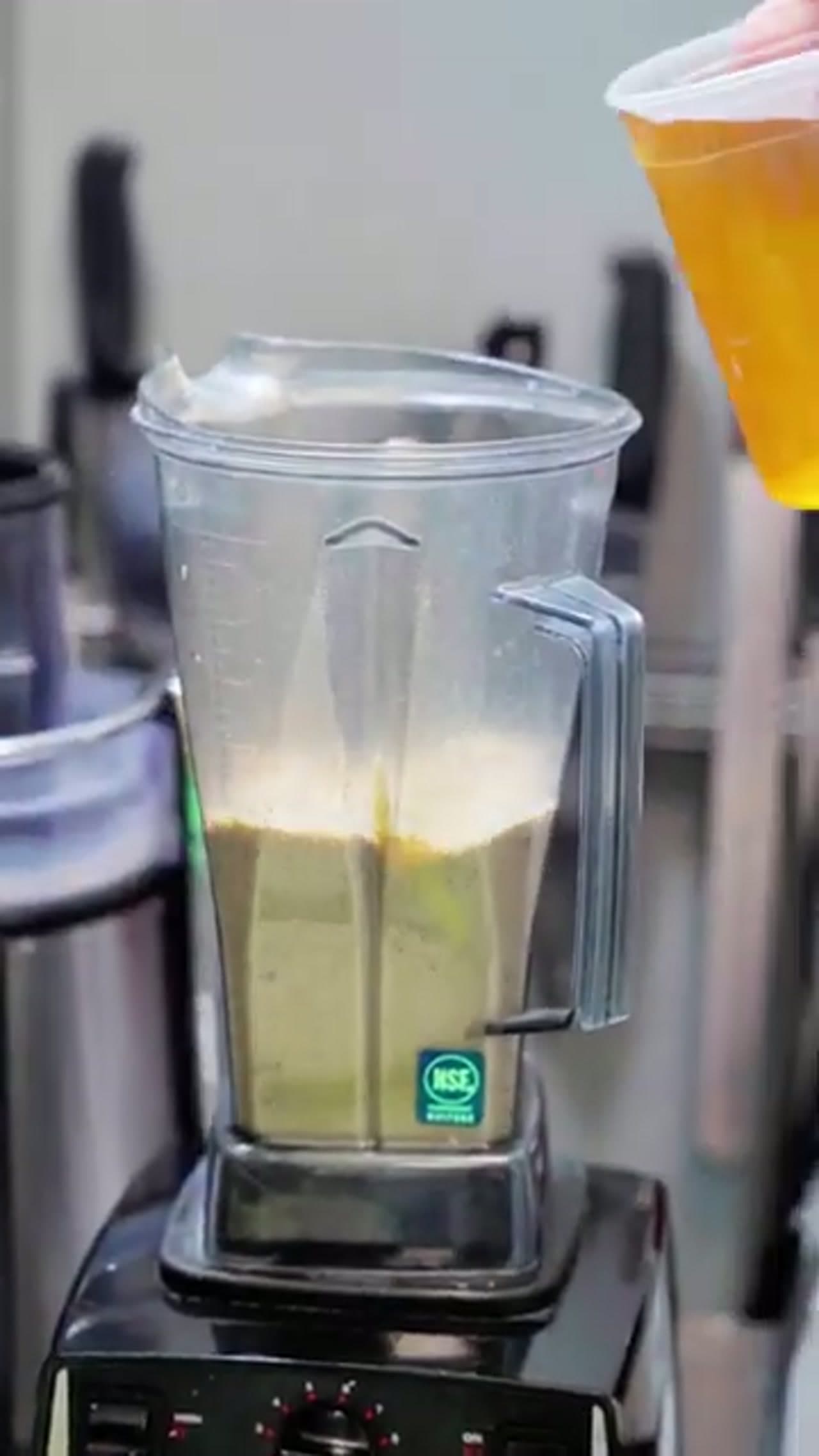
Turn on the blender and run it until everything inside is fully pureed and a uniform pale green. Then, with the motor still running, pour the olive oil in a slow, steady stream through the lid opening. Take your time - a slow drizzle is what lets the oil emulsify with the acid instead of pooling on top.

For Greek dressing, use about two ounces of oil for every one ounce of acid. With two cups of combined lemon and vinegar in there, you're aiming for around two cups of olive oil. That's less oil than a standard vinaigrette ratio because the dressing gets tossed with lettuce, which dilutes the flavor naturally.

Tip

If your blender has a small fill cap on the lid, take it off and drizzle the oil through that hole. Keeps you from splashing acid up the sides of the blender lid.

6

Step 6: Watch the Dressing Thicken and Turn Creamy

3:40
Step 6: Step 6: Watch the Dressing Thicken and Turn Creamy

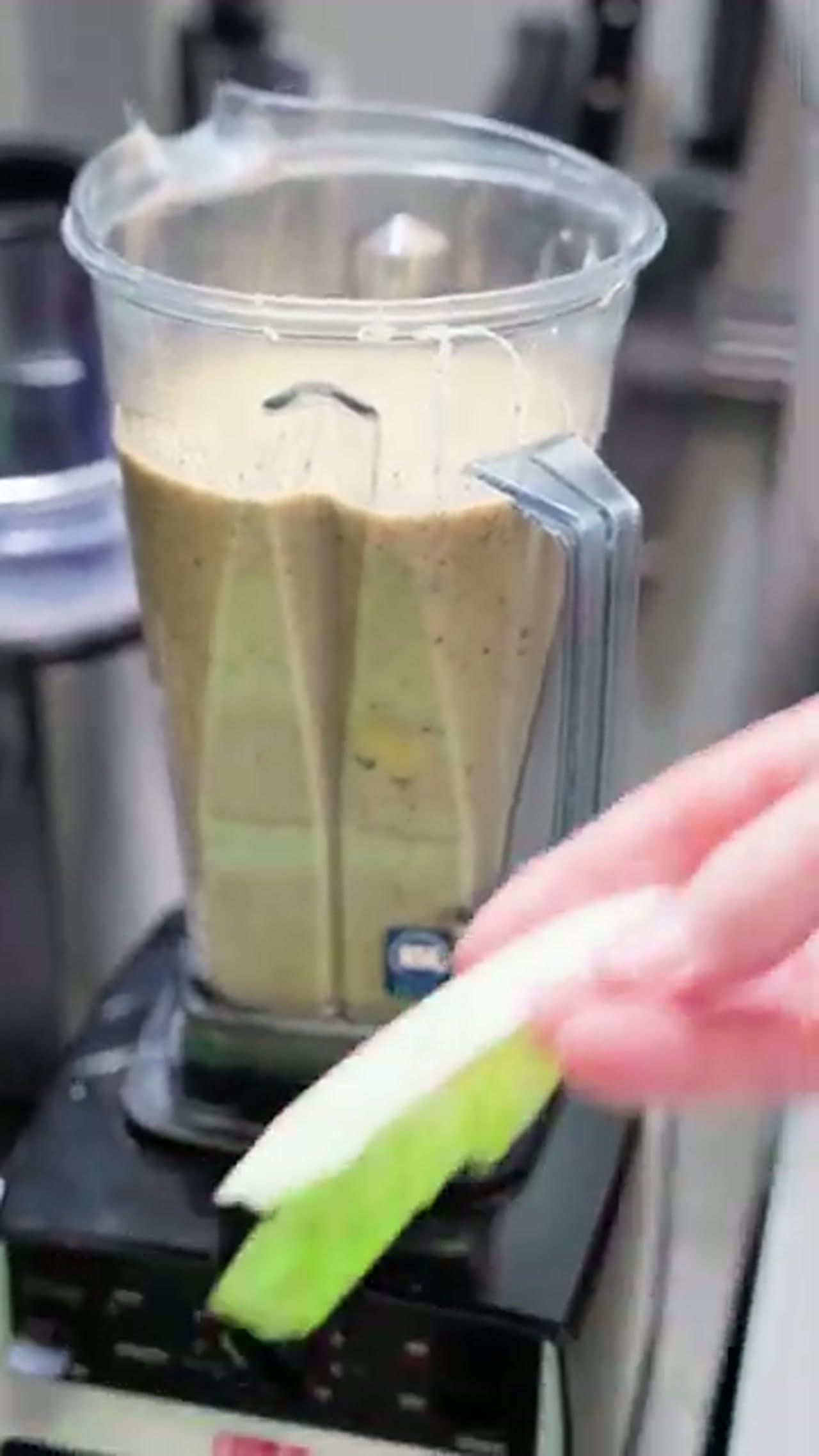
As the oil goes in, the dressing visibly thickens. The egg yolks from the mayonnaise and the Dijon mustard grab the oil molecules and lock them into the lemon and vinegar. What started as a thin, splashy puree turns into a creamy, pourable dressing about the consistency of ranch.

Crank the blender up to high for the last 10 seconds to finalize the emulsification. The finished dressing should coat the back of a spoon and not break apart when you stop the motor. If it still looks thin, drizzle in a little more oil while blending until it thickens.

Tip

Test the emulsification by setting a spoonful of dressing on the counter and waiting two minutes. A properly emulsified Greek dressing stays as one even mixture. A broken dressing separates into a clear acid layer and an oil layer.

7

Step 7: Taste on a Piece of Lettuce, Then Bottle and Refrigerate

3:54
Step 7: Step 7: Taste on a Piece of Lettuce, Then Bottle and Refrigerate

Tear off a small rib of romaine and dip it into the finished dressing. Taste it that way - not off a spoon. Eaten on its own, this dressing is intentionally strong and salty enough to make you blink. On lettuce, the same dressing balances out to perfect Greek salad strength.

If it's too sharp for your taste after the lettuce test, blend in another splash of olive oil to soften the acid. Pour the dressing into wide-mouth mason jars and refrigerate. It keeps creamy for at least six weeks. Use it on Greek salad, broiled cod, grilled or baked chicken breasts, or as a drizzle on Greek-style ribs.

Tip

Pull the jar out of the fridge 10 minutes before serving. Cold olive oil thickens up; slightly warm dressing pours and tosses with lettuce much more cleanly.

Products Used

❖ The Recipe

How to Make Greek Salad Dressing (Authentic Restaurant Recipe)

Greek
Serves
Makes about 1 quart, enough for 20+ salads
Prep
5 min
Cook
0 min
Total
5 min

Ingredients

12 items
  • 1shallot, diced
  • 20garlic cloves, peeledyes, twenty - this is restaurant strength
  • 3 ozhomemade mayonnaisemade with avocado or olive oil; the egg yolks keep the dressing emulsified for weeks
  • 3 ozFrench Dijon mustard
  • 1 Tbspfresh ground black pepper
  • 2-3 Tbspkosher saltsalt to taste; the chef uses 3 oz of a house seasoning blend
  • 3 ozdried Mediterranean oreganoGreek or Italian only - skip Mexican oregano, it tastes bitter here
  • 1/8 cupfresh Italian parsley, chopped
  • 1/8 cupfresh dill, chopped
  • 1 cupfresh lemon juicesqueezed from about 4-5 lemons
  • 1 cupapple cider vinegar
  • 2 cupsolive oilabout 2 oz of oil per 1 oz of acid; less than a standard vinaigrette since the dressing gets tossed with lettuce

Method

  1. 1
    Step 1: Load the Blender with Shallot, Garlic, and Homemade Mayo. Drop one diced shallot and twenty peeled garlic cloves into a high-powered blender (Vitamix or similar).
  2. 2
    Step 2: Add Dijon Mustard, Black Pepper, and Kosher Salt. Spoon in three ounces of French Dijon mustard.
  3. 3
    Step 3: Add Mediterranean Oregano and Fresh Herbs. Measure in three ounces of dried Mediterranean oregano - this is roughly half a cup.
  4. 4
    Step 4: Pour in Lemon Juice and Apple Cider Vinegar. Squeeze one cup of fresh lemon juice.
  5. 5
    Step 5: Blend the Base Smooth, Then Slowly Drizzle in the Olive Oil. Turn on the blender and run it until everything inside is fully pureed and a uniform pale green.
  6. 6
    Step 6: Watch the Dressing Thicken and Turn Creamy. As the oil goes in, the dressing visibly thickens.
  7. 7
    Step 7: Taste on a Piece of Lettuce, Then Bottle and Refrigerate. Tear off a small rib of romaine and dip it into the finished dressing.

Your Guide

Medusa’s Kitchen with Chef Greg

As an Amazon Associate we earn from qualifying purchases. Links on this page may be affiliate links - clicking them and buying doesn't change your price, but helps support ShowMeStepByStep.

Tags

What's next

Related collections

Curated theme pages that include this tutorial.

Weekly Digest

Liked this cooking tutorial?

Pick the categories you want to hear about. Weekly digest of new step-by-step tutorials. No spam, easy unsubscribe.

Send me tutorials about

We only email about new tutorials. Easy unsubscribe anytime.