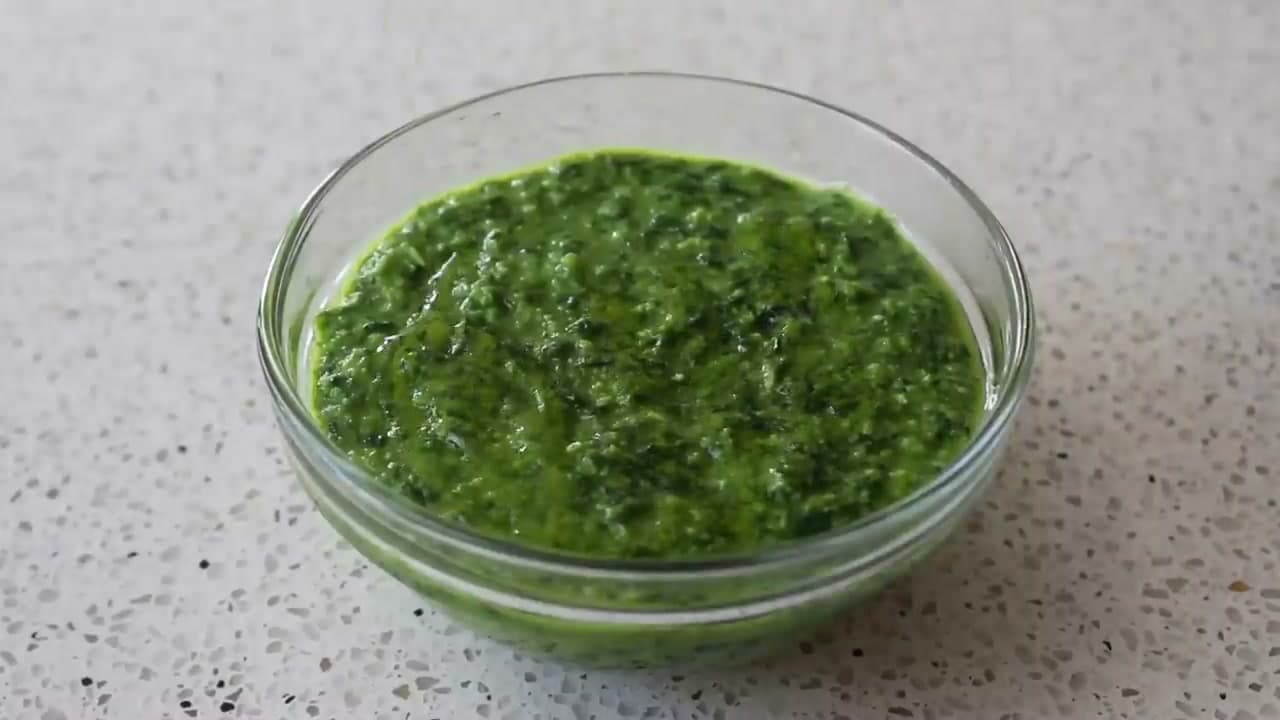
How to Make Real Basil Pesto: 8-Step Italian Recipe

CookingEasy8:038 stepsBrowse more →

By ShowMeStepByStepPublished Updated

Based on a video by Food Wishes.

Pesto from the grocery store and pesto you make yourself are not the same thing. Once you pound a handful of fresh basil into a mortar with garlic, pine nuts, and good Parmesan, the jarred stuff stops looking like an option. Chef John from Food Wishes makes the case in this video that the difference is not just the ingredients - it is the technique. A mortar and pestle bruises the basil instead of slicing it the way a food processor does, and that bruising is what releases all the fragrant oils that give real pesto its color and punch.

Late summer is the right time to make this. Basil hits its peak from July through early September, and flowering bunches are the most aromatic. If you grow your own or shop a farmers market this time of year, you'll get a sauce that tastes nothing like the dull green paste you buy in a jar. Spoon it onto warm sourdough, fold it into hot spaghetti off the heat, or stir a spoonful into a bowl of minestrone at the table.

The whole process takes about 15 minutes of pounding once your ingredients are out. No food processor, no blender, no cooking. Just basil, garlic, pine nuts, real Parmigiano-Reggiano, and a good mild olive oil. Read each step before you start so you know what to add when. A small marble mortar costs about $30 and lasts forever - it's worth the upgrade if you cook with herbs or spices at all.

Step-by-Step Guide

1

Step 1: Gather Your Ingredients

0:55
Step 1: Step 1: Gather Your Ingredients

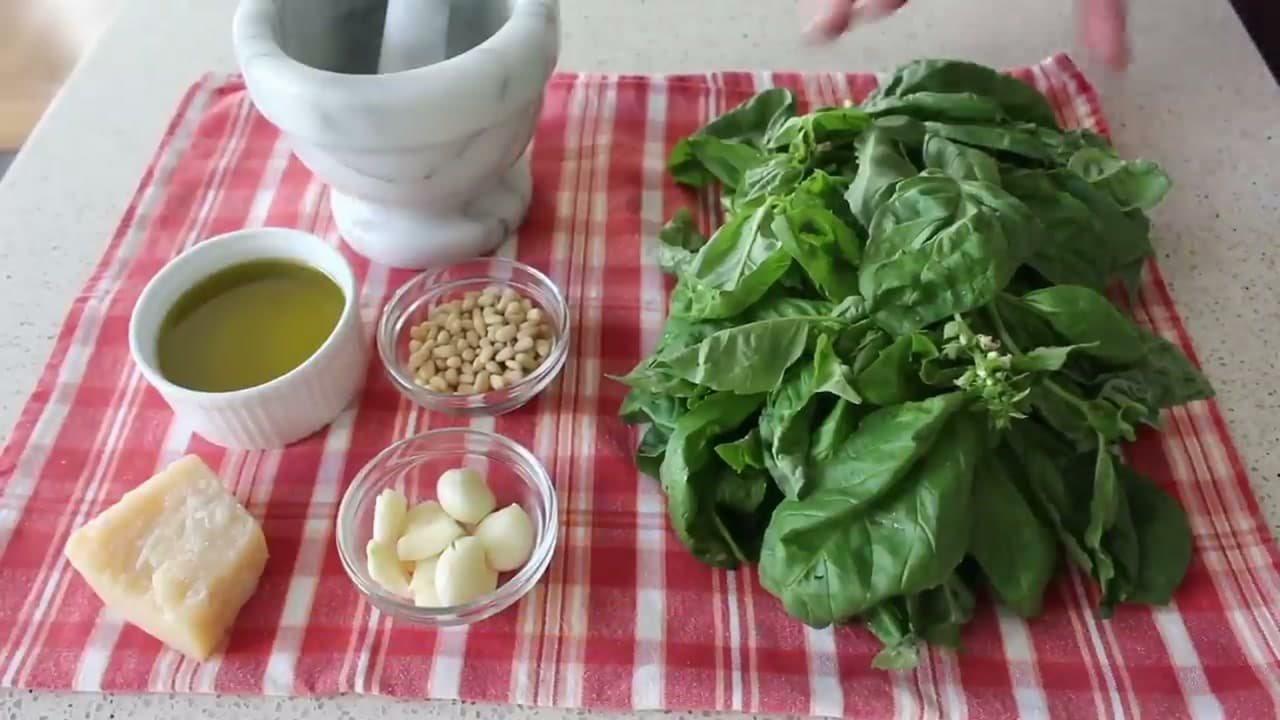
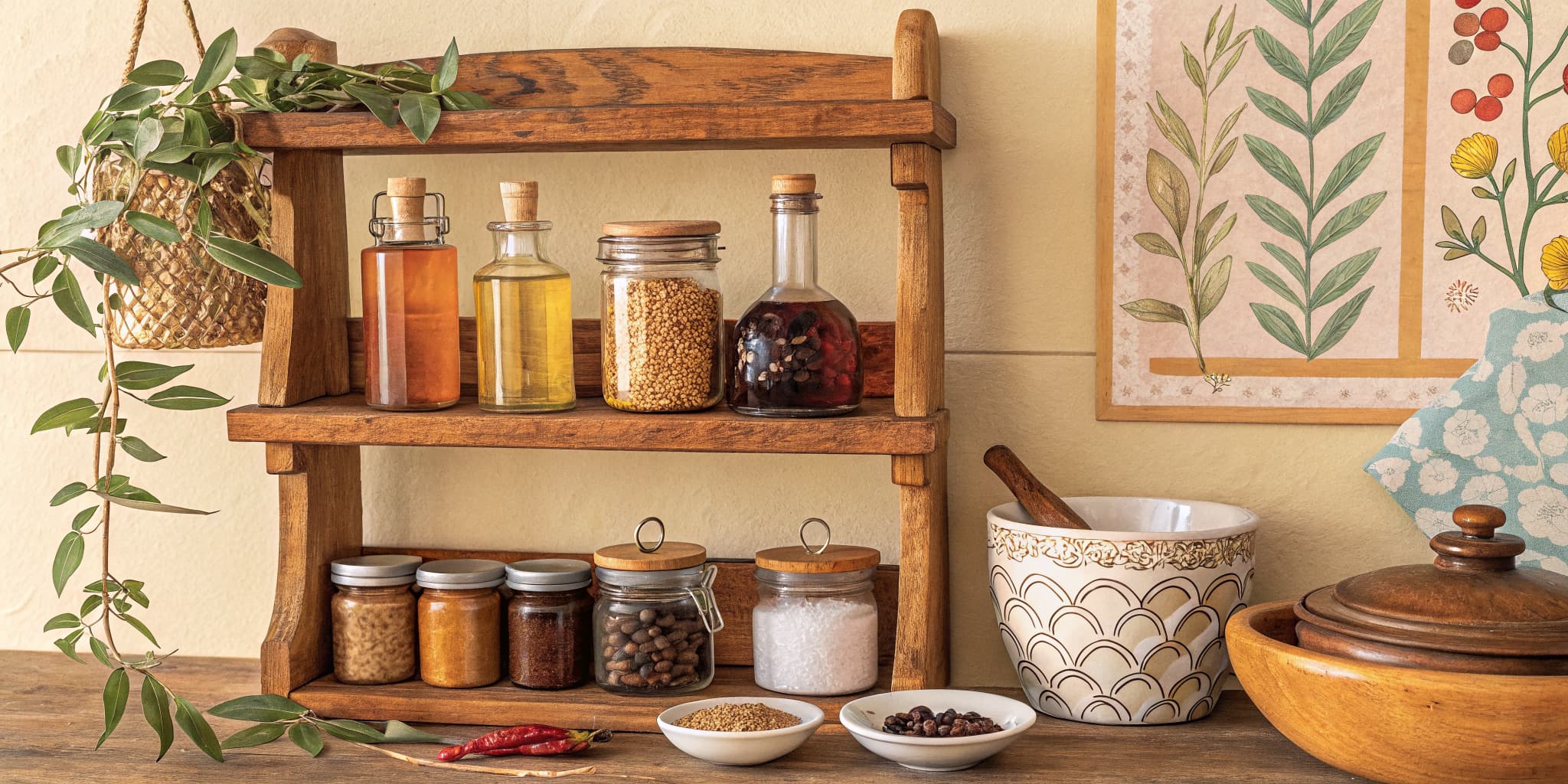
Lay out everything before you start pounding. You need fresh basil (flowering bunches if you can find them), peeled garlic cloves, raw pine nuts, a wedge of real Parmigiano-Reggiano, a bottle of mild extra-virgin olive oil, and a small dish of coarse kosher salt. Pick the basil leaves off the stems while your mortar is empty. Don't worry about the occasional bit of flower or tiny stem piece - those add flavor.

Tip

If you can't find Ligurian olive oil, look for a Tuscan or Sicilian oil labeled mild or buttery. A sharp peppery oil will fight the garlic instead of supporting it.
2

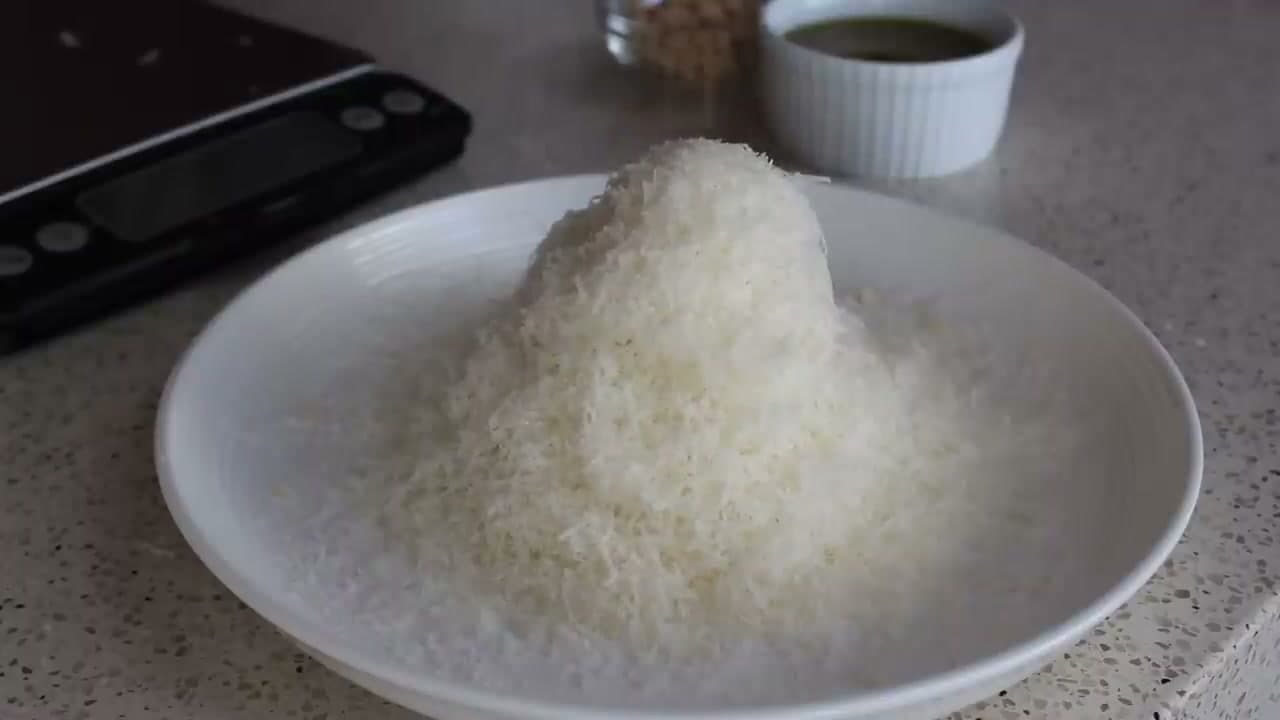
Step 2: Grate Two Ounces of Parmigiano-Reggiano

1:50
Step 2: Step 2: Grate Two Ounces of Parmigiano-Reggiano

Weight matters with grated cheese, not volume. Two ounces of Parmigiano grated on a microplane is roughly a cup and a half, not the half cup you'll see on most conversion charts. Set a small bowl on your kitchen scale, zero it out, and grate cheese into it until you hit two ounces. The fluffy microplane texture is what lets the cheese melt into the basil paste later.

Tip

Skip the pecorino. The pecorino sold in U.S. stores is sharper and saltier than the variety used in Liguria, and it can overwhelm a delicate raw sauce. Use only Parmigiano-Reggiano here.

3

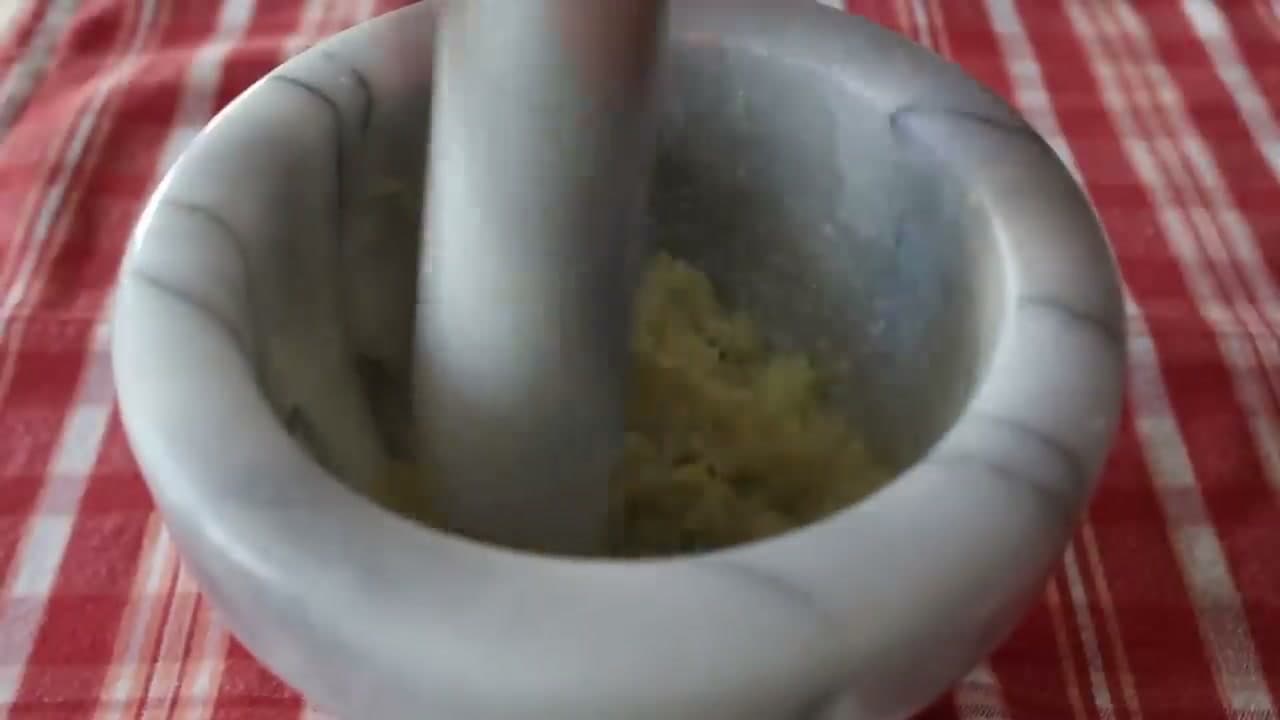
Step 3: Crush the Garlic in the Mortar

2:25
Step 3: Step 3: Crush the Garlic in the Mortar

Drop four to six peeled garlic cloves into the marble mortar with a large pinch of coarse kosher salt. The coarse salt isn't for seasoning here - it's an abrasive that helps the pestle grind the garlic into a smooth paste. Crush in a circular pressing motion, not a pounding one, and keep going until you have a yellow-green paste with no visible chunks. Garlic crushed this way tastes nothing like chopped garlic. It's sharper, more peppery, and more intense, which is exactly what raw pesto needs.

Tip

Four cloves gives a balanced sauce. Six leans bold and is closer to a traditional Genovese ratio. If you're nervous about garlic, start with three.

4

Step 4: Pound the Basil in Three Big Handfuls

2:55
Step 4: Step 4: Pound the Basil in Three Big Handfuls

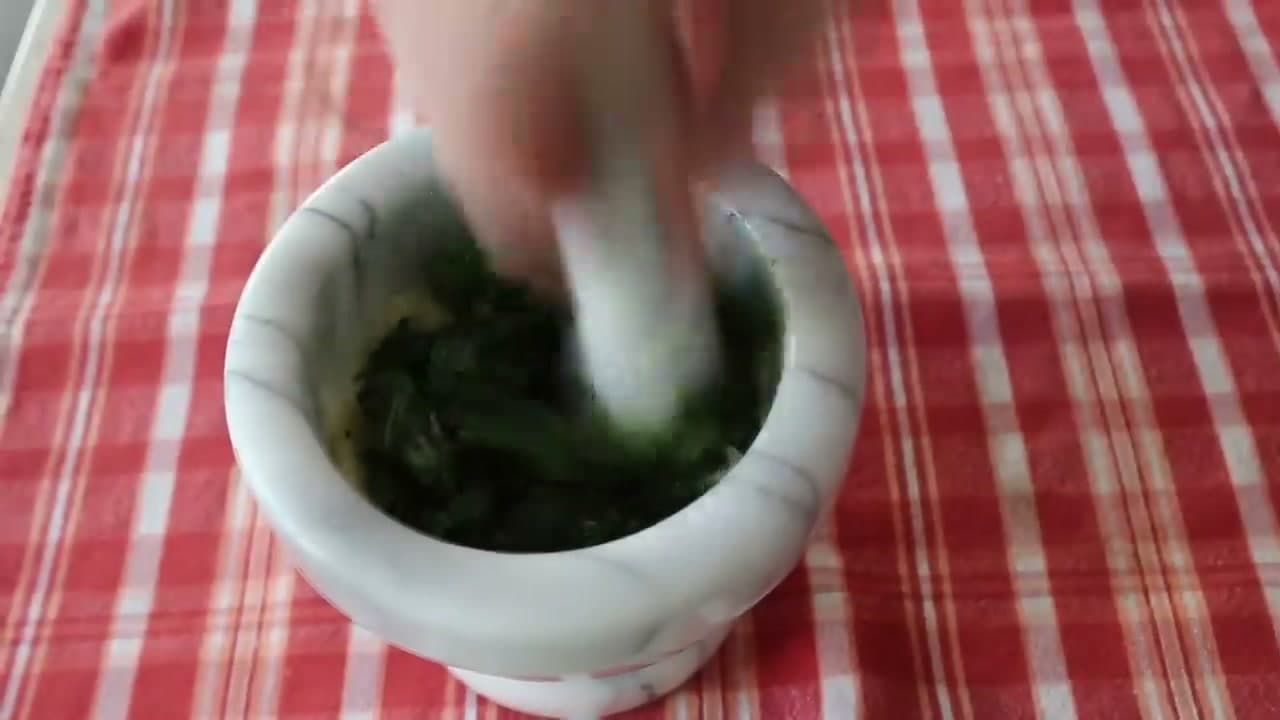
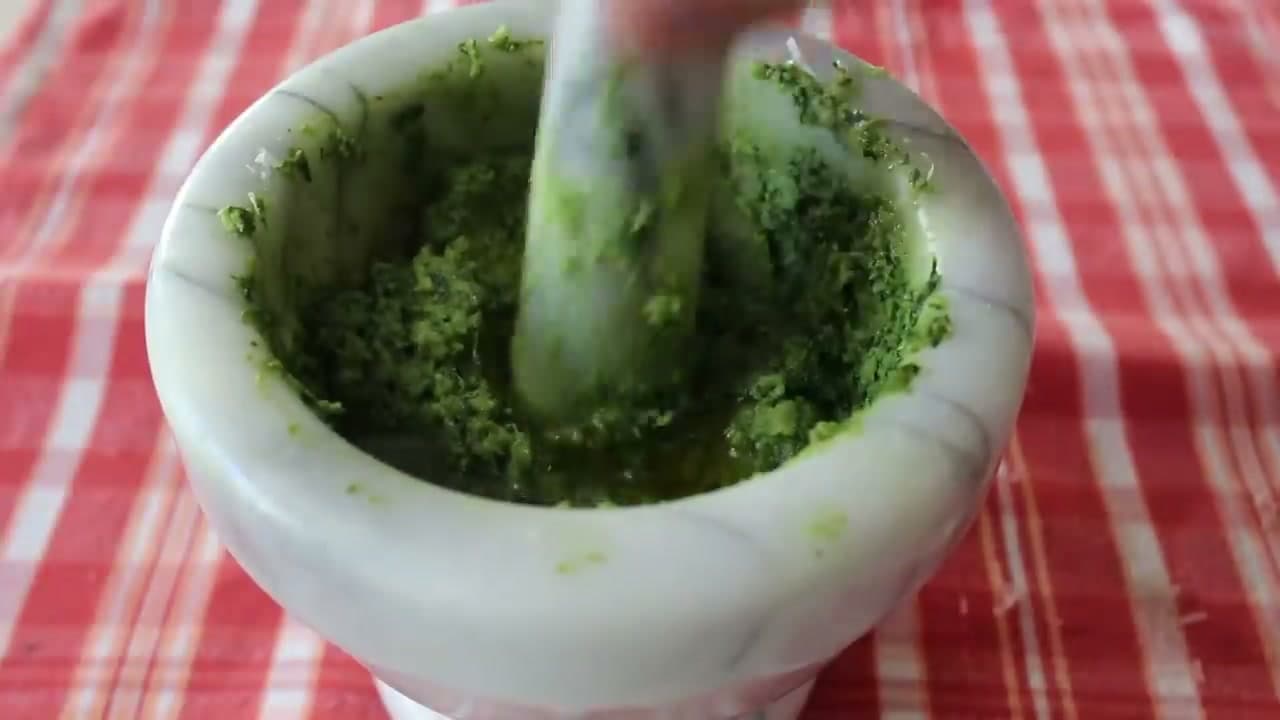
Ignore the recipes that tell you to add basil a few leaves at a time. Pack a large handful into the mortar with the garlic paste and start pounding. As the leaves break down and the volume drops, add another large handful, and then a third. A full mortar is easier to crush than a sparse one because the leaves crush each other against the walls. Some leaves will try to escape. Push them back in. Work until the basil is a fine green paste with no visible whole leaves.

Tip

If your basil came from a flowering bunch, a few small buds in the mix are fine. They add a mild floral note. Stems are more fibrous than leaves but taste the same, so don't stress about picking every stem out.

5

Step 5: Add the Raw Pine Nuts

3:46
Step 5: Step 5: Add the Raw Pine Nuts

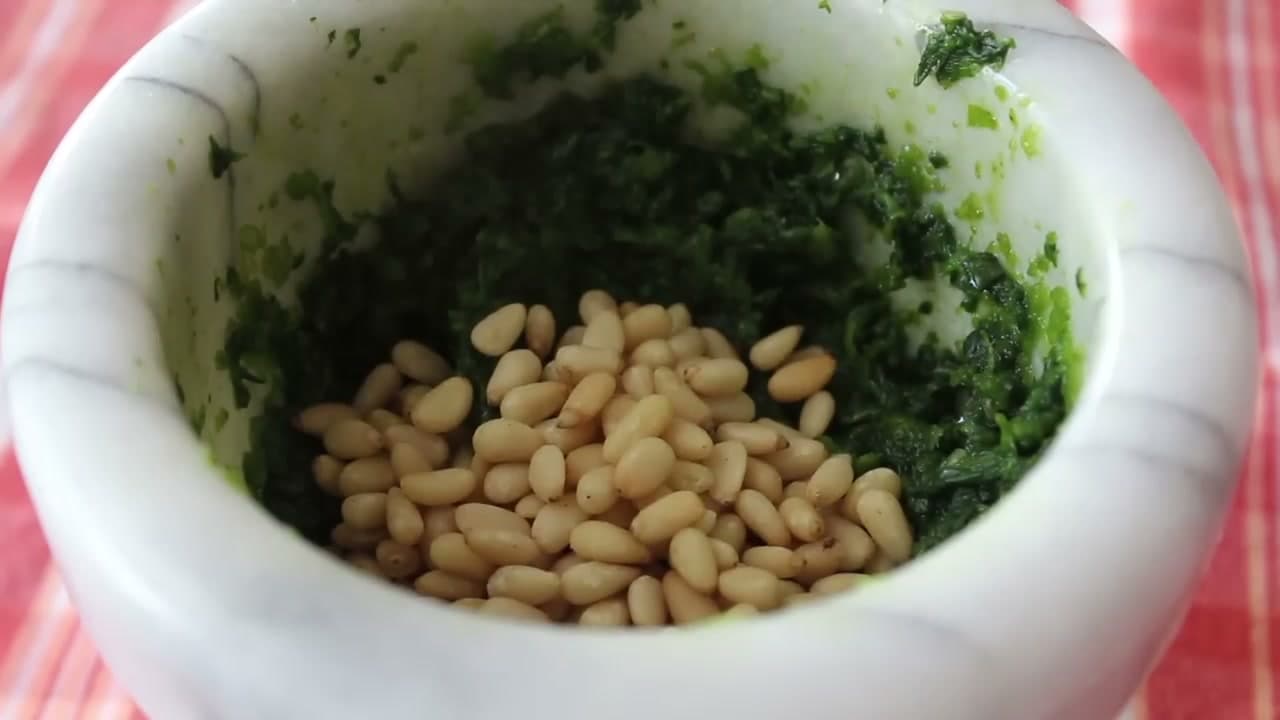
Pour the raw pine nuts on top of the basil paste and pound them in. Don't toast them first - that's a different kind of pesto. Raw pine nuts give you the soft, slightly sweet, slightly resinous flavor that defines a real Ligurian pesto. Work the pestle in slow circles until the nuts break down and disappear into the green paste. There shouldn't be any whole nuts left, but a slight grainy texture from the nut oil is fine.

Tip

Pine nuts are expensive and go rancid fast. Store them in the freezer in a sealed bag and taste one before you use them - rancid nuts will ruin a whole batch of pesto.

6

Step 6: Work in the Grated Cheese

4:00
Step 6: Step 6: Work in the Grated Cheese

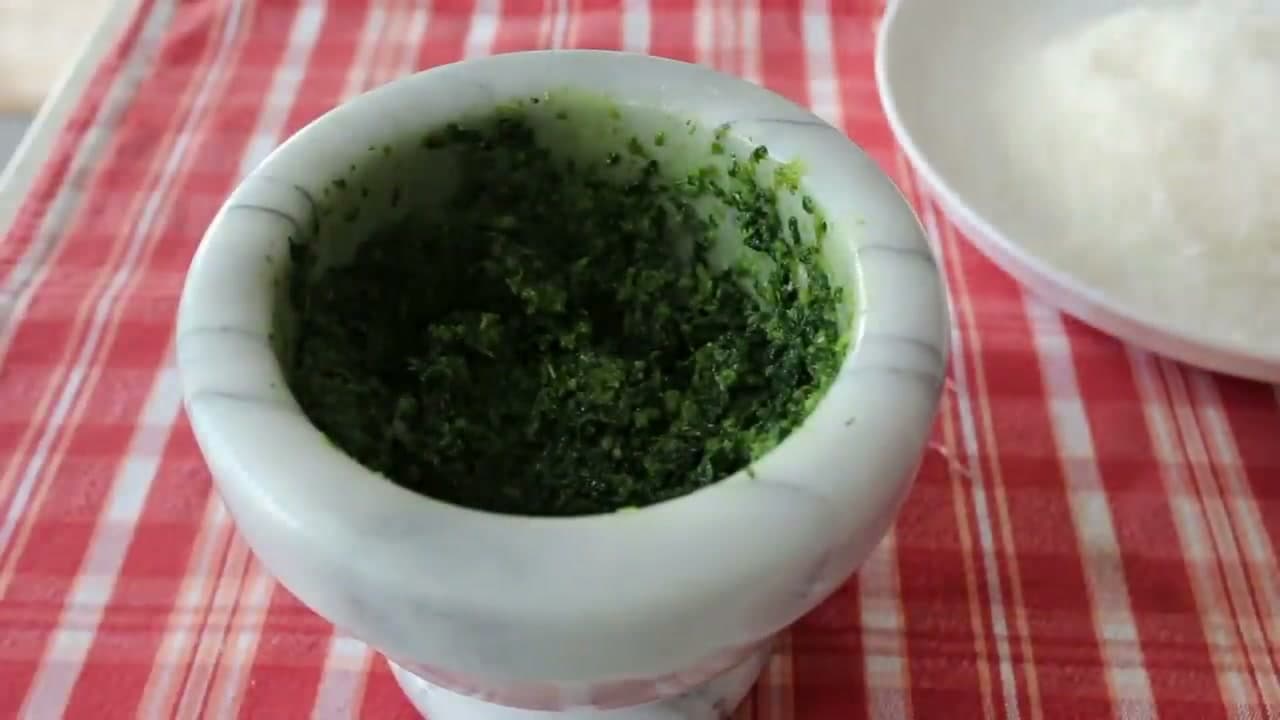
Add the grated Parmigiano in three batches, working each one in fully before the next. This is where the sauce stops looking like a green paste and starts looking like pesto. The cheese soaks up the basil oils and binds everything together. Press and stir with the pestle rather than pounding - you've already broken everything down, so this is more of a mixing motion.

Tip

If the mixture starts looking too dry and stiff as you add cheese, that's normal. The olive oil in the next step pulls it back together.

7

Step 7: Emulsify in the Olive Oil

4:57
Step 7: Step 7: Emulsify in the Olive Oil

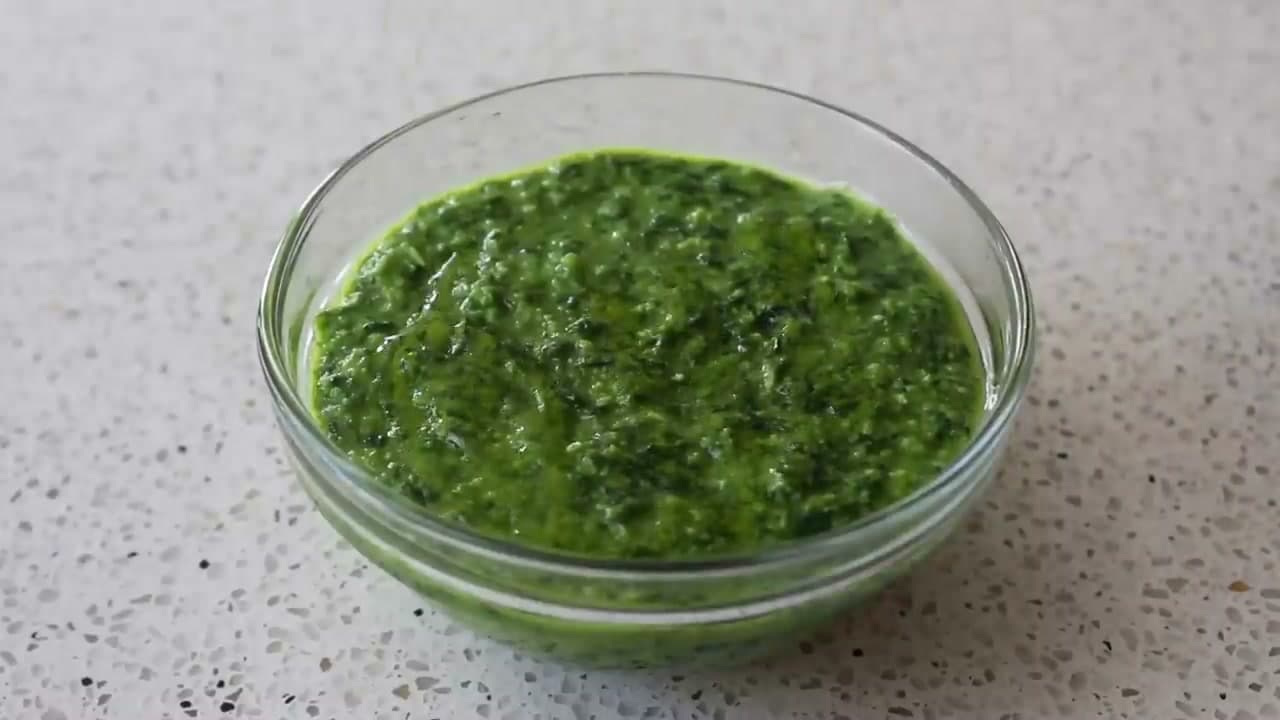
Drizzle in the olive oil about a tablespoon at a time, stirring with the pestle between additions. The goal is an emulsion - oil and basil paste blended into a glossy unified sauce, not separated layers. After about half a cup of oil you should have a thick, spoonable pesto that holds its shape when you drag the pestle through it. Taste it. If it needs salt, add another pinch and stir.

Tip

No mortar? You can make a passable version in a food processor by pulsing - never running on continuous - and stopping the moment everything is just combined. It won't be as fragrant, but it works in a pinch. Real pesto is mortar pesto.

8

Step 8: Serve Raw or Toss Into Warm Pasta

5:40
Step 8: Step 8: Serve Raw or Toss Into Warm Pasta

Transfer the pesto to a clean bowl and drizzle a little extra olive oil over the top to slow oxidation. Serve it raw on toasted sourdough or warm focaccia - that's how it's best. If you want pesto pasta, do not heat the pesto in a pan. Spoon a few tablespoons into a warm serving bowl with a splash of starchy pasta water, drop the hot drained pasta on top, and toss everything together off the heat. Cooking pesto kills the fresh basil flavor that you spent 15 minutes building.

Tip

Pesto keeps about a week in the fridge with a thin layer of oil on top, or three months frozen in an ice cube tray. Skip the cheese if you plan to freeze it and stir grated Parmesan in fresh when you thaw it.

Products Used

❖ The Recipe

How to Make Real Basil Pesto: 8-Step Italian Recipe

Italian
Serves
Makes about 1 cup (4 servings)
Prep
10 min
Cook
5 min
Total
15 min

Ingredients

6 items
  • 2 packed cupsfresh basil leavesflowering or about-to-flower bunches are most fragrant
  • 4 to 6peeled garlic clovesdepending on your taste for garlic
  • 1/4 cupraw pine nutsChef John insists on raw, not toasted
  • 2 ounces by weightParmigiano-Reggiano (grated)about 1.5 cups once grated on a microplane - weigh it, don't measure by volume
  • 1/2 cupextra-virgin olive oilmild buttery oil, preferably Ligurian - avoid sharp peppery oils
  • 1 large pinchcoarse kosher salt or sea saltthe coarseness helps grind the garlic - don't substitute fine salt

Nutrition

estimated · per servingEstimated from the ingredient list, not measured. Actual values vary by brand, preparation, and serving size. Not a substitute for measured nutrition data.
Calories
310kcal
Protein
6g
Fat
30g
Carbs
4g
Fiber
1g
Sodium
280mg

Method

  1. 1
    Step 1: Gather Your Ingredients. Lay out everything before you start pounding.
  2. 2
    Step 2: Grate Two Ounces of Parmigiano-Reggiano. Weight matters with grated cheese, not volume.
  3. 3
    Step 3: Crush the Garlic in the Mortar. Drop four to six peeled garlic cloves into the marble mortar with a large pinch of coarse kosher salt.
  4. 4
    Step 4: Pound the Basil in Three Big Handfuls. Ignore the recipes that tell you to add basil a few leaves at a time.
  5. 5
    Step 5: Add the Raw Pine Nuts. Pour the raw pine nuts on top of the basil paste and pound them in.
  6. 6
    Step 6: Work in the Grated Cheese. Add the grated Parmigiano in three batches, working each one in fully before the next.
  7. 7
    Step 7: Emulsify in the Olive Oil. Drizzle in the olive oil about a tablespoon at a time, stirring with the pestle between additions.
  8. 8
    Step 8: Serve Raw or Toss Into Warm Pasta. Transfer the pesto to a clean bowl and drizzle a little extra olive oil over the top to slow oxidation.
☐ The Checklist

How to Make Real Basil Pesto: 8-Step Italian Recipe

Tools
6
Materials
6
Steps
8
Video
8 min

Your Guide

Food Wishes

As an Amazon Associate we earn from qualifying purchases. Links on this page may be affiliate links - clicking them and buying doesn't change your price, but helps support ShowMeStepByStep.

Tags

What's next

Related collections

Curated theme pages that include this tutorial.

Weekly Digest

Liked this cooking tutorial?

Pick the categories you want to hear about. Weekly digest of new step-by-step tutorials. No spam, easy unsubscribe.

Send me tutorials about

We only email about new tutorials. Easy unsubscribe anytime.