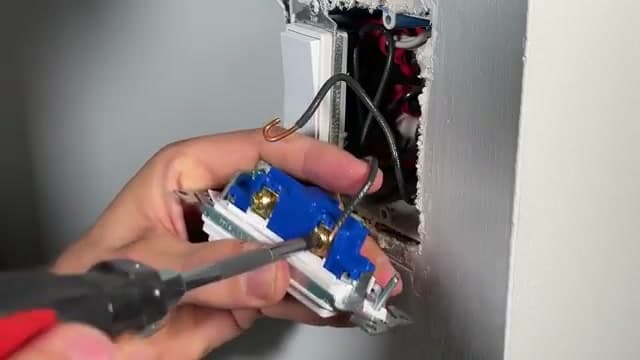
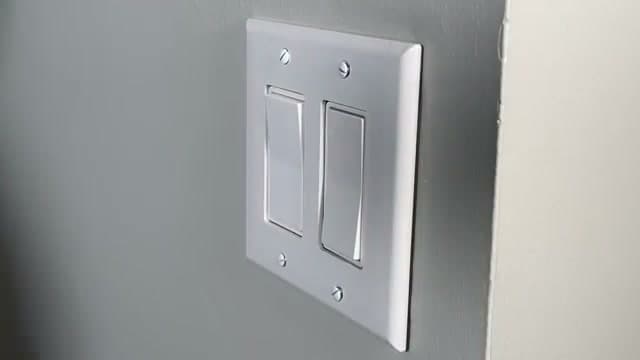
Replacing a light switch is the most approachable electrical project you can do at home. The switch itself costs two bucks, the job takes about 15 minutes, and the result is immediately noticeable every time you walk into the room.
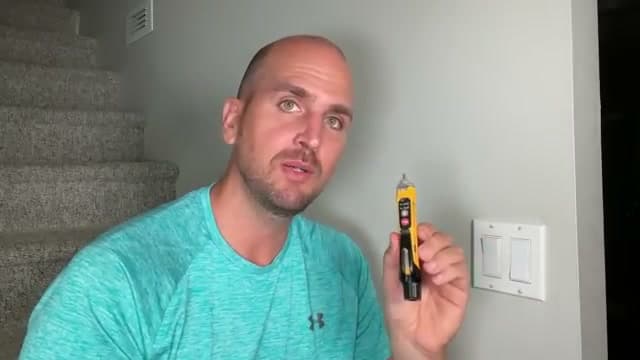
Scott from Everyday Home Repairs walks through the process for a standard single-pole (two-way) switch, including the safety steps most people rush through. He also covers the common mistakes he sees in electrical boxes so you can fix those while you have the cover off.
Once the shut-off-and-verify routine feels natural, it carries straight over to bigger electrical jobs. Installing a ceiling fan uses the same safe-wiring steps, with a fan-rated box added to carry the weight.
Common questions about replacing a light switch
Do I have to turn off the power at the breaker?
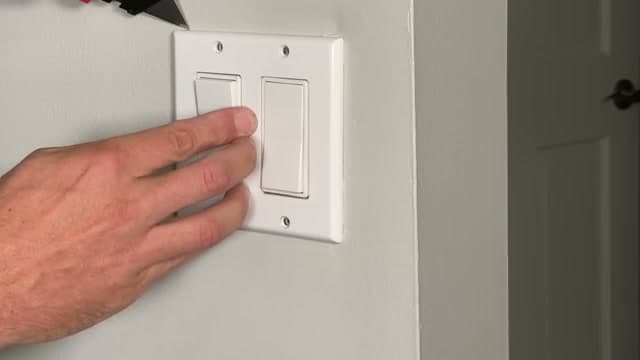
Yes, always. Flip the breaker for that circuit and confirm the switch is dead with a non-contact voltage tester before you touch a wire. Turning the wall switch off does not make the wiring safe to handle.
How do I find the right breaker?
Turn the light on, then flip breakers one at a time until it goes out. Label that breaker while you are there so the next job is faster, and still verify at the switch with a tester rather than trusting the panel label.
What is the difference between a single-pole and a three-way switch?
A single-pole switch controls a light from one spot and has two brass screws plus a ground. A three-way adds a traveler terminal and controls one light from two switches, so the wiring is not interchangeable. Match the replacement to what you pulled out.
Which way do I wrap the wire around the screw?
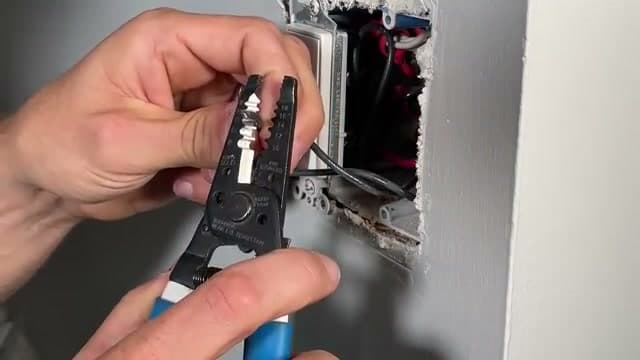
Bend each wire into a J-hook and wrap it clockwise around the screw terminal. Clockwise matters because tightening the screw pulls the loop closed; counterclockwise pushes it out from under the screw head.
My switch has more than two wires. Now what?
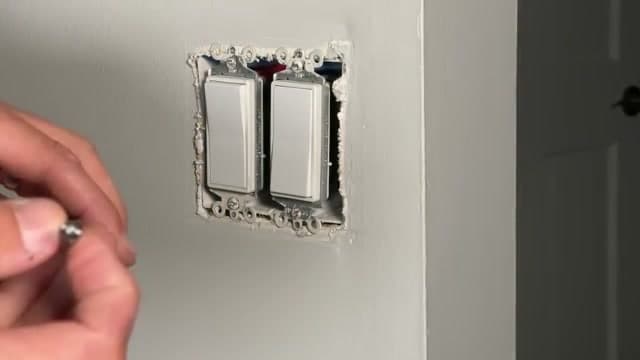
A plain single-pole switch uses two hot wires plus a ground. Extra wires usually mean it is a three-way, or the box is a pass-through where other neutrals or circuits are joined and not connected to the switch. Photograph the old wiring before you remove anything.
Can I replace a light switch myself?
Yes, it is the most beginner-friendly electrical job there is: a couple dollars for the switch and about 15 minutes once the power is off and verified. If the wiring looks scorched, the box is overcrowded, or you find aluminum wiring, stop and call an electrician.
How much would an electrician charge?
A pro usually charges a minimum service call, often 100 to 200 dollars, to swap a switch that costs a couple of dollars. That gap is exactly why this is the first electrical skill worth learning.
Comfortable matching wires now? A ceiling fan is the next weekend upgrade with the same wire-nut basics. Follow how to install a ceiling fan.