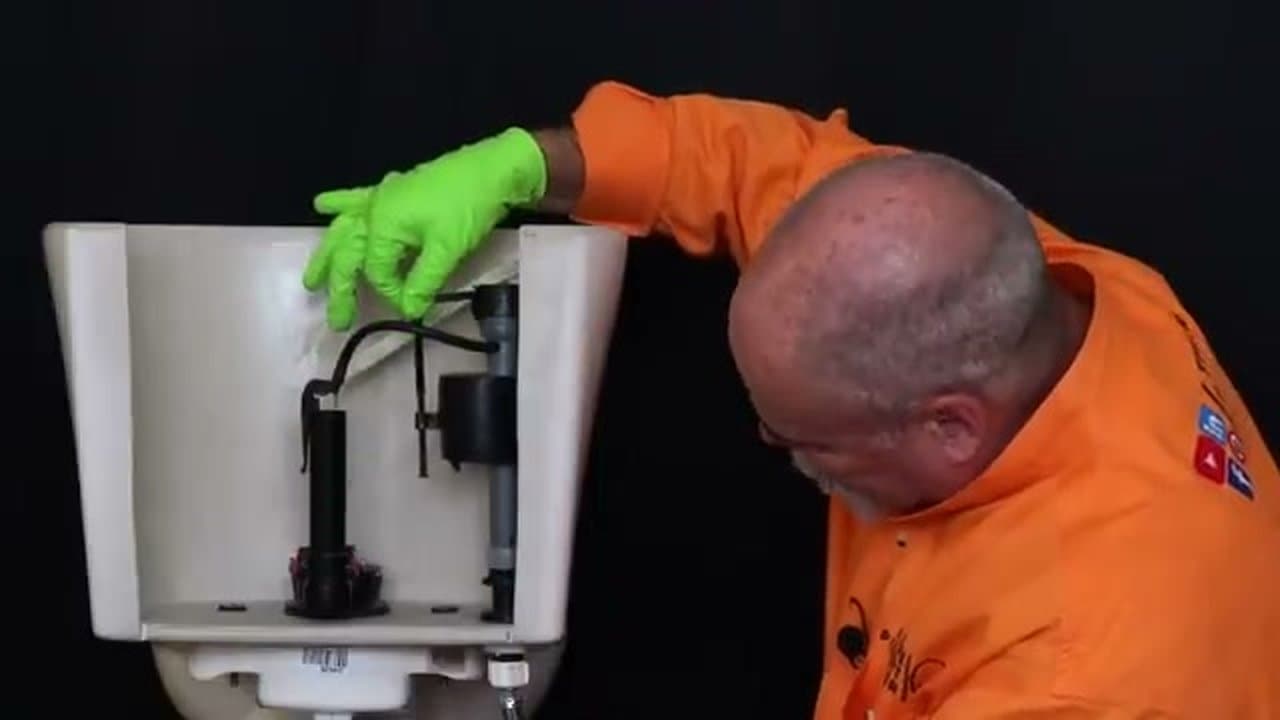
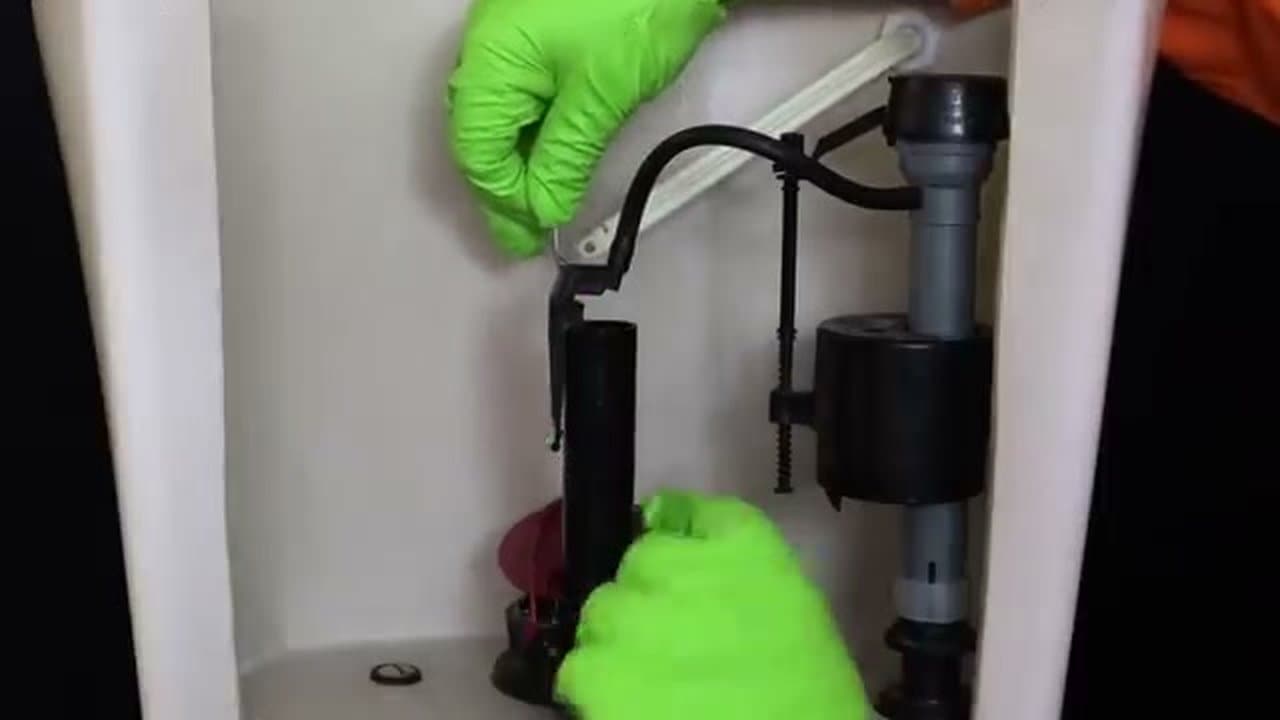
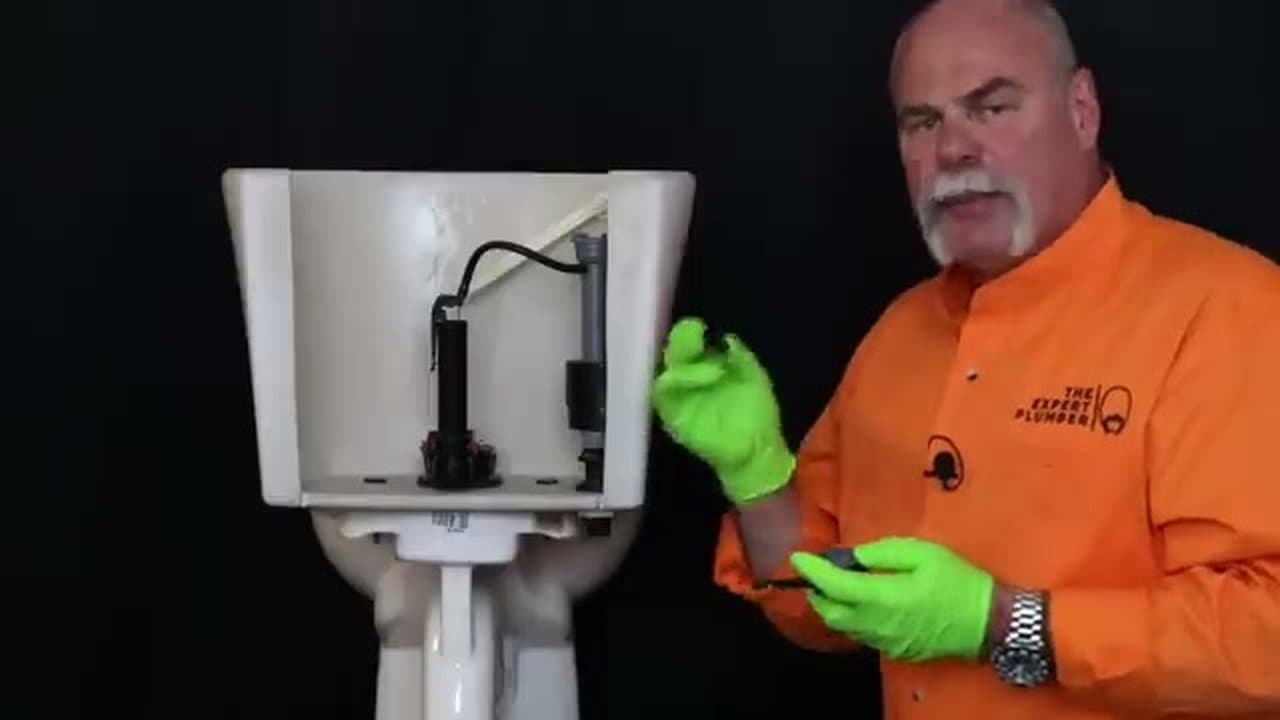
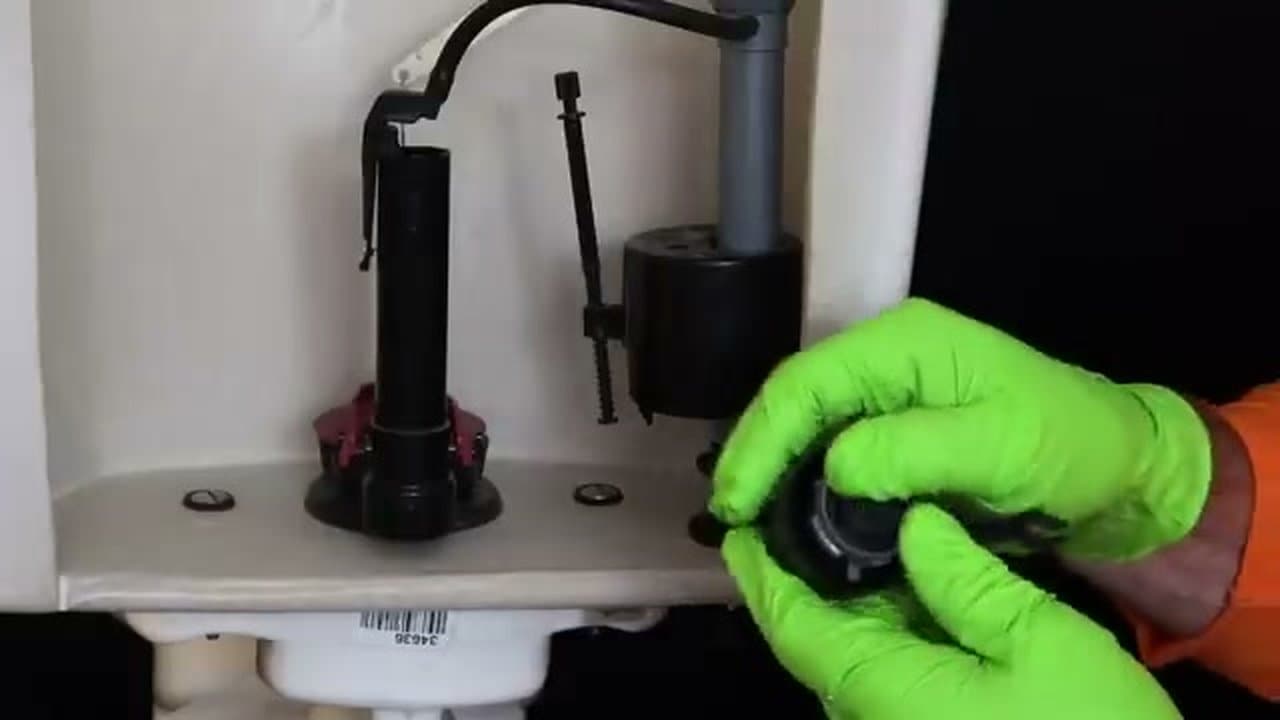
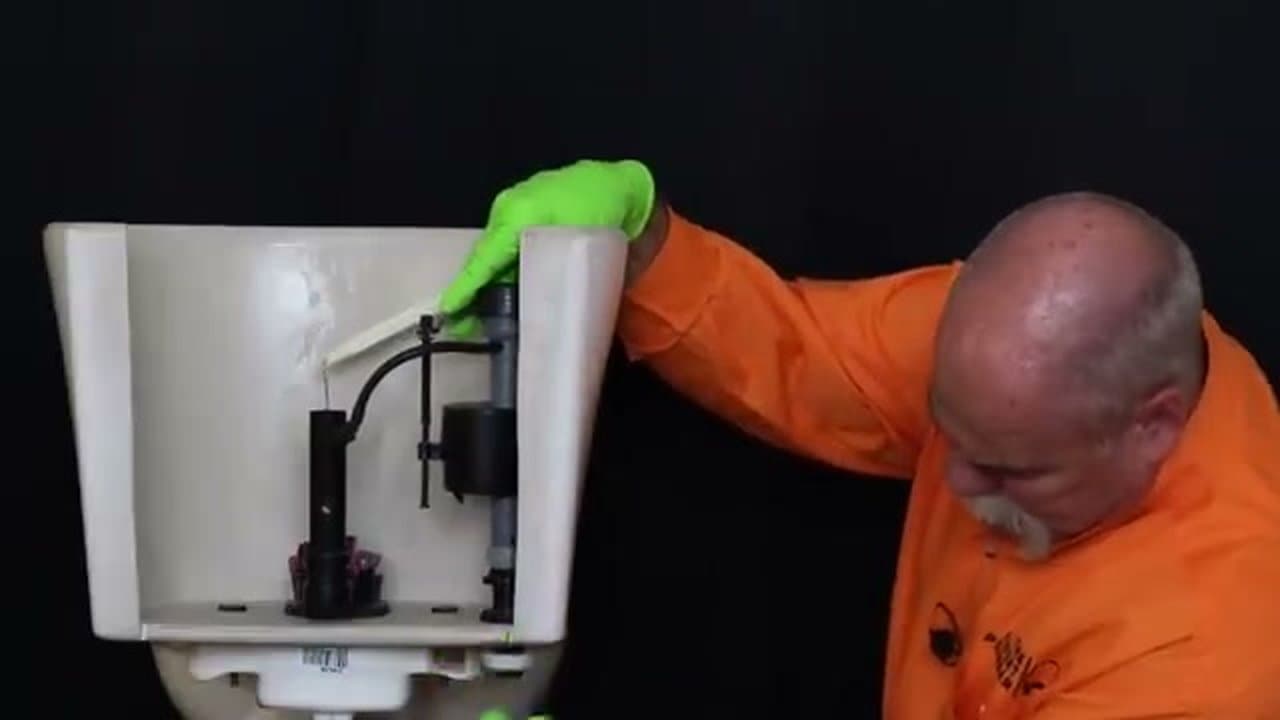
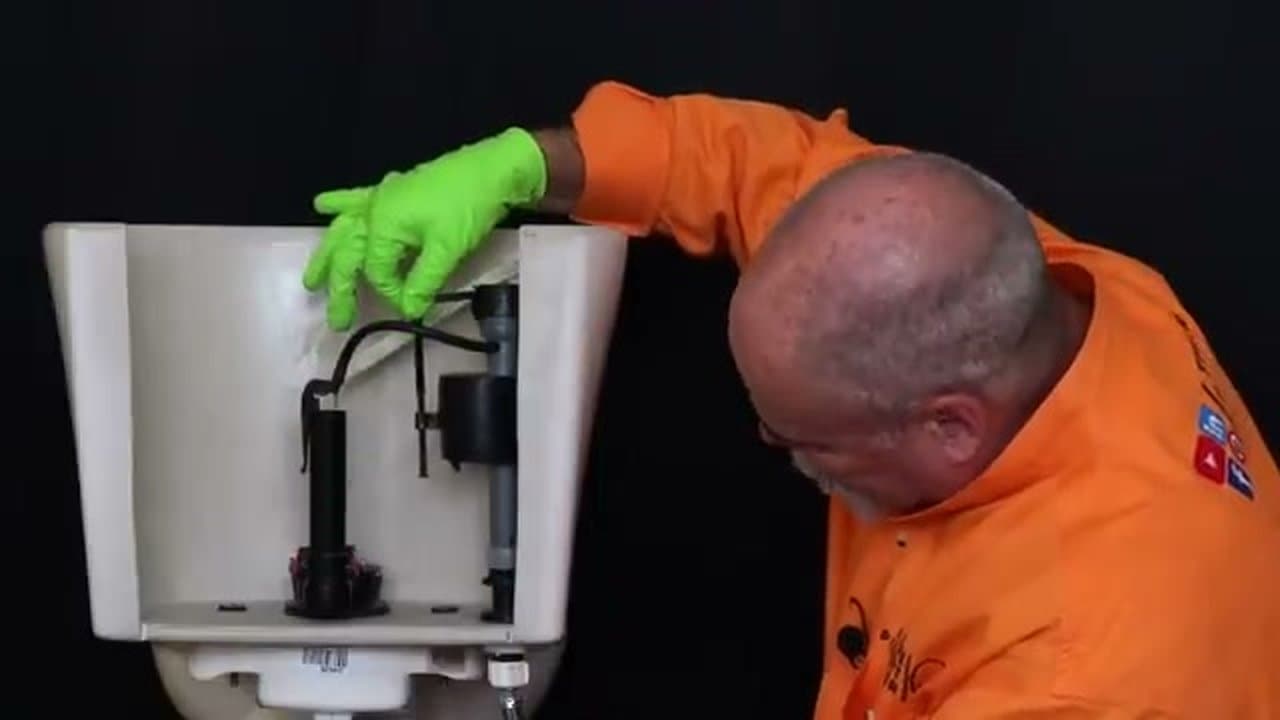
To fix a running toilet: shut off the water supply at the valve behind the toilet, flush the tank empty, and check the flapper - if it's warped, stained, or doesn't seal, swap it for a $5 replacement. If the flapper is fine, the culprit is the fill valve: pull the top off and replace the rubber diaphragm, or swap the entire valve. Most running toilets are fixed in 15 minutes with a crescent wrench and a pair of channel-lock pliers.
Why is my toilet running?
Water is either escaping the tank faster than it fills, or the fill valve never shuts off. Four things cause nearly all of it, and they are not equally likely.
| What you see or hear | What is wrong |
|---|
| Tank refills itself every few minutes | Flapper not sealing - hard, warped or scaled up |
| Trickle down the overflow tube | Float set too high |
| Flapper shuts early, or hangs open | Chain too short, too long or tangled |
| Hiss that never stops after a flush | Fill valve diaphragm worn or full of grit |
The flapper is the answer most of the time. Rubber stiffens after three or four years, and an in-tank bleach tablet will chew one up in a season. Run a finger around the rim - chalky or black on your skin means it is done. A replacement flapper is five dollars, but they are not universal - take the old one to the store with you.
The dye test: flapper leak or fill valve leak
A few drops of food coloring tell you which half of the tank to work on. Color the tank water, wait fifteen minutes, do not flush.
- Color in the bowl. It is leaking past the flapper. Replace it.
- Bowl clear, tank still tops up. Water is going out the overflow. Lower the float or rebuild the fill valve.
How to stop a toilet from running
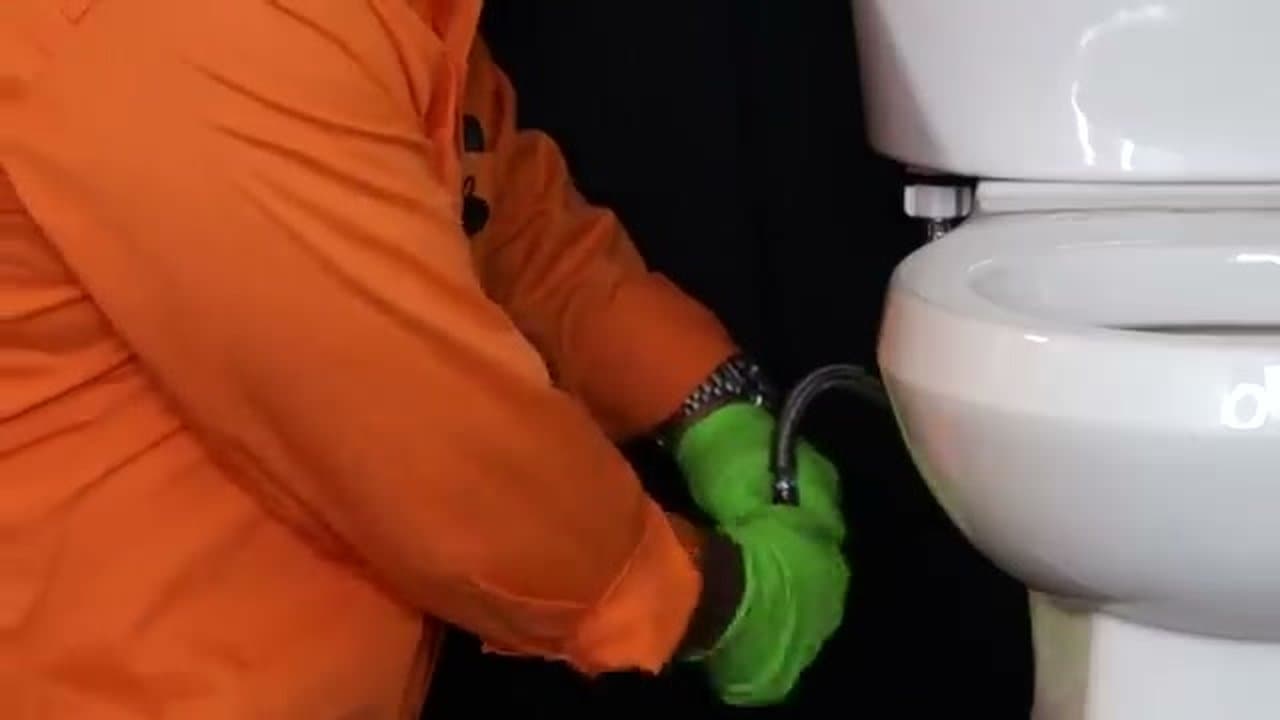
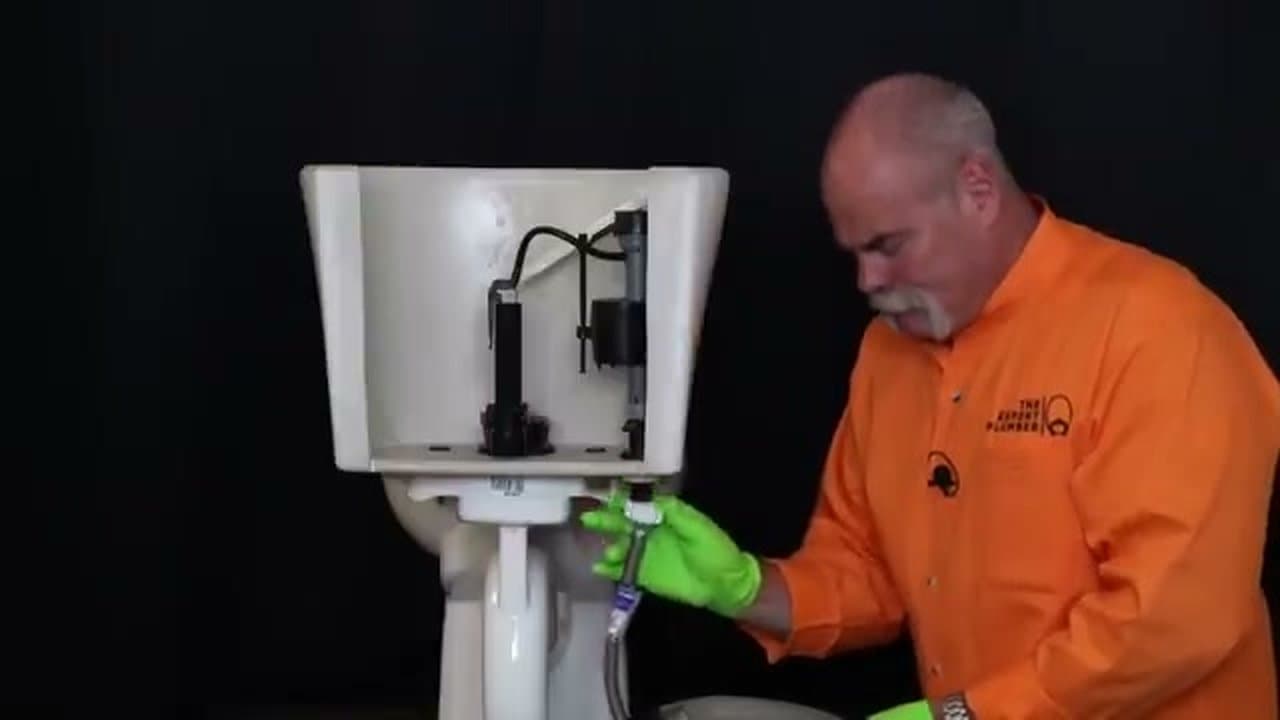
Shut the water off at the angle stop behind the toilet, flush the tank dry, sponge out the last inch. Flapper before anything else, then the diaphragm, then flush grit out of the valve body. Water back on, and watch one full cycle. If the angle stop is seized, do not force it - shut off at the main.
What a running toilet is costing you
A flapper passing water around the clock can waste on the order of 200 gallons a day, near 6,000 gallons a month, or $20 to $60 on a water and sewer bill for want of a five dollar part. A quiet leak costs more than a loud one, because nobody fixes it.
When to replace the whole fill valve
Cleaning the diaphragm is worth one attempt and it does fix a fair number of toilets. Replace the valve outright when the hiss returns within a week, when the shank is cracked or the lock nut weeps, or when no rebuild kit exists for it. A universal valve drops into the same hole - set it to the old one's height, water line half an inch below the overflow tube. See how to replace a toilet fill valve.
Still running? Work through these
- New flapper, same leak. Run a fingertip around the flush valve seat. Any nick or pit passes water, and that seat only comes out with the tank off.
- Chain length. One link of slack, no more. Too tight holds the flapper off its seat, too loose and it slides underneath.
- Water into the overflow. Float too high. Turn the adjustment down a quarter inch at a time.
- Weak flush, slow bowl. Different problem - go and plunge the toilet.
A running toilet and a dripping faucet are the two most common plumbing leaks in a house. If a faucet in your home drips too, see how to fix a leaky faucet for the same kind of fast, low-cost fix.