How to Replace a Toilet Flapper

Home ImprovementEasy6:007 steps
Also in:Adulting

By ShowMeStepByStepPublished Updated

Based on a video by jeffostroff.

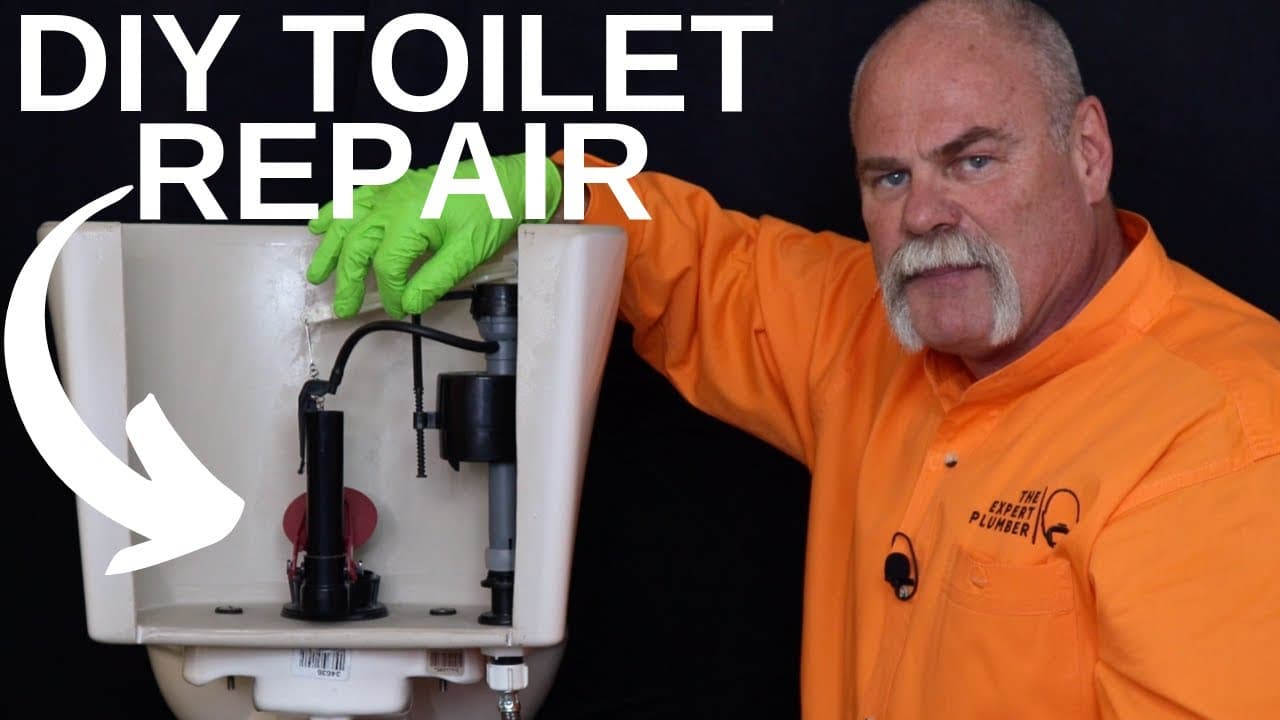
If your toilet hisses, runs every few minutes, or refills when nobody flushed it, the flapper is almost always the culprit. That rubber disk at the bottom of the tank is supposed to seal the flush valve so water stays in. Over time it warps, picks up sediment, or just gets soft, and water leaks past it into the bowl - so the fill valve keeps topping the tank back up.

Good news: the part costs about $5 and the swap takes ten minutes. Thanks to Jeff Ostroff for the clear walkthrough that this tutorial is based on. The only real trick is matching the size (most are 2-inch or 3-inch) and getting the chain slack right. Too tight and the flapper never seals, so the toilet runs forever. Too loose and the lever can't lift it enough to flush.

Pop the tank lid off, take a quick look, and follow along.

Step-by-Step Guide

1

Step 1: Shut off the water supply at the wall valve

4:52
Step 1: Step 1: Shut off the water supply at the wall valve

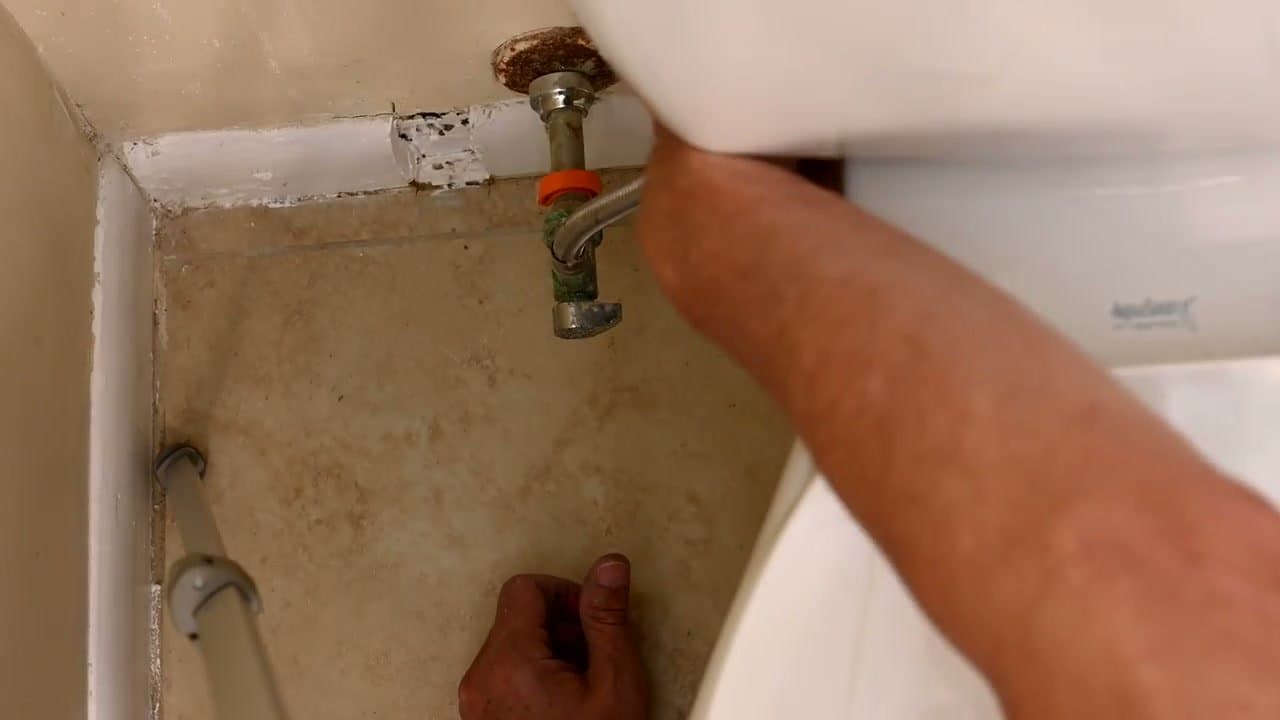
Reach behind the toilet to the small valve where the supply line meets the wall. Turn the handle clockwise until it stops. That cuts off the water flowing into the tank.

If the valve is corroded or won't budge, don't force it. You can shut off water at the house main instead - just remember to turn it back on later.

Tip

This is also a good moment to lay an old towel on the floor around the base. Tank water tends to drip when you pull the flapper.

Products used in this step

2

Step 2: Flush the toilet to drain the tank

1:04
Step 2: Step 2: Flush the toilet to drain the tank

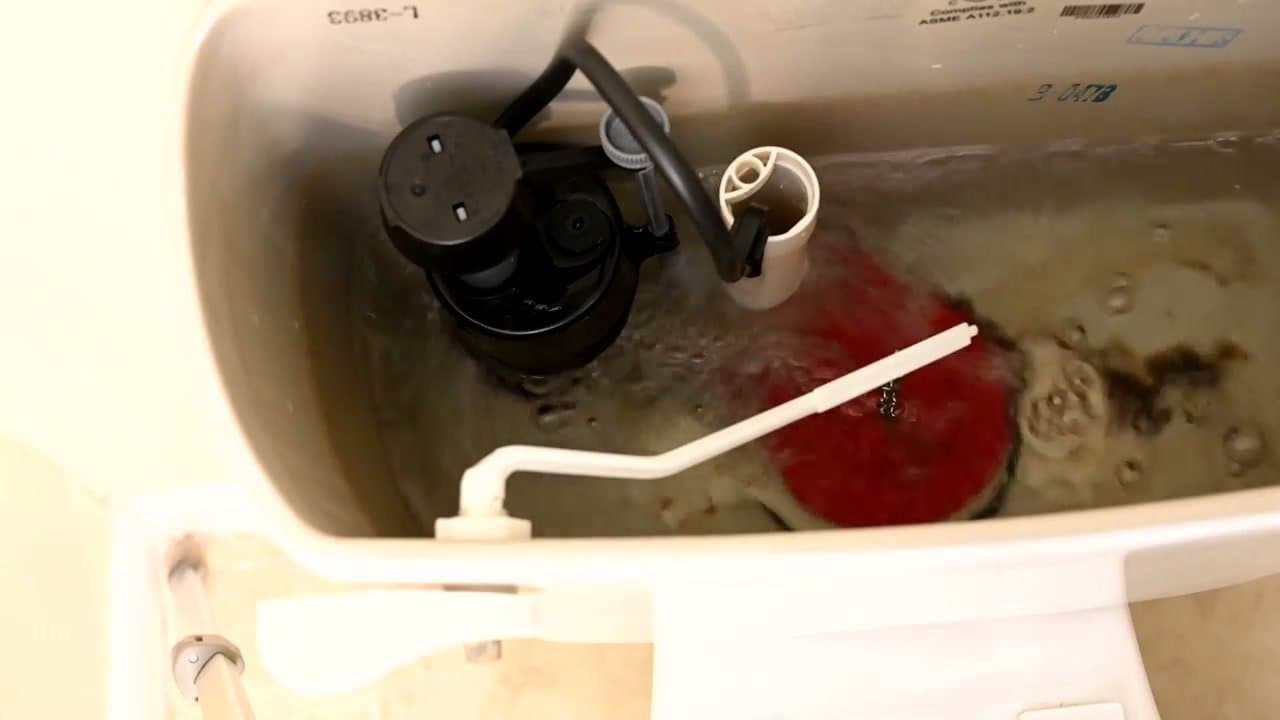
With the supply off, push the handle and let the tank empty out as much as it will. The flapper opens, water rushes to the bowl, and because no fresh water is coming in, the tank stays low.

If a little water is left at the bottom, sponge it out so you can work without splashing. The flush valve area should be visible and reasonably dry.

Tip

You don't need a perfectly empty tank - just enough that you can see the flush valve and reach the flapper without dunking your sleeve.

Products used in this step

3

Step 3: Unhook the old flapper and chain

3:25
Step 3: Step 3: Unhook the old flapper and chain

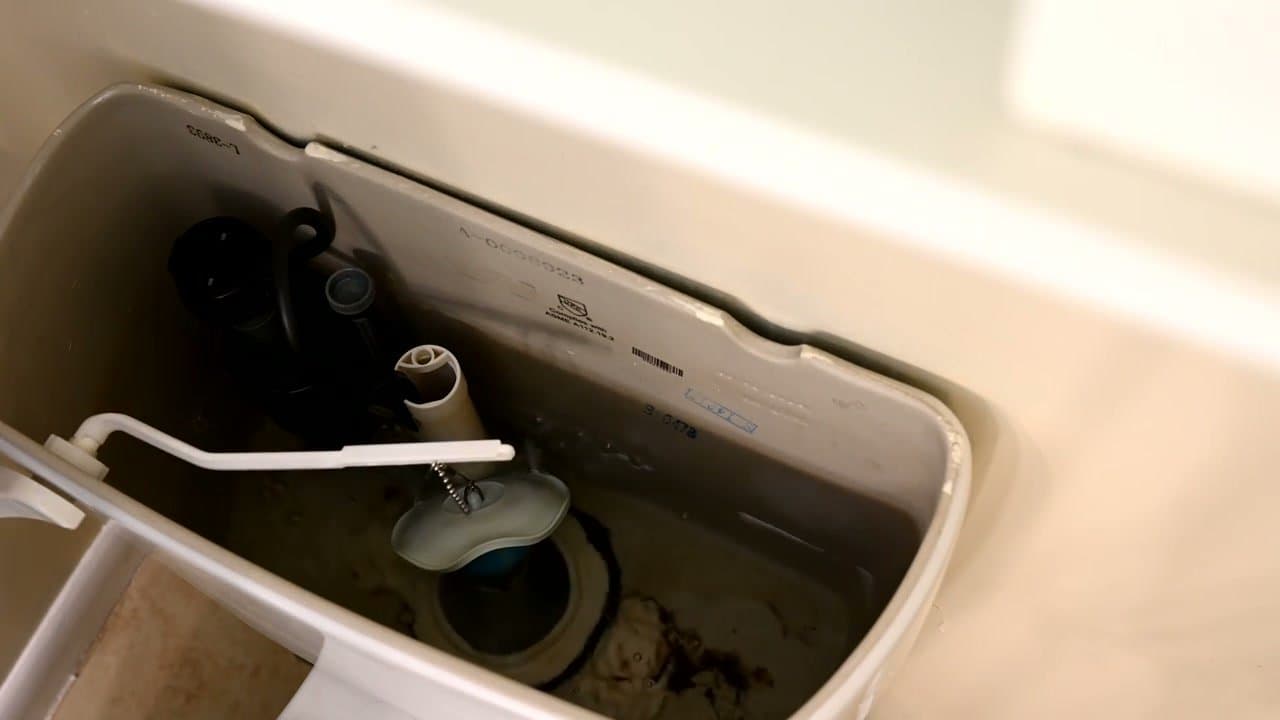
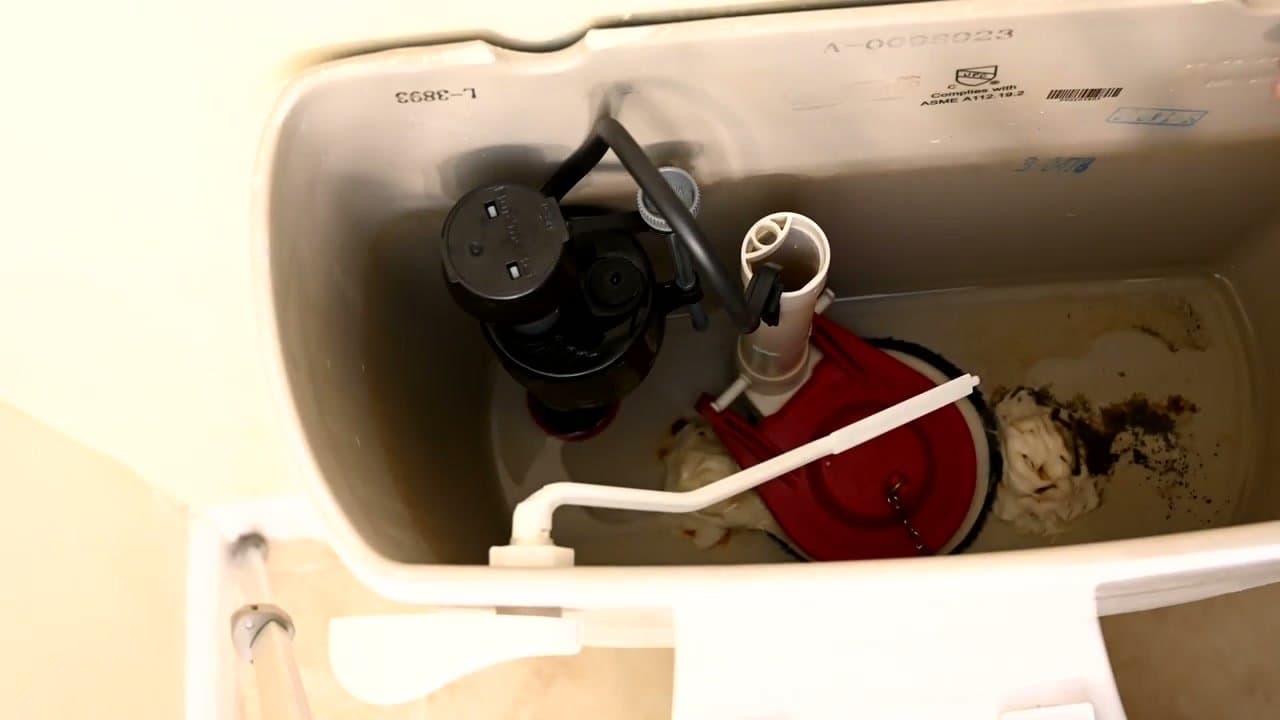
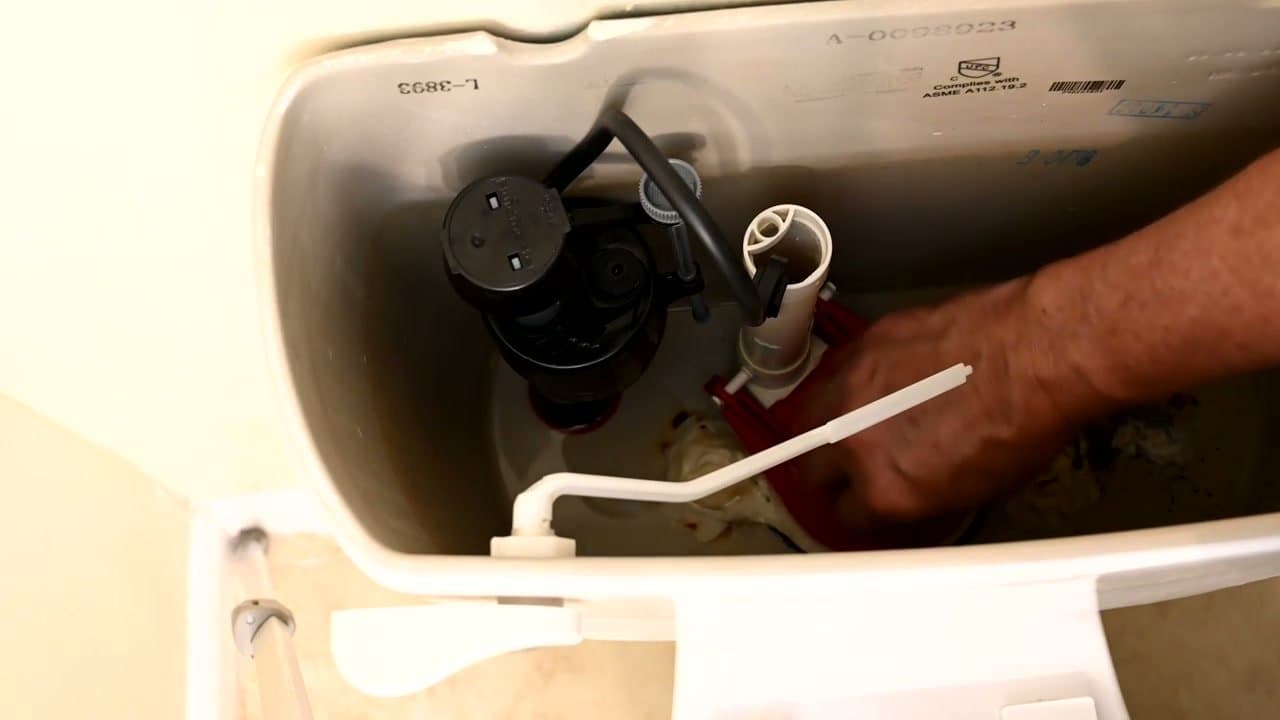
The flapper has two side arms that loop around small pegs on either side of the overflow tube. Lift each arm up and over its peg to free the flapper.

Then unclip the chain from the flush lever arm. The old flapper will probably feel slimy or look warped - that's exactly why the toilet has been running.

Tip

Take a quick photo before you remove anything. It's a great reference if you forget which side the chain clipped to.

4

Step 4: Take the old flapper to the store to match the size

2:52
Step 4: Step 4: Take the old flapper to the store to match the size

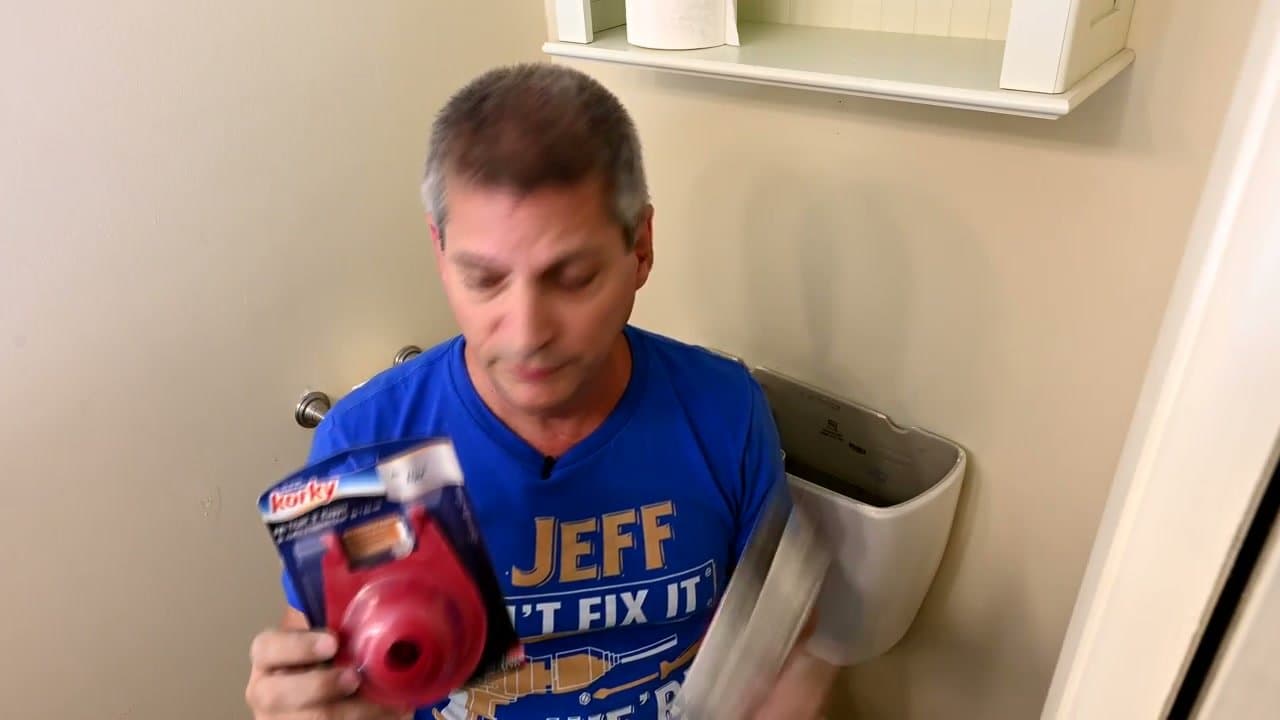
Most flappers are 2-inch or 3-inch, sized to the round opening at the bottom of the flush valve. Packs are labeled "universal" but the smaller universal won't seal a 3-inch valve, so don't guess.

Bring the old flapper with you and hold it up against the new one. If you want to skip the trip, measure the flush valve opening with a tape measure first - then match it to a 2-inch or 3-inch replacement.

Tip

Common toilet brands tend to follow patterns: most American Standard Cadet 3 toilets take a 3-inch flapper, most Kohler and older toilets take a 2-inch. The old one in your hand beats brand guessing every time.

5

Step 5: Hook the new flapper onto the flush valve pegs

4:40
Step 5: Step 5: Hook the new flapper onto the flush valve pegs

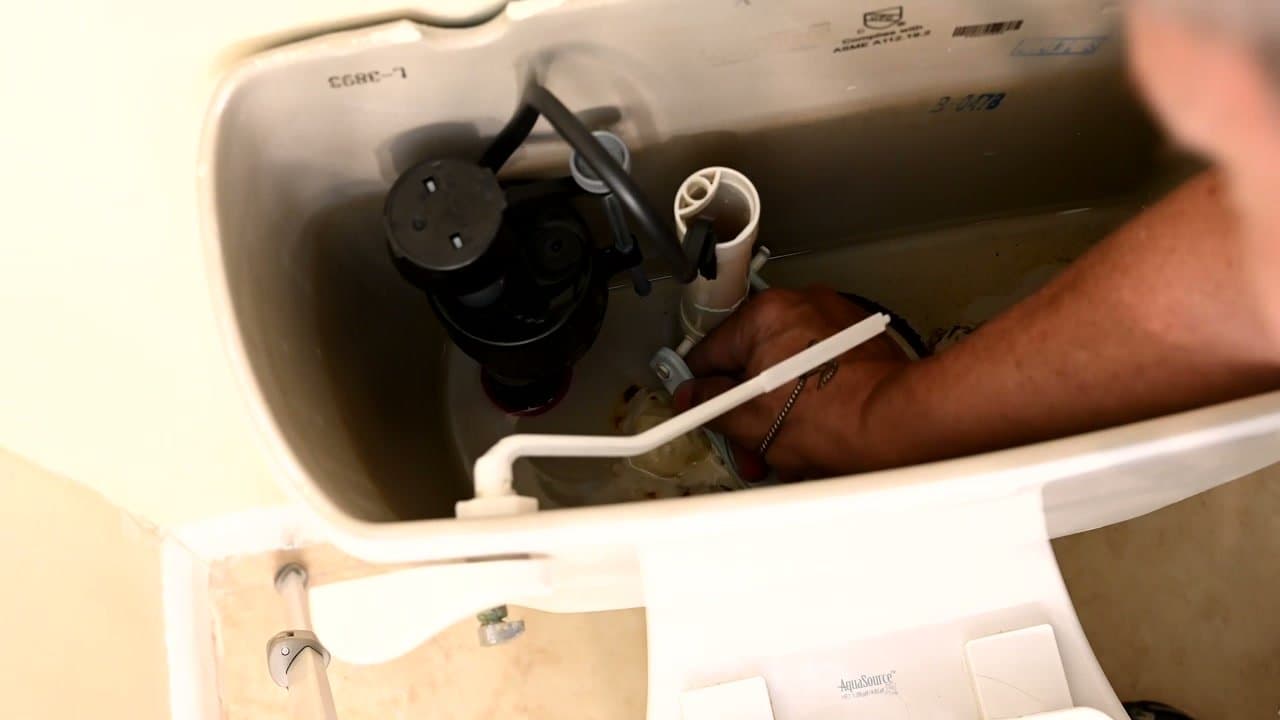
Slide the side arms of the new flapper over the same pegs you pulled the old one off of. They should snap into place with a small click and the flapper should sit flat over the valve opening.

Press down lightly. If it rocks or sits crooked, lift it back off and reseat - a flapper that doesn't lay flat won't seal, and you'll be back here in a week.

Tip

Some replacement flappers come with a foam float around the body. Leave it on for the first install. If your tank empties too quickly or refills too slowly, you can adjust or remove it later.

6

Step 6: Clip the chain to the flush lever with the right slack

4:47
Step 6: Step 6: Clip the chain to the flush lever with the right slack

Hook the new chain onto the flush lever arm. The slack matters more than people realize. Aim for about half an inch of give when the lever is at rest.

Too tight and the chain holds the flapper open even slightly, so water leaks down and the toilet runs nonstop. Too loose and the lever can't pull the flapper high enough to dump a full flush.

Tip

Test it dry: lift the handle and watch the flapper. It should rise straight up, hold open for a moment, then drop back flat without the chain catching under it.

7

Step 7: Turn the water back on and test the flush

5:10
Step 7: Step 7: Turn the water back on and test the flush

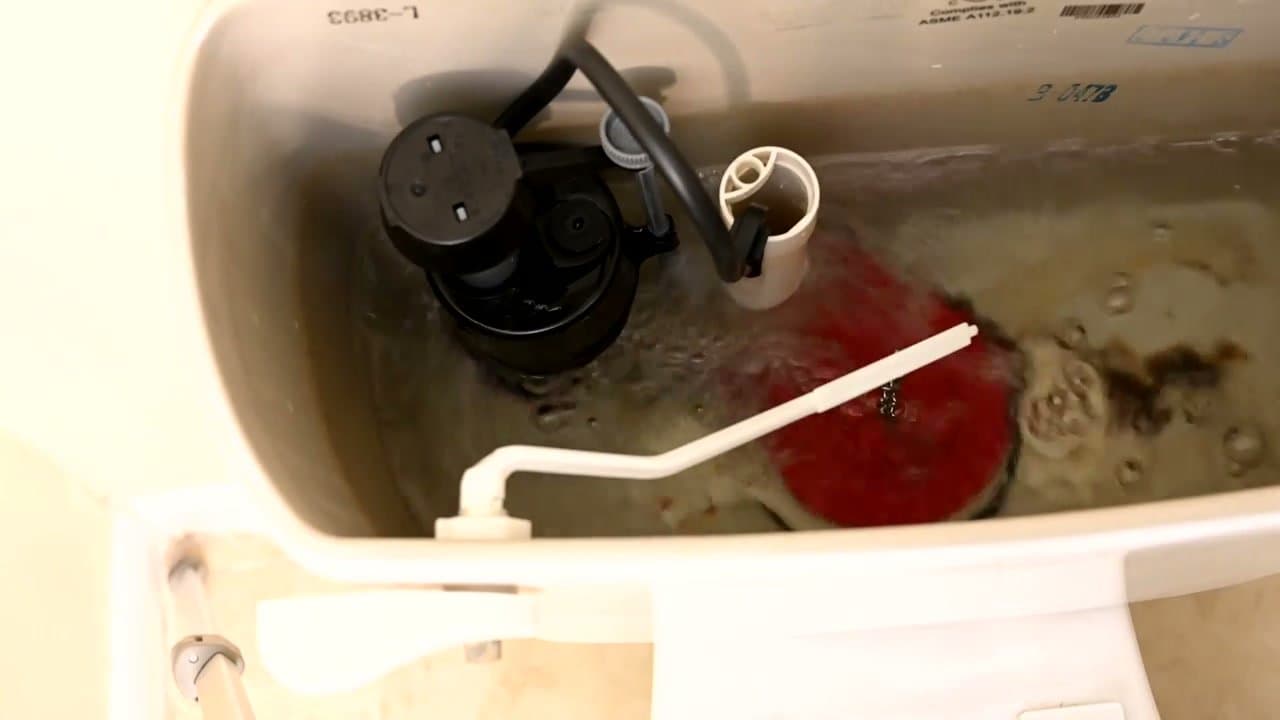
Open the supply valve at the wall (counter-clockwise) and let the tank refill. You'll hear the fill valve click off when it hits the right level.

Now flush. Watch the new flapper lift, the tank empty, and the flapper drop back into place. Listen for thirty seconds - if the toilet goes silent and stays silent, you're done. No more phantom flushes, no more wasted water.

Tip

Drop a few drops of food coloring in the tank and wait ten minutes without flushing. If color shows up in the bowl, the flapper still isn't sealing and you may need to reseat it or check the chain slack.

Products Used

☐ The Checklist

How to Replace a Toilet Flapper

Tools
2
Materials
1
Steps
7
Video
6 min

Your Guide

jeffostroff

As an Amazon Associate we earn from qualifying purchases. Links on this page may be affiliate links - clicking them and buying doesn't change your price, but helps support ShowMeStepByStep.

Tags

Related Tutorials

How to Replace a Toilet Flapper - Fix a Running Toilet