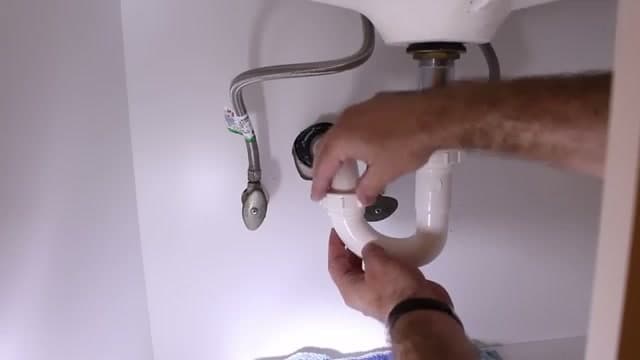
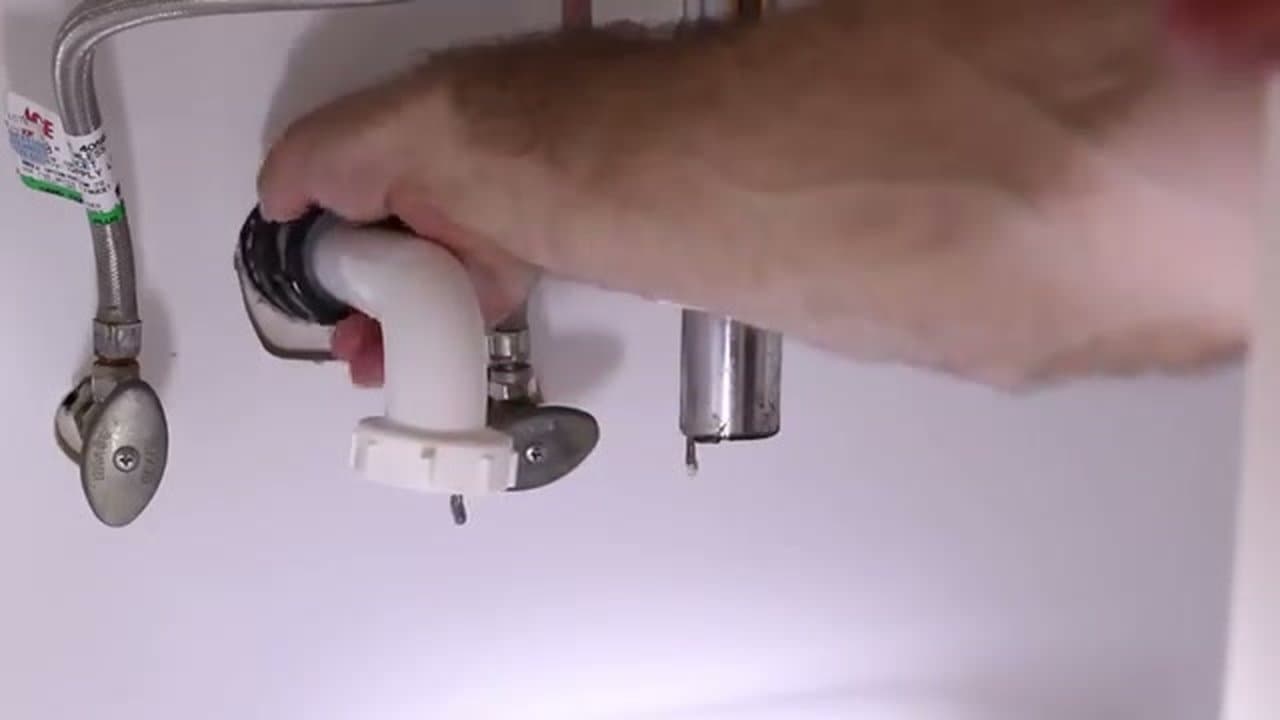
Chemical drain cleaner is a temporary fix that eats your pipes and makes the plumber's job worse if it comes to that. The actual fix is to open the P-trap, pull the blockage out, and put it back. Twenty minutes, no specialist tools.
Jeff from Home Repair Tutor walks through the whole job, including how the pipework under your sink is put together and where clogs really form.
The clog is almost never where you think
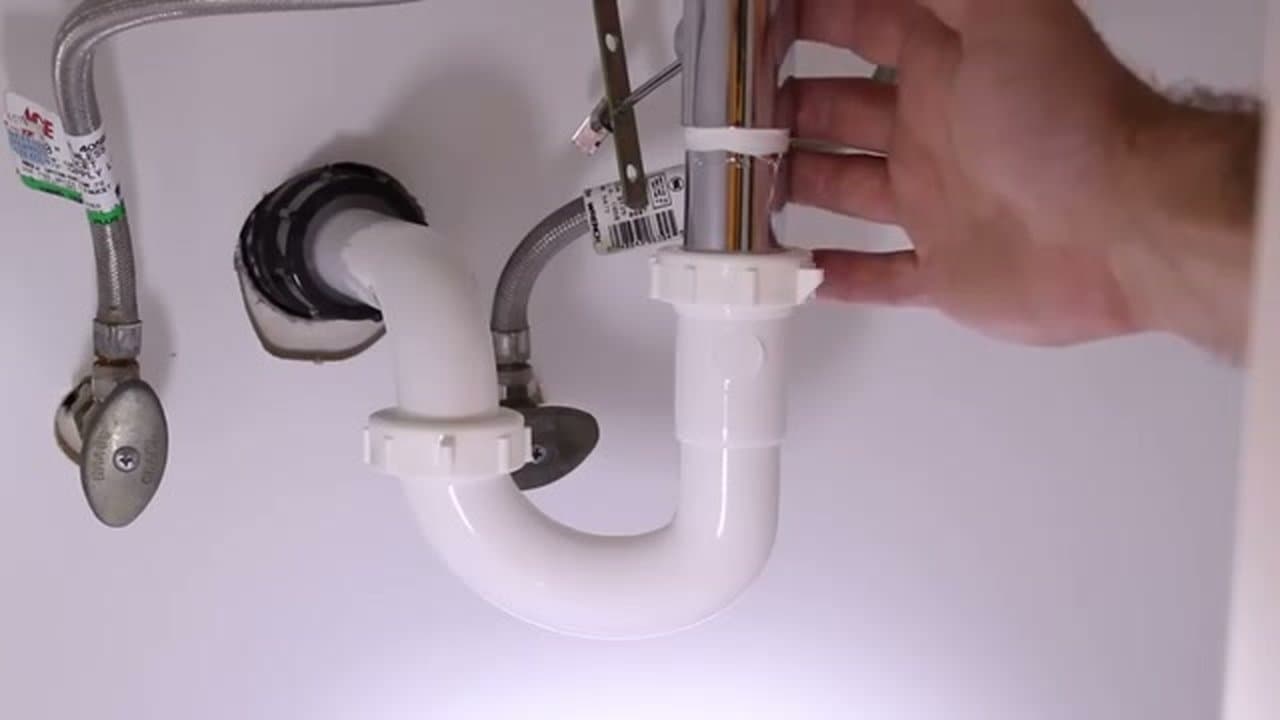
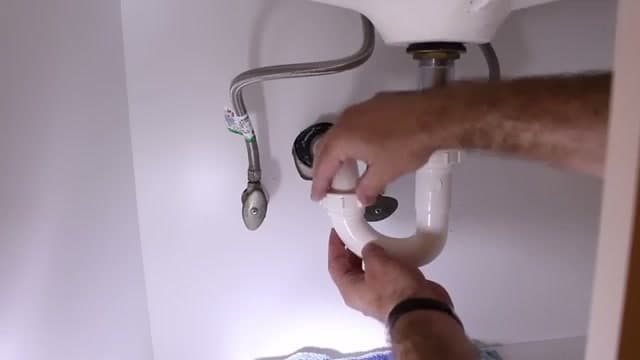
The P-trap is the U-bend under the sink. It holds a plug of standing water on purpose, which is what stops sewer gas coming up into the room. It is also the low point, so anything heavier than water settles there.
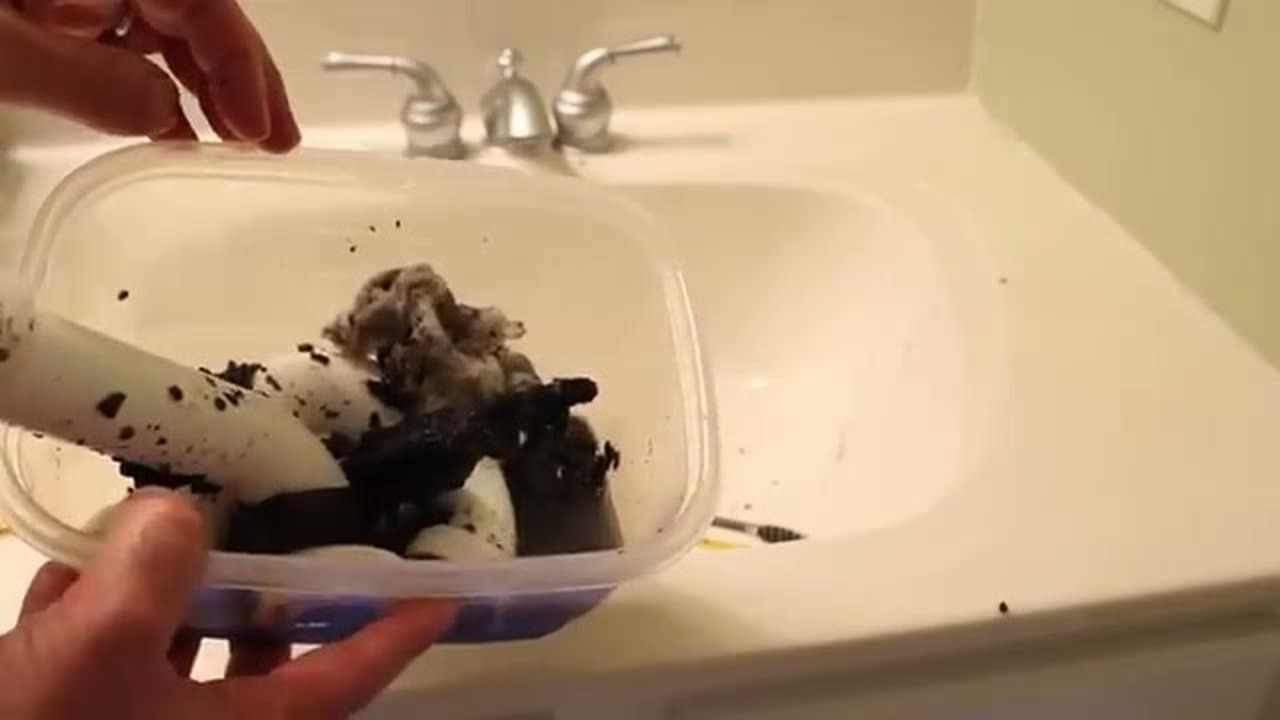
In a bathroom sink the blockage is usually hair bound up with soap scum, sitting on the pop-up stopper rather than in the trap itself. In a kitchen sink it is congealed fat with coffee grounds and food in it. Both clear by hand once you can reach them.
Before you open anything
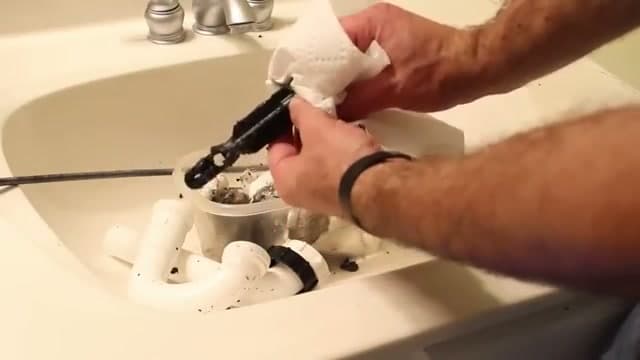
Put a bucket underneath. The trap is full of water and it is coming out, all of it, the moment the nut loosens. Lay a towel down too.
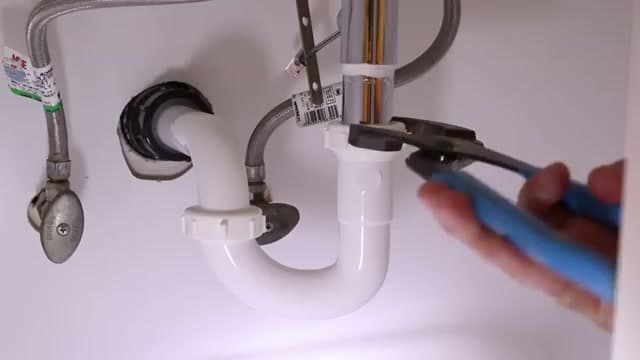
Most modern traps have plastic slip nuts you can undo by hand. Older metal ones need channel-lock pliers, and if the nut is corroded solid, that is the point to consider whether the whole trap wants replacing rather than fighting.
Pull the stopper too
On a bathroom sink, the pop-up stopper is attached to a pivot rod that goes through the back of the drain body. Unscrew the retaining nut, pull the rod out, and the stopper lifts straight up with whatever is wrapped around it. This is usually the entire problem.
Two tools worth owning
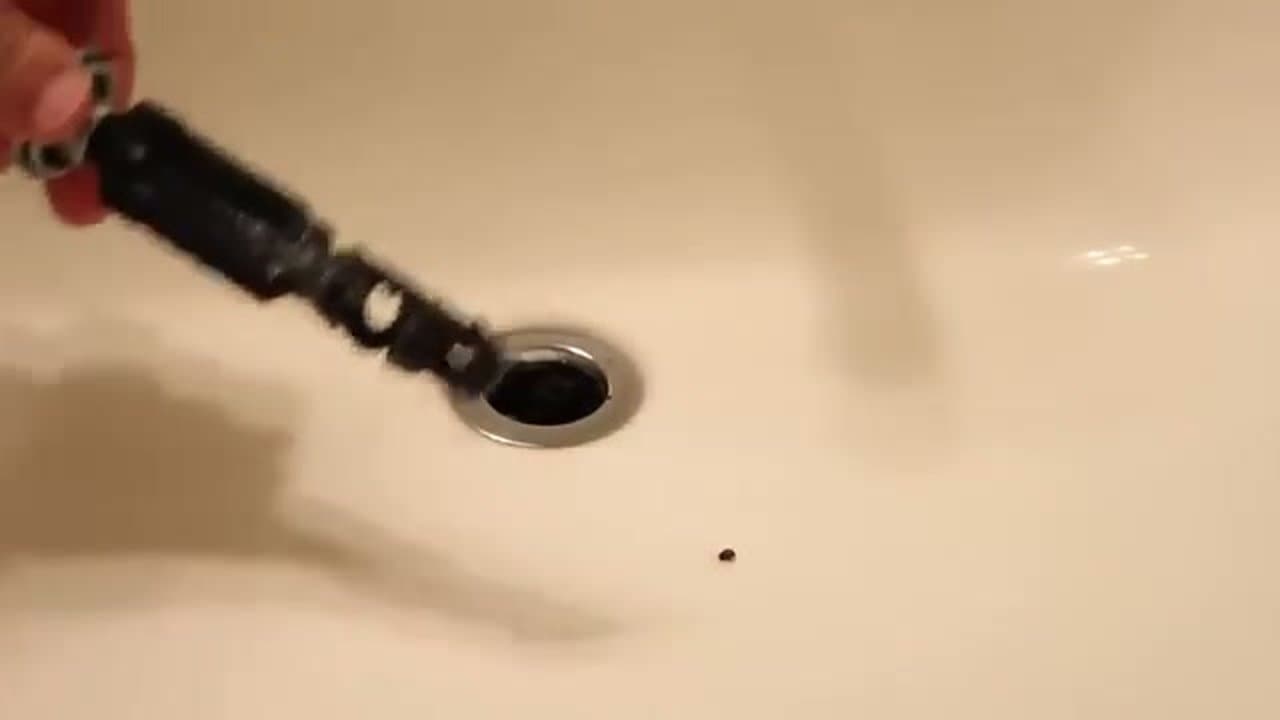
A zip-it is a barbed plastic strip that costs a couple of dollars. Push it down the drain, twist, pull, and it drags hair out. Disposable, and it solves most bathroom clogs without opening anything at all.
A small hand auger, or drum snake, reaches into the pipe going back into the wall for anything further along. Feed it in, crank, and work slowly. Forcing it just packs the blockage tighter.
Reassembling without a leak
Check the washers are seated and facing the right way before tightening, and hand-tighten the slip nuts plus about a quarter turn. Overtightening cracks plastic nuts, which turns a clog into a leak.
Run the tap and watch the joints for a full minute. A slow drip shows up late.
Keeping it clear
A drain screen catches hair before it gets in. Never pour cooking fat down the kitchen sink, even chasing it with hot water, because it congeals as soon as it hits the cool trap. Monthly boiling water helps kitchen drains and does nothing for hair clogs.
Nearby fixes
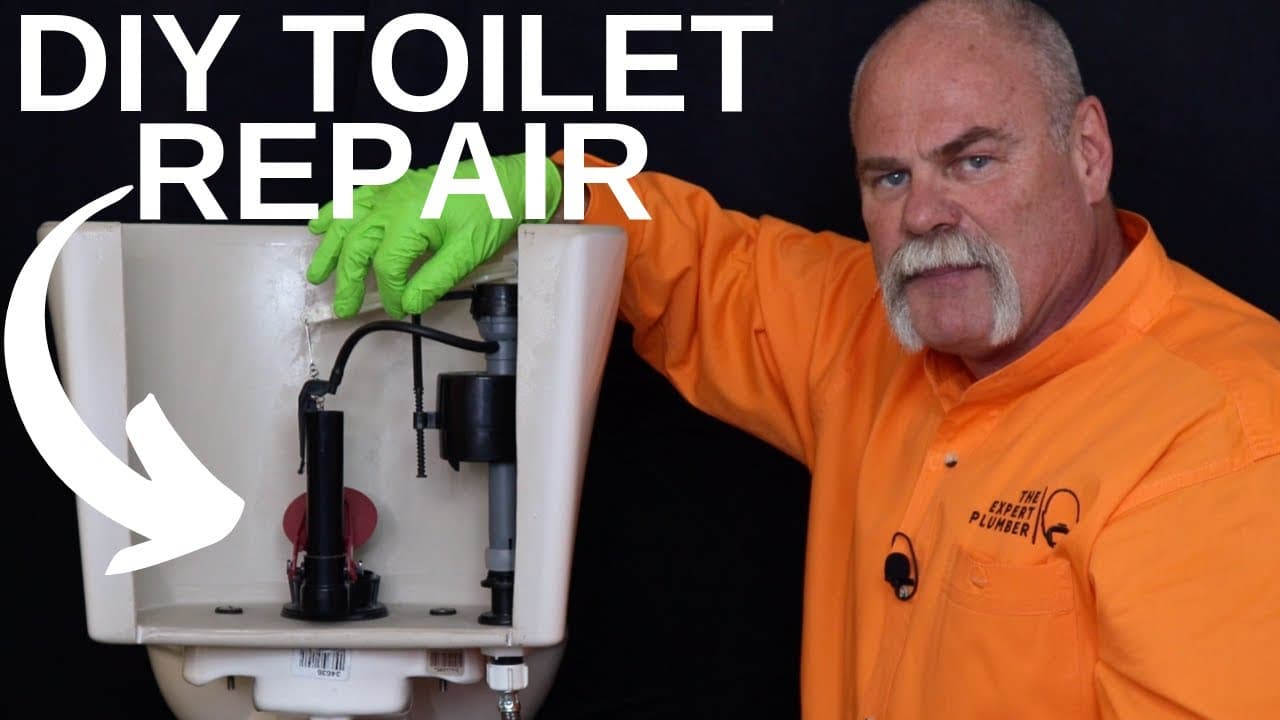
If the sink drains but the tap drips, that is a leaky faucet, a different job with different parts. For a blocked toilet, plunging technique matters more than force, and a running toilet is usually a $5 flapper.