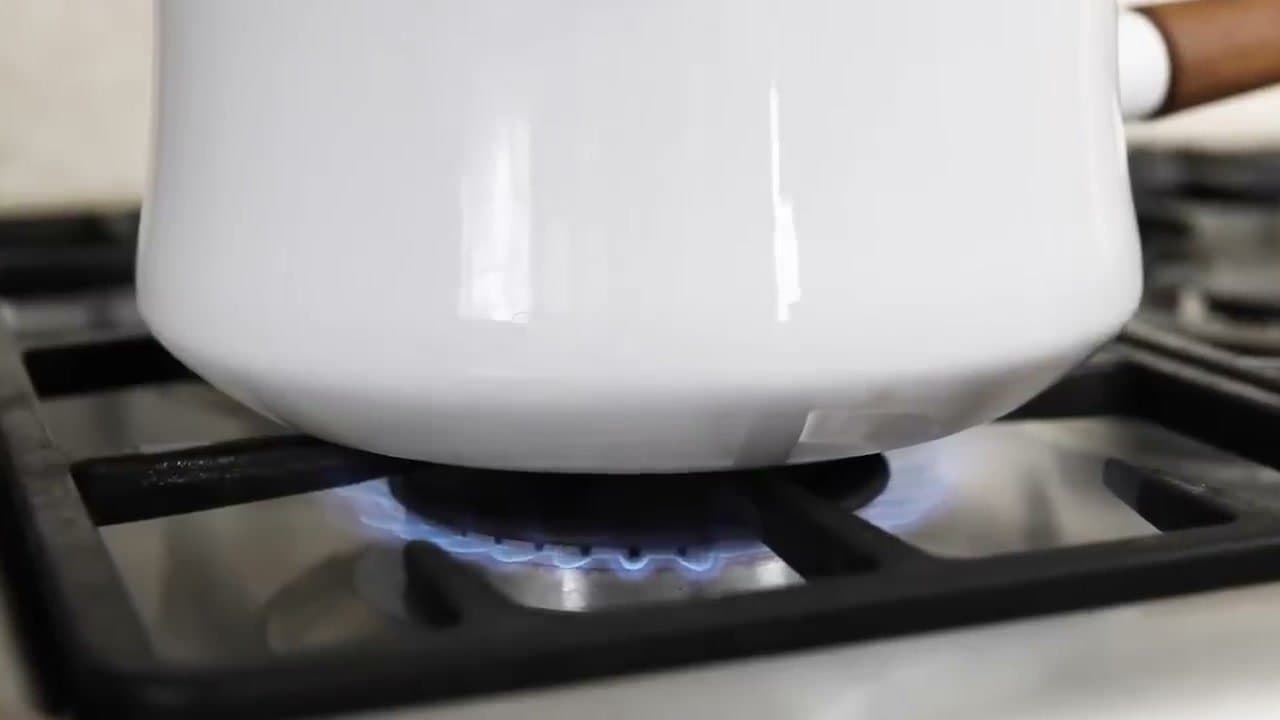
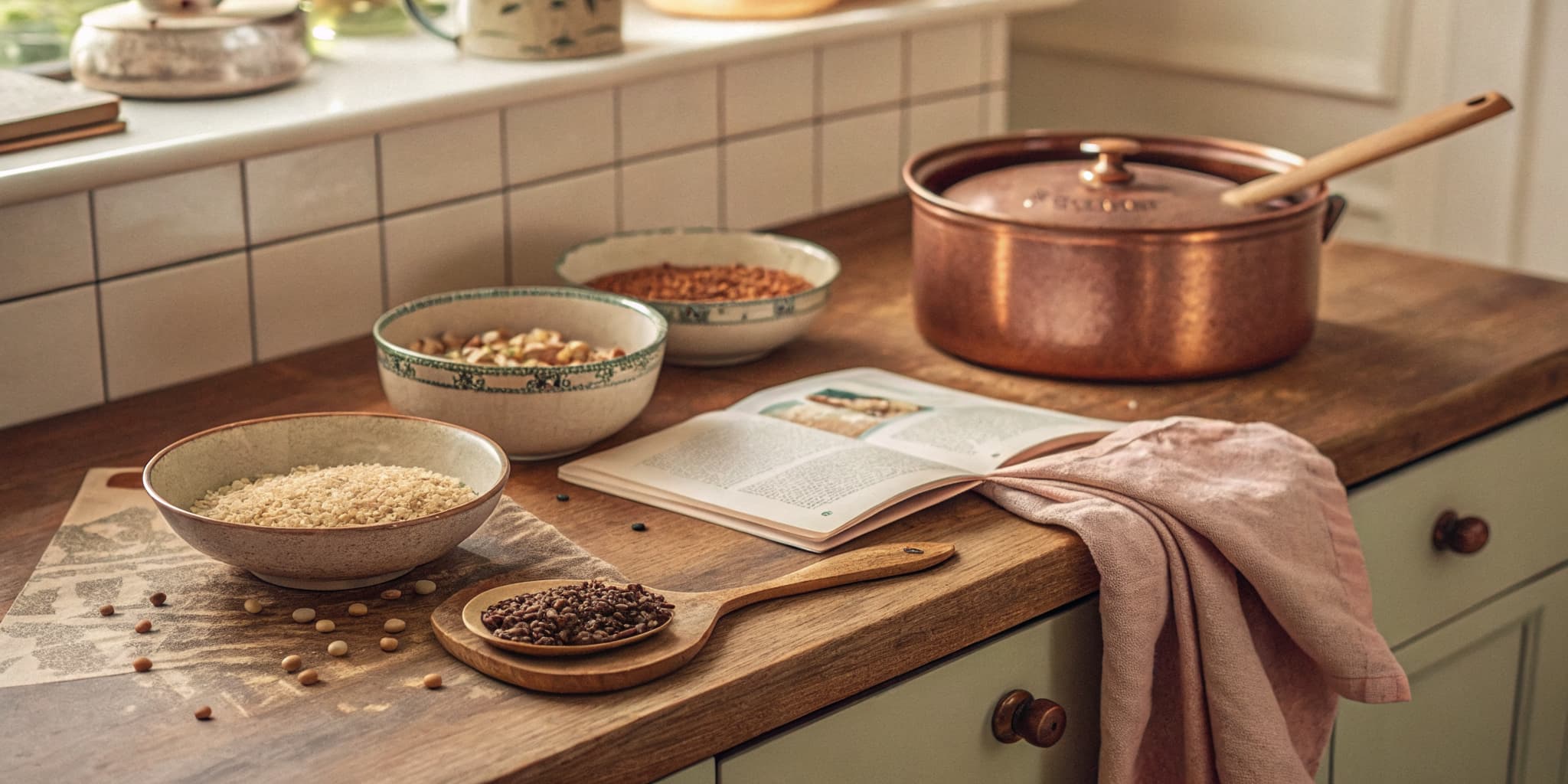
Quinoa is a seed, not a grain. That one fact explains most of what goes wrong with it. Seeds soak up less water than rice does, and quinoa arrives wearing a bitter coating that rice does not have. Cook it by the directions on the box and you get soggy, faintly soapy quinoa, then decide you do not like quinoa.
Megan Gilmore of Detoxinista sorts out both problems in the walkthrough below. Fifteen minutes, one small pan. The steps cover what to do. This part covers why, so you can scale it, swap the variety, and fix it when something goes sideways.
The Quinoa to Water Ratio
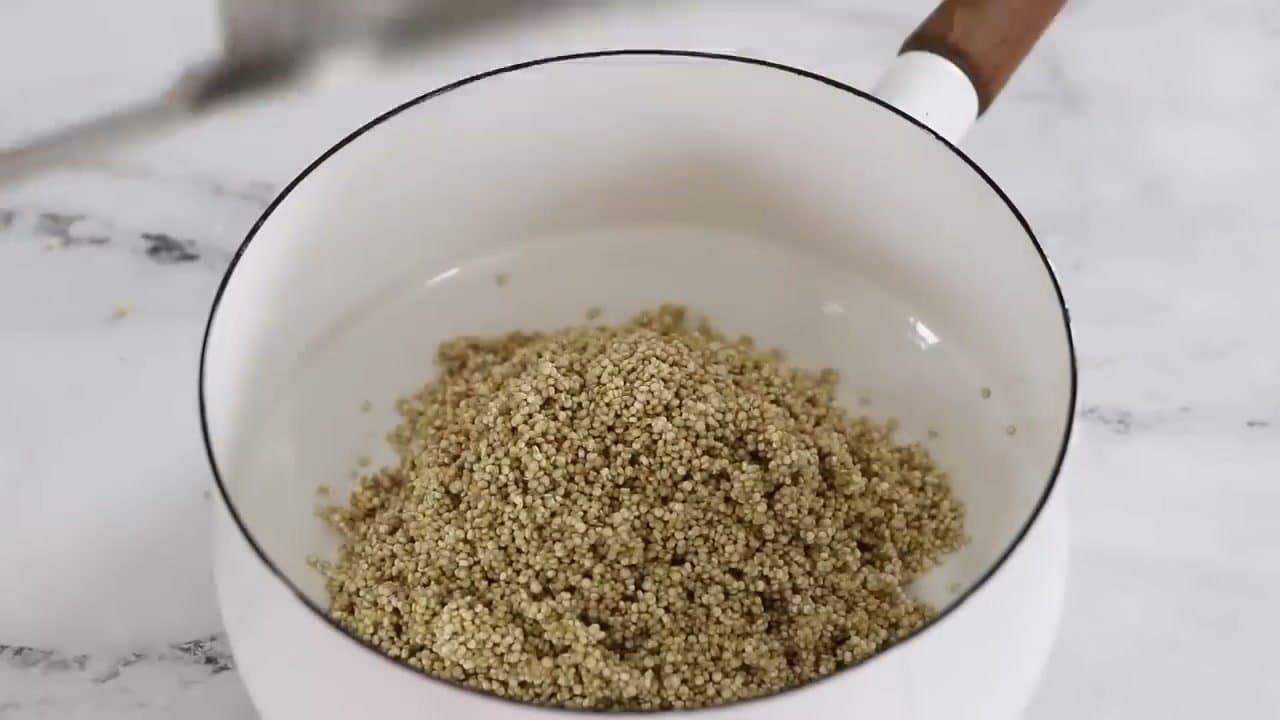
Use 1 cup of quinoa to 1.5 cups of water. Not 1 to 2. Almost every package prints the 1:2 ratio because it was borrowed from rice, and quinoa is not rice. Brown rice really does want two cups or more. Quinoa sits in the extra liquid and turns to porridge.
Rinsing is part of the reason. Rinsed seeds go into the pan already wet, so they need less water to finish. Scaling is linear: 2 cups of quinoa takes 3 cups of water, 3 cups takes 4.5. One cup dry gives you about three cups cooked, which is four side servings or two full grain bowls. If you already use a rice cooker, the same 1:1.5 ratio works on the white rice setting.
Why Rinsing Quinoa Matters
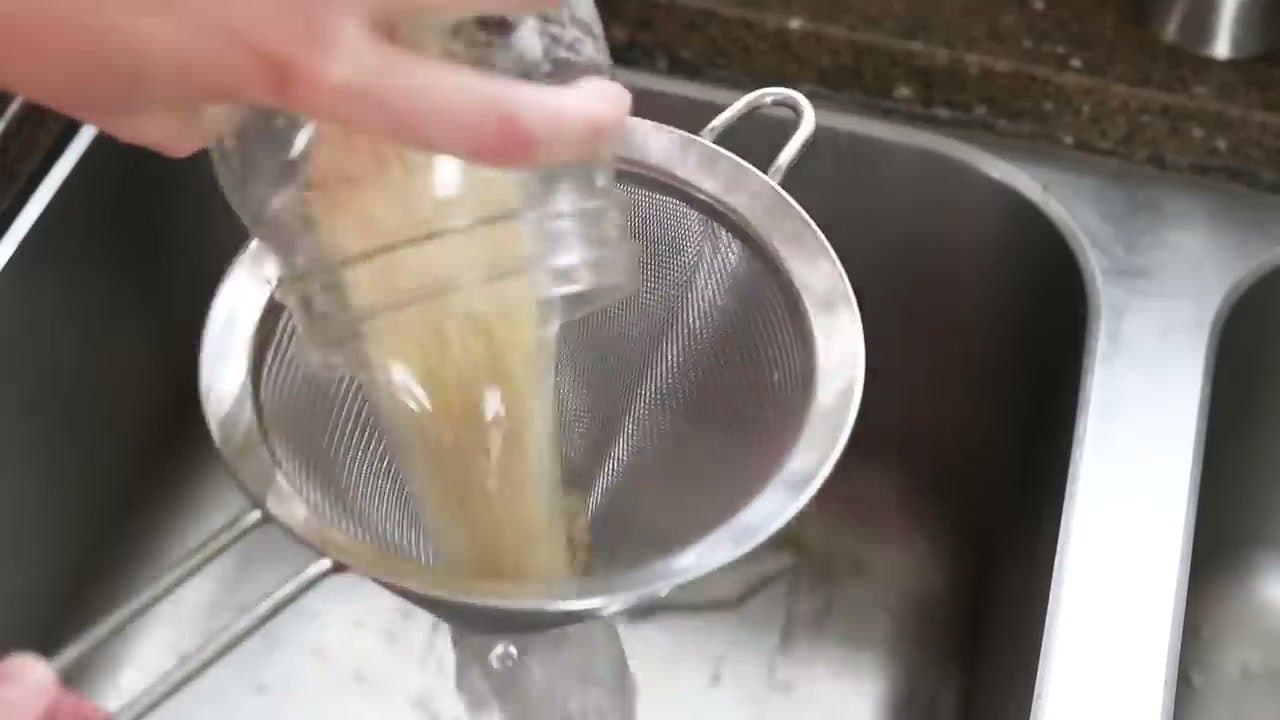
Every seed grows with a coating of saponin on it. It is the plant's own pest deterrent, it tastes bitter and soapy, and it foams the moment water hits it. That foam is the tell. Rinse until the water running through comes out clear and stops sudsing.
Use a fine mesh sieve, also sold as a fine mesh strainer. A standard colander has holes wide enough for quinoa to wash straight down the drain. Swish the seeds with your fingers under the tap so the coating comes off the ones underneath, not only the top layer. Bags labelled pre-rinsed still improve with 30 seconds of your own.
White, Red, Black, and Tricolor Quinoa
All four take the same ratio and the same pan. The difference is texture:
- White cooks softest and tastes most neutral. Use it as a side, or anywhere a sauce goes on top.
- Red keeps its shape and stays chewy, so it holds up in a dressed salad instead of going pasty.
- Black is the firmest, with a sweeter, earthier flavor.
- Tricolor is the three blended. It looks good in a bowl and cooks a little unevenly on purpose.
Red and black want an extra 5 to 10 minutes under the lid if you prefer them tender rather than toothy.
The Rest and the Fluff
After the ratio, the most common mistake is lifting the lid to check. Quinoa finishes on trapped steam. Open the pan early and that steam walks out, and you end up with hard seeds on top and a scorched layer on the bottom.
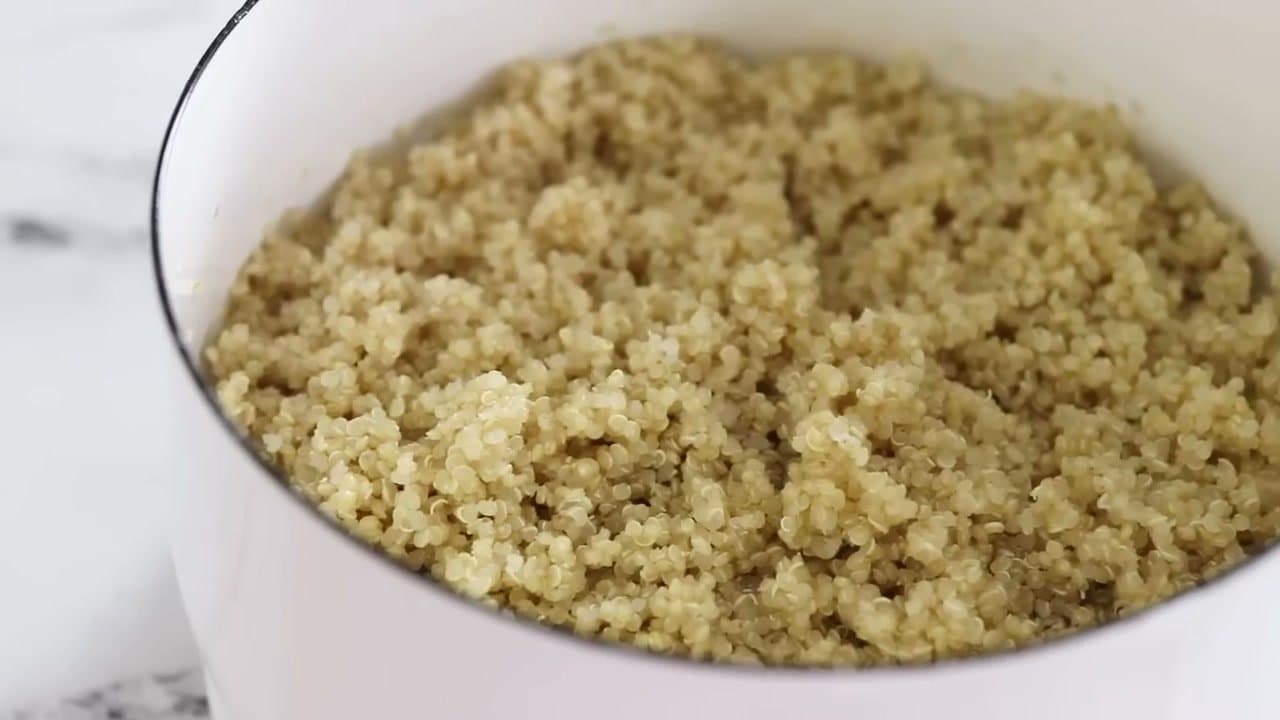
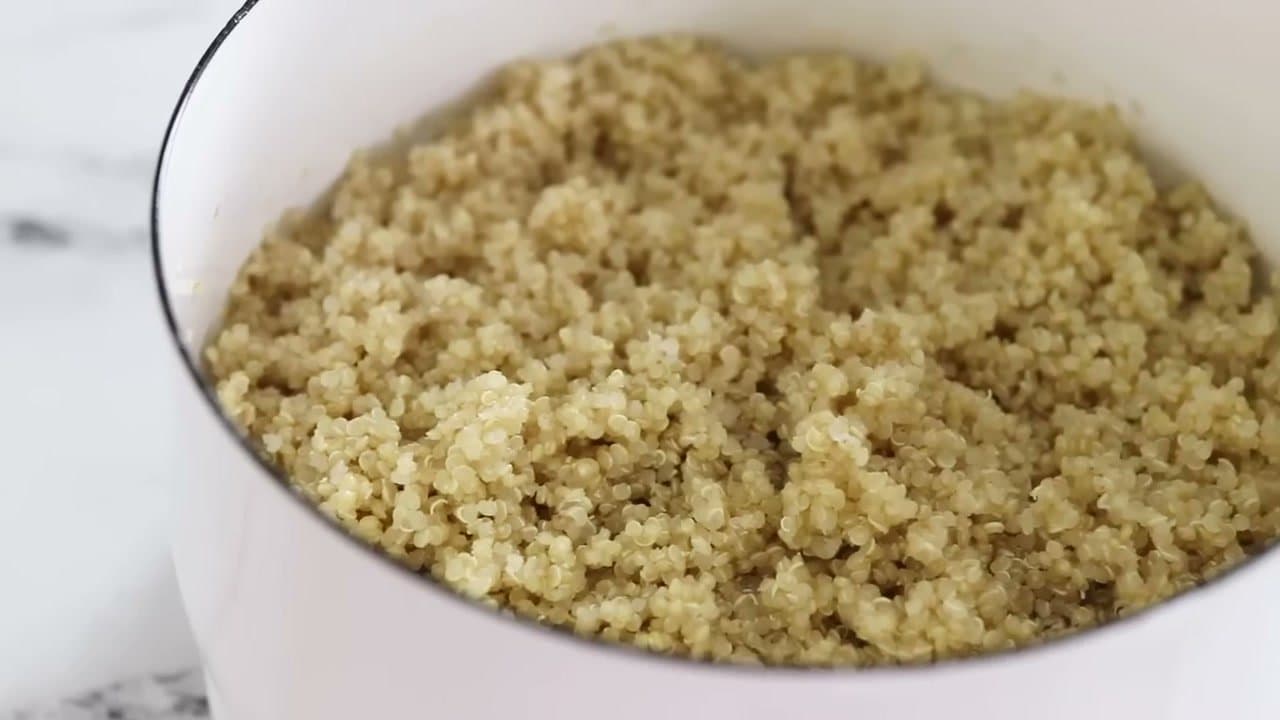
You can see when it is done. Each seed uncurls a thin white spiral, which is the germ working loose from the body of the seed. No spirals means more time. Give it five minutes covered off the burner, then drag a fork through it in slow strokes. A spoon presses the seeds into clumps. A fork lifts them apart.
Leftover Quinoa Keeps Better Than Rice
Cooked quinoa holds five days in an airtight container in the fridge and three months in the freezer. Spread it on a sheet pan to cool before it goes away. Sealed hot, the steam collects at the bottom and the lowest layer goes gluey.
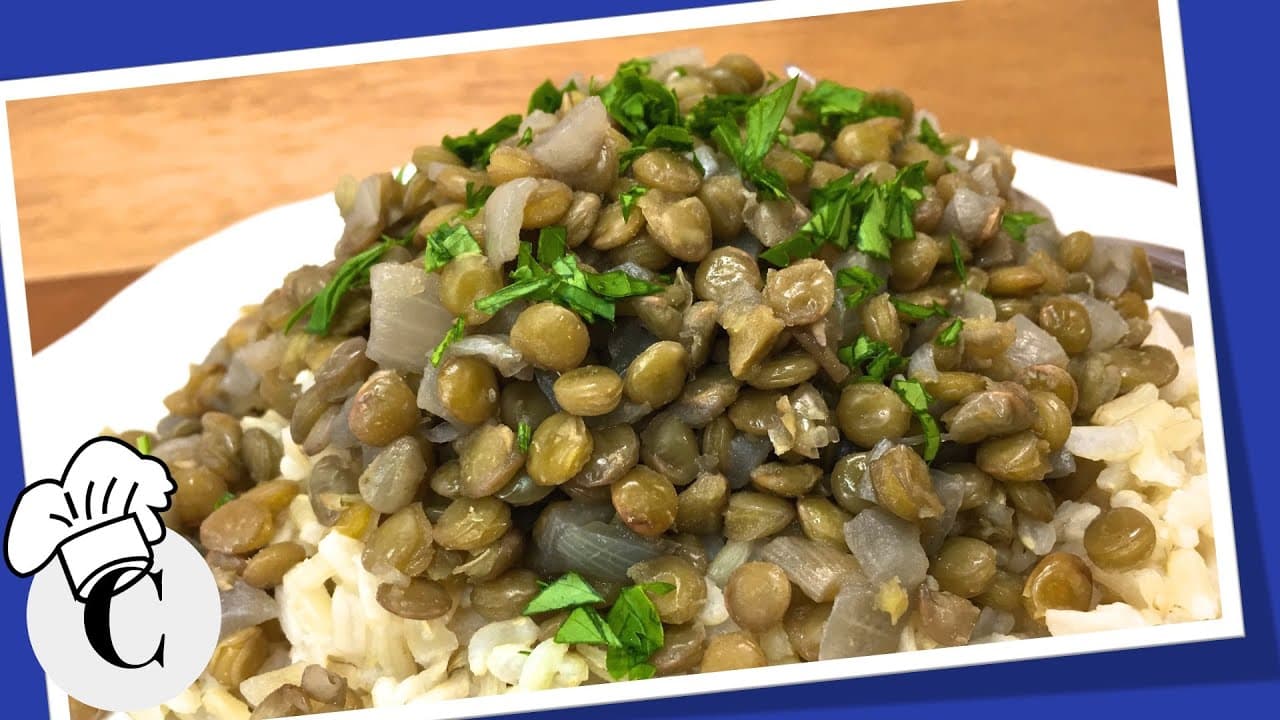
Cold quinoa is more useful than cold rice. Dress it with lemon and olive oil for a salad, stir it into soup at the last minute, or fry it hard in a pan with an egg on top. It stands in for rice, couscous, or lentils in most bowl recipes, which is the argument for cooking a batch on Sunday and forgetting about it.