State fair lemonade tastes different from the stuff you make by stirring sugar into lemon juice, and the reason isn't the ratio. It's the peel.
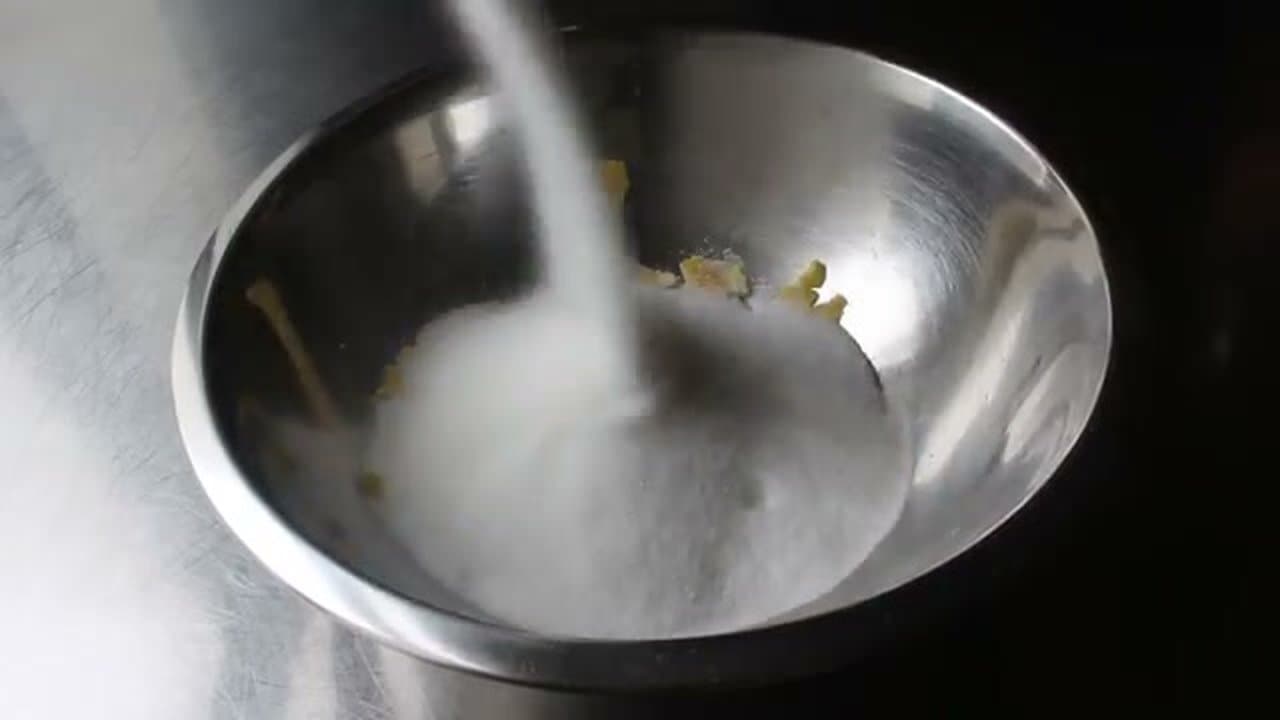
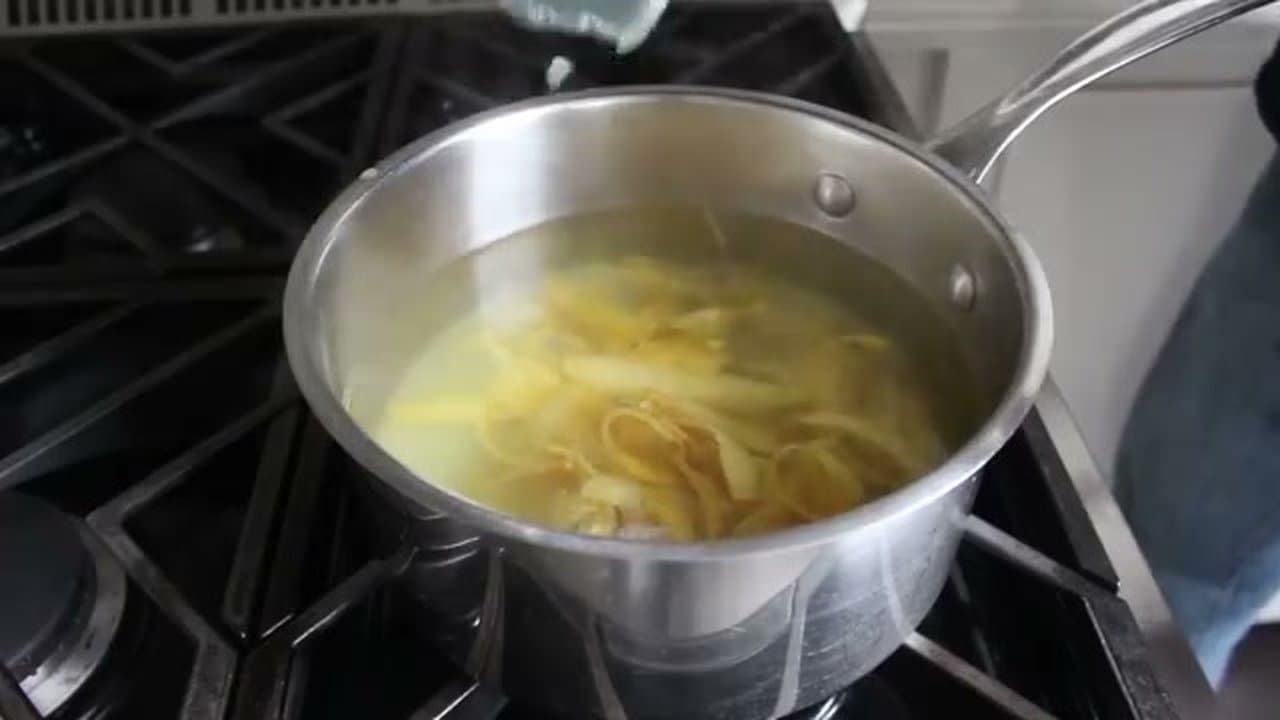
Chef John's method starts with oleo-saccharum, which is a grand name for a simple trick: strip the zest off the lemons, bury it in sugar, and walk away for a few hours. The sugar draws the aromatic oil straight out of the peel and turns into a thick, fragrant syrup before a single lemon gets squeezed. That oil is where most of what we think of as "lemon" actually lives. Juice alone is sour. Peel oil is the smell and the flavour.
Why the peel step matters
Lemon juice is mostly citric acid and water. The compounds that make something taste of lemon rather than just sour are concentrated in the yellow outer layer of the skin, and they're oil-soluble, not water-soluble. Boiling water pulls out very little of them. Sugar sitting against cut peel pulls out a lot.
That's the whole difference. Same lemons, same sugar, same water, roughly ten minutes more hands-on time, and a drink that tastes like it came from a stand instead of a pitcher.
Peeling without getting the pith
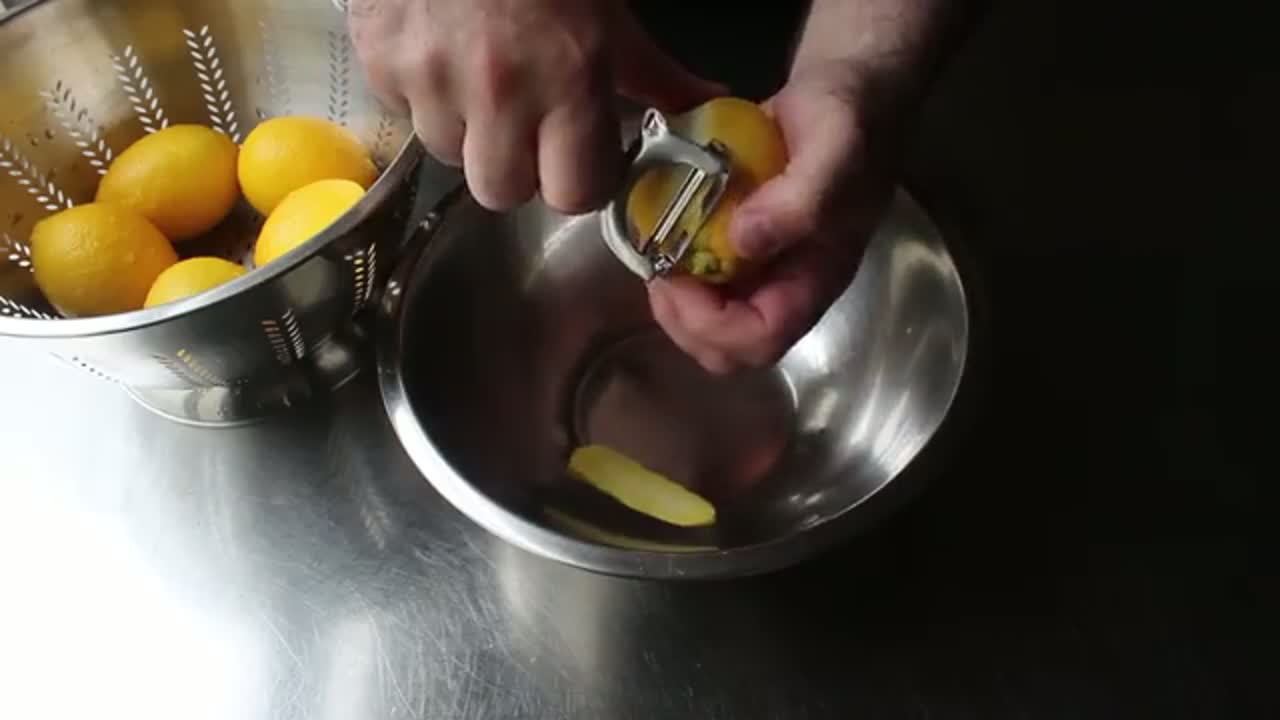
Use a vegetable peeler, not a zester or a microplane. You want wide strips of the yellow layer only. The white pith underneath is bitter and will carry that bitterness into the syrup.
Hold the lemon in one hand and take long strips down the side with light pressure. If a strip comes off looking white on the back, you're pressing too hard. A little pith on one or two pieces won't ruin anything, but a lot of it will.
How long to let it sit
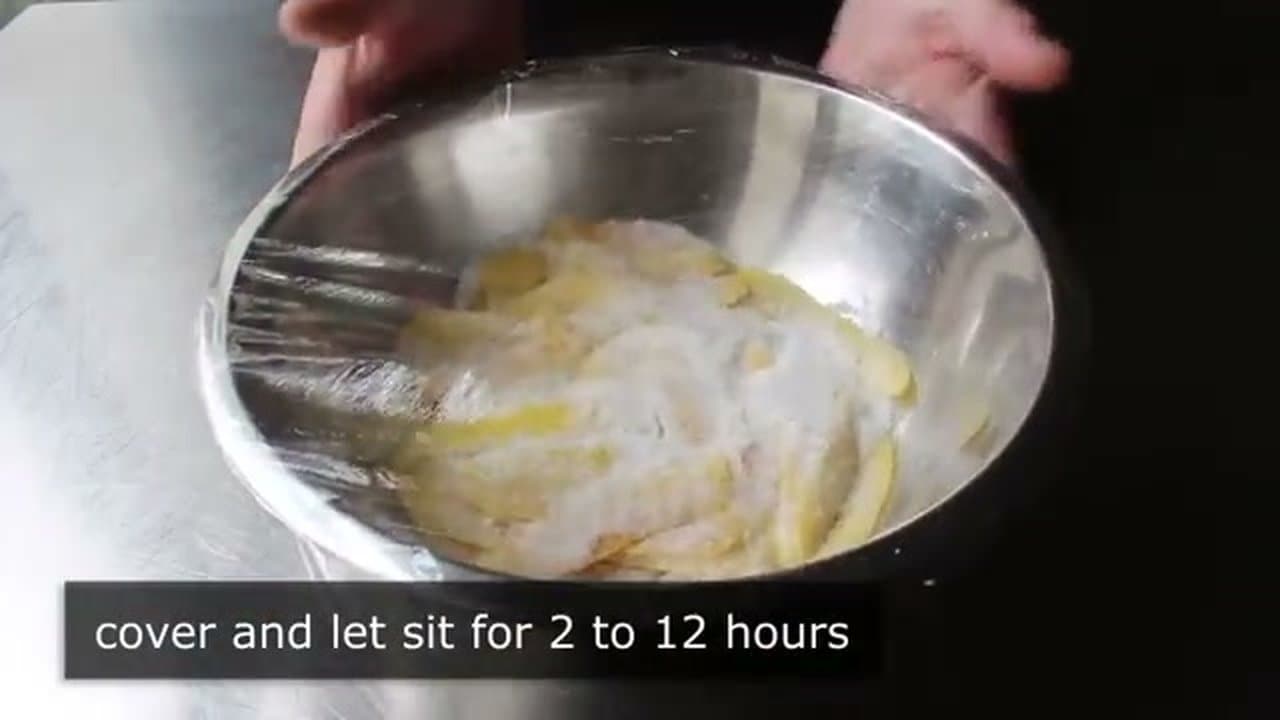
Two hours gets you most of the benefit. Overnight gets you all of it. Below about two hours the sugar hasn't drawn out enough oil to be worth the step.
You'll know it's ready when the sugar has gone from dry and white to wet, clumpy, and pale yellow, with visible liquid pooling at the bottom of the bowl. The peels will look limp and slightly translucent. Cover the bowl so the aromatics don't just evaporate into the kitchen.
Adjusting sweet and sour to taste
Lemons vary a lot. Winter lemons are sharper, summer lemons are milder, and Meyer lemons are sweeter and more floral than standard Eureka lemons. Taste the finished lemonade before you serve it rather than trusting the measurements blindly.
Too sour, stir in a little more of the syrup. Too sweet or too intense, add water rather than more juice - over-concentrated lemonade is the more common mistake. If it tastes flat rather than sweet or sour, add a small pinch of salt. It won't taste salty and it sharpens everything else.
Making it ahead and serving it
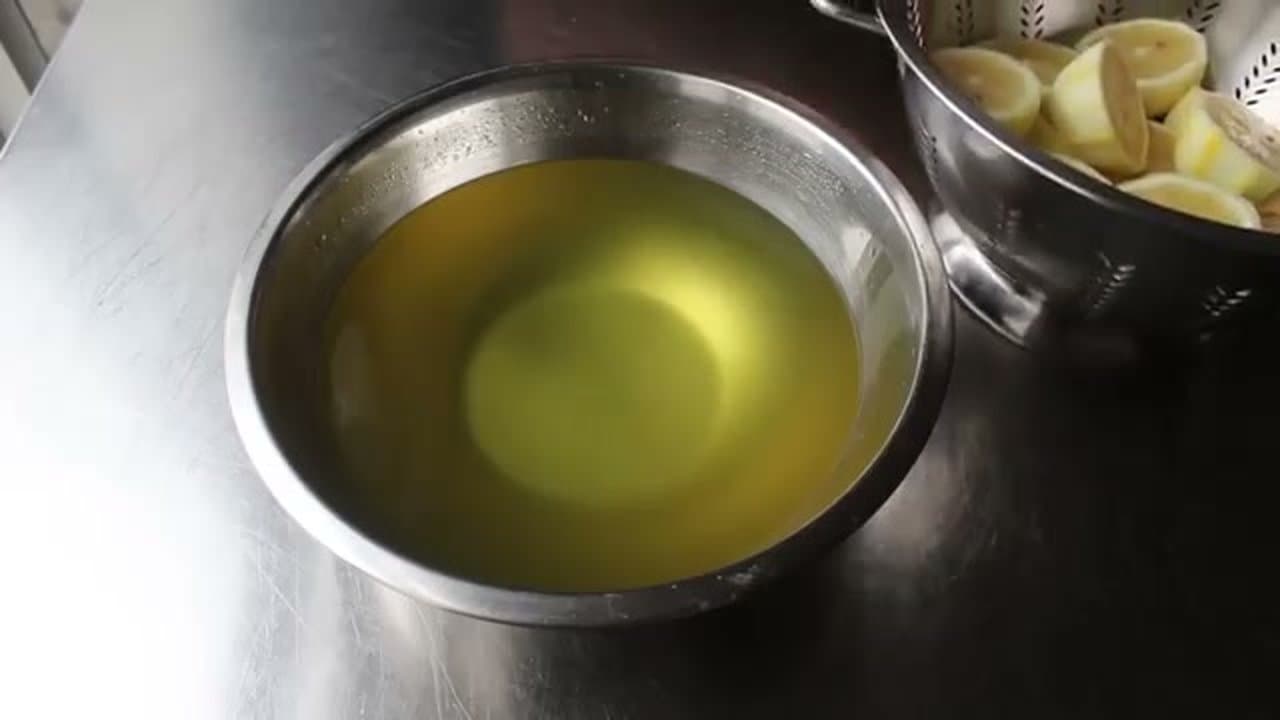
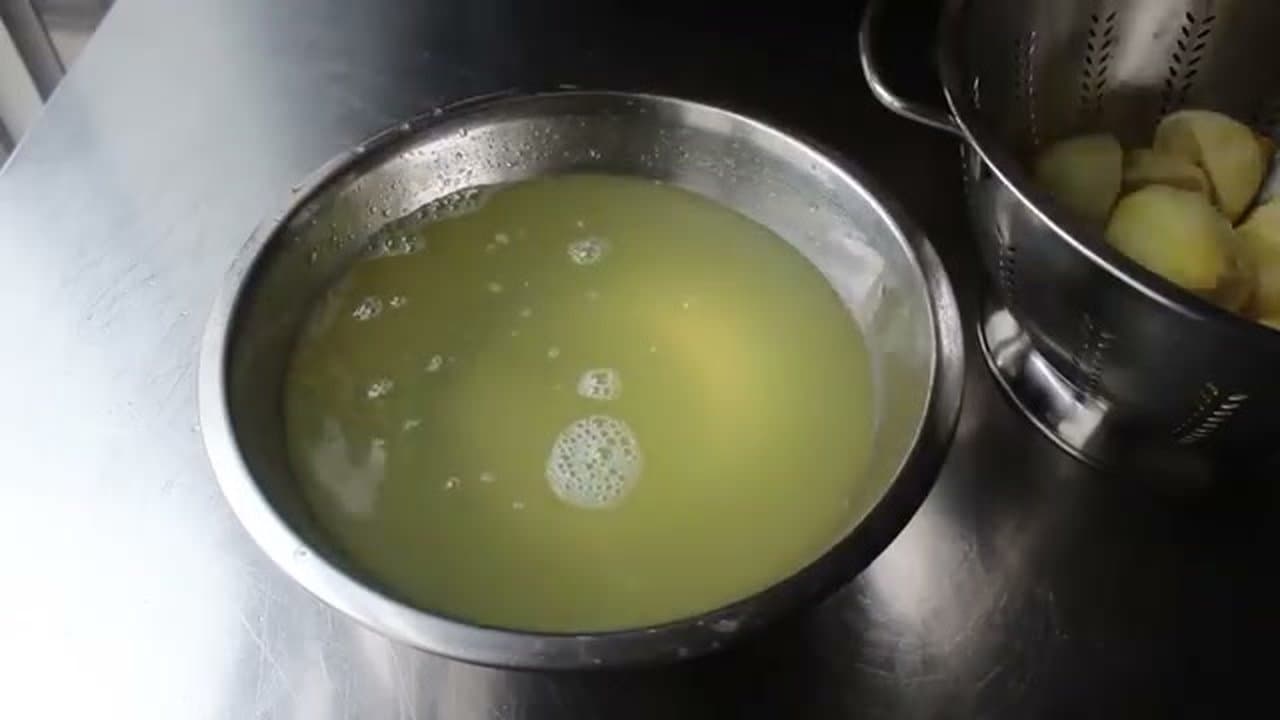
The strained syrup keeps in the fridge for about two weeks on its own, so you can do the slow part days in advance and mix a pitcher whenever you want one. Once the fresh juice goes in, drink it within about three days - juice loses its edge quickly and starts tasting dull and slightly bitter.
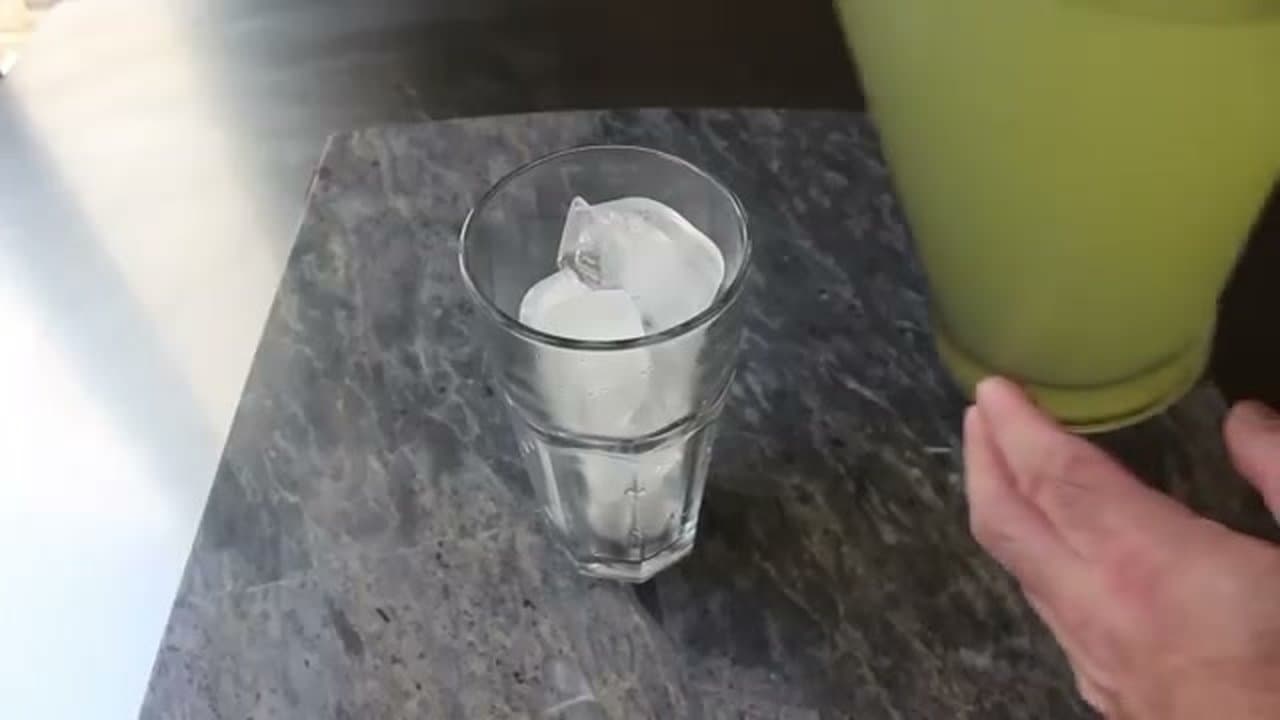
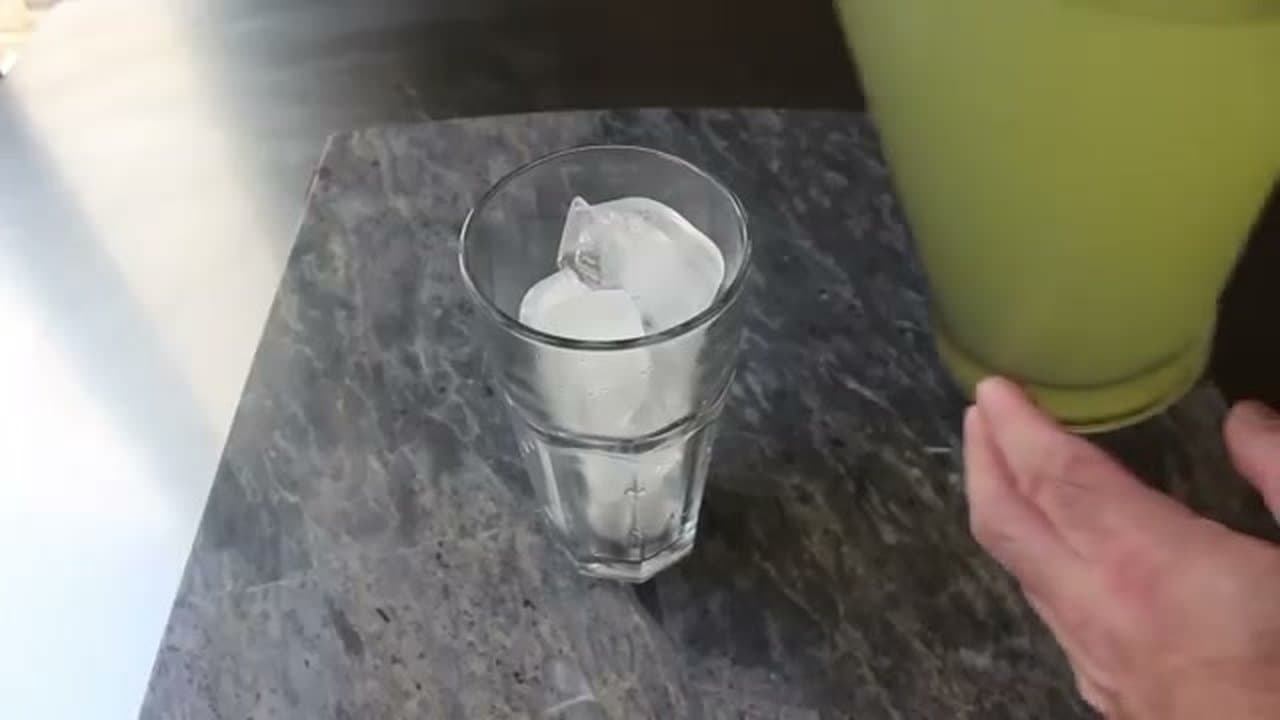
Pour over plenty of ice rather than chilling it thin with water. For a party, freeze some of the lemonade in an ice tray and use those cubes so the last glass isn't watery.
Common questions
Can I use bottled lemon juice?
For the juice, it works but tastes noticeably duller. For the peel step there's no substitute at all, and the peel step is the point of this method. Buy whole lemons.
How many lemons do I need?
Six lemons give you both the zest and roughly a cup of juice. A medium lemon yields about three tablespoons, so plan on six to eight depending on size.
Can I make it with less sugar?
You can cut the sugar in the pitcher, but don't cut the sugar in the maceration step. That sugar is doing extraction work, not just sweetening. Make the syrup as written, then use less of it in the final mix.
What's the pink version?
A splash of cranberry juice or a few muddled raspberries added at the end. Neither changes the method.