Use a Big Pot of Water
0:20
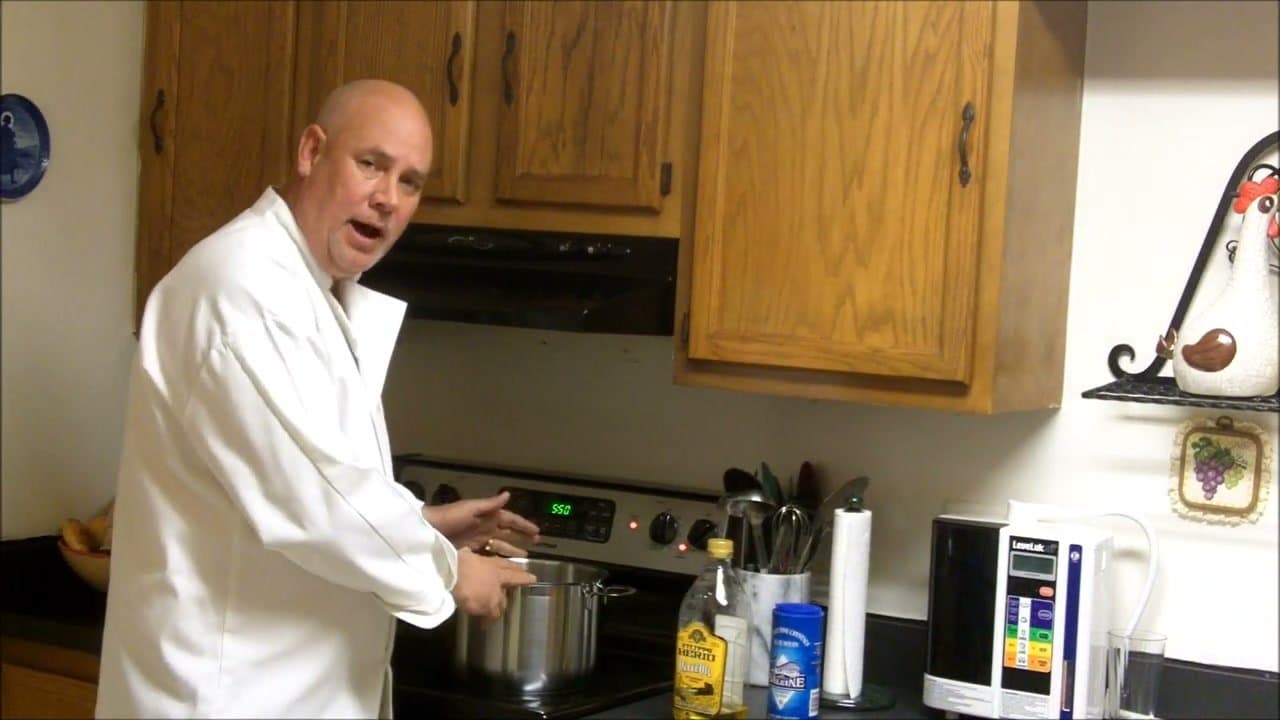
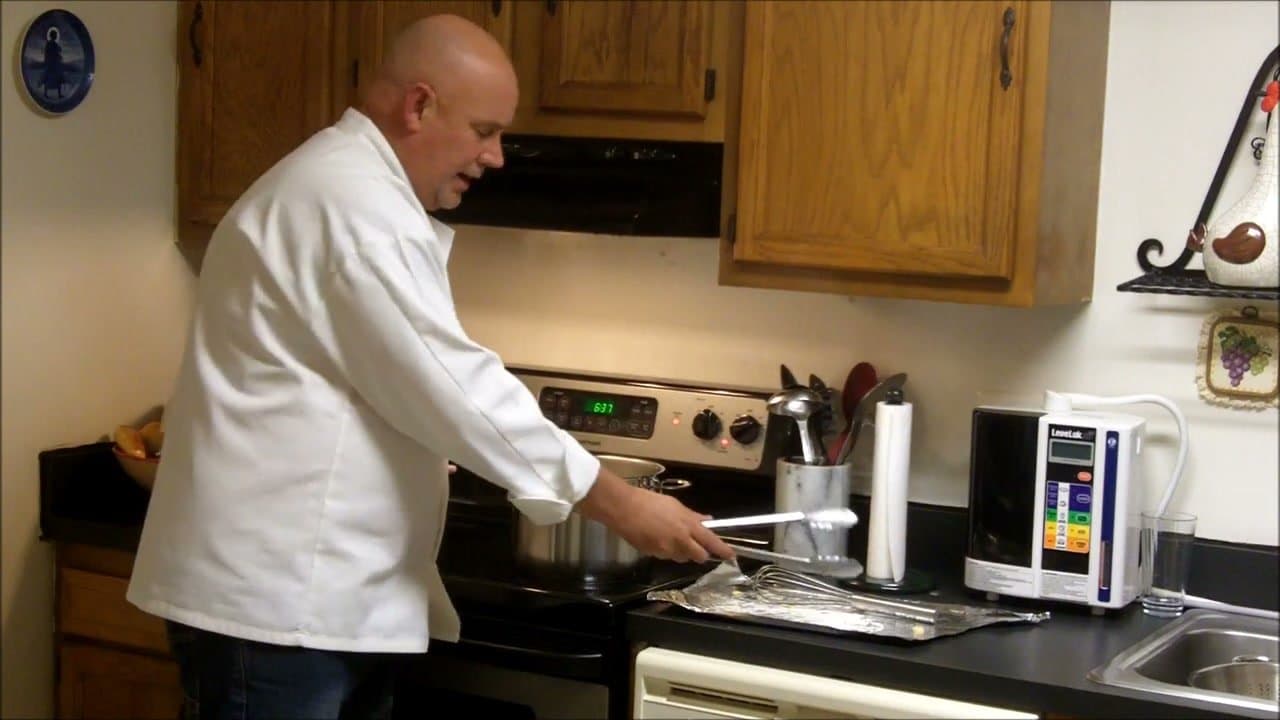
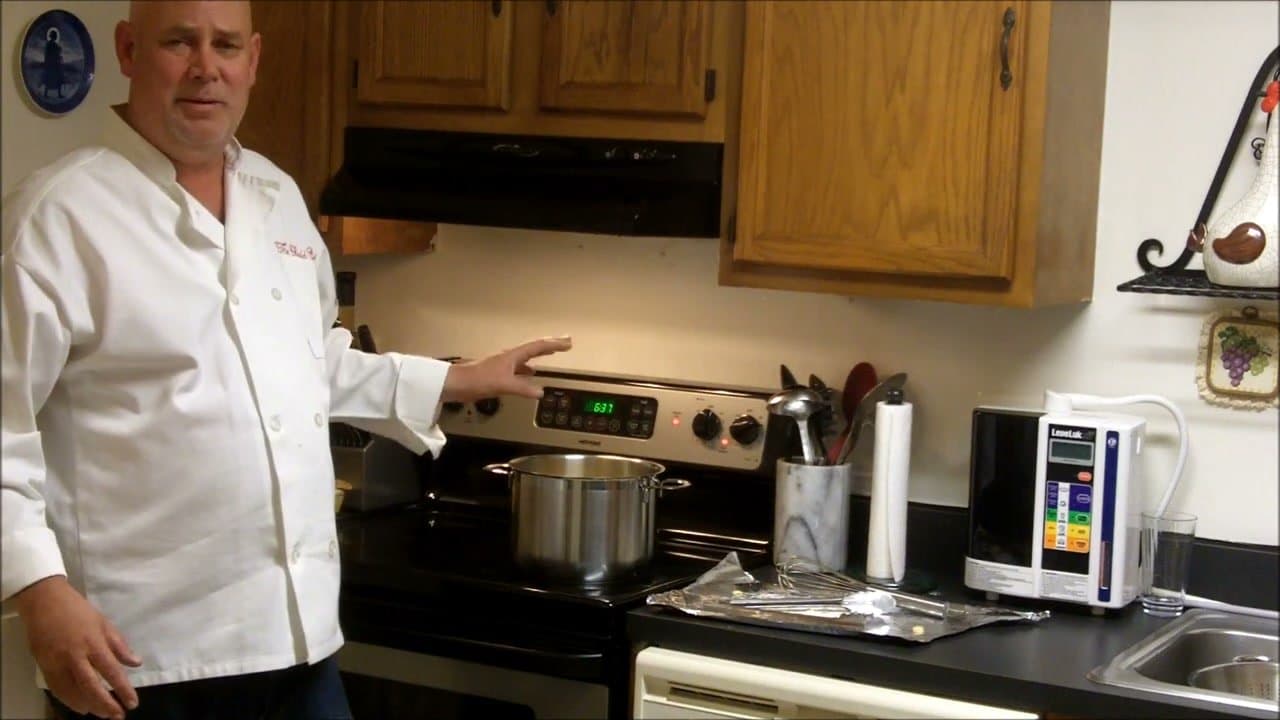
Fill an 8-quart pot about 3/4 full with hot water. Use enough water that the pasta has room to move around - if the pot is too crowded, the strands stick together as they cook and you end up with a clump.
By ShowMeStepByStepPublished Updated
Based on a video by The Bald Chef.
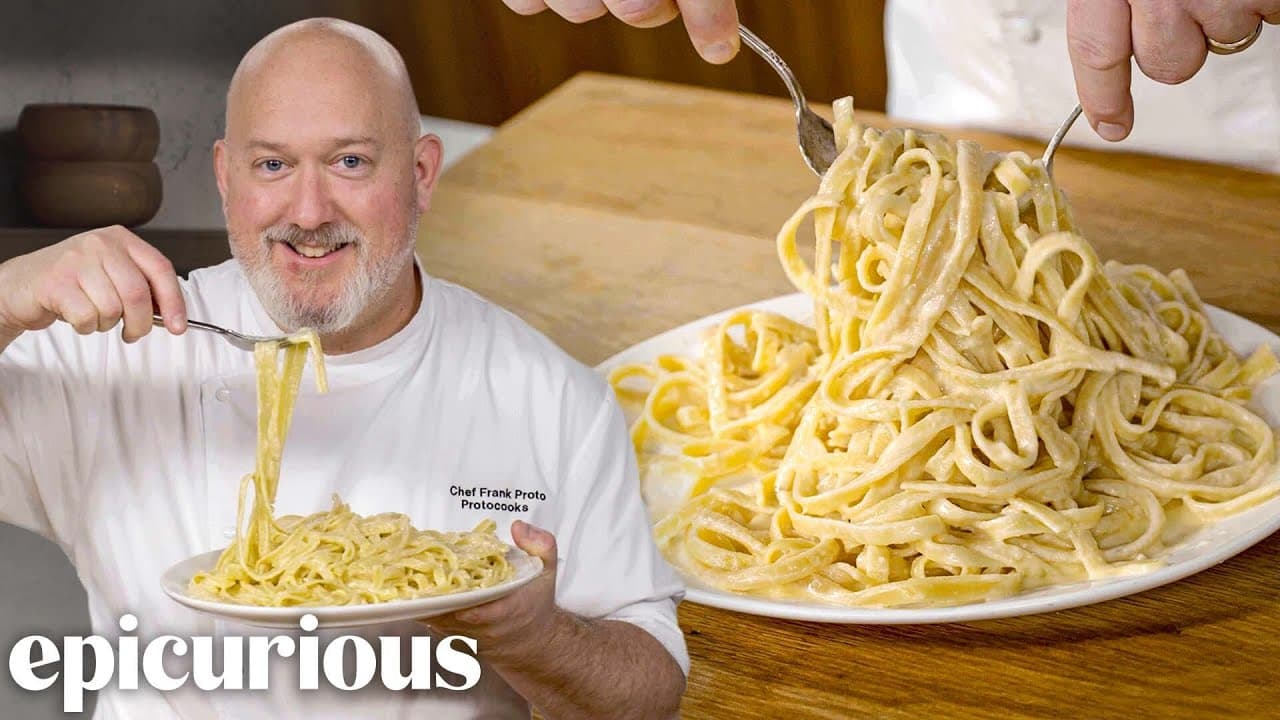
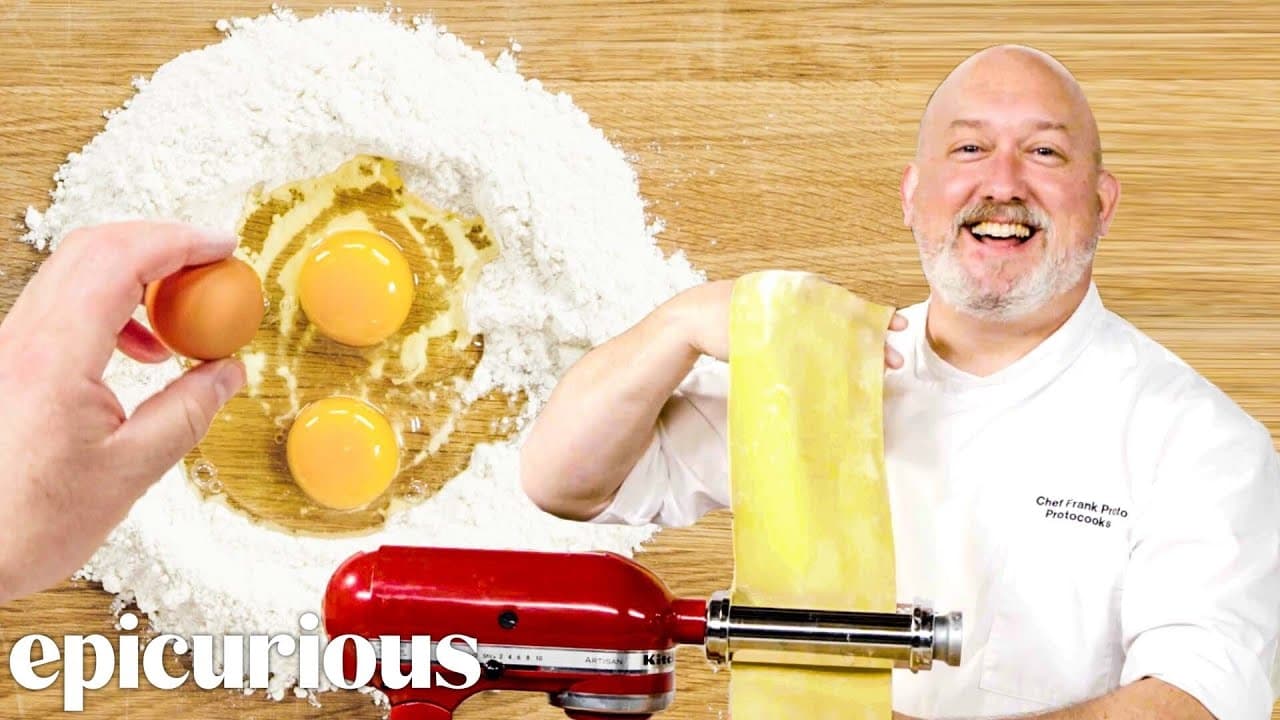
Fresh pasta cooks much faster than dried - usually under half the time. Most people overcook it because they're used to dried-pasta timing. This guide gives the timing per pasta type, plus the small steps that decide whether your pasta clumps or holds sauce.

Fill an 8-quart pot about 3/4 full with hot water. Use enough water that the pasta has room to move around - if the pot is too crowded, the strands stick together as they cook and you end up with a clump.

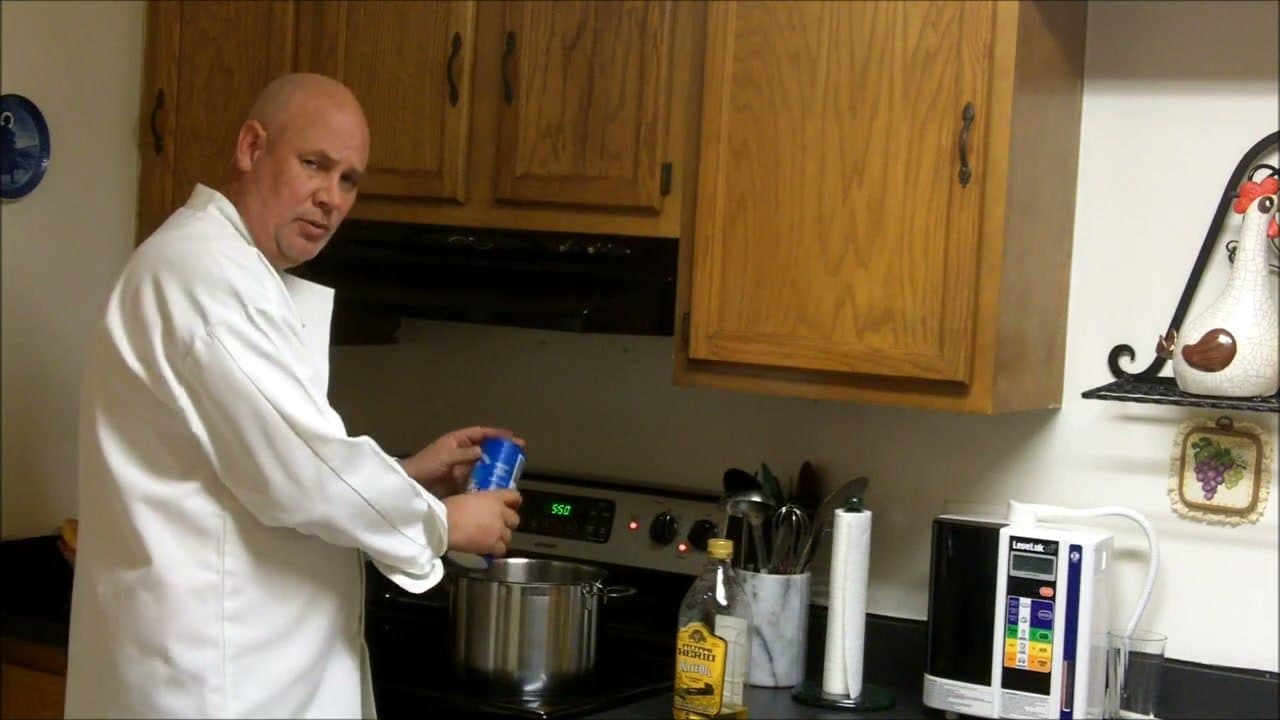
Add about 2 teaspoons of sea salt per 4 quarts of water. The salt seasons the pasta itself, not just the water. Fresh pasta is bland on its own, so this step is non-negotiable - under-salted water means under-flavored pasta no matter what sauce you add.
Tip
Italian rule of thumb: water should taste like the sea. If you can taste salt clearly, you're in the right zone.

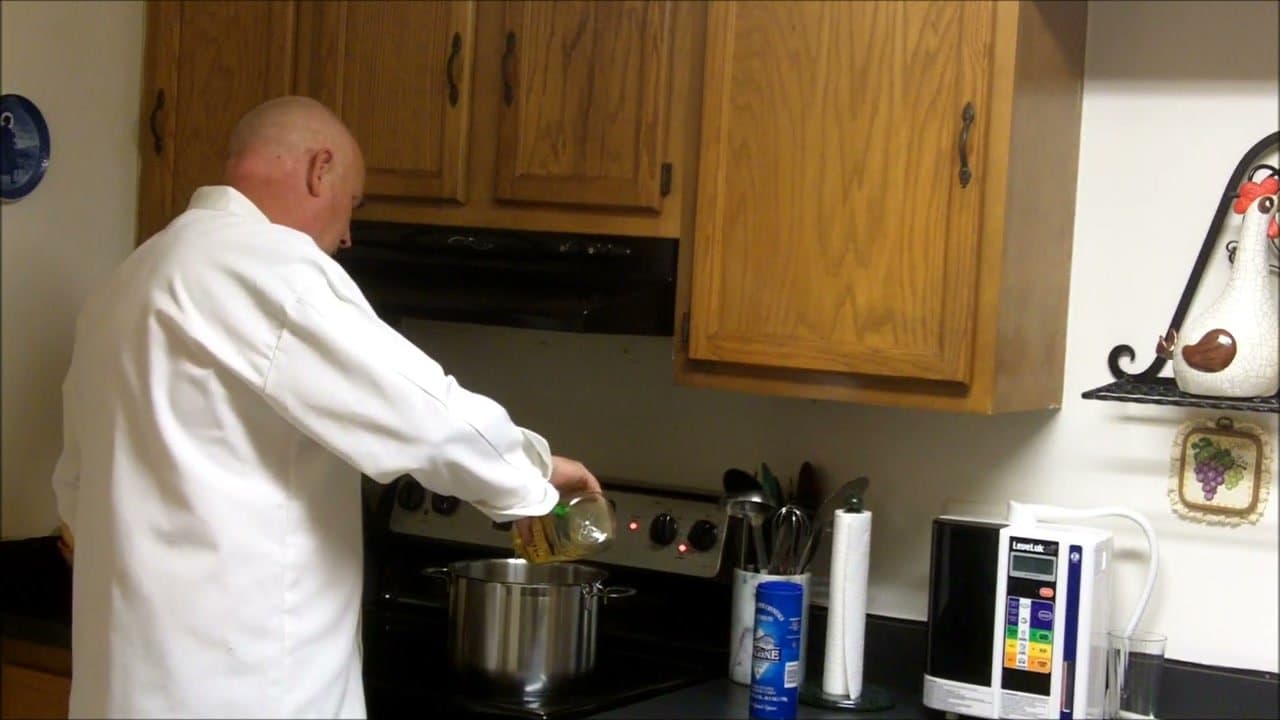
Drizzle in roughly 2 teaspoons of olive oil. The oil keeps the strands from sticking together as they cook and helps later when the pasta hits the colander. Optional, but particularly useful for fresh pasta which is starchier than dried.

Crank the heat to high and wait until the water hits a rolling boil - vigorous bubbles, not just simmering. Adding pasta to under-boiled water is the #1 cause of mushy results. Don't rush this; it takes 8 to 12 minutes on a typical stove.

Shake any excess flour off the fresh pasta, then lower it into the boiling water. Cooking time depends on shape:
Half the time of dried pasta is a useful rule of thumb when in doubt.

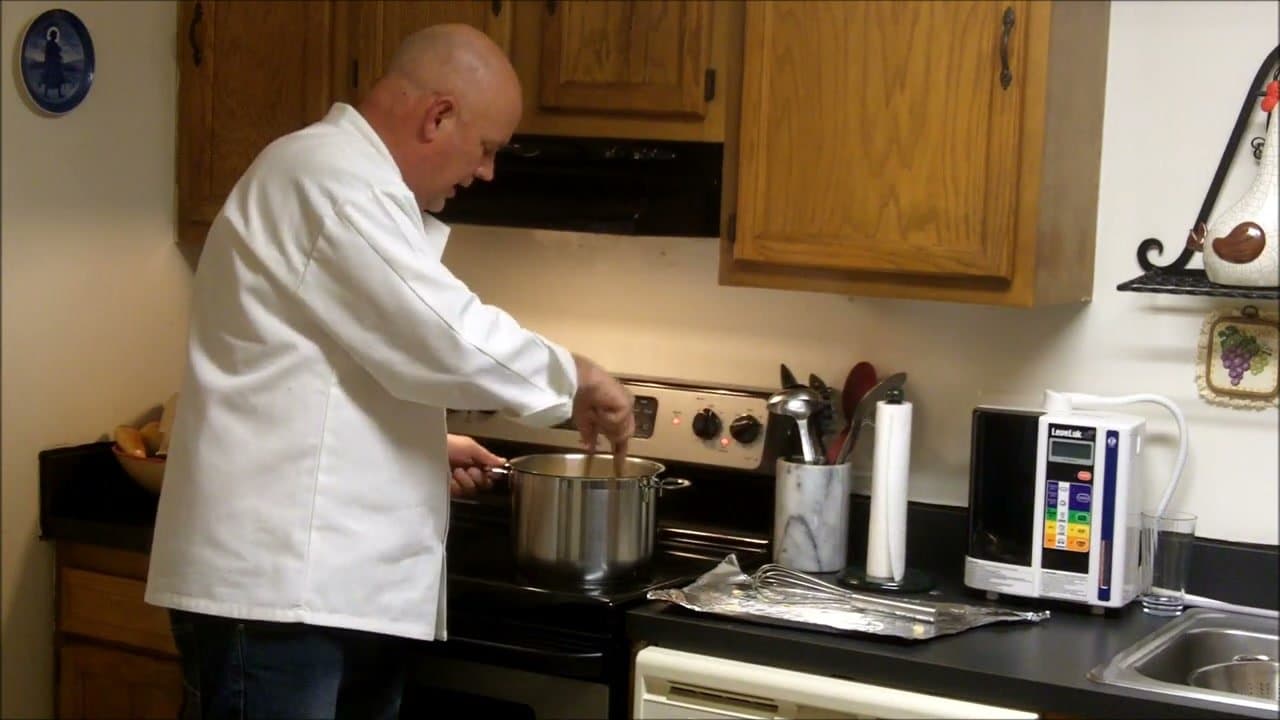
Stir with a wooden spoon every minute or so. The motion prevents clumping and helps the olive oil disperse around the strands. Don't stir aggressively - fresh pasta is delicate and will tear.

Pull a piece out 30 seconds before the timer ends and bite into it. You want al dente: tender on the outside but with a tiny bit of resistance in the very center. If it's still chalky-white in the middle, give it 30 more seconds.
Tip
Overcooking by even 60 seconds turns fresh pasta to mush. The bite test prevents this. Set a timer; don't trust the recipe times alone.

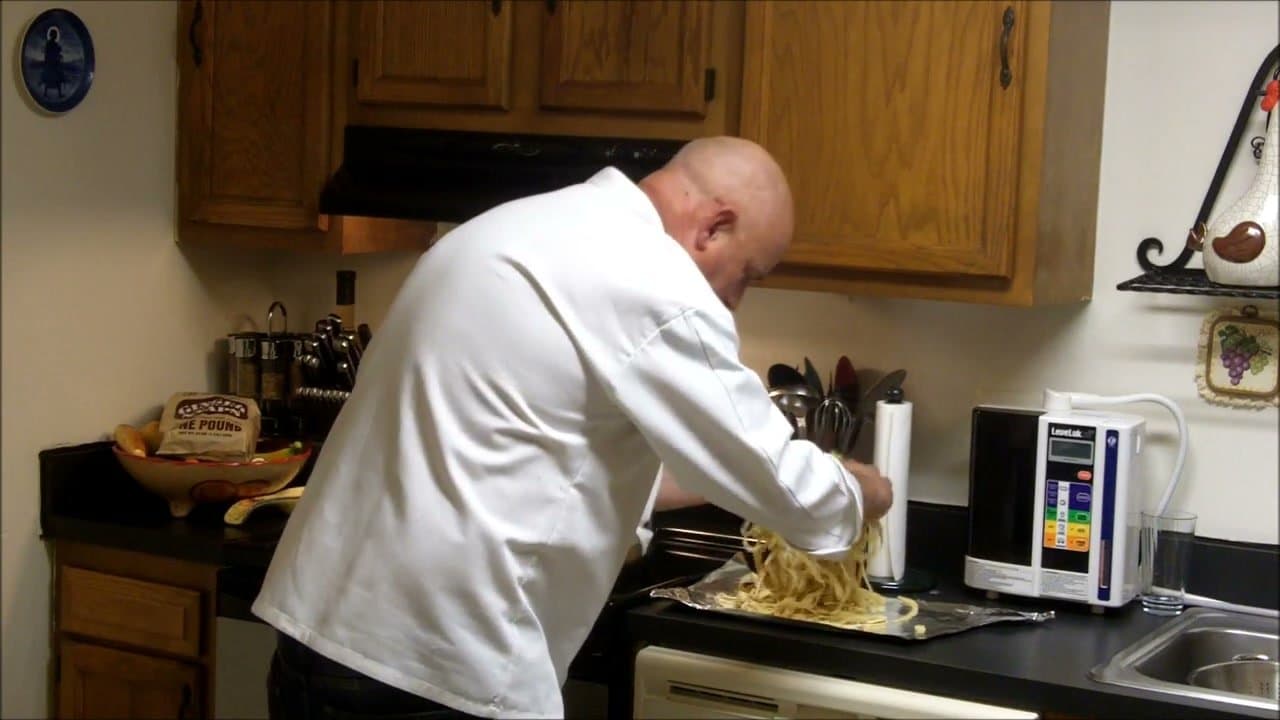
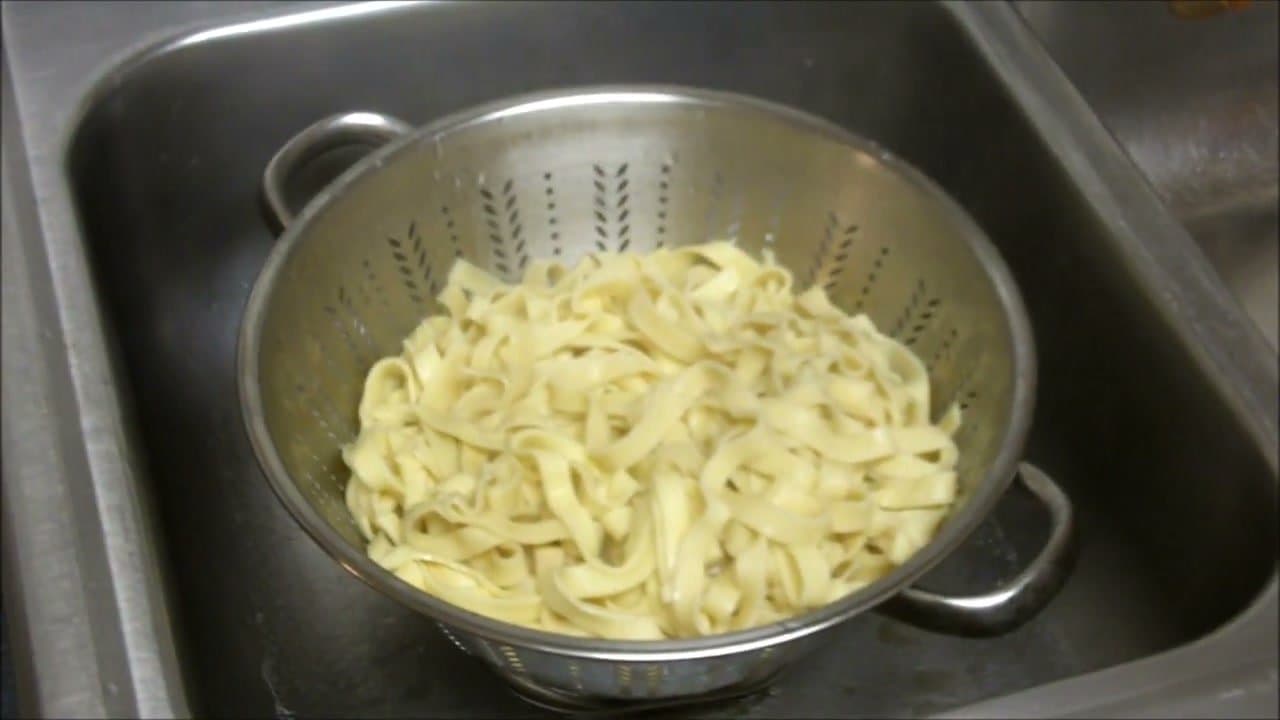
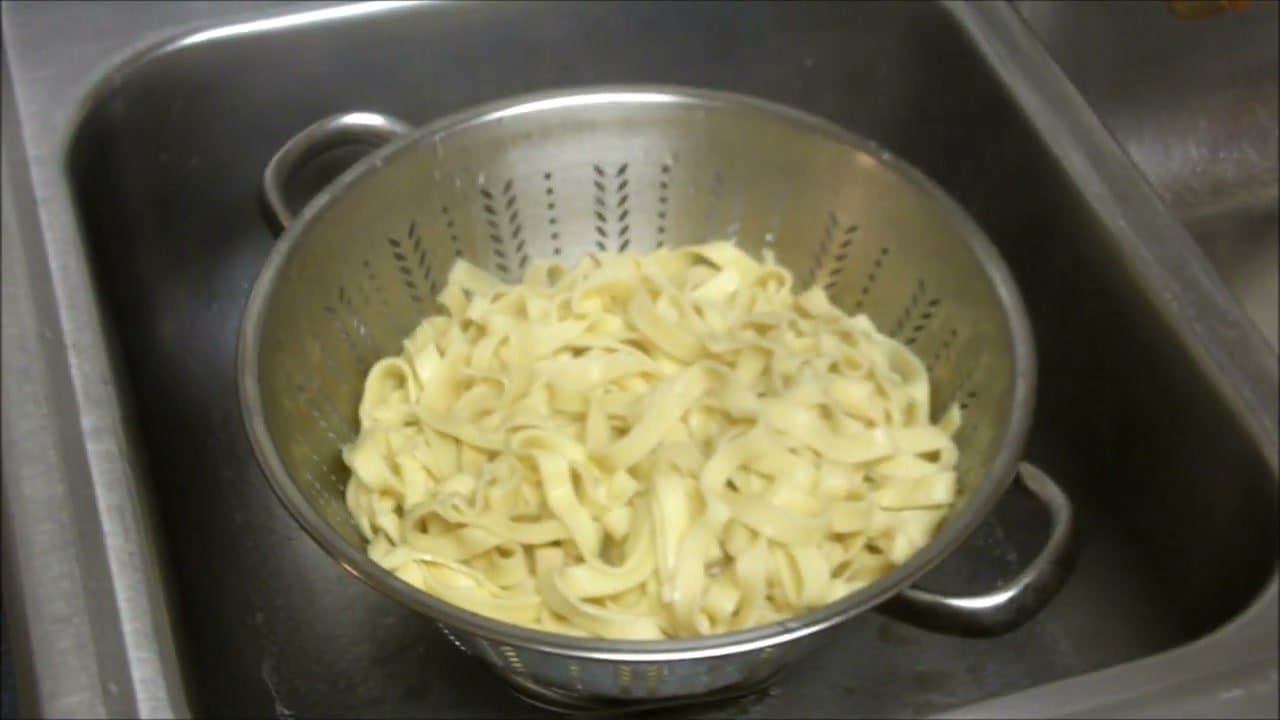
Pour the pot into a colander to drain. Do not rinse the pasta. The starch on the surface is what makes sauce cling - rinsing strips it away and your pasta tastes naked. Plate immediately and add the sauce while the pasta is still steaming so it absorbs the flavors.
Tip
Save 1/2 cup of the pasta water before you drain. The starchy water is the secret to silky restaurant-style sauces - splash some into your sauce as it tightens.
As an Amazon Associate we earn from qualifying purchases. Links on this page may be affiliate links - clicking them and buying doesn't change your price, but helps support ShowMeStepByStep.
Curated theme pages that include this tutorial.
Most-saved tutorials on Pinterest this month.


Similar tutorials to the one you just read.


A taste of what else is on the site.


Pick the categories you want to hear about. Weekly digest of new step-by-step tutorials. No spam, easy unsubscribe.
Send me tutorials about