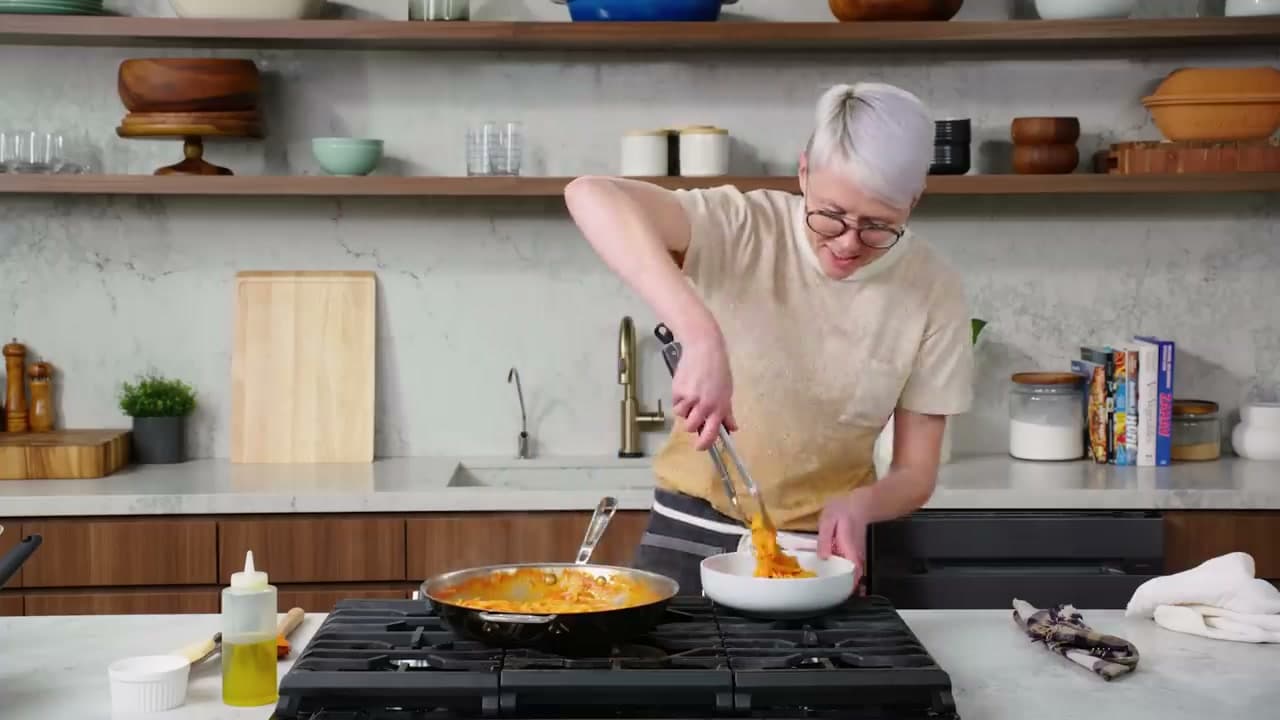
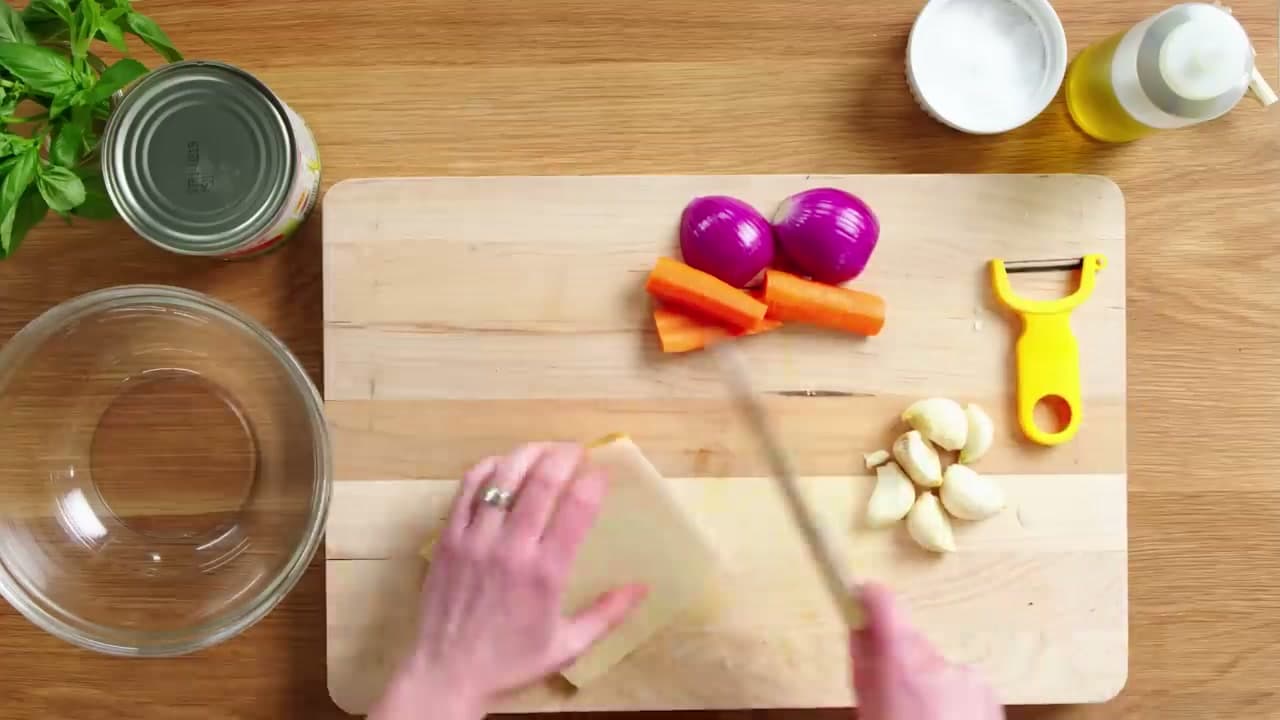
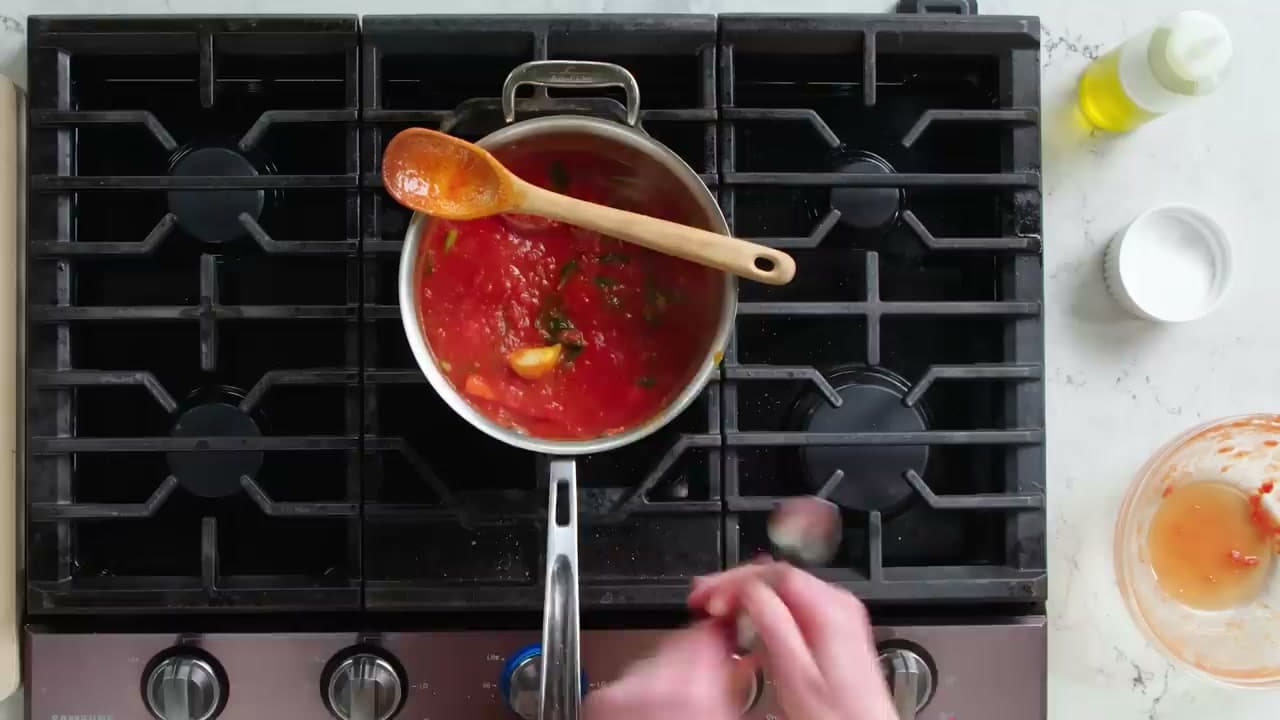
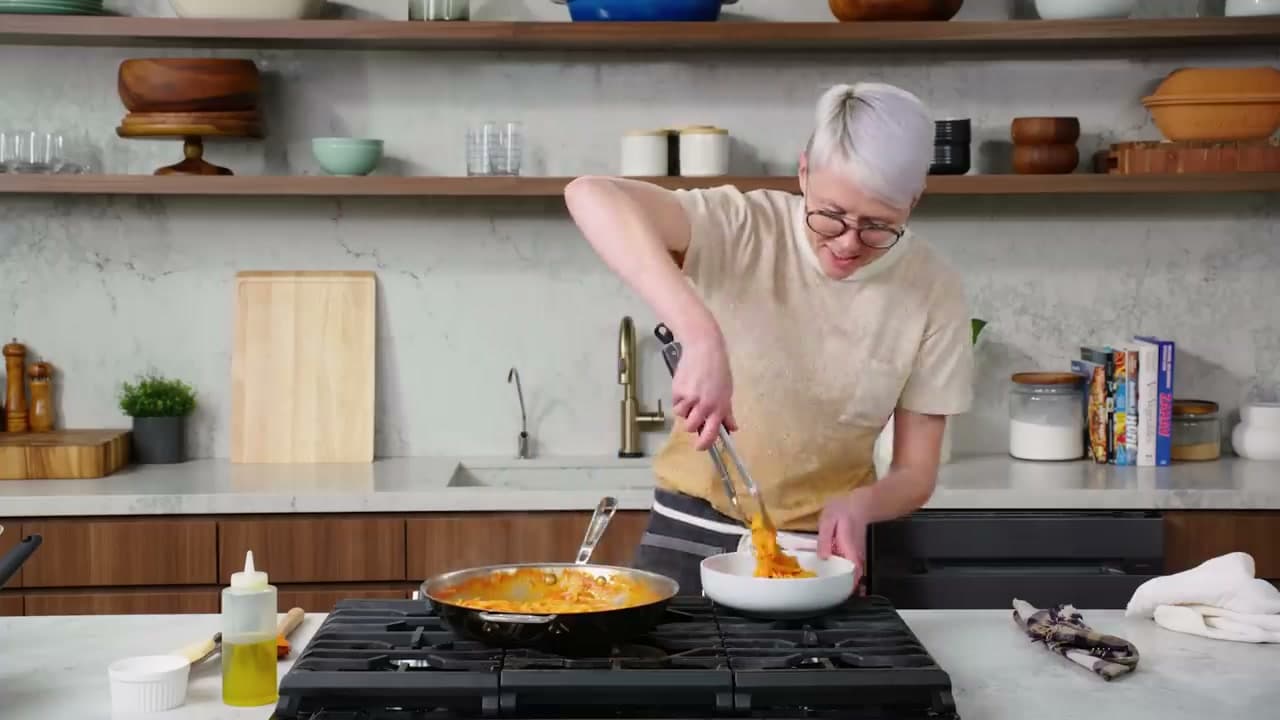
Pomodoro is the tomato sauce Italian home cooks make on a Tuesday. One 28 oz can of whole peeled tomatoes, a few cloves of garlic, half a red onion, a carrot, a parmesan rind, olive oil, basil, salt. Nothing gets chopped small. You crush the tomatoes with your hand, let it all simmer for half an hour, then pull the big pieces back out. What is left is bright, a little sweet, and tastes like tomato, not like a jar.
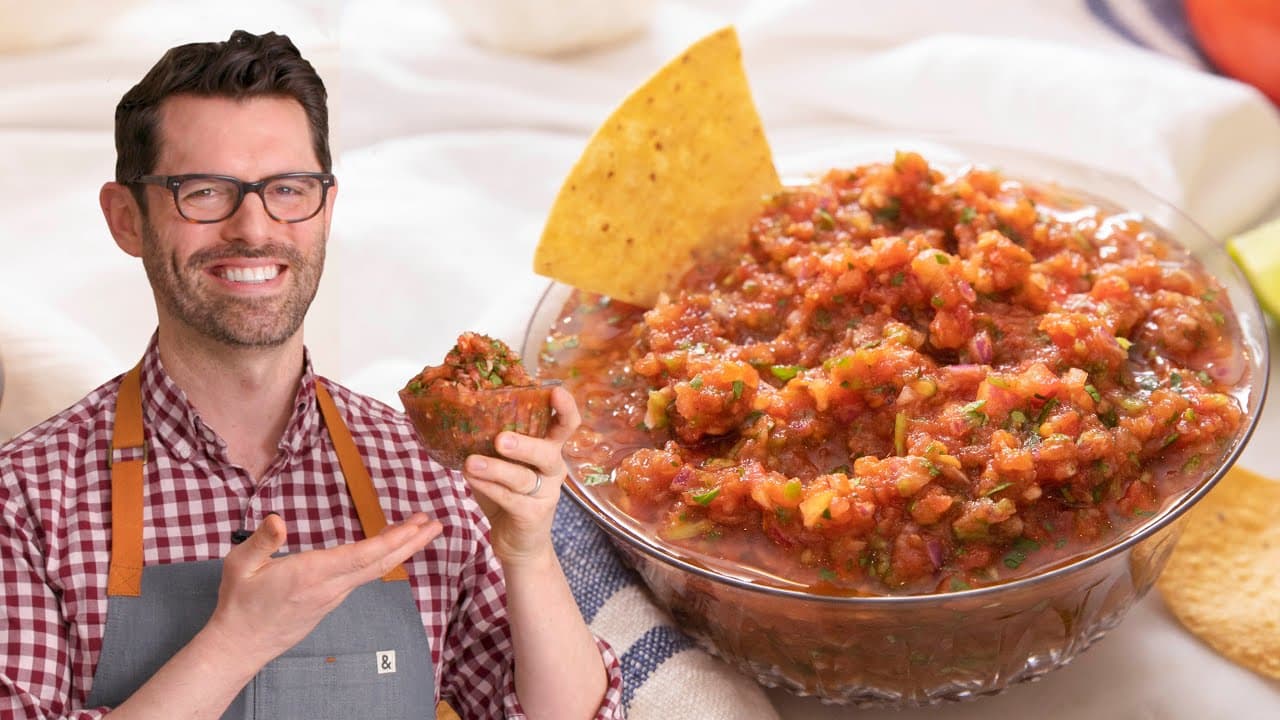
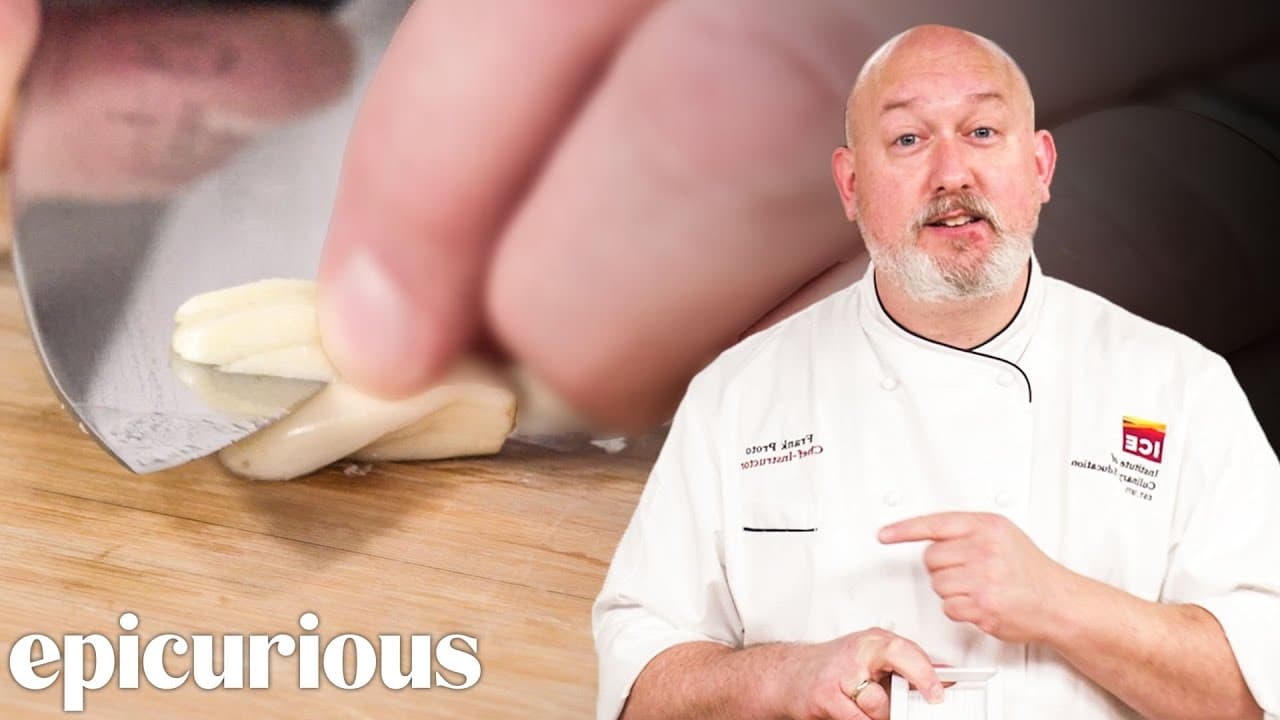
The method follows the Epicurious 101 demo, where a chef makes the sauce start to finish in one saucepan. It is a technique more than a recipe. Make it twice and you will stop measuring.
Which tomatoes: canned beats fresh almost every time
Use whole peeled tomatoes, not diced and not pre-crushed. Diced tomatoes are packed with calcium chloride to hold their shape, and it keeps them from breaking down in the pan no matter how long you cook them. Whole tomatoes collapse the way you want, and hand-crushing gives you a texture a blender never will.
San Marzano is the classic choice because the flesh is dense and the seeds are few, so there is less water to cook off. Look for the DOP seal for the real ones, but any plum tomato packed whole in juice (not puree) makes a good sauce. Fresh only wins in late summer with dead-ripe plum tomatoes from a garden or farm stand. Winter supermarket tomatoes make a pale, sour sauce.
Garlic, onion, and basil: whole pieces, not a chop
This is where Pomodoro parts ways with marinara. The garlic cloves go in smashed and whole so they perfume the olive oil without scorching the way minced garlic does. The onion goes in as a peeled half and the carrot goes in whole. Both give up their sweetness over the simmer and then come back out with tongs, so the finished sauce has a sweet backbone and no bits of onion in it.
Red onion carries more sugar than yellow, which matters in a sauce with no added sweetener. The parmesan rind is the ingredient people skip and should not. It softens, gives up salt and a nutty depth, and the soft part is good to eat. Basil goes in torn at the start so the leaves cook into the sauce.
How long to simmer, and how to tell it is done
Thirty minutes at a lazy bubble is the target. A hard boil breaks the tomato down too fast and splatters the stove. If you see more than a bubble or two a second, drop the heat.
Judge thickness with a wooden spoon. Drag it across the bottom of the pan. If the sauce closes over the trail right away, it needs more time. If the trail holds for a second before filling in, you are there. The carrot is the other clock: when a fork slides through it, the aromatics are done. Gone pasty? A splash of pasta water loosens it right back.
Too sharp? How to fix acidity
Taste before you fix anything. The carrot and red onion are already doing the work a pinch of sugar would do, and most cans of good tomatoes need nothing beyond salt. Under-salted sauce reads as sour, so salt first, taste again, and only then decide.
If it still bites, a pinch of sugar is the honest fix and nobody will judge you. A last glug of olive oil rounds the edges too, and so does a spoonful of butter. Skip the baking soda trick unless you are desperate. It flattens the flavor along with the acid.
Make a double batch, then put it on everything
Two cans fit in the same saucepan and take the same half hour. Cool it, then freeze flat in quart bags or in jars with an inch of headroom. It keeps three months in the freezer and five days in the fridge. Thaw it in the pan with a splash of water.
Left chunky, it is the sauce for a bowl of spaghetti or a sheet of fresh pasta. Blended smooth, it doubles as a dipping sauce for mozzarella sticks. Chop the onion and garlic fine, add oregano, and you are most of the way to a marinara. Pizza wants a thicker sauce, so start with the pizza sauce page instead.