A front brake job at a shop runs $400 to $700 per axle. The job itself is about three hours of work, mostly bolts on and bolts off. If you have a wrench, a torque wrench, and a Saturday, you can do it yourself and pocket the labor.
Safety first. Chock the rear wheels. Loosen the lug nuts on the ground BEFORE you lift. Use a real floor jack on the manufacturer's lift point, then drop the car onto jack stands - never crawl under a car held up by a jack alone. Skip these steps and a tipped car will kill you faster than worn pads will. There is no shortcut worth that.
Before you start, make sure new pads are actually what you need. If you have not measured your pad thickness yet, do that first - check out how to check brake pads for the 5-minute inspection. Anything 4mm and up still has life. Below 3mm, you are in the replacement zone and this walkthrough is for you.
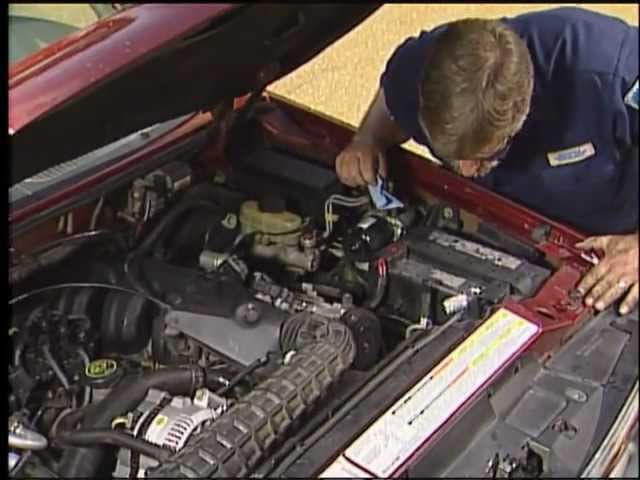
What you will do. Pull the old pads, unbolt the caliper bracket, swap the rotor for a fresh one, compress the caliper pistons so the new (thicker) pads fit, grease the contact points and guide pins, install the new pads, and torque everything back to spec. The whole process from this ChrisFix walkthrough - on a 2001 Ford Ranger but the same on most cars with disc brakes - takes about 45 minutes per wheel once you get the rhythm.
Torque values to remember. Caliper bracket bolts: 85 ft-lb on most front axles. Caliper guide pin bolts: 20-25 ft-lb (always check the spec for your vehicle in the service manual). Lug nuts when the wheels go back on: usually 80-100 ft-lb in a star pattern.
While you are under there, this is also a good time to think about how to rotate tires (do it on the same lift), replace a tired car battery, or swap the cabin air filter. Knock out the whole car care list in one afternoon.