A dead battery is not a hard problem. It is a nervous one. The cables go on in a set order, and the final clamp does not go on the battery at all - that is the part people get wrong, and it is why this gets searched as the correct way to jump a car, not just how.
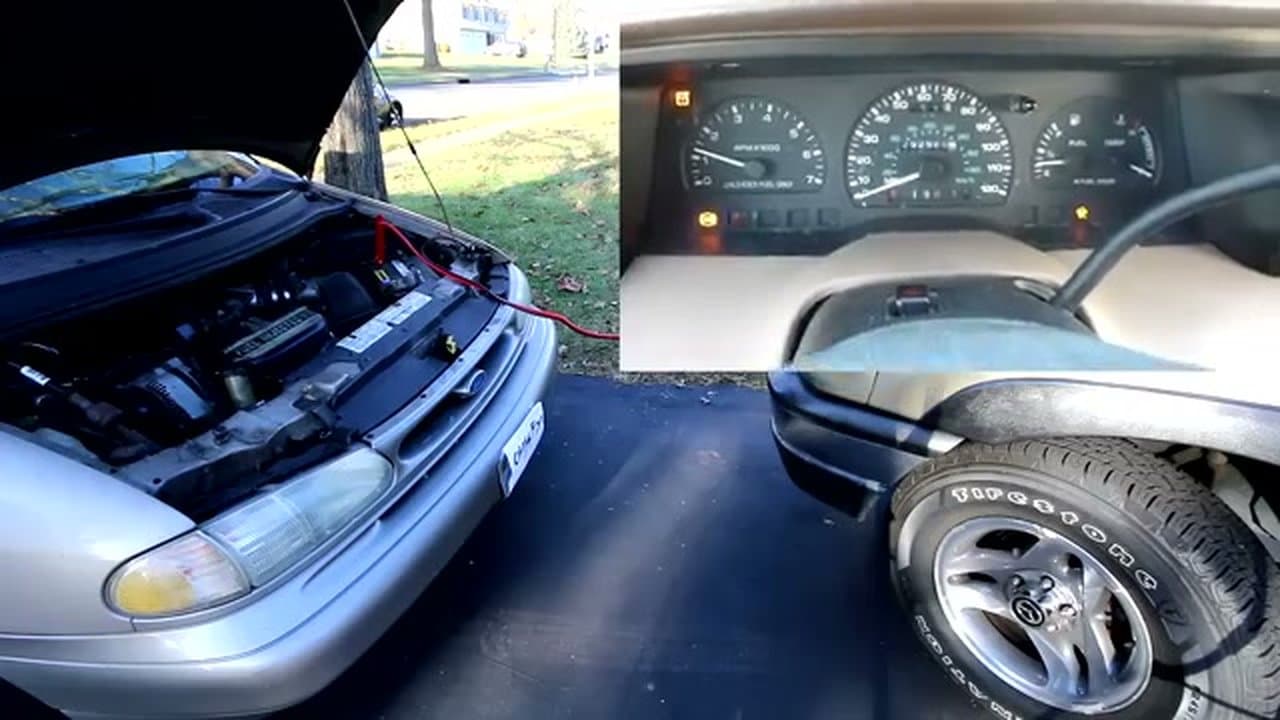
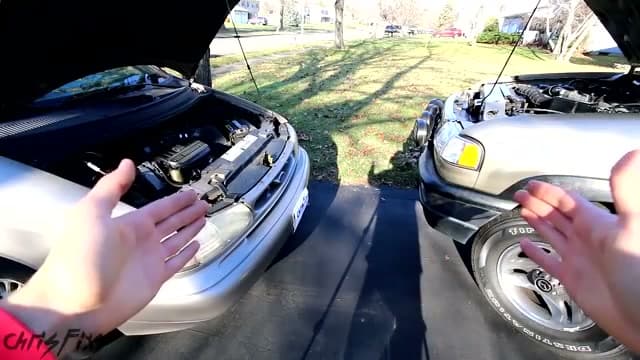
ChrisFix works the whole job in the video, and the steps below follow his order. This part covers what sits around the clamps: what to check first, why the last black clamp lands on bare metal, and what it means when the car still will not start.
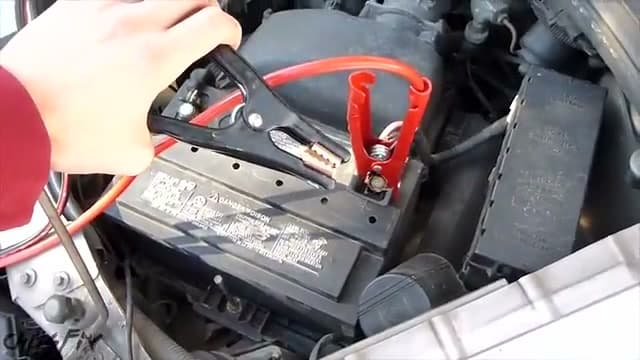
The cable order, and why the last clamp matters most
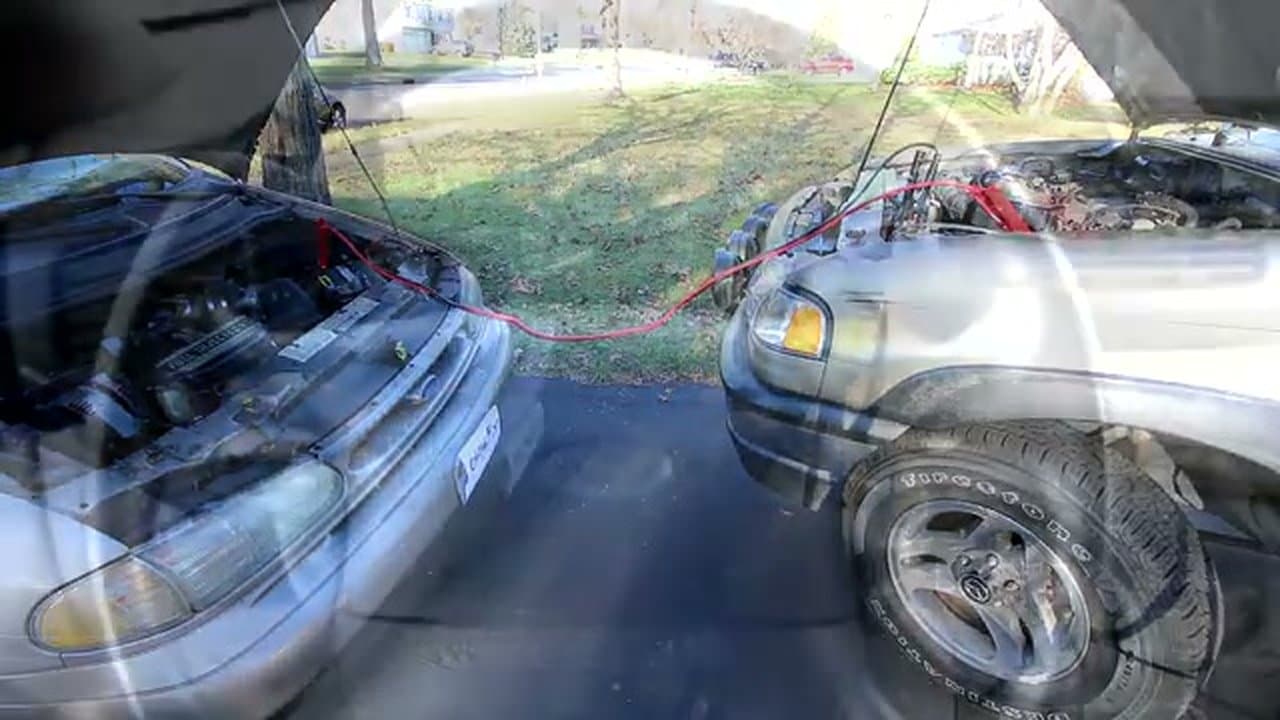
Four connections, in this order:
- Red clamp on the dead battery's positive terminal
- Red clamp on the good battery's positive terminal
- Black clamp on the good battery's negative terminal
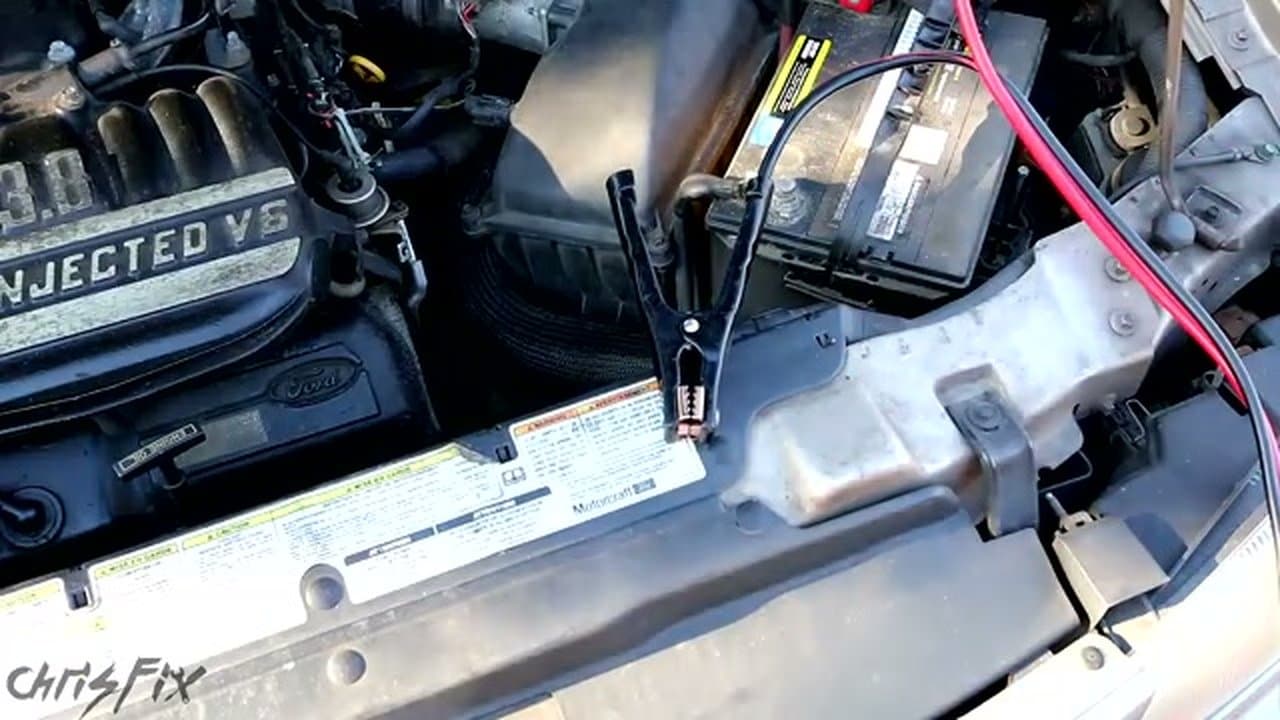
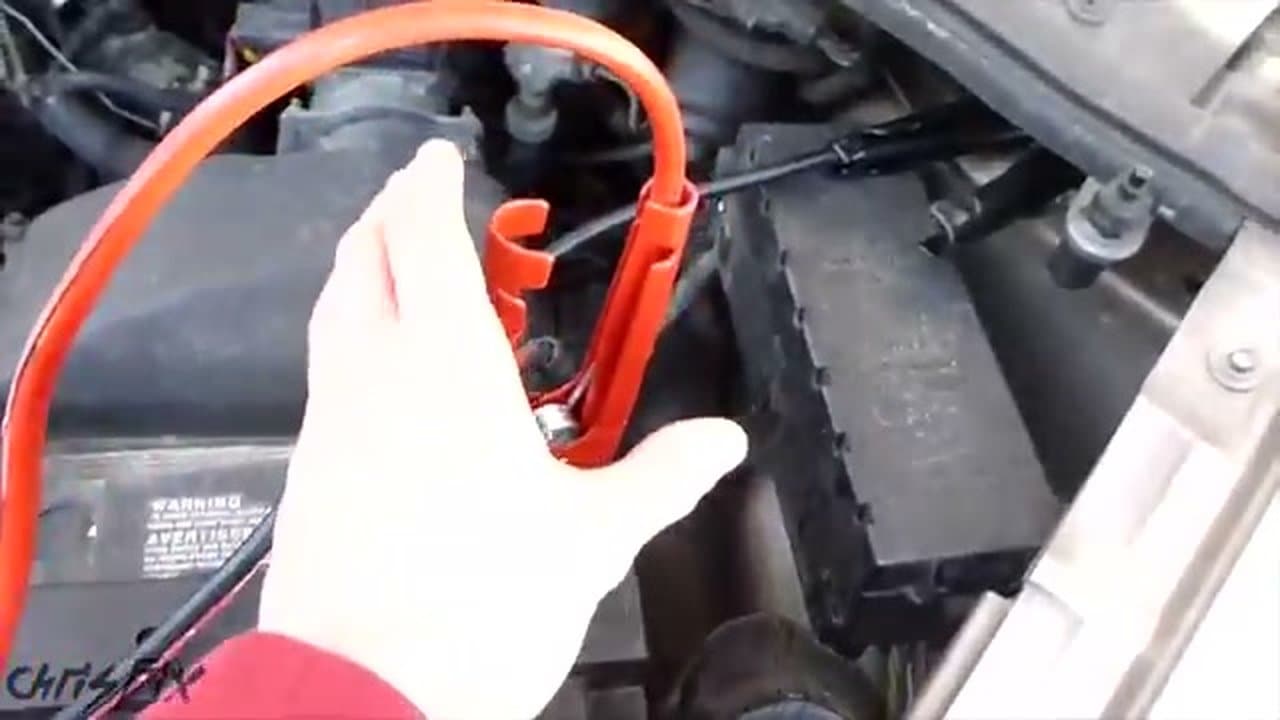
- Black clamp on bare metal on the dead car, never on its negative terminal
A lead-acid battery vents hydrogen, and the gas pools around the caps on top of the case. Every clamp can throw a spark, and the last one carries the most current, so it sparks hardest. Put it on an engine mount bolt or a thick unpainted bracket a foot away, and the spark lands harmlessly.
Check the battery before you connect anything
Thirty seconds of looking saves a wasted jump.
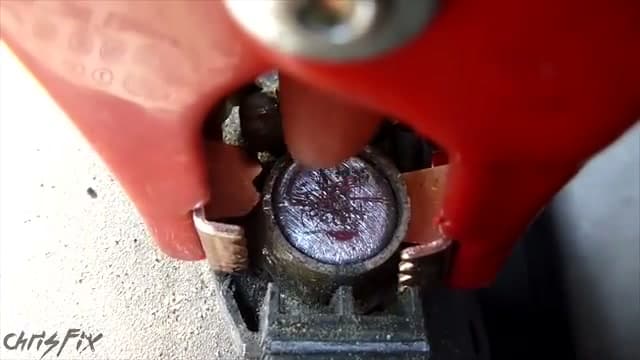
- White or blue crust on a terminal is corrosion, and current fights through it. Scrub it off with a wire brush. Twist each clamp by hand too - one that moves behaves like a dead battery.
- Cracked case, swollen sides or a rotten-egg smell: stop. That battery is venting acid and needs replacing, not charging.
- In hard cold a flat battery can freeze. If the sides bow outward, let it thaw somewhere warm. Current into frozen electrolyte can split the case.
Why it still will not start after a good jump
What happens next tells you where the fault really sits.
- One loud clunk, then nothing: the starter or its solenoid, not the battery.
- Dash lights bright, no crank: check the ground clamp, then the shifter and ignition.
- Runs, then dies as you pull the cables: the alternator. The battery was the symptom.
- Starts fine, dead by morning: a shorted cell, or something draining it while parked.
A longer jump fixes none of those. Most auto parts stores test a battery, alternator and starter for free, so drive there while the car is still running.
How long to drive it afterwards
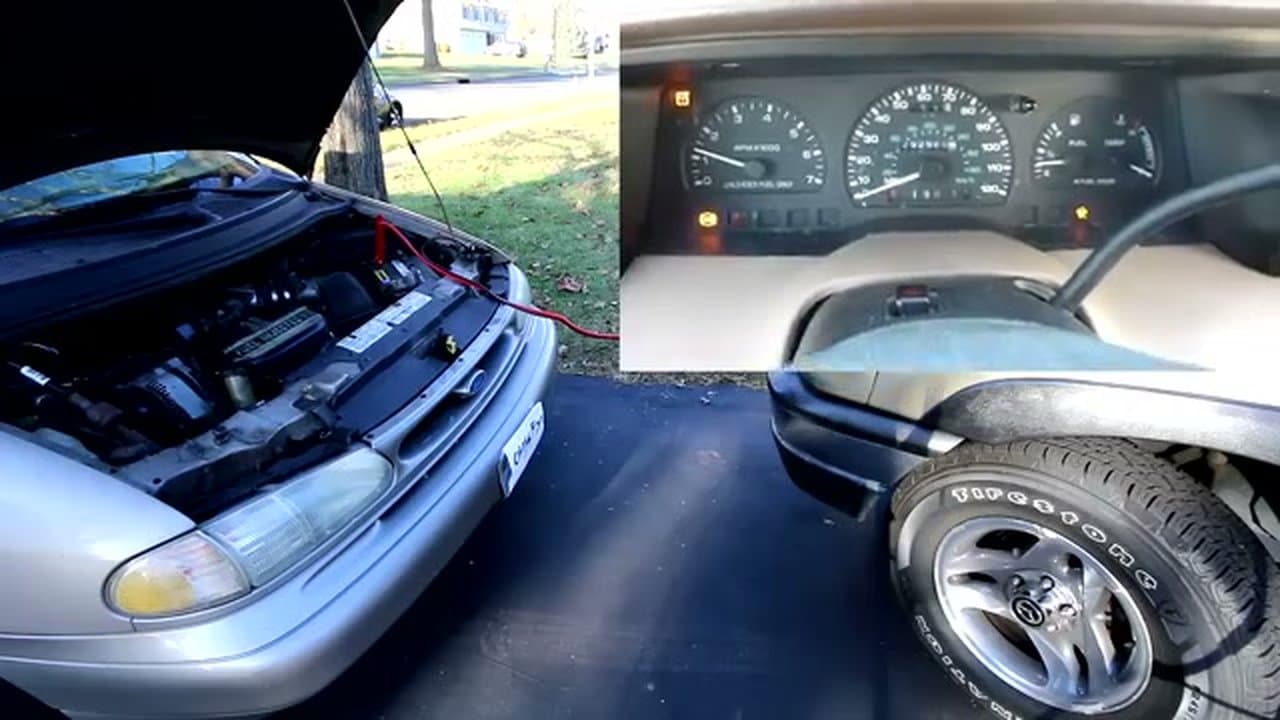
The jump starts the engine. It does not refill the battery. Give it 20 to 30 minutes of steady driving on a road where you keep moving. At a cruise the alternator has current to spare; in stop-start traffic with the headlights and blower on it has almost none left over.
A battery that went fully flat wants more than that, and the real fix is a plug-in charger at 2 to 10 amps overnight. Alternators are built to top off a nearly full battery and wear out early doing recovery work. Until then, do not shut the engine off anywhere you would mind being stuck.
Jump packs versus cables when you drive alone
Cables need a second car and a stranger willing to lend theirs. A lithium jump pack does the job alone and lives in the glovebox. Rough sizing: 400 peak amps for a four-cylinder, 800 to 1000 for a V8, more for a diesel. Charge it every three months whether you used it or not, because it drains on the shelf and cold cuts its output.
Cables still earn their place. Nothing to charge, fine at any temperature, and a 16-foot set reaches a car parked nose-in to a wall. Either one belongs in the same drawer as knowing how to change a car tire in the rain.
All of it is cheap to learn on a quiet afternoon and expensive on a bad morning. Newer drivers can add parallel parking and these parallel parking tips for the driving test; washing a car at home keeps the rest of it from rusting.