How to Check Coolant (Step by Step)

Also in:Car Care

By ShowMeStepByStepPublished Updated

Based on a video by Big Al Repairs.

NEVER open the radiator cap or coolant reservoir while the engine is hot. Steam can cause severe burns. Wait until the engine is fully cool (at least 30 minutes after driving) and the cap is cool to the touch.

Coolant (also called antifreeze) keeps your engine from overheating in summer and from freezing solid in winter. Checking the level takes about two minutes, and catching a slow leak early can save you a blown head gasket or a cracked radiator down the road.

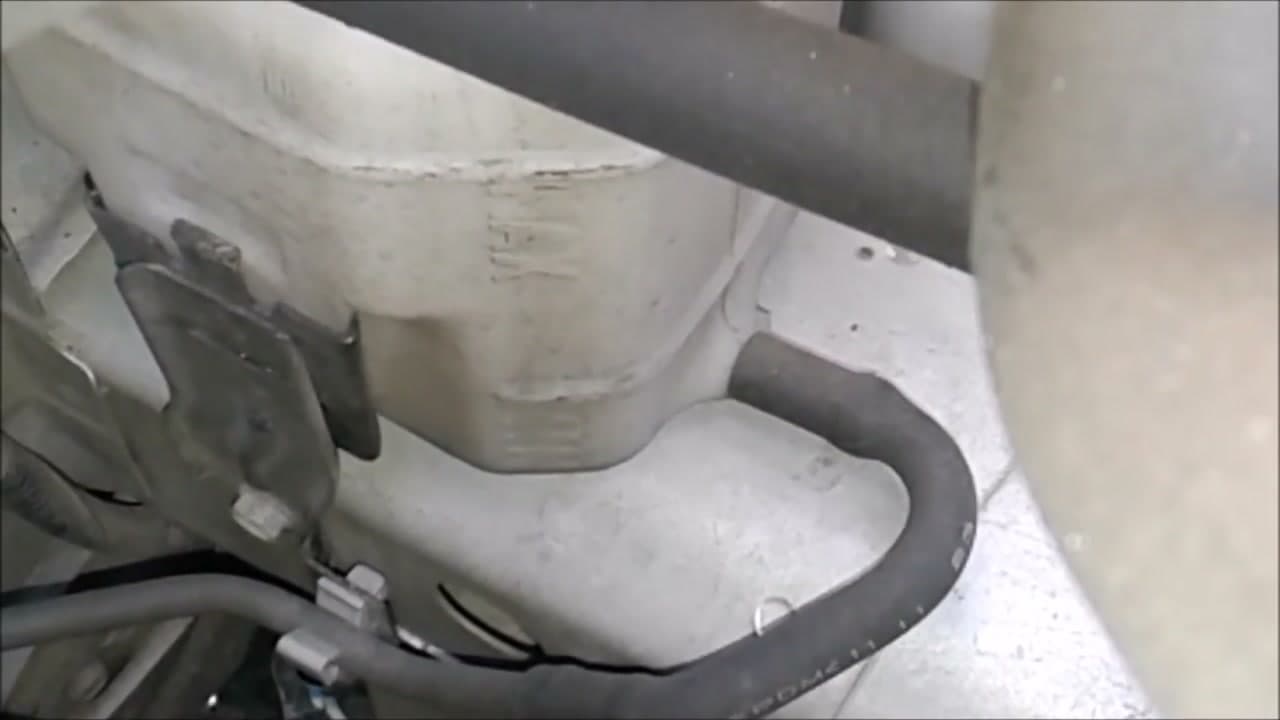
This walkthrough follows Big Al Repairs through two real vehicles - a 2003 Chevy Cavalier and a 2012 Honda Odyssey - so you can see how the layout changes from car to car. Once you've checked it once, you'll spot the reservoir on any car you own.

While you're under the hood, it's a great time to check your oil and check your tire pressure. If your wipers are streaking, swap them out while you're already in the driveway.

One critical rule: match the coolant color

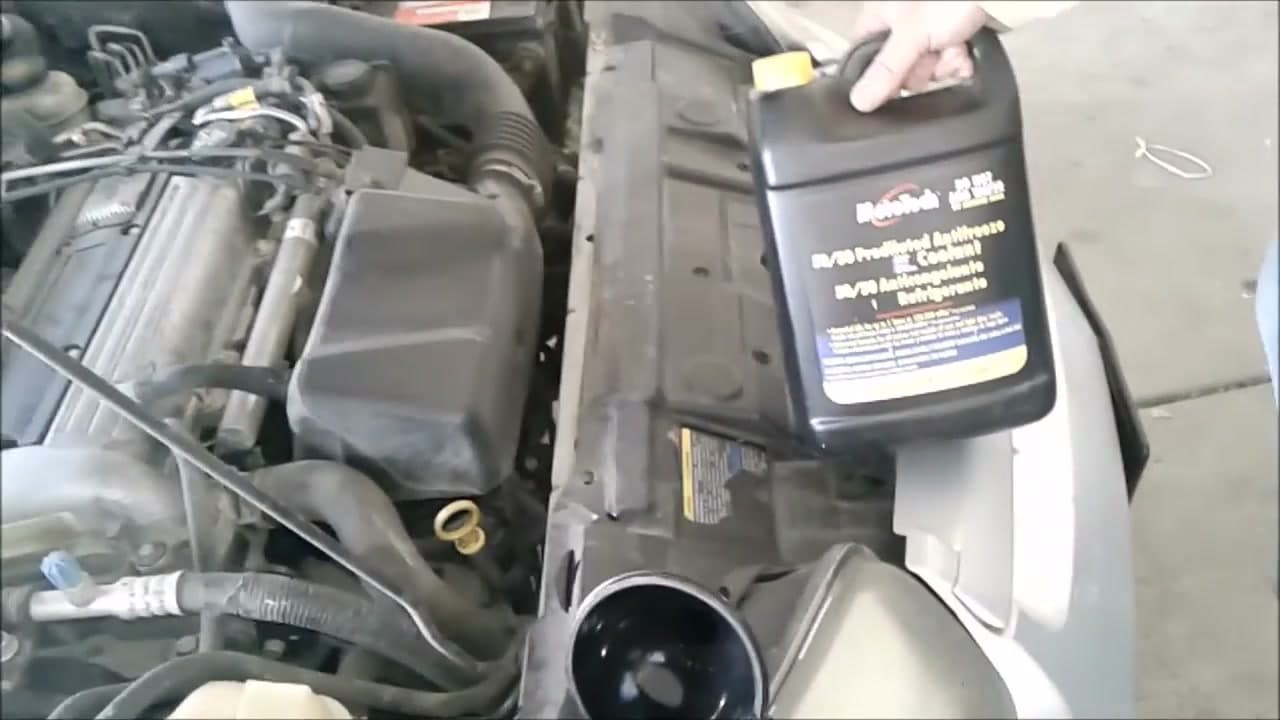
Coolant comes in green, orange, pink, and yellow. These colors aren't decorative - they signal different chemistry. Mixing types can gel up your cooling system and cause real damage. Look at what's already in your reservoir, check your owner's manual for the exact spec, and buy a 50/50 pre-mix in the same color. When in doubt, ask the parts counter to look up your vehicle.

Step-by-Step Guide

1

Step 1: Park on Flat Ground and Let the Engine Cool

0:20
Step 1: Step 1: Park on Flat Ground and Let the Engine Cool

Park on a flat, level surface so the coolant settles evenly in the reservoir. A driveway slope will give you a false reading.

Then wait. If you've been driving, give the engine at least 30 minutes to cool. The coolant system is pressurized at around 15 psi when hot, and opening the cap on a hot engine can spray scalding fluid. Touch the cap with the back of your hand first. If it's warm, walk away and come back later.

Tip

The easiest time to check coolant is first thing in the morning, before you start the car. Everything is already cool, and you'll get a true cold-fill reading.

Products used in this step

2

Step 2: Pop the Hood and Find the Coolant Reservoir

2:05
Step 2: Step 2: Pop the Hood and Find the Coolant Reservoir

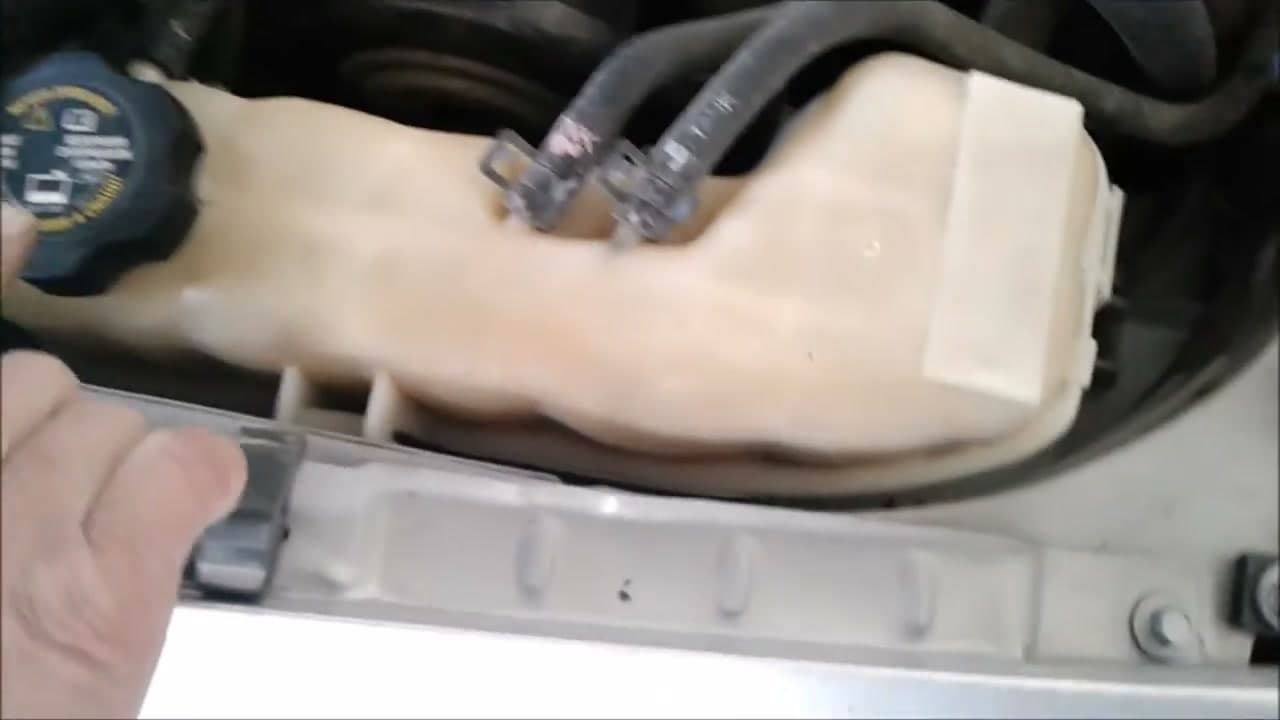
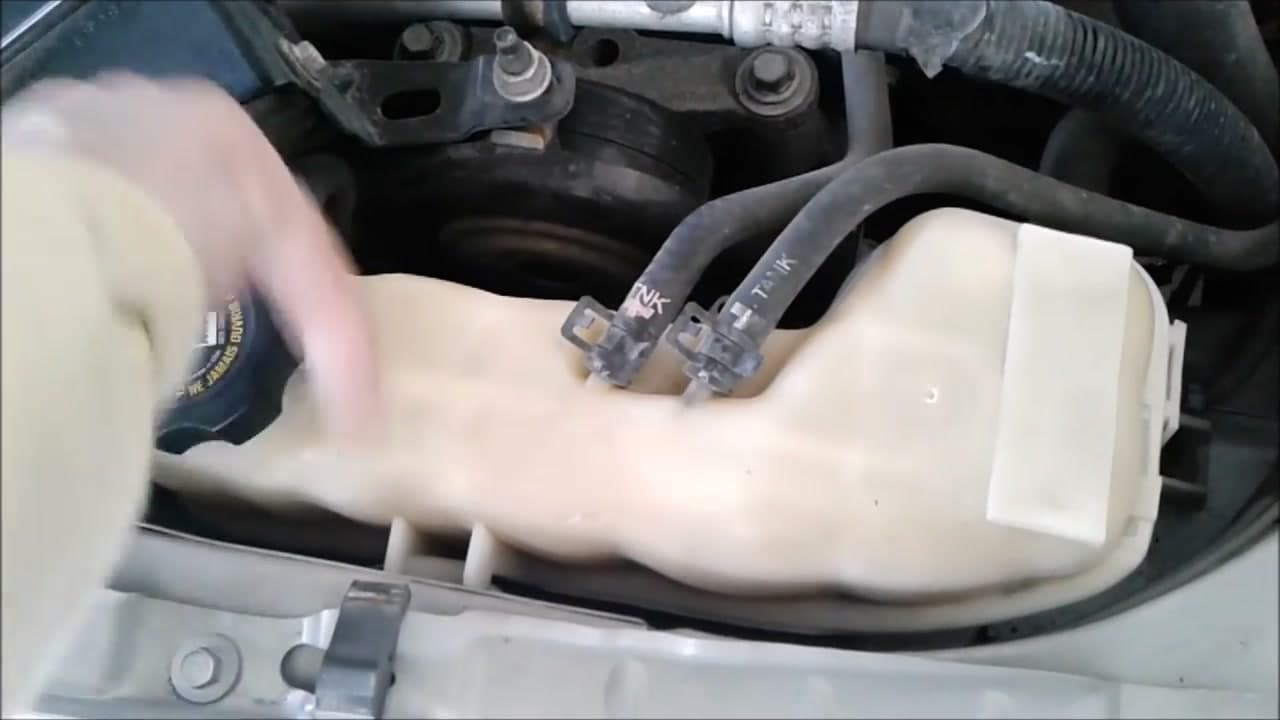
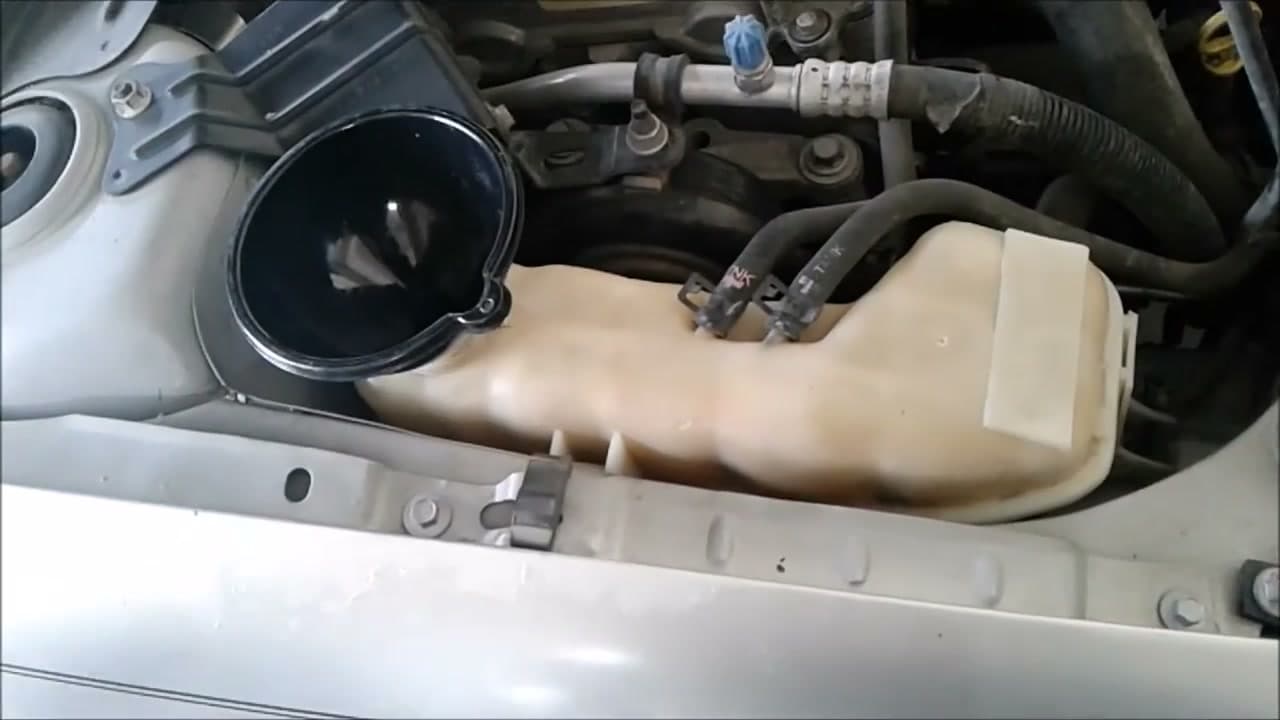
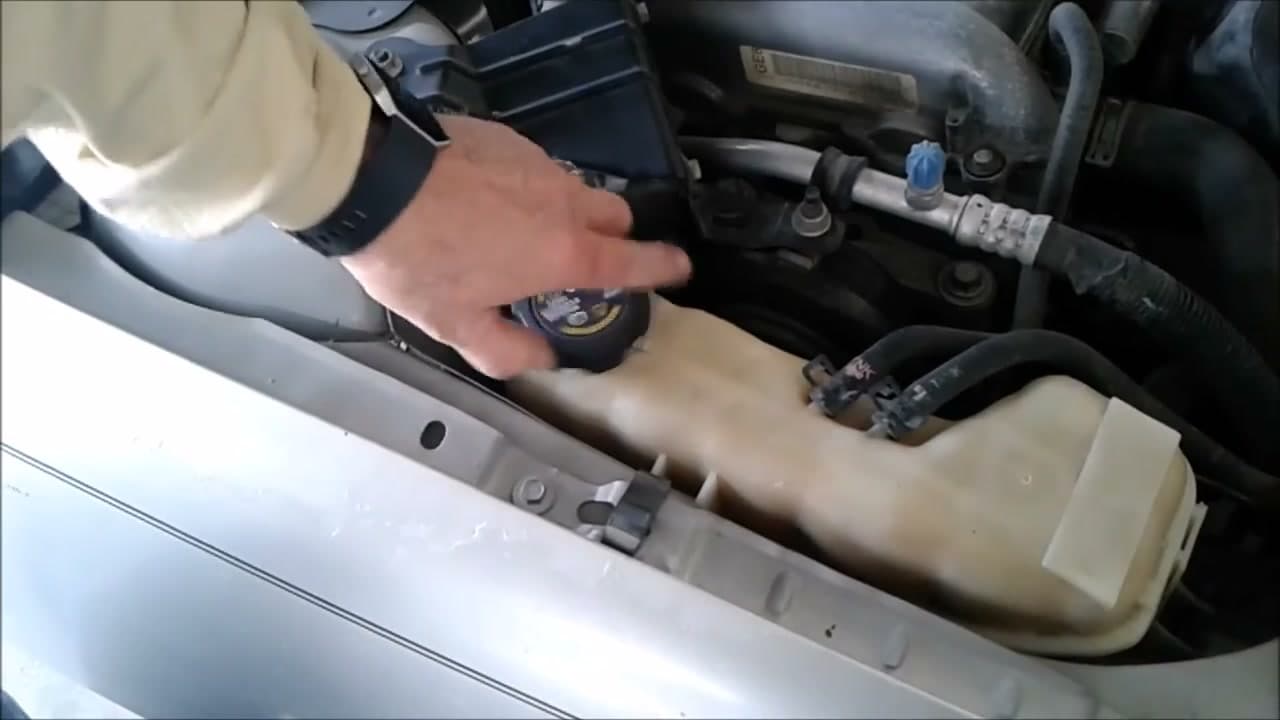
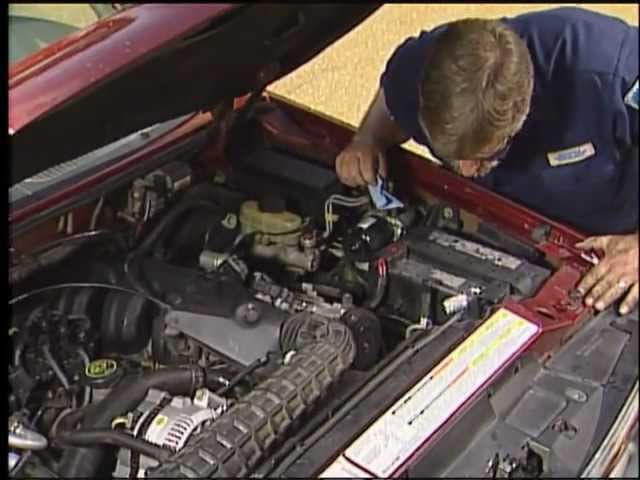
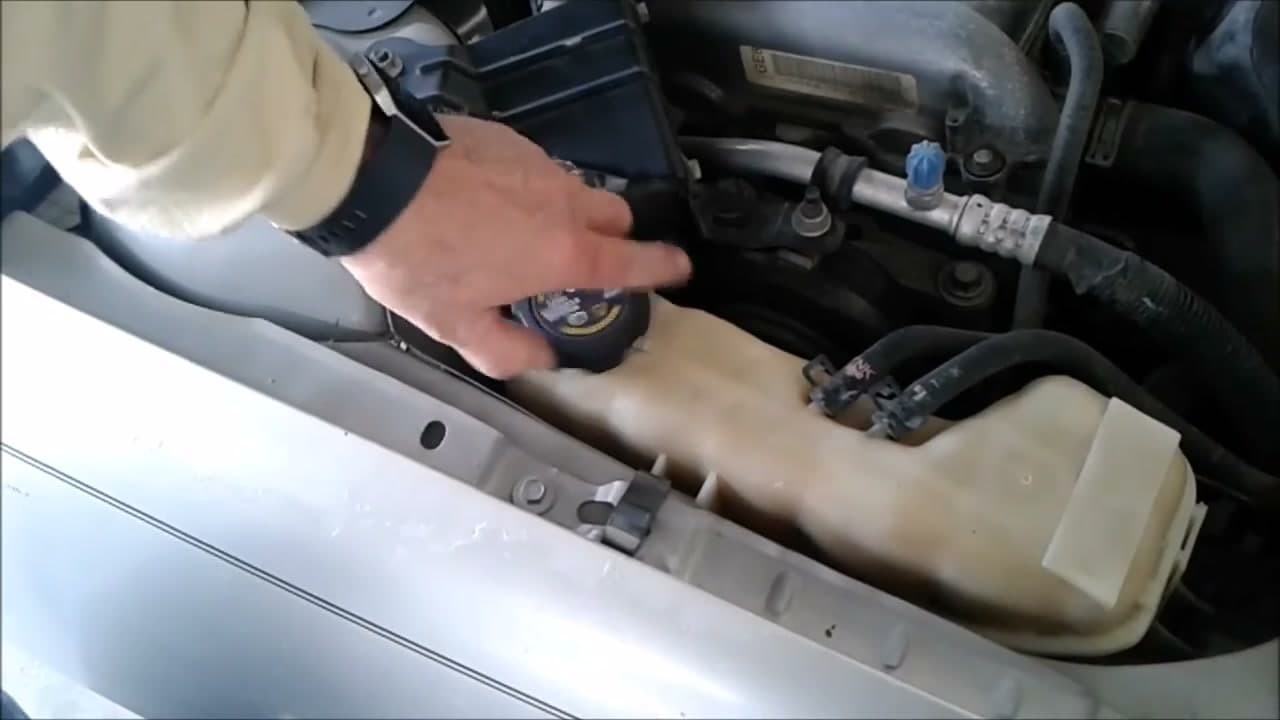
Pull the hood release inside the cabin, then lift the hood and prop it open. Look for a translucent plastic tank - that's your coolant reservoir. The cap is usually marked "Coolant," "Engine Coolant Only," or shows a thermometer-in-water icon.

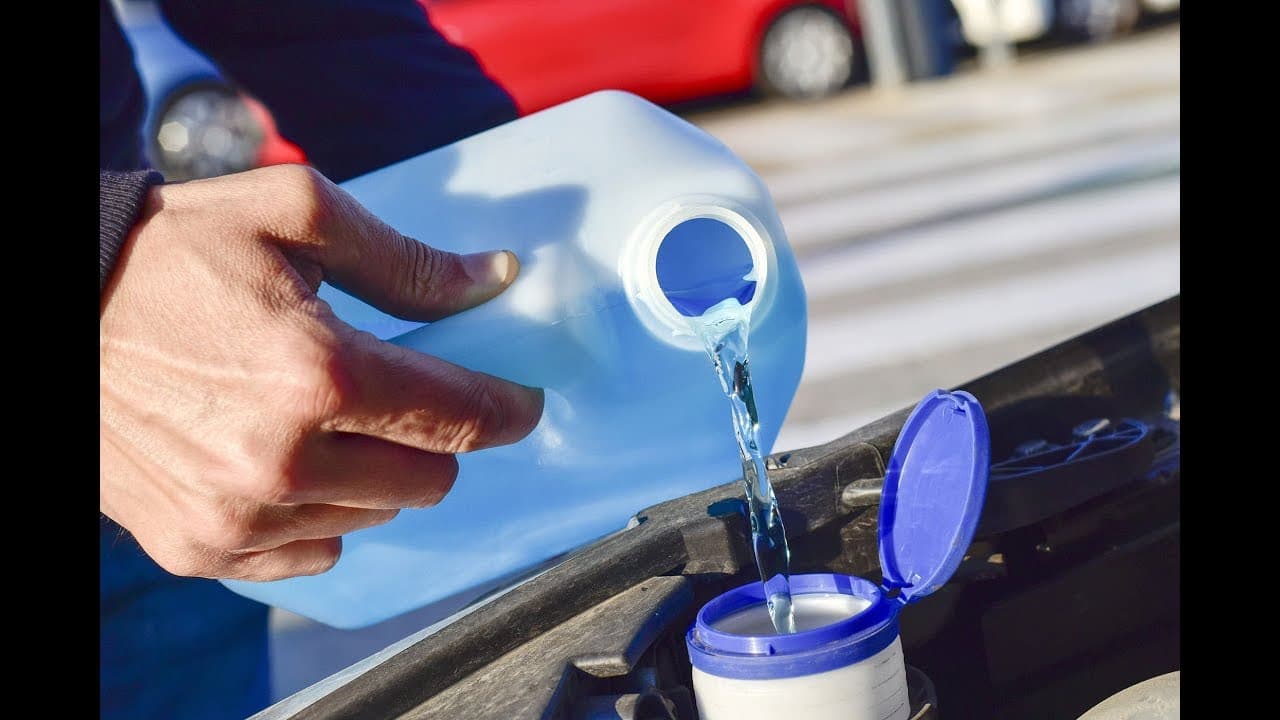
Don't confuse it with the windshield washer tank (blue cap, water-spray icon) or the brake fluid reservoir (smaller, usually near the firewall). If you can't find the coolant tank, your owner's manual has a labeled diagram on the first few pages.

Tip

On older cars like the 2003 Chevy in this video, the reservoir cap may say "Dex-Cool" or list a specific spec. Snap a photo of the cap before you head to the parts store so you buy the right type.

Products used in this step

3

Step 3: Wipe the Reservoir Clean

2:32
Step 3: Step 3: Wipe the Reservoir Clean

The reservoir collects dust and grime over time, which makes the fill lines hard to read. Take a clean rag or paper towel and wipe the outside of the tank, focusing on the side where the MIN and MAX markings are stamped.

Don't open the cap yet. You can read the level through the translucent plastic from the outside once it's clean.

Tip

If the plastic has yellowed badly with age, shine a flashlight through the back side of the tank. The coolant level will show up as a clean horizontal line.

Products used in this step

4

Step 4: Read the Level Against MIN and MAX

4:00
Step 4: Step 4: Read the Level Against MIN and MAX

Look for two horizontal lines or arrows on the reservoir. They'll be labeled MIN and MAX, LOW and FULL, or sometimes COLD FILL and HOT FILL. Some tanks have both a cold line and a hot line - you want the cold line, since the engine is cold.

The coolant level should sit between the two lines. If it's at or below MIN, you need to top it up. If it's above MAX, that's also a problem (overfilled coolant gets pushed out through the overflow when it heats up).

Tip

Write down where the level is today on a sticky note in your glovebox. Check again in a month. If the level keeps dropping, you have a slow leak and should see a mechanic.

Products used in this step

5

Step 5: Check the Color and Cleanliness

4:05
Step 5: Step 5: Check the Color and Cleanliness

Healthy coolant is bright and clear - green, orange, pink, or yellow depending on type. Note the color now, because you need to buy the same color when you top up.

If the coolant looks rusty, brown, milky, or has floating debris, it's contaminated. That's a flush-and-refill job, not a top-up. Don't add fresh coolant on top of dirty coolant. Schedule a coolant flush with a mechanic instead.

Tip

Milky or oily coolant can mean a head gasket leak (engine oil mixing into coolant). That's serious - get it looked at quickly before it gets worse.

6

Step 6: Top Up to MAX With Matching Coolant

3:08
Step 6: Step 6: Top Up to MAX With Matching Coolant

If the level is low, unscrew the cap (slowly, even on a cold engine) and use a funnel to pour 50/50 pre-mix coolant in the matching color. Stop when you reach the MAX or cold-fill line. Pre-mix is already diluted - don't add water to it.

If you only have concentrate, you'll need to mix it 50/50 with distilled water (never tap water - the minerals cause scale). Pre-mix is the simpler choice unless you're filling a large amount.

Tip

In a roadside emergency with no coolant on hand, distilled water alone will get you to a shop. Don't run that long-term - water has no corrosion inhibitors or antifreeze protection.

7

Step 7: Tighten the Cap and Close the Hood

3:25
Step 7: Step 7: Tighten the Cap and Close the Hood

Hand-tighten the cap fully until you feel it click or seat. The cap has to hold pressure for the cooling system to work properly. A loose cap lets coolant boil away early and can cause overheating.

Close the hood, then drive normally for a day or two. Check the level again the next cold morning to make sure it stayed put. If it dropped, you have a leak worth investigating.

Tip

Wipe up any drips on the engine or driveway. Coolant tastes sweet and is toxic to pets - don't leave puddles where a dog or cat can lap them up.

Products used in this step

Products Used

☐ The Checklist

How to Check Coolant (Step by Step)

Tools
3
Materials
2
Steps
7
Video
5 min

Your Guide

Big Al Repairs

As an Amazon Associate we earn from qualifying purchases. Links on this page may be affiliate links - clicking them and buying doesn't change your price, but helps support ShowMeStepByStep.

Tags

What's next

Weekly Digest

Liked this adulting tutorial?

Pick the categories you want to hear about. Weekly digest of new step-by-step tutorials. No spam, easy unsubscribe.

Send me tutorials about

We only email about new tutorials. Easy unsubscribe anytime.