How to Check Your Car's Oil

AdultingEasy6:356 steps
Also in:Lifestyle

Based on a video by 4DIYers.

Engines run on oil. Run low for too long and you can kill an engine in a way that costs thousands to fix. Checking the level takes 90 seconds and catches problems early.

This walkthrough is based on a tutorial from 4DIYers. The steps are the same for almost every gas car - just the dipstick's location and handle color vary.

Step-by-Step Guide

1

Park Level, Engine Off, Wait 10 Minutes

0:30
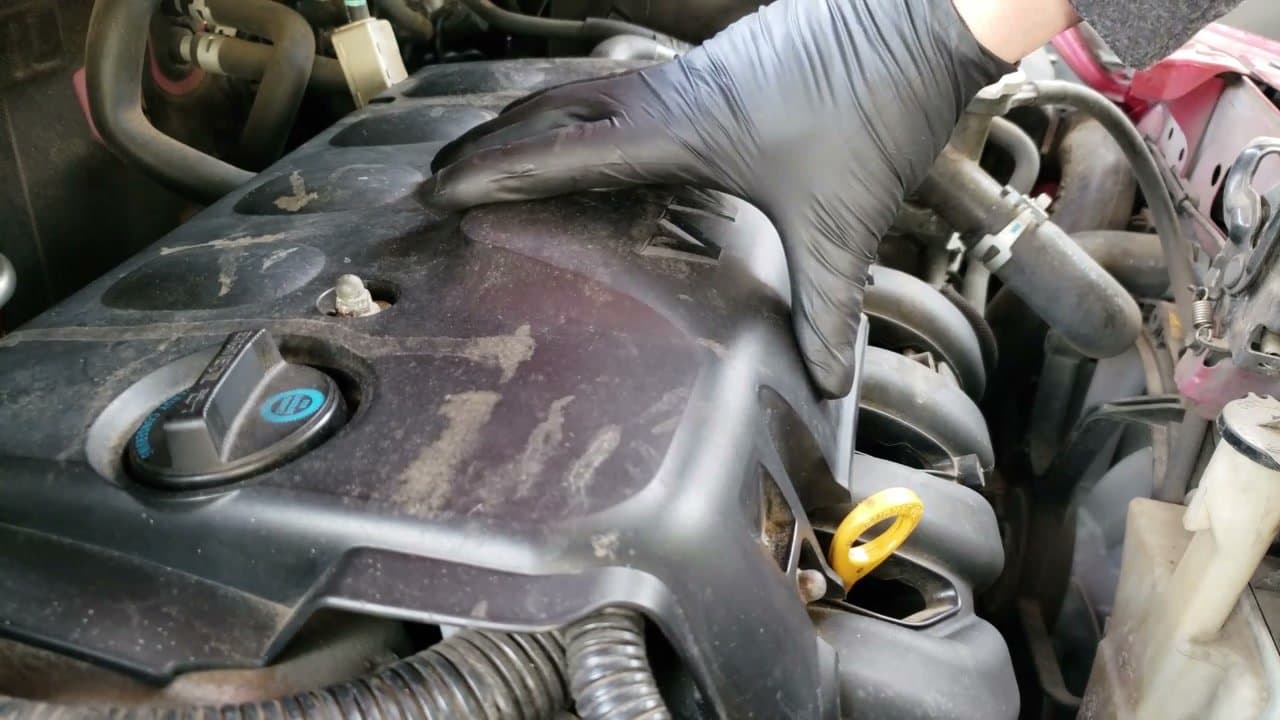
Step 1: Park Level, Engine Off, Wait 10 Minutes

Park the car on level ground and turn the engine off. The longer the engine has been resting, the more accurate your reading. Ten minutes is a good minimum.

Why wait? Oil needs time to drain back into the oil pan at the bottom of the engine. Checking right after driving gives a falsely low reading because oil is still circulating up top.

Tip

First thing in the morning, before you start the car, is the ideal time - the oil has settled all night.
2

Find the Dipstick

1:05
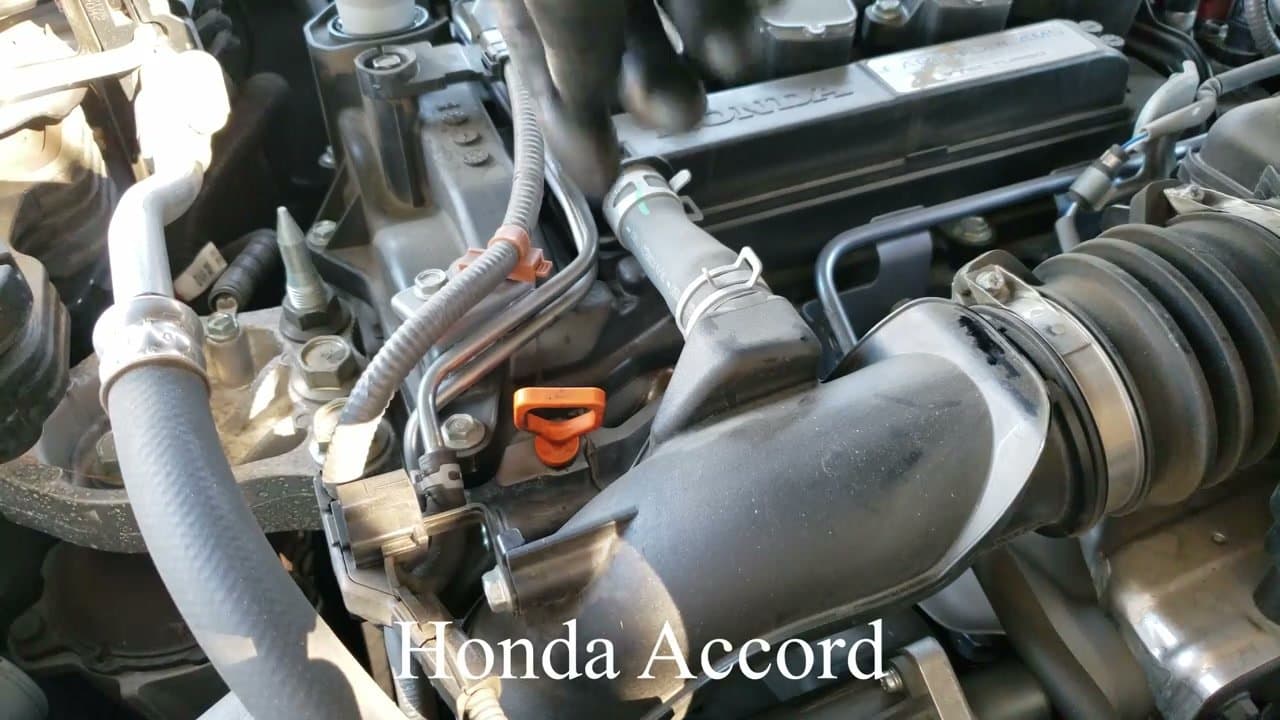
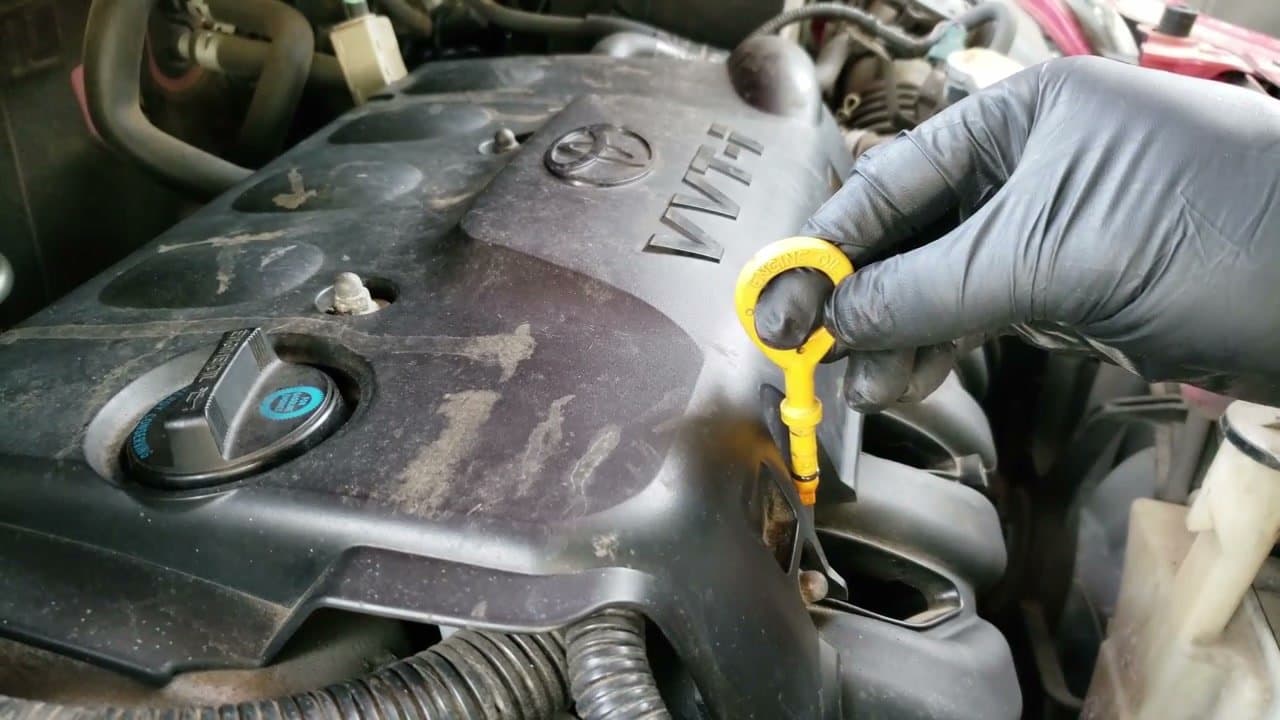
Step 2: Find the Dipstick

Open the hood. The engine oil dipstick is almost always near the engine oil fill cap. The handle is usually brightly colored - yellow or orange - to make it easy to spot. Some are black with white lettering.

If you're not sure, look for 'ENGINE OIL' printed on the handle itself. Don't pull the transmission fluid dipstick by mistake; that one is usually red-handled and sits further toward the firewall.

Tip

No idea where your oil fill cap is? Your owner's manual has a labeled diagram of the engine bay in the first few pages.

3

Pull It Out and Wipe It Clean

1:40
Step 3: Pull It Out and Wipe It Clean

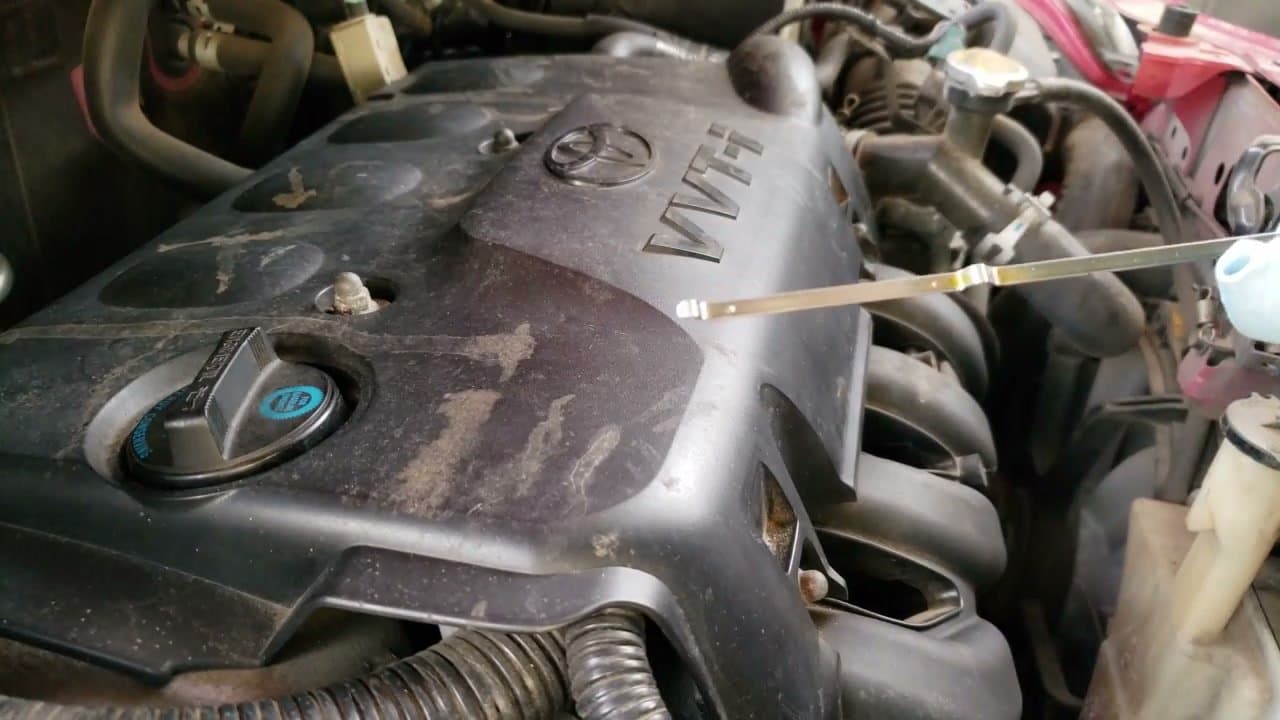
Pull the dipstick all the way out. Wipe the full length clean with a paper towel or rag. The first reading is always unreliable because oil splashed up the stick while the engine was running.

Get it properly clean - you want a dry metal rod by the time you're done.

Tip

Keep a clean rag in the glove box just for oil checks. Engine bays are dirty places; napkins fall apart fast.

4

Reinsert Fully, Then Pull Again

2:10
Step 4: Reinsert Fully, Then Pull Again

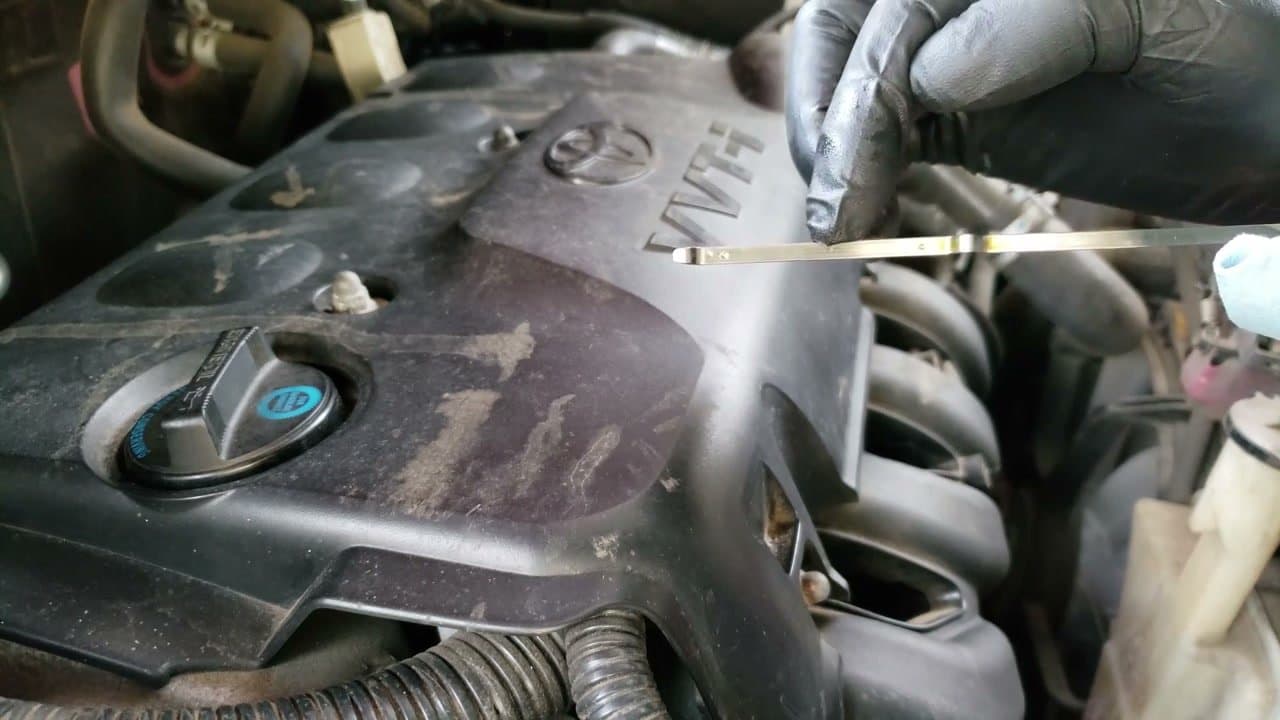
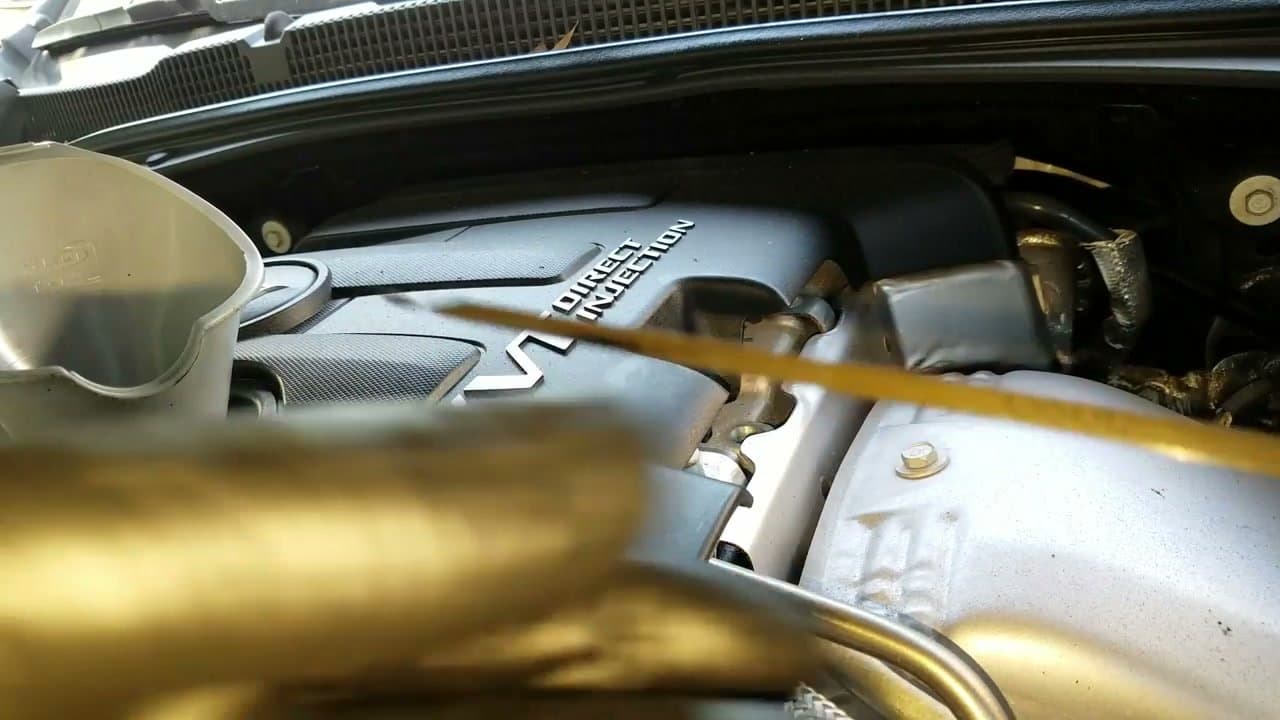
Push the clean dipstick all the way back into its tube until it seats. Then pull it out one more time. This second reading is the real one - it matches the actual oil level in the pan.

Pull it out carefully and hold it horizontally so the oil doesn't run along the stick before you can read it.

Tip

Seat the stick firmly. A dipstick that doesn't go all the way back in reads falsely low.

5

Read the Level

2:50
Step 5: Read the Level

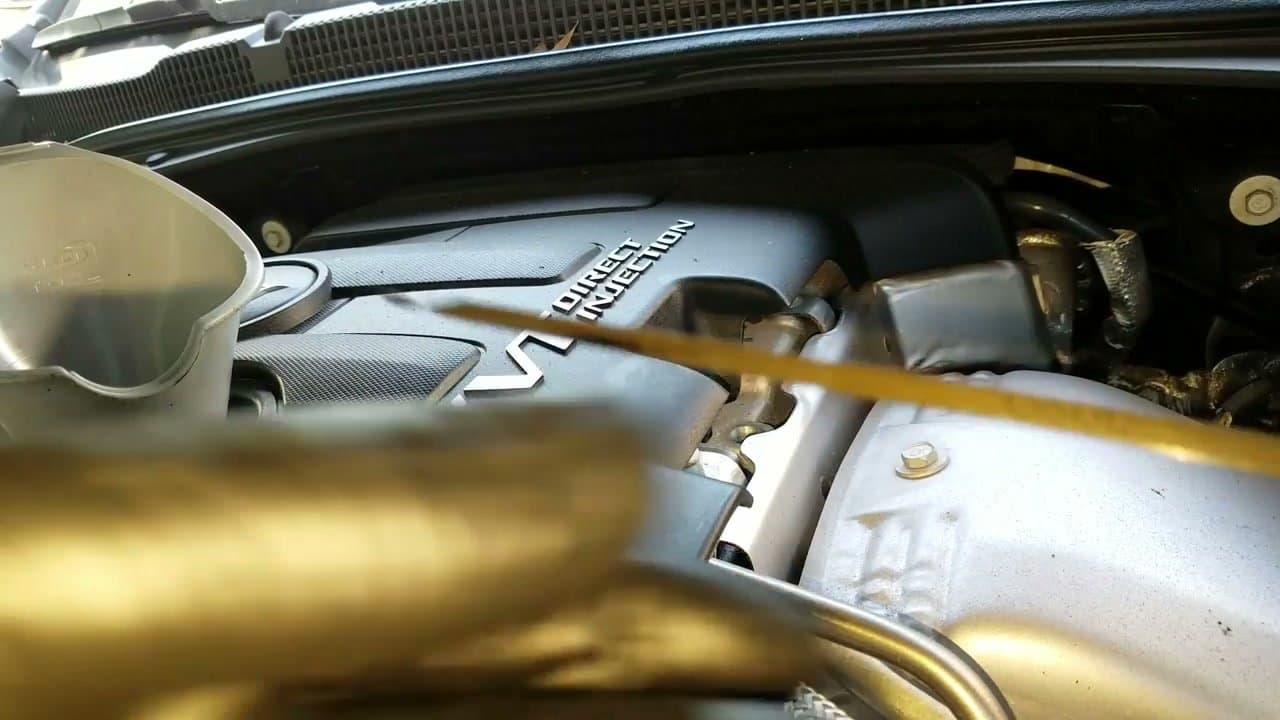
Look at the tip of the dipstick. There are two marks - sometimes labeled MIN and MAX, sometimes hatching, sometimes two small dots. The oil should sit between them.

Between the marks means you're fine. Below the bottom mark means it's time to add oil. Above the top mark means you've been overfilled, which can cause foaming and engine damage and should be drained.

Tip

Also check the color. Fresh oil is amber; old oil is dark brown or black. Gritty or milky oil means bigger problems - time for a shop visit.

6

Add Oil If Needed

4:20
Step 6: Add Oil If Needed

If the level is low, check the oil fill cap - it usually prints the viscosity your engine needs (like 5W-30 or 0W-20). Use that exact viscosity.

Add oil in small amounts (about half a quart at a time), wait a minute, recheck the dipstick, and stop the moment you're between the marks. Don't chase the top line; overfilling damages engine seals.

Tip

Brand matters less than viscosity. If the store doesn't have your preferred brand, any brand of the right weight beats driving with low oil.

Products Used

Your Guide

4DIYers

As an Amazon Associate we earn from qualifying purchases. Links on this page may be affiliate links - clicking them and buying doesn't change your price, but helps support ShowMeStepByStep.

Related Tutorials