How to Read a Tape Measure

AdultingEasy4:246 steps

Based on a video by Stumpy Nubs.

If you've ever squinted at a tape measure trying to count tiny lines to figure out whether you're at 11/16 or 3/4, you're doing it the slow way. There's a shortcut carpenters learn in their first week on a job site: read the tape by the length of the lines, not by counting them.

This 4-minute walkthrough is based on a tutorial by James Hamilton at Stumpy Nubs Woodworking. Six steps, one tape, and fractions stop being intimidating.

Step-by-Step Guide

1

Know the Moving Hook

0:25
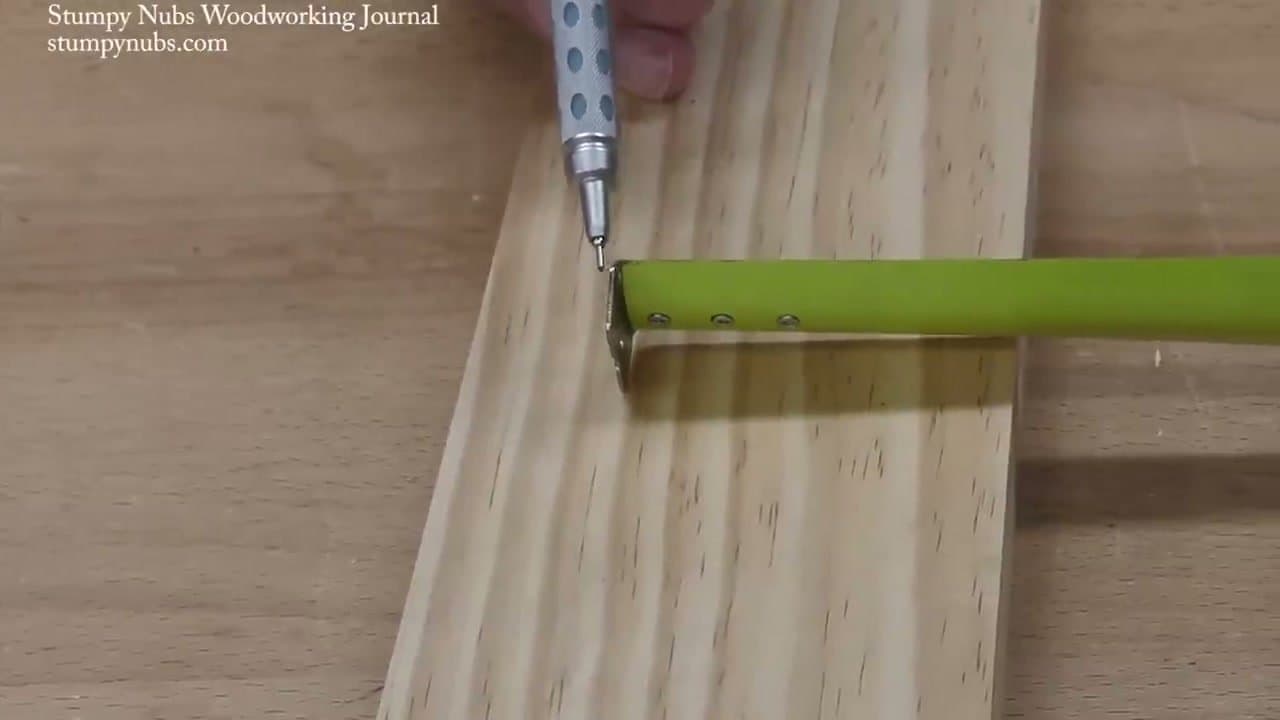
Step 1: Know the Moving Hook

Look at the metal hook at the end of your tape. It slides back and forth a little on the rivets. That's not a defect. It moves by exactly the thickness of the hook itself, so you get the same measurement whether you catch it on an outside corner (pulling) or push it against an inside edge.

If the hook is too loose or too tight from being dropped, your measurements will be off by a hair. A fresh tape will have a tight, even slide.

Tip

Drop-test a new tape before you rely on it. Retract the blade fast against a solid edge a few times and check that the hook still sits clean.
2

Burn an Inch for Precision

0:50
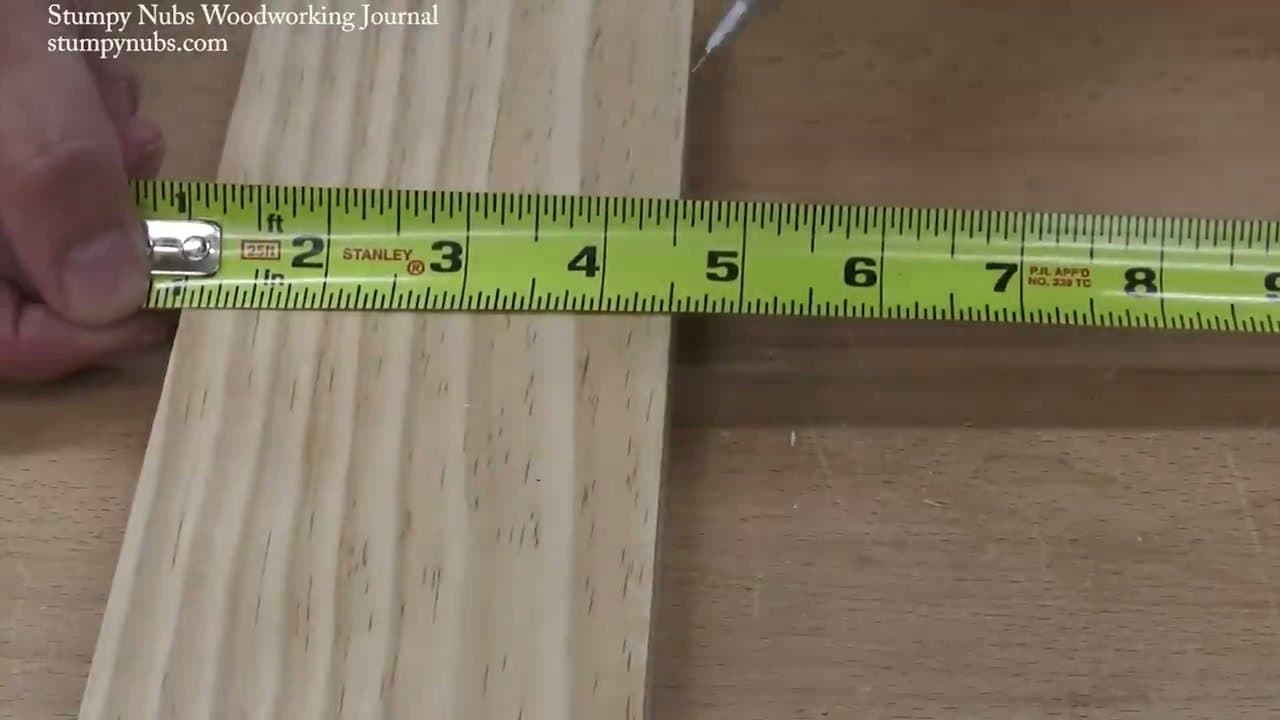
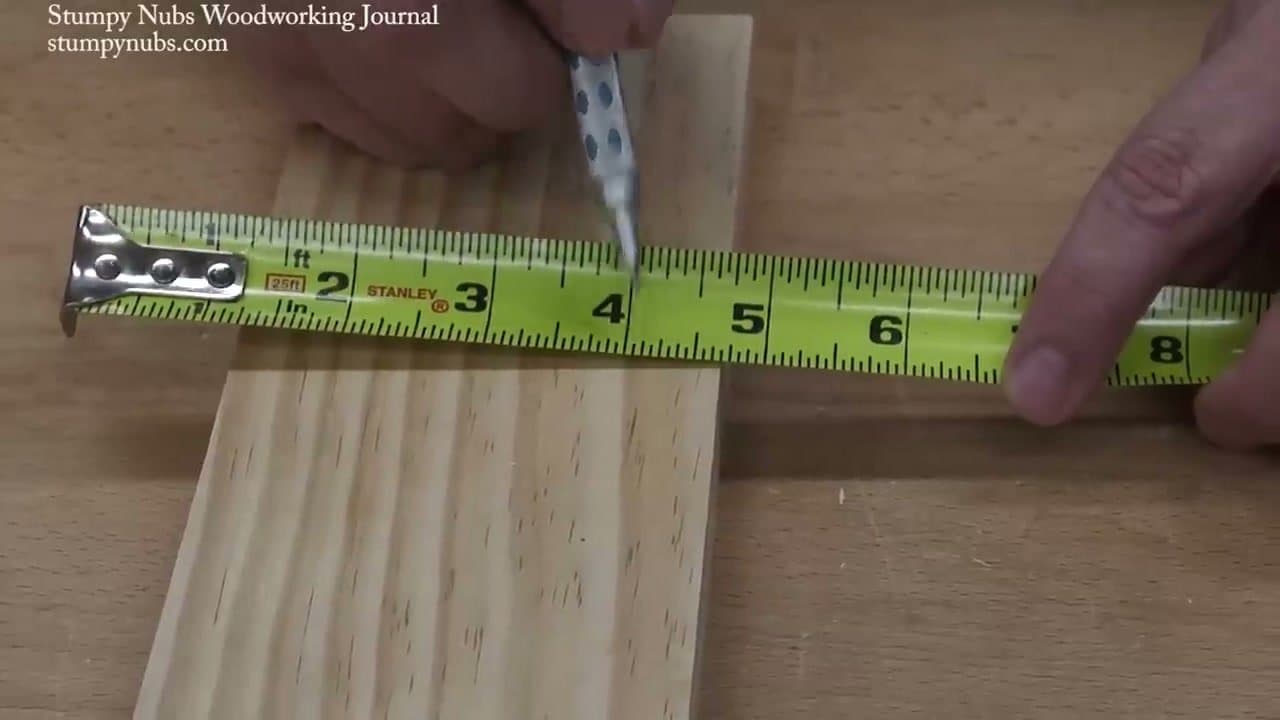
Step 2: Burn an Inch for Precision

When you need real accuracy (cabinet work, picture framing, anything where 1/32 matters), skip the hook entirely. Line up the 1-inch mark with the start of whatever you're measuring, take your reading, and subtract 1.

This is called 'burning an inch.' It's slower and you have to remember the subtraction, but it removes any wiggle from the hook. For framing a wall, don't bother - the hook is plenty close.

Tip

Get in the habit on precision work before you need it. It's easy to forget to subtract when you're tired.

3

Learn the Four Line Lengths

1:30
Step 3: Learn the Four Line Lengths

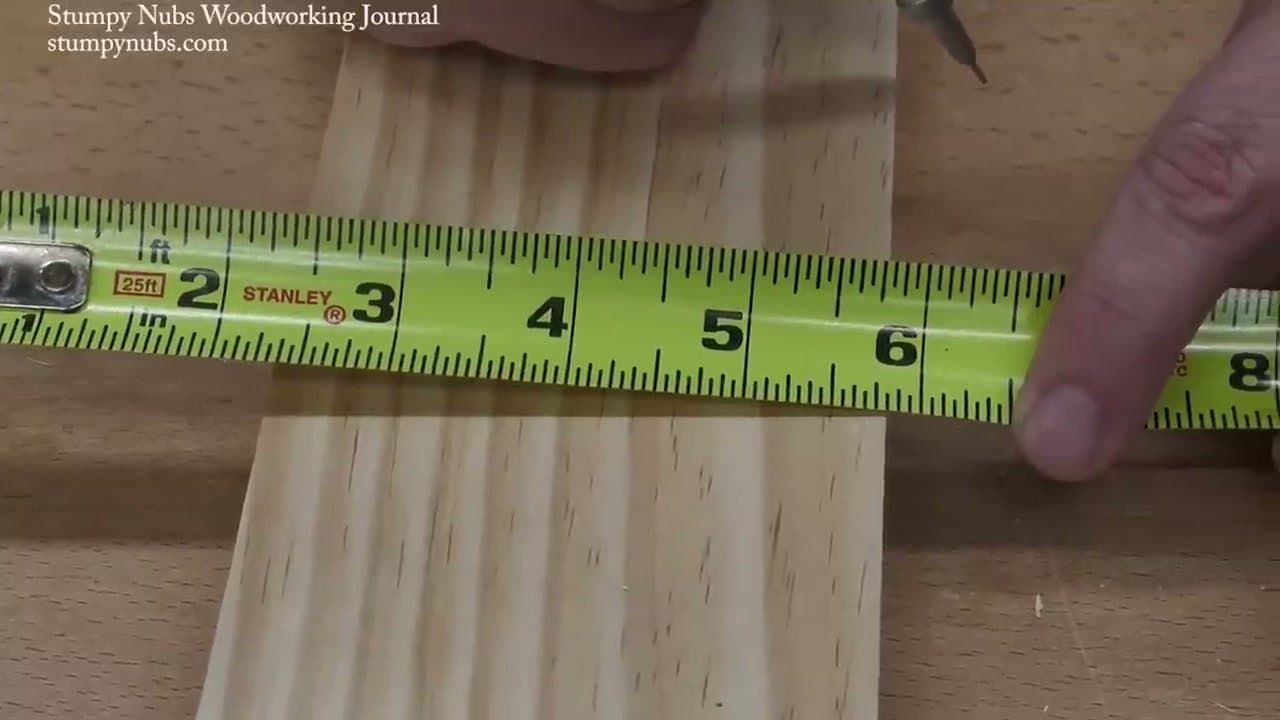
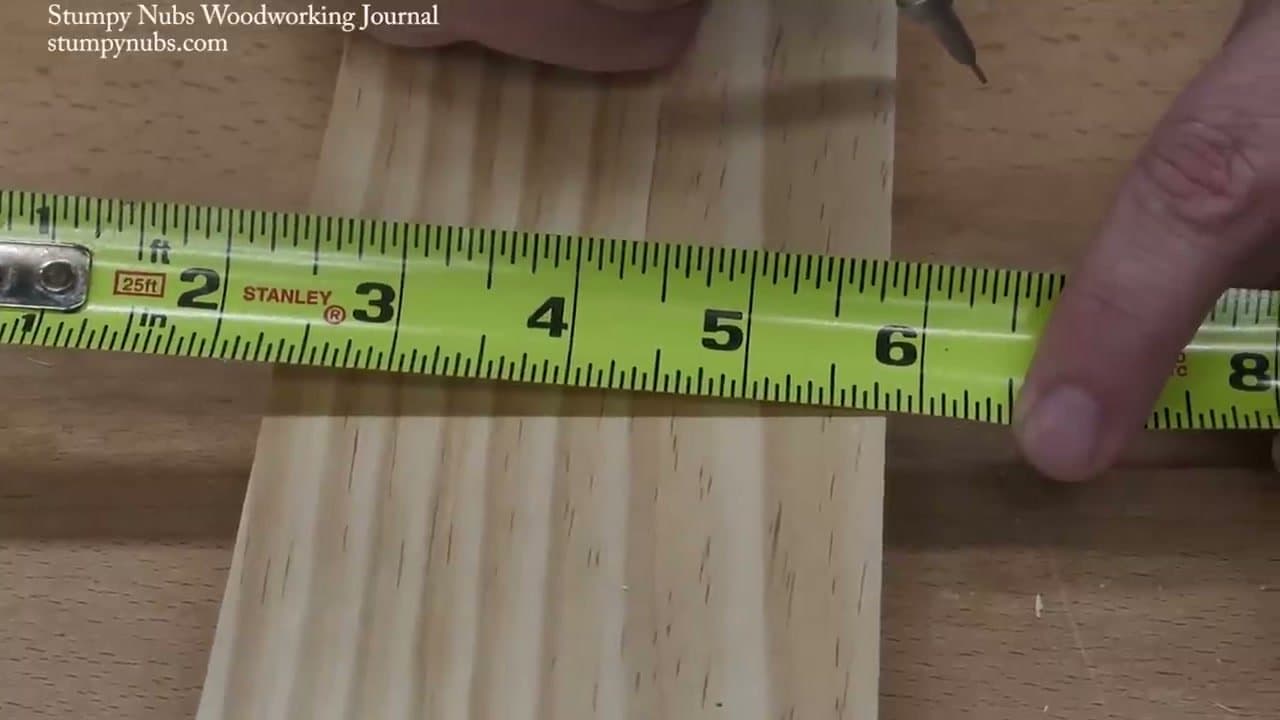
Every tape measure marks inches with four different line heights. From tallest to shortest they represent: half, quarter, eighth, and sixteenth of an inch. Inches themselves get the big numbered marks.

Once you see a line, your eye jumps straight to the size. You don't count ticks - you identify the line. That's the whole skill.

Tip

Hold your tape next to a ruler for a minute and just look at the pattern. Tall, shorter, shorter, shorter, repeat. Burn it into your memory and you're most of the way there.

Products used in this step

4

Read a Mark by Its Line Length

1:58
Step 4: Read a Mark by Its Line Length

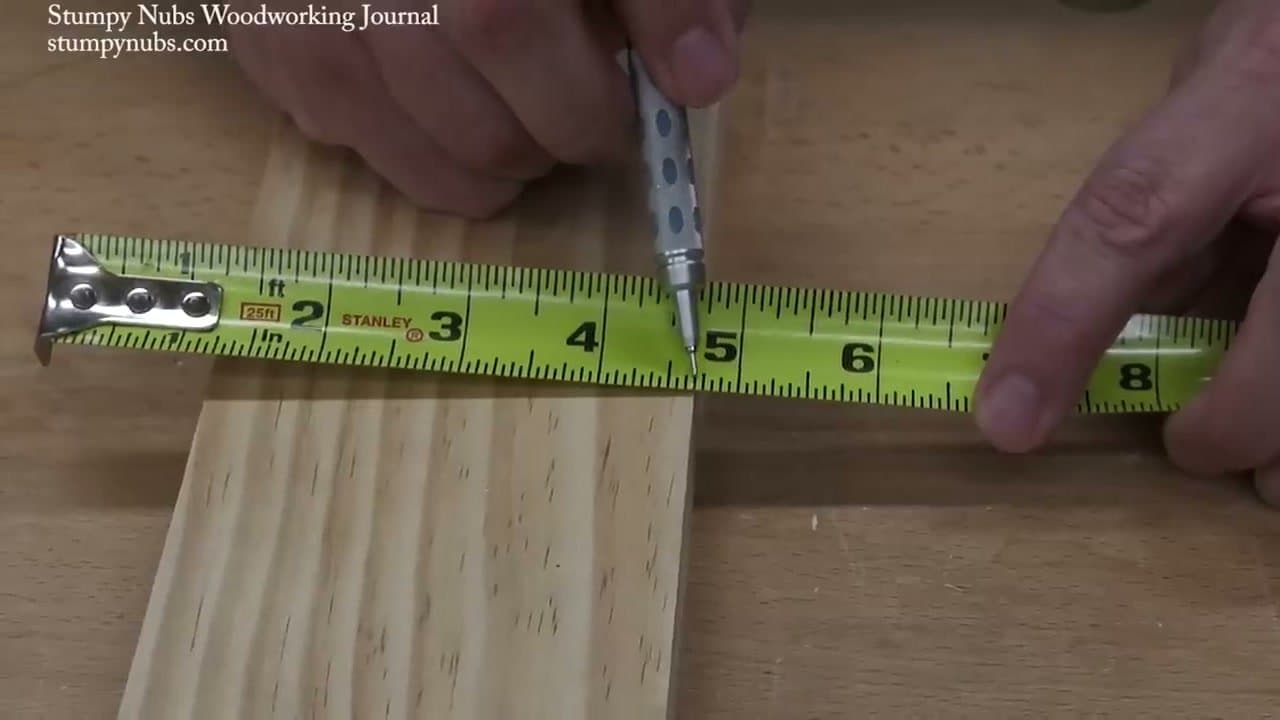
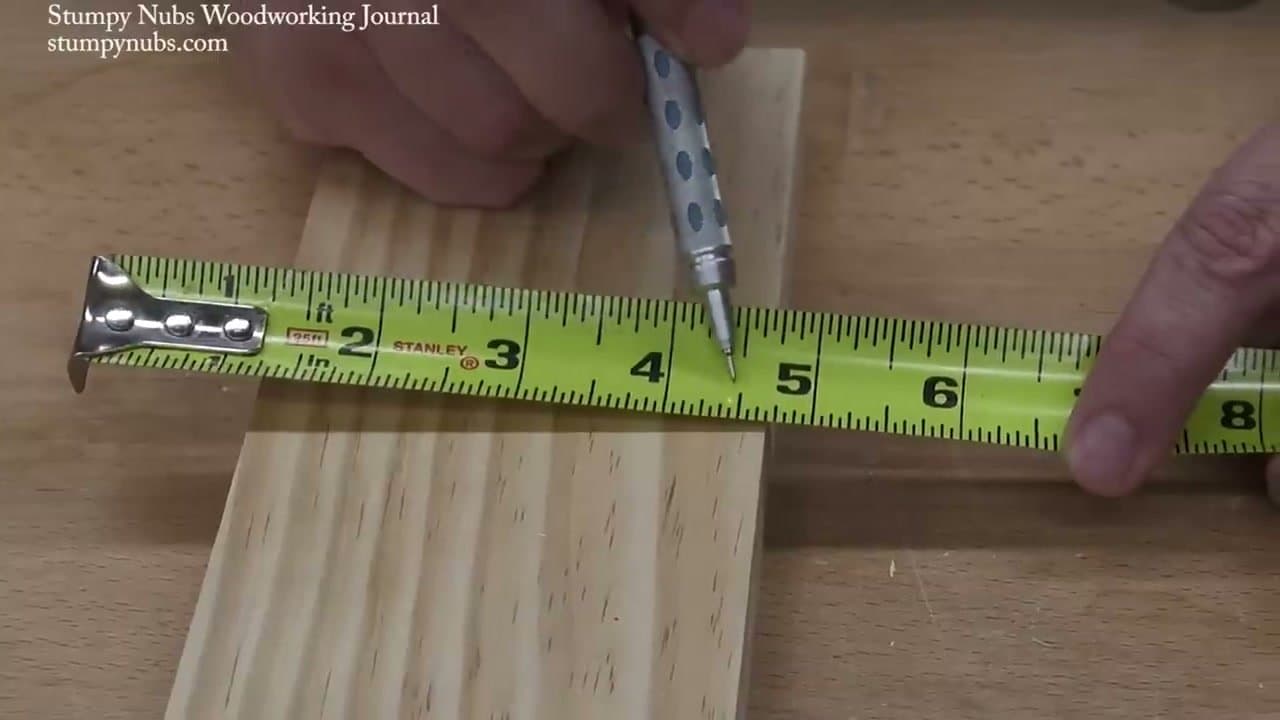
Say your mark falls just past 4 inches. Look at how tall the line is. A short one? You're on a sixteenth. A slightly taller one? Eighth. A tall one past the inch? You're at the quarter, so 4-1/4. No counting, no math.

This is why line length matters more than position. 'Three lines past the inch' is ambiguous - but 'the second-shortest line after 4' is always 4-1/8.

Tip

If you're new, write out the pattern on paper once: 0, 1/16, 2/16, 3/16, 4/16... and note which position gets which line height. After that you'll see it automatically.

5

Use the Half-Inch as an Anchor

2:25
Step 5: Use the Half-Inch as an Anchor

If your mark is past the halfway line of an inch, you already have 8 sixteenths. You only have to count the extras. 4 and 11/16 isn't 'count eleven tiny lines from 4.' It's 'half inch plus three more sixteenths.'

Your brain is much better at 'plus 3' than at counting 11 of anything. This is the shortcut that makes reading fractions instant.

Tip

Same trick works before the half. 4 and 3/16 is 'three sixteenths past the inch' - easy because you're counting a small number from a known point.

6

Count Backward from the Next Inch

2:50
Step 6: Count Backward from the Next Inch

When your mark sits close to a whole inch, read it backwards. 5 and 7/8 is easier to see as 'one eighth before 6.' 3 and 15/16 is 'one sixteenth before 4.'

Forward, backward, from a half - it all gets you the same number. Pick whichever feels shortest for the mark in front of you.

Tip

On a job site you'll sometimes hear rougher terms like 'five and 7/8 strong' - meaning a touch over 7/8. Useful shorthand for framing, but always read the exact fraction when accuracy matters.

Products Used

Your Guide

Stumpy Nubs

As an Amazon Associate we earn from qualifying purchases. Links on this page may be affiliate links - clicking them and buying doesn't change your price, but helps support ShowMeStepByStep.

Related Tutorials