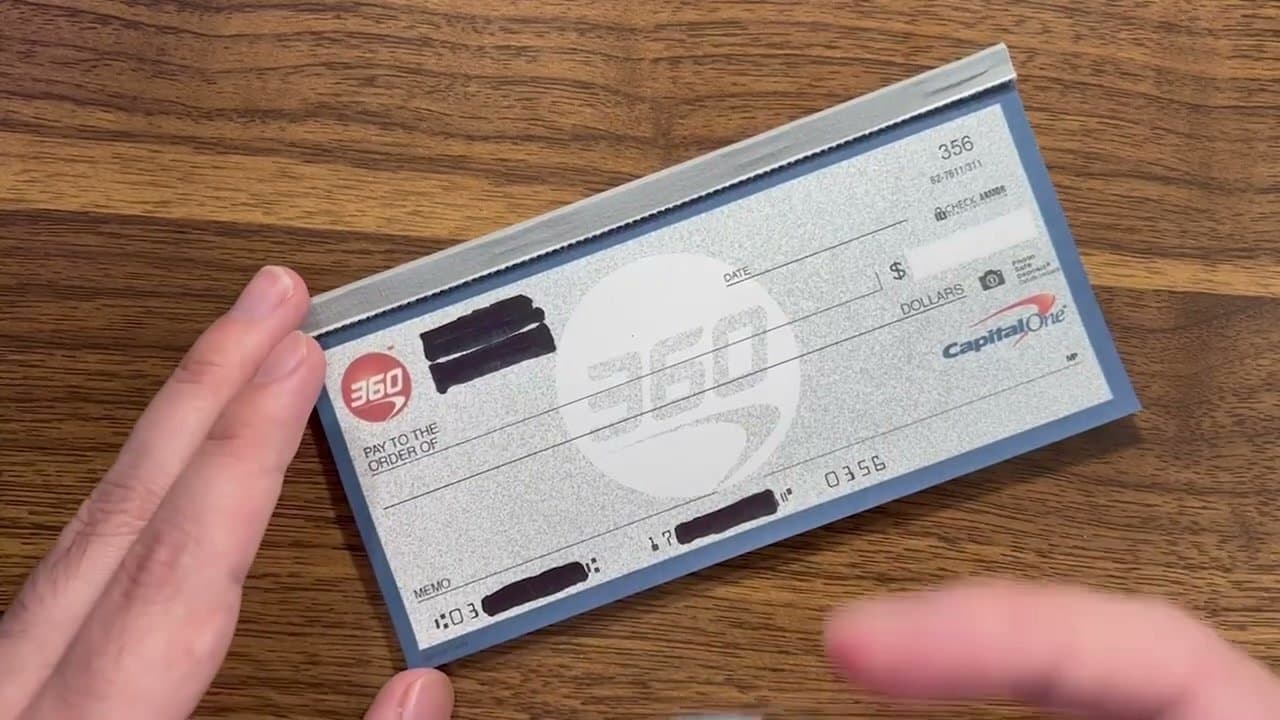
Even if you pay for most things with a card or an app, something eventually needs a paper check. A landlord, a small contractor, a wedding gift, a DMV fee. Write it wrong and the bank rejects it, or someone alters it before it clears.
This walkthrough is based on a short tutorial by Denis at TruFinancials. Four minutes, one check, and you'll know what goes on each line and why it's there.
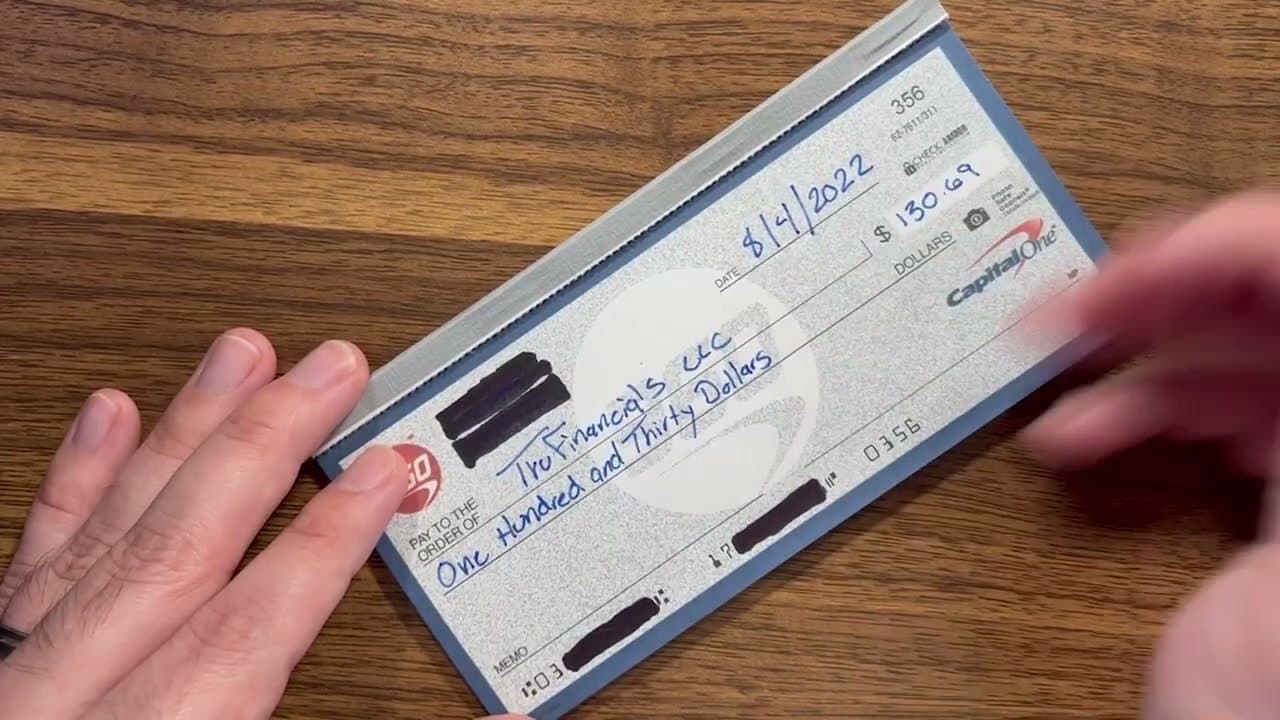
The six lines, in order
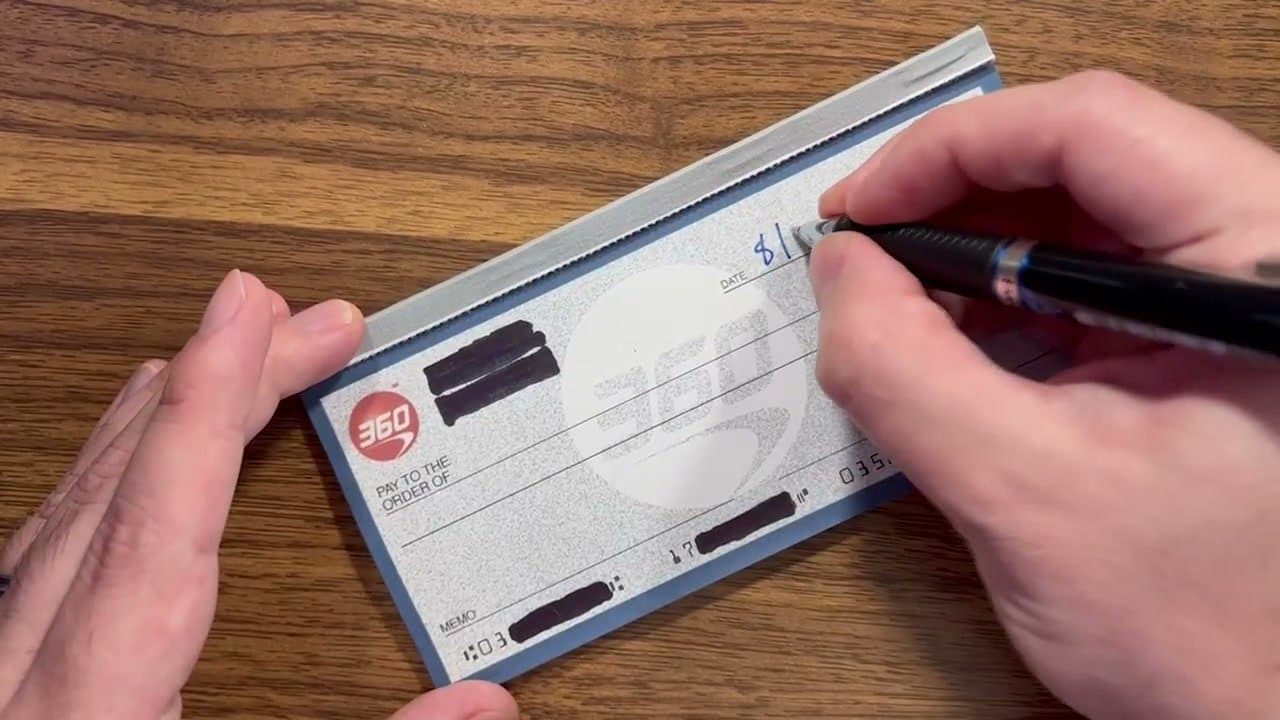
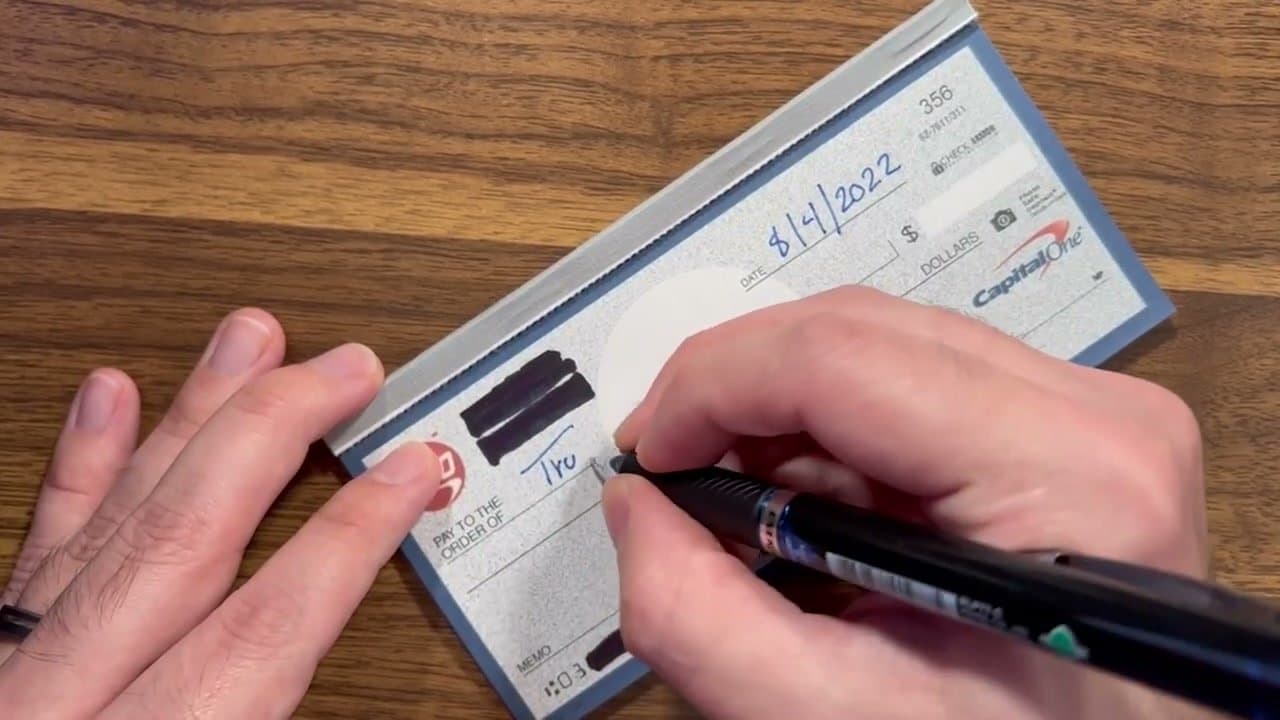
- Date, top right. Today's date in month/day/year.
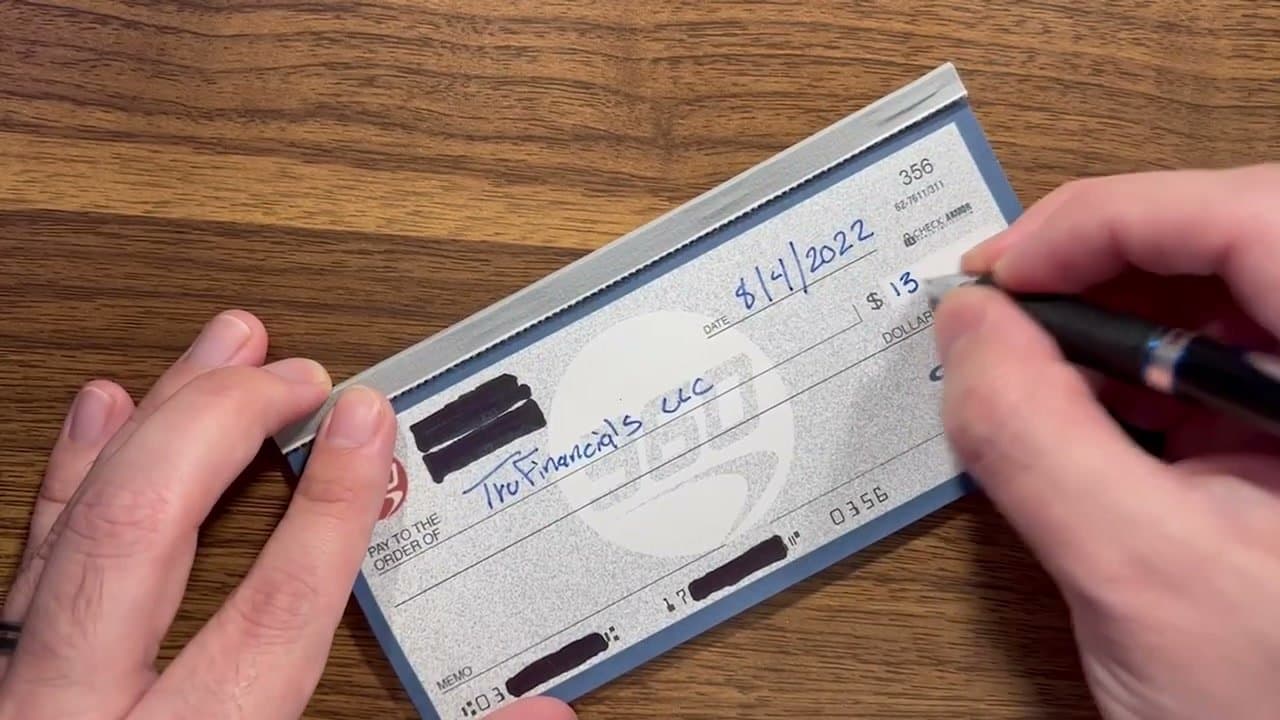
- Pay to the order of, the long line under the date. The person or business receiving the money.
- Amount box, the small box on the right with a dollar sign. Numerals.
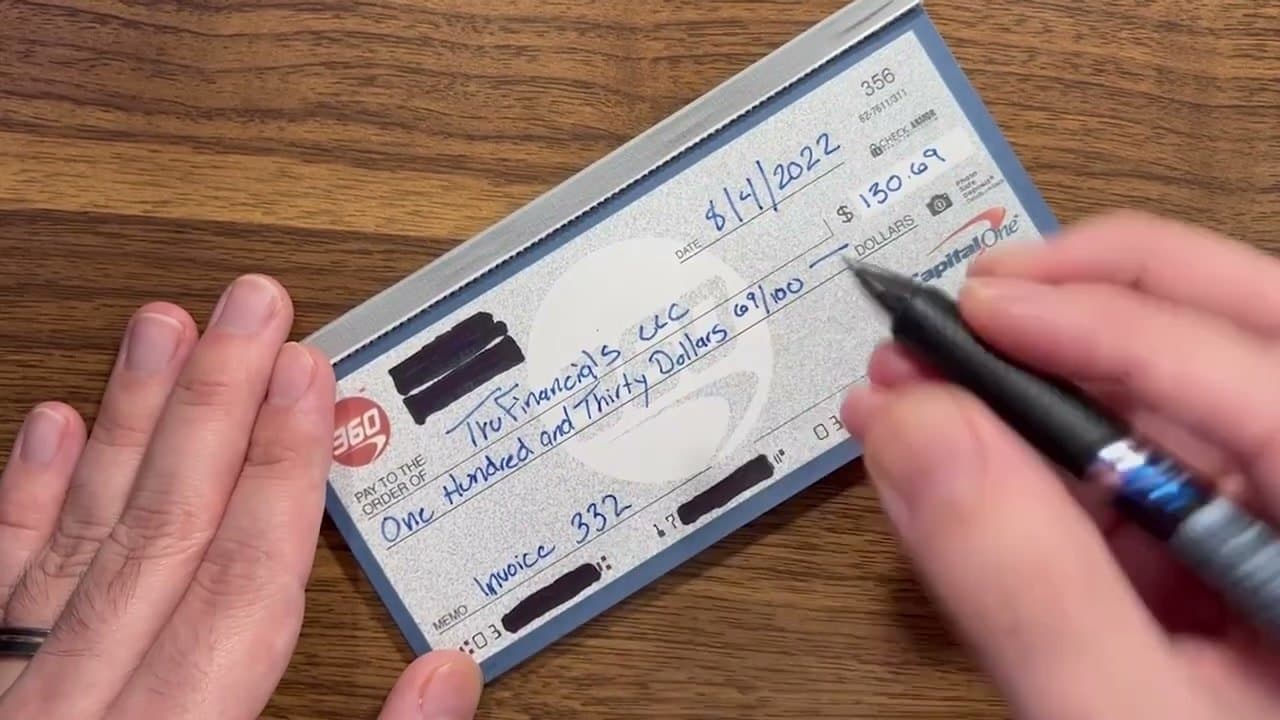
- Amount line, the long line underneath. The same amount spelled out in words.
- Memo, bottom left. Optional, but useful.
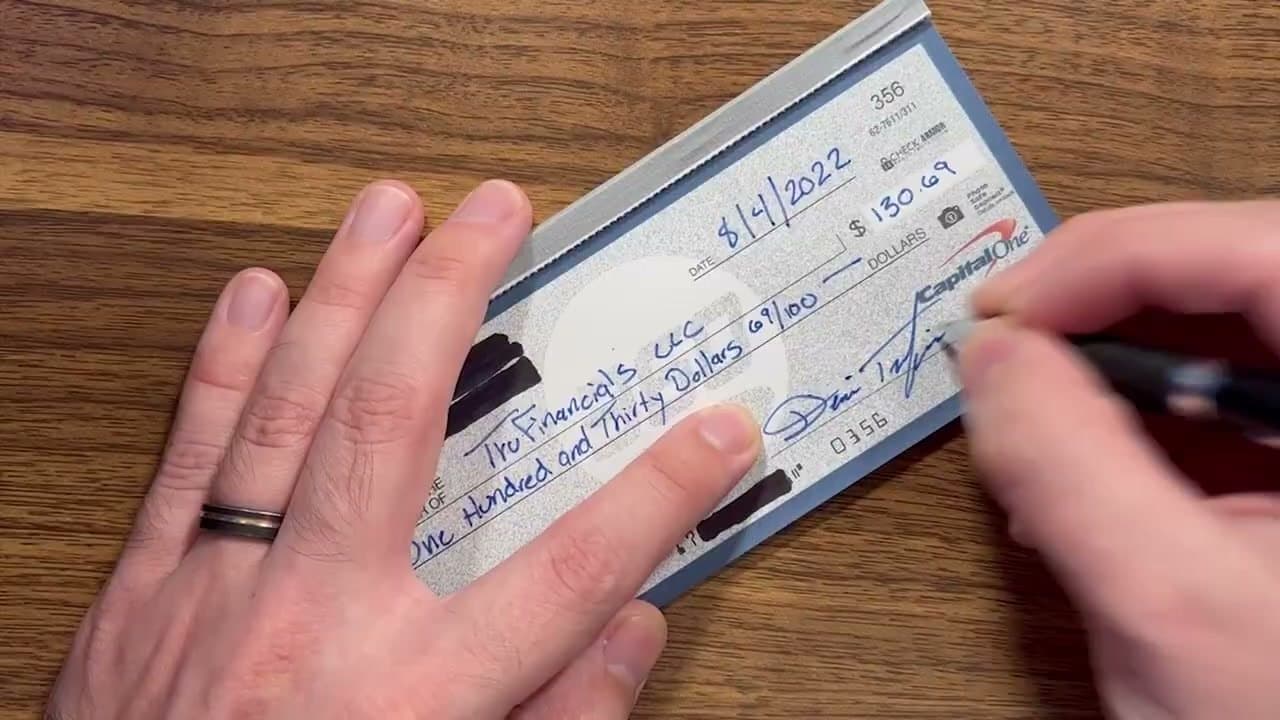
- Signature, bottom right. Sign it exactly as the bank has it on file.
Writing the amount so it can't be altered
This is the part that actually matters for fraud. In the numeral box, push the number hard against the left edge of the box and add cents every time, even for a round figure: 125.00, not 125. A gap in front of the number is an invitation for someone to add a digit.
On the words line, write the dollars in words and the cents as a fraction over 100: One hundred twenty-five and 00/100. Then draw a line from the end of your writing to the printed word "Dollars" so nothing can be inserted after it. No "and" between the hundreds and the tens - "one hundred and twenty-five" is not how a bank reads it.
If the numerals and the words disagree, the bank pays the written words. That's the rule, and it's why the words line is worth slowing down for.
What to put in the memo
The memo line has no legal force, but it is the only note that travels with the money. Write the invoice number, the month of rent, the account number, or the reason for the payment. When a landlord claims a payment never arrived, a cancelled check with "August rent, unit 4B" in the memo settles it.
Never write a Social Security number there. The check passes through several hands before it clears.
Signing, and what makes a check void
Sign in the same style your bank has on file. A wildly different signature can bounce the check. An unsigned check is not a check at all, and it's the single most common reason one gets returned.
Don't sign a blank check to fill in later. Don't post-date a check expecting the bank to hold it - most will cash it the day it's presented regardless of the date. And if you make a mistake, void the check by writing VOID in large letters across the front, then tear off and keep the signature area. Never scribble out an error and write over it; banks reject corrected checks.
Recording it before you forget
A check can sit in a drawer for weeks before it's deposited, which is exactly how an account gets overdrawn by a payment made a month ago. Write the number, date, payee, and amount in the register in the back of the checkbook as soon as you tear the check out.
Our guide to balancing a checkbook covers the running-balance habit that keeps the math straight.
Common questions
Can I write a check for cents only?
Yes. Write 0.85 in the box and Zero dollars and 85/100 on the line.
Does a check expire?
Most banks treat a personal check as stale after six months, though they are allowed to honour one after that. If a check you wrote hasn't cleared in six months, contact the payee rather than assuming it's dead.
What if I don't have enough in the account?
The check bounces, your bank charges you an insufficient-funds fee, and the payee's bank usually charges them one too. Some states treat a knowingly bad check as a criminal matter.