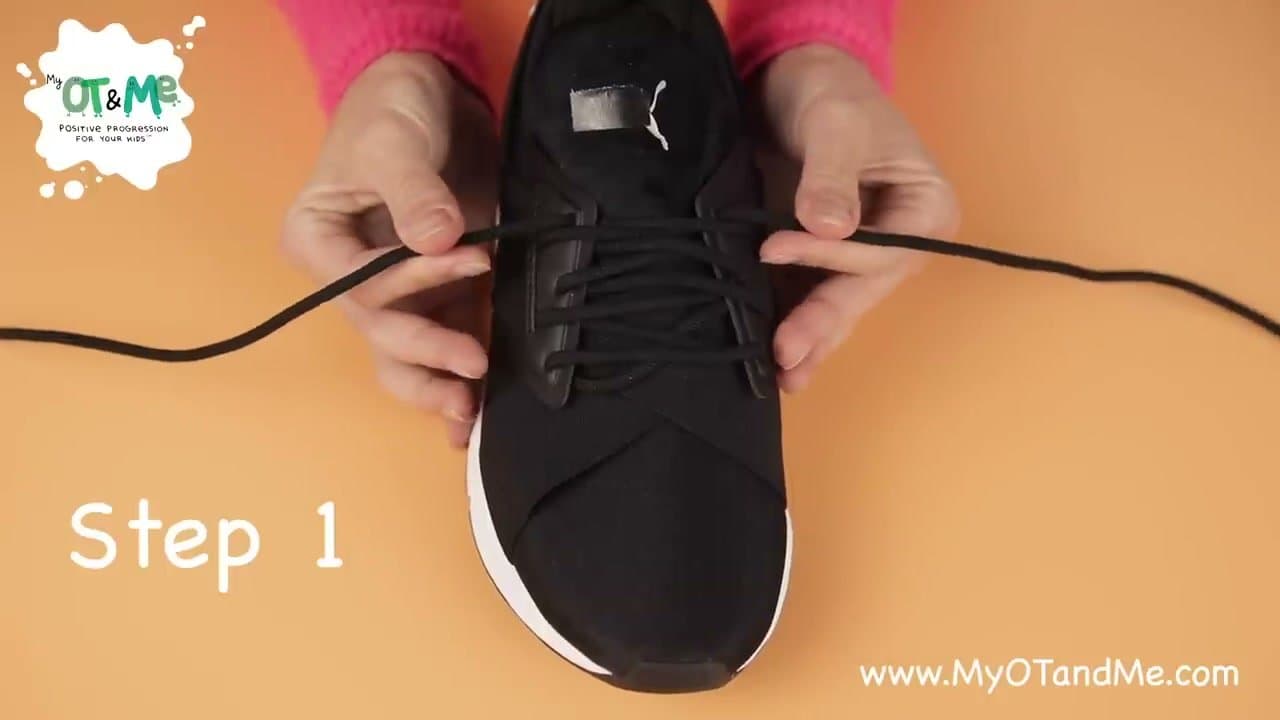
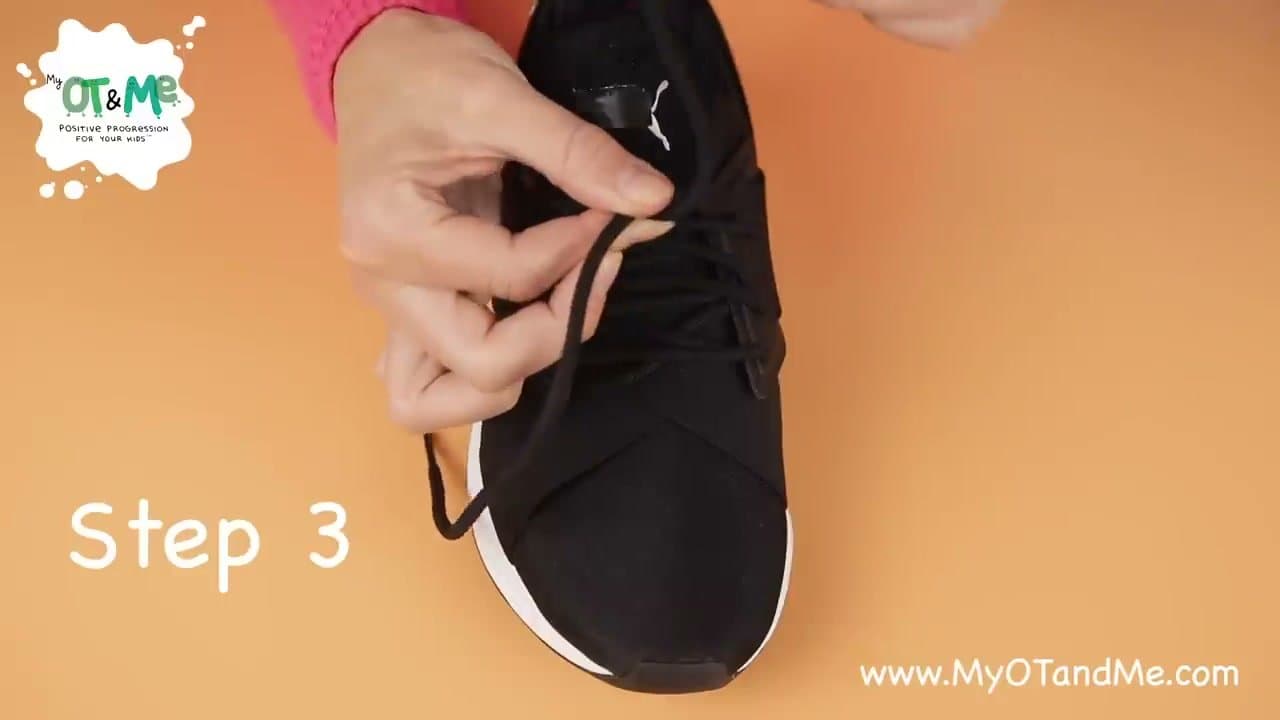
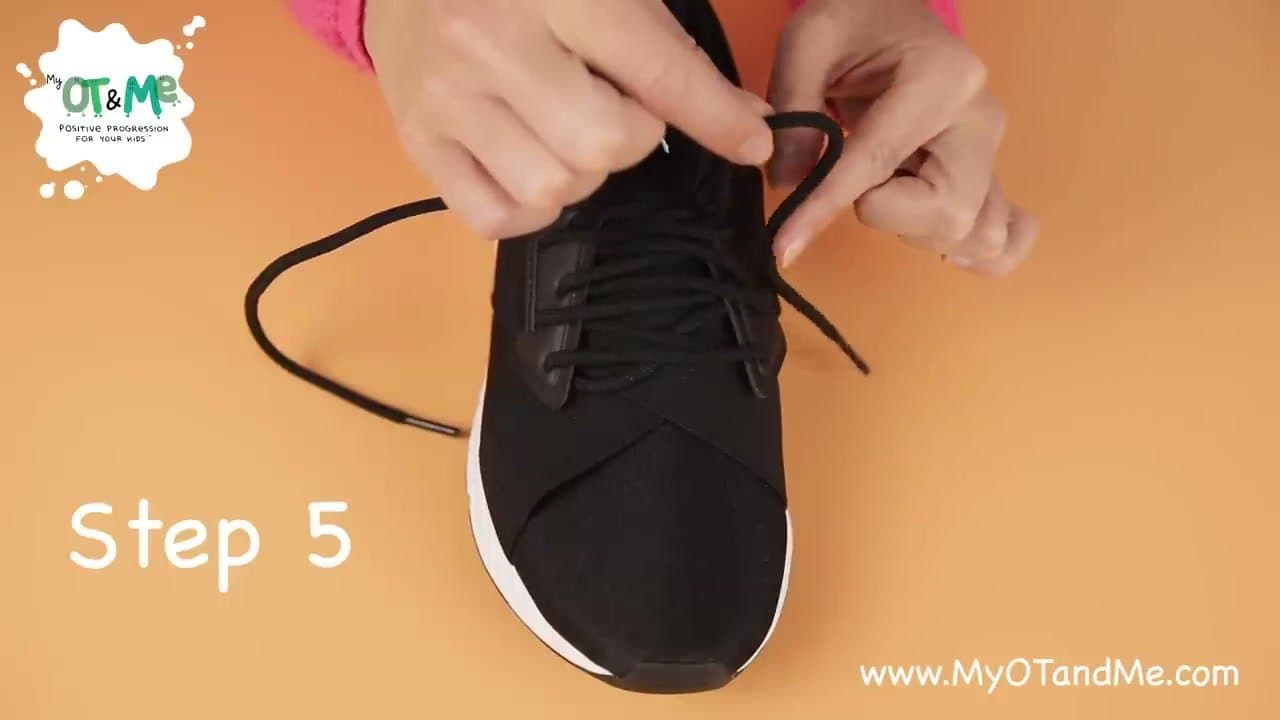
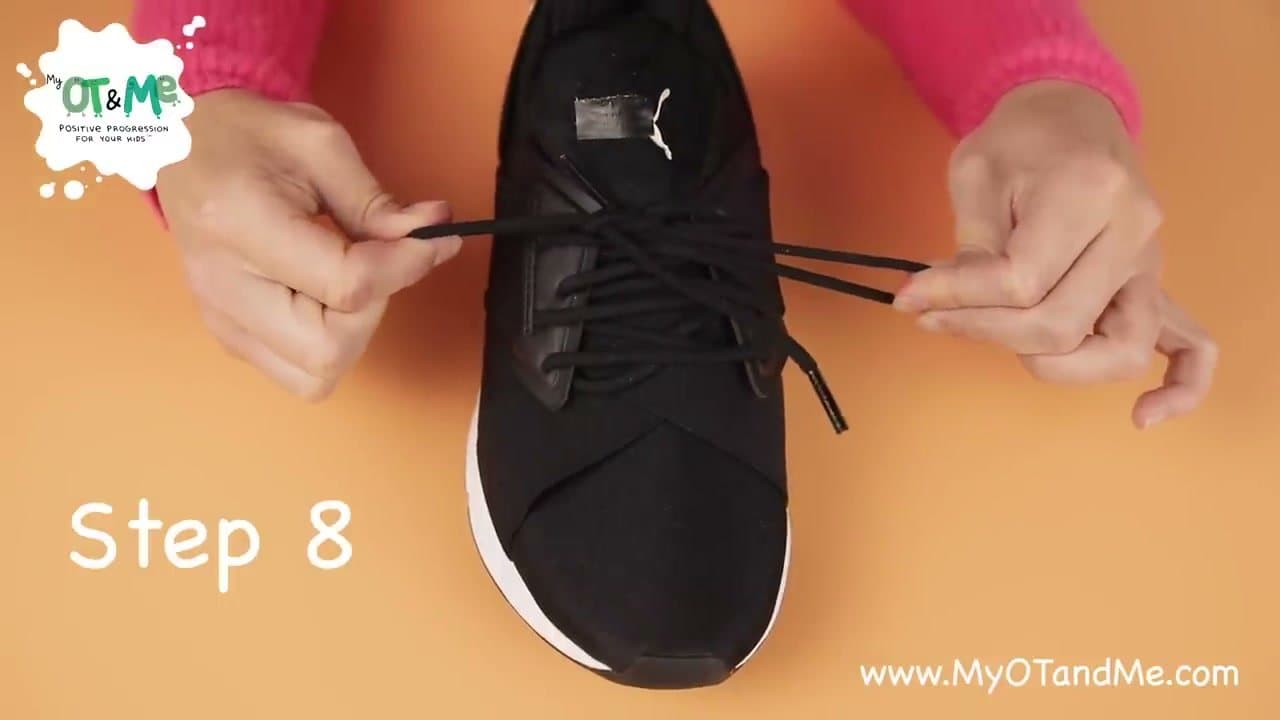
Most people learn this knot once, around age five, and never look at it again. Then you retie the same shoe four times on one walk, or you crouch in a hallway explaining to a kid where the loop goes.
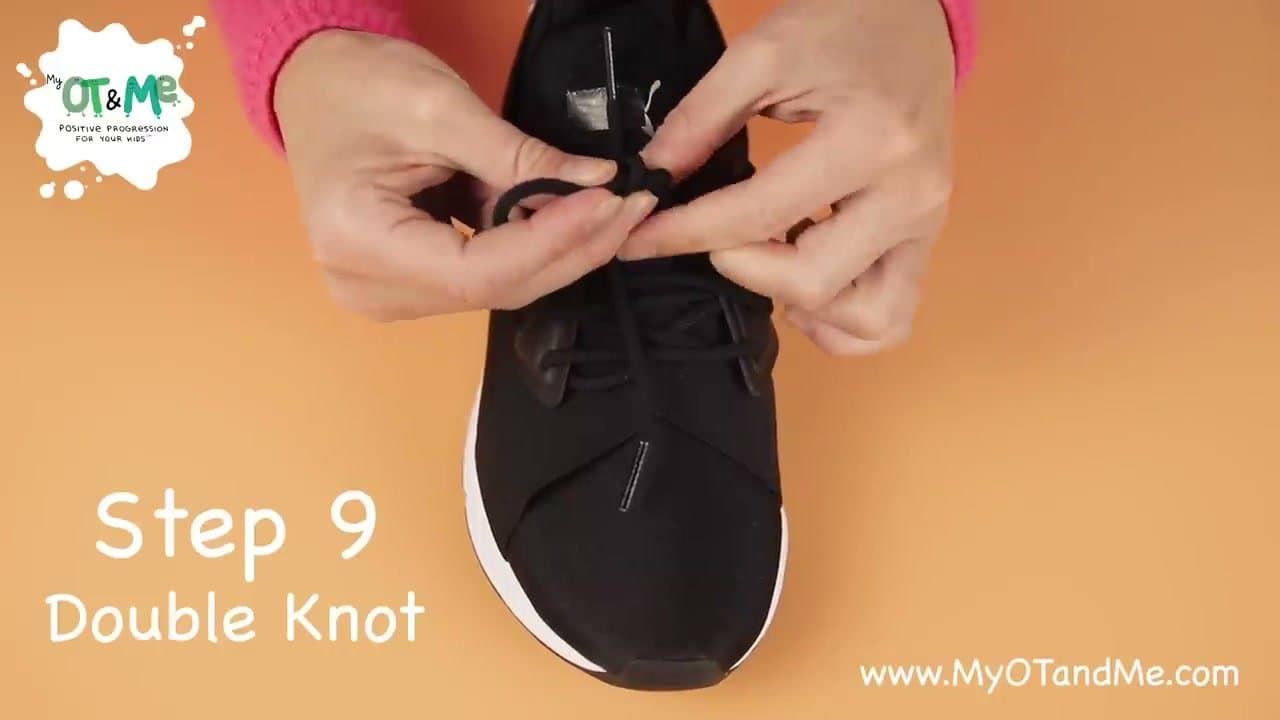
The steps below follow Jess - My OT & Me, a pediatric occupational therapist, so they use bunny ears: two matching loops, which small hands manage better than a loop plus a wrap. What follows is what the steps leave out: which knot to use as an adult, why a bow flops sideways, and what to do when the shoe is the problem. If you like a knot you learn once and keep, how to tie a tie runs on the same muscle memory.
Three Knots: The Standard Bow, the Ian Knot, the Surgeon's Knot
The standard bow - loop, swoop and pull - is one loop plus one wrap. Fine on most shoes.
The Ian knot is the fast one. You build a loop in each hand, cross your hands, and pass each loop through the other in one motion. The finished knot is identical to the standard bow, so nothing is lost. Give it an afternoon of fumbling, then about a second per shoe forever after.
The surgeon's knot is for laces that refuse to stay tied: round nylon, fat hiking laces, a kid on a playground. Add one extra pass-through at the starting cross, before any loops exist, so the base cannot creep loose while you make the bow. A double knot does the same job on top and gets stubborn to undo; the surgeon's pass hides underneath and still releases with one pull.
Why Your Bow Sits Sideways Instead of Flat
A bow that turns vertical and points down the shoe is a granny knot. The cause is direction: the starting cross and the finishing wrap went the same way, so the halves fight each other. It slips as your foot flexes.
The fix takes one attempt. Leave the starting cross as it is and wrap the loop the opposite way round - if you have been taking the lace over the front, take it behind. The bow lies flat and stays put. Your hands resist for a week, then forget they ever did it the other way.
Teaching a Child, and Knowing When They Are Ready
Five or six is typical, but the age matters less than two other things. Can the child hold a pinch with one hand while the other hand does something different? Can they follow a sequence of five parts? If the pinch collapses whenever the second hand moves, the bow is not the real problem.
Sit beside the child, not opposite, so they see the motion from their own angle instead of mirrored, and work on a shoe off the foot. Two-color laces help more than anything else: thread one of each color and "wrap the red one around the blue loop" becomes an instruction instead of a riddle. The doorway on the way out is the worst moment to practice. Pick a Saturday. The first knot that holds will be lopsided, and lopsided is fine.
When the Lacing Is the Problem, Not the Knot
Some shoes come loose or hurt no matter how good the bow is. Lacing fixes that, not knots.
- Heel slip: build a heel lock with the spare top eyelet. Run each lace up through the last eyelet on its own side to leave a loop, then cross the ends through the opposite loop.
- Wide feet: drop the criss-cross for two or three eyelets in the middle and run the laces straight up each side. That takes pressure off the widest part of the foot.
- A sore spot on top of the foot: skip the eyelets over it and lace around the gap. Window lacing, and it is free to test.
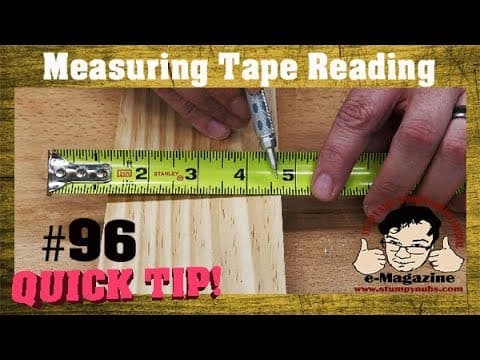
- Laces too long or short: measure the old pair end to end with a tape measure and buy that length. Counting eyelets is a guess.
Flat waxed laces hold a knot better than round nylon ones. Elastic no-tie laces are the honest choice for hands that struggle with a bow, though on a kid they belong on a second pair, not the first. A spare set in with everything else they pack costs a dollar, and the grass stains that follow are the sign it worked.