Complete guide
Everyday Life Skills Everyone Should Know
Published April 12, 2026
The essential life skills everyone should know cover the small, practical moments that adulthood throws at you: tying a tie or scarf, jump-starting a car, changing a flat tire, parallel parking, ironing a dress shirt, and wrapping a gift that actually looks nice. None of these take long to learn, and each one saves a call for help — or an Uber home — the first time you need it.
- Tie a full Windsor knot and a bow tie — for weddings, funerals, and job interviews where jeans won't cut it.
- Jump-start a car and change a flat tire — everyone hits a dead battery or a blown tire eventually.
- Parallel park on the first try — a six-step recipe, no geometry required.
- Iron a dress shirt and fold a fitted sheet — looking put-together is a few-minute skill.
- Wrap a gift like a pro — crisp corners, clean tape, no paper-wrinkle horror.
The Case for Learning Practical Skills
There's a particular kind of satisfaction that comes from handling something yourself. Not because you have to, but because you can. A flat tire on a Saturday morning doesn't ruin your weekend. A last-minute formal event doesn't send you into a panic over your tie. A friend's birthday gift looks like it came from a boutique, not a gas station. These small victories add up, and they change how you move through the world.
Most of us never got a proper education in practical skills. School covered algebra and essay structure, but nobody taught you how to get a dead car battery running again or how to make a French braid look effortless. You were expected to just figure it out. And maybe you did, eventually, after a few frustrating attempts and some questionable YouTube rabbit holes. But there's a faster path.
This page pulls together five essential life skills that cover a surprising amount of ground. They span personal grooming, social situations, and basic vehicle maintenance. None of them take long to learn, all of them come up more often than you'd expect, and each one makes you a little more capable and a lot more confident.
Looking Sharp: The Details That Make an Impression
First impressions happen fast. Research consistently shows that people form judgments within seconds, and a lot of those judgments come down to how put-together you look. Two skills make an outsized difference here: tying a proper tie knot and styling hair with confidence.
The Full Windsor Knot
If you own a tie, you should know how to tie a Full Windsor. It's the gold standard for a reason. The knot is symmetrical, substantial, and sits perfectly in a spread collar. It says you know what you're doing, even if you learned it twenty minutes before the event.
Here's when this skill saves you:
- Job interviews where you want to project competence and attention to detail
- Weddings, funerals, and formal dinners where a clip-on is not an option
- Any situation where you're meeting someone important for the first time
- Helping your teenager get ready for prom (they will remember this)
The Full Windsor takes a bit more fabric than a half Windsor or a four-in-hand, so make sure your tie is long enough. Stand in front of a mirror, take your time, and follow the steps carefully. Our guide to tying a Full Windsor knot breaks the whole process into clear, manageable steps. Most people get it down in three or four attempts. After a dozen, you'll be able to do it without thinking.
One practical tip: practice on a weekday evening, not five minutes before you need to leave. Rushing a Windsor knot for the first time is a recipe for frustration and a crooked result.
French Braiding
French braiding is one of those skills that looks impossibly complex from the outside but follows a simple, repeating pattern once you understand the mechanics. It's useful for far more than fancy occasions. A French braid keeps hair secure during workouts, looks polished for work, holds up in wind and humidity, and works on a surprising range of hair lengths and textures.
Parents with daughters will get years of use out of this skill. So will anyone with long hair who's tired of the same ponytail every day. And if you've ever tried to braid your own hair by watching someone else do it in a mirror, you know how confusing that can be.
Our step-by-step French braid tutorial covers hand positioning, tension control, and the specific technique for adding new sections of hair as you work down the head. The key insight most beginners miss is that tension matters more than speed. Keep it firm and even, and the braid will look neat. Rush it, and you'll end up with lumps and loose sections.
Start by practicing on someone else's hair before attempting your own. It's much easier to learn the pattern when you can see what your hands are doing.
The Art of Gift Wrapping
Gift wrapping is one of those skills that separates a thoughtful gift from a forgettable one. The same book, candle, or kitchen gadget makes a completely different impression when it's wrapped with crisp folds and clean edges versus crumpled paper and visible tape everywhere.
You don't need expensive supplies. A solid-color kraft paper, a roll of double-sided tape, and a pair of sharp scissors will outperform any amount of fancy printed paper paired with sloppy technique. The secret is in the folds. Tight, deliberate creases make wrapping paper behave. Rushed, approximate folds make it fight you.
Our tutorial on wrapping gifts like a pro covers the fundamentals: measuring paper correctly (most people use way too much), creating sharp edges, handling the tricky end folds, and finishing with ribbon or a bow if you want that extra touch. It also addresses the universal nightmare of wrapping oddly shaped items.
Car and Bike Maintenance: Don't Get Stranded
Vehicle breakdowns have a way of happening at the worst possible time. Dead battery on a Monday morning when you're already late. Flat bike tire three miles from home with no cell signal. These aren't hypothetical scenarios. They're Tuesday.
Two skills cover a huge percentage of roadside and trailside emergencies: jump-starting a car and changing a bicycle tire. Neither one is difficult, but both require knowing the correct sequence of steps. Get them wrong, and you can damage expensive electronics or pinch a brand-new inner tube.
Jump-Starting a Car
A dead car battery is the single most common reason for roadside assistance calls. Extreme cold, accidentally leaving lights on, an aging battery, a short trip that didn't give the alternator enough time to recharge. The causes are endless. The fix is almost always the same: a jump start.
The important thing most people get wrong is cable order. Connect them in the wrong sequence and you risk sparks near the battery, which can be dangerous. There's also the question of where to attach the negative cable on the dead car (hint: it's not the battery terminal).
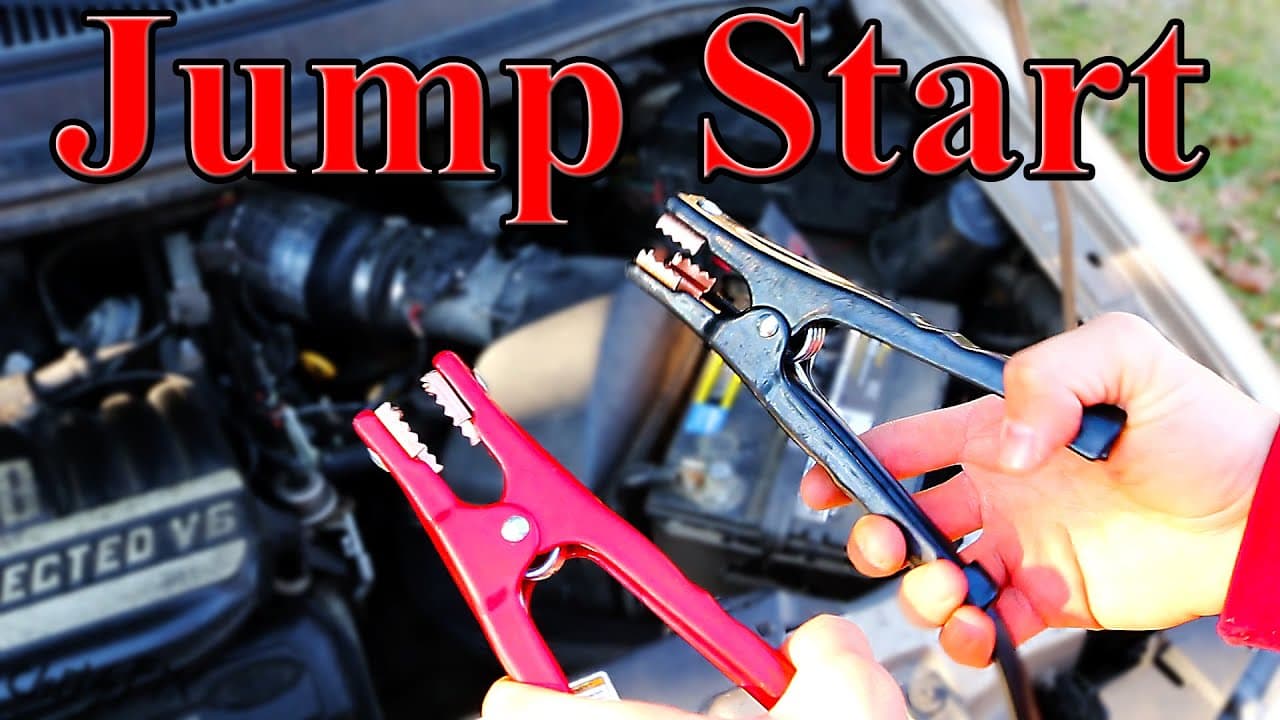
Our guide to properly jump-starting a car walks through the complete process, including safety precautions, the correct connection order, how long to let the working car run before attempting to start the dead one, and what to do after you get it running. Print it out and keep a copy in your glove box next to your jumper cables. Seriously.
Bicycle Tire and Tube Replacement
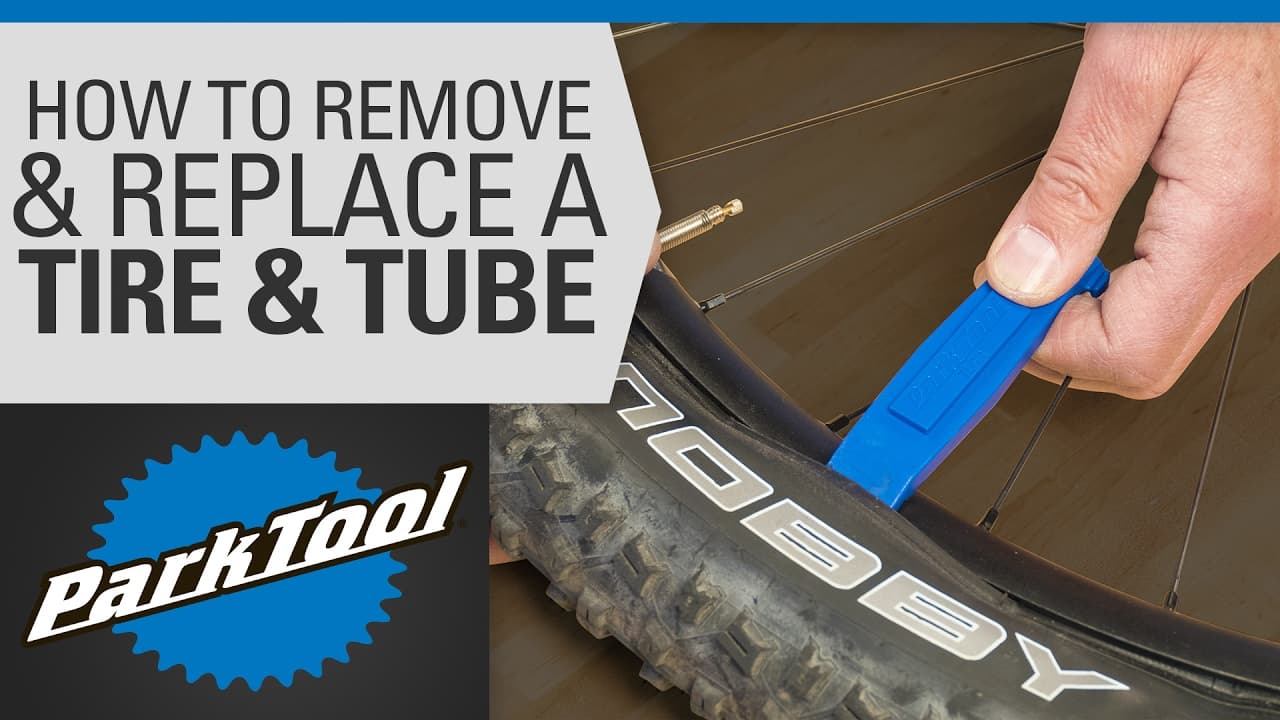
If you ride a bicycle with any regularity, you will get a flat. Glass, thorns, sharp rocks, or just gradual wear will eventually defeat your tire or tube. Knowing how to remove the wheel, swap the tube, and get back on the road is the difference between a minor inconvenience and a long walk home.
Our bicycle tire and tube tutorial covers both removal and installation. It addresses common mistakes like using metal tools that can damage the rim (use plastic tire levers), forgetting to check the inside of the tire for the object that caused the flat (which will just puncture your new tube), and the right amount of inflation for different tire types.
A few practical notes from experience:
- Carry a spare tube, tire levers, and a mini pump or CO2 inflator on every ride. A patch kit is a good backup, but swapping the whole tube is faster and more reliable on the road.
- Practice at home first. Changing a tube in your garage with good lighting and no time pressure is very different from doing it on the side of a trail with muddy hands.
- Check your tire pressure before every ride. Most flats from pinch punctures happen because the tire was underinflated to begin with.
- When reinstalling the wheel, make sure the brake pads aren't rubbing. A wheel that's slightly off-center will slow you down and wear unevenly.
Where These Skills Actually Show Up
Last Thanksgiving, my brother-in-law's car wouldn't start in the driveway. Fifteen people inside waiting to eat, him standing in the cold with the hood up. I grabbed my cables, had it running in four minutes, and we sat down to dinner like nothing happened. That's it. No applause. Nobody cared five minutes later. But I knew I could handle it, and that mattered.
That's the thing about practical skills. They don't make you interesting at dinner parties. They make you the person who doesn't panic when something goes sideways. The friend who shows up to help you move and actually knows how to wrap furniture without destroying it. The parent whose kid's bike gets a flat on a Saturday ride and just fixes it trailside instead of calling an Uber.
None of these five skills take more than an evening to learn. Pick the one you'll use soonest. Got a wedding next month? Learn the Full Windsor. Holidays coming? Gift wrapping. Just bought a bike? Practice the tire change in your garage before you need to do it on the side of a road.
What to Learn Next
These five tutorials are part of our growing lifestyle skills collection, which covers a wide range of practical abilities for everyday situations. New tutorials are added regularly, each one built around clear, visual step-by-step instructions that make complex tasks approachable.
If you're the kind of person who likes checking things off a list, here's a challenge: learn all five skills on this page within the next month. Spend one evening on each. By the end, you'll have a set of abilities that will serve you for decades. More importantly, you'll have the momentum to keep learning.
Because that's the real secret behind practical skills. It's never really about the knot or the tire or the wrapping paper. It's about becoming the kind of person who can figure things out. And that starts with deciding to learn one thing today.
Frequently Asked Questions
What life skills should every adult know?
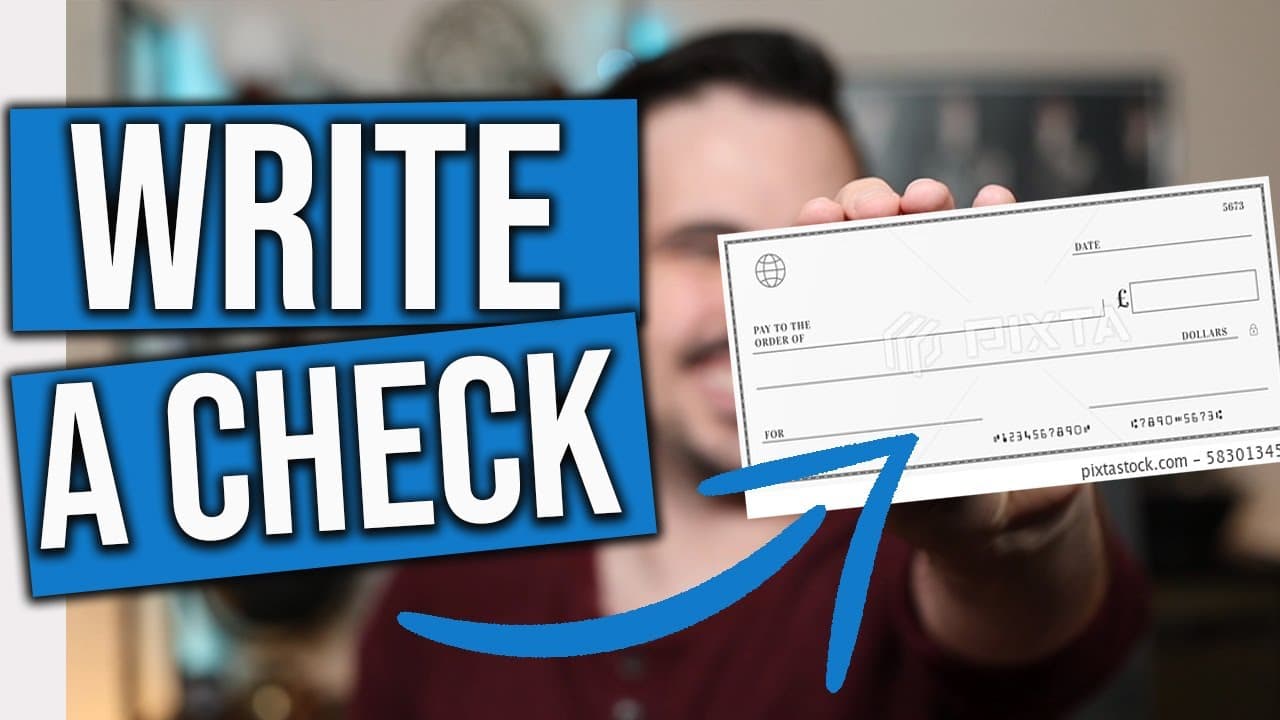
The non-negotiable list: writing a check and addressing an envelope, changing a flat tire, jump-starting a car, ironing a dress shirt, building a budget, basic first aid, and cooking five meals from scratch. Each takes a single afternoon to learn and saves real money or stress at unpredictable moments throughout adult life.
What's the most important life skill?
Financial literacy — specifically, knowing how to budget, read a credit report, and open a retirement account. The compounding cost of not knowing these in your 20s is unrecoverable in your 50s. Second-most-important is a basic emergency-response toolkit: Heimlich, stopping a nosebleed, CPR.
What life skills should you teach a teenager?
Money basics (budgeting, reading a paycheck, opening a savings account), car basics (changing a tire, checking oil, jumping a battery), home basics (laundry, ironing, basic cooking), and confidence skills (handshakes, eye contact, asking questions). Skip the lectures — let them do each task once with you and once alone.
What life skills are not taught in school?
Almost all of them. School covers history and algebra; it skips taxes, negotiation, sleep, conflict resolution, basic vehicle maintenance, mental health, fitness, and managing emotions. The single highest-ROI skill missing from most curricula is salary negotiation — a 30-minute skill that compounds across an entire career.
How do I improve my life skills as an adult?
Pick one skill per month and learn it deliberately. Read about it for 30 minutes, watch one tutorial, then do it once with low stakes. Ten minutes of practice a day for two weeks beats a single weekend cram. The skills compound: building habits, time-blocking, and public speaking all amplify everything else you learn.
What's the difference between life skills and soft skills?
Life skills are concrete and measurable — you either can change a tire or you can't. Soft skills are interpersonal and contextual — communication, empathy, listening, leadership. Most people overinvest in soft skills (which require years to develop) and underinvest in life skills (which take afternoons). Master the concrete ones first; they free up bandwidth for the soft work.
Tutorials in This Guide
180 step-by-step tutorials
How to Do a Fishtail Braid - Step by Step for Beginners
How to Fold a Dress Shirt (Wrinkle-Free Travel and Storage)

How to Fill Out a W-9, Line by Line

How to Become a DoorDash Driver
How to Get Rid of Fruit Flies

How to Withdraw from Your 401(k)
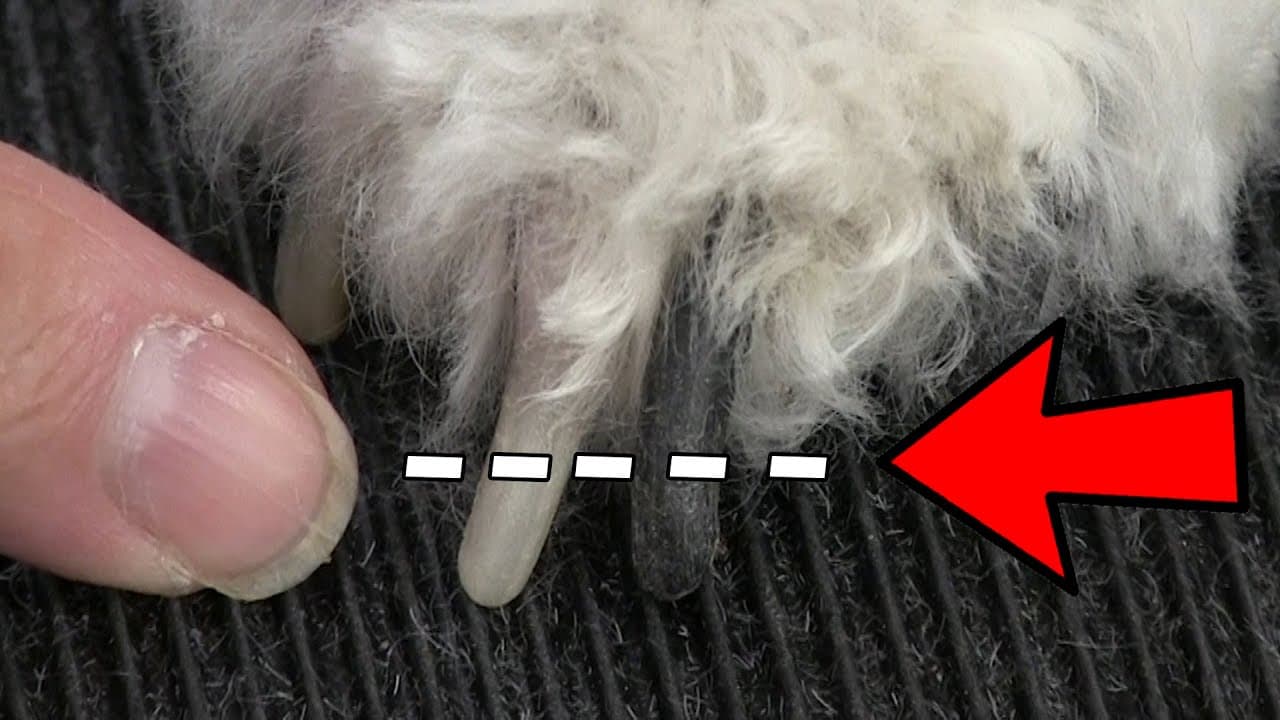
How to Trim Dog Nails: 7 Step Guide for Dark Nails
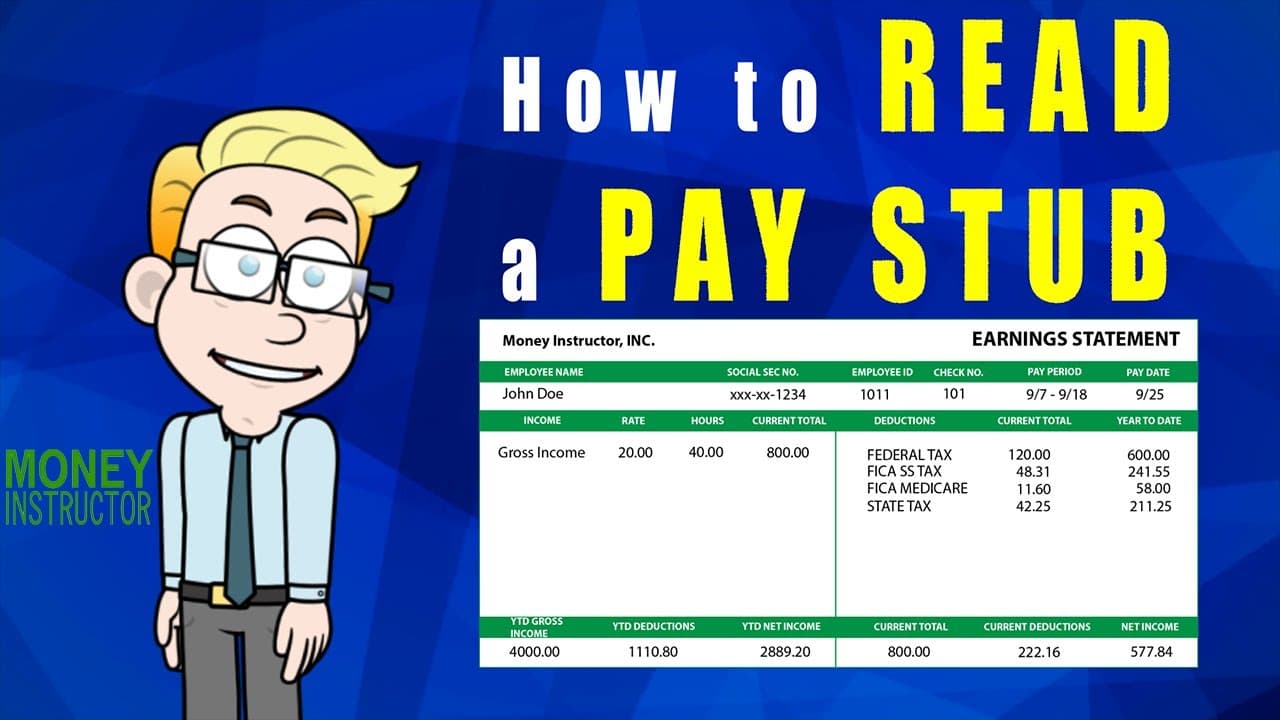
How to Read a Pay Stub
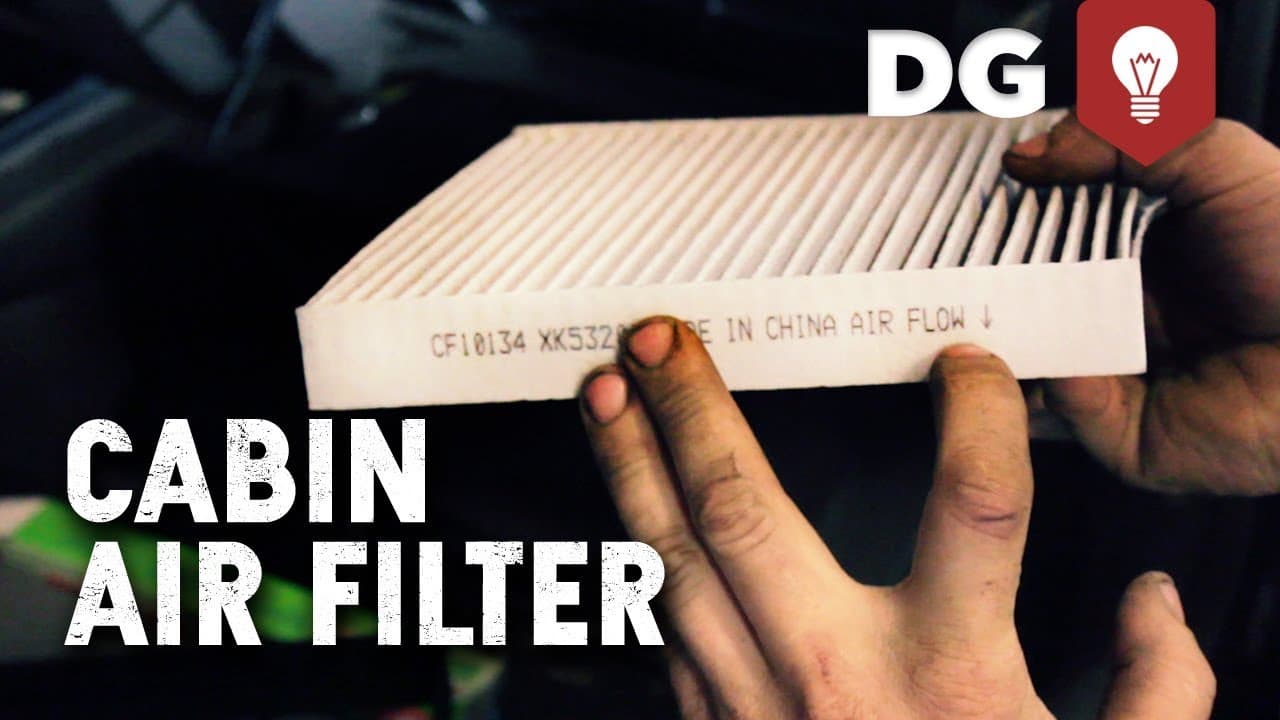
How to Replace Your Cabin Air Filter (8 Easy Steps)
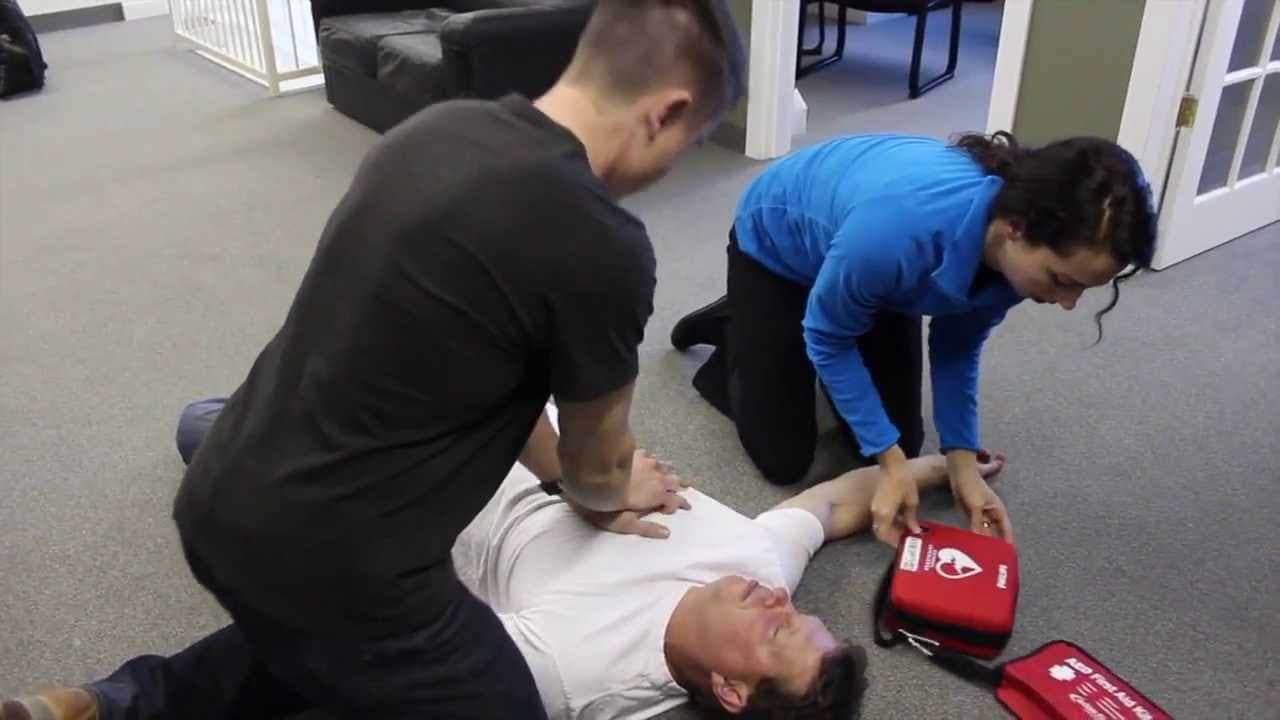
How to Perform CPR and Use an AED in 6 Steps
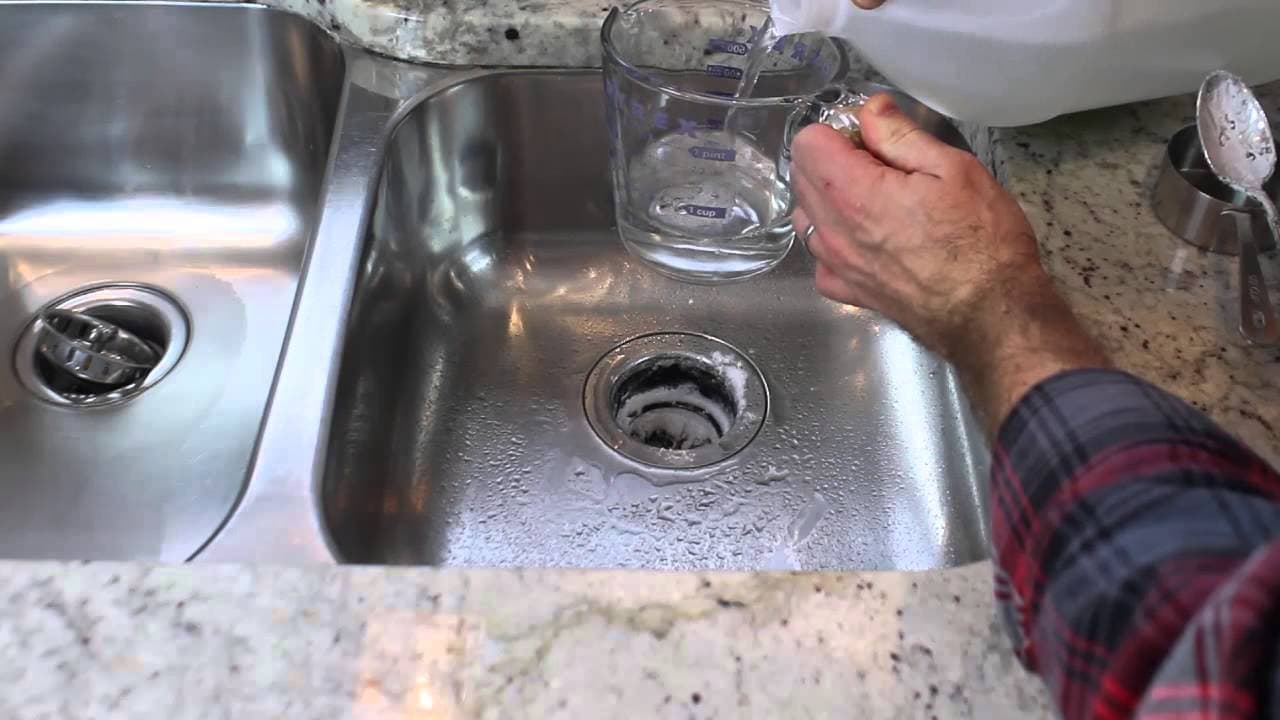
How to Clean a Garbage Disposal
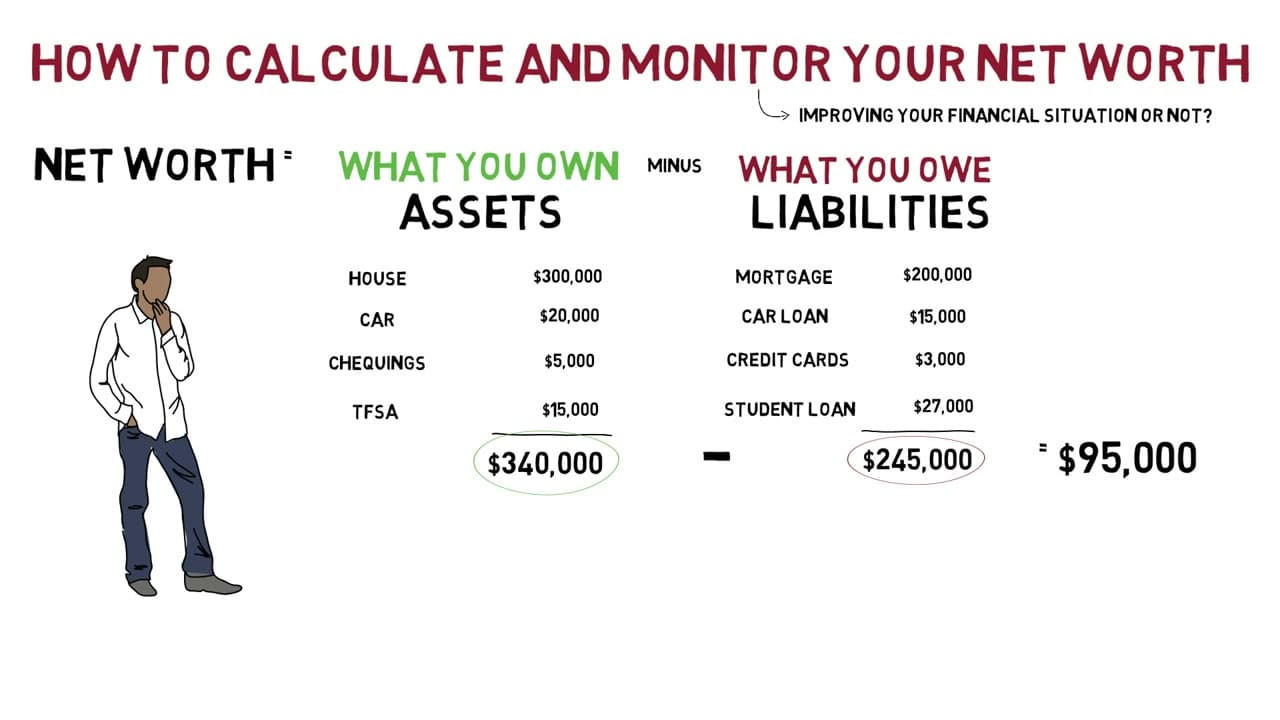
What Is Net Worth? How to Calculate Yours in Minutes
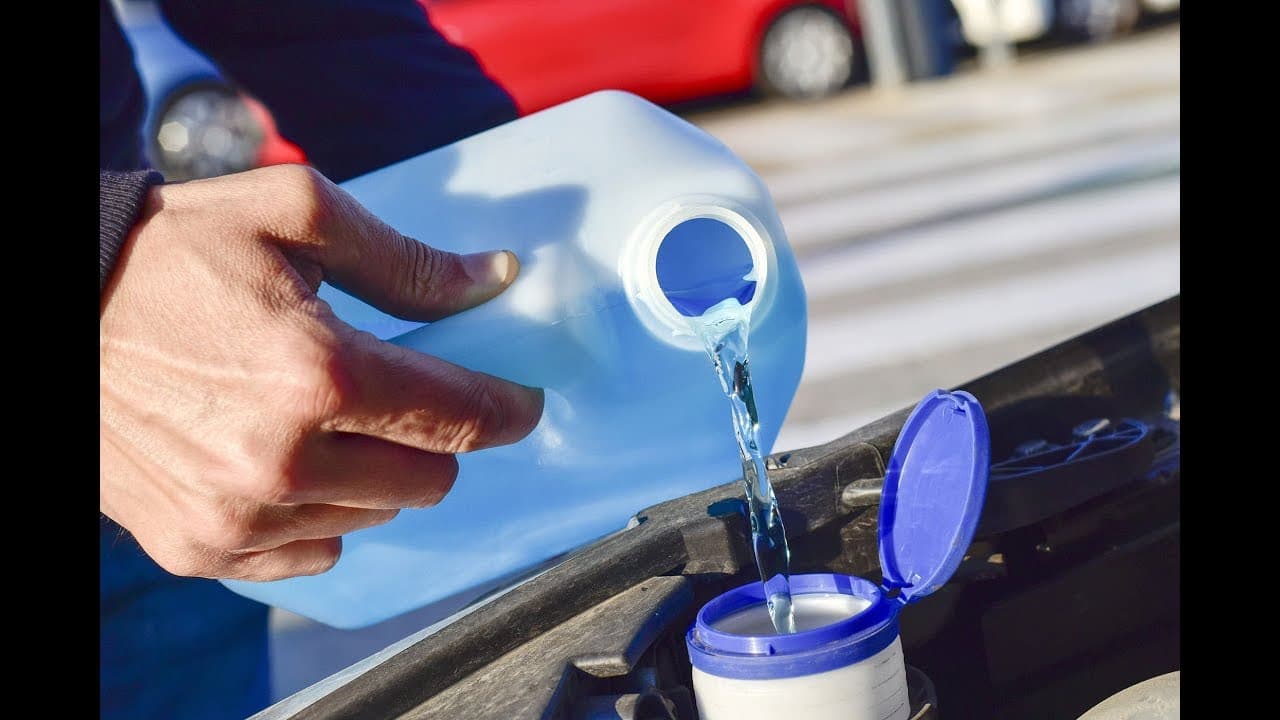
How to Add Washer Fluid (Step by Step)

How to Do Knotless Box Braids at Home

How to Sell on Facebook Marketplace

How to Clean a Toaster (7 Steps to Like New)
How to Meal Plan in 6 Steps (Beginner's Guide)
How to Clean a Washing Machine
How to Read Your Credit Report Section by Section

How to Treat Heat Exhaustion: First Aid in 6 Steps

How to Get an EIN for Your Business (Free, on IRS.gov)
How to Read a Nutrition Label in 7 Steps

How to Pack for College: What to Bring (and What to Leave)

Keurig Not Working? How to Unclog the Needles
How to Remove Grass Stains from Clothes

How to Dispute a Charge: Get Your Money Back from Unauthorized Transactions
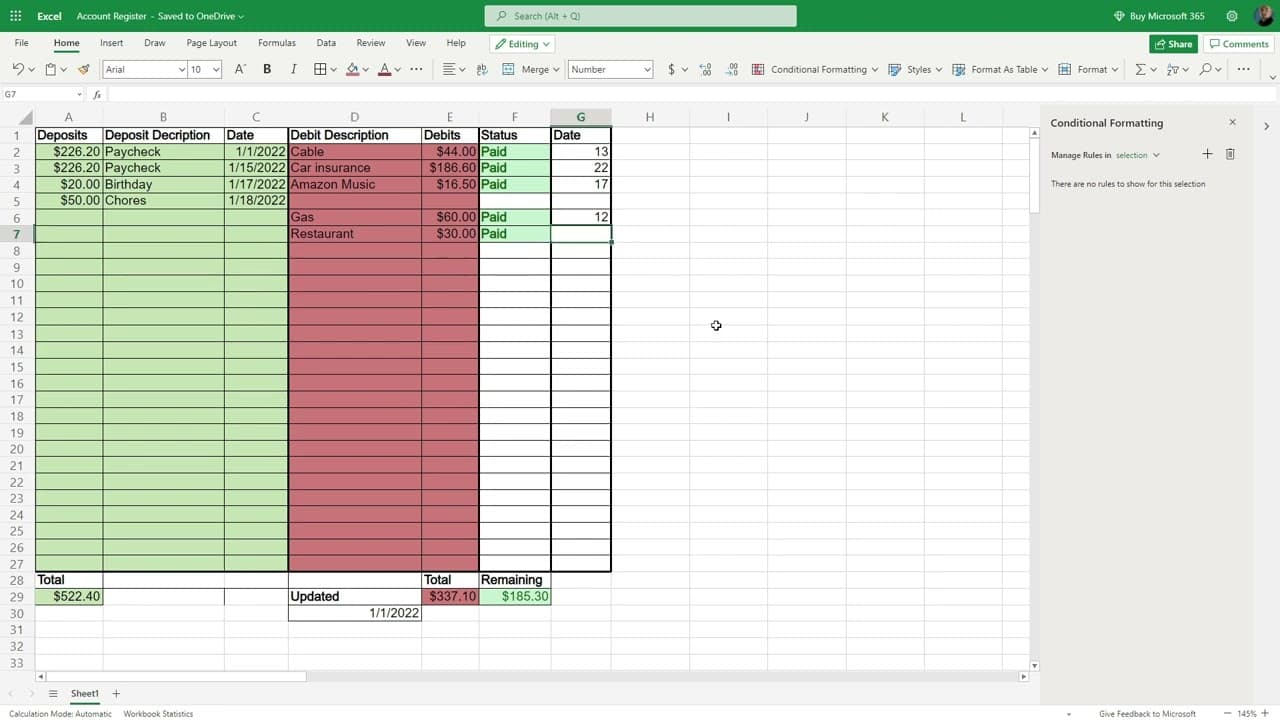
How to Balance a Checkbook
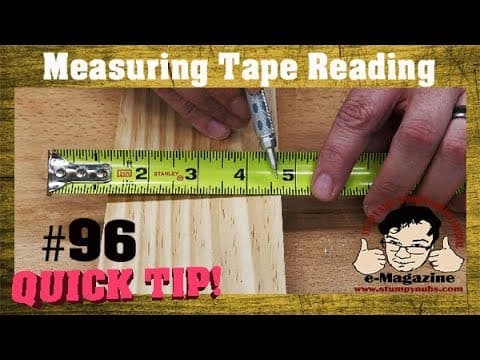
How to Read a Tape Measure
How to Pack a Cooler for Camping
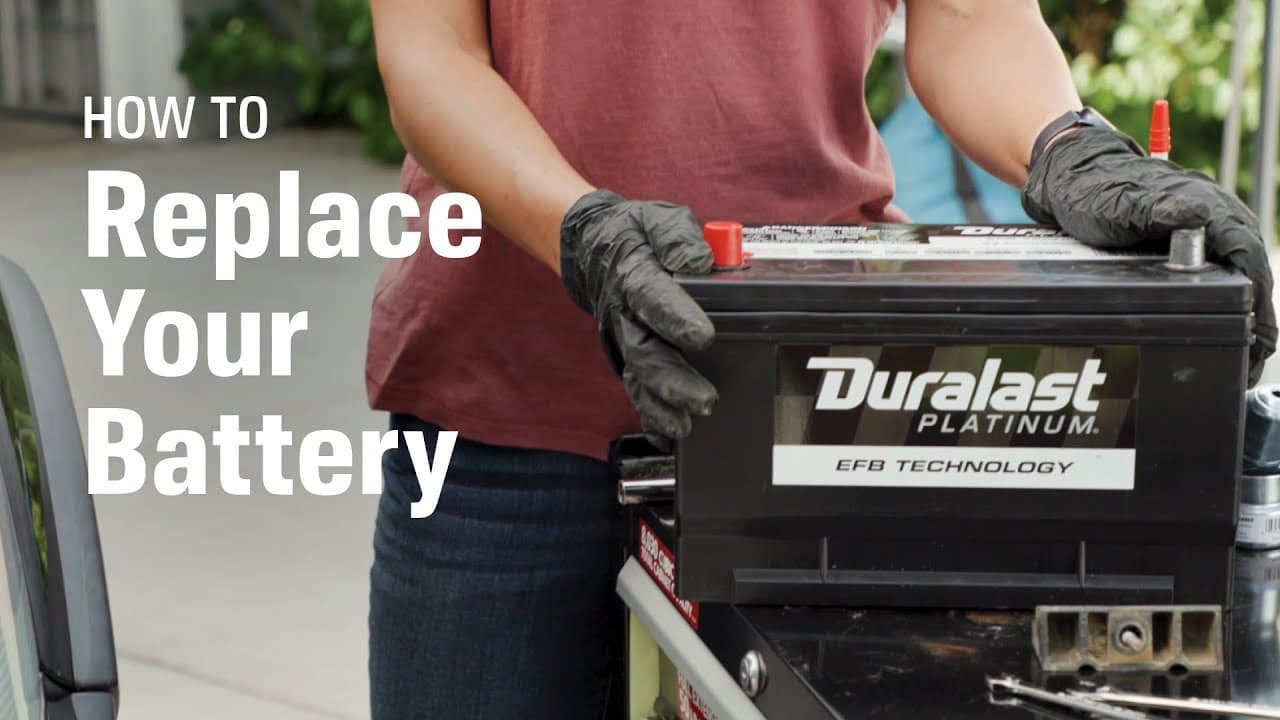
How to Replace a Car Battery (Step by Step)

How to Become an Uber Driver (Sign Up in 5 Steps)
How to Do a Low Bun - Two Easy Methods for Long or Short Hair

How to Tie a Bowline Knot
How to Reset a Tripped Circuit Breaker
How to Remove and Install a Bicycle Tire and Tube
How to Replace Spark Plugs (DIY Tune-Up in 30 Minutes)
How to Start a YouTube Channel in 7 Steps
How to Change Your Windshield Wipers

How to Clean and Descale an Espresso Machine

How to Use an Inhaler with a Spacer in 6 Steps
How to Start a Fire: A Beginner's Guide to the Log Cabin Method

How to File Your Taxes Online with TurboTax (Beginner Guide)
How to Rotate Tires at Home (Step-by-Step Pattern Guide)
What is Social Security? A Plain-English Guide

How to Fill Out a W-4
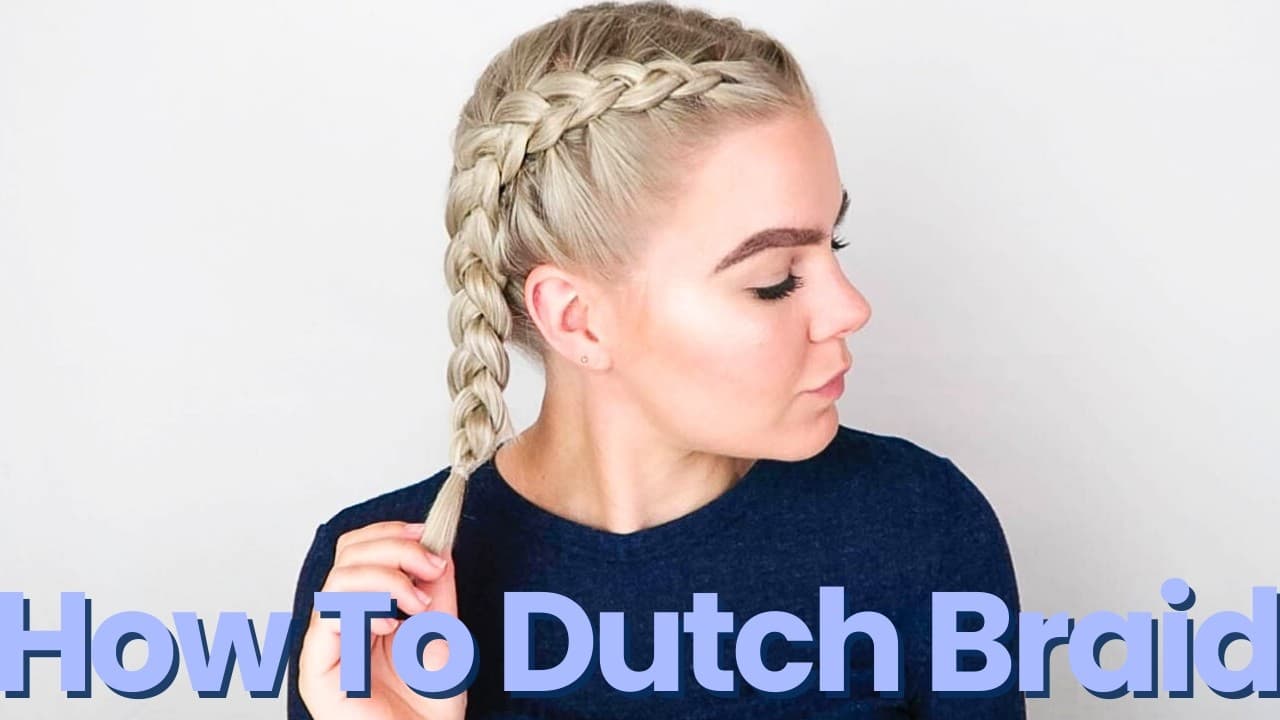
How to Do a Dutch Braid (Beginner Tutorial)

How to Make a Budget
How to Treat a Burn - First Aid in 5 Steps

What Is APR? How Credit Card Interest Really Works

How to Descale a Drip Coffee Maker

How to Write a Professional Email: 8 Etiquette Tips
How to Check Power Steering Fluid (60-Second DIY)

Medicare Parts A, B, C, and D Explained
How to Open a Roth IRA on Fidelity (Beginner Walkthrough)

What Is a Good Credit Score
How to Do a Three Point Turn (Step-by-Step for New Drivers)

How to Train Your Puppy to Stop Biting

How to Study Effectively: 8 Science-Backed Techniques That Work

How to Tie a Knot: 7 Essential Knots

How to Build Good Habits: 7 Science-Backed Steps That Actually Work

What Is a 1099? The Tax Form for Non-Employee Income

How to Shut Off the Water to Your House

How to Negotiate Salary
How to Disassemble a Bed Frame (IKEA and General Step-by-Step)

How to Apply for Social Security (Step-by-Step Guide)

What Is a 401(k)? A Simple Guide
How to Tie a Tie - The Four-In-Hand Knot

What Is a Money Order? How to Fill One Out Right
How to Properly Jump Start a Car
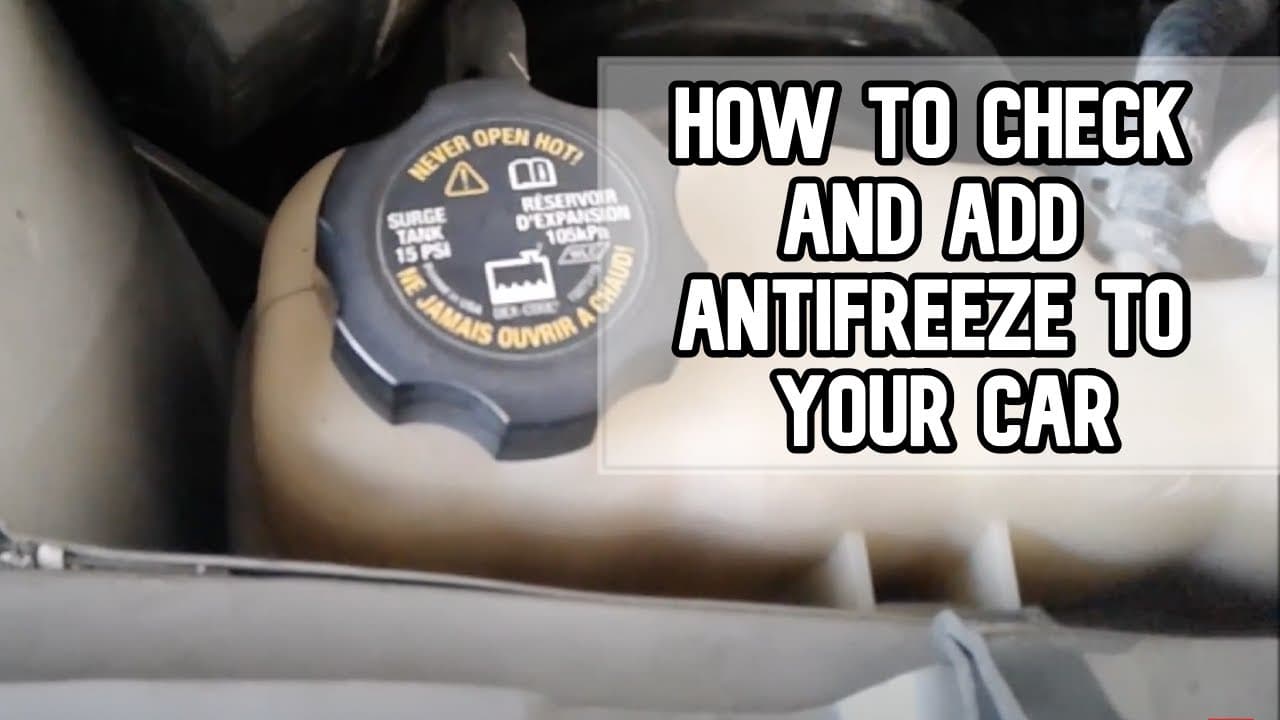
How to Check Coolant (Step by Step)
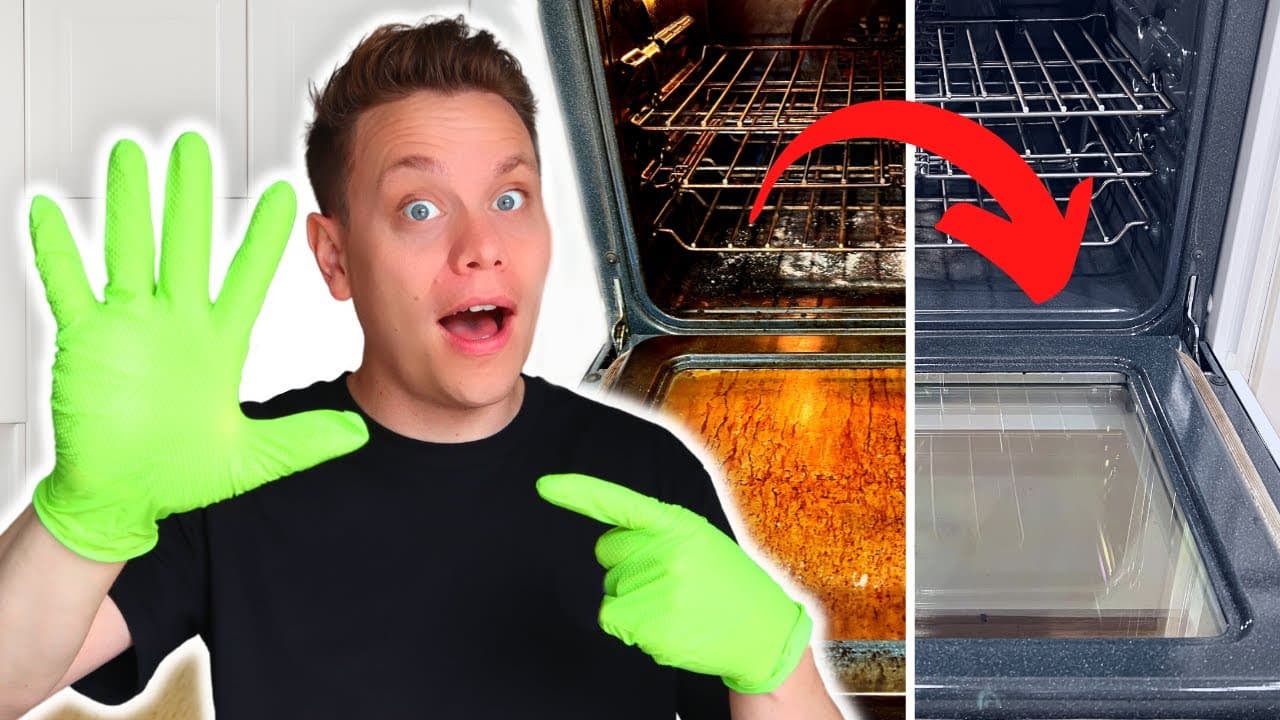
How to Clean an Oven

How to Clean an Air Fryer (Step by Step)
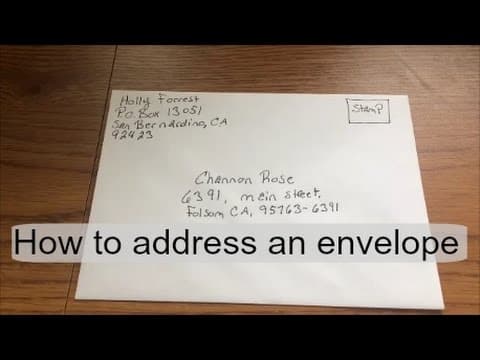
How to Address an Envelope

How to Set Up a Fish Tank

How to Check Your Car's Oil
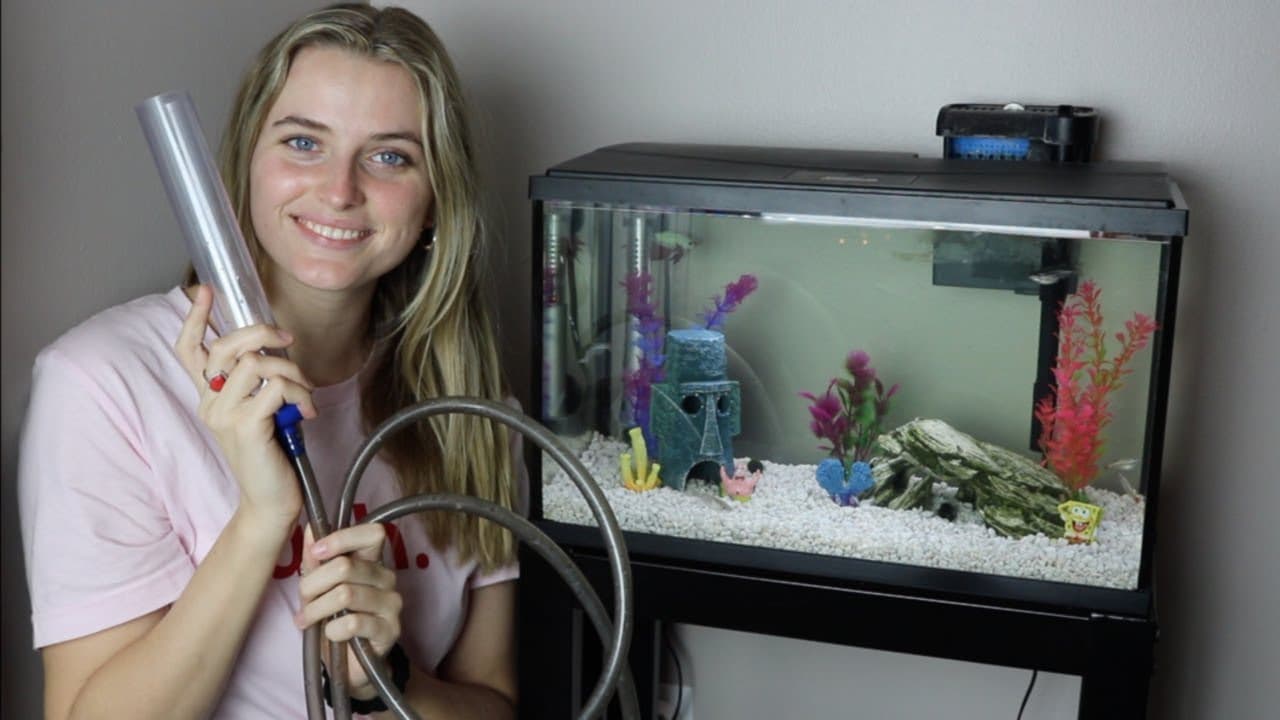
How to Clean a Fish Tank: 8-Step Aquarium Cleaning Guide
How to Fold a T-Shirt - 4 Different Methods
How to Check Transmission Fluid (Dipstick or No Dipstick)
How to Check Your Blood Pressure at Home Accurately
How to Write a Thank You Note: Structure, Examples & Tips
How to Give a Presentation: 6 Public Speaking Fundamentals
How to Open a High-Yield Savings Account in 7 Steps

What Is Medicare Part D

How to Remove a Splinter
How to Build a Habit That Sticks (Atomic Habits 4 Laws)

How to Land Recurring Clients on Upwork (Beginner Strategy)
How to Forward Mail (USPS Change of Address Step-by-Step)

How to Descale a Nespresso (Vertuo and Original Line)
How to Apologize
How to Fold Dress Pants (Wrinkle-Free for Suitcase and Drawer)

How to Do a Half Up Half Down Hairstyle - Easy Twisted Version
How to Fold a Hoodie - 3 Methods (Including a Pillow Hack)
How to Replace a Headlight Bulb
How to Clean a Coffee Maker Without Vinegar

How to Recognize Stroke Symptoms with F.A.S.T.E.R.
How to Time Block Your Day in 7 Steps (Cal Newport's Method)

How to Get an IRS Identity Protection PIN (IP PIN)
How to Move (16 Moving Tips from a Professional Mover)

How to Fold Clothes the KonMari Way
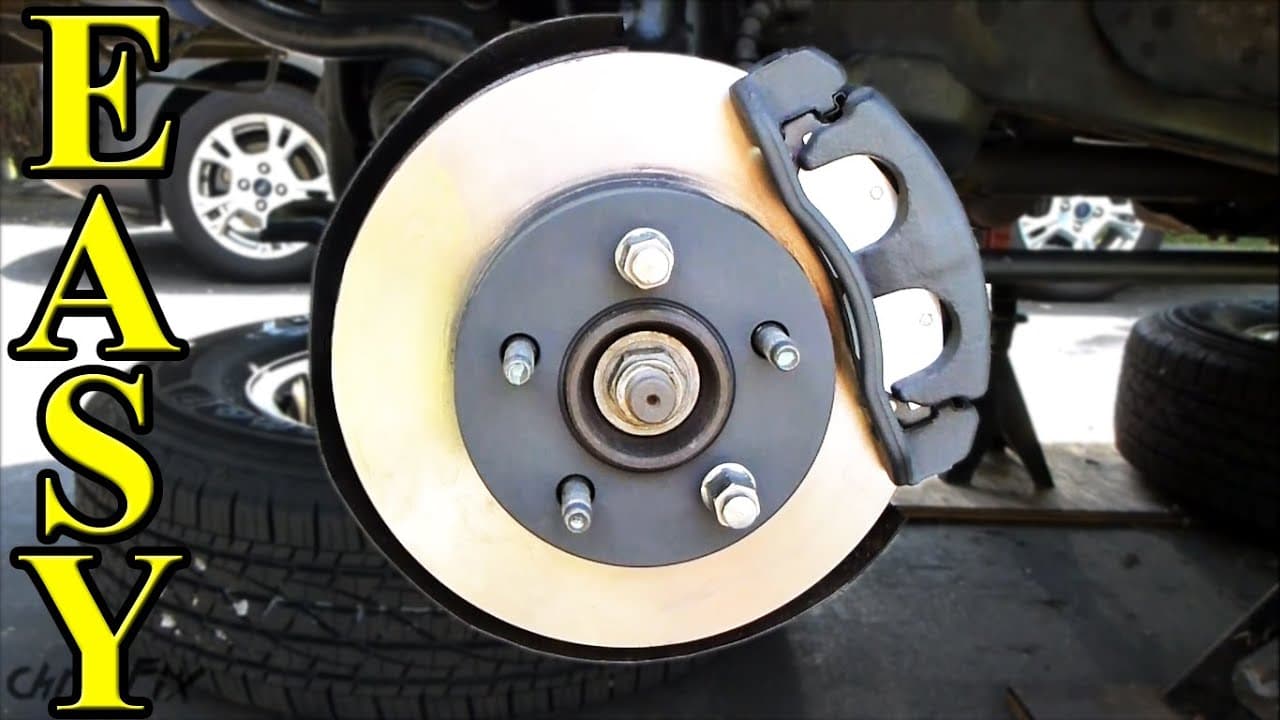
How to Change Brake Pads (Front Brake Service Step-by-Step)

How Much Social Security Will I Get?
Parallel Parking Tips for Driving Test

How to Iron a Dress Shirt Like a Pro

How to Get Tomato Sauce Out of Clothes
How to Pack a Suitcase Efficiently

What Is a W-4? The Form That Sets Your Tax Withholding

How to Do Box Breathing in 7 Steps
How to Update Your Address with the IRS (Form 8822 Walkthrough)

How to Sharpen Lawn Mower Blades

How to Calculate Your RMD - 7-Step Required Minimum Distribution Guide

How to Tie a Full Windsor Knot
How to Check Tire Pressure (Step by Step)

What Is Compound Interest? A Beginner's Guide
How to Write a Check (Step-by-Step Guide)
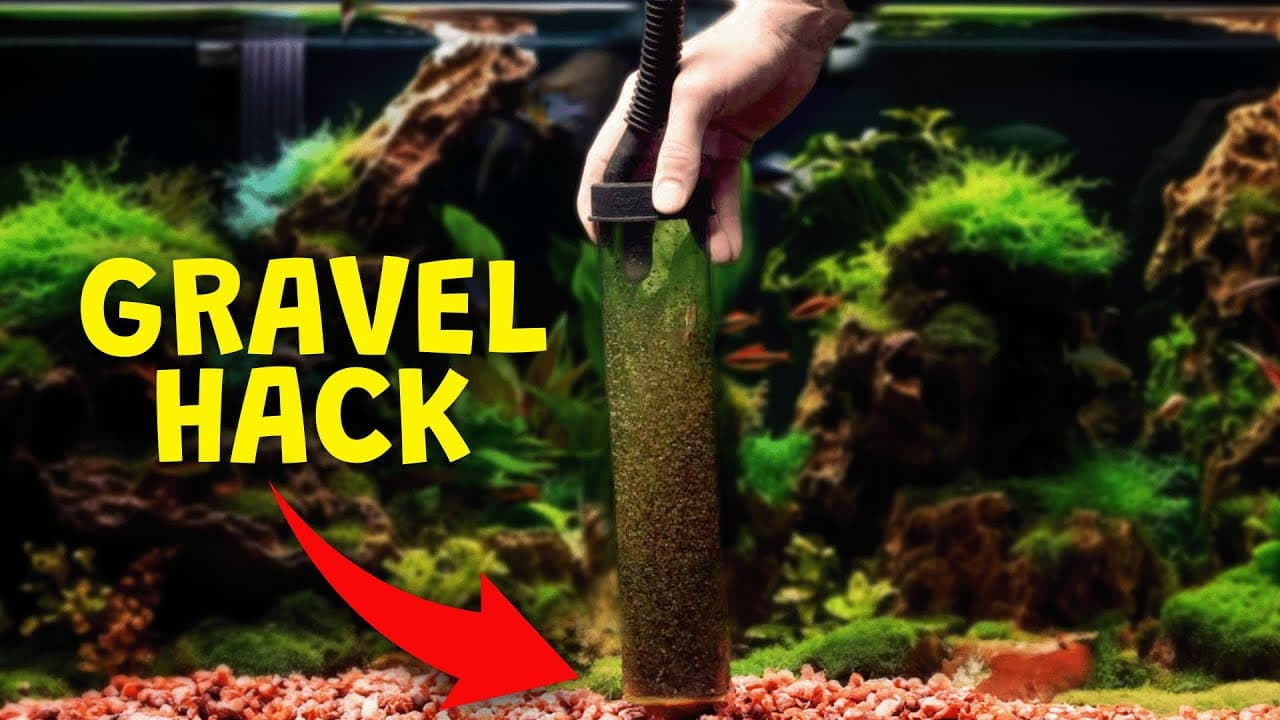
How to Clean Fish Tank Gravel: 7 Step Guide With a Siphon Vacuum
How to Introduce Yourself: A Simple 4-Tip Framework
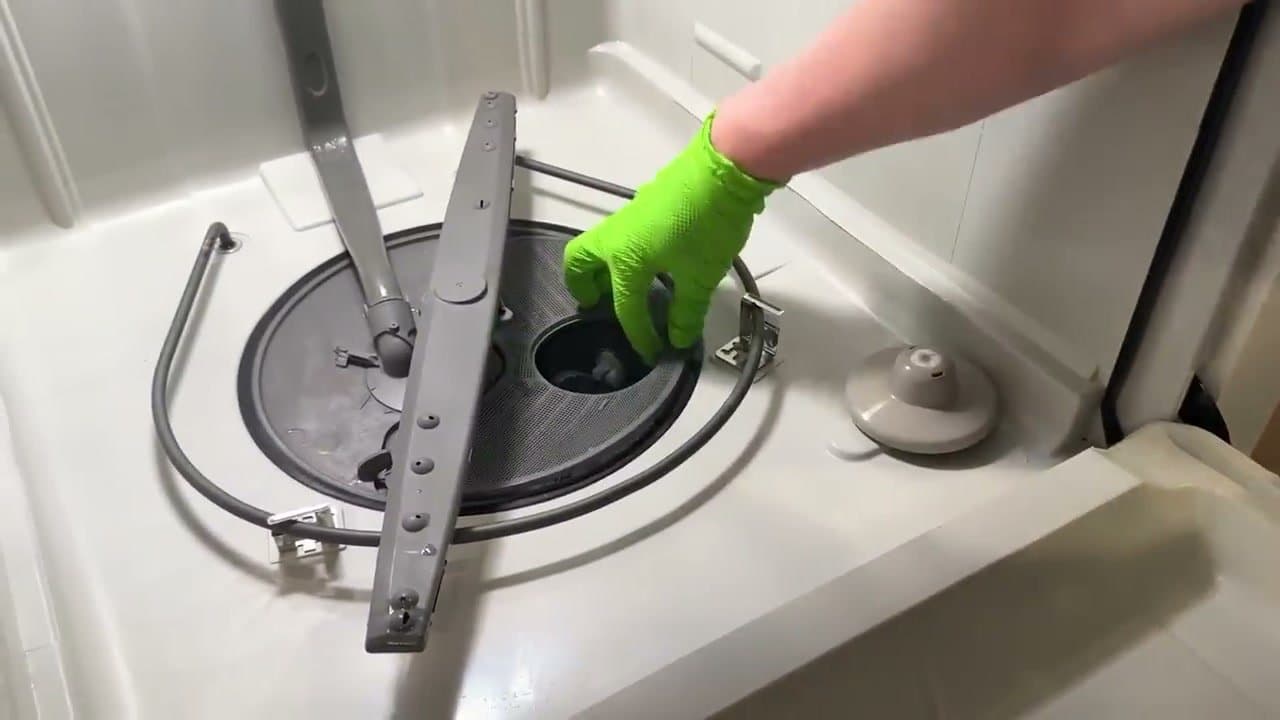
How to Clean a Dishwasher

How to Fix a Zipper That Came Off the Track
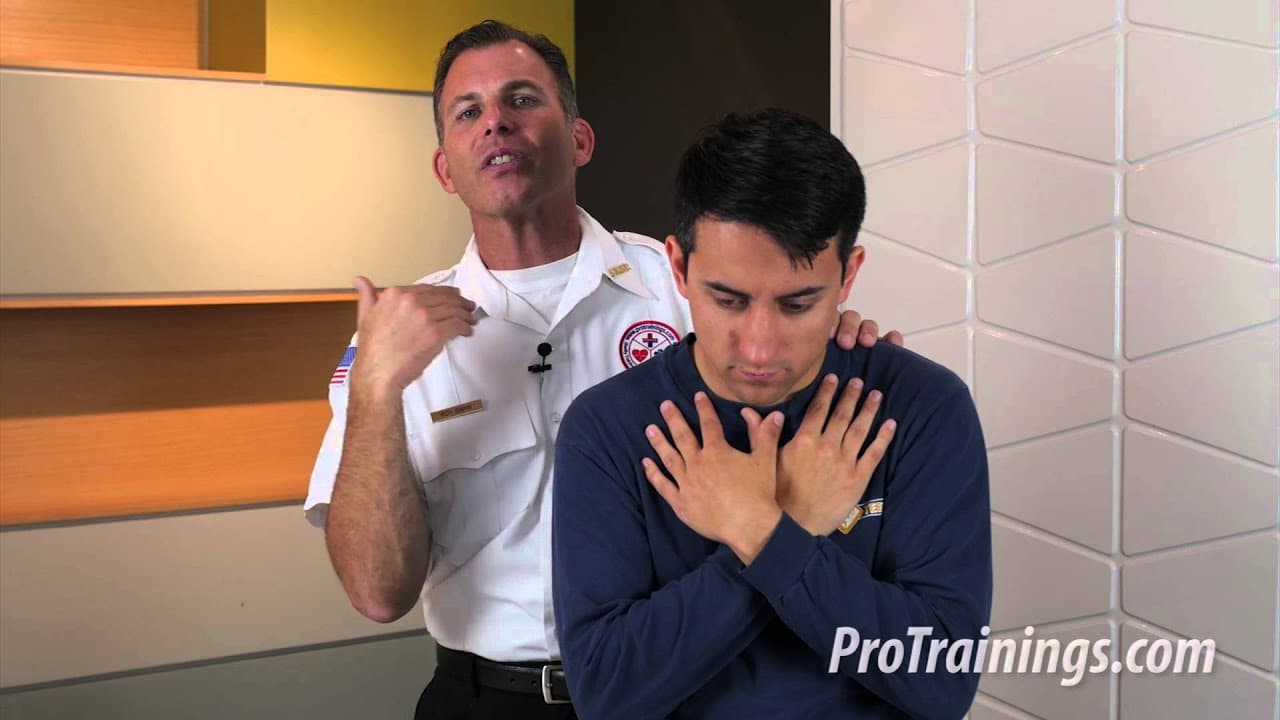
How to Do the Heimlich Maneuver

How to Remove Oil Stains from Clothes
How to Check Your Engine Oil Level (Dipstick Reading)
How to Wash a Car
How to Fold a Pocket Square
How to Fold Underwear (Drawer-Saving Folding Method)
How to Write a Money Order (Step by Step)
How to French Braid Hair Step by Step
How to Do a Perfect Push-Up in 6 Steps
How to Stop a Nosebleed

How to Braid Hair: 3 Easy Styles (Classic, Rope Twist, Fishtail)
How to Tie Shoelaces

How to Stop Procrastinating

How to Clean a Coffee Grinder (Burr or Blade, 10 Minutes)
How to Squat With Proper Form in 6 Steps
How to Change a Car Tire

How to Get Rid of a Headache or Migraine (Fast Natural Relief)
How to Fold a Sweater: 3 Methods for Drawers, Shelves, and Hangers
How to Fold an American Flag
How to Get Rid of Ants
How to Clean a Microwave
How to Remove Sticker Residue (3 Methods That Actually Work)
How to Fold Towels (3 Easy Methods)

How to Potty Train a Puppy

How to Deposit a Check on Mobile (Step by Step)
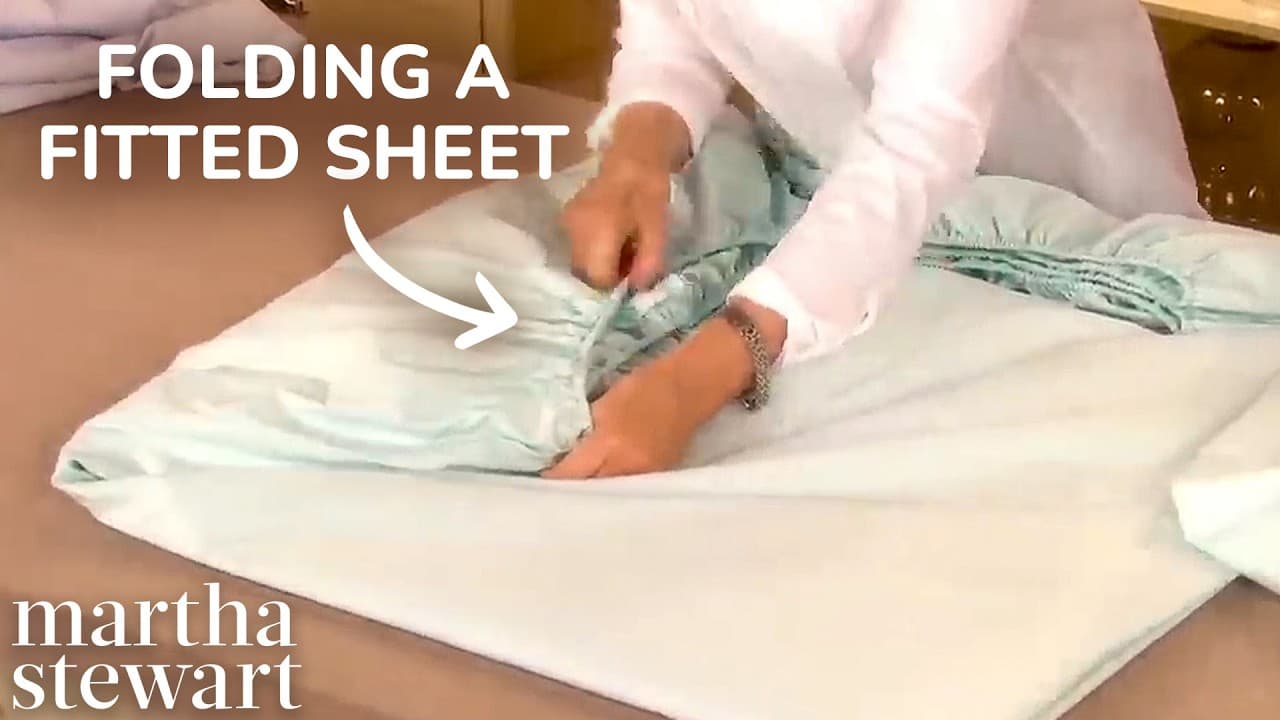
How to Fold a Fitted Sheet

How to Mail a Letter

How to Descale a Keurig With Vinegar
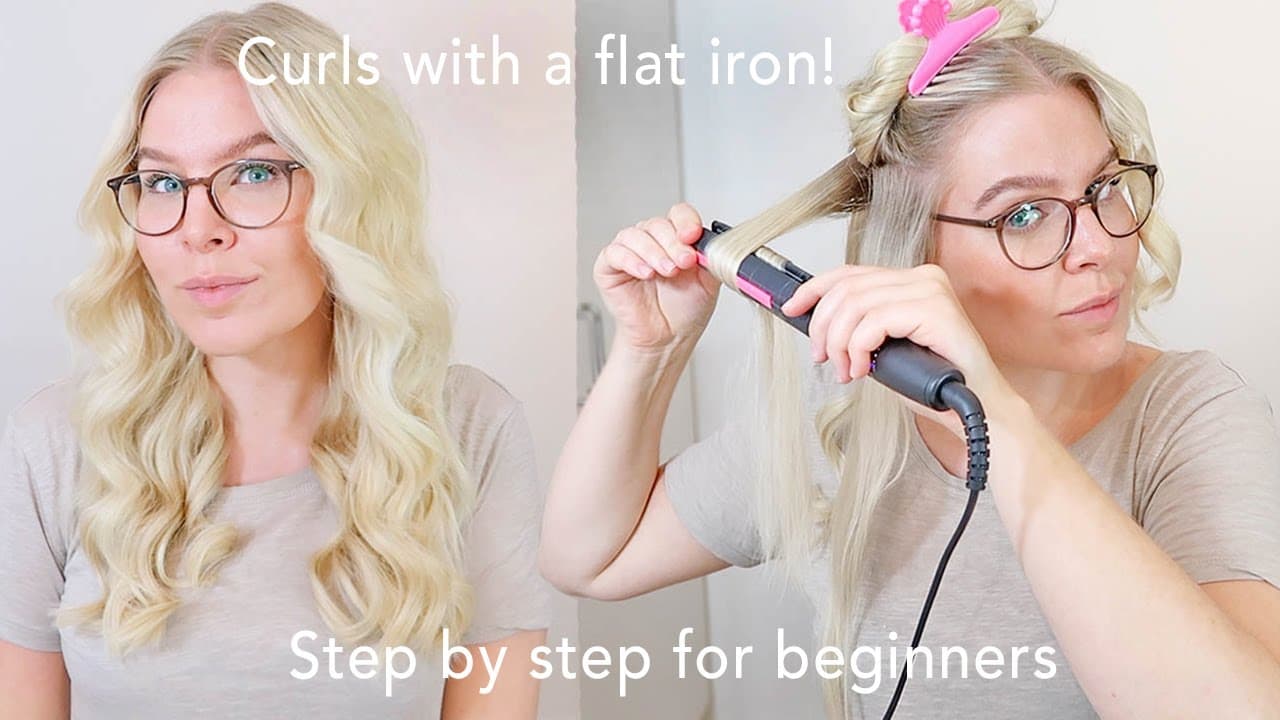
How to Curl Your Hair With a Flat Iron
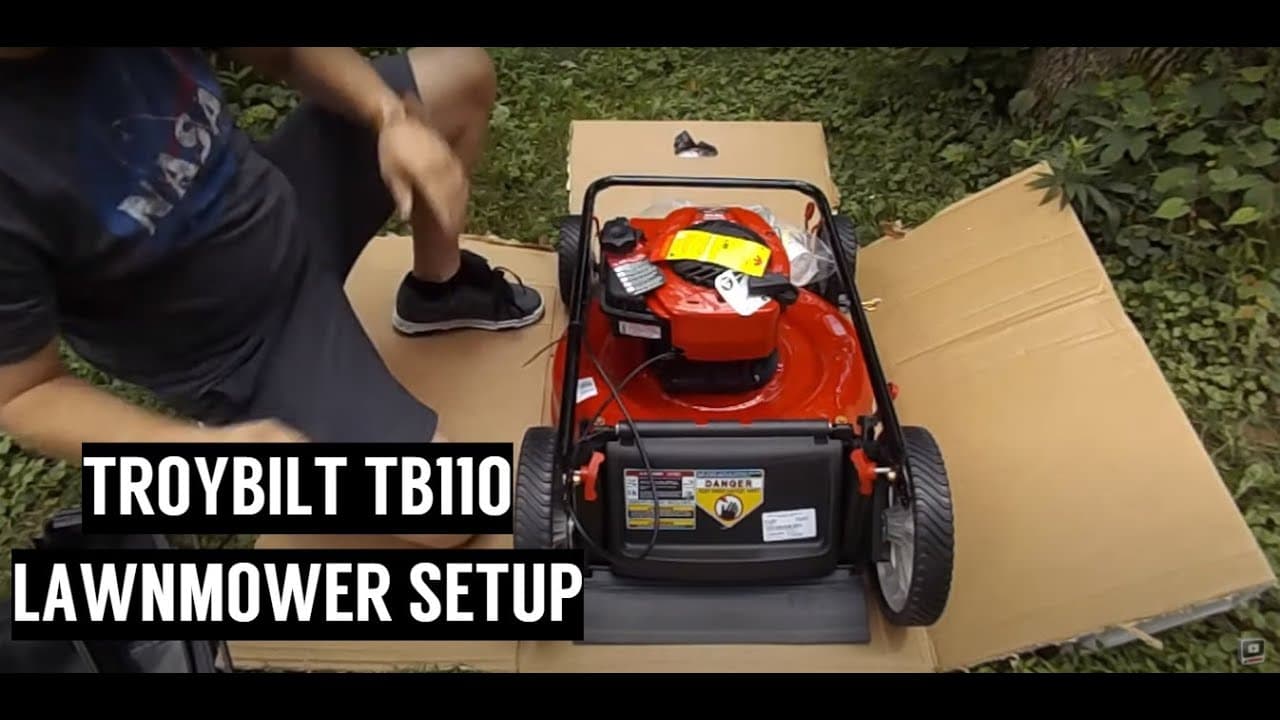
How to Start a Lawn Mower (Push Mower, Step by Step)
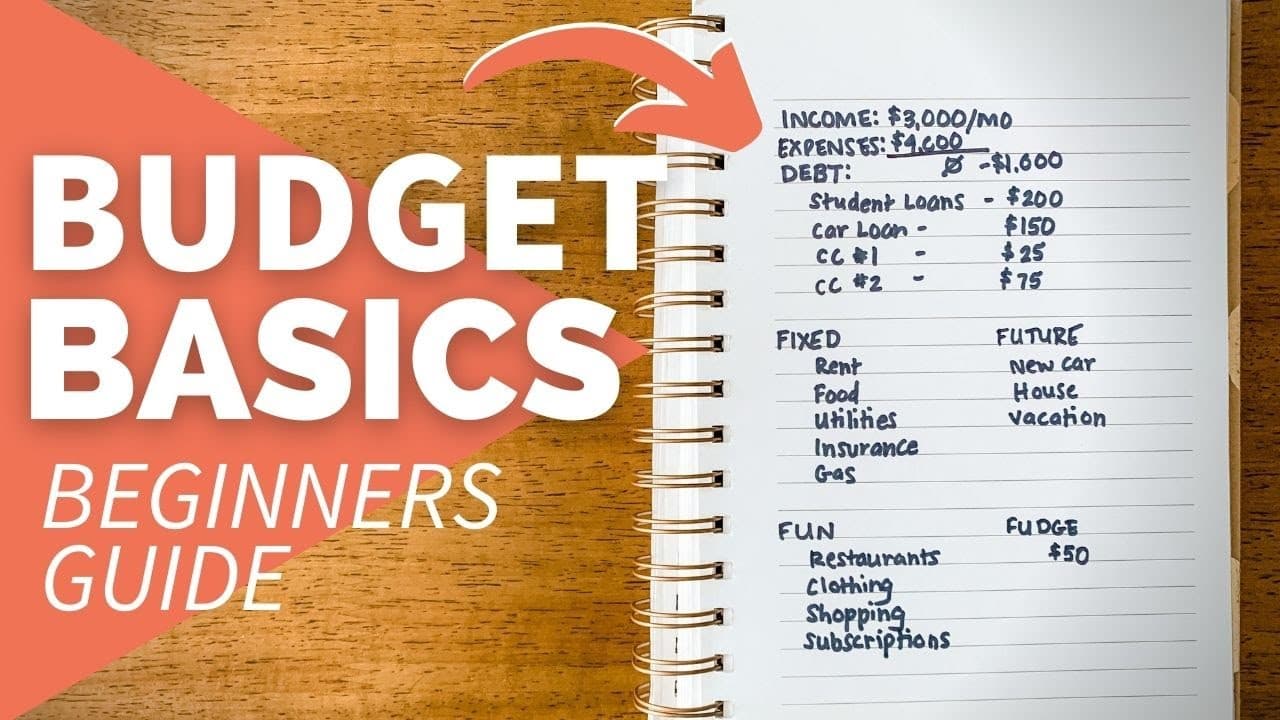
How to Make Your First Budget From Scratch in 8 Steps
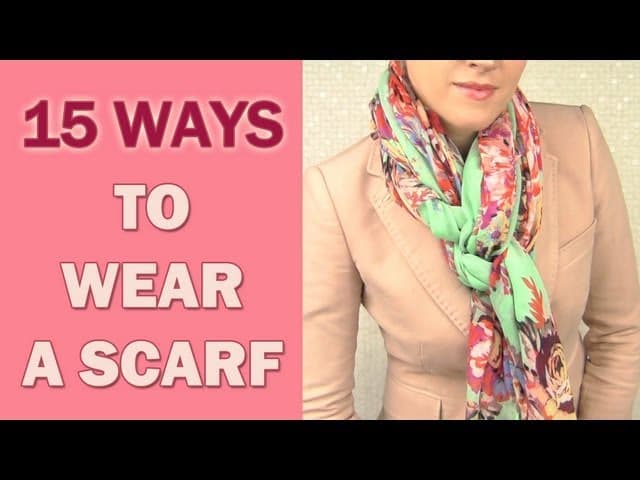
How to Tie a Scarf - 5 Easy Ways to Wear One

How to Open an Etsy Shop in 7 Steps
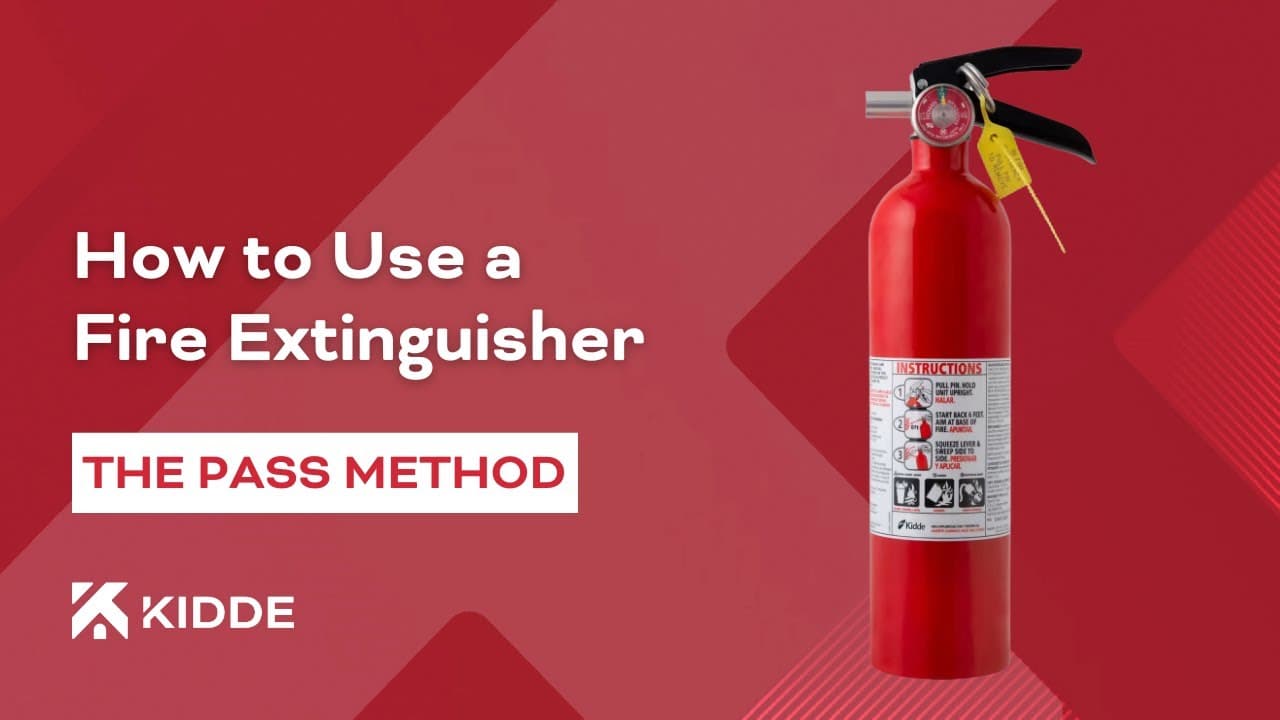
How to Use a Fire Extinguisher: The PASS Method

How to Do 4-7-8 Breathing for Sleep and Stress
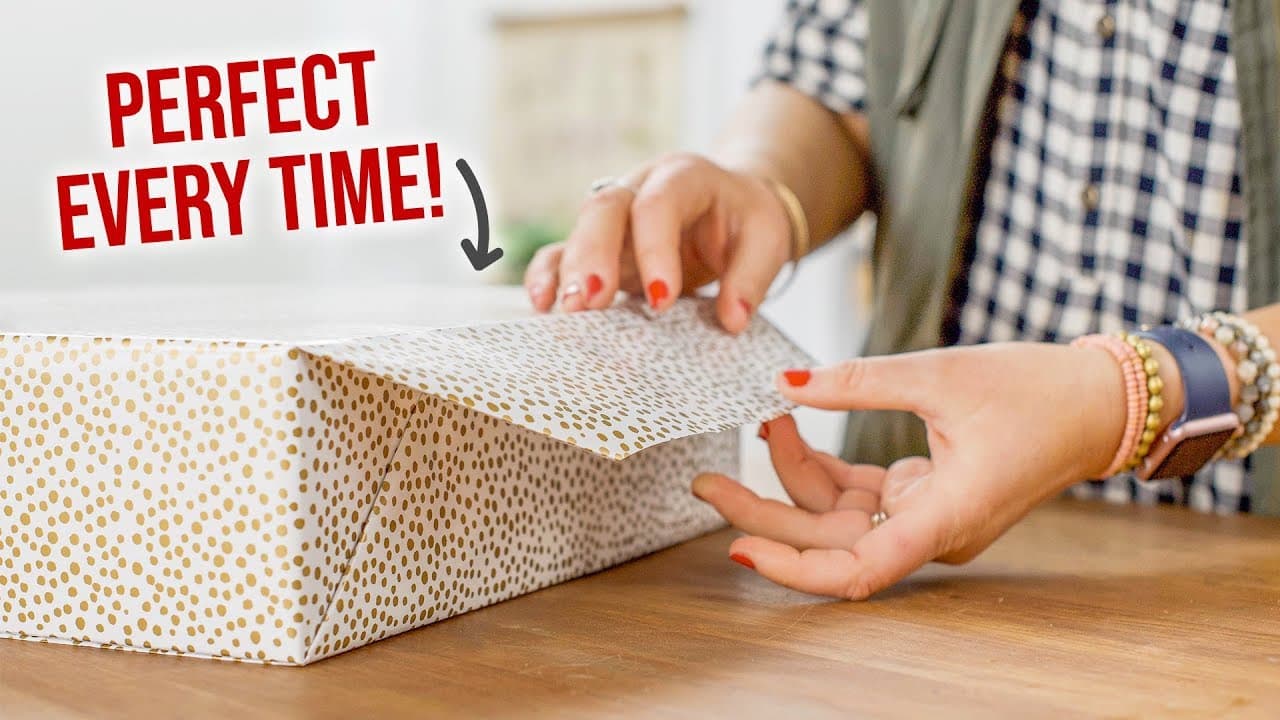
How to Wrap a Present

How to Curl Hair with a Flat Iron (No Twisting)
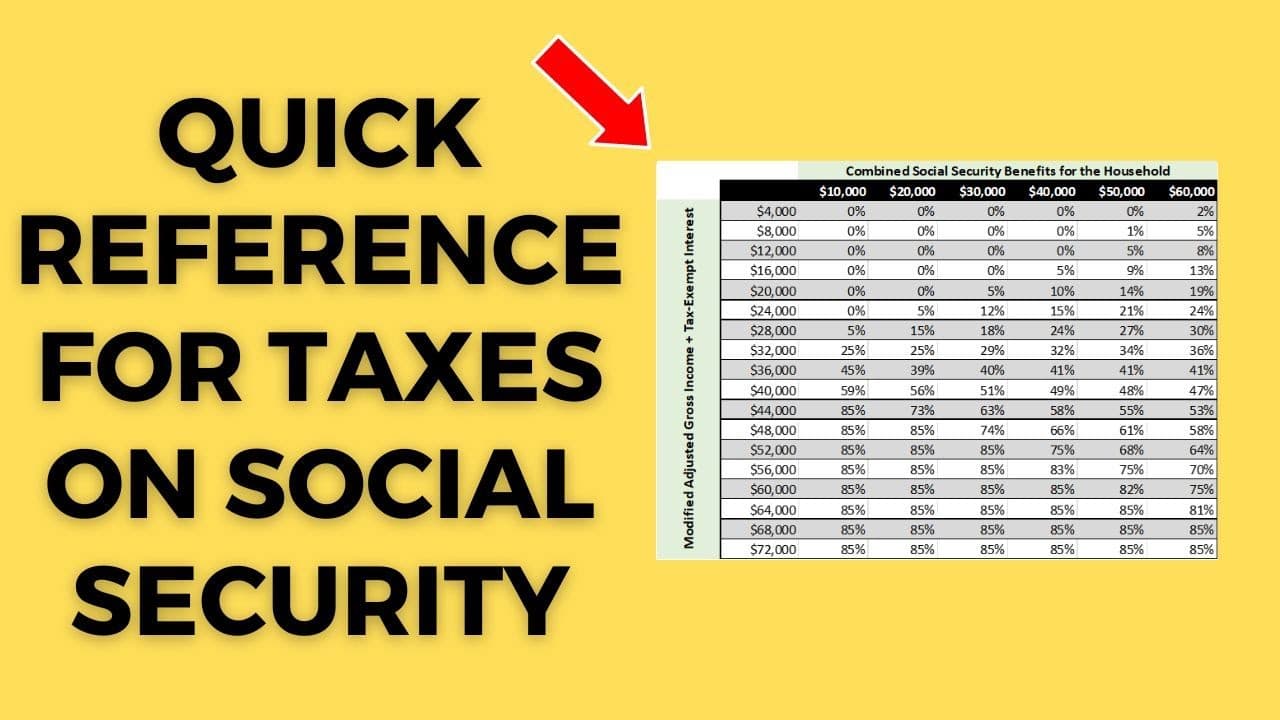
How Is Social Security Taxed?

What Is a Budget? A Simple Plan for Your Money
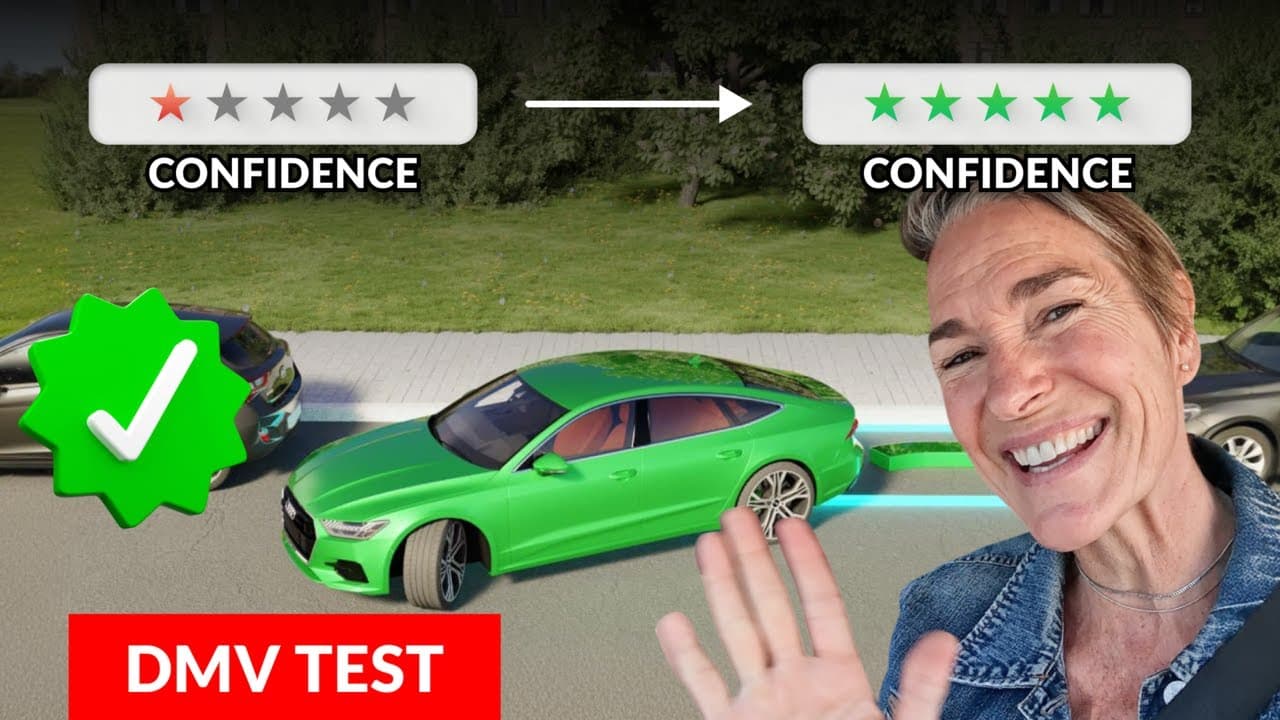
How to Parallel Park
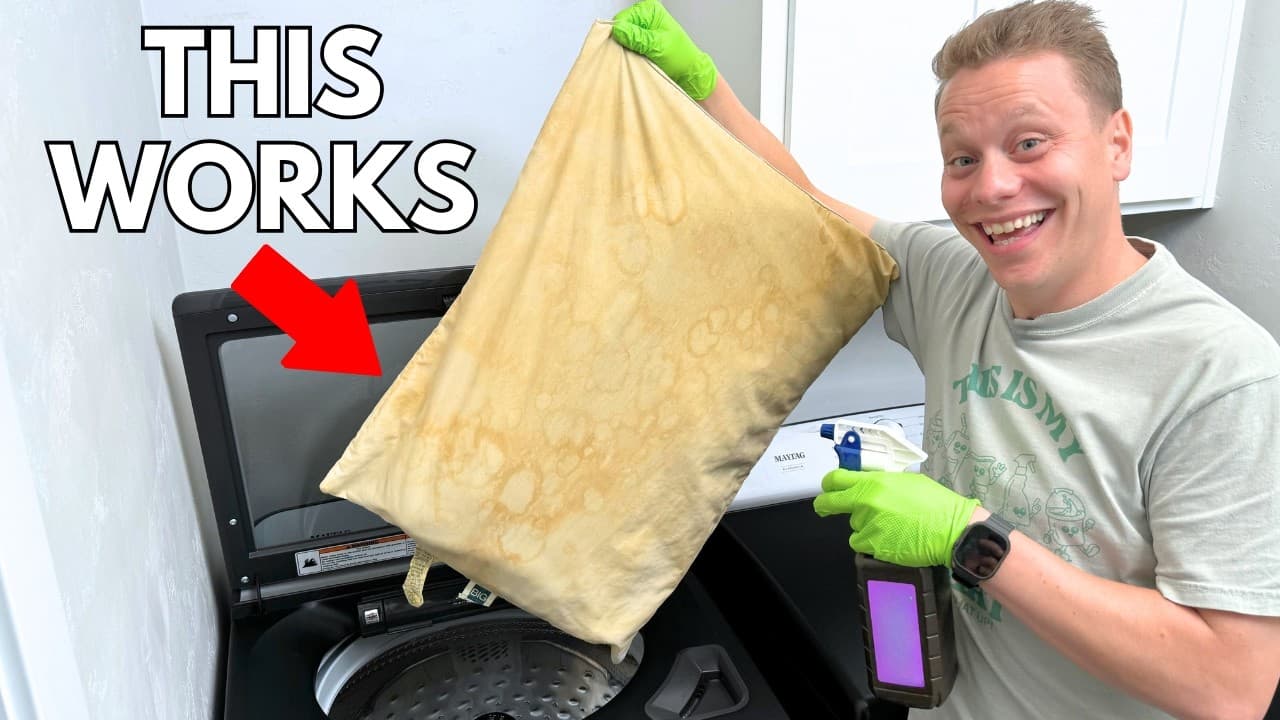
How to Wash a Pillow (Yellow Stains and All)
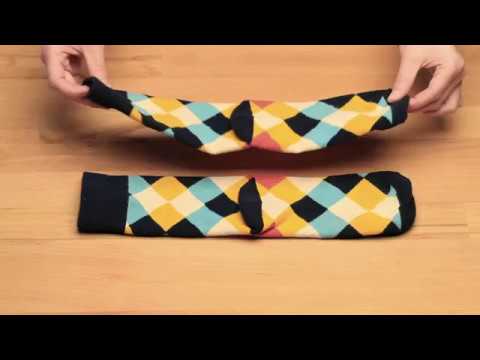
How to Fold Socks
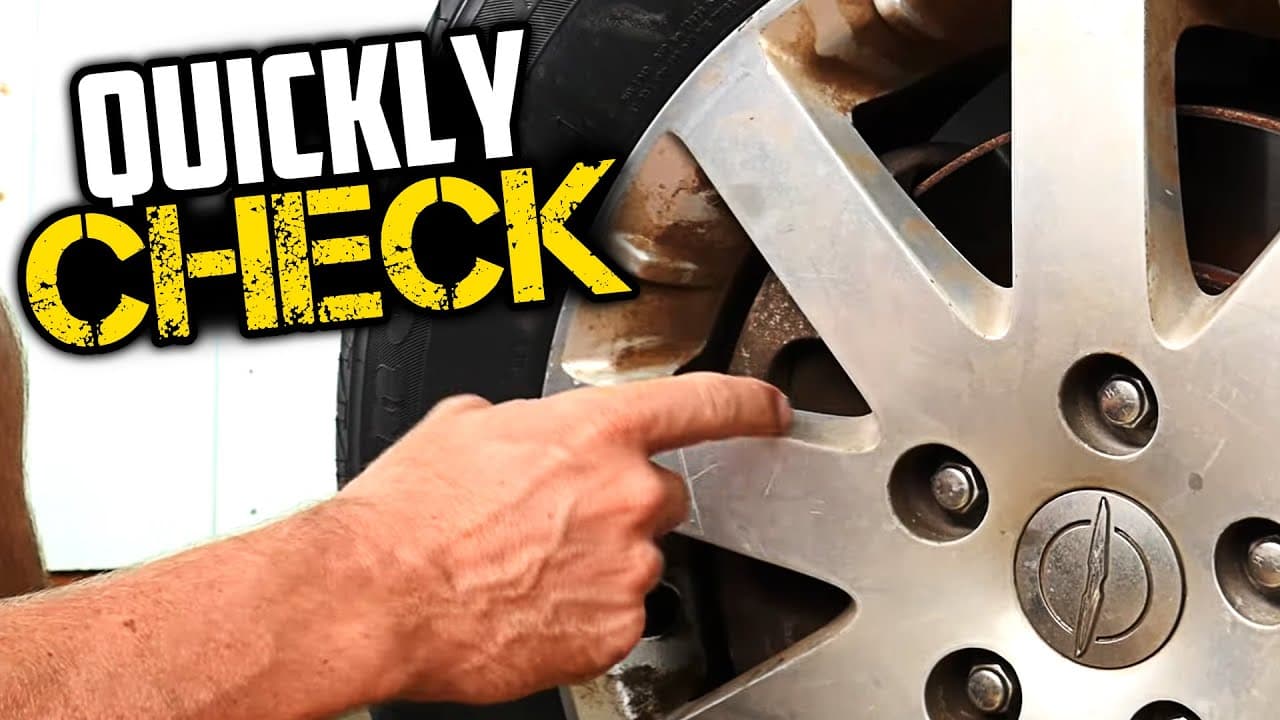
How to Check Brake Pads (Quick DIY Inspection)
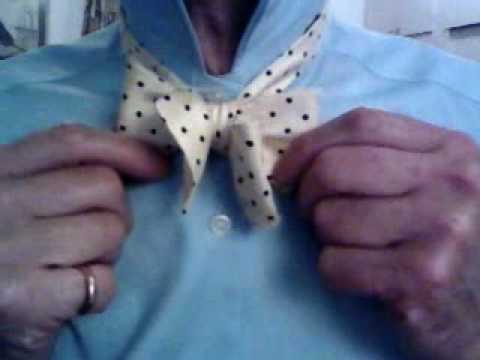
How to Tie a Bow Tie
How to Use Zelle: Send and Receive Money in 6 Steps
How to Update Your Driver's License Address After Moving

How to Start a Journal in 7 Steps
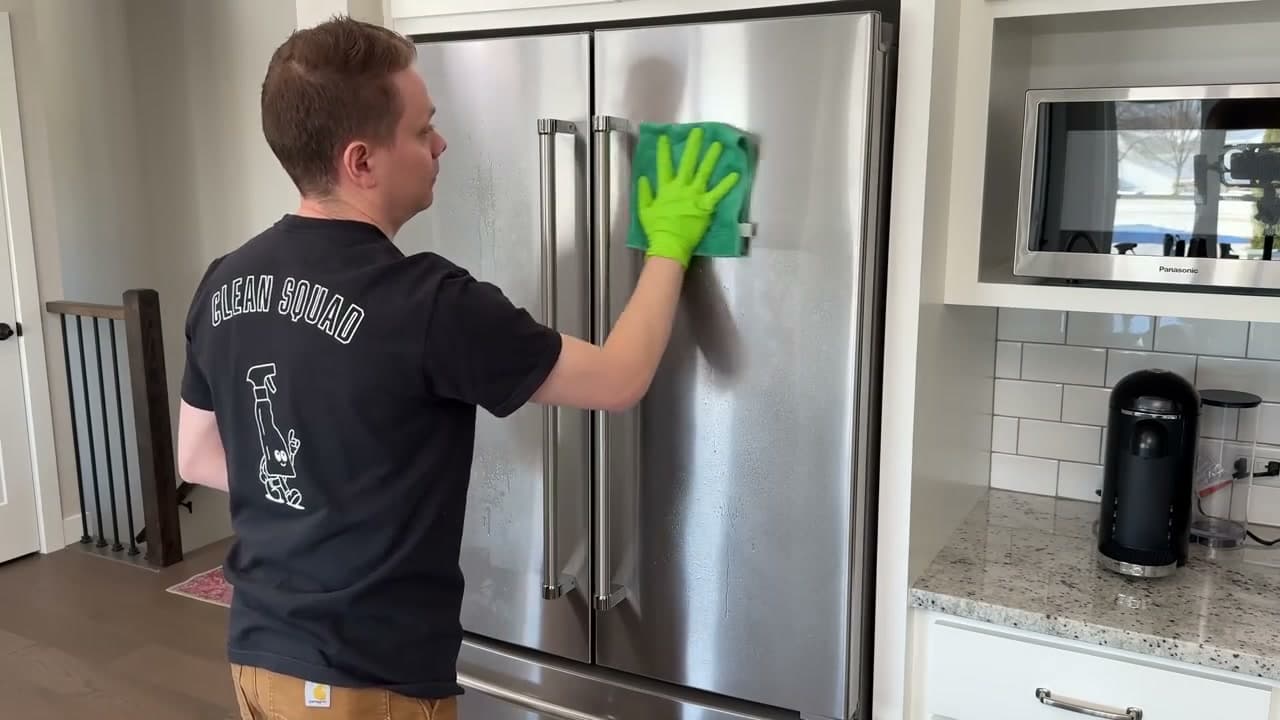
How to Clean Stainless Steel Appliances (Streak-Free Finish)
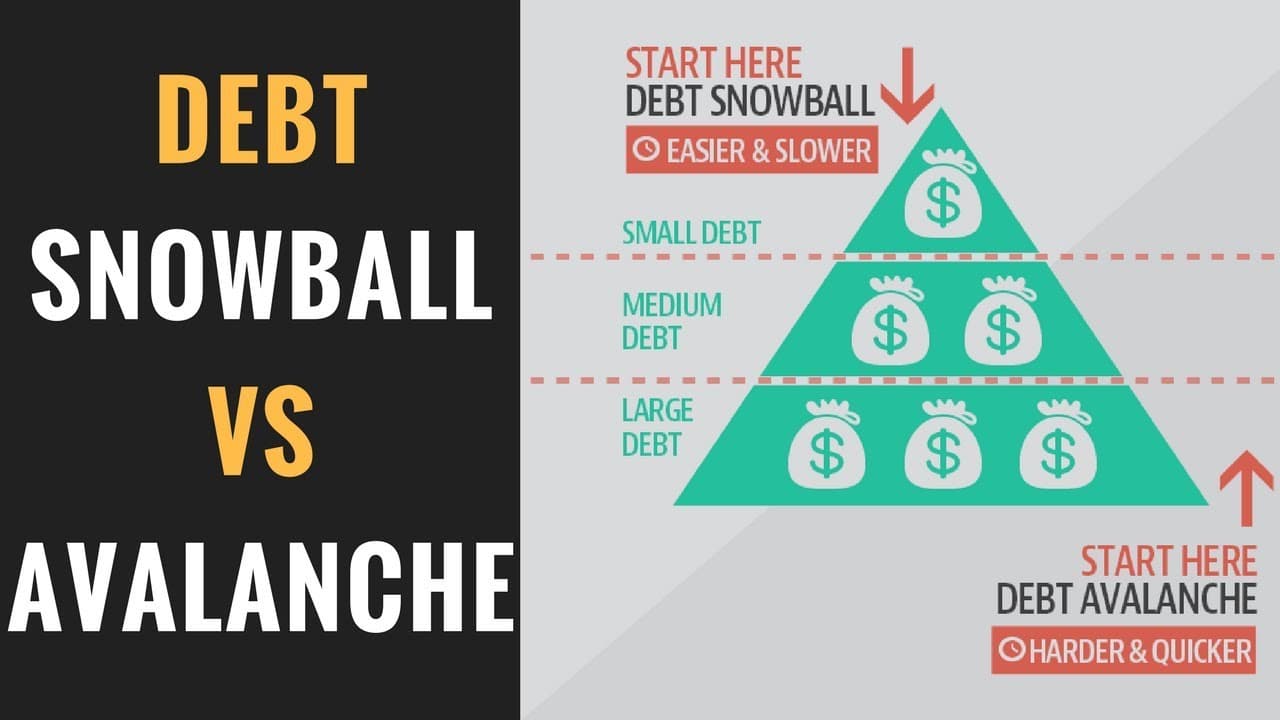
Debt Snowball vs Avalanche: How to Pick and Apply Either Method

How to Take Notes: The 5 Best Methods
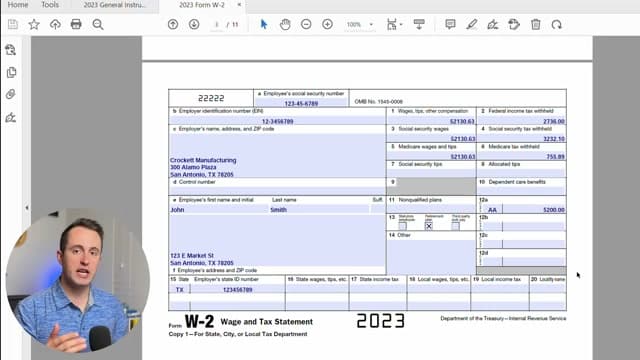
What Is a W-2? Your Wage and Tax Statement Explained
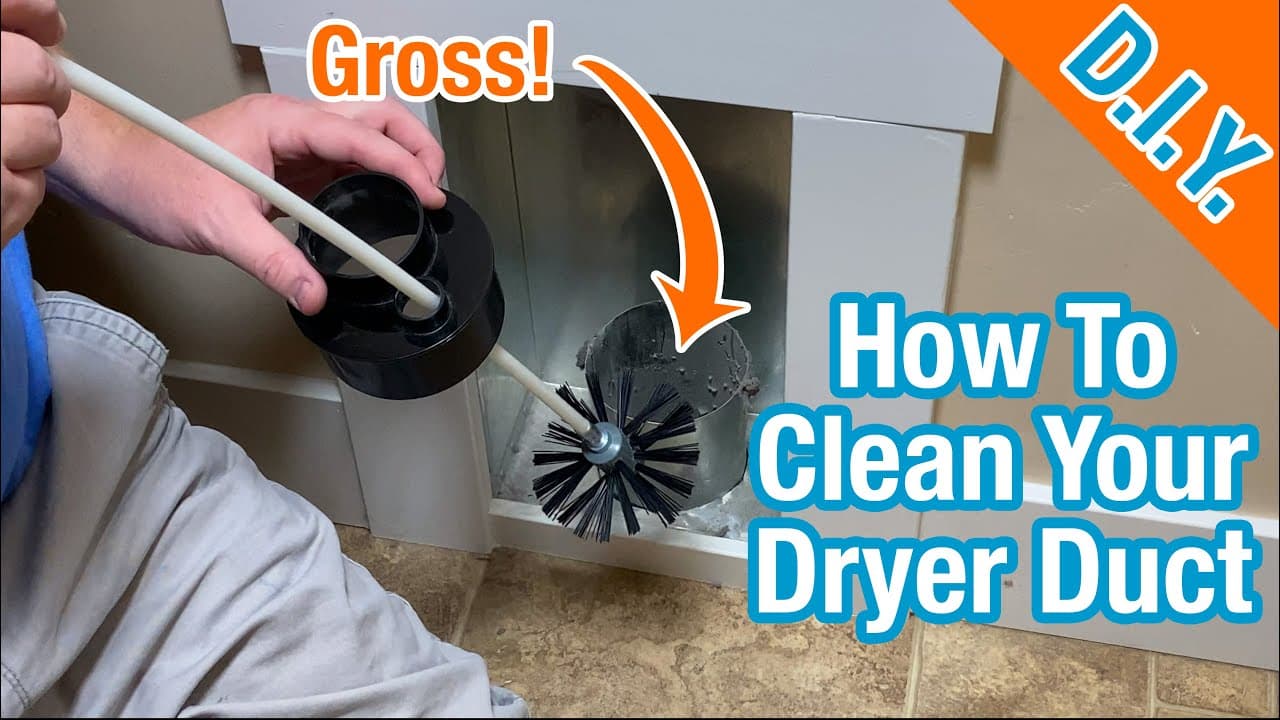
How to Clean a Dryer Vent (and Prevent a Fire)
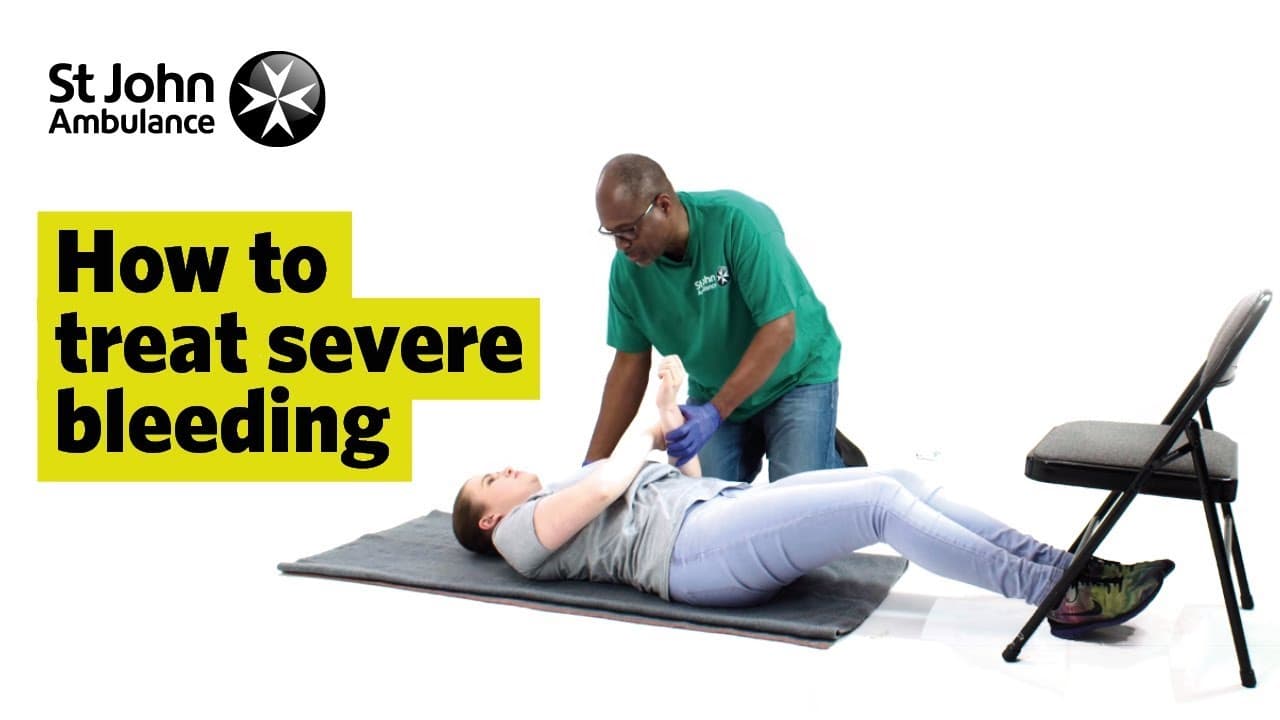
How to Treat Severe Bleeding in 7 Steps
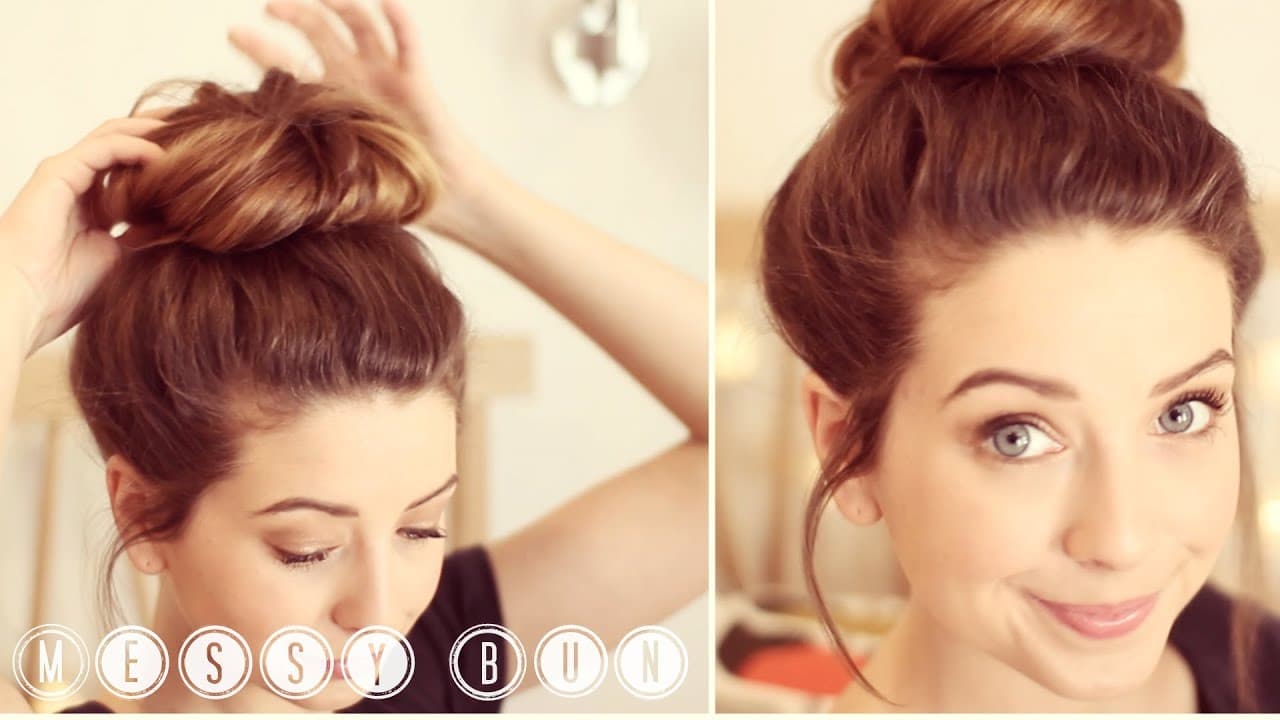
How to Do a Messy Bun

How to File a Tax Extension (IRS Form 4868)

How to Tie a Clove Hitch
How to Fix Your Sleep Schedule in 7 Steps

How to Do Space Buns (Quick + Easy 7-Step Tutorial)

How to Get a Dog Used to Nail Trimming: 7 Step Desensitization Guide

How to Deposit a Check: ATM, Mobile, and In-Person at the Bank
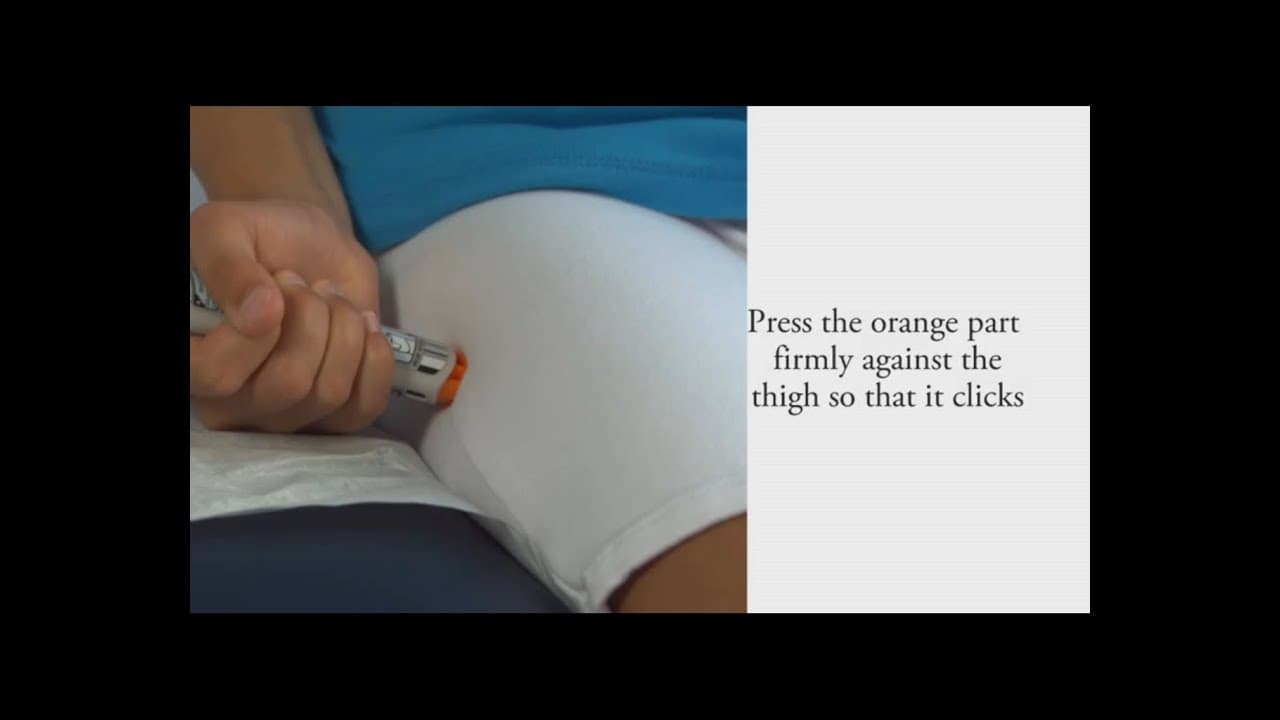
How to Use an EpiPen - First Aid in 6 Steps