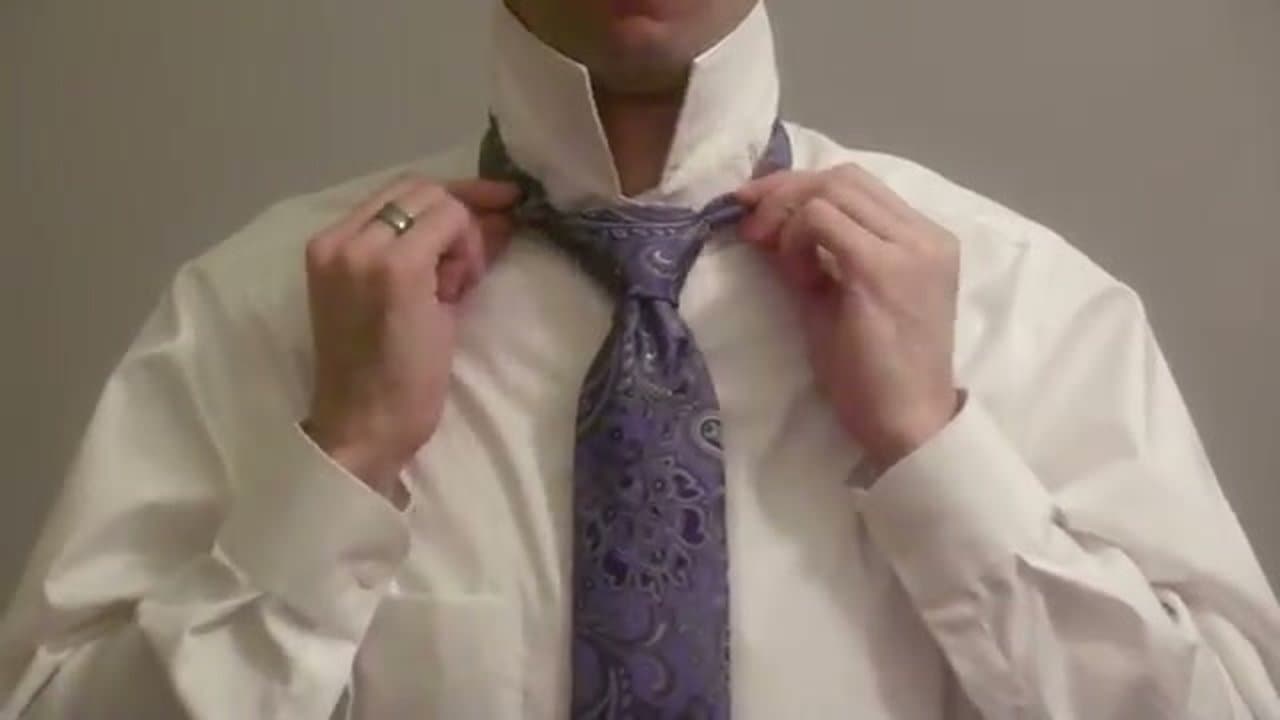
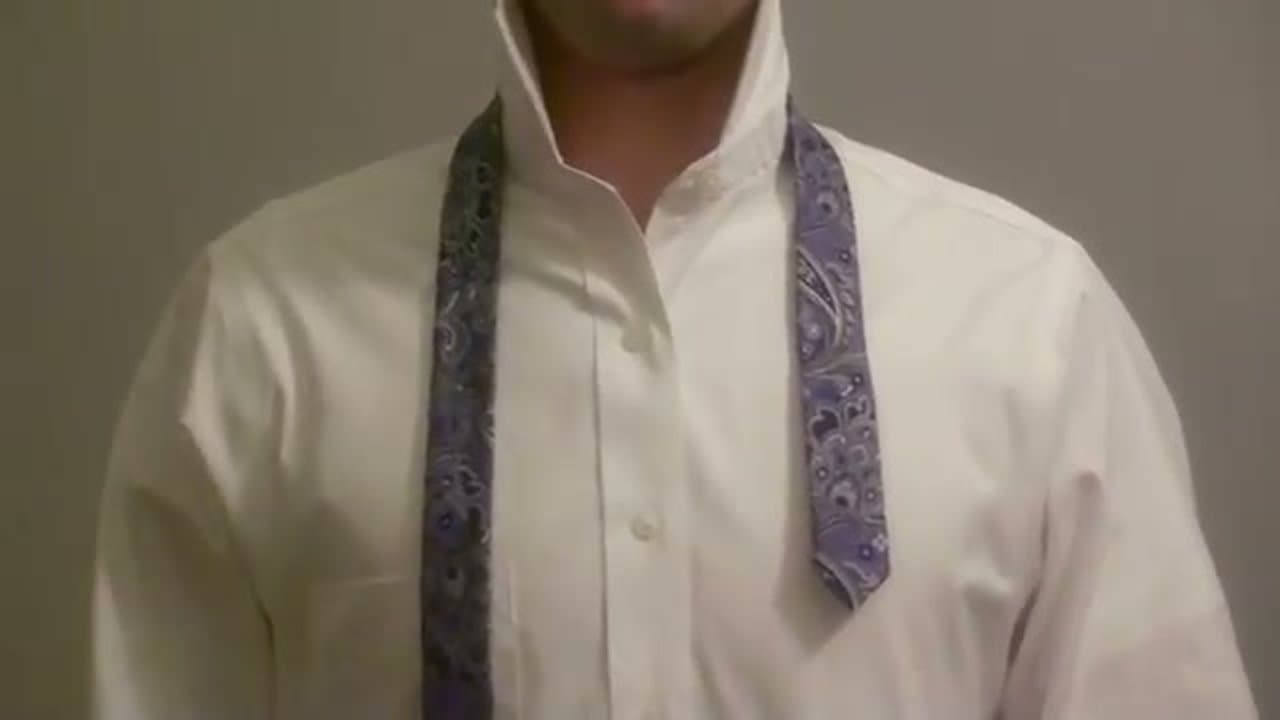
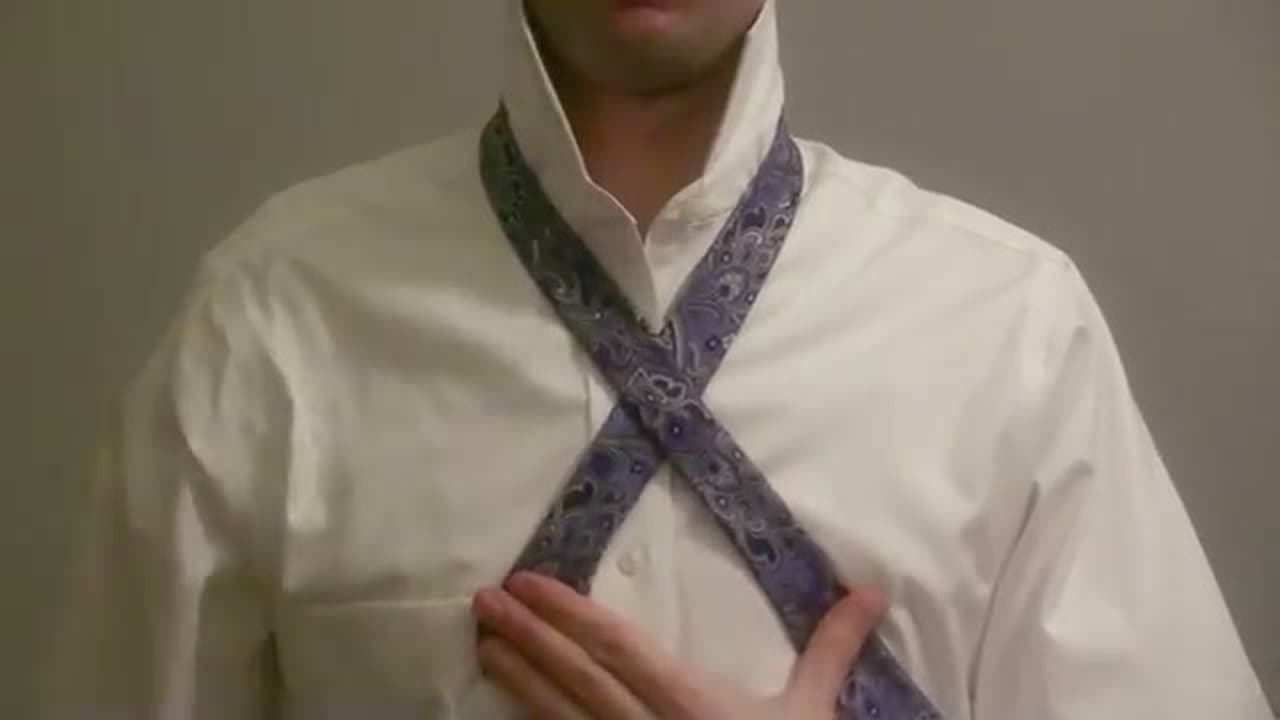
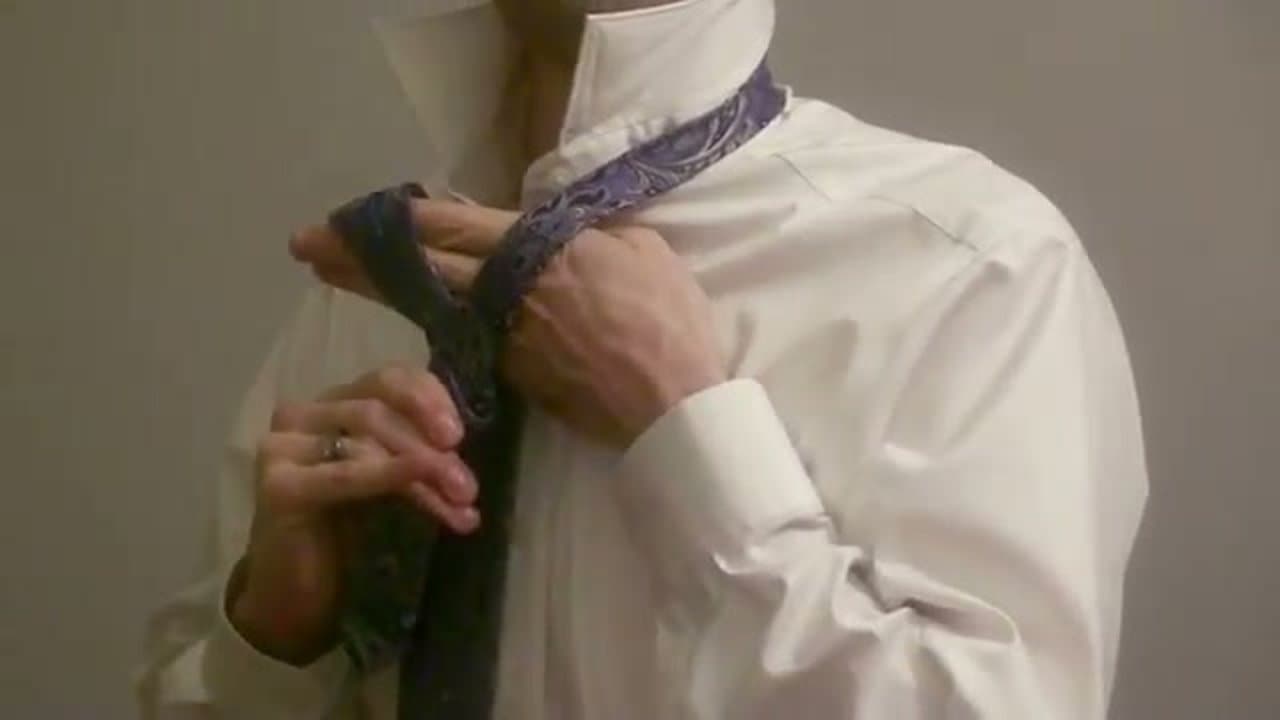
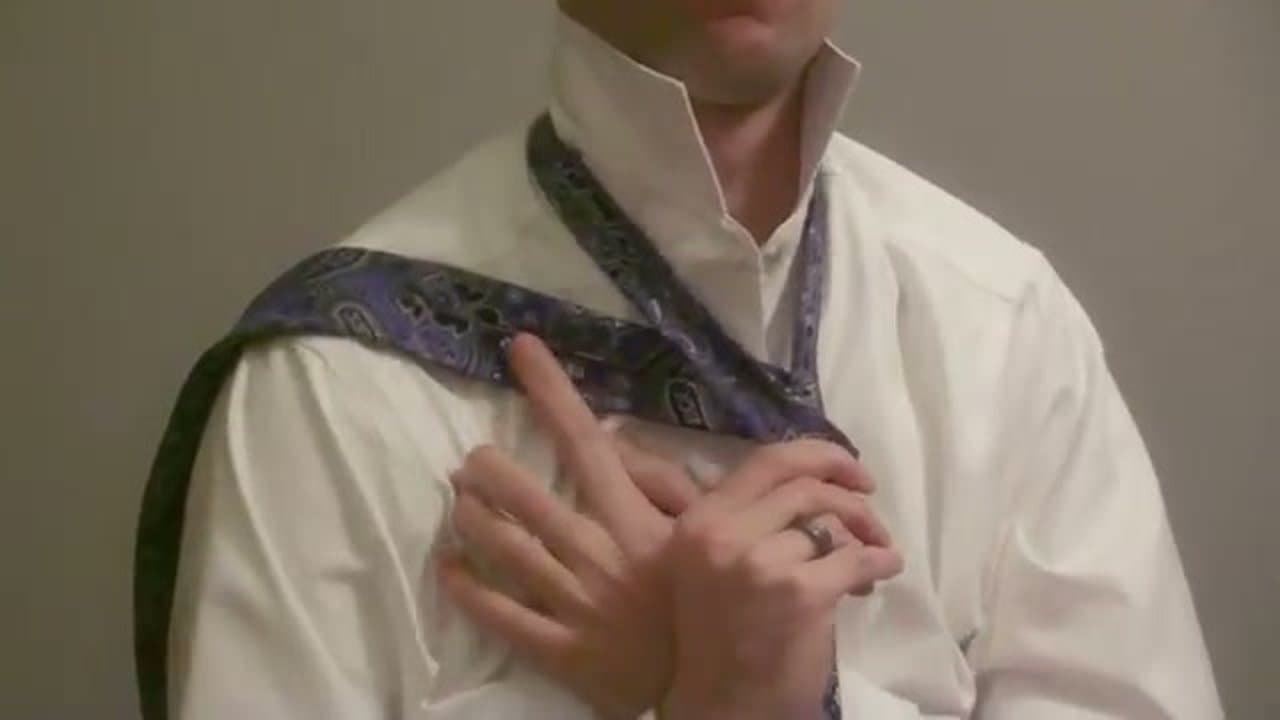
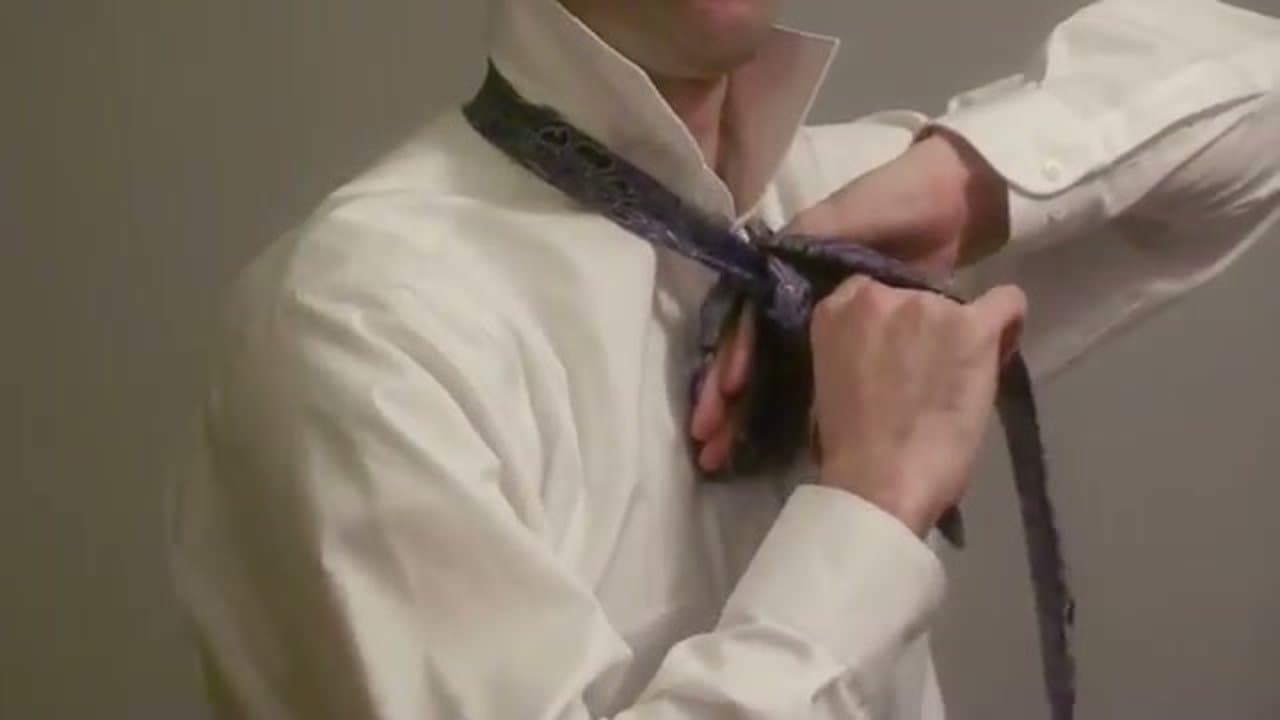
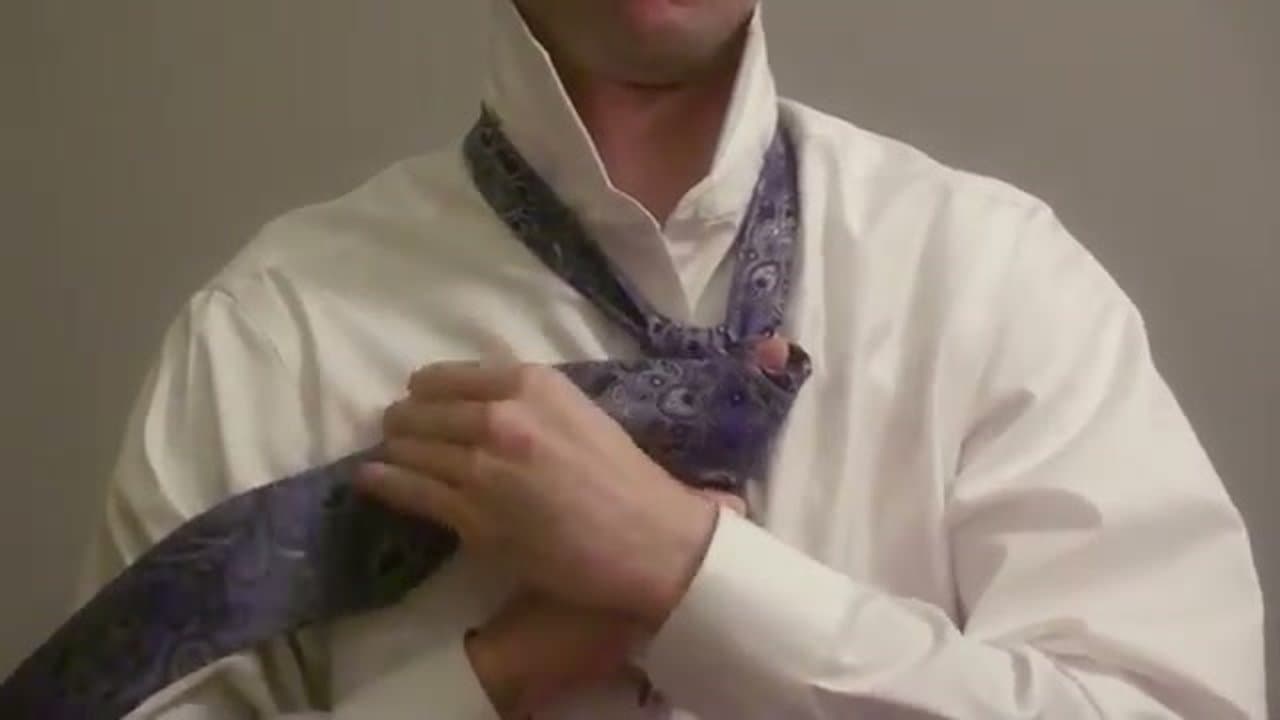
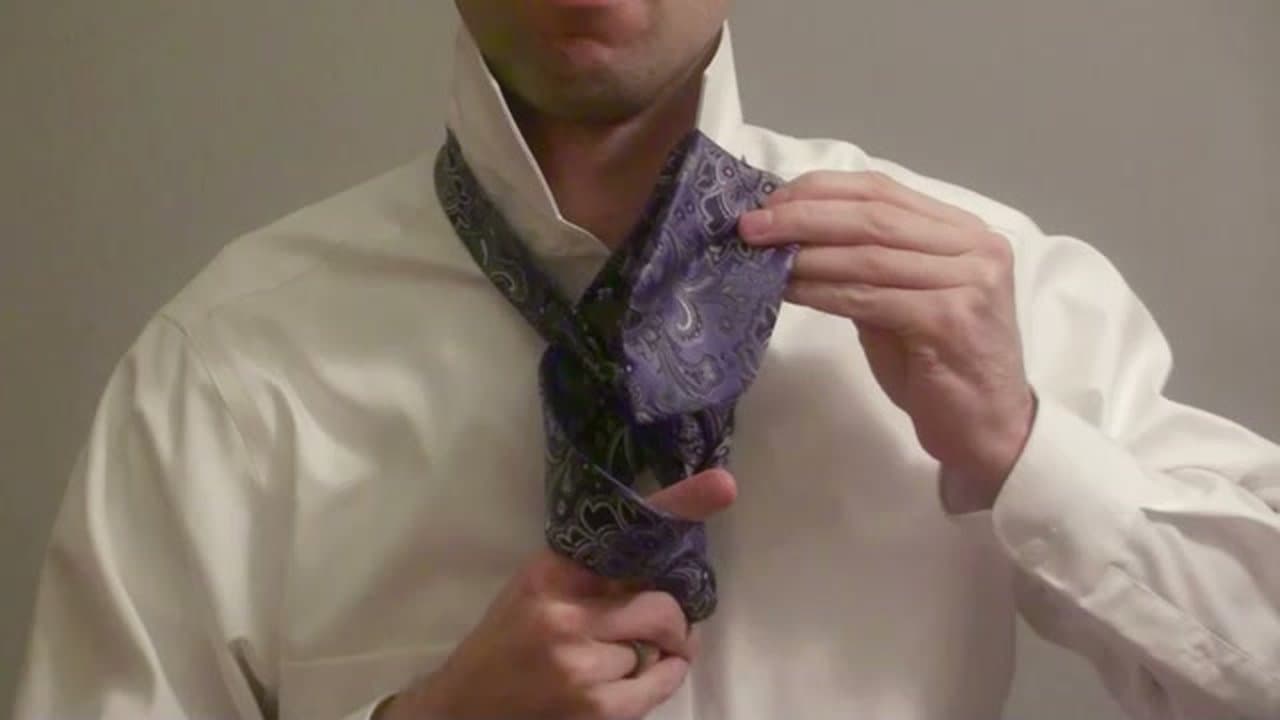
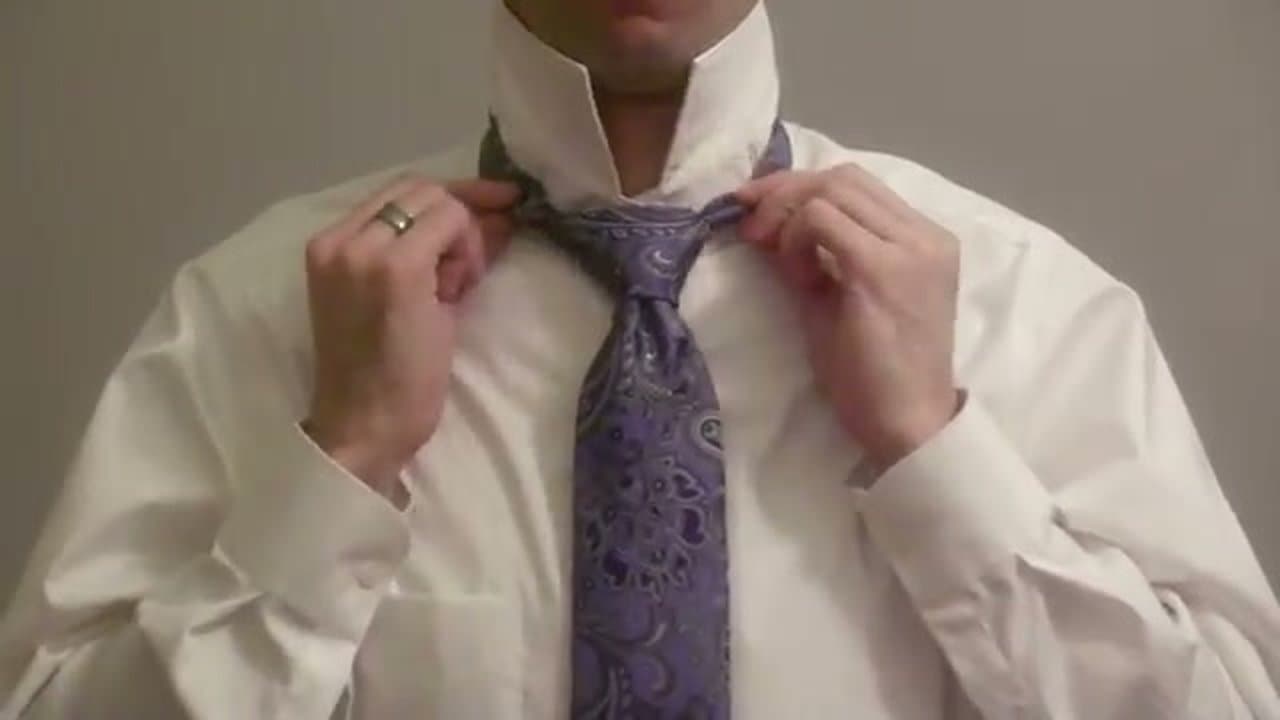
To tie a full Windsor knot: drape the tie with the fat end 12 inches longer than the thin end. Cross the fat end over, loop it up through the neck, wrap it behind and across, loop it up a second time, then feed it down through the final loop and tighten by sliding the knot to your collar.
- Drape the tie with the fat end about 12 inches longer than the thin end.
- Cross the fat end over the thin end to your dominant side.
- Loop it up through the neck loop and pull it down on the opposite side.
- Wrap it behind the thin end and pull it across to the other side.
- Loop it up through the neck loop a second time.
- Pull it across the front of the knot.
- Feed it down through the final front loop you just created.
- Tighten by holding the thin end and sliding the knot up to your collar - pinch a dimple just below the knot as it seats.
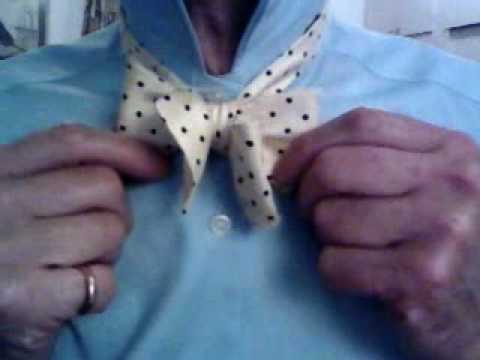
The full Windsor produces a wide, symmetrical triangle that fills a spread collar - the right knot for a formal suit, a job interview, or a black-tie event. Pair it with a sharp ironed dress shirt for the full effect, and our bow tie guide covers the black-tie alternative.
Common questions about the full Windsor knot
Answers to the questions we see most often about the full Windsor - when to use it instead of the half, how long the tie should hang afterwards, and the dimple trick that separates a polished knot from a flat one.
What is the difference between a full Windsor and a half Windsor?
The full Windsor wraps the fat end through the neck loop twice (once on each side), the half Windsor only once. That second wrap is what gives the full Windsor its wider, more symmetrical triangle. The half is faster and lower-profile - better for narrower collars and everyday wear. Use the full when the occasion calls for a wider, more formal knot.
What kind of collar is the full Windsor knot for?
The full Windsor is built for a spread or cutaway collar - collars whose points sit at a wide angle from the throat and need a fatter knot to fill the space underneath. On a narrow point collar, a full Windsor will look bulky and poke out past the collar points. Stick to a four-in-hand or half Windsor on point collars.
How long should the tie hang after tying a Windsor knot?
The tip of the tie should land right at the middle of your belt buckle when you're standing straight. Too long and it looks sloppy; too short and it makes your torso look stubby. If your fat-end-to-thin-end starting offset of 12 inches gets you the wrong length, adjust by an inch or two before retying - taller men usually need 13-14 inches of fat-end overhang.
How do you put a dimple in a Windsor knot?
Right as you're tightening the knot for the last time, pinch the front of the tie about an inch below where the knot will sit and hold that pinch as the knot seats. The pinched fold becomes the dimple. It takes a little practice to time correctly, but a centered dimple is the visual cue that separates a knot tied with care from one yanked into place.
Is the full Windsor the same as a double Windsor?
"Double Windsor" is informal slang for the full Windsor. Both refer to the same knot - the version that wraps through the neck twice, producing the wider triangle. There's no separate "double" knot beyond it. If a colleague says "tie it as a double Windsor," they mean exactly the same eight-step sequence above.
Is the full Windsor too formal for everyday wear?
For most modern offices, yes. The full Windsor reads as overdressed in business-casual settings and pairs awkwardly with narrower modern collars. Reserve it for interviews, weddings, formal events, and outfits with spread collars. For daily ties, the four-in-hand or half Windsor are easier and look more proportional with everyday shirts.
For rope rather than neckwear, the seven knots that cover camping, boats and the garden are at how to tie a knot.