How to Draw a Horse (Step by Step Pencil Tutorial)

CraftsMedium14:197 stepsBrowse more →

By ShowMeStepByStepPublished Updated

Based on a video by How2DrawAnimals.

A horse looks intimidating on a blank page. Long legs, that signature mane, the muzzle that has to land just right. But the trick is the same one professional illustrators use - build the whole animal from a few simple circles first, then layer the details on top. Once the proportions are right, the horse appears almost on its own.

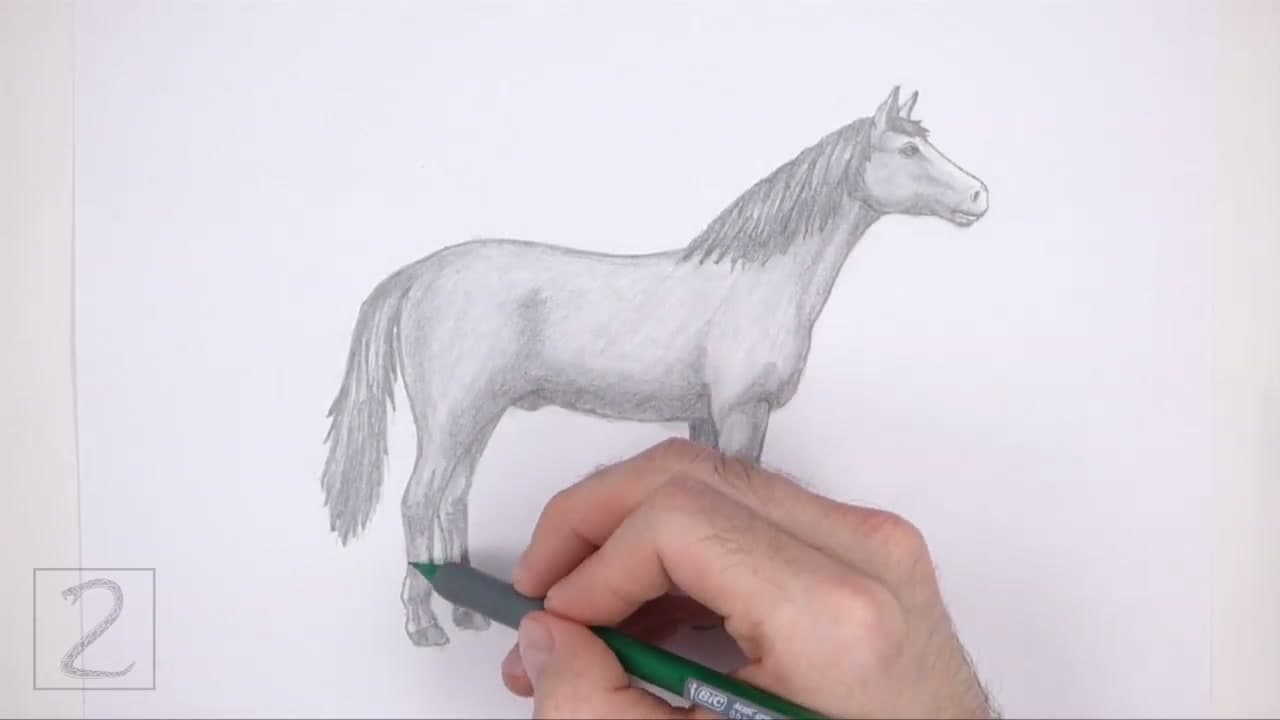
This tutorial follows How2DrawAnimals through a clean side-view horse drawing in seven pencil steps. The artist starts with two body circles, drops a smaller circle for the head, then connects everything with the neck, muzzle, and legs. After the guide is locked in, you sketch the face, build the mane in clumps, refine the legs, and erase the construction lines. The last step is graphite shading that gives the horse depth and a soft shadow on the ground.

If you want more drawing practice, the how to draw a dog tutorial, the how to draw a cat tutorial, and the how to draw a car tutorial all use the same build-from-shapes approach.

Supplies stay simple: a regular HB or 2B pencil for outlines, a softer pencil or the side of your 2B for shading, an eraser for cleanup, and a ruler if you want clean leg guides. Any sketch paper or printer paper works. Set aside about thirty minutes for the outline plus another fifteen to twenty for shading if you want a polished finish.

Step-by-Step Guide

1

Step 1: Sketch the Body Proportions With Two Circles

1:25
Step 1: Step 1: Sketch the Body Proportions With Two Circles

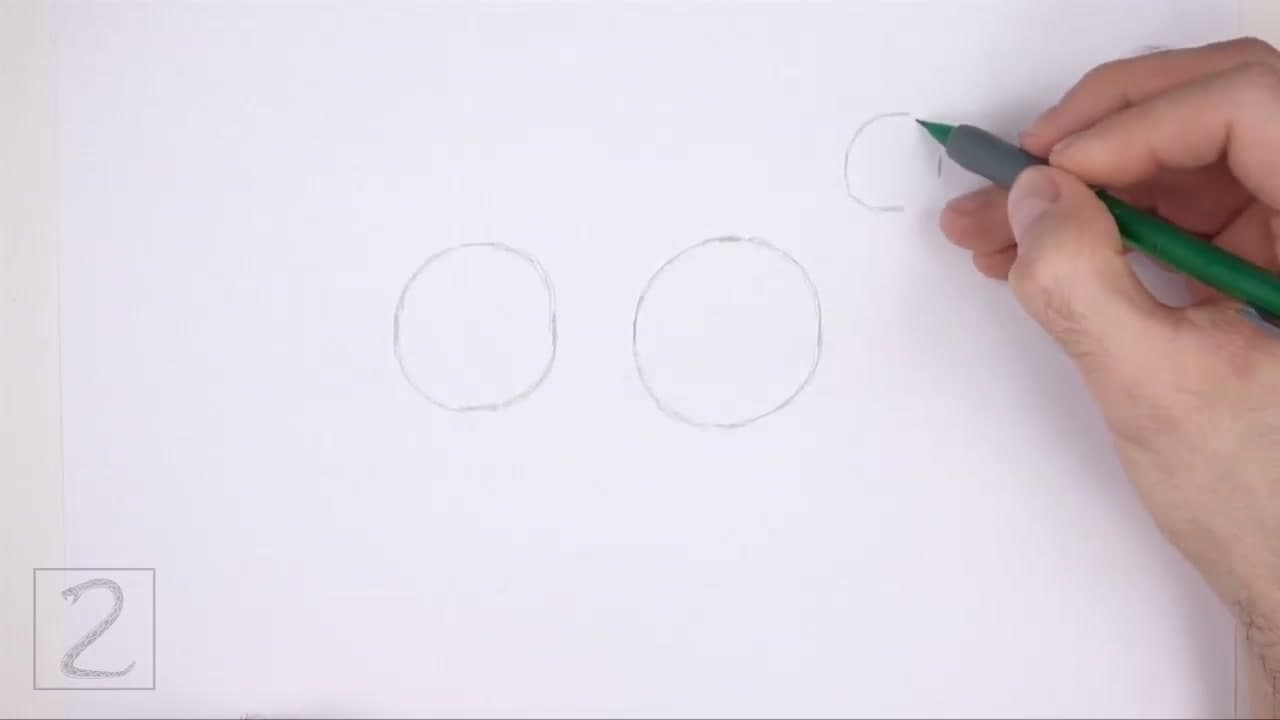
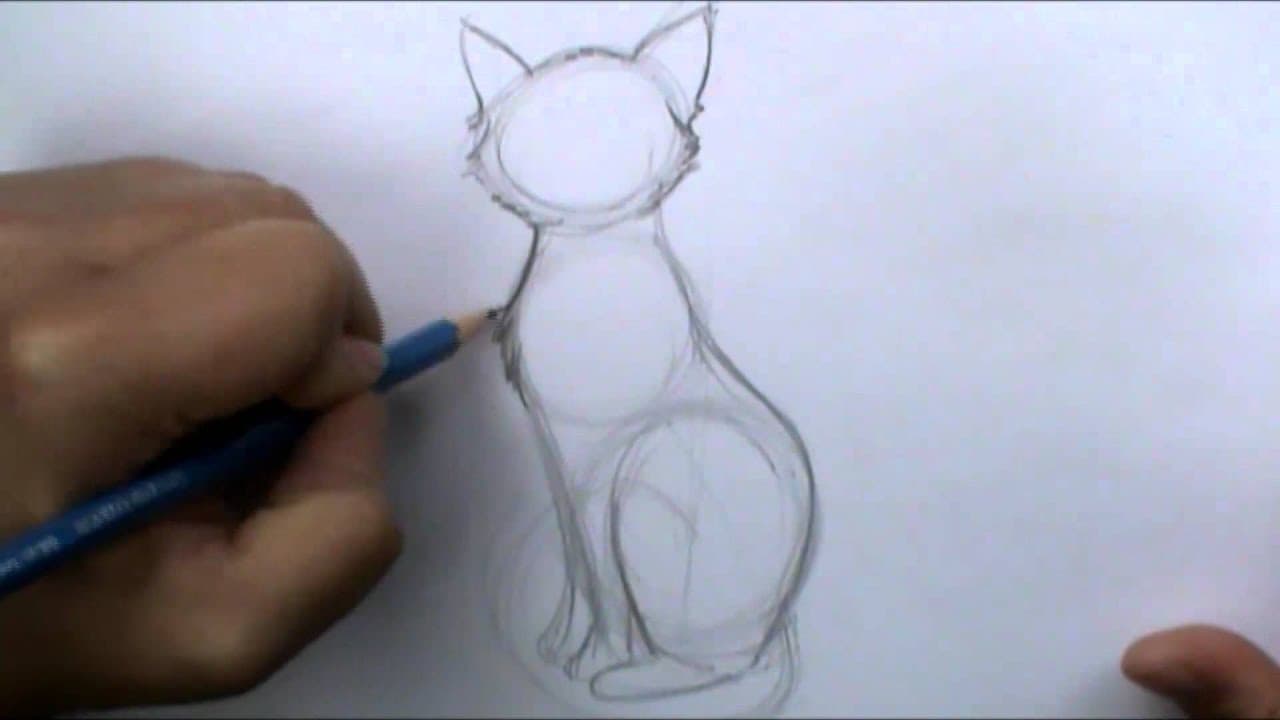
Place your paper in landscape. Draw a circle near the right-center for the front of the body - this is the chest area. Use the four marks method: make a small tick top, bottom, left, and right where the circle's edge should land, then connect the marks with curved lines.

Drop a second, slightly smaller circle to the left for the hindquarters. Don't push it too far left or the body will stretch too long. Both circles should sit on roughly the same horizontal line. Keep your pencil light. These are guides and you'll erase them later.

Tip

If a freehand circle wobbles, trace the edge of a coin, a roll of tape, or any round object. The circles don't need to be perfect, but they should be close in shape.

Products used in this step

Staedtler Mars Lumograph Drawing Pencil Set
Strathmore 400 Series Drawing Paper Pad
2

Step 2: Add the Head, Neck, and Muzzle

2:20
Step 2: Step 2: Add the Head, Neck, and Muzzle

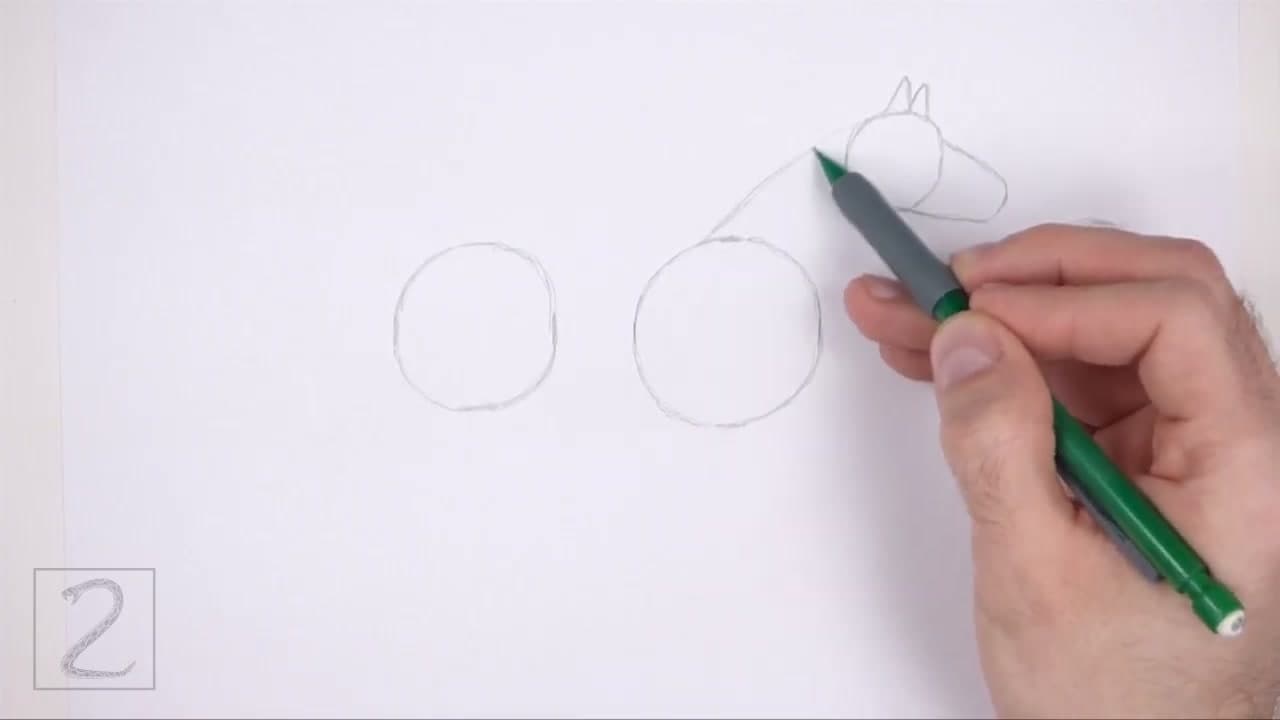
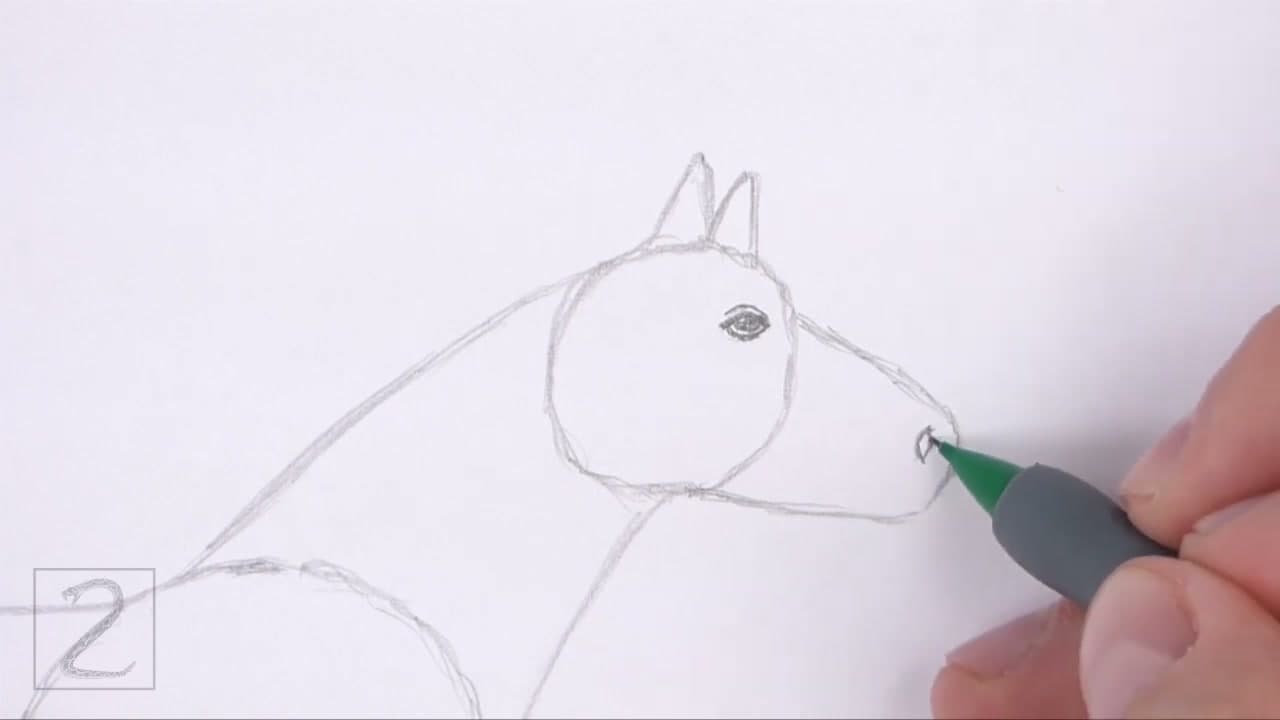
On the upper right, draw a small circle for the head - about one fourth the size of the chest circle. Don't sit it too high or the neck will end up too long.

Below the head, mark a small dot for the muzzle tip, then connect it back to the head circle with two curved lines. The base of the muzzle is wide and the tip is narrow. Horses have long faces, so this shape should stretch out, not bunch up.

Now run two long curved lines from the back and bottom of the head down to the chest circle. That's the neck. The bottom of the neck (where it meets the chest) is wider than the top.

3

Step 3: Add the Leg and Tail Guide Lines

2:55
Step 3: Step 3: Add the Leg and Tail Guide Lines

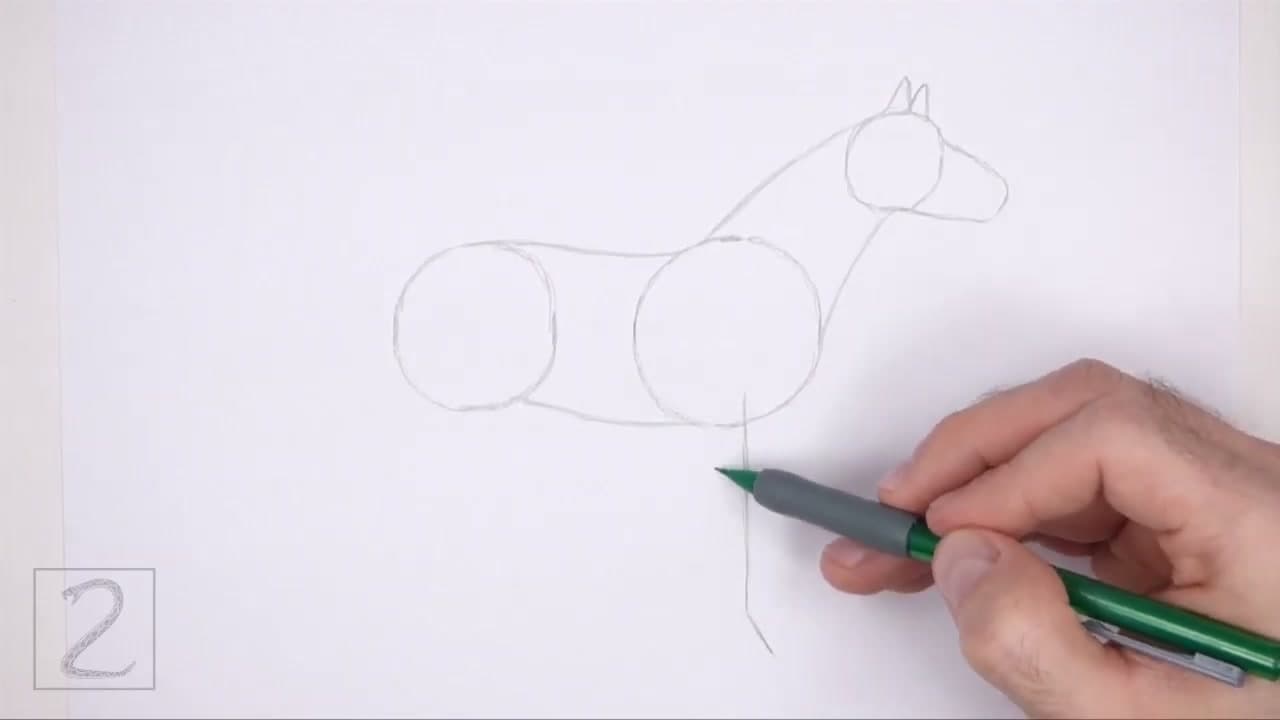
Under the chest circle, draw two long vertical lines for the front legs. Horses have long legs - longer than you'd expect - so commit to the length. Bend each line slightly to the right near the bottom to hint at the joint and hoof.

Repeat under the hindquarters circle for the back legs. Make sure the back legs are the same length as the front legs. Bend each line in the middle for one joint, then bend again near the bottom for the second joint.

Off the top-left of the hindquarters, draw a long curved line for the tail.

Tip

If your two legs end up different lengths, the horse will look like it's standing on a hill. Step back and eyeball the proportions before you commit.

4

Step 4: Draw the Eye, Muzzle Details, and Ears

4:50
Step 4: Step 4: Draw the Eye, Muzzle Details, and Ears

Lightly sketch a small football-shaped eye on the upper right of the head. Darken it and add a curved iris inside, then a tiny circle for the highlight. Shade the iris around the highlight, leaving a darker pupil in the middle.

Inside the muzzle near the tip, draw a small curved nostril and shade it. Define the lip and chin with short, soft curves. Then darken the right edge of the muzzle so it stands out from the guide.

On top of the head, build two pointed ears from the triangular guides - the front ear slightly larger, the back ear smaller and tucked behind. Add a couple of curved lines inside each ear for the opening.

Products used in this step

Faber-Castell 9000 Graphite Pencil
Kneaded Rubber Eraser
5

Step 5: Build the Mane in Clumps

8:00
Step 5: Step 5: Build the Mane in Clumps

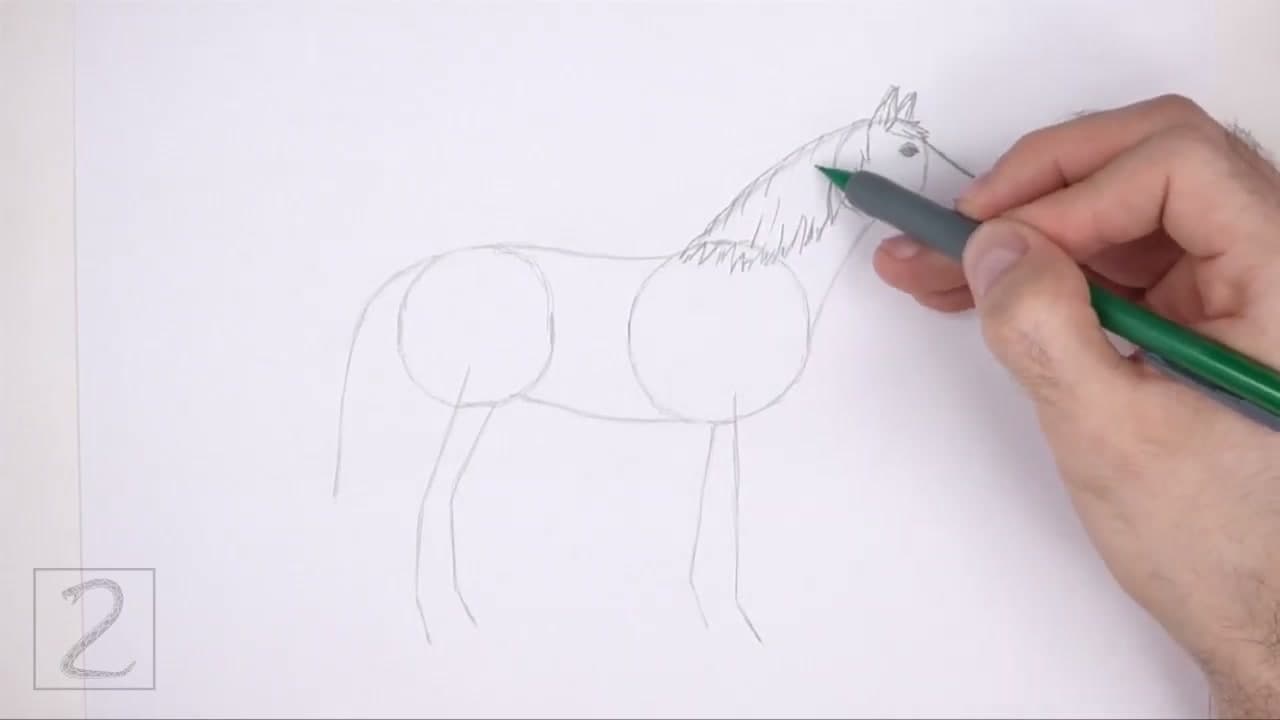
Between the ears, draw a few wavy pointed lines for the forelock falling onto the forehead. Keep the lines uneven so it reads as hair, not a triangle.

Then work the mane down the top of the neck. Use thin V-shaped clumps that lean slightly backward. Don't draw individual hair strands - draw clusters of hair, varying the size of each clump. Some peaks should be tall and pointy, others short and stubby.

Carry the mane across the neck and onto the shoulder. Add a couple of curved lines inside the mane to show where the hair bends, which gives the shape some volume.

Tip

The mane is the part of a horse that looks the most alive. Resist the urge to make it neat. Uneven clump sizes read as natural; uniform spikes look fake.

6

Step 6: Finalize Legs, Body Outline, and Tail, Then Erase Guides

12:05
Step 6: Step 6: Finalize Legs, Body Outline, and Tail, Then Erase Guides

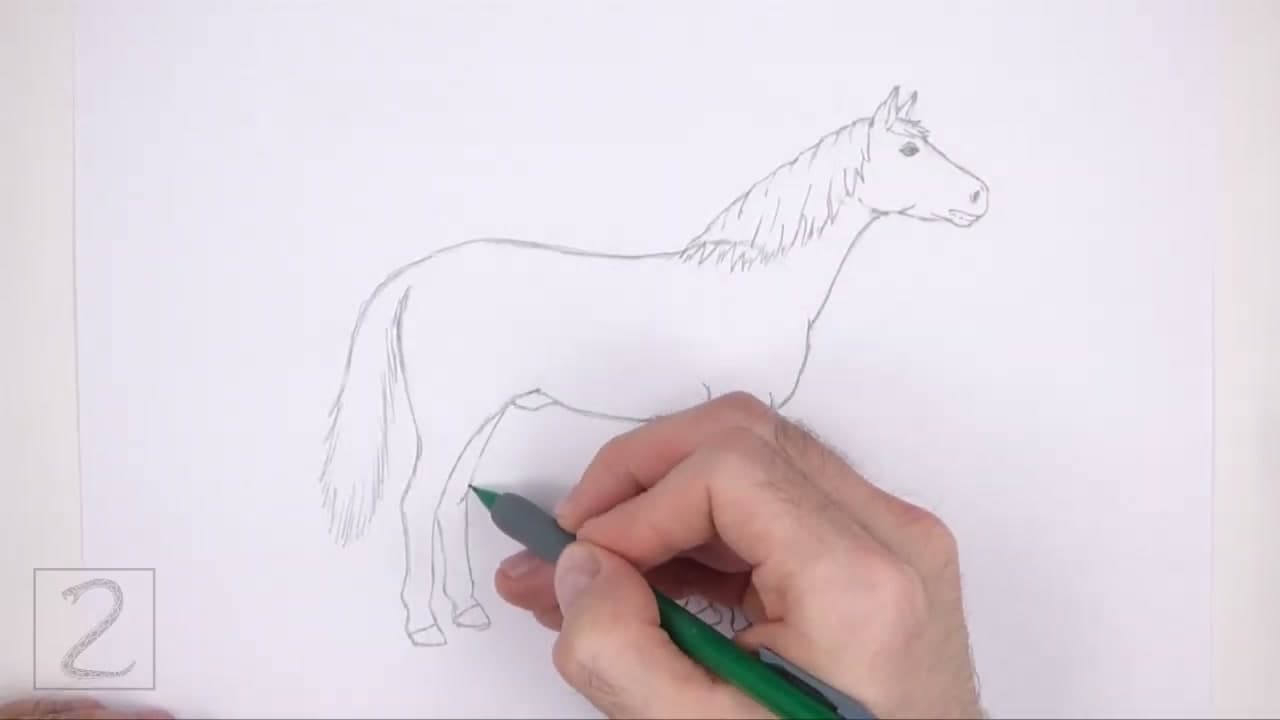
Trace around the leg guide lines to give each leg its real shape. The top of each leg is slightly wider, then narrows toward the bottom. Use curved lines for the joints near the middle and bottom, and finish each leg with a small square-ish hoof.

Darken the body contour - smooth curves around the chest, belly, and rump. The far front leg is partly hidden behind the near one, so don't drag your outline over it.

Build the tail with short downward strokes for the hair clumps. Make it wider toward the bottom for a fuller tail. Once the horse holds its shape on its own, lightly erase the construction circles and any guide lines you can still see.

Tip

Use the kneaded eraser by pressing and lifting rather than scrubbing. This protects the paper and the lines you want to keep. Redraw any final lines that fade during cleanup.

Products used in this step

Kneaded Rubber Eraser
Westcott Stainless Steel Ruler
7

Step 7: Shade With a Graphite Pencil

13:10
Step 7: Step 7: Shade With a Graphite Pencil

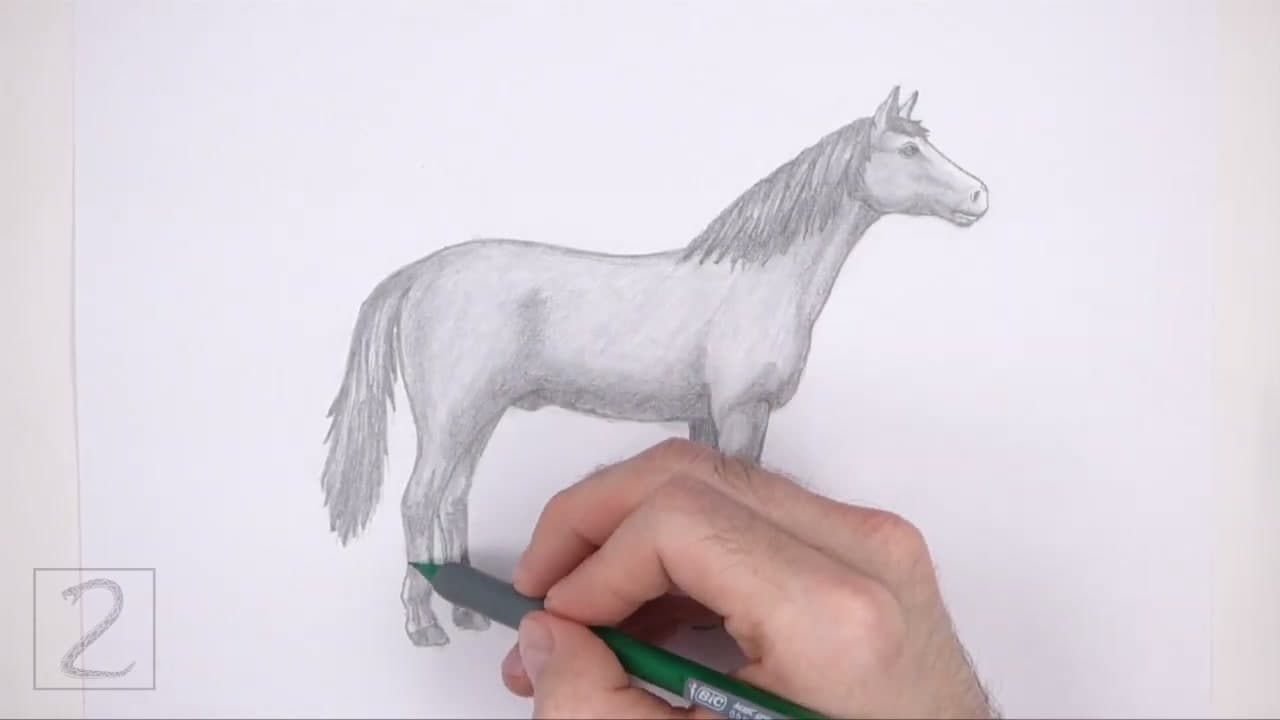
Start with the mane and tail. Use a darker value (push harder on the pencil or switch to a 4B), but leave a thin blank section running down the middle to suggest shine.

Lay a medium tone over the rest of the body. Ease off on the front of the head so a soft highlight reads on the forehead and muzzle. Use even strokes - short, parallel lines - for smooth shading.

Now add deeper shadows: under the belly, along the inside of the legs, around the jaw, behind the front leg where the chest tucks back. Build the shadow gradually so the transition stays soft.

Finish with a thin shadow on the ground beneath the hooves. Without it, the horse looks like it's floating.

Tip

Real horses come in every coat pattern - chestnut, dapple gray, palomino, paint. Once you've finished this basic shading pass, you can use a photo of your favorite horse and copy that pattern onto your drawing.

Products used in this step

Staedtler Mars Lumograph Drawing Pencil Set
Faber-Castell 9000 Graphite Pencil

Products Used

Staedtler Mars Lumograph Drawing Pencil SetStrathmore 400 Series Drawing Paper PadFaber-Castell 9000 Graphite PencilKneaded Rubber EraserWestcott Stainless Steel Ruler

Your Guide

How2DrawAnimals

As an Amazon Associate we earn from qualifying purchases. Links on this page may be affiliate links - clicking them and buying doesn't change your price, but helps support ShowMeStepByStep.

Tags

What's next

Weekly Digest

Liked this crafts tutorial?

Pick the categories you want to hear about. Weekly digest of new step-by-step tutorials. No spam, easy unsubscribe.

Send me tutorials about

We only email about new tutorials. Easy unsubscribe anytime.