How to Check Power Steering Fluid (60-Second DIY)

By ShowMeStepByStepPublished Updated

Based on a video by Todd's Garage.

If the steering wheel is suddenly hard to turn, whining when you turn it, or jerking on slow corners, the first thing to check is the power steering fluid level. It is a 60-second job under the hood. You do not need tools, you do not need to jack the car, and you can read the level through the side of the reservoir on most modern cars without even taking the cap off.

What you are looking for. The power steering reservoir is a small clear or opaque plastic tank with a black cap labeled POWER STEERING FLUID. On most cars it sits near the front of the engine bay close to the serpentine belt. The side of the reservoir has four small molded lines: COLD MIN, COLD MAX, HOT MIN, HOT MAX. The fluid should sit between the right pair depending on whether the engine has been running.

Why the cap matters. Power steering fluid is not one product. Some cars take dedicated PSF (Honda, Toyota), some take ATF Dexron II or III (older GM, Chrysler), some take a proprietary fluid you can only get from the dealer (newer European). Topping off with the wrong fluid can damage seals and the pump. The correct fluid is usually printed on the cap itself. If the cap is blank, the owner's manual has it.

This walkthrough from Todd's Garage covers checking on a 2006 Toyota Corolla, but the same five marks-on-the-tank method works on almost every car built since 1990. The whole job is under five minutes including putting the hood back down.

While you have the hood up, also worth knowing: how to check your oil level, how to check coolant, how to check tire pressure, and how to check brake pads.

Step-by-Step Guide

1

Step 1: Park Safely and Locate the Power Steering Reservoir

0:59
Step 1: Step 1: Park Safely and Locate the Power Steering Reservoir

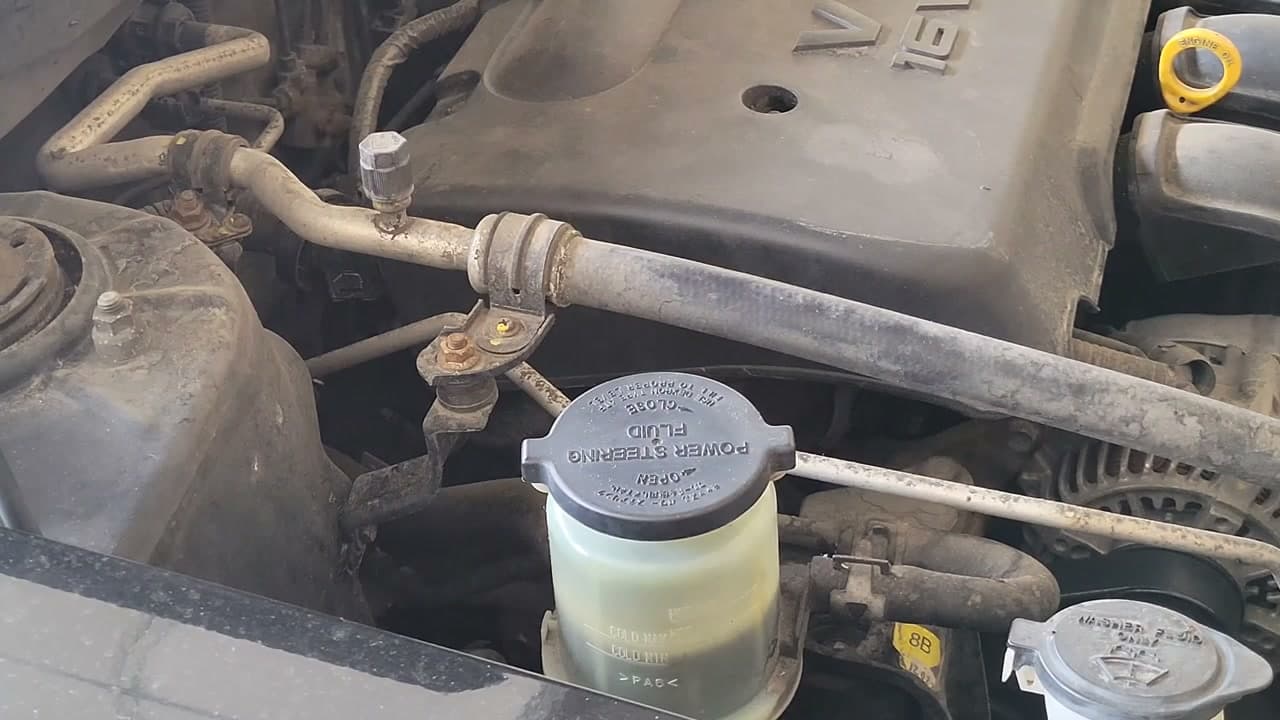
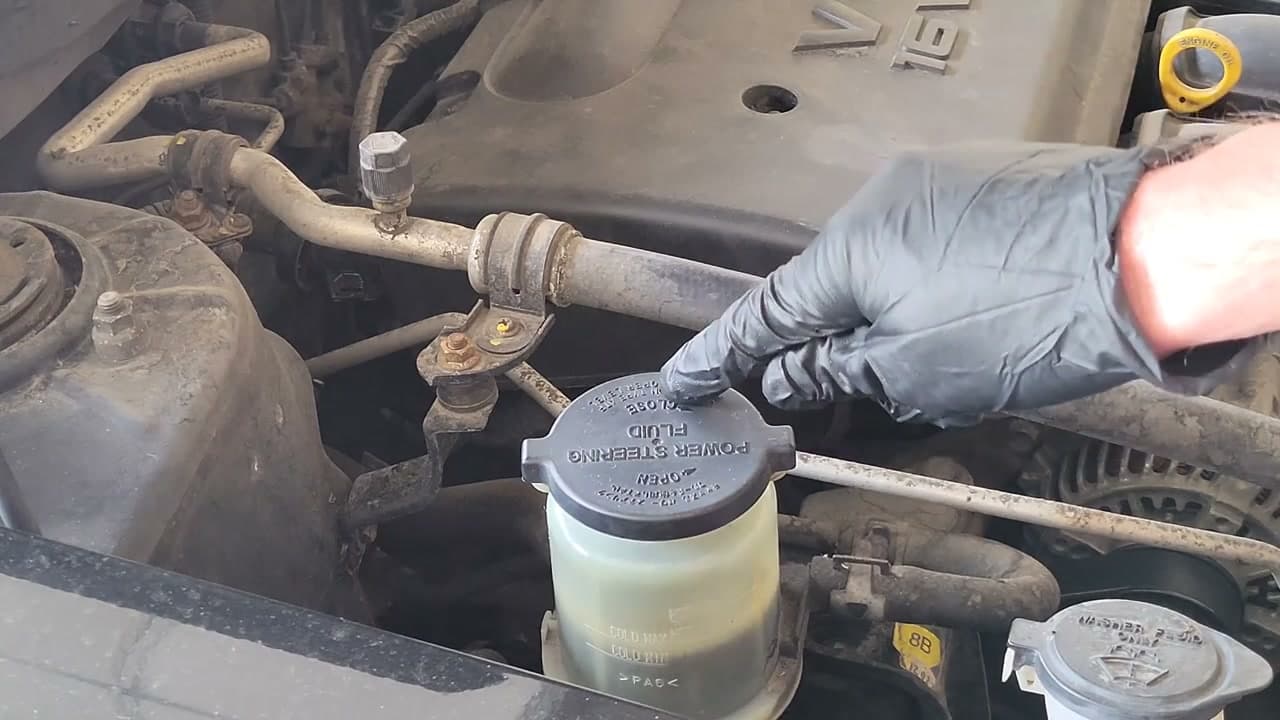
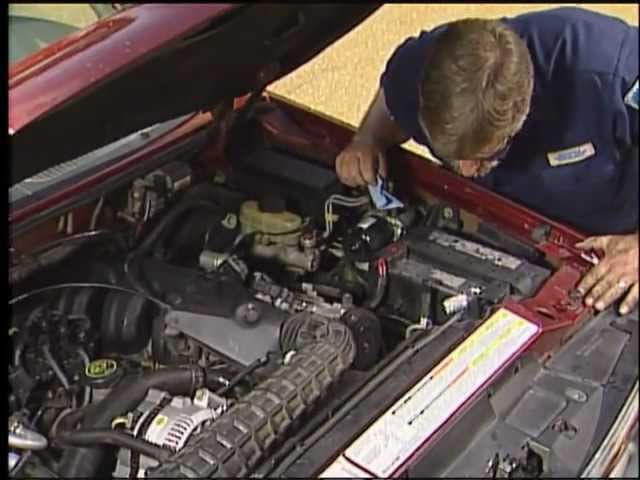
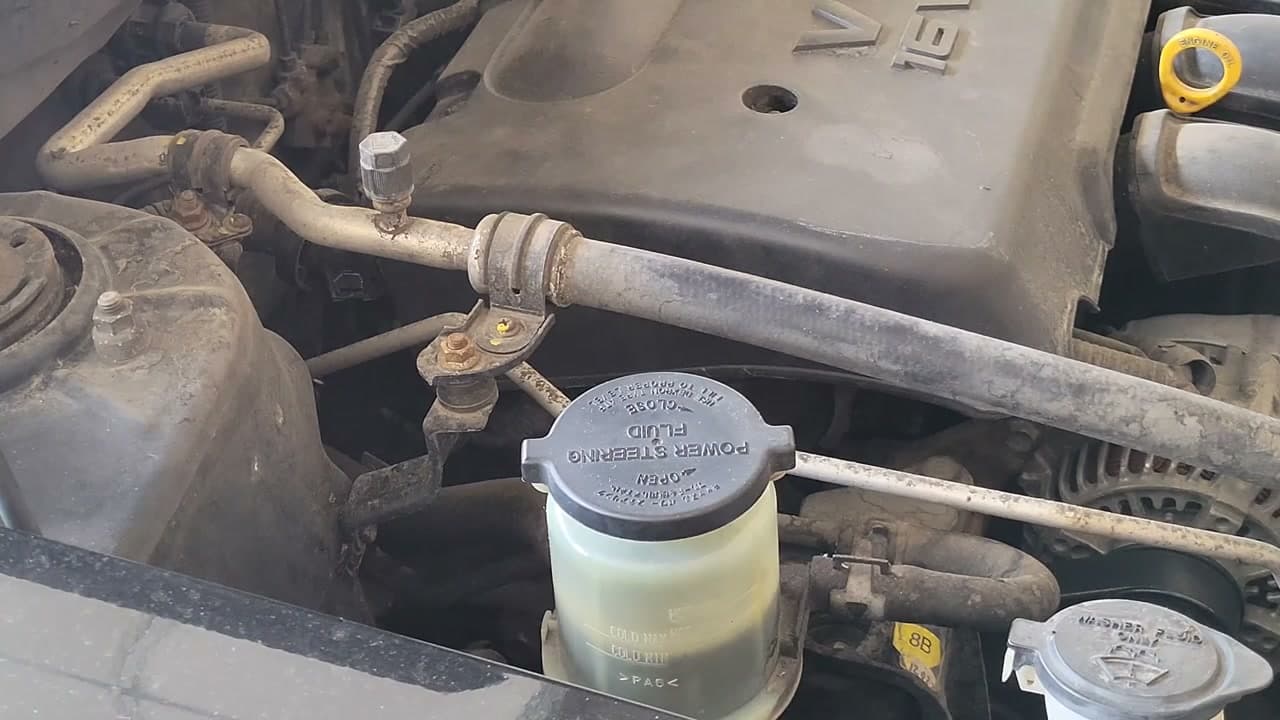
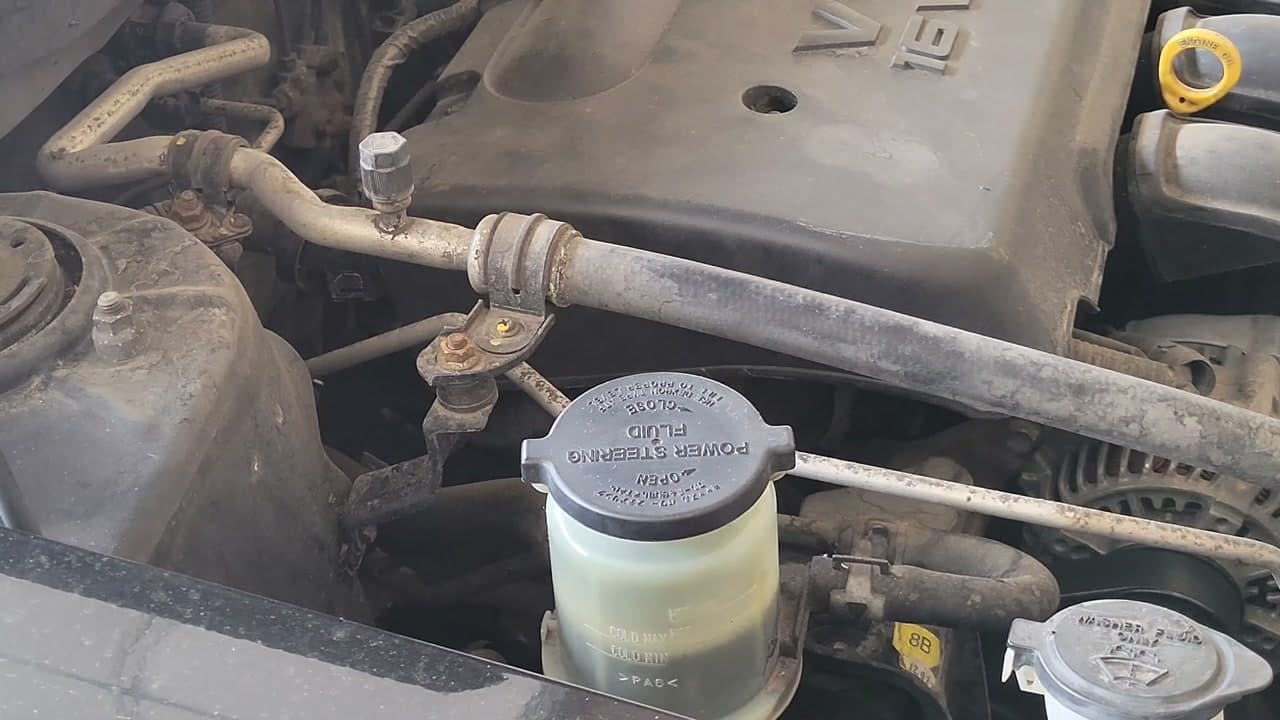
Park on a level surface, turn the engine off, and set the parking brake. Pop the hood and look for a small plastic tank near the front of the engine, usually within reach of the serpentine belt. The cap is almost always black and stamped POWER STEERING FLUID, sometimes with a steering-wheel icon.

If the reservoir is clear plastic like on this Corolla, you will see greenish or amber fluid inside and four molded level marks on the side: COLD MIN, COLD MAX, HOT MIN, HOT MAX. If the reservoir is opaque white or black, look for a dipstick built into the cap.

Tip

Put on nitrile gloves and safety glasses before you start. Power steering fluid is mildly toxic to skin and the reservoir sits between hot belt-driven parts that bite if your fingers slip.
2

Step 2: Wipe the Reservoir and Cap Clean

1:21
Step 2: Step 2: Wipe the Reservoir and Cap Clean

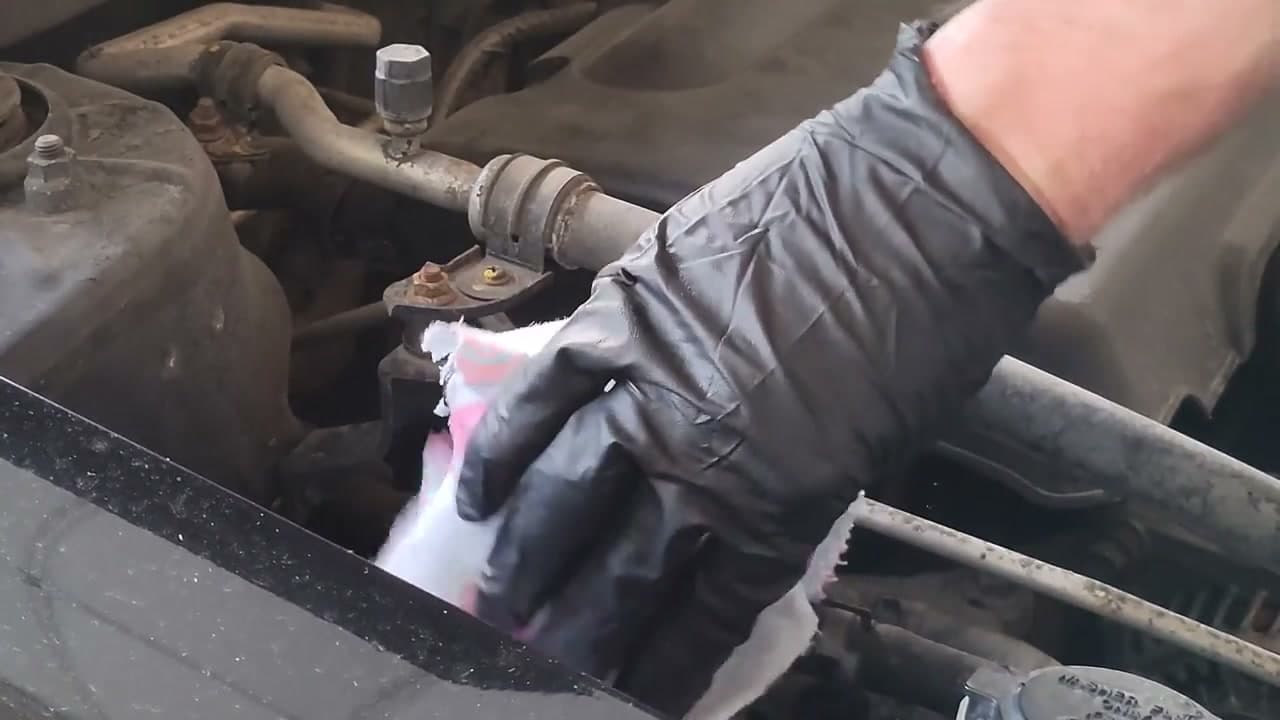
Engine bays collect dust, road grit, and the occasional dead bug. Before you do anything else, wipe down the reservoir body and the area around the cap with a clean shop rag. The reason is simple: if you have to pop the cap to top off, anything sitting on the cap falls straight into the fluid and goes through the power steering pump on the next start. That gets expensive fast.

Take a few seconds and clean the level marks on the side of the tank too, so you can read them clearly without grit hiding the line.

Tip

Use a lint-free shop towel or microfiber, not a paper towel that will leave fluff stuck to the reservoir. Fluff finds its way into the cap threads and from there into the fluid.

3

Step 3: Read the Cold vs Hot Min/Max Lines

1:39
Step 3: Step 3: Read the Cold vs Hot Min/Max Lines

Look at the side of the reservoir for two pairs of molded lines: COLD MIN with COLD MAX (one pair), and HOT MIN with HOT MAX (the other pair). Which pair you read depends on how warm the engine is.

If the car has been parked for several hours and the engine is cool to the touch, the fluid is cold and should sit between COLD MIN and COLD MAX. If you have just been driving for 20 minutes or more, the fluid is hot and should sit between HOT MIN and HOT MAX. The hot range is higher up the tank because the fluid expands as it warms. Reading the wrong pair makes a fine level look low or a low level look fine, so match the pair to the engine temperature.

Tip

If the fluid is at or below MIN on the matching pair, top off until it reaches the middle of that range - never above MAX. Overfilling a hot reservoir lets fluid push out the cap vent and onto the belt when the engine warms.

4

Step 4: If the Reservoir Is Opaque, Use the Cap Dipstick

2:00
Step 4: Step 4: If the Reservoir Is Opaque, Use the Cap Dipstick

Not every car has a see-through reservoir. Many GM, Ford, and Chrysler models use an opaque white or black plastic tank with a built-in dipstick attached to the underside of the cap. The procedure is the same as checking engine oil: twist the cap off, wipe the dipstick clean with a rag, screw the cap fully back on, then twist it off a second time and read the level off the dipstick.

The dipstick has the same COLD and HOT bands, usually as hatch marks or a checkered range with C and H labels. Read the band that matches your engine temperature.

Tip

Always read the dipstick the second time you pull it out, not the first. The first pull is contaminated by fluid splashing in the tank. Wipe clean, reseat, then read.

5

Step 5: Read the Fluid Type Printed on the Cap

2:18
Step 5: Step 5: Read the Fluid Type Printed on the Cap

Before you add anything, check the top of the cap. Most cars have the correct power steering fluid spec stamped right into the plastic: a brand name like PENTOSIN, a spec code like ATF DEXRON III, or the words POWER STEERING FLUID with a part number reference. This Corolla cap reads ATF.

Putting the wrong fluid in is one of the easier ways to ruin a power steering pump. ATF in a car that needs Honda PSF will eat the pump seals. Honda PSF in a car that needs Mercedes Pentosin will do the same. If the cap is blank or worn smooth, do not guess: check the owner's manual before you open a bottle.

Tip

Never mix two different power steering fluids in the same reservoir. If you do not know what is in there right now, take it to a shop for a fluid flush and start over with the correct spec.

6

Step 6: Cross-Reference Your Owner's Manual

2:47
Step 6: Step 6: Cross-Reference Your Owner's Manual

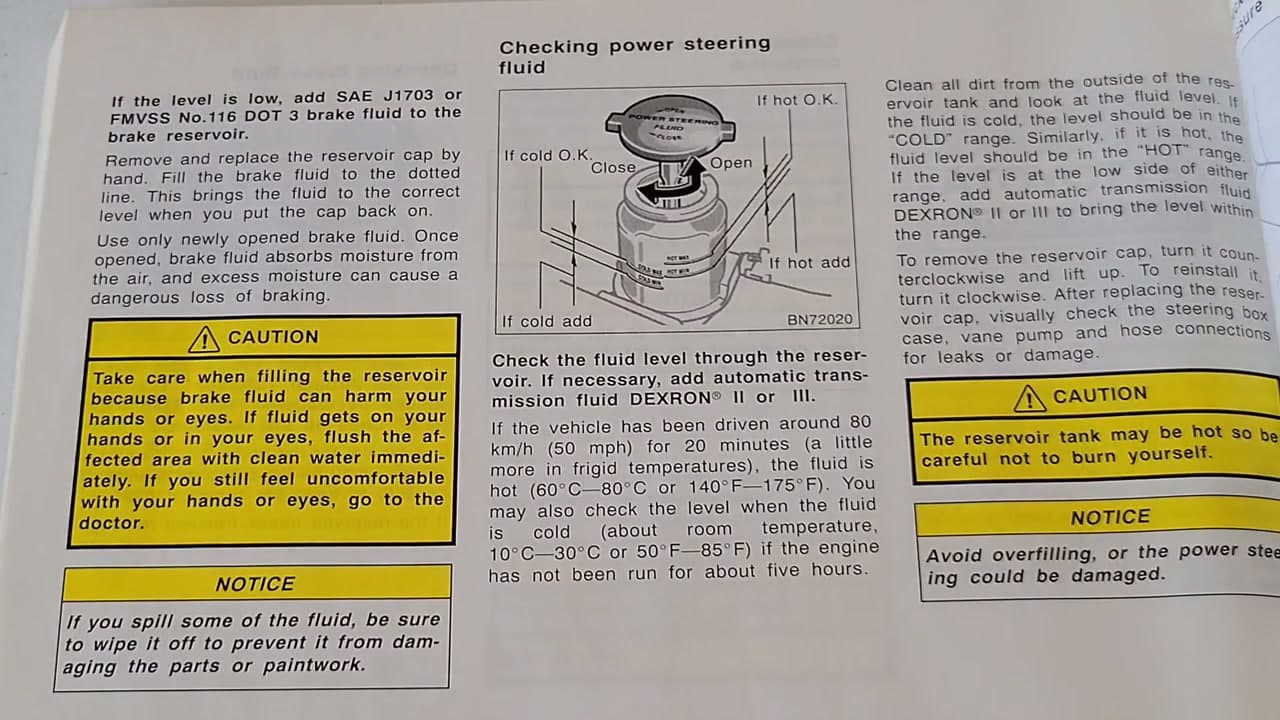
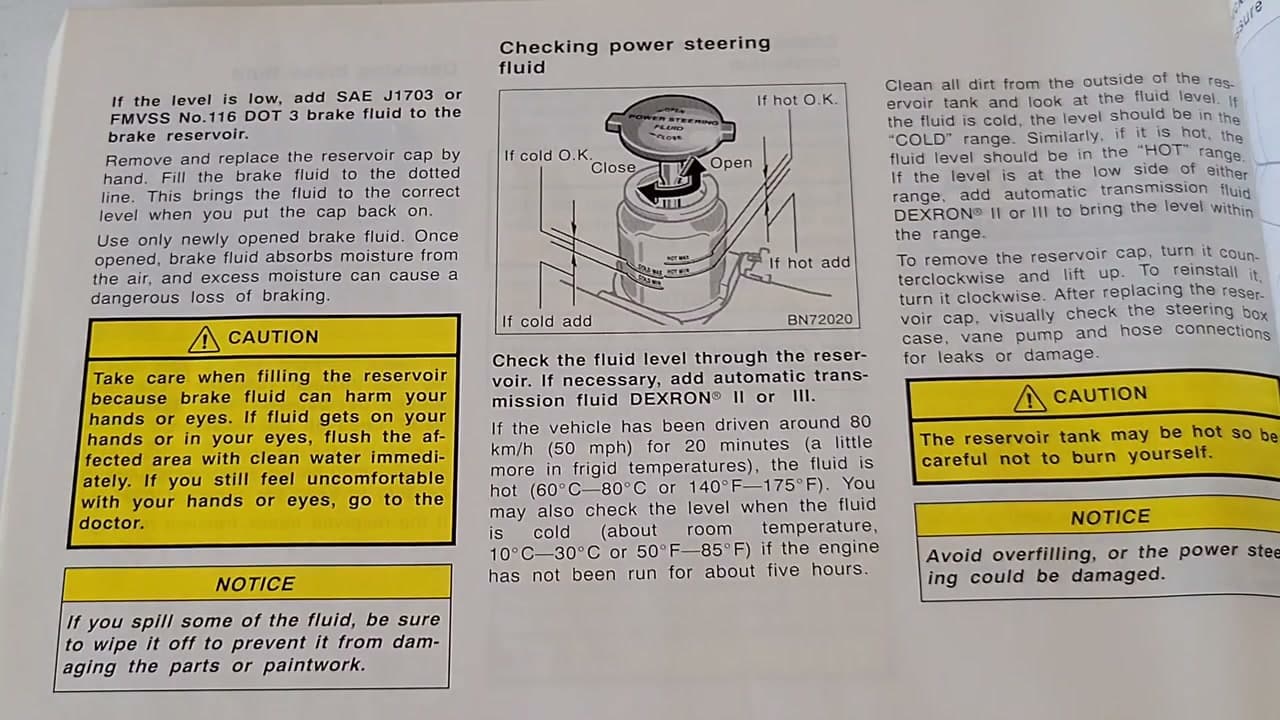
Even if the cap tells you the fluid type, take 30 seconds to open the owner's manual to the engine compartment overview page. The diagram numbers every fluid reservoir and labels which is power steering, which is brake, which is coolant. On a strange car or someone else's car, this is the fastest way to make sure you are about to add fluid to the right tank.

The manual will also have a separate Checking the Power Steering Fluid page with the exact recommended fluid spec, the inspection interval, and the procedure to top off. Toyota recommends Dexron II or III for this Corolla, and the same page also tells you what to do if the level keeps dropping (which usually means a leak in the pump, the rack, or one of the hoses).

Tip

If you do not have a paper owner's manual, the full PDF is on the manufacturer's website. Search '[year] [make] [model] owner's manual PDF' and bookmark it on your phone for next time.

Products Used

☐ The Checklist

How to Check Power Steering Fluid (60-Second DIY)

Tools
3
Materials
3
Steps
6
Video
4 min

Your Guide

Todd's Garage

As an Amazon Associate we earn from qualifying purchases. Links on this page may be affiliate links - clicking them and buying doesn't change your price, but helps support ShowMeStepByStep.

Tags

Test your knowledge

Did the lesson stick? Find out in 2 minutes.

5 quick questions covering what you just read. No signup, no score saved — just a gut check.

Quick reference

Key takeaways from How to Check Power Steering Fluid (60-Second DIY)

5 questions, answers, and one-line explanations. Tap to expand.

  1. 1.What does the cap on the power steering reservoir tell you?

    Answer: The correct fluid type (brand name like Pentosin, spec like ATF Dexron III, or part number)

    Wrong fluid = pump destruction. The cap shows the right spec; double-check against the manual.

  2. 2.Why wipe the reservoir and cap area BEFORE opening it?

    Answer: Anything sitting on the cap falls straight into the fluid when you open it and goes through the pump

    Grit in the reservoir = grit in the pump = expensive repair.

  3. 3.Why do clear reservoirs have TWO pairs of level lines (COLD MIN/MAX and HOT MIN/MAX)?

    Answer: Fluid EXPANDS as it warms - the hot range is higher up the tank than the cold range

    Read the pair that matches your engine temperature; mixing them up makes a fine level look low (or vice versa).

  4. 4.For an OPAQUE reservoir with a dipstick on the cap, what's the right procedure?

    Answer: Twist off, WIPE the dipstick, screw cap fully back on, twist off again, then read - same as engine oil

    Wipe-reseat-read - same routine as the engine oil dipstick.

  5. 5.Putting the WRONG fluid (e.g. ATF in a car that needs Honda PSF) will...

    Answer: Eat the power steering pump seals

    Wrong fluid attacks the seals; one of the easier ways to ruin a power steering pump.

What's next

Related collections

Curated theme pages that include this tutorial.

Weekly Digest

Liked this adulting tutorial?

Pick the categories you want to hear about. Weekly digest of new step-by-step tutorials. No spam, easy unsubscribe.

Send me tutorials about

We only email about new tutorials. Easy unsubscribe anytime.