How to Check Your Engine Oil Level (Dipstick Reading)

By ShowMeStepByStepPublished

Based on a video by Automotive Technology By Sinclair College.

Checking your engine oil is the cheapest piece of car maintenance you will ever do, and the one most likely to save you a four-figure repair bill. Engines burn a little oil between changes, gaskets seep, and modern cars can quietly drop a quart over a few thousand miles without setting off a dashboard light. By the time the low-oil warning comes on, your bearings may already be running dry.

The fix is a 5-minute habit. Once a month, or before any long road trip, pop the hood, pull the dipstick, and read the level. That is the whole job. The video below from Sinclair College's automotive technology program walks through the steps on a parked truck - the procedure is the same on almost every gas-powered car built in the last forty years.

How often to check. Once a month minimum. Before any road trip over 200 miles. Any time the oil-level warning light flickers on the dash. If your car is older than 2010 or uses more than a quart between oil changes, check it every other fill-up at the gas station.

What you need. A clean shop rag or two paper towels - that is it. If the level reads low, you also need a quart of the oil grade printed on your oil filler cap or in your owner's manual (5W-30, 5W-20, 0W-20 are the common ones). A funnel makes pouring cleaner but is not required.

While you are getting comfortable under the hood, also worth learning: how to change brake pads, how to rotate your tires, how to check your brake pads, and how to replace the cabin air filter.

Step-by-Step Guide

1

Step 1: Park on Level Ground and Let the Engine Cool a Few Minutes

0:30
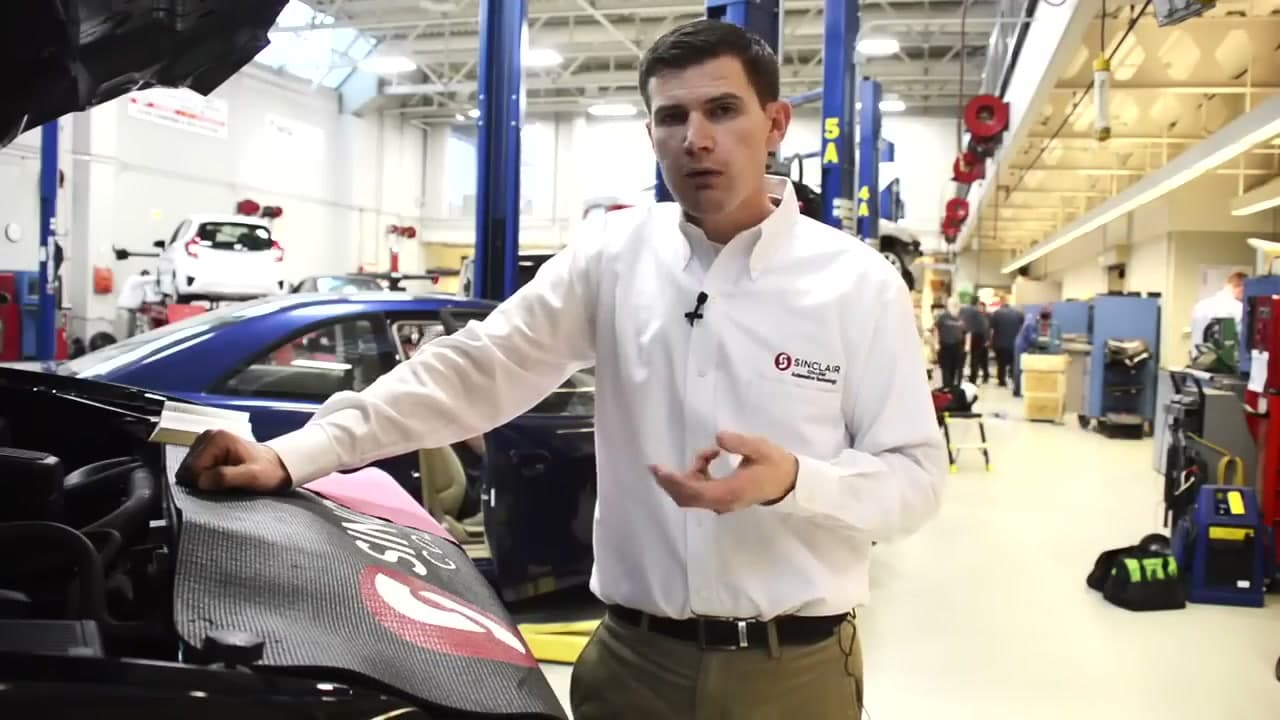
Step 1: Step 1: Park on Level Ground and Let the Engine Cool a Few Minutes

Park the car on flat, level ground - a sloped driveway throws the reading off by half a quart or more. If you just drove the car, shut it off and wait three to five minutes so the oil has time to drain back down into the pan. A reading taken right after a long highway run will look low because most of the oil is still up in the engine.

Cold-engine readings work fine too, especially first thing in the morning before you have driven anywhere. Just pick one routine and stick with it so your monthly checks are comparable.

Tip

Do not check the level with the engine running. The oil is being pumped through the system and the dipstick reading will be nonsense. Engine off, parking brake on.

Products used in this step

2

Step 2: Pop the Hood and Find the Yellow Dipstick Loop

1:15
Step 2: Step 2: Pop the Hood and Find the Yellow Dipstick Loop

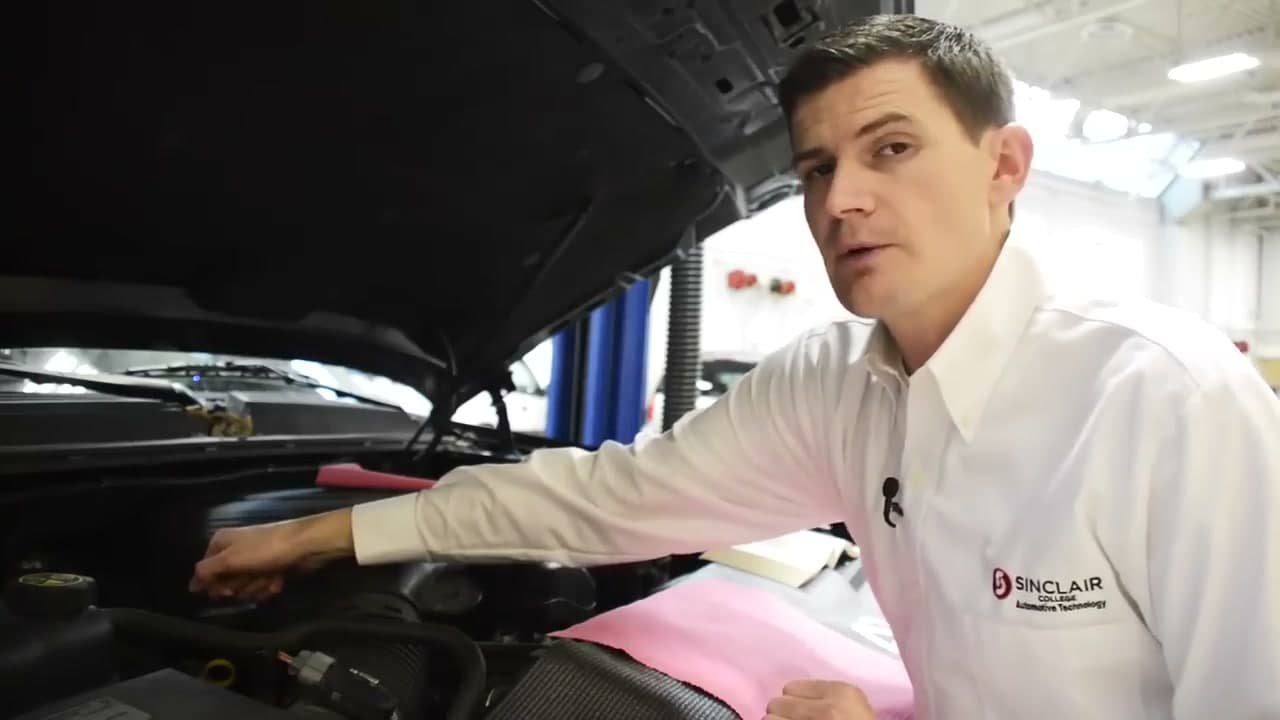
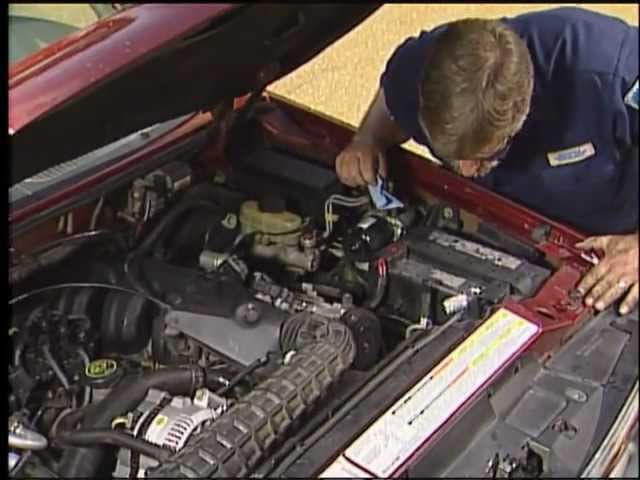
Pull the hood release lever (usually down by the driver's left knee or under the dash labeled with a hood icon), walk around to the front of the car, and lift the hood. Most modern hoods have a gas strut that holds them up automatically. Older cars have a metal prop rod tucked along the front edge - slide it up into the slot on the underside of the hood.

Now look at the engine. The oil dipstick is almost always a bright yellow or orange loop sticking up out of the engine block. Some cars use a black handle with a yellow oil-can icon on top. If you cannot spot it, glance at the owner's manual - it will have a labeled photo of your engine bay.

Tip

If the loop is plain black with no oil-can icon, you may be looking at the transmission dipstick. Trans fluid dipsticks are usually deeper in the engine bay and toward the firewall. Wrong stick, wrong fluid - confirm before pulling.

Products used in this step

3

Step 3: Pull the Dipstick Straight Up and Out

1:50
Step 3: Step 3: Pull the Dipstick Straight Up and Out

Grab the yellow loop with one hand and pull straight up. The dipstick is a long thin metal rod about two feet long that lives inside a tube down to the oil pan. It comes out smoothly with steady pressure - no need to twist or yank.

The end of the stick will have a film of dark, warm oil on it. Some of that oil will drip, which is why a shop rag in your other hand matters. Keep the dirty end pointed away from your clothes and the painted engine cover.

Tip

If the dipstick will not budge, do not crank on it - look for a small lock tab or twist-collar near the top loop on European cars (BMW, Audi). Twist it 90 degrees and then pull.

4

Step 4: Wipe the Dipstick Clean With a Rag

2:00
Step 4: Step 4: Wipe the Dipstick Clean With a Rag

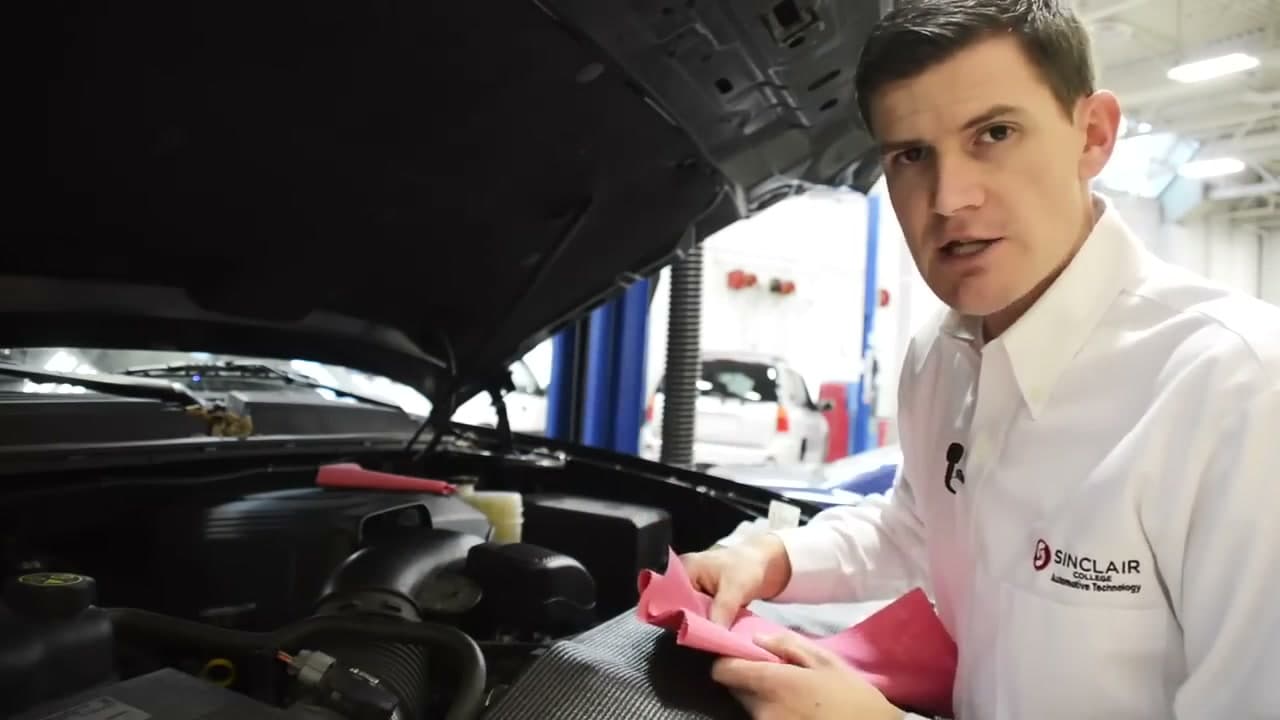
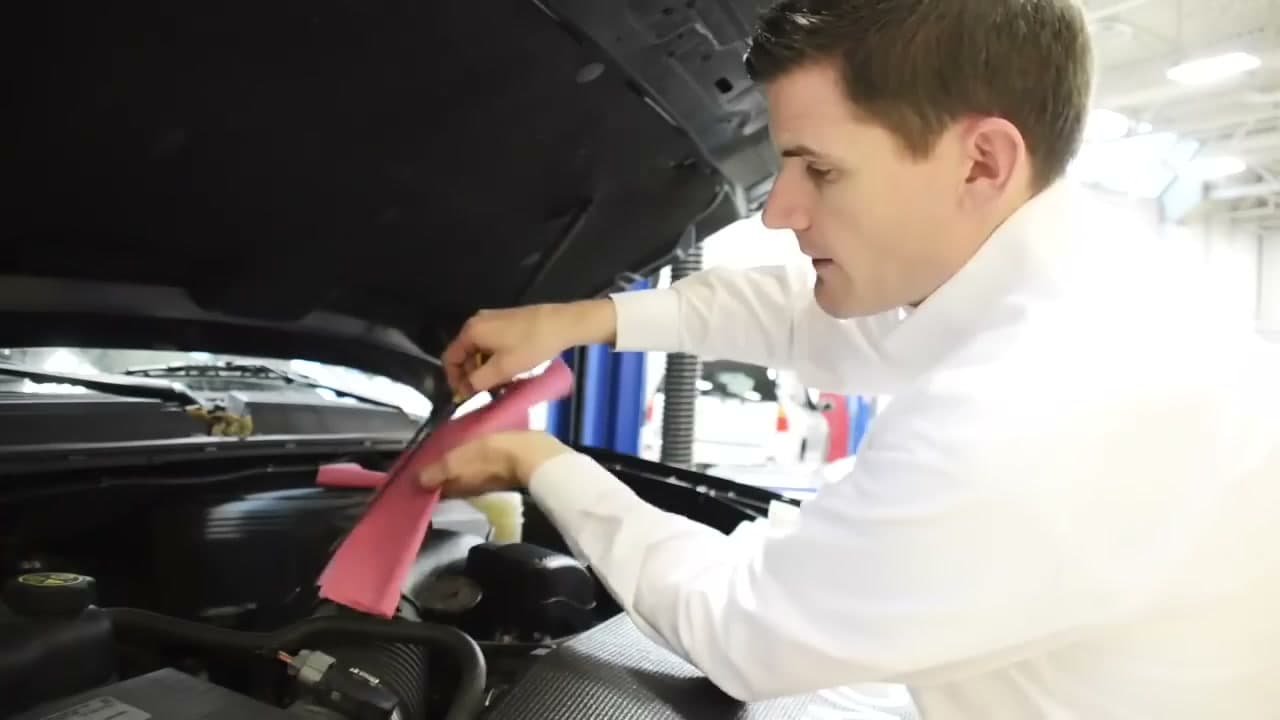
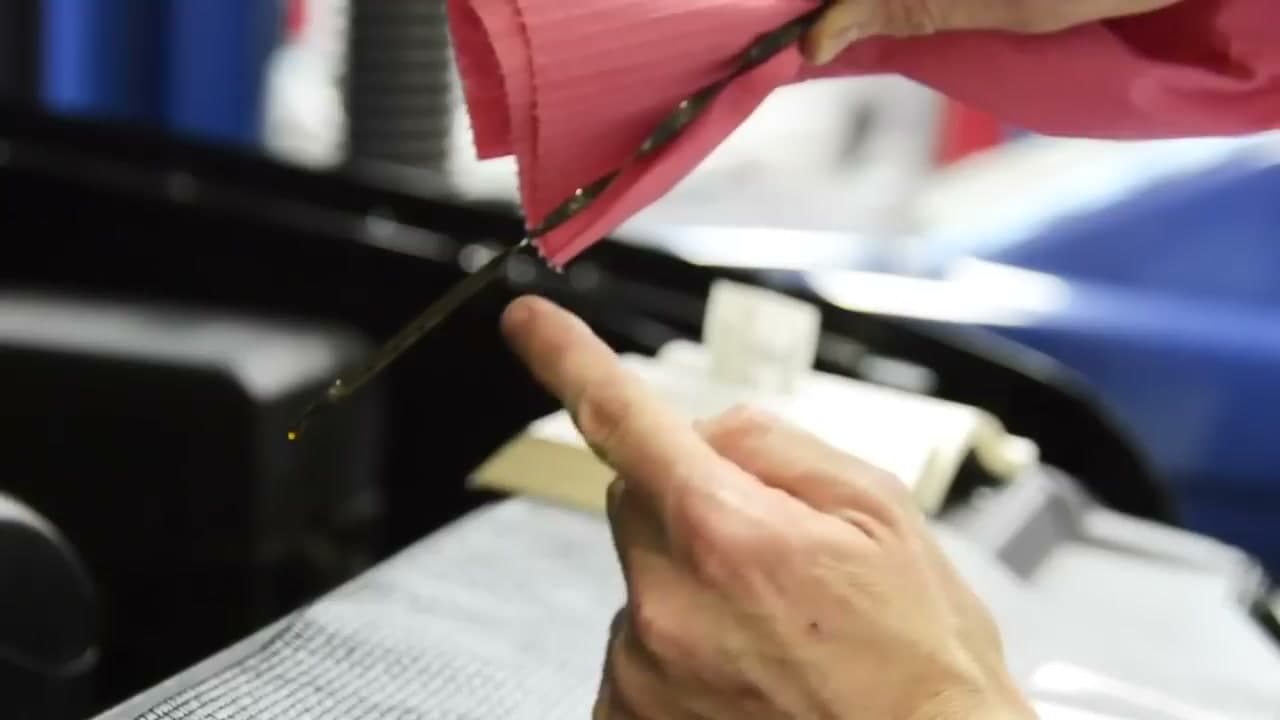
Pinch the metal end of the dipstick in your shop rag and pull it through the cloth from top to bottom. You want every drop of oil wiped off so the stick is dry and you can see the hash marks at the bottom. Two or three passes through a clean spot on the rag should do it.

This first reading is not the one that counts. Oil splashes around as you drive, so the level on the dipstick when you first pulled it is unreliable. The clean wipe sets you up for an accurate reading on the second insertion.

Tip

Paper towels work in a pinch but shed lint that sticks to the oily metal. A red shop rag, blue shop towel, or an old t-shirt is cleaner. Avoid the fancy household paper towels with quilted patterns - they leave fibers.

Products used in this step

5

Step 5: Slide the Dipstick Fully Back Into the Tube

2:45
Step 5: Step 5: Slide the Dipstick Fully Back Into the Tube

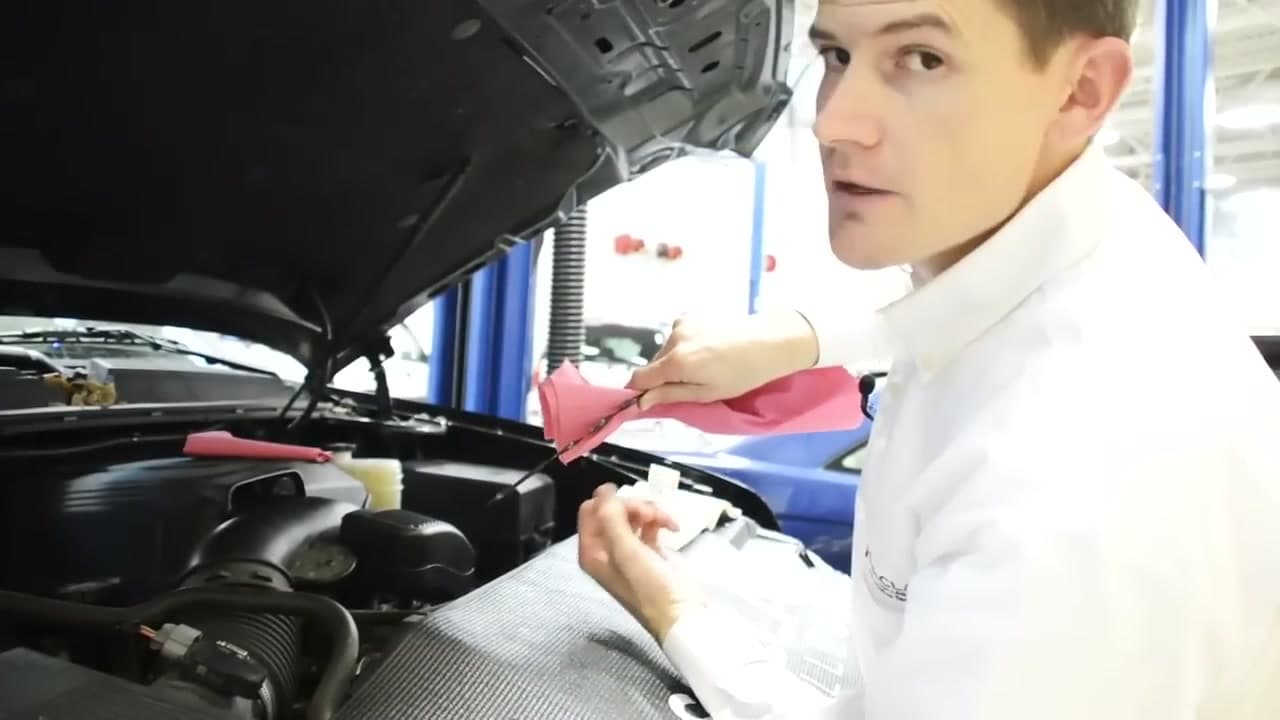
Feed the clean dipstick straight back down into its tube. Push it in all the way until the yellow loop seats flush against the top of the tube. You will feel a soft stop when it bottoms out - if the loop is sticking up an inch, you are not fully seated and the next reading will be wrong.

Wait two seconds for the oil to coat the lower section of the stick, then pull it straight back out. Hold it horizontal so the oil does not run off before you can read it.

Tip

On some cars the tube has a bend in it. If the stick stalls halfway, do not force it - back it out a half inch, rotate the loop 90 degrees, and try again. The flat metal will catch the curve and slide through.

Products used in this step

6

Step 6: Read the Oil Level Between the MIN and MAX Marks

2:30
Step 6: Step 6: Read the Oil Level Between the MIN and MAX Marks

Look at the bottom 3 inches of the dipstick. You will see two hash marks, two dimples, or a crosshatched area. The lower mark is MIN (sometimes labeled L or ADD). The upper mark is MAX (F or FULL). The oil should coat the stick somewhere between those two marks - the gap between MIN and MAX is usually exactly one quart.

If the oil reaches the MAX line, you are full and done. If it reaches the middle, you have about a half quart of headroom - fine to keep driving, check again next month. If it is at or below the MIN line, add a quart of the grade printed on your oil filler cap before driving any farther.

Tip

Look at the color too. Fresh oil is amber-honey colored. Used oil turns dark brown - normal. Black with a burnt smell, milky tan, or visible metal flakes mean you have a problem beyond just topping off. Get the car to a shop.

7

Step 7: Reseat the Dipstick and Log the Reading

4:55
Step 7: Step 7: Reseat the Dipstick and Log the Reading

Wipe the dipstick one last time, slide it fully back into the tube, and push it down until the yellow loop sits flush. Close the hood by lowering it to about six inches above the latch and then letting it drop - it should latch with a single clean thunk.

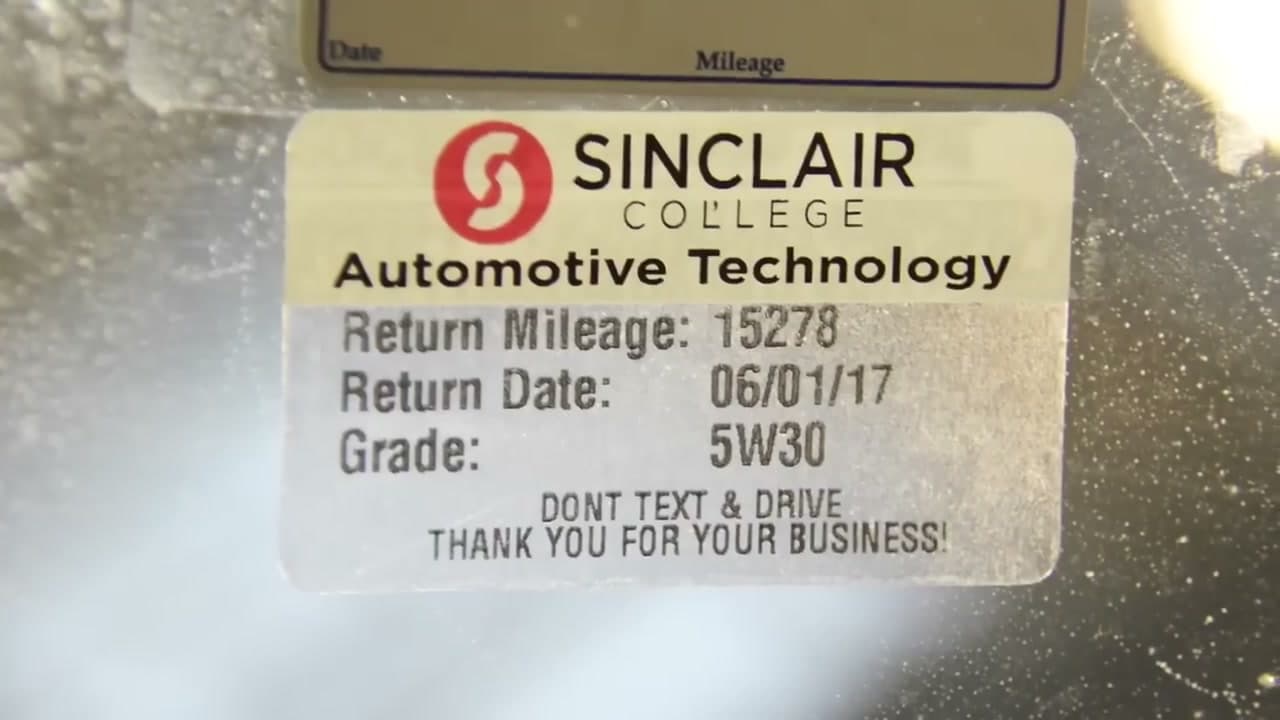
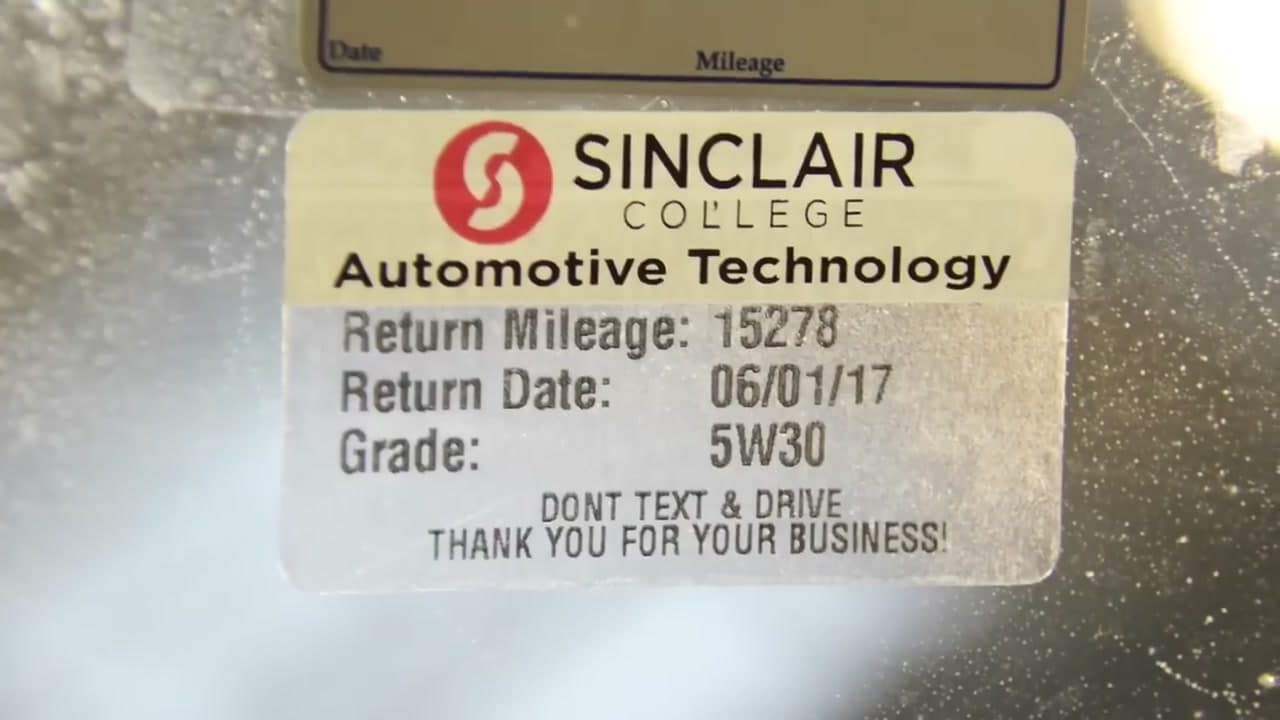
If you added oil, stick a piece of tape inside your driver's door jamb with today's date and the current mileage. Next to it write the oil grade and how much you added. That log is gold for diagnosing whether your engine's oil consumption is normal or creeping up year over year. The Sinclair tech shop sticker in the photo is the same idea - mileage, date, and grade.

Tip

Set a monthly phone reminder to repeat this check. Five minutes a month catches a slow oil leak six months before the dashboard light catches it.

Products Used

☐ The Checklist

How to Check Your Engine Oil Level (Dipstick Reading)

Tools
2
Materials
1
Steps
7
Video
6 min

Your Guide

Automotive Technology By Sinclair College

As an Amazon Associate we earn from qualifying purchases. Links on this page may be affiliate links - clicking them and buying doesn't change your price, but helps support ShowMeStepByStep.

Tags

What's next

Related collections

Curated theme pages that include this tutorial.

Weekly Digest

Liked this adulting tutorial?

Pick the categories you want to hear about. Weekly digest of new step-by-step tutorials. No spam, easy unsubscribe.

Send me tutorials about

We only email about new tutorials. Easy unsubscribe anytime.