How to Bleed a Radiator and Get the Pressure Back Up

Home ImprovementEasy7:168 stepsPart of Home Improvement 101Browse more →
The finished result: How to Bleed a Radiator and Get the Pressure Back Up

By ShowMeStepByStepPublished

Based on a video by Proper DIY.

A radiator that runs hot at the bottom and cold at the top is not broken. It has a pocket of air sitting across the top where hot water cannot reach, and the fix takes about two minutes per radiator with a key that costs less than lunch.

This one follows Proper DIY, who works through a real house rather than a display board. The second half is the part worth staying for. Bleeding lets water out as well as air, so a sealed system loses pressure every time you do it, and a boiler under 1 bar may refuse to fire at all. He goes down to the boiler, reads the gauge and tops the system back up through the filling loop. Most guides stop at the radiator and leave you with a cold house and no idea why.

It is winter heating maintenance, the same category as changing a furnace filter or thawing frozen pipes. If rooms still run cold once the air is out, the next thing worth looking at is the thermostat.

What you'll need

Step-by-Step Guide

8 steps · about 7 minutes.Check off each step as you go and your progress saves automatically.

1

Feel the Radiator Panel from Top to Bottom

1:02
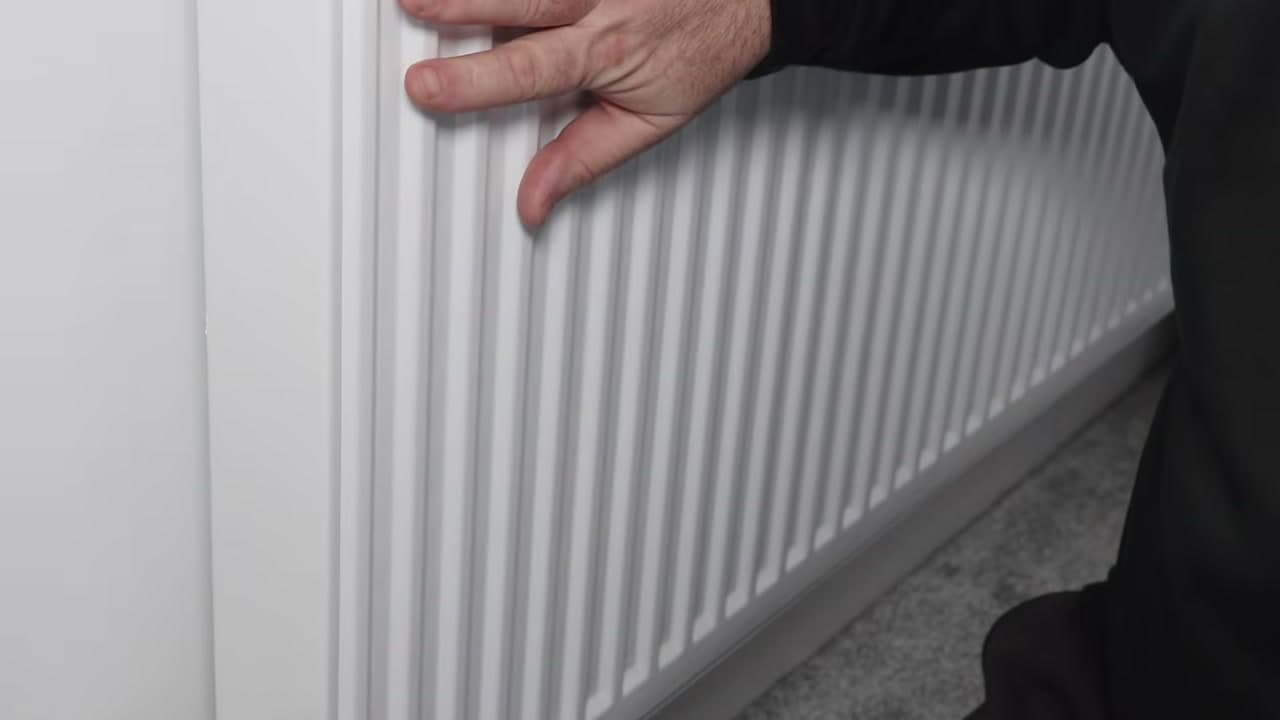
Step 1: Feel the Radiator Panel from Top to Bottom - How to Bleed a Radiator and Get the Pressure Back Up

Run the heating for twenty minutes, then walk the house with your hand. Slide it down the face of each radiator, top to bottom. A radiator holding air is hot along the bottom and cold across the top, because the hot water fills the bottom and the air sits above it doing nothing.

Air is a poor conductor, so that cold band is dead space. A small pocket barely matters. Half a panel of air and the room never warms up. Note which radiators fail the test before you switch anything off.

Tip

The radiator closest to the boiler often collects air fastest. If one room is always the cold one, start your checks there.

Used in this stepinfrared thermometer gun
2

Find the Radiator Bleed Key

1:50
Step 2: Find the Radiator Bleed Key - How to Bleed a Radiator and Get the Pressure Back Up

Switch the heating off at the programmer and give the system twenty to thirty minutes to cool. Hot water under pressure will scald you, and a cold system also reads honestly on the pressure gauge later.

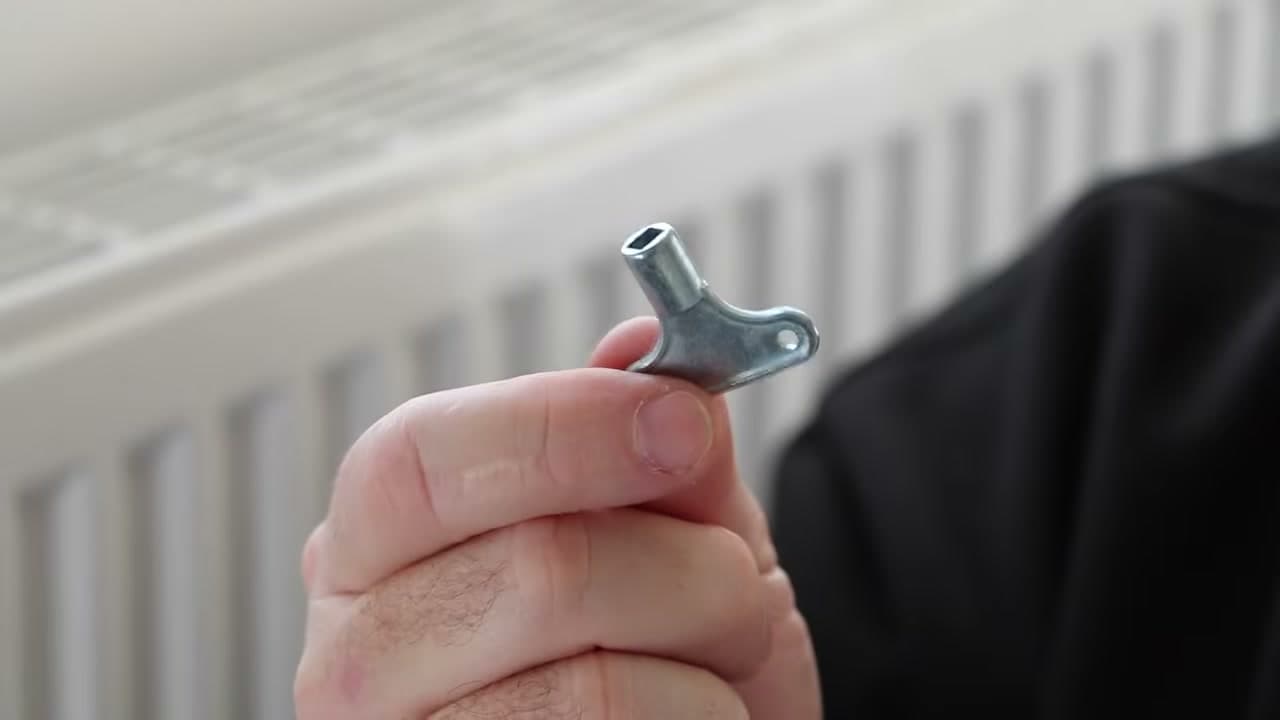
A radiator bleed key is a stamped metal key with a square socket, and it costs about the same as a coffee. Newer radiators take a flat-head screwdriver in the same square. Proper DIY makes the point that the hardest part of this whole job is finding the key, so put it somewhere obvious when you are done.

Tip

Pick up a small jug and a cloth on the way upstairs. You want both hands free at the valve, not a trip back down with water running.

3

Put a Jug Under the Radiator Bleed Valve

2:22
Step 3: Put a Jug Under the Radiator Bleed Valve - How to Bleed a Radiator and Get the Pressure Back Up

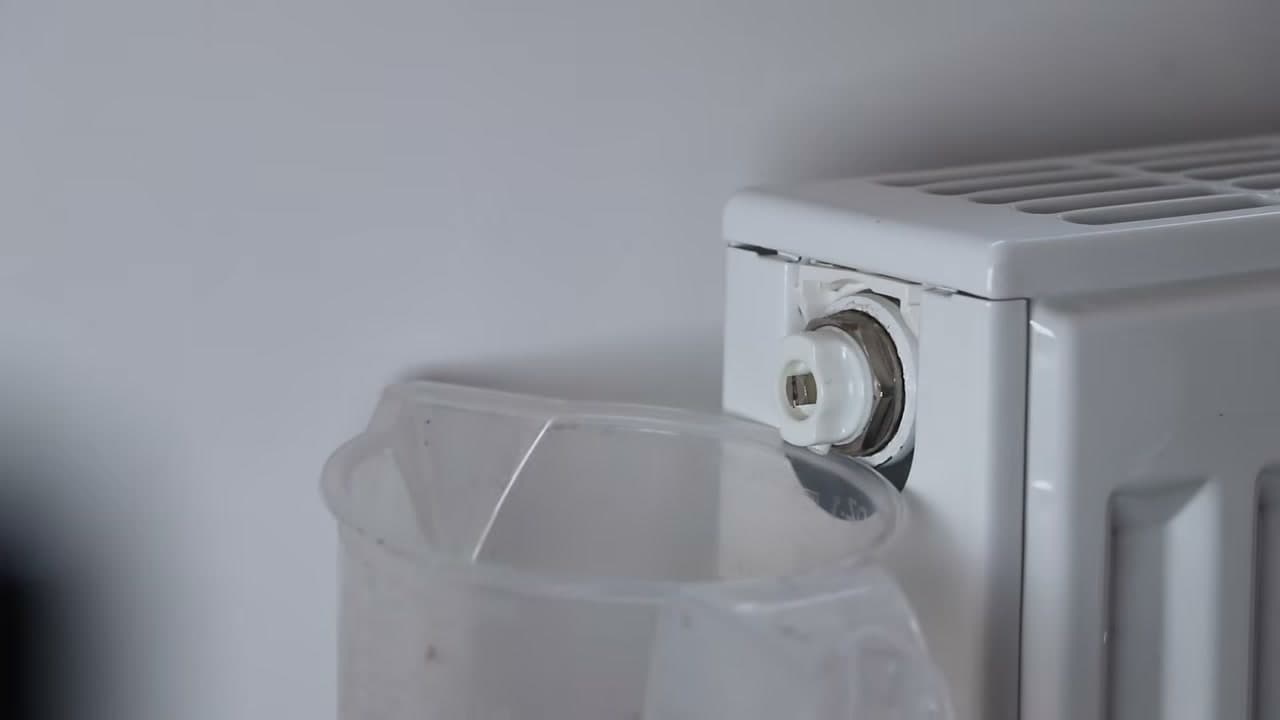
The bleed valve sits at the top corner of the radiator, usually the end away from the pipework. Look for a round brass or chrome fitting with a square pin in the middle of it. The radiator here has a white plastic spout that swivels, so you can aim the outlet down into a jug instead of at the wallpaper.

Hold the jug under the spout and lay a cloth on the floor. Water that has been sitting in a heating system comes out black and it stains.

Tip

That water is full of iron oxide from inside the pipes. Keep it off carpet and baseboards, and pour it down an outside drain rather than a sink you care about.

4

Fit the Bleed Key and Turn It Counterclockwise

2:28
Step 4: Fit the Bleed Key and Turn It Counterclockwise - How to Bleed a Radiator and Get the Pressure Back Up

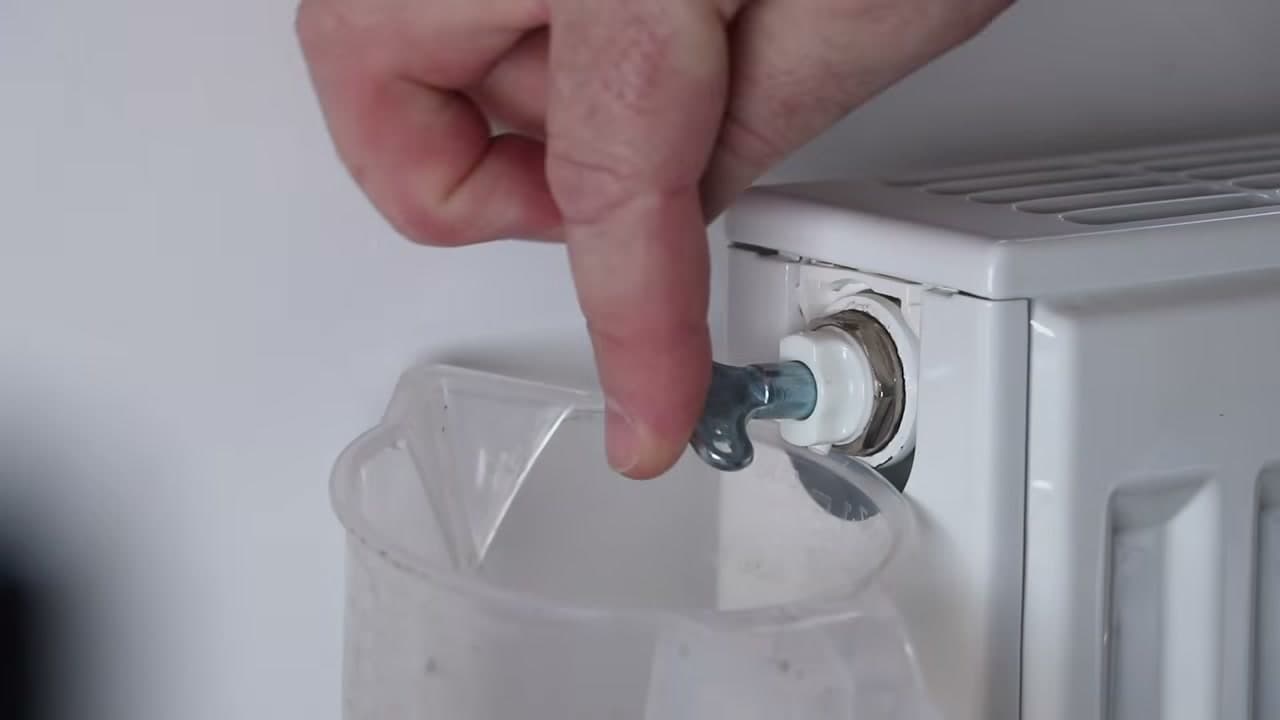
Push the key onto the square pin until it seats flat. Turn it counterclockwise, written anticlockwise on British guides, and go a quarter turn at most. You are cracking the valve open, not unscrewing it. Wind it too far and the pin can come out in your hand with the system still full of water.

Air starts hissing straight away if there is any in there. Keep the key on the valve the whole time and your other hand on the jug. Do not walk away from an open valve.

Tip

If nothing hisses and water arrives at once, that radiator had no air in it. Close it back up and move on to the next one.

Used in this stepradiator bleed key
5

Close the Bleed Valve When Water Runs Out

2:46
Step 5: Close the Bleed Valve When Water Runs Out - How to Bleed a Radiator and Get the Pressure Back Up

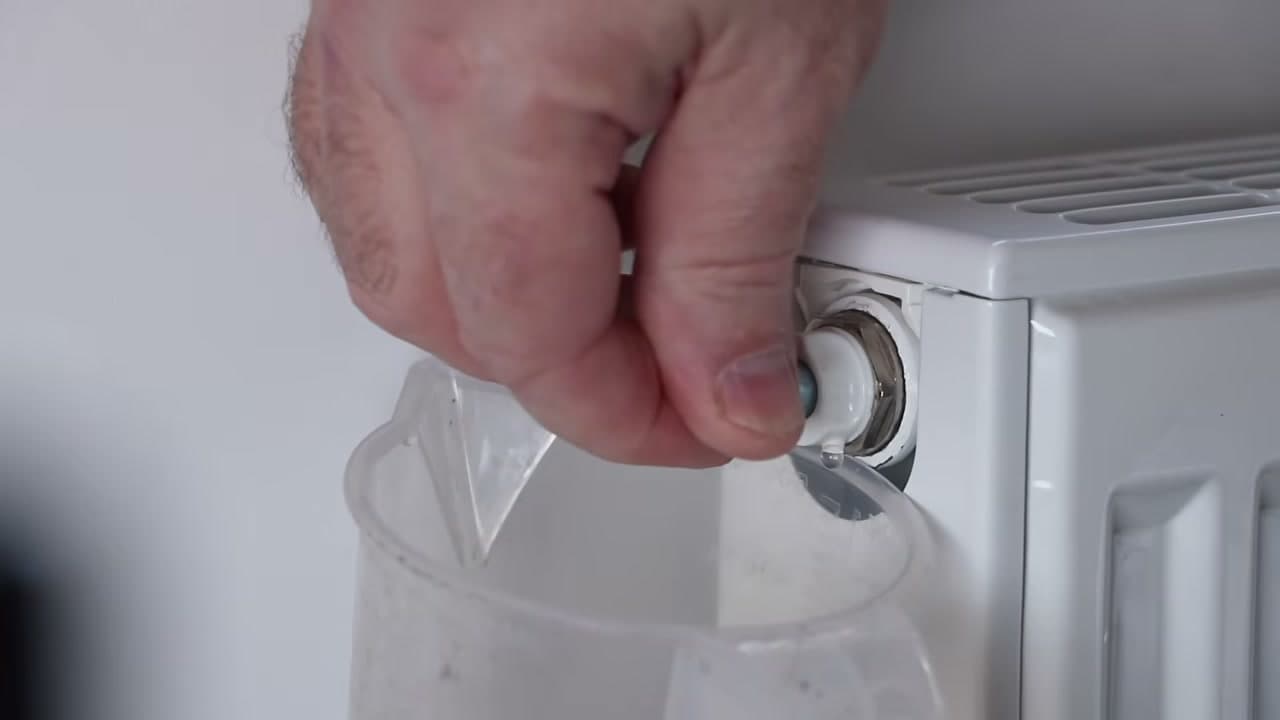
Let the hiss run. The pitch drops as the pocket empties, then the valve spits and a steady dribble of water follows. That is the signal that the air is out.

Turn the key clockwise the moment you see water and close the valve finger tight. No wrench, no force. The seat inside is soft, and overtightening is how a two minute job turns into a weeping valve. Wipe the spout and the panel dry so nothing sits on the paint.

Tip

Half a panel of air can take thirty seconds or more to clear. Stay with it rather than closing early, or you will be back at the same radiator next week.

6

Bleed the Rest of the Radiators in the House

3:32
Step 6: Bleed the Rest of the Radiators in the House - How to Bleed a Radiator and Get the Pressure Back Up

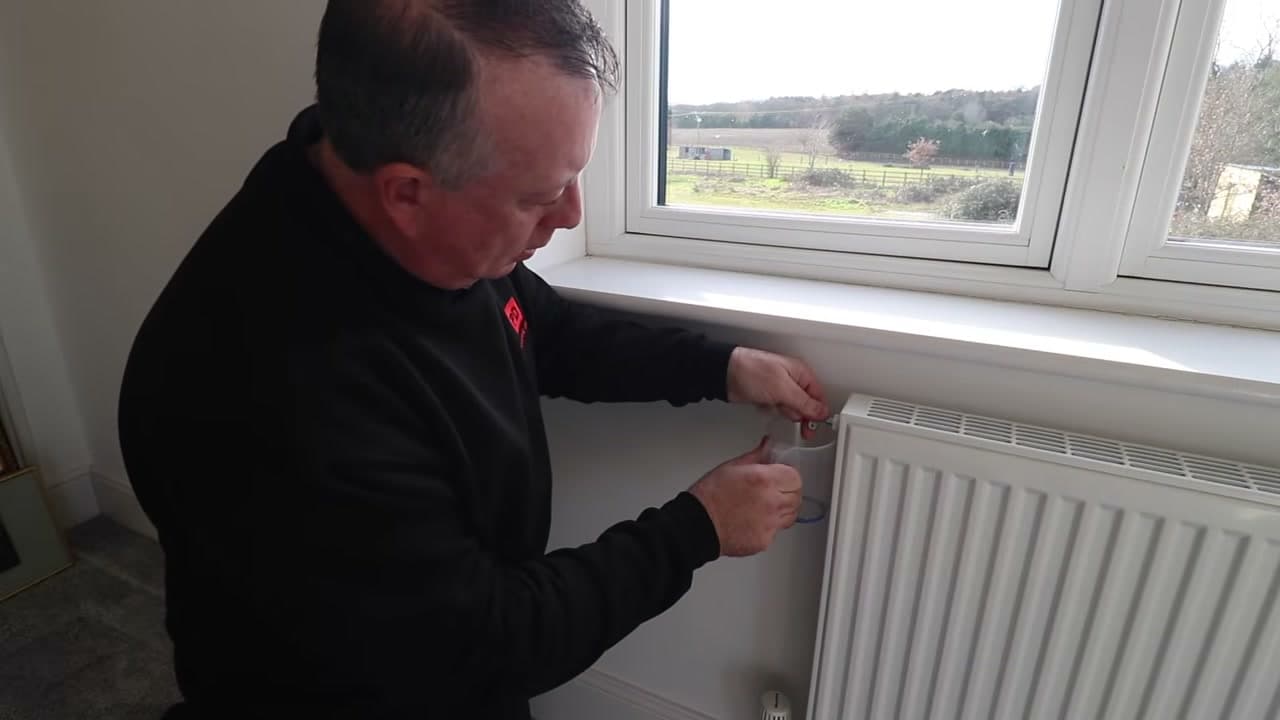
Keep the key in your hand and do the whole house in one pass. Start downstairs at the radiator furthest from the boiler and work back toward it, then go upstairs and repeat. Air travels to the highest and furthest points, so that order clears the system instead of shuffling air from one panel into another.

Every radiator is the same three moves. Jug underneath, crack it open, close it the moment water runs.

Tip

The radiator nearest the boiler is usually the one that fills with air again first. Put a reminder in your phone to check that one in a month.

Used in this stepradiator bleed key
7

Read the Boiler Pressure Gauge

4:25
Step 7: Read the Boiler Pressure Gauge - How to Bleed a Radiator and Get the Pressure Back Up

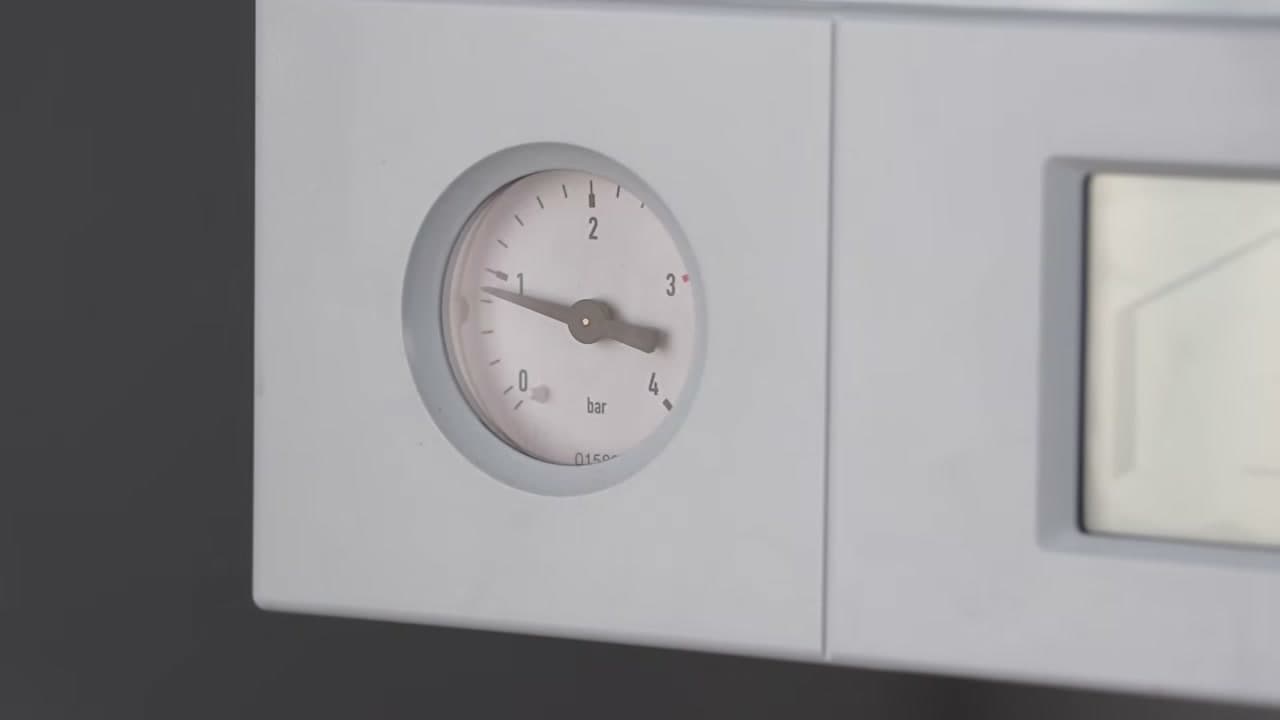
Bleeding takes water out of a sealed system as well as air, and a sealed system does not top itself up. Every radiator you open drops the pressure a little, so the boiler is the next stop.

Read the dial. Cold, it should sit between 1 and 1.5 bar. This one has dropped under 1 bar after the bleed. Plenty of boilers refuse to fire below 1 bar, which is how a house ends up stone cold within an hour of someone bleeding the radiators.

Tip

On a gauge marked in psi rather than bar, 1 bar is about 14.5 psi, so the same target works out at roughly 15 to 22 psi cold.

8

Top Up the Pressure at the Filling Loop

5:06
Step 8: Top Up the Pressure at the Filling Loop - How to Bleed a Radiator and Get the Pressure Back Up

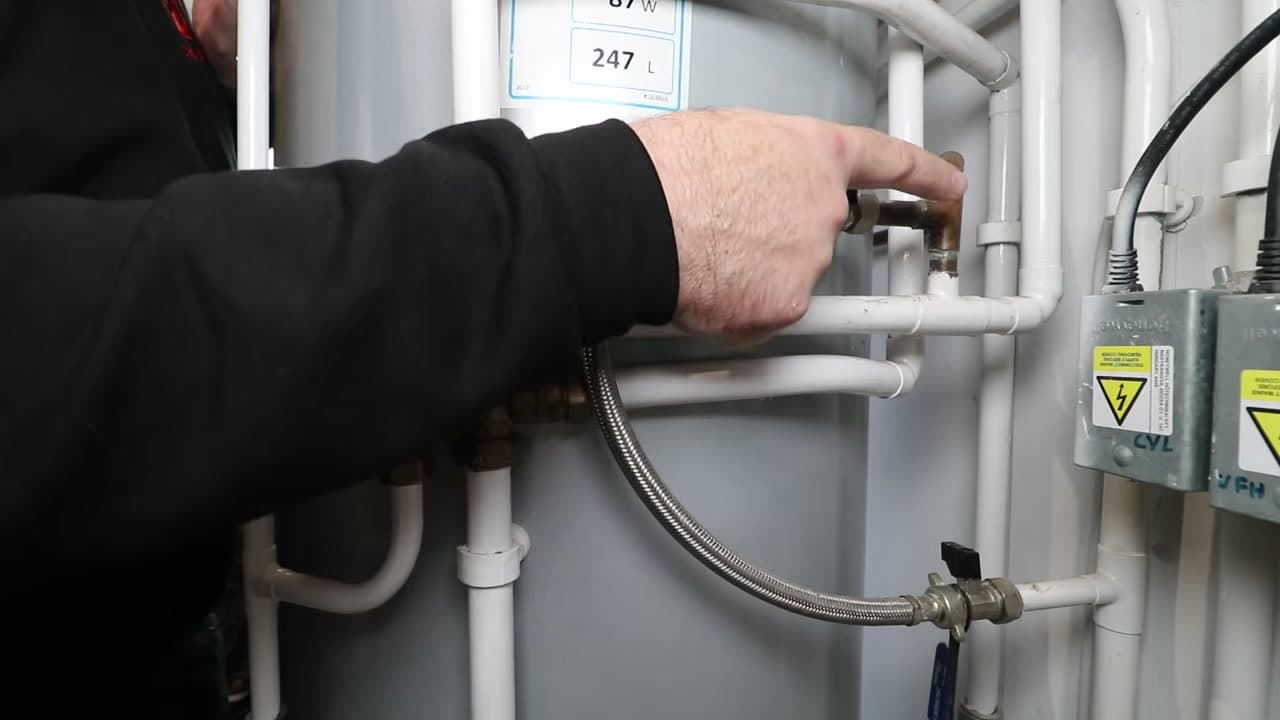
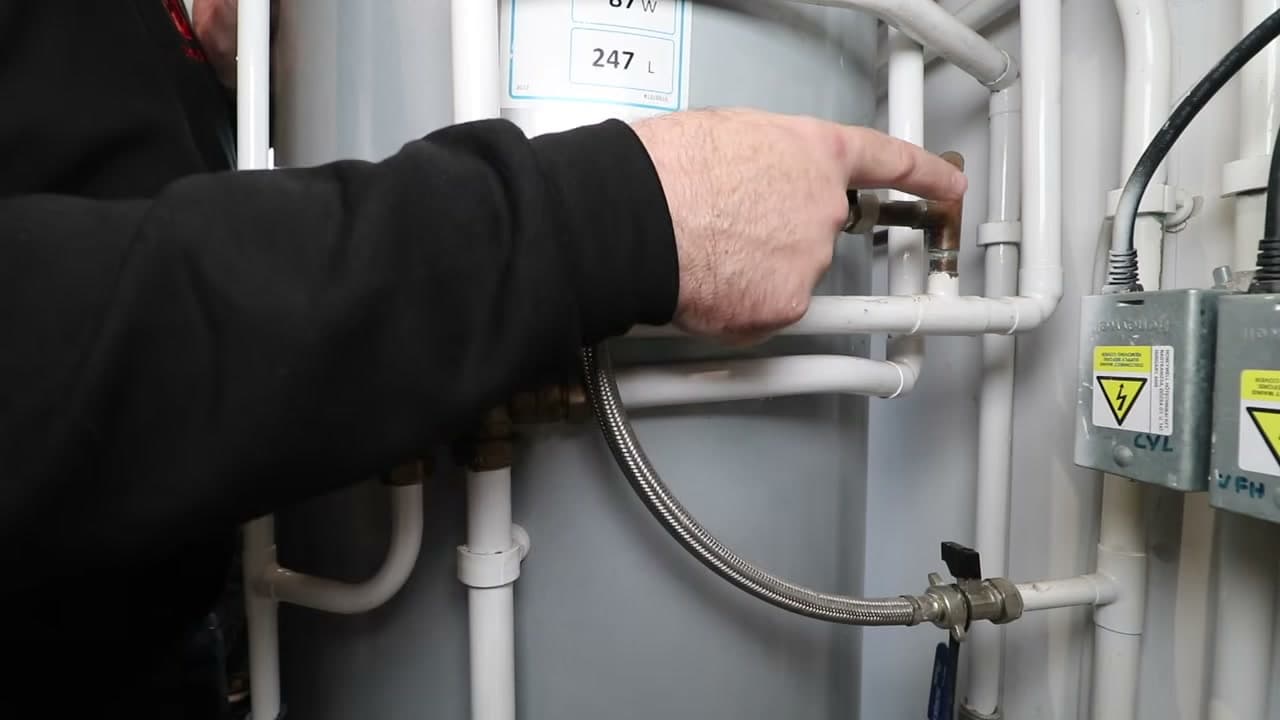
The filling loop is a short braided hose under the boiler with a valve at each end. One end sits on the mains at around 3 bar, the other feeds the heating circuit. Opening both pushes mains water into the sealed system.

Open one valve fully, then ease the second one open a little while you watch the gauge. Bring the needle up slowly to about 1.5 bar, then close both valves properly. Leave one seeping and the pressure creeps to 2.5 or 3 bar over the next few days, which is its own problem.

Tip

Overshot it? Let a little water back out of a radiator or the boiler drain point and the needle comes down. Proper DIY shows the gauge settling in the right band at 5:54.

Keep going

How to Flush a Water Heater

10 steps · about 14 minutes

Products Used

The Checklist

How to Bleed a Radiator and Get the Pressure Back Up

Tools
4
Materials
2
Steps
8
Video
7 min

Tools we recommend

Your Guide

Proper DIY

As an Amazon Associate we earn from qualifying purchases. Links on this page may be affiliate links - clicking them and buying doesn't change your price, but helps support ShowMeStepByStep.

Tags

Sunday How-To

New home improvement tutorials, every Sunday

One short email with the week's best step-by-step guides. Free, no spam, unsubscribe anytime.

Did this work for you?

What's next

Related collections

Curated theme pages that include this tutorial.

Weekly Digest

Liked this home improvement tutorial?

Pick the categories you want to hear about. Weekly digest of new step-by-step tutorials. No spam, easy unsubscribe.

Send me tutorials about

We only email about new tutorials. Easy unsubscribe anytime.