How to Build Good Habits: 7 Science-Backed Steps That Actually Work

Also in:Productivity

By ShowMeStepByStepPublished Updated

Based on a video by Dr. Tracey Marks.

If you've ever set a goal and watched yourself fall off by day three, the problem usually isn't willpower. It's that you're fighting how your brain naturally forms habits instead of working with it. This guide walks through how to build good habits using the same science-backed strategies that successful habit-builders rely on - identity-based motivation, environment design, implementation planning, and a recovery protocol for when life inevitably gets in the way.

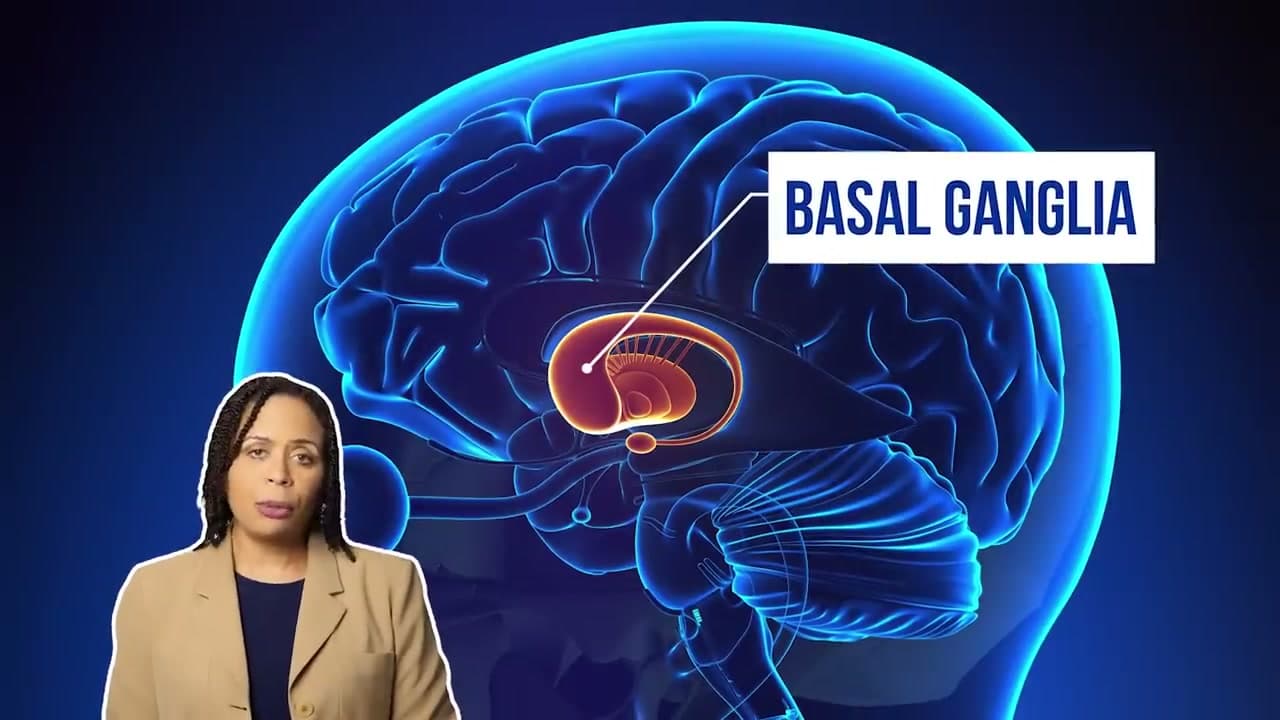
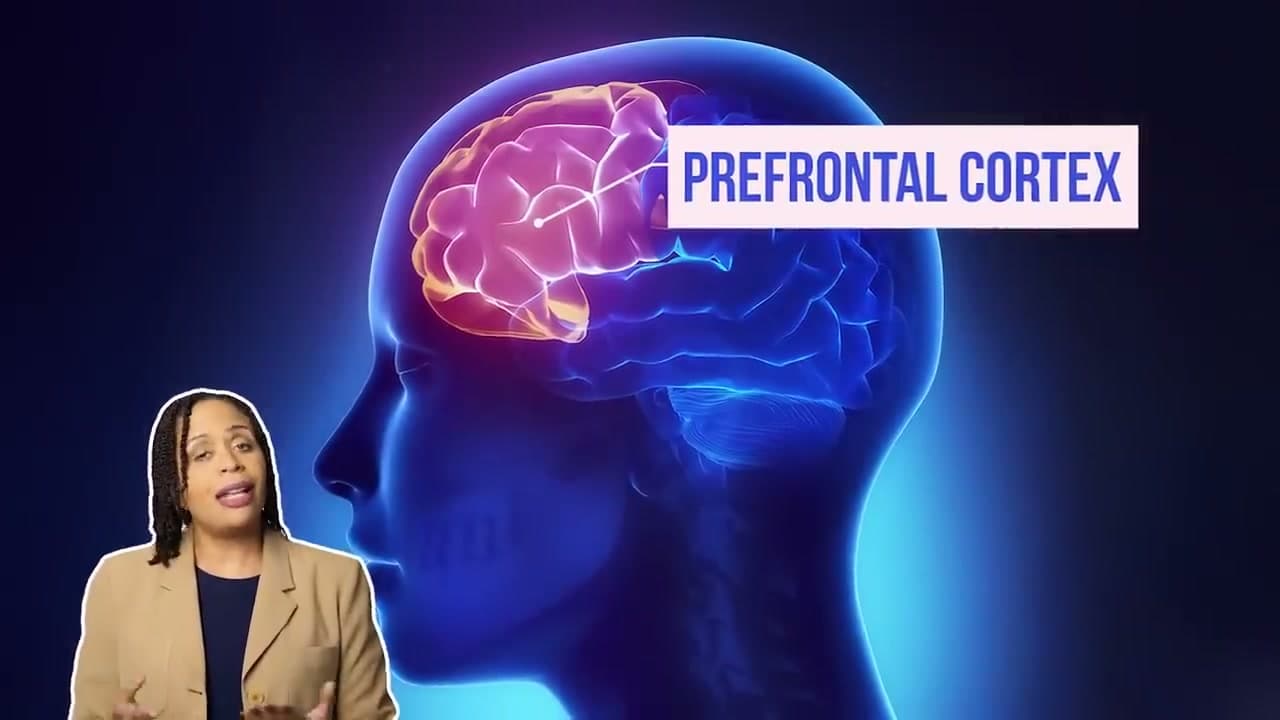
Dr. Tracey Marks, a psychiatrist, breaks down what's happening in the basal ganglia (your brain's autopilot system) and the prefrontal cortex (the part that wires around behaviors you see as 'you'). The seven steps below give your brain the clarity, cues, and identity hooks it needs to encode a new behavior - then keep that behavior running with much less mental effort than you'd expect.

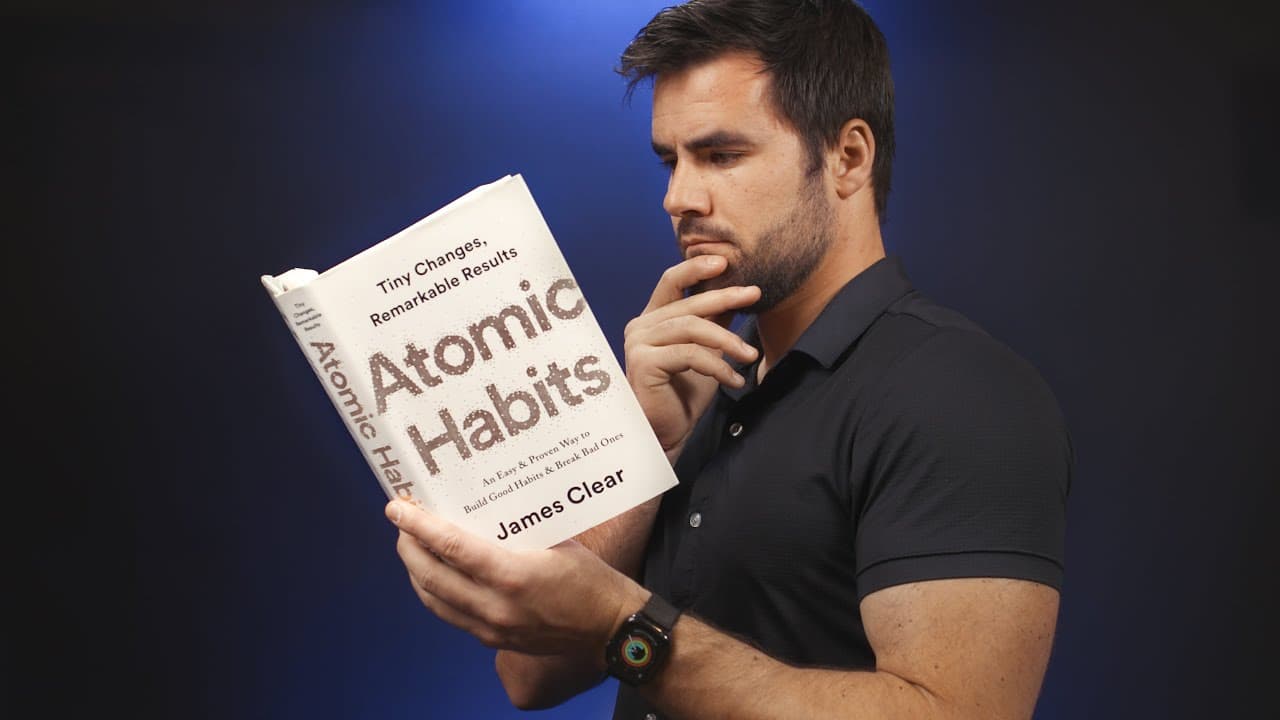
If you've read James Clear and want the next layer of detail, this pairs naturally with our how to build a habit using Atomic Habits walkthrough. The strategies here also reinforce companion guides on how to study effectively and how to time-block your day - all three lean on the same brain-level loop of cue, behavior, and reward.

Step-by-Step Guide

1

Step 1: Work With Your Brain's Autopilot, Not Against It

1:30
Step 1: Step 1: Work With Your Brain's Autopilot, Not Against It

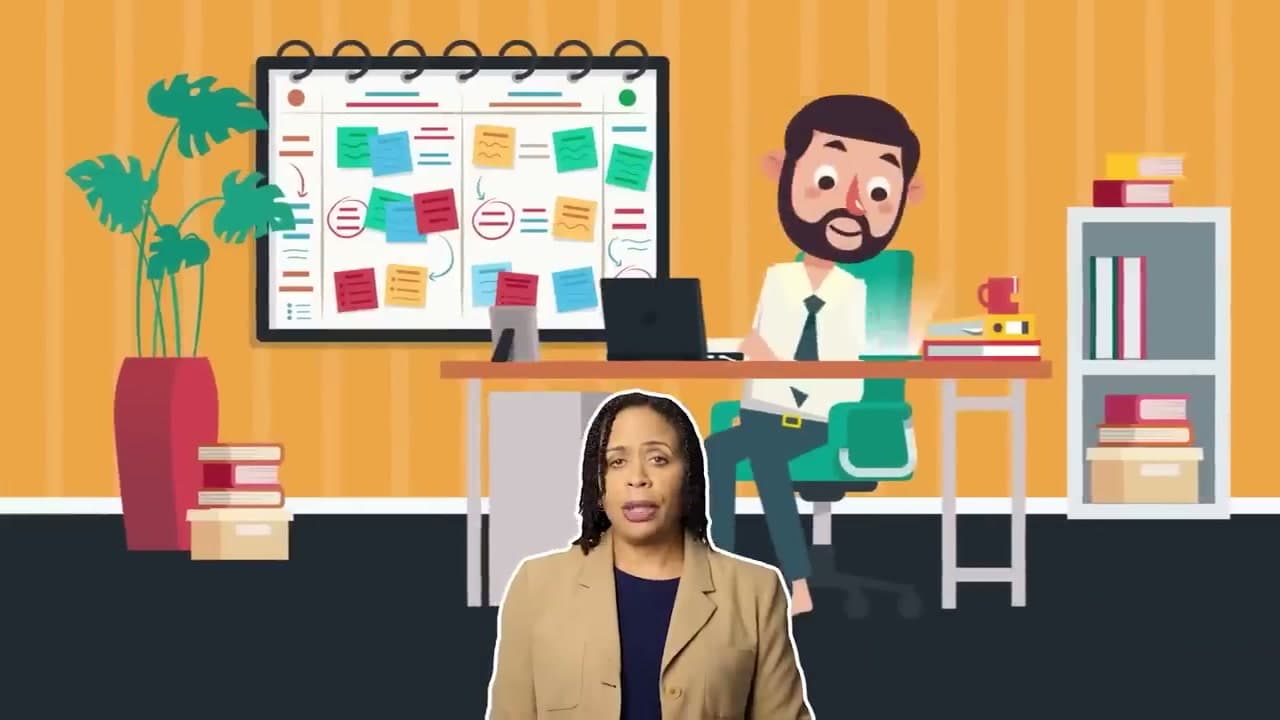
Habits live in the basal ganglia - your brain's autopilot system. People who build habits well aren't grinding through willpower; they've delegated more decisions to autopilot, so they don't have to feel motivated every single morning. Every time you repeat a behavior in a consistent context (brushing your teeth after breakfast, walking at lunch), you reinforce the neural pathway. Over time the path becomes so well-worn that the behavior flows on its own. Your job isn't to push harder. It's to give your brain something clear enough to encode in the first place.

Tip

Pair every new habit with an existing anchor (after coffee, after teeth, after closing your laptop). The anchor is the cue your basal ganglia latches onto.

2

Step 2: Make the Habit Specific Enough to Encode

2:30
Step 2: Step 2: Make the Habit Specific Enough to Encode

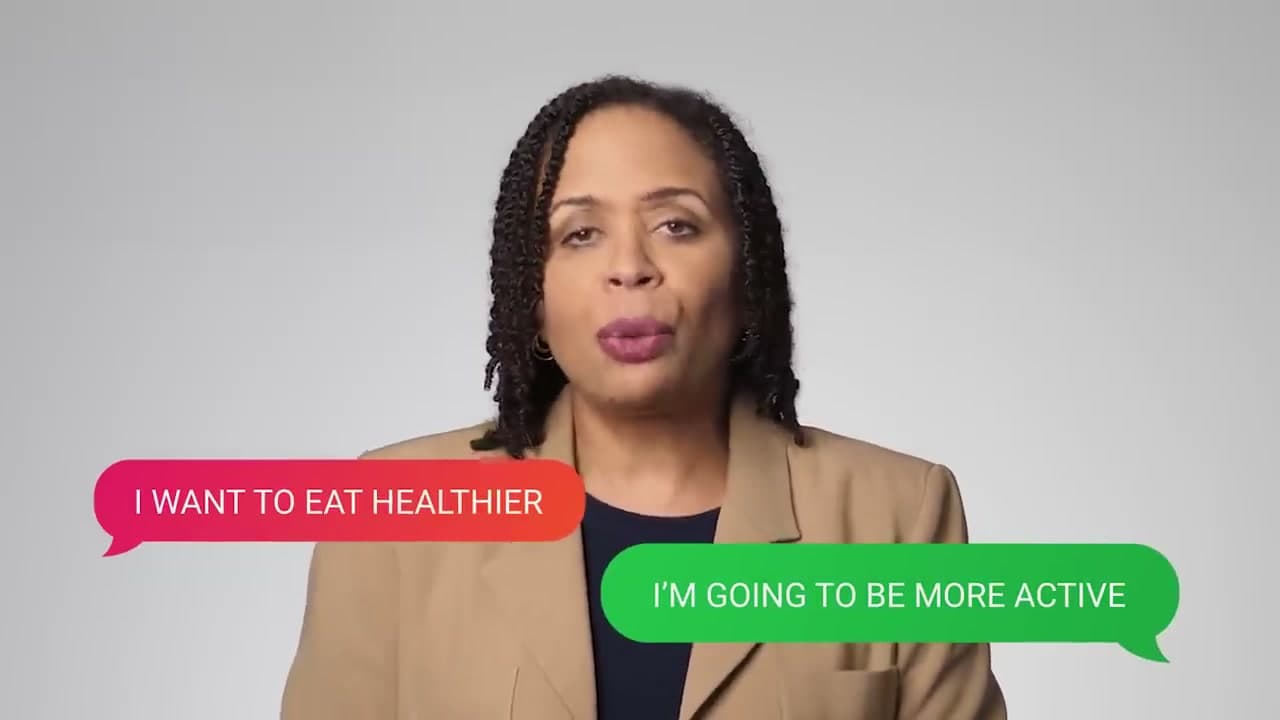
One of the top reasons habits fail is that they're too vague. 'I want to eat healthier.' 'I'm going to be more active.' Your brain has no idea when, where, or how those are supposed to happen - it's a blurry road-map. Compare that to: 'I drink a glass of water right after I brush my teeth in the morning.' Now there's a trigger, a context, and a clear action. That specificity is what gets stored in autopilot. If a habit isn't sticking, ask whether your brain is getting a clear enough signal about when and where to act.

Tip

Write your habit in one sentence using this format: 'After [existing routine], I [new behavior].' If you can't fill in both blanks, the habit isn't specific enough yet.

3

Step 3: Design Your Environment to Do the Heavy Lifting

3:35
Step 3: Step 3: Design Your Environment to Do the Heavy Lifting

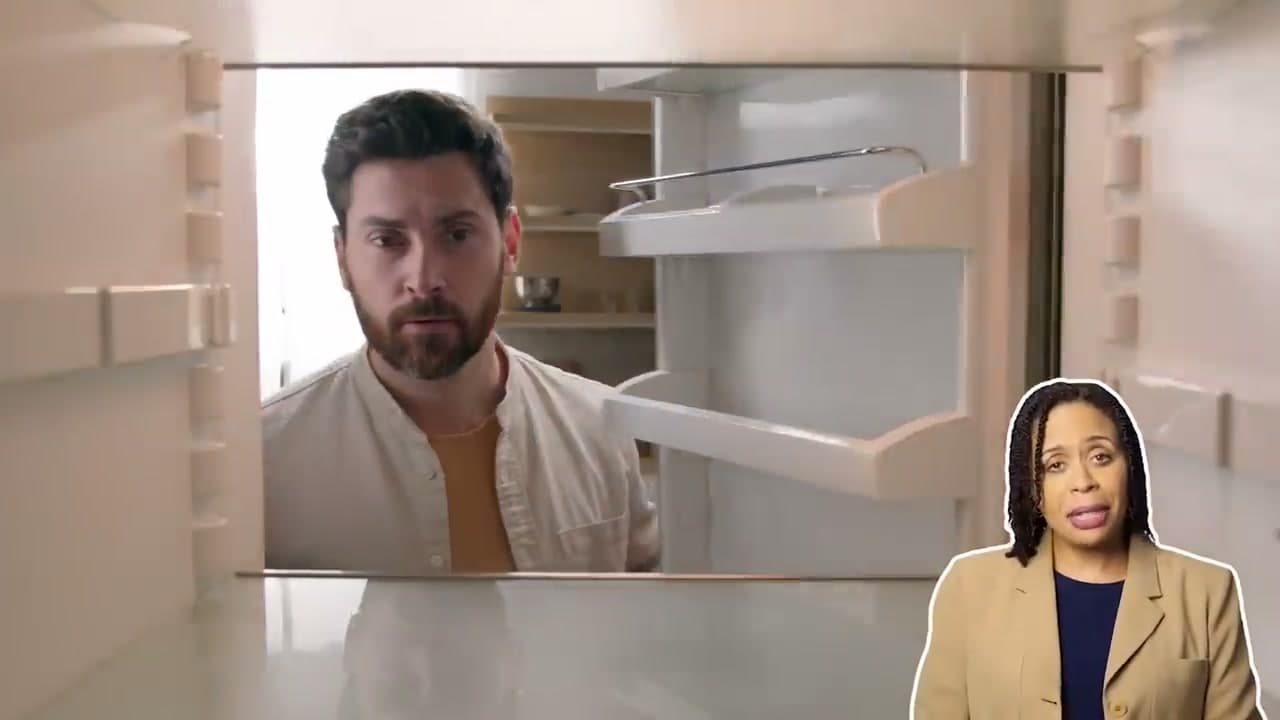
A lot of people lean too hard on willpower when environment usually wins. Want to cook at home more? An empty fridge with takeout menus on the counter sets you up to fail. A prepped fridge with a meal plan on the door makes the desired behavior the path of least resistance. Successful habit builders place cues in their path almost without thinking: work clothes set out the night before, journal on the pillow, sneakers by the door. Move the friction. Let your space nudge you toward the behavior you actually want.

Tip

For each habit, identify one cue you can leave out and one bit of friction you can remove. Small placement changes outperform big motivation pushes.

4

Step 4: Shift Your Identity, Not Just Your Behavior

5:30
Step 4: Step 4: Shift Your Identity, Not Just Your Behavior

Saying 'I'm trying to write every day' frames the habit as an external task you might drop. Saying 'I'm a writer' taps your self-image - and your brain is wired to protect and reinforce anything that feels like you. Research shows that when behavior aligns with self-image, it engages more of the prefrontal cortex, the planning and self-control center. Your brain works harder to maintain a habit when it believes the habit reflects who you are. Pick the version of yourself you want to grow into. Then act in alignment, even in small ways.

Tip

It's allowed to feel aspirational at first. The brain wires around the identity if your actions back it up, even one small action a day.

5

Step 5: Use Identity Language to Lock the Habit In

6:00
Step 5: Step 5: Use Identity Language to Lock the Habit In

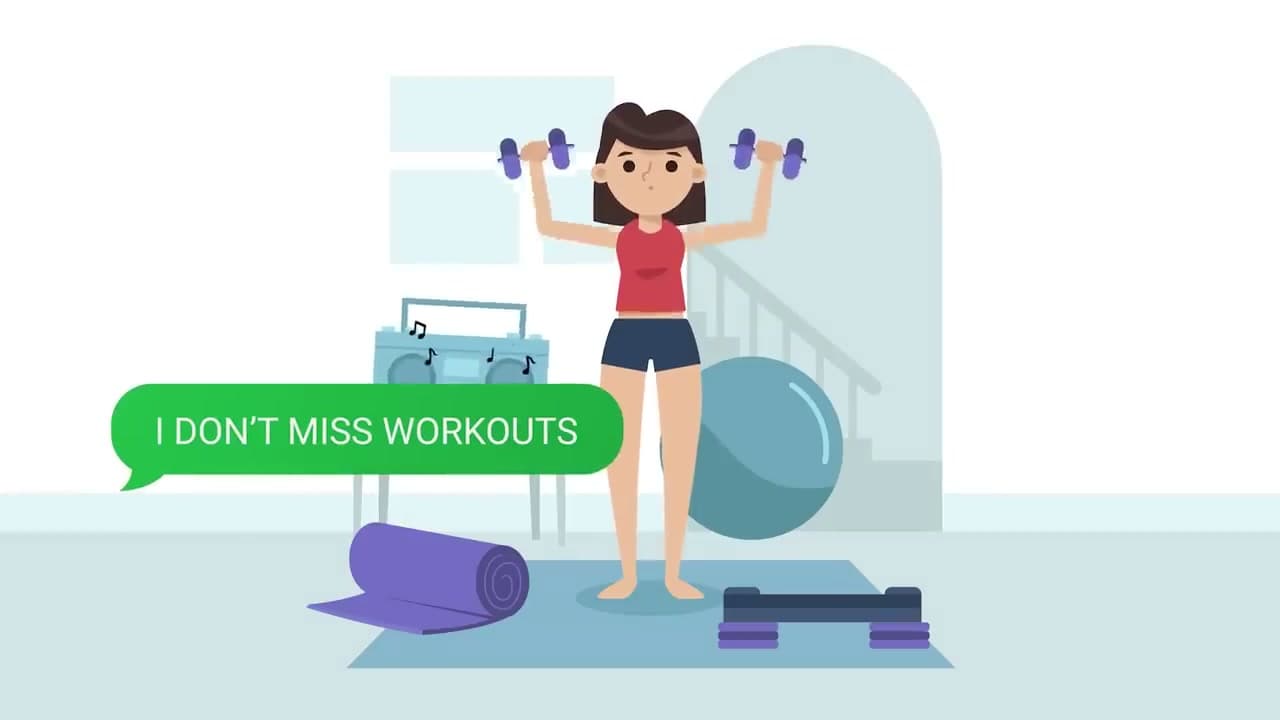
The language you use about a habit shapes how your brain treats it. 'I don't miss workouts' is a self-definition. 'I'm trying to work out more' is a wish. The first one is a person who doesn't miss workouts. The second is someone hoping to become that person someday. Reframe each habit you want to build through the identity lens. Instead of 'I want to meditate more,' try 'I'm someone who takes the time to reset my mind.' The phrasing matters because it tells your brain which version of you to defend.

Tip

When you catch yourself saying 'I'm trying to' or 'I want to,' rewrite it as 'I'm a person who...' or 'I don't...'. Small swap, big wiring effect.

6

Step 6: Build If-Then Implementation Plans

6:40
Step 6: Step 6: Build If-Then Implementation Plans

Implementation planning is the difference between hoping you'll do something and actually building it into your day. The shortcut is the if-then sentence. 'If I feel anxious, then I'll take three deep breaths.' 'If it's 7:30 and I'm home from work, then I'll put on my sneakers and go for a walk.' Each if-then gives your brain a cue, a behavior, and a built-in reward - the complete habit loop. The more specific and context-tied the sentence, the better. This kind of planning shifts your brain from reactive to proactive.

Tip

Write three if-then sentences for your top habit. One for the ideal scenario, one for a busy day, one for when you're tired. Pre-deciding beats deciding in the moment.

7

Step 7: Write a Failure-Recovery Protocol

8:12
Step 7: Step 7: Write a Failure-Recovery Protocol

Successful habit builders don't avoid slip-ups - they recover faster. Research shows one or two missed days has very little impact on long-term habit formation, as long as you get back on track quickly. That's the real skill to build: bounce-back-ability. Decide in advance what you'll do when (not if) you slip. Miss your morning meditation? Do one minute in the afternoon. Skip a workout? Take a short walk that evening. The goal isn't perfection. It's resilience. You're training your brain to see setbacks as part of the process, not the end of it.

Tip

For every habit, write a two-line backup plan: 'If I miss the main version, my recovery version is ___.' Pre-written recoveries are easier to act on than improvised ones.

8

Step 8: Stack the Strategies Into a Daily Practice

8:50
Step 8: Step 8: Stack the Strategies Into a Daily Practice

The people who build better habits aren't better people. They're using better strategies, stacked on top of each other. They create clarity instead of ambiguity. They design environments that support the behavior they want. They link habits to identity, not just motivation. They plan ahead with specific cues. And when they stumble, they have a plan to bounce back. You don't have to overhaul your entire life overnight. Most lasting changes come from small, consistent shifts that compound over time. Pick one habit, run it through all five strategies, and start there.

Tip

Don't start five new habits at once. Pick one, apply every strategy in this guide, and let it become automatic before adding the next.

Products Used

Your Guide

Dr. Tracey Marks

As an Amazon Associate we earn from qualifying purchases. Links on this page may be affiliate links - clicking them and buying doesn't change your price, but helps support ShowMeStepByStep.

Tags

Test your knowledge

Did the lesson stick? Find out in 2 minutes.

5 quick questions covering what you just read. No signup, no score saved — just a gut check.

Quick reference

Key takeaways from How to Build Good Habits: 7 Science-Backed Steps That Actually Work

5 questions, answers, and one-line explanations. Tap to expand.

  1. 1.Where in the brain do habits actually live?

    Answer: The basal ganglia (autopilot)

    Habits run on autopilot in the basal ganglia, freeing the conscious mind for harder decisions.

  2. 2.Why does 'I want to eat healthier' usually fail as a habit?

    Answer: It's too vague for the brain to encode as a routine

    Specific triggers (when, where, what) are what get stored in autopilot.

  3. 3.What carries more weight than willpower for new habits?

    Answer: Environment design (cues placed in your path)

    Move the friction. A prepped fridge beats willpower every time.

  4. 4.Why does 'I'm a writer' work better than 'I'm trying to write every day'?

    Answer: It frames the habit as identity, which the brain works harder to protect

    When behavior matches self-image, the brain works harder to keep it going.

  5. 5.What's the actual skill of successful habit builders?

    Answer: They bounce back faster from slip-ups

    One or two missed days has little impact if you have a recovery plan ready in advance.

What's next

Related collections

Curated theme pages that include this tutorial.

Weekly Digest

Liked this habits tutorial?

Pick the categories you want to hear about. Weekly digest of new step-by-step tutorials. No spam, easy unsubscribe.

Send me tutorials about

We only email about new tutorials. Easy unsubscribe anytime.