How to Study Effectively: 8 Science-Backed Techniques That Work

By ShowMeStepByStepPublished Updated

Based on a video by Ali Abdaal.

Most students study by rereading their notes and highlighting passages. The research is unambiguous: that's one of the least efficient ways to learn. The techniques that actually work - active recall, spaced repetition, and the Feynman technique - are simple, free, and rarely taught in school.

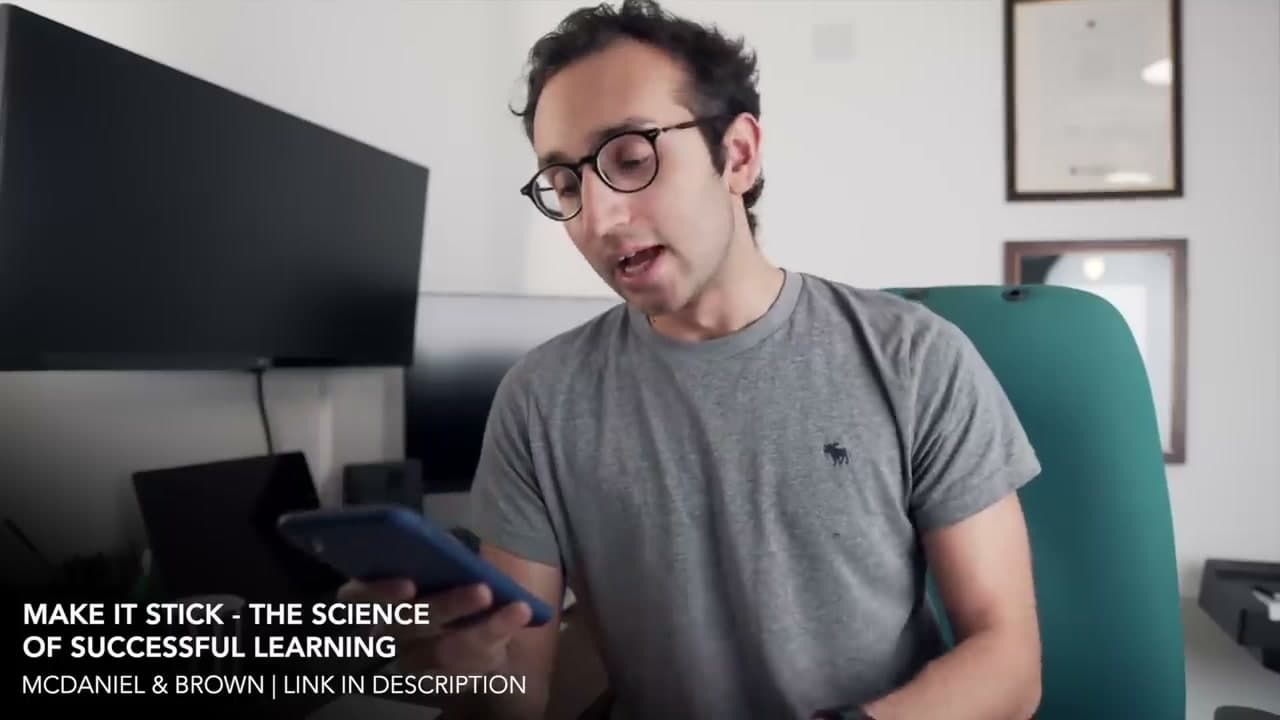
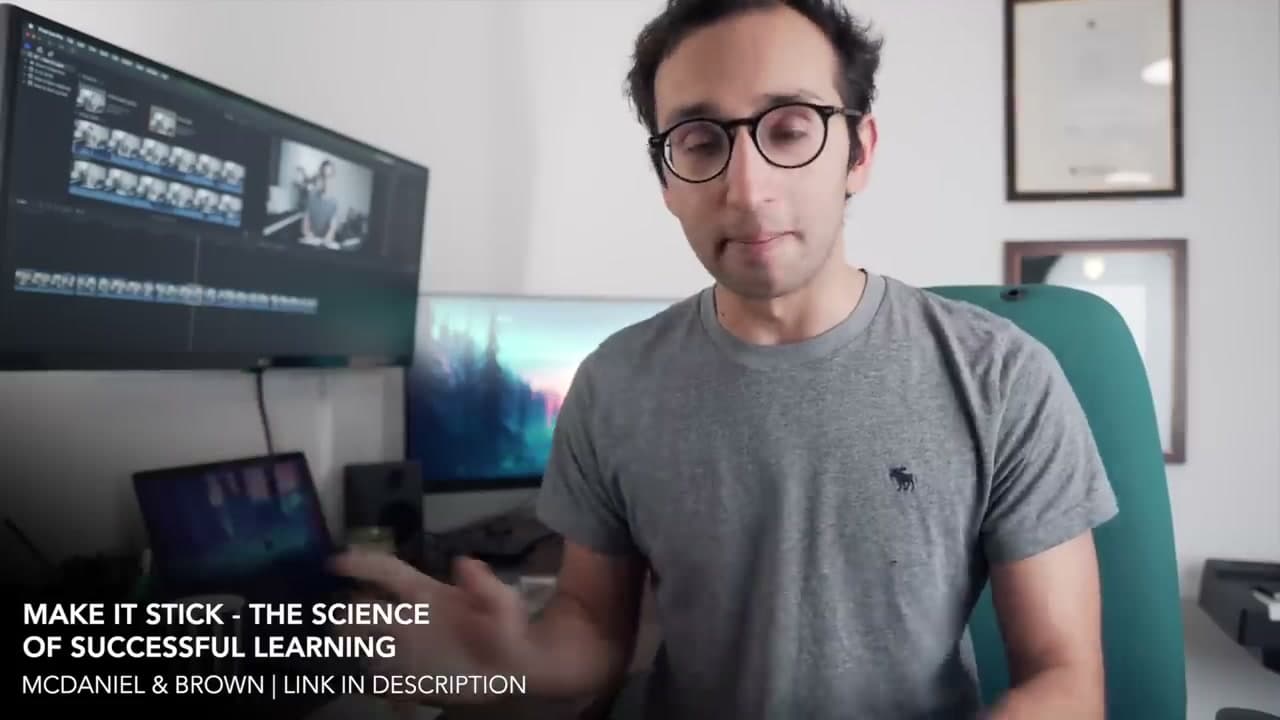
This walkthrough from Ali Abdaal (Cambridge-trained doctor and study coach with 5+ million subscribers) covers 8 evidence-based study techniques drawn from the book Make It Stick by McDaniel and Brown. Apply them and you'll learn faster, retain more, and spend less total time studying. Pair these methods with a daily study habit using the Atomic Habits framework for compounding results.

Step-by-Step Guide

1

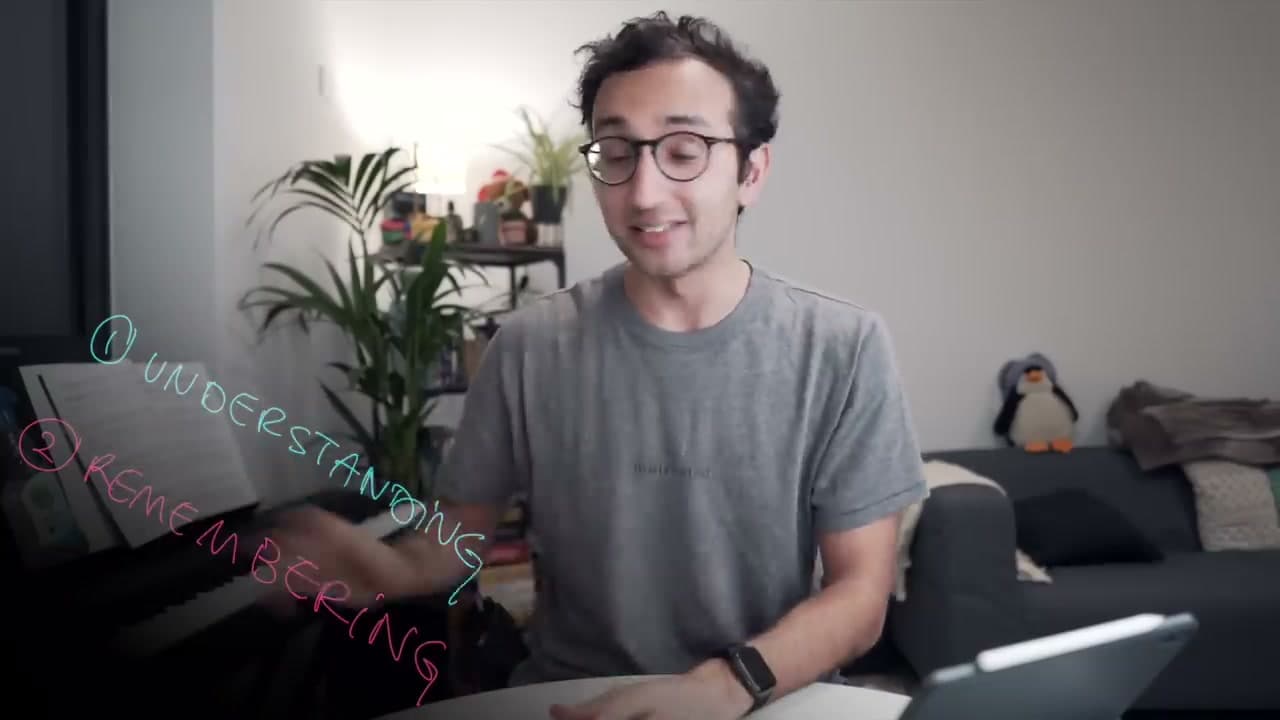
Step 1: Split Learning Into Understanding and Remembering

1:20
Step 1: Step 1: Split Learning Into Understanding and Remembering

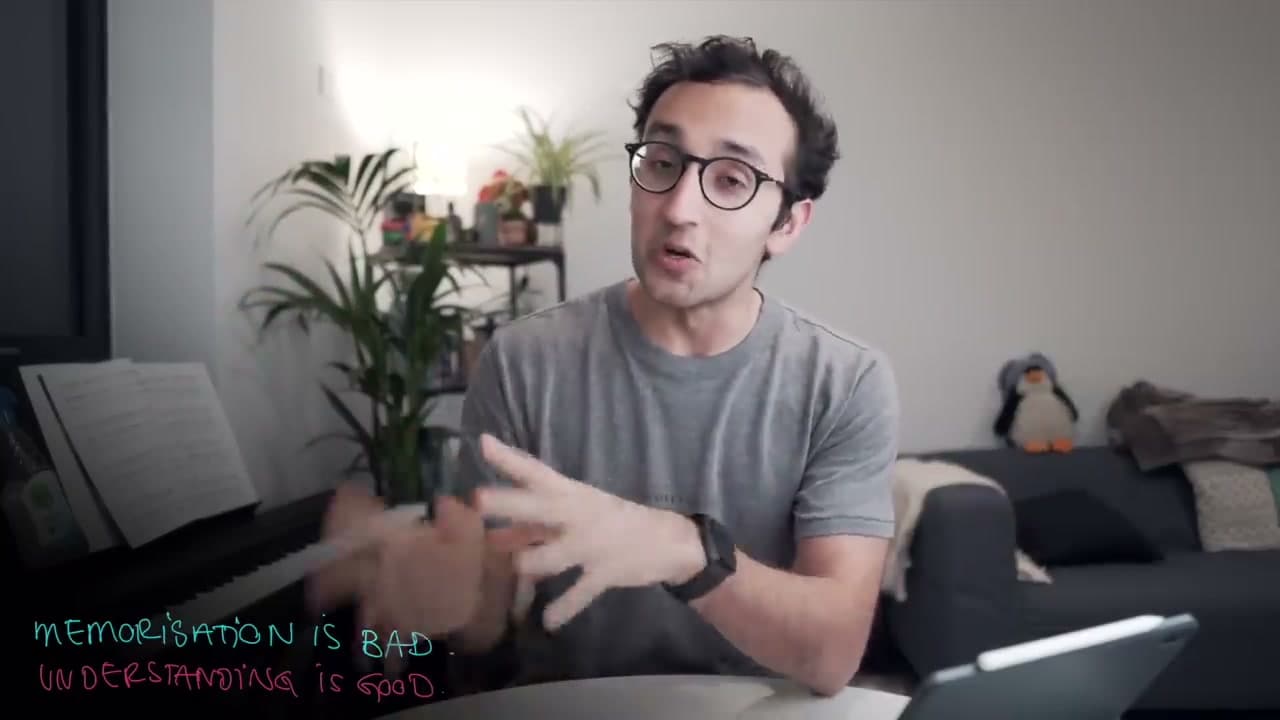
Effective learning has two components: understanding the material first, then remembering it. Most students skip straight to memorization with flashcards or rereading the chapter five times. Both fail because there's no mental model holding the facts together.

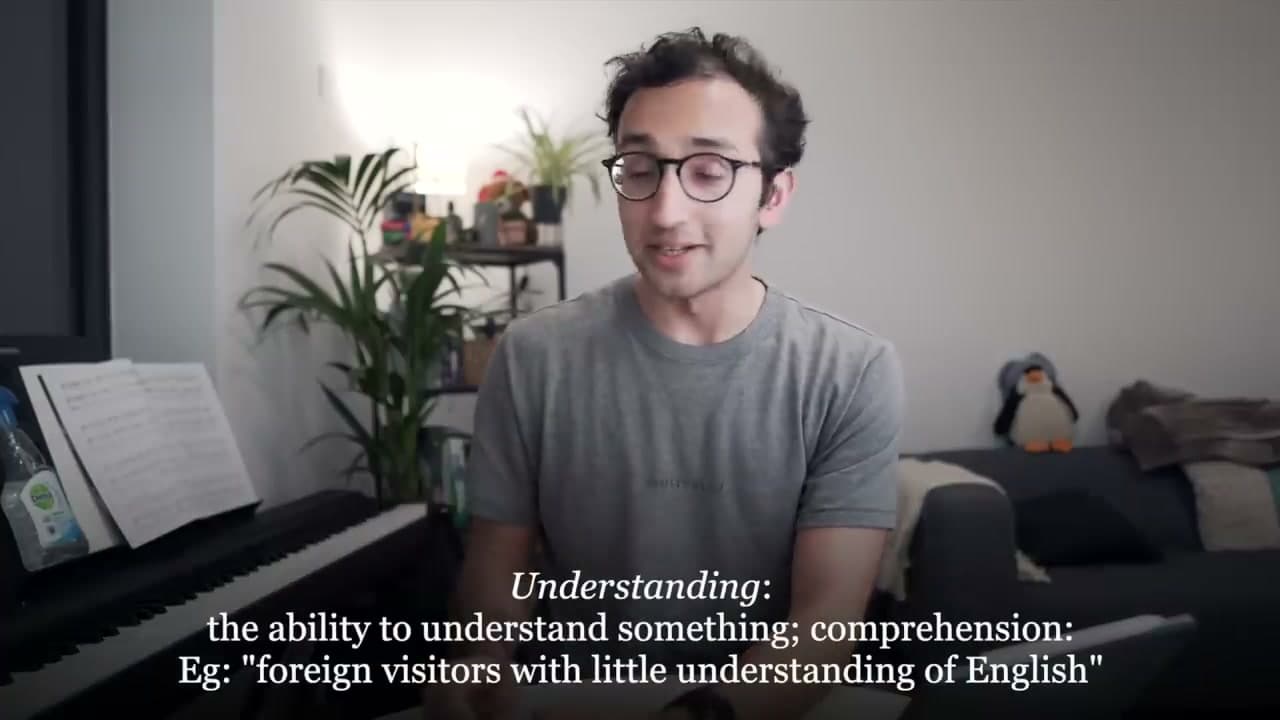
Before you reach for an Anki deck, ask one question: do I actually get this? If you can't explain the concept in your own words, no amount of repetition will fix that. Build understanding first, then layer retrieval practice on top to lock it in.

2

Step 2: Don't Bury Yourself in Flashcards

2:45
Step 2: Step 2: Don't Bury Yourself in Flashcards

When students first discover active recall, the instinct is to convert every line of every lecture into a flashcard. The result: hundreds of disconnected cards and pure rote learning. You end up memorizing facts that float free of any mental model.

Use flashcards only for the genuinely arbitrary stuff you can't reason out - drug names, dates, formulas, chemical structures. For everything else, build the understanding first. The facts then anchor themselves to the concepts you already grasp, and you need far fewer cards.

3

Step 3: Use the Feynman Technique to Test Understanding

3:50
Step 3: Step 3: Use the Feynman Technique to Test Understanding

You truly understand something only when you can explain it to someone else - ideally a five-year-old or a layperson. Physicist Richard Feynman built this into his learning routine and it's now called the Feynman technique.

Try to teach the concept out loud, in simple language, without jargon. The places you stumble are exactly the spots where your understanding is shallow. Go back to the source, fill that gap, then try the explanation again. Teaching surfaces gaps that silent rereading hides.

Tip

If you don't have a real person to explain it to, pretend you do. Record yourself on your phone, or write the explanation out as a short blog post. The act of producing the explanation does the work.

4

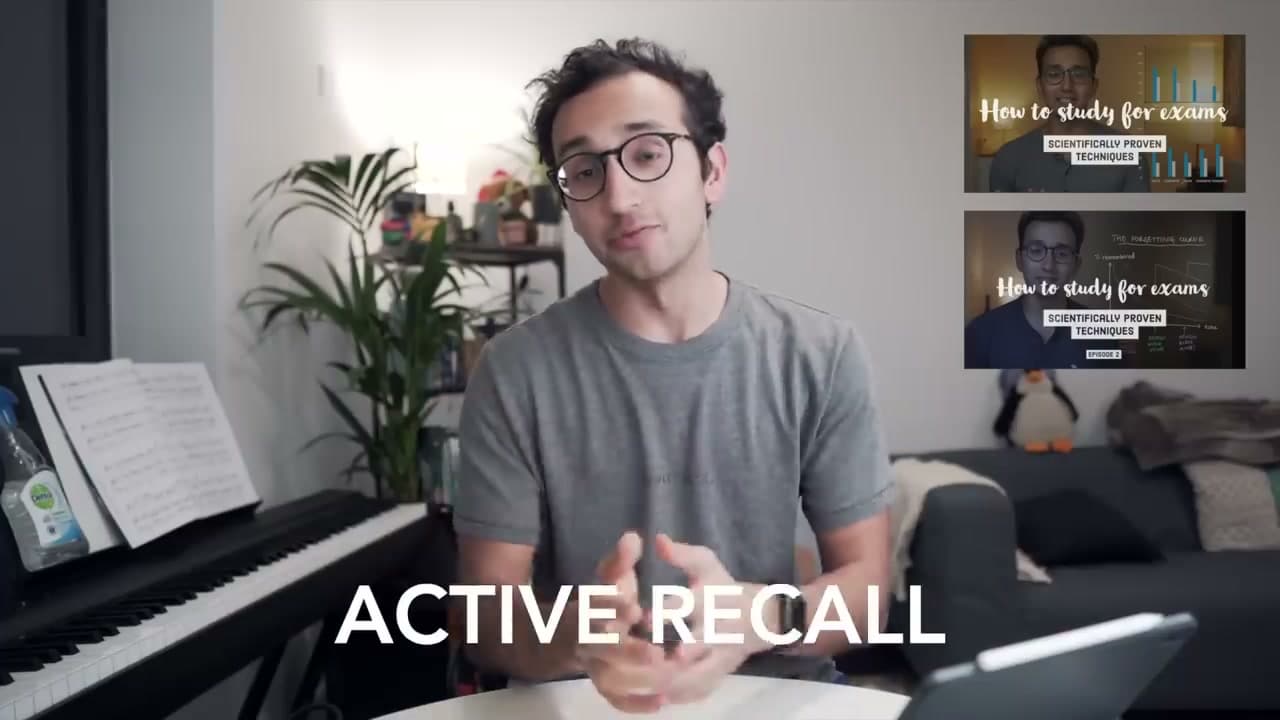
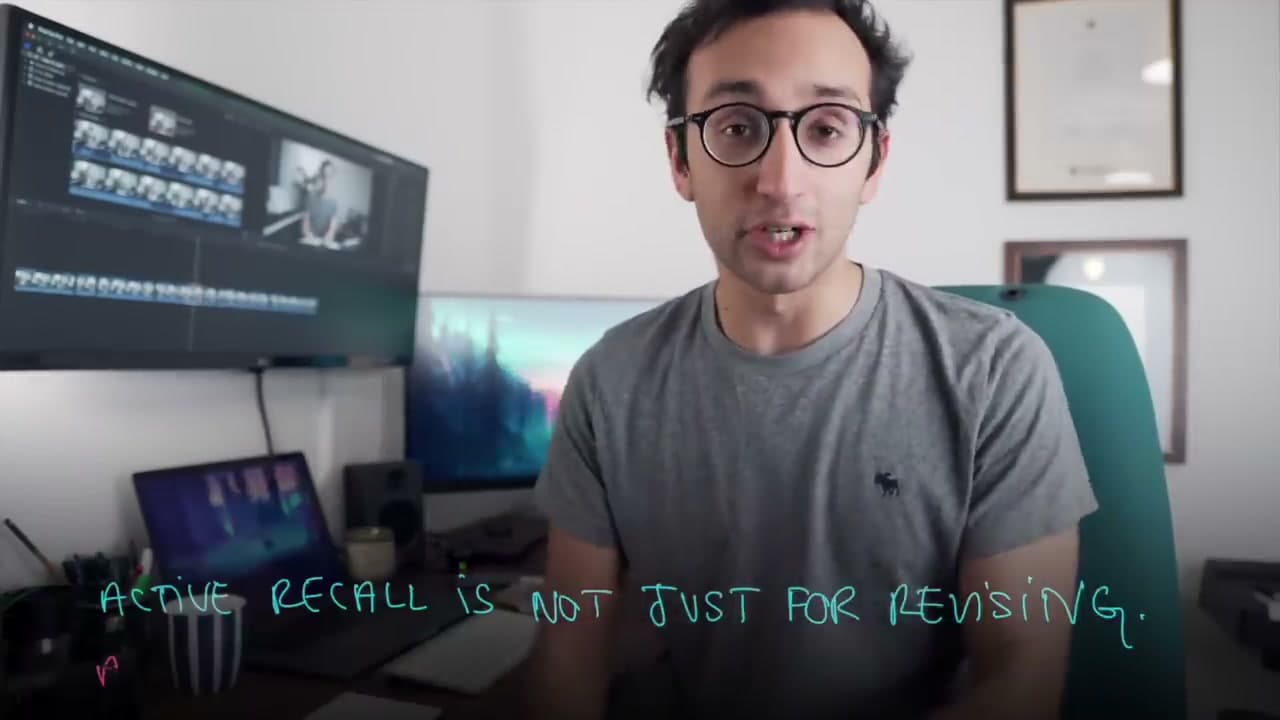
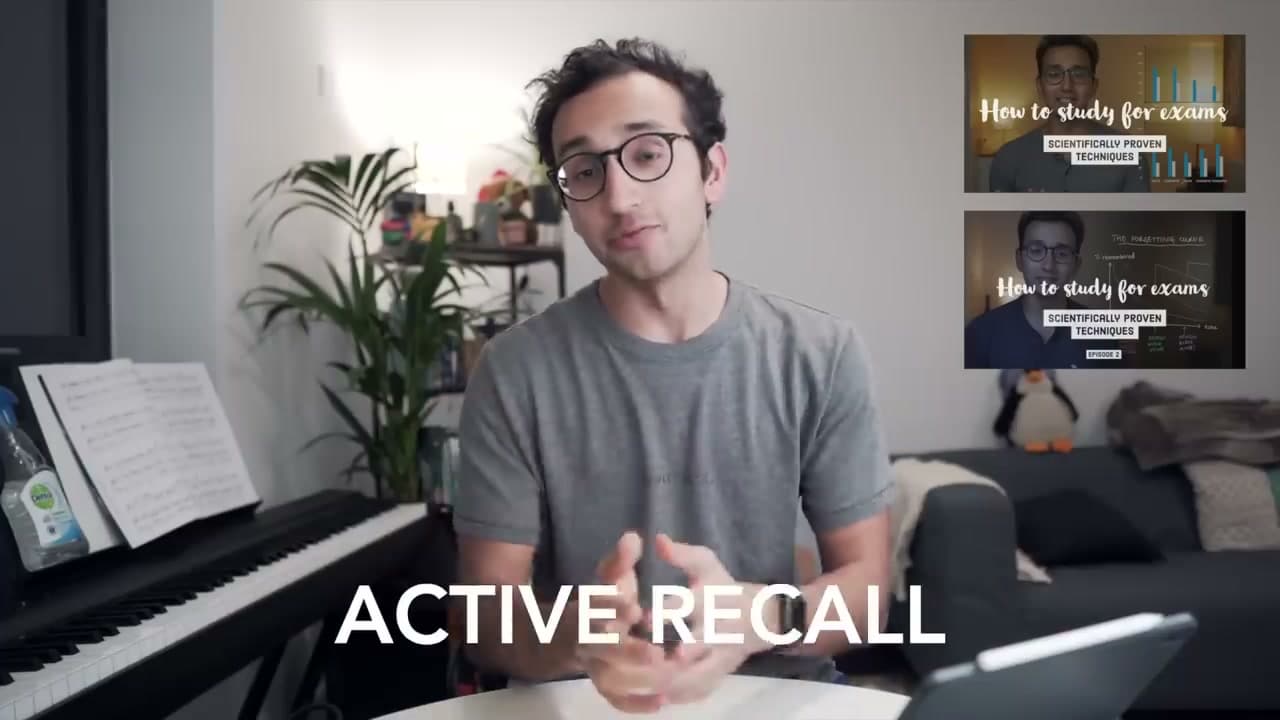
Step 4: Use Active Recall While You Read, Not Just at Revision

4:20
Step 4: Step 4: Use Active Recall While You Read, Not Just at Revision

Every couple of paragraphs, close the book or look away and ask: what did I just read? Rephrase the key ideas in your own words. If you can't, go back and reread that section before moving on.

This is active recall woven into first-pass learning, not saved for exam season. The book Make It Stick documents medical students whose grades jumped from the bottom of the class to the top of the cohort using this single switch. It feels slow at first because it actually is. That slowness is the encoding happening.

5

Step 5: Trust the Process When It Feels Slow

9:00
Step 5: Step 5: Trust the Process When It Feels Slow

Pausing every few paragraphs to quiz yourself feels uncomfortable, especially with an exam in two weeks. Rereading the same chapter five times feels productive by comparison - but it barely encodes anything. That's the trap.

The medical student in Make It Stick who climbed from bottom of his class said the hardest part was trusting the process for the first week or two. Once results showed up - higher quiz scores, better recall after gaps - the discipline became self-reinforcing. Give retrieval practice at least 10 days before you judge it.

6

Step 6: Try Blurting and Spider Diagrams

9:05
Step 6: Step 6: Try Blurting and Spider Diagrams

Grab a blank sheet of paper. Set a timer for five minutes. Write everything you know about the topic - branches off a central node, no notes, no looking. This is blurting (or mind-mapping, or a spider diagram - same idea, different names).

It's a free, fast version of active recall that surfaces gaps in seconds. What you can't write down, you don't yet know. Refill the gaps from your notes, then redo the diagram a day later. The second attempt will be visibly richer. That visible progress is part of what makes the method stick.

Tip

Use unlined A3 or A4 paper and colored pens. The visual variety helps the brain link related ideas. Photograph the diagram with your phone so you can compare next week's version to today's.

7

Step 7: Build a Running Self-Test Question Bank

9:40
Step 7: Step 7: Build a Running Self-Test Question Bank

Instead of writing a flashcard for every fact, keep one running document or spreadsheet of test questions you write yourself as you learn each topic. Phrase them at the level of full concepts: not 'what is X', but 'explain X and why it matters in Y context'.

When revision time comes, answer the questions cold. If you blank, mark it and look it up. This sidesteps the flashcard-overload trap and trains you to recall at the level of ideas, not isolated trivia. It also doubles as a study buddy - swap question banks with a classmate.

8

Step 8: Apply Spaced Repetition to Beat the Forgetting Curve

10:15
Step 8: Step 8: Apply Spaced Repetition to Beat the Forgetting Curve

Even fully understood material fades. Hermann Ebbinghaus mapped this in the 1880s - the forgetting curve. Without review, you'll lose half of new material within a day and most of it within a week.

The fix is spaced repetition. Test yourself today, again tomorrow, again in a week, again in a month. Each retrieval interrupts the forgetting curve and flattens it. After three or four spaced reviews the material sticks for months without further effort. Anki automates the schedule, but a calendar and your question bank work just as well. Combine this with the active recall methods above and your retention improves dramatically.

Tip

Schedule the next review session before you close today's. A Google Calendar event for 'Review Chapter 4' next Tuesday takes 10 seconds to set and removes the 'when should I review this?' decision from future you.

Products Used

Your Guide

Ali Abdaal

As an Amazon Associate we earn from qualifying purchases. Links on this page may be affiliate links - clicking them and buying doesn't change your price, but helps support ShowMeStepByStep.

Tags

Test your knowledge

Did the lesson stick? Find out in 2 minutes.

5 quick questions covering what you just read. No signup, no score saved — just a gut check.

Quick reference

Key takeaways from How to Study Effectively: 8 Science-Backed Techniques That Work

5 questions, answers, and one-line explanations. Tap to expand.

  1. 1.Least-efficient study method that students default to?

    Answer: Reread + highlight

    Research is unambiguous - rereading and highlighting are among the LEAST efficient. Real learning needs retrieval practice.

  2. 2.Feynman technique tests what?

    Answer: True understanding

    You understand only when you can explain it simply to a layperson. Stumbles reveal exactly where understanding is shallow.

  3. 3.When should you USE active recall?

    Answer: Right while reading

    Pause every few paragraphs. Ask 'what did I just read?' Active recall woven into first-pass learning, not exam-week only.

  4. 4.What is 'blurting'?

    Answer: Time-boxed dump

    Blank sheet, 5-min timer, write everything you know about a topic. Surfaces gaps in seconds - what you can't write, you don't know.

  5. 5.What does the Ebbinghaus forgetting curve say?

    Answer: Half lost in a day

    Without review, half of new material lost within a day, most within a week. Spaced repetition (today, tomorrow, week, month) flattens it.

What's next

Weekly Digest

Liked this learning tutorial?

Pick the categories you want to hear about. Weekly digest of new step-by-step tutorials. No spam, easy unsubscribe.

Send me tutorials about

We only email about new tutorials. Easy unsubscribe anytime.