How to Stop Procrastinating

By ShowMeStepByStepPublished

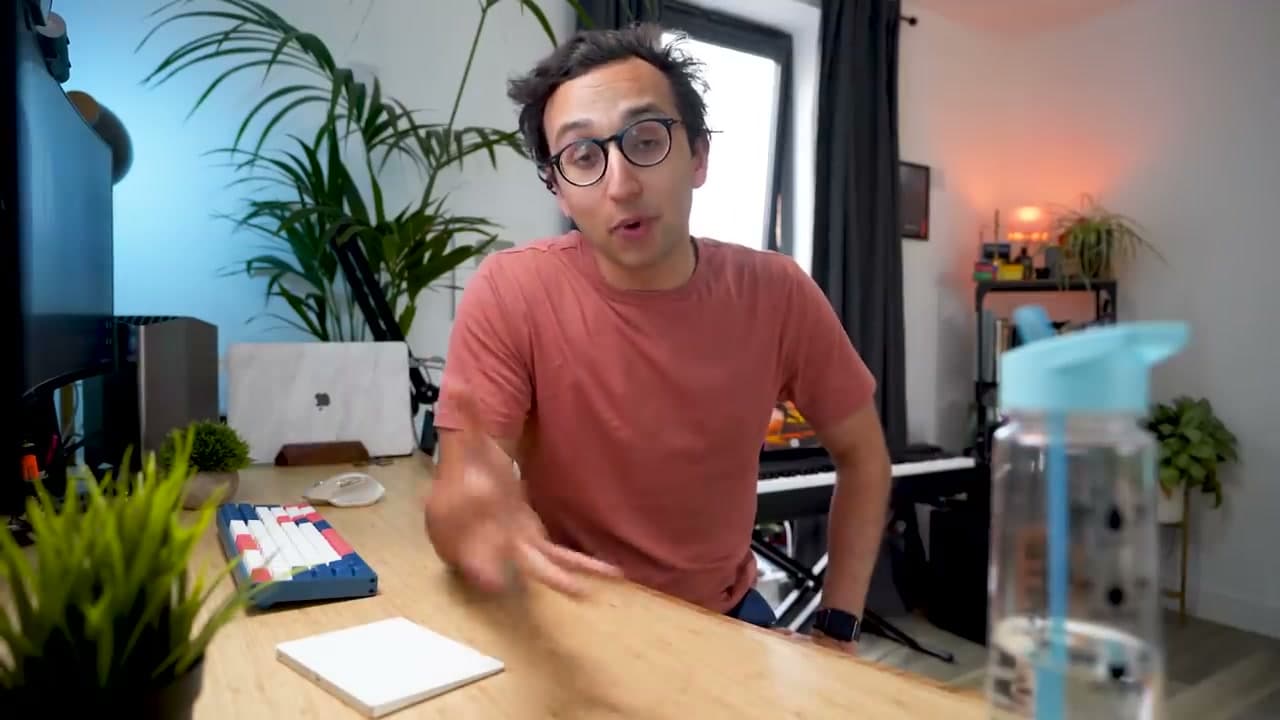
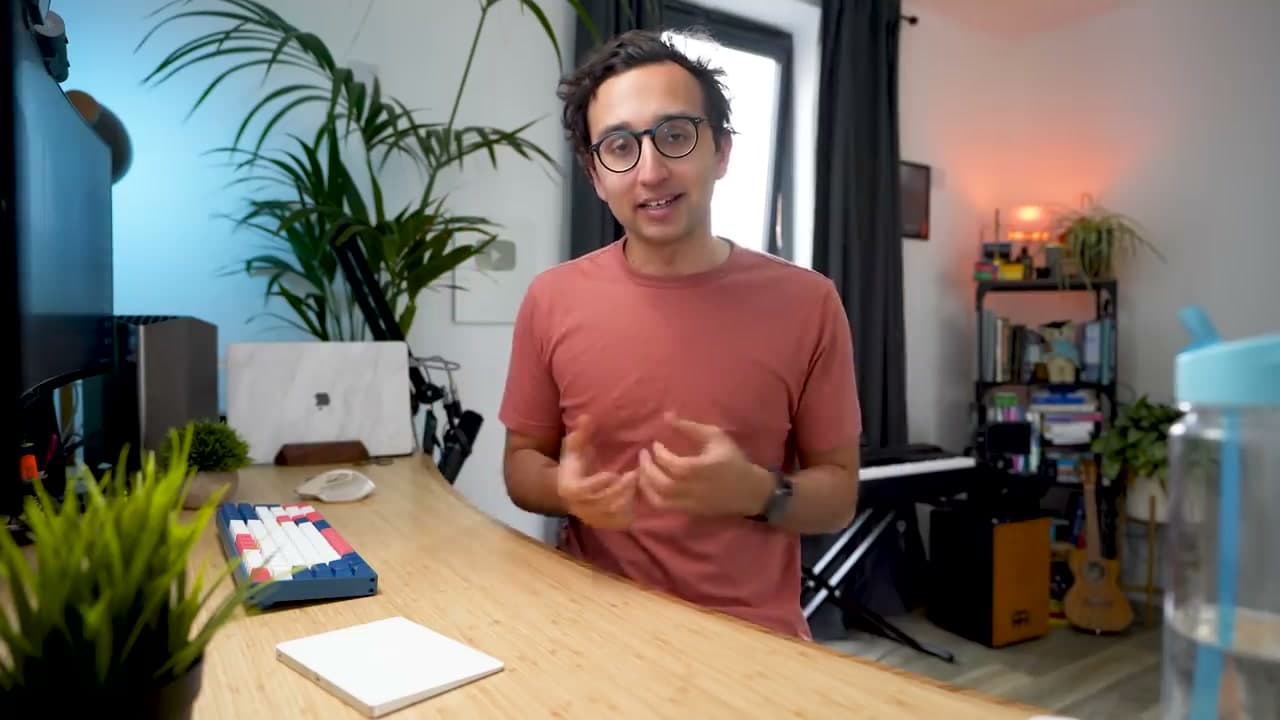
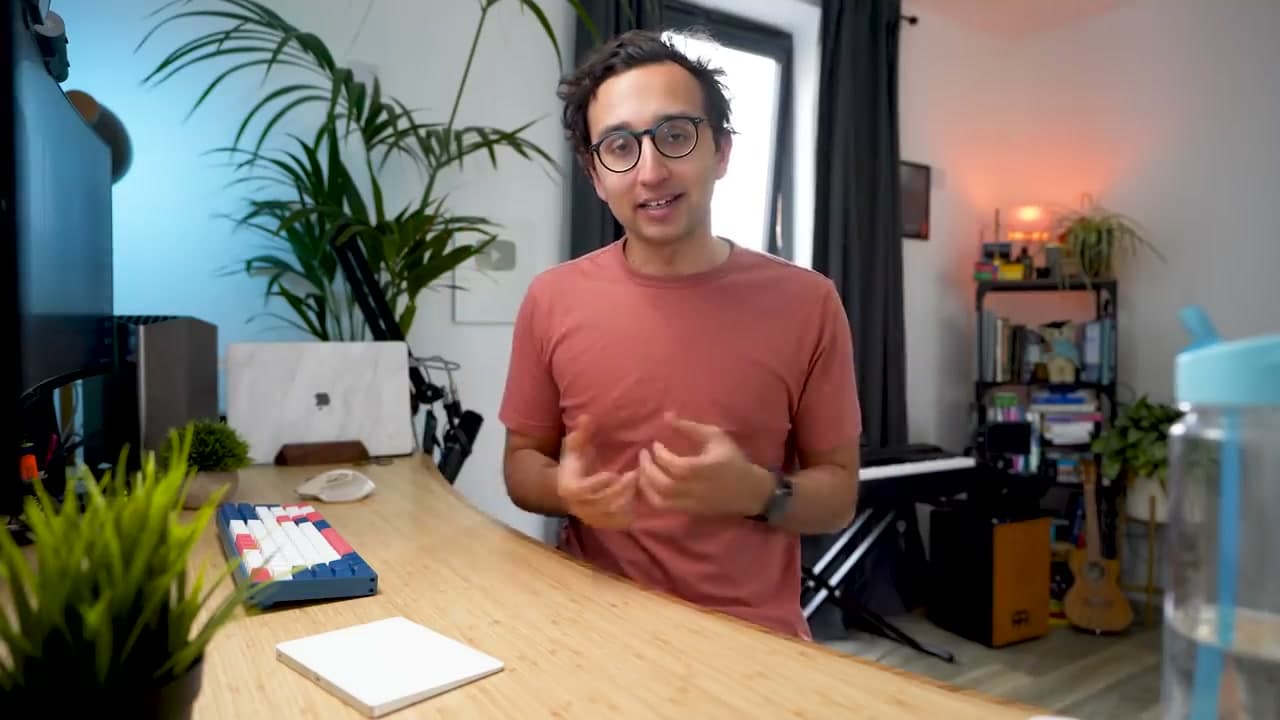
Based on a video by Ali Abdaal.

You don't have a motivation problem. You have a starting problem. The brain you're carrying around evolved to avoid pain in the present moment, and almost every task you put off feels like present pain in exchange for future reward. That's the trap. The good news is the trap is predictable, which means there are simple ways to step around it.

This walkthrough is based on a short video by Ali Abdaal, a doctor and writer who has spent years experimenting with what actually moves the needle. The big idea: motivation is the result of action, not the cause. You start the thing, momentum shows up, and the resistance you felt five minutes ago drops away. The three rules at the end of this guide are the on-ramps that get you across that first line.

If self-improvement is your wider project, pair this with our guides on how to build a morning routine and how to take better notes. Both lean on the same idea - lower the bar to start, let momentum do the rest.

Step-by-Step Guide

1

Step 1: Recognize Why You Procrastinate

0:45
Step 1: Step 1: Recognize Why You Procrastinate

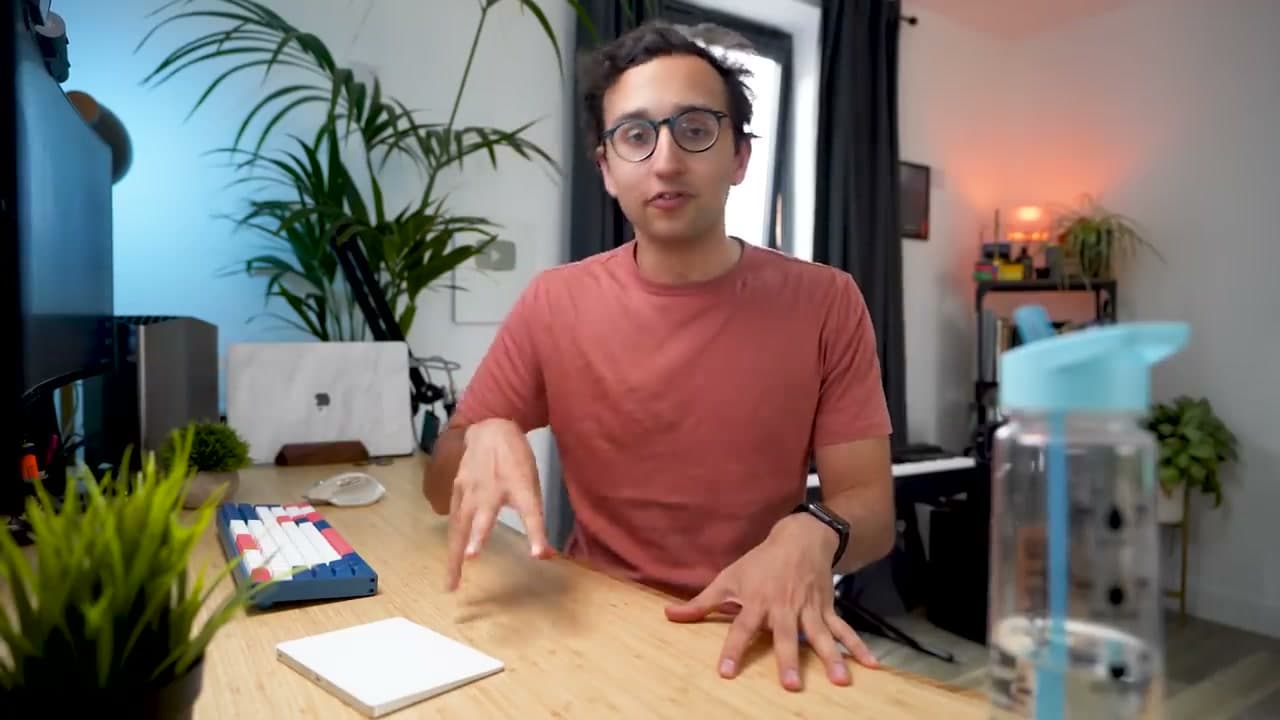
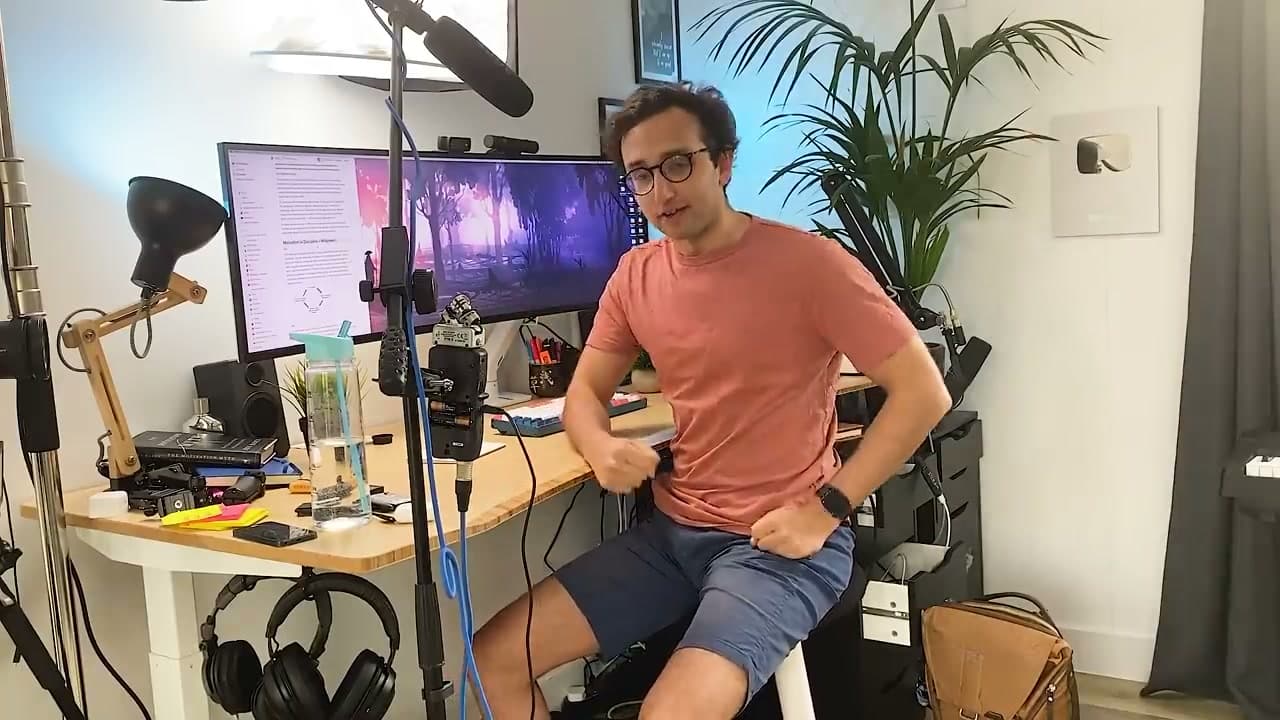
It's not laziness. It's present bias. Your future self can set any goal it wants - hit the gym, write the book, finish the side project. But your present self is the one who actually has to do the work, and the present self almost always prefers the short-term hit over the long-term payoff.

Even the ancient Greeks had a word for this: akrasia, acting against your better judgment. Naming the bias is step one. Once you can spot the pattern in real time, you stop treating it as a character flaw and start treating it as a predictable shortcut you can plan around.

Tip

Catch yourself saying "I'll do it tomorrow." That sentence is the bias talking - your present self bargaining with a future self who hasn't agreed to anything yet.
2

Step 2: Treat It as Mood Management, Not Time Management

1:40
Step 2: Step 2: Treat It as Mood Management, Not Time Management

Dr. Tim Pychyl, a leading researcher in the field, defines procrastination as the primacy of short-term mood repair over the long-term pursuit of intended actions. Plain English: you're not avoiding the task. You're avoiding how the task makes you feel.

Next time you delay something, pause and ask which feeling you're really pushing away. Boredom. Anxiety. Confusion. Overwhelm. The feeling is almost always smaller than the avoidance behavior it triggers. Naming the feeling shrinks the task back to its real size.

Tip

Write the feeling on a sticky note before you start. Just naming it ("this feels overwhelming") tends to drop the charge by half.

3

Step 3: Stop Waiting to Feel Motivated

2:25
Step 3: Step 3: Stop Waiting to Feel Motivated

Most people get motivation backwards. They wait for the feeling before they act. Jeff Haden, in The Motivation Myth, flips that on its head: motivation isn't the cause of action, it's the result of action. You start the task, you make a tiny bit of progress, and motivation shows up to keep you going.

Try dropping the word motivation from your internal monologue for a week. Replace it with discipline (energy you spend now) and habits (energy you've already invested). Pick one small action and start it before you feel ready. The feeling catches up after the action, not before.

Tip

Don't trust morning-you. Plan the action the night before, then run on yesterday's discipline instead of today's mood.

4

Step 4: Turn Discipline Into Habits

3:10
Step 4: Step 4: Turn Discipline Into Habits

Discipline is willpower you're spending right now. Habits are willpower you've already invested and don't have to pay again. Brushing your teeth doesn't take discipline because you've done it ten thousand times. The gym still takes discipline because it hasn't crossed the line into automatic.

Pick the one task you keep avoiding and lock it to the same trigger every day - same time, same place, same cue. Repetition is the goal. After two or three weeks the action starts running on autopilot, and the willpower you used to spend on it is free for the next thing.

Tip

Pair the new habit with one you already have. Stretch right after you pour your morning coffee. The old habit becomes the trigger.

5

Step 5: Cross the Action Line

3:50
Step 5: Step 5: Cross the Action Line

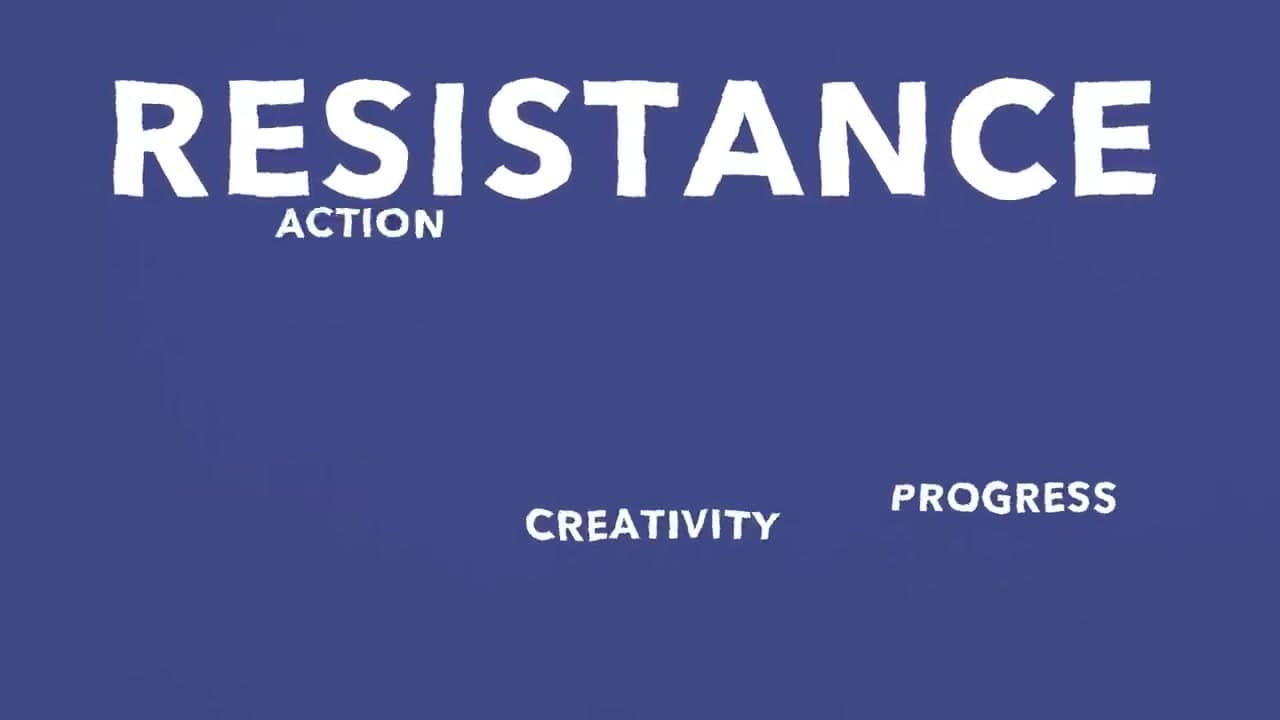
Steven Pressfield, in The War of Art, calls resistance a universal force whose only mission is to keep things as they are. Resistance peaks right before you start. Once you cross the action line, the pain of procrastination drops fast.

Picture a ball at the top of a hill. You cannot get it rolling without that first push. After the push, momentum does the work. The trick is to stop trying to find the perfect plan, the perfect mood, the perfect setup. Just push the ball. The plan can improve while it's already rolling.

Tip

Measure the start, not the finish. Tell yourself "I'm only counting whether I open the doc today." The bar is so low you can't talk yourself out of it.

6

Step 6: Use the 2-Minute Rule

4:40
Step 6: Step 6: Use the 2-Minute Rule

The 2-minute rule comes from David Allen's Getting Things Done. If a pending task takes less than two minutes, do it right now. Refill the water bottle. Wash the coffee mug. Reply to the one-line email. Put the laundry away. Don't add it to a list, don't schedule it, don't think about it. Just do it.

This clears the small junk that piles up in your head, and trains your brain to associate a task with immediate action instead of delay. The mantra is short: under two minutes, do it now. Stick to that for a week and your mental tab count drops noticeably.

Tip

If a task takes longer than two minutes, write it down in the same breath - don't let it float. Capture the action, then return to whatever you were doing.

7

Step 7: Trick Yourself With the 5-Minute Rule

5:15
Step 7: Step 7: Trick Yourself With the 5-Minute Rule

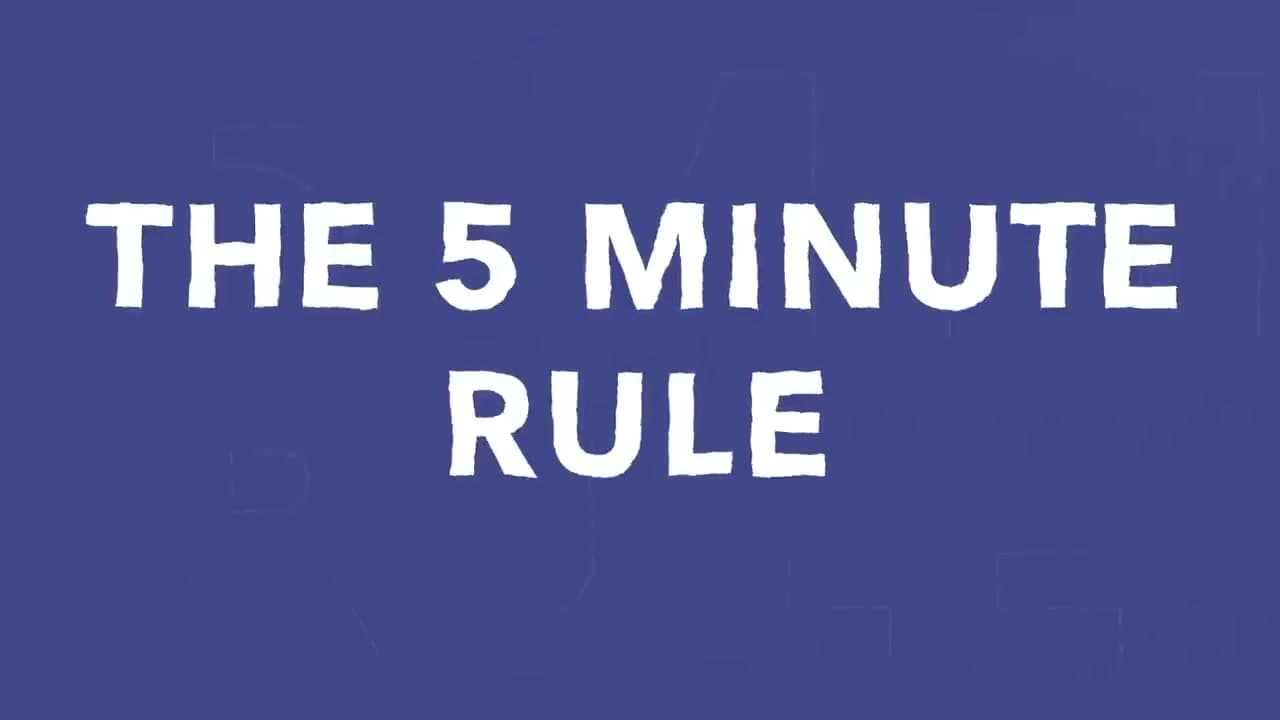
For tasks that will obviously take longer than two minutes, switch to the 5-minute rule. Tell yourself you'll work on it for just five minutes - and then you're free to stop. Some people call it the 10-minute or 30-minute rule. The number doesn't matter. What matters is the bar to start is low enough that you don't flinch.

Ali used this rule to start filming the source video. Three hours later he was still going. That's the pattern. The hard part was never the work itself. It was the start. Once you're in motion, stopping at exactly five minutes feels weirder than continuing.

Tip

Set a real timer. The deal with yourself only works if you'd actually stop when it goes off. Most of the time you won't want to.

8

Step 8: Use the Mind Activation Rule

5:55
Step 8: Step 8: Use the Mind Activation Rule

The third rule is for the slumps. Most procrastination after lunch or in the evening isn't a moral failure - it's a low-energy state. When you notice the haze, do one thing that lights up your brain so the 2-minute and 5-minute rules have something to work with.

Before 2 PM, a cup of caffeinated coffee tends to do the job. After 2 PM, switch to a non-caffeine trigger so you can still sleep: a short interactive lesson, a brisk walk, ten push-ups, a cold splash of water on your face. The point is to interrupt the slump, not to power through it.

Tip

Build a "slump kit" - a short walk loop, a cold-water bottle, a 5-minute online lesson bookmarked. Pre-decide the interrupt so you don't have to negotiate with yourself in the slump.

Products Used

Your Guide

Ali Abdaal

As an Amazon Associate we earn from qualifying purchases. Links on this page may be affiliate links - clicking them and buying doesn't change your price, but helps support ShowMeStepByStep.

Tags

What's next

Weekly Digest

Liked this productivity tutorial?

Pick the categories you want to hear about. Weekly digest of new step-by-step tutorials. No spam, easy unsubscribe.

Send me tutorials about

We only email about new tutorials. Easy unsubscribe anytime.