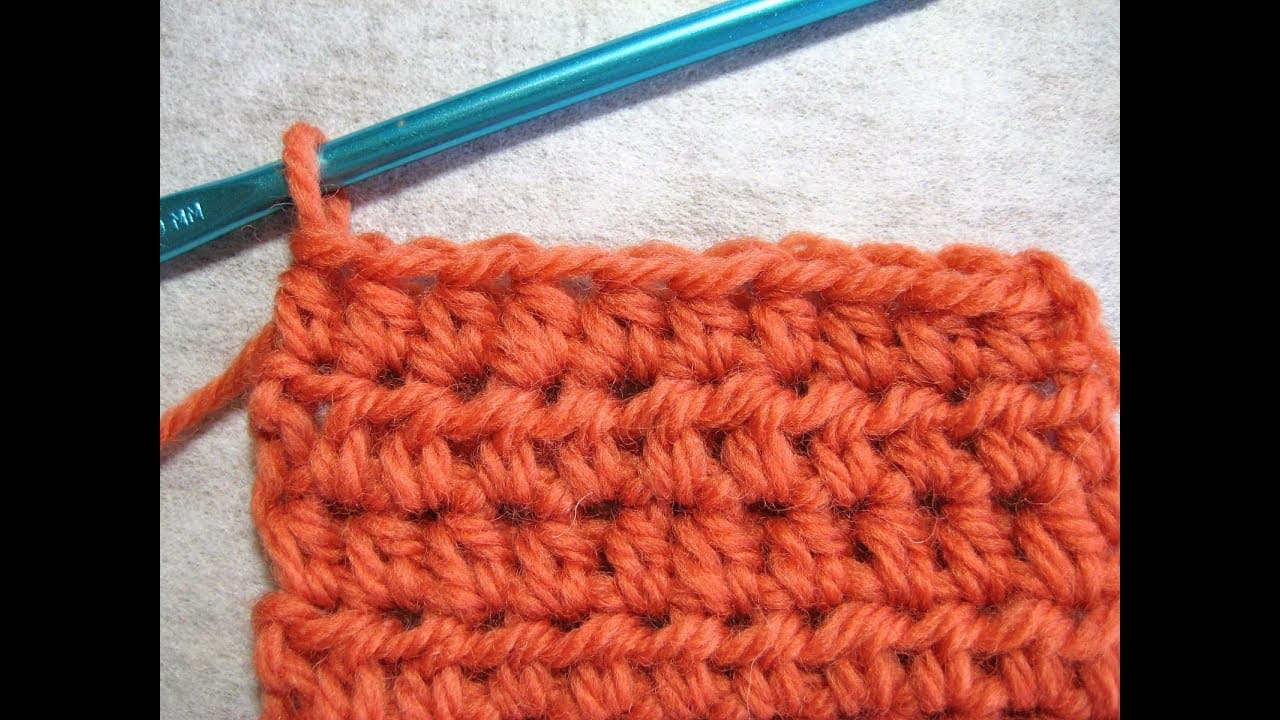
The double crochet is twice as tall as a single crochet, and once you have it down you've unlocked half of every pattern you'll ever read. Granny squares, blankets, scarves, dishcloths - they all run on double crochet.
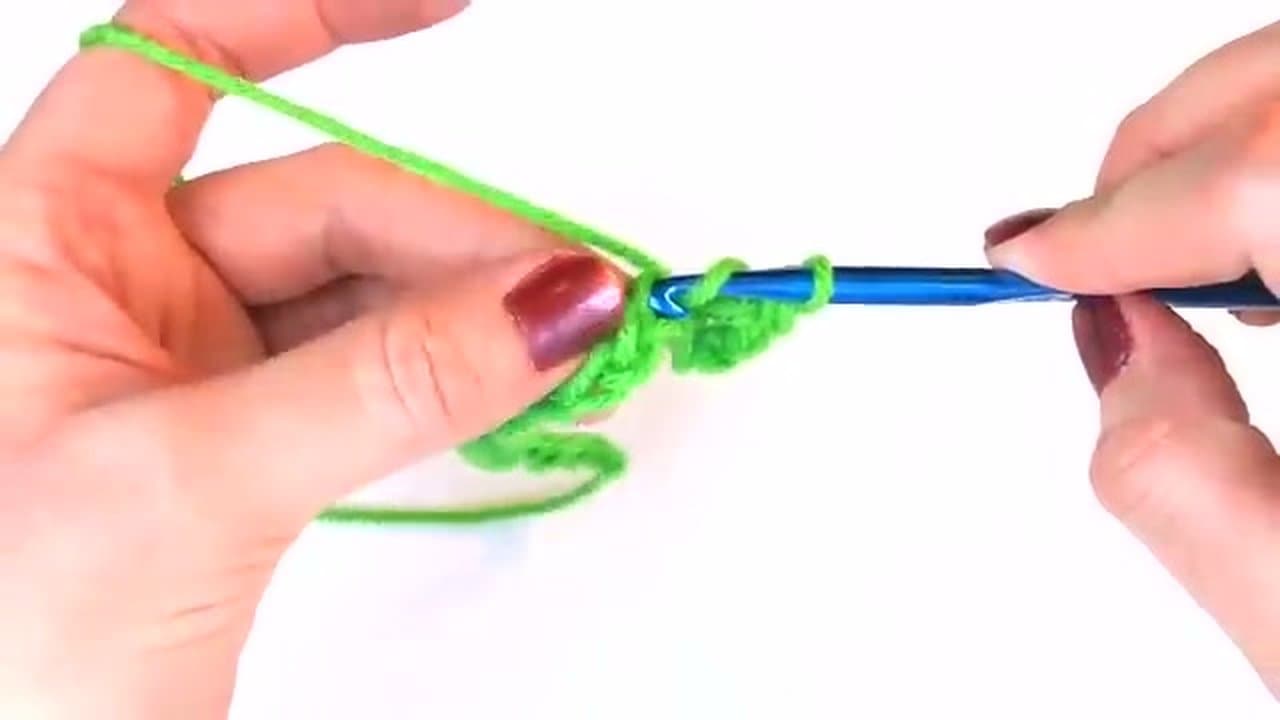
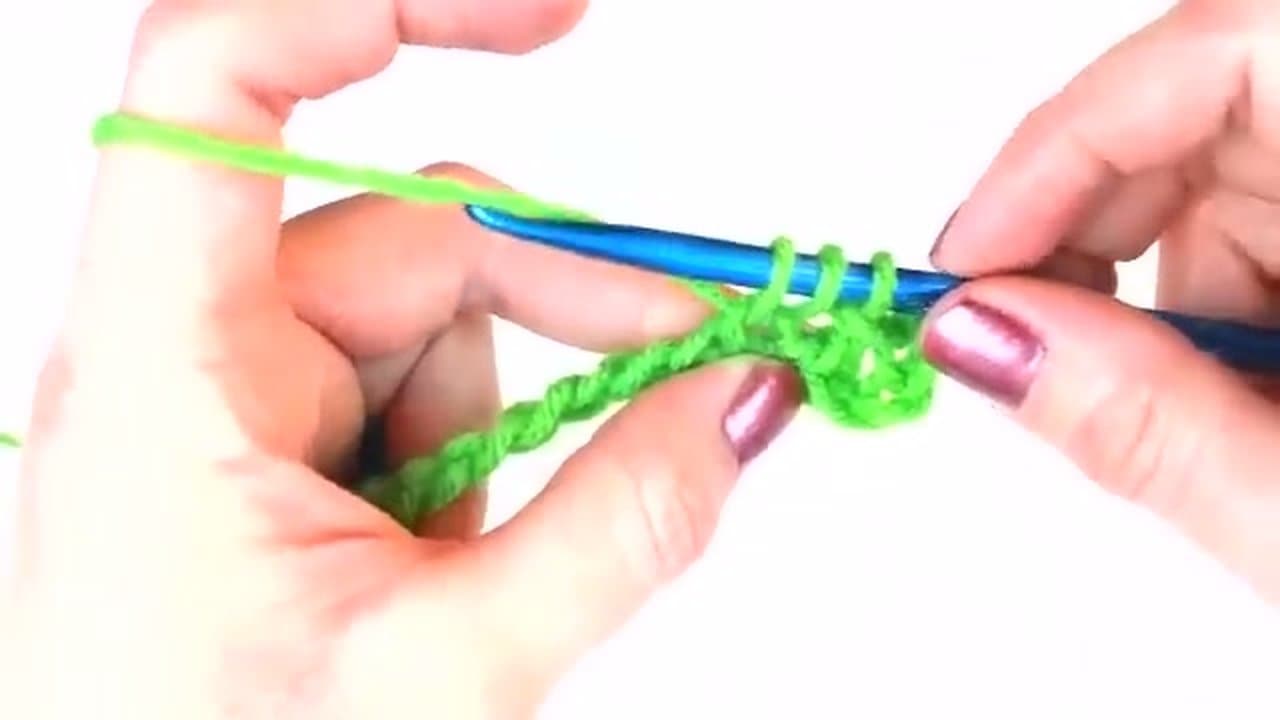
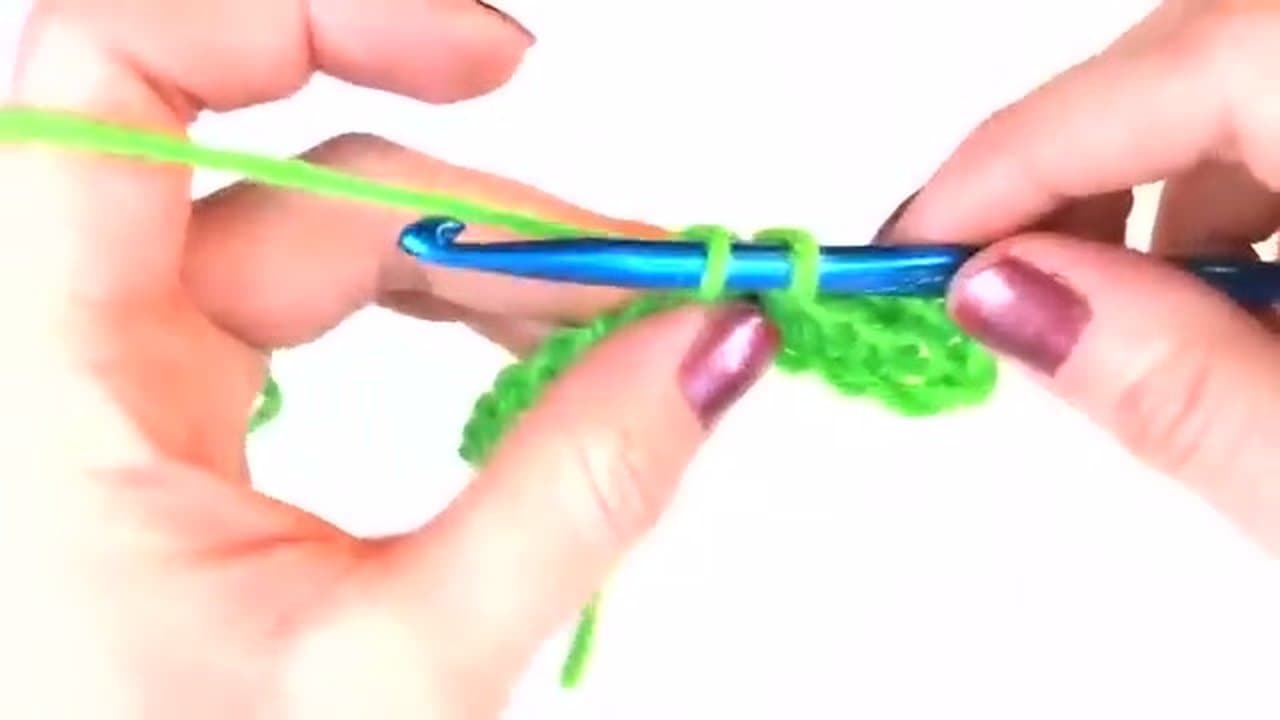
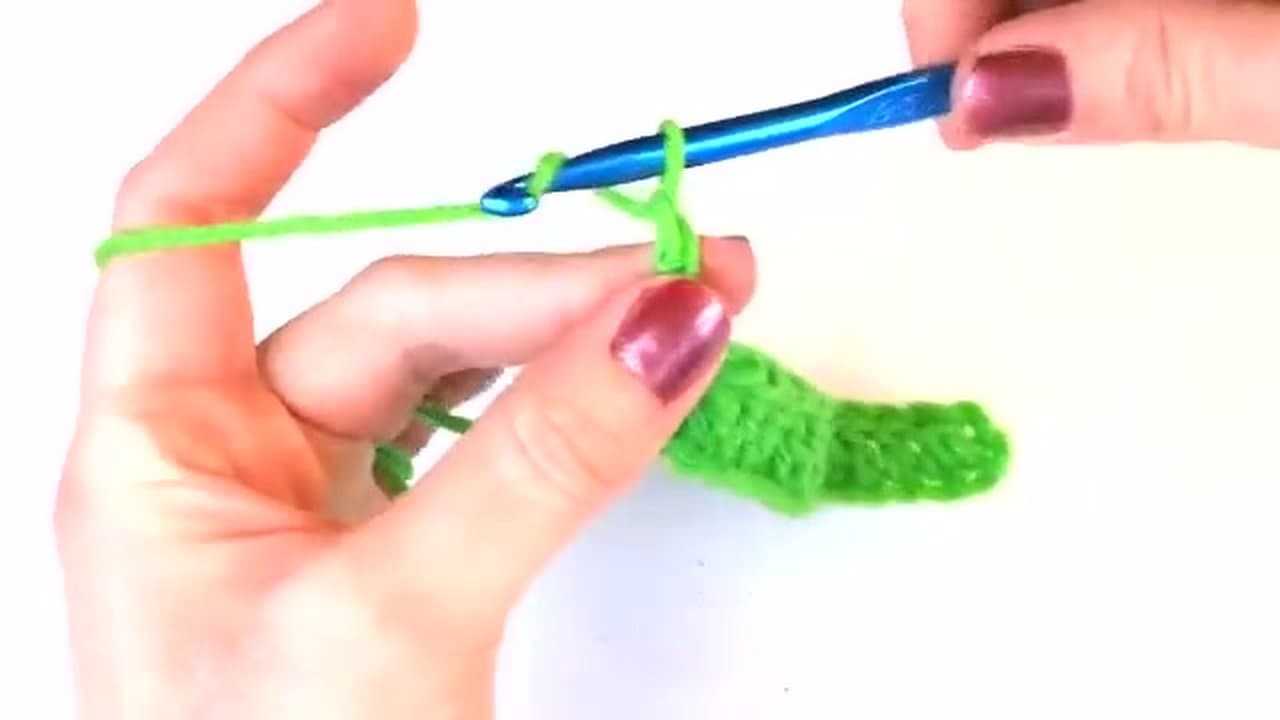
Bobbie Thomson from Crochet Guru teaches the stitch as five repeating moves: yarn over, insert hook, yarn over and pull through (3 loops), yarn over and pull through 2 (2 loops), yarn over and pull through 2 (done). The trick is the rhythm. After three or four stitches your hands stop thinking about it.
What you need
- H/5.0mm hook, the size most worsted yarn labels call for
- Worsted weight yarn in a light, solid color - dark or variegated hides your loops
- Scissors and a tapestry needle for the tail
The double crochet stitch, move by move
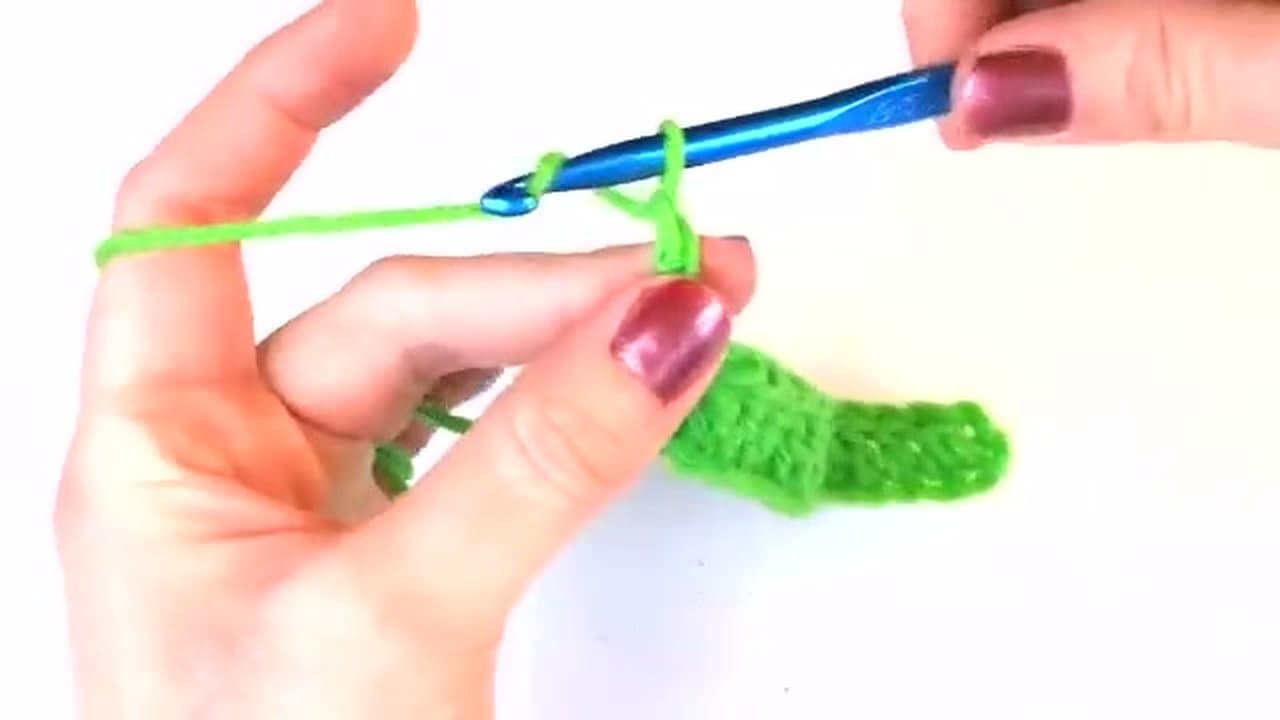
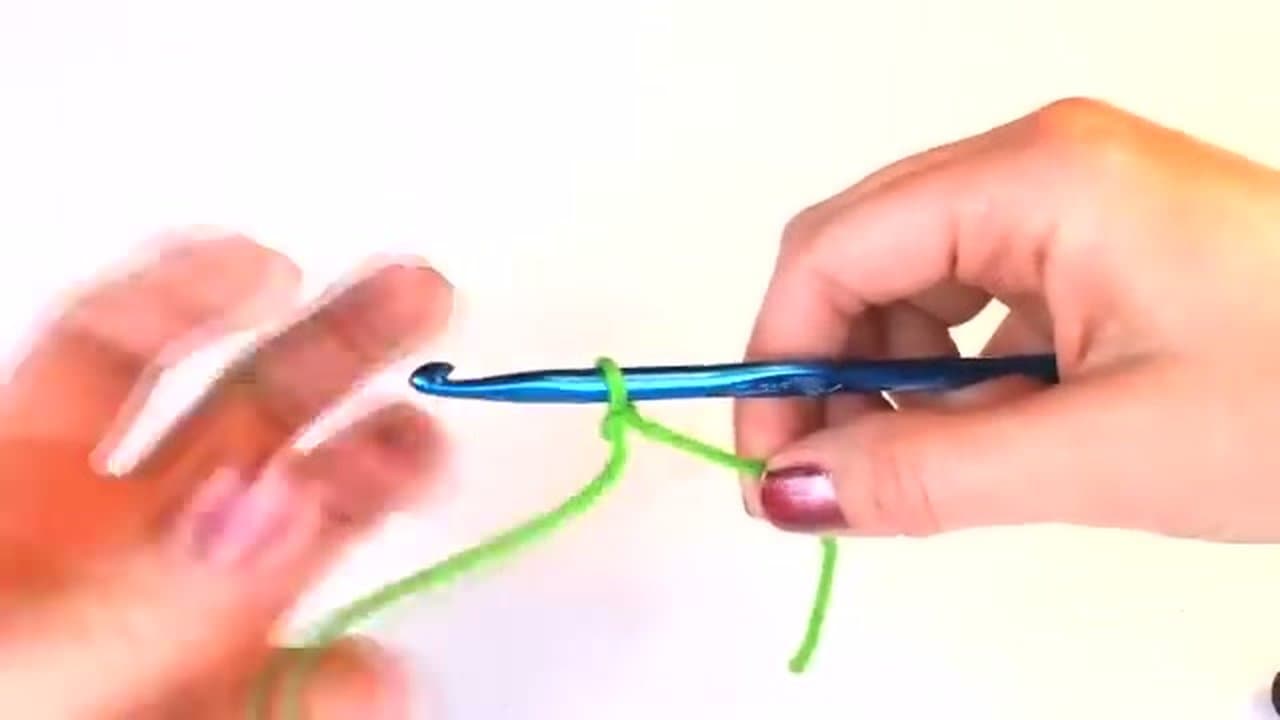
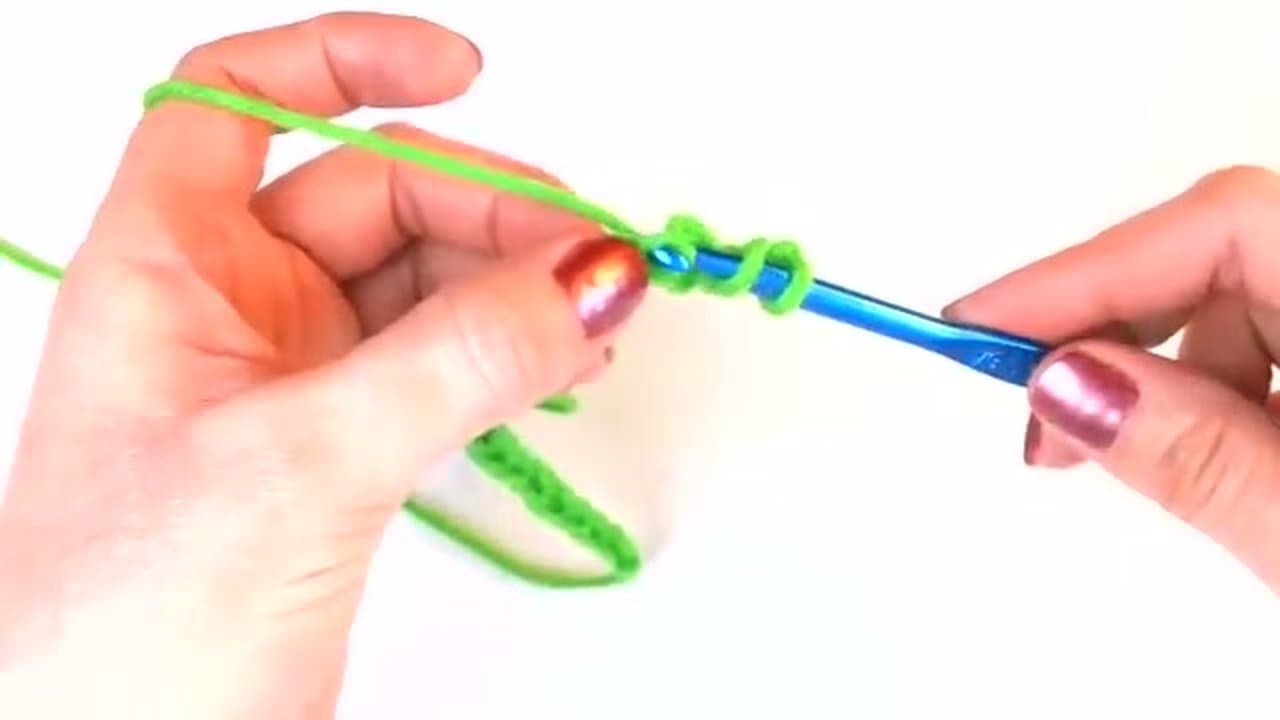
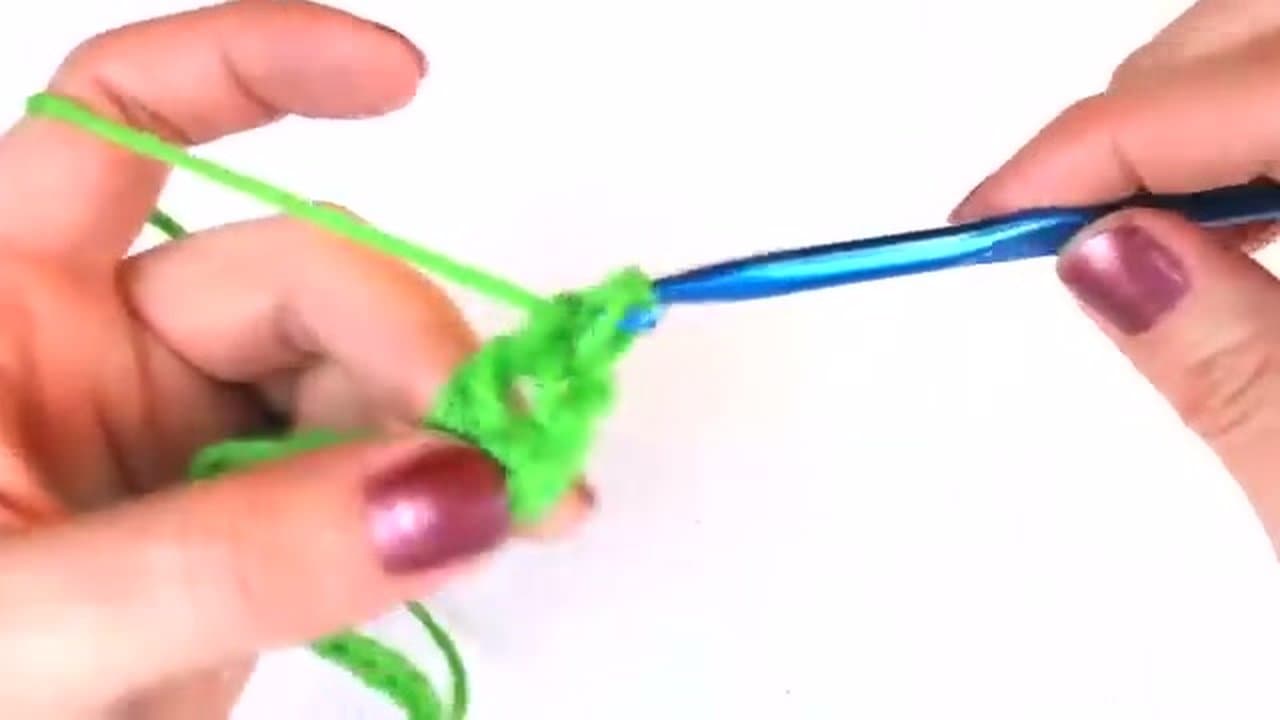
Yarn over first. That wrap on the hook, before it ever enters the stitch, is the whole reason a double crochet stands tall. Push the hook through, yarn over again, pull a loop back out through the stitch only. Three loops on the hook.
The finish comes in two passes, not one. Yarn over, pull through two. Yarn over, pull through the last two. One loop left, stitch done. That two-at-a-time ending is what separates it from the shorter half double crochet, which closes all three loops in one pass.
Reading dc in a pattern
Patterns write this stitch as dc. "dc in next st" means one double crochet in the next stitch. yo is yarn over, ch is chain, sk is skip.
Count the tops, not the posts. Every finished dc has a small V of two loops at the top, and that V is what you count and what your hook goes into on the next row. Count the tall posts from the side and you get a different number every time.
UK double crochet is a different stitch
This tutorial uses US terms. British patterns shift every stitch name down one rung. UK "double crochet" is what the US calls single crochet, and the stitch on this page is UK "treble crochet".
If a British pattern says dc and your fabric comes out twice as tall as the photo, that is why. US treble crochet is taller again, with two yarn overs before the hook goes in.
The chain-3 turning chain
At the end of a row you chain 3 and turn. Three chains stand about as tall as a dc, which is why the count is 3 here and only 1 on shorter stitches.
Whether that chain counts as a stitch is the pattern's call, and that is where row edges go wrong. If it counts, skip the first stitch of the row below and work your last dc into the top of the previous turning chain. If it doesn't, work into that first stitch and ignore the old chain at the end. Hold one rule for the whole piece.
What double crochet is good for
Speed and drape. A dc row covers twice the ground of a single crochet row and leaves a looser fabric, which is why it dominates big projects. A crochet blanket is mostly dc, and so is the granny square - clusters of three dc separated by chain spaces. Joining granny squares turns a pile of those into an afghan. Scarves, market bags and dishcloths lean on it too.
Common double crochet problems
Gaps you can see through. Some openness belongs to this stitch, but holes wide enough for a finger mean the hook is too big for the yarn or the pull-up loop is too long. Drop a hook size and keep that pull-up level with the top of the stitch below.
Stitches leaning sideways. The hook is rolling in your hand, so the yarn over slides around it. Keep the throat facing you through both pull-throughs.
Rows getting narrower or wider. Count every row for the first few. A lost stitch is nearly always the last of the row, hiding inside the previous turning chain. A gained one means you counted that chain and worked into it too.