Single crochet is the shortest of the basic crochet stitches and the one most people learn first. Four movements make one stitch, and the fabric it builds is dense, flat and sturdy with almost no gaps. That is why the single crochet stitch turns up in dishcloths, bag straps and every amigurumi pattern going.
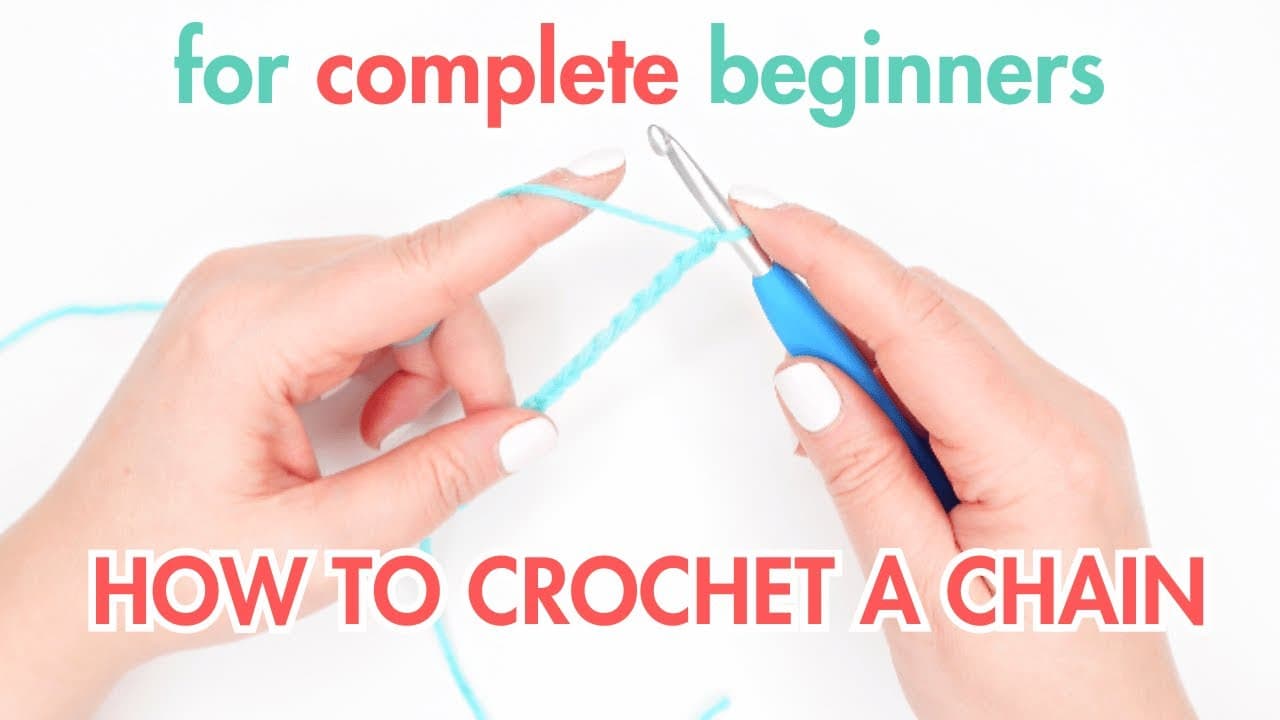
This walkthrough from Bobby at Crochet Guru breaks it into seven steps. Chain 30 to begin - see how to crochet a foundation chain if you have not made one - and use a worsted weight cotton. Cotton barely stretches, so the stitches stay where you put them.
What you need
- A 5mm (H/8) hook, the standard size for worsted yarn
- Worsted weight cotton in a light, solid color
- Scissors and a tapestry needle for the ends
How to do single crochet, move by move
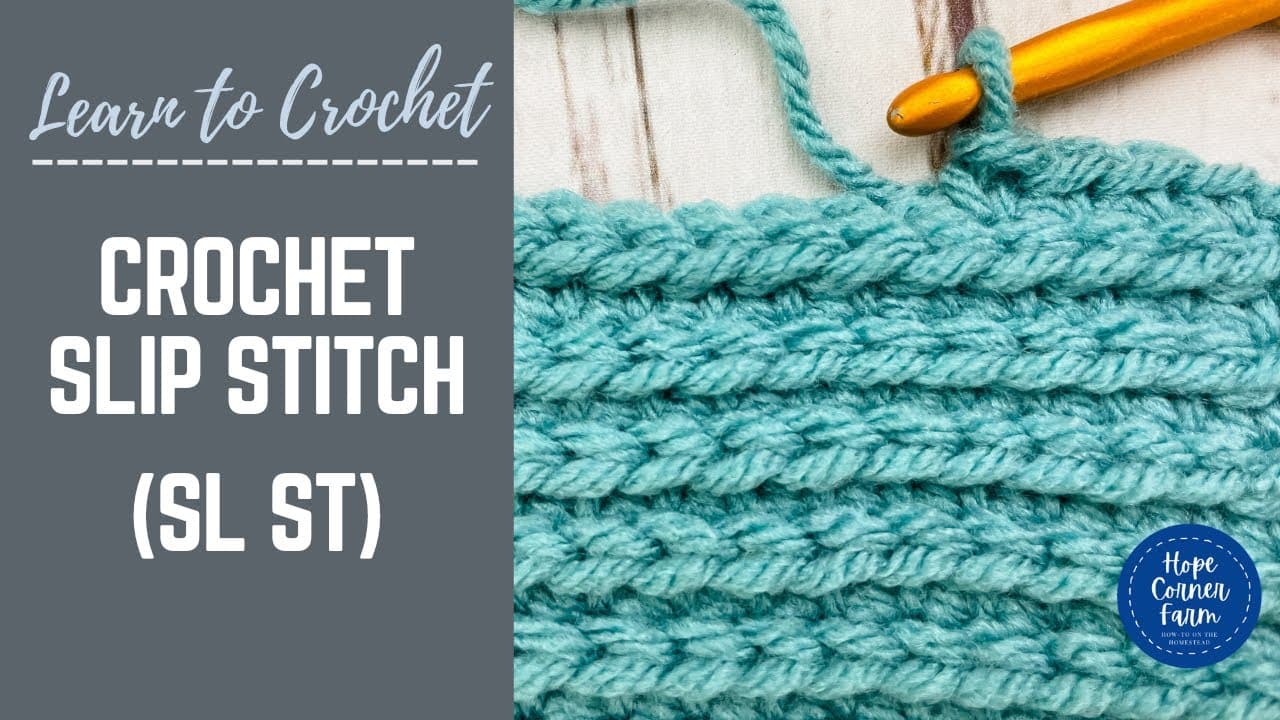
Insert the hook, yarn over, pull a loop back through. Two loops sit on the hook. Yarn over once more and pull that through both of them. One loop left, one stitch made. The stitch is those two pull-throughs, and after a dozen of them your hands stop needing instructions.
The first row goes into the foundation chain, skipping the chain nearest the hook. Every row after that goes into the top of the stitch below, under both strands of the V running along the top edge. Keep your loops loose enough to slide along the shaft of the hook - a loop that grips the neck is one you will fight on the next row.
What sc means in a pattern
sc is single crochet. A line reading "ch 1, turn, sc in each st across" means chain one, flip the work over, and put one single crochet into every stitch of the row below. ch is chain, st is stitch, yo is yarn over, and sc2tog is two single crochets worked together to decrease. The key at the top of a pattern is worth thirty seconds, and how to read a crochet pattern covers the rest.
Rows, rounds, and the turning chain
Flat work ends each row with a chain 1 and a turn. That chain lifts the hook to the height of the new row and does not count as a stitch - your first single crochet goes into the first real stitch, never into the chain. Count the row when you finish it: twenty-nine stitches at the start should still be twenty-nine at the end.
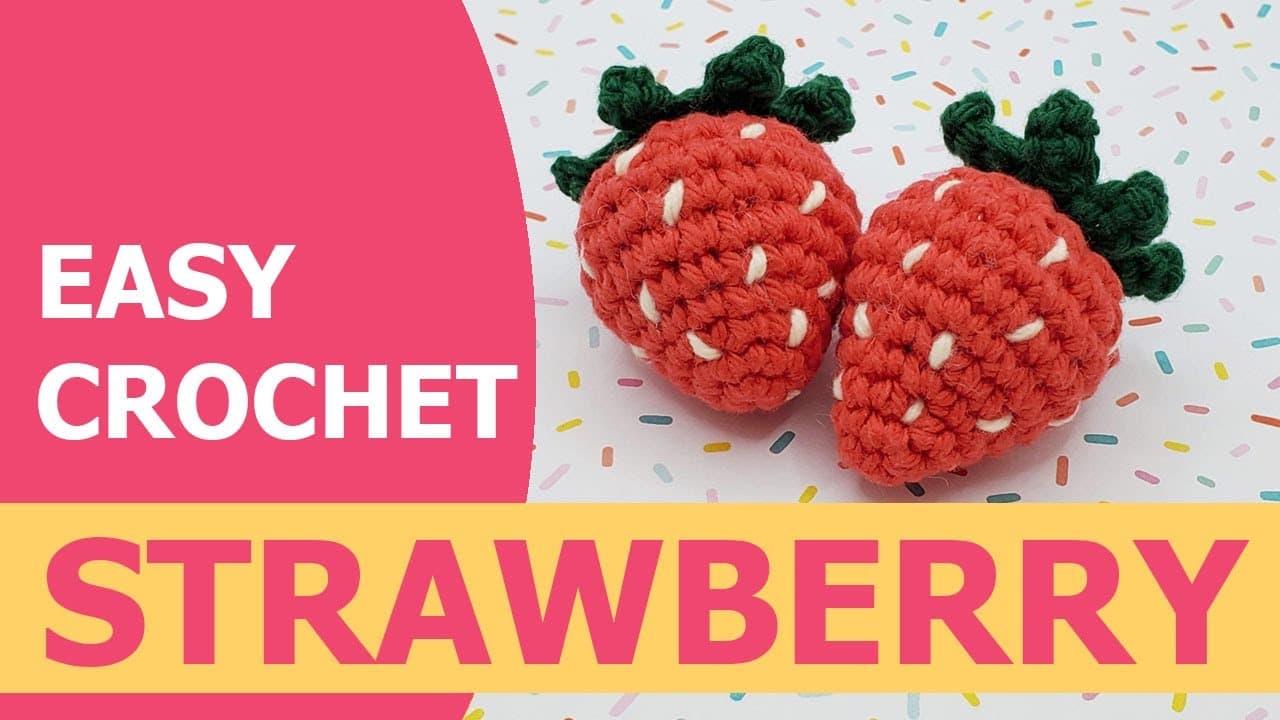
Round work catches people out. No turning chain, and usually no turning at all - you spiral around continuously, which is why single crochet is the amigurumi stitch. The fabric is tight enough to hide stuffing and the spiral leaves no seam. Drop a stitch marker into the first stitch of each round or you will lose track of where it began. Working in the round covers the join.
How single crochet compares to the taller stitches
Being short, sc needs more rows to cover the same ground, and the fabric is stiff and warm. Half double crochet stands a step taller with more give, and double crochet is taller again, quicker to work and much drapier. Patterns pick between them for that reason: sc for toys, bags and anything that holds a shape, the taller ones for blankets and garments meant to hang soft.
Single crochet problems and how to fix them
- The row keeps getting narrower. You are missing the last stitch of the row. It hides at the edge under the turn. Count every row until it stops.
- The row keeps getting wider. You are working a stitch into the chain-1. That chain is height only, so leave it empty.
- The hook will not go in. Tension is too tight. Loosen your grip or move up a hook size. Forcing the hook splits the yarn.
- You cannot tell where one stitch ends. Find the sideways V along the top. One V is one stitch, and the hook goes under both legs.