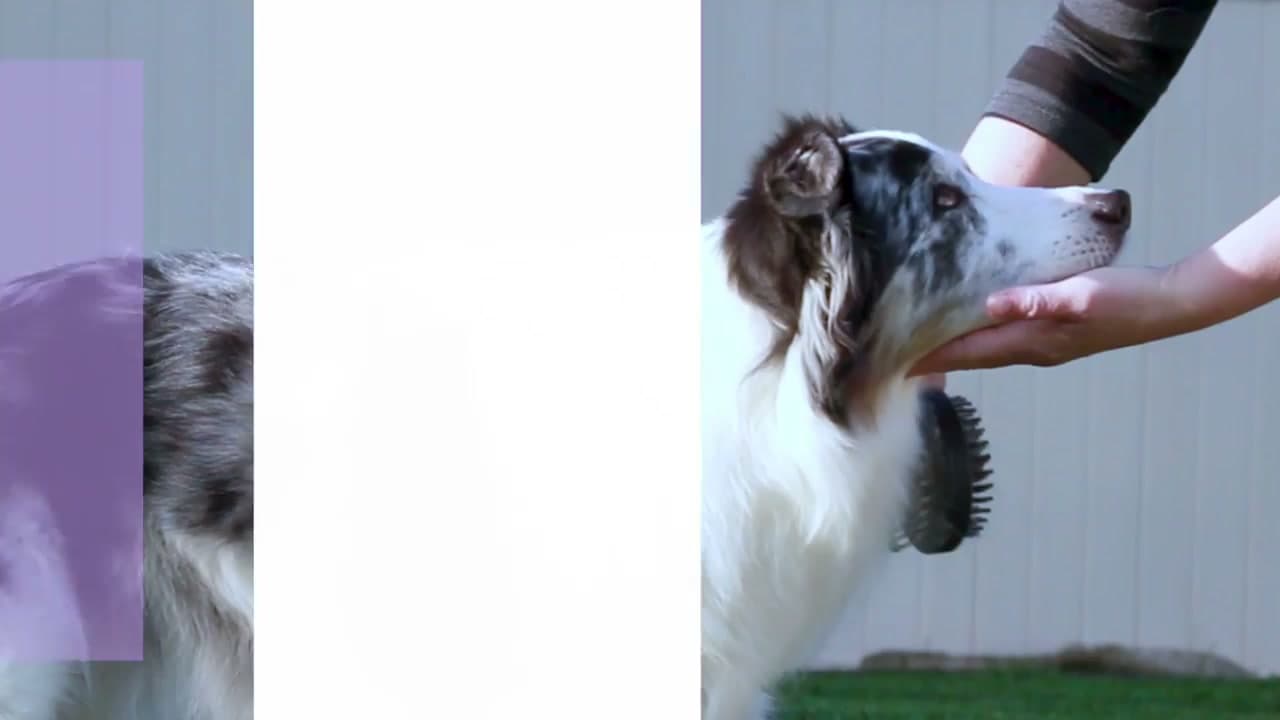
How to Get a Dog Used to Nail Trimming: 7 Step Desensitization Guide

PetsMedium9:347 steps

By ShowMeStepByStepPublished Updated

Based on a video by Kikopup.

If your dog hates nail trims, you're in the same boat as 80% of dog owners. Forcing the issue makes it worse - every traumatic trim adds to the negative association. The fix is desensitization: build a brand new positive routine from scratch using these seven techniques from a professional trainer.

This walkthrough from Emily Larlham (Kikopup) breaks the desensitization process into seven clear steps. Pair this with our how to trim dog nails tutorial - the desensitization comes first, the actual trimming comes after the dog tolerates handling.

Step-by-Step Guide

1

Step 1: Change the Picture Entirely

0:31
Step 1: Step 1: Change the Picture Entirely

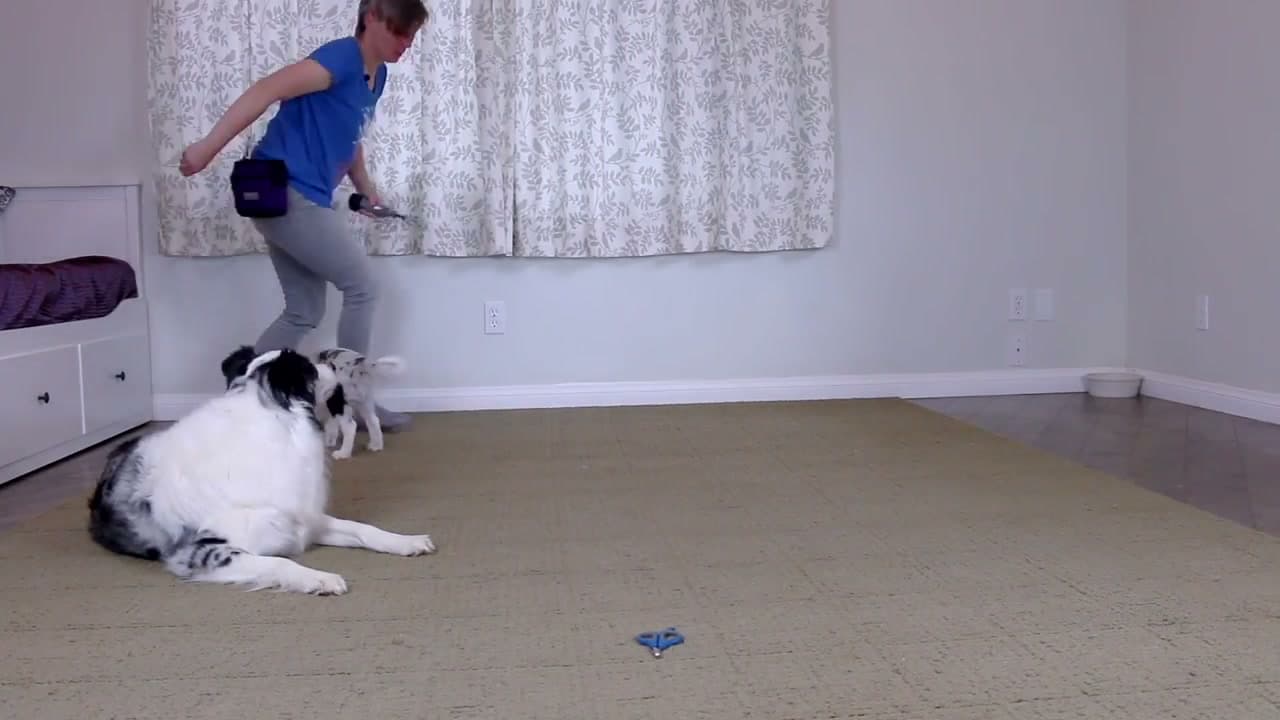
If your dog already dreads nail trims, building a NEW grooming routine from scratch is faster than undoing the old one. Switch the visible cues: the GROOMING POSITION (lying on back instead of standing), the ROOM (outside instead of bathroom), or the TOOL (Dremel grinder instead of clippers).

Each change weakens the association between 'these cues' and 'bad experience'. Your dog doesn't recognize the new picture as the thing they fear - giving you a clean slate to build positive associations.

Products used in this step

2

Step 2: Move the Tool Storage Location

2:25
Step 2: Step 2: Move the Tool Storage Location

Most dogs recognize the drawer where you keep clippers and start fleeing the moment you walk toward it. The visual cue alone has become aversive.

Move the clippers somewhere completely new - ideally near where you keep treats. Keep them in a crinkly bag that sounds like a treat package. Now the tool-retrieval moment becomes a positive cue instead of a panic trigger.

3

Step 3: Train When the Dog Is Receptive

3:08
Step 3: Step 3: Train When the Dog Is Receptive

Pick the right moment. Some dogs do best after a walk when they're tired and content; others want to be left alone post-walk. Observe your dog and note when they're calmest.

Cold paws are extra-sensitive - a chilled dog will pull away from paw handling that a warm dog tolerates fine. Let the dog sun-warm or use a heated bed for 10-20 minutes before sessions if your dog is paw-sensitive.

4

Step 4: Break Each Step Into Tiny Approximations

4:20
Step 4: Step 4: Break Each Step Into Tiny Approximations

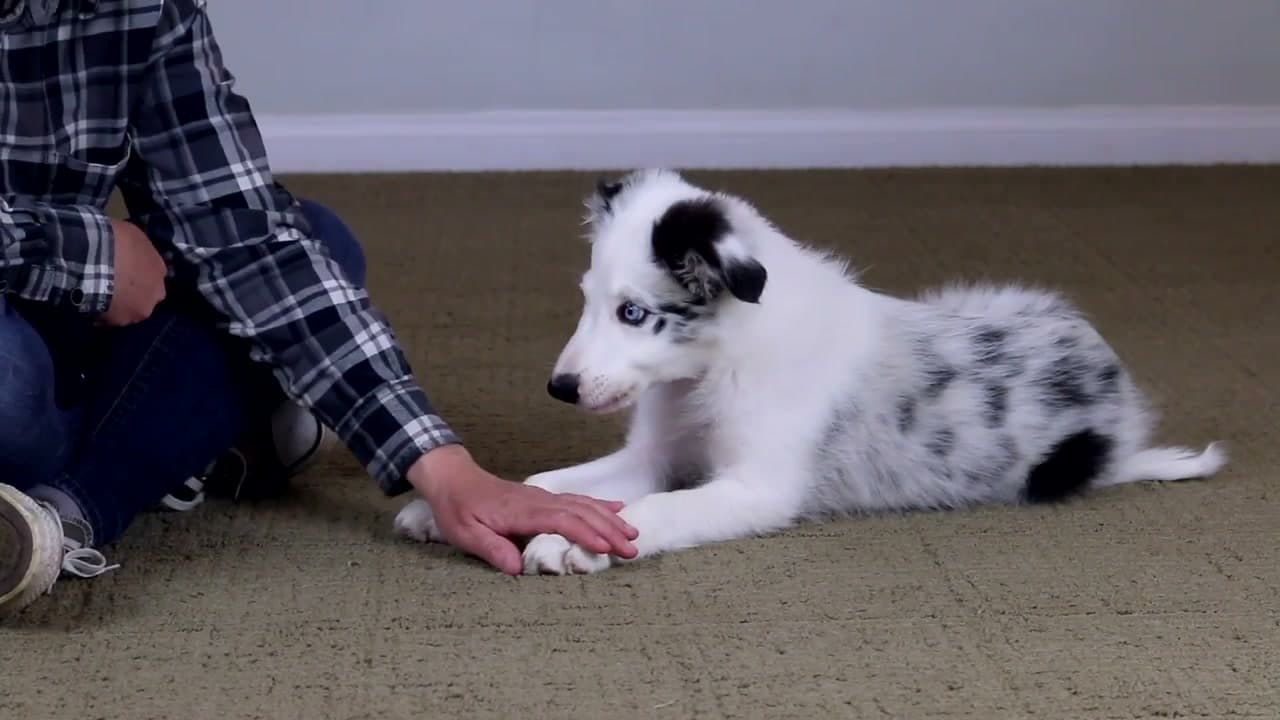
Don't try to trim a nail in the first session. Break the chain into the smallest possible steps: 1) touch a paw. 2) hold a paw. 3) lift the foot. 4) touch the nail with the clippers (no cut). 5) one tiny tip from one nail. Each step gets its own session - reward heavily for tolerance.

Pace by the dog's comfort, not your impatience. If touching the paw is still scary, you stay there until it's a non-event before progressing. Skipping ahead recreates the negative association.

5

Step 5: Train Short and Frequent

5:10
Step 5: Step 5: Train Short and Frequent

Daily 1-2 minute sessions beat once-a-week 15-minute sessions every time. Use part of breakfast or dinner kibble as the training currency so you don't over-treat. Short sessions stay positive; long sessions creep into 'just one more nail' territory and undo your progress.

Long gaps between sessions let the dog regress. If you train Monday and skip until Friday, you're often re-doing Monday's work on Friday. Daily reps build the association faster.

6

Step 6: Don't Trim All Nails in One Session

6:50
Step 6: Step 6: Don't Trim All Nails in One Session

Doing one nail (or even one tip of one nail) and stopping while the dog is still happy is the magic that builds positive association. Spread 16-20 nails across multiple short sessions over a week instead of cramming them into one stressful 20-minute marathon.

This feels wrong to most humans - we want to finish what we start. But the dog's emotional state matters more than your sense of completion. A dog that ends each session happy returns happy next time.

7

Step 7: Teach Husbandry Behaviors That Help

8:00
Step 7: Step 7: Teach Husbandry Behaviors That Help

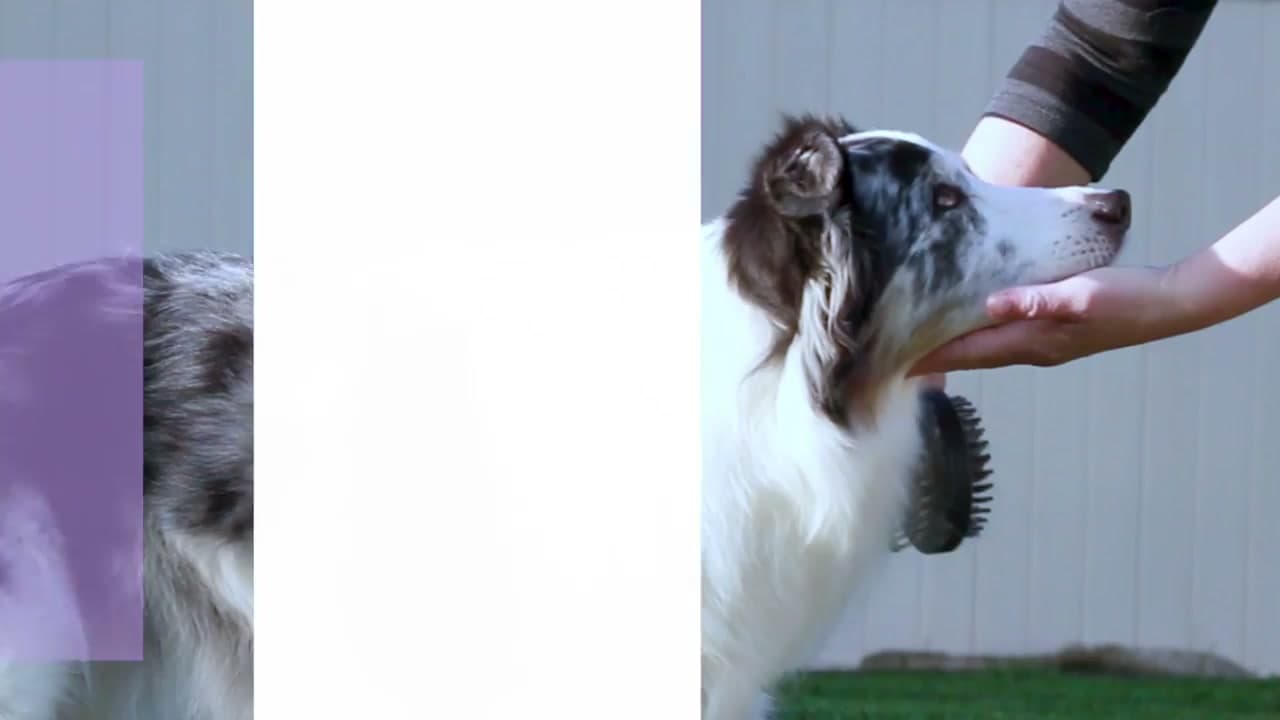
Train the dog to actively cooperate using behaviors that give them control: 'go to mat' (dog stations on a target), 'chin rest' (dog rests chin on your hand or a perch), 'paw target' (dog offers paw on cue), 'bucket game' (dog opts in/out of handling).

These behaviors transform grooming from 'thing done TO the dog' into 'thing the dog participates in'. A dog that can opt out chooses to opt in - very different psychology than being held still. Search for Chirag Patel's bucket game and Laura Monaco Torelli's husbandry videos for technique.

Tip

If your dog is in serious need of a nail trim and the desensitization will take weeks, talk to your vet about sedation for the immediate trim. A sedated trim doesn't add to the bad-association memory bank, giving you a clean baseline to start desensitization from.

Products used in this step

Products Used

☐ The Checklist

How to Get a Dog Used to Nail Trimming: 7 Step Desensitization Guide

Tools
3
Materials
2
Steps
7
Video
10 min

Your Guide

Kikopup

As an Amazon Associate we earn from qualifying purchases. Links on this page may be affiliate links - clicking them and buying doesn't change your price, but helps support ShowMeStepByStep.

Tags

Related Tutorials