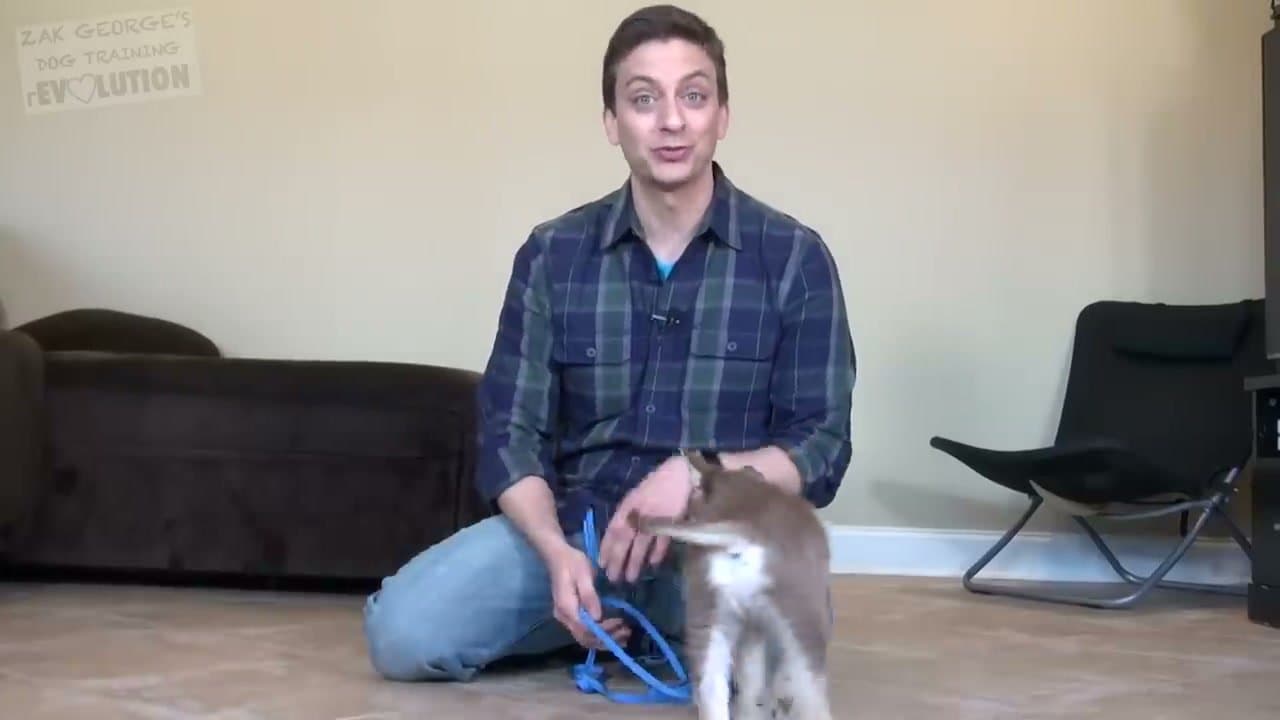
How to Potty Train a Puppy

PetsEasy9:476 steps

Based on a video by Zak George’s Dog Training Revolution.

House training is less about training the puppy and more about training yourself to be consistent. Dogs don't naturally know where to go. They learn by repetition and by where they've been rewarded for doing it right. Get the schedule and supervision right, and most puppies are reliably house-trained in three to four weeks.

This walkthrough is based on Zak George's approach with his Alaskan Klee Kai, BB-8. Six steps: set a feeding schedule, keep the puppy in sight at all times, use a crate the right way, stick to a potty schedule, reward heavily when they go outside, and don't punish accidents.

Patience is the whole job. Every puppy has accidents - that's on the human, not the dog. Fix your supervision and keep going.

Step-by-Step Guide

1

Feed on a Consistent Schedule

0:25
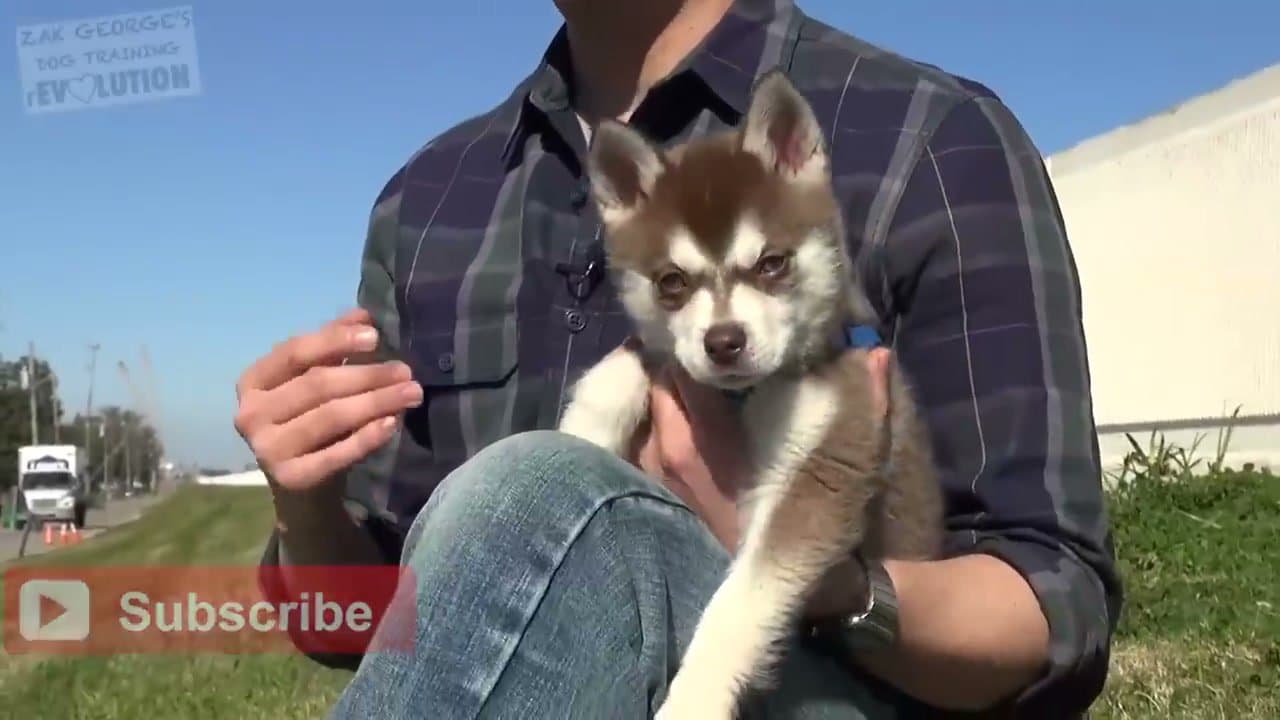
Step 1: Feed on a Consistent Schedule

Feed your puppy the same food at the same times every day. Consistent food in equals predictable bathroom needs out - you'll learn their rhythm within a few days.

Most puppies do well on two or three meals on a fixed schedule. Avoid free-feeding (leaving food out all day) during house training because it makes their bathroom schedule random. Pick times you can commit to for the next month.

Tip

Expect a bathroom break 10-20 minutes after every meal. Schedule your walks around that window.
2

Keep the Puppy Close With a Leash or Gates

2:15
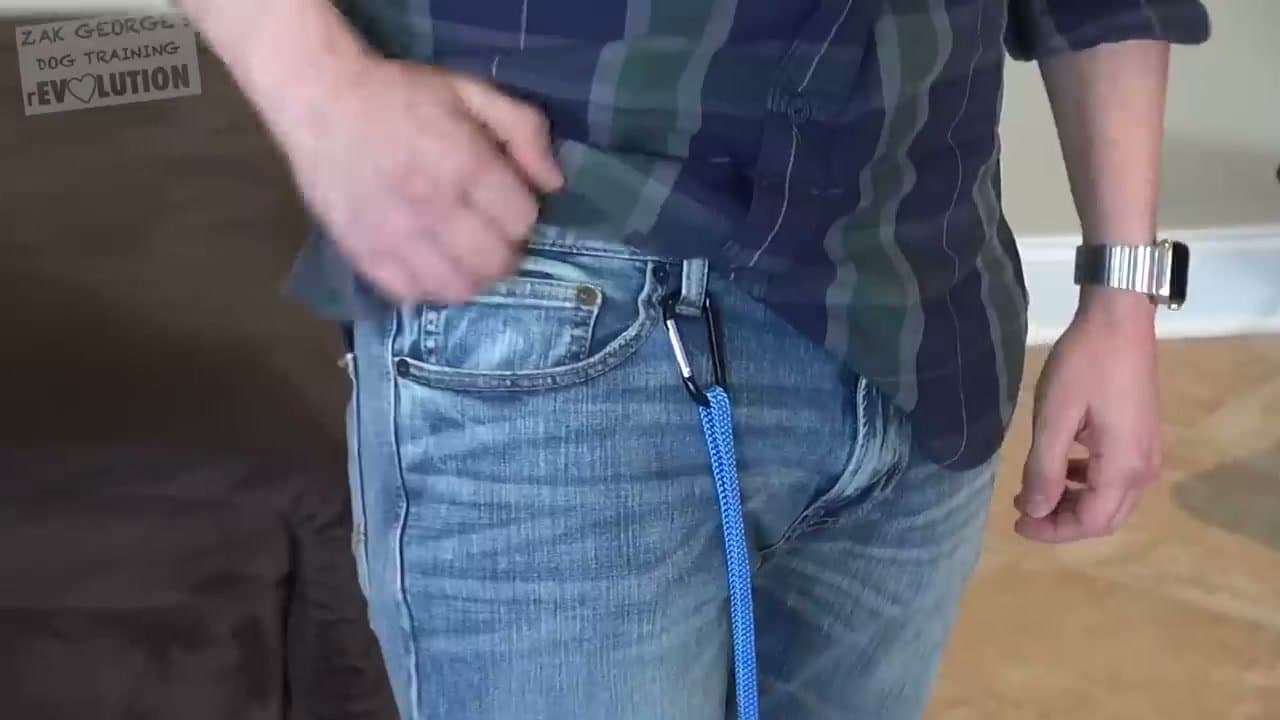
Step 2: Keep the Puppy Close With a Leash or Gates

Dogs instinctively avoid going where they sleep, but a whole house is too big for a new puppy to see as one 'home.' Start by giving them access to just one room or area.

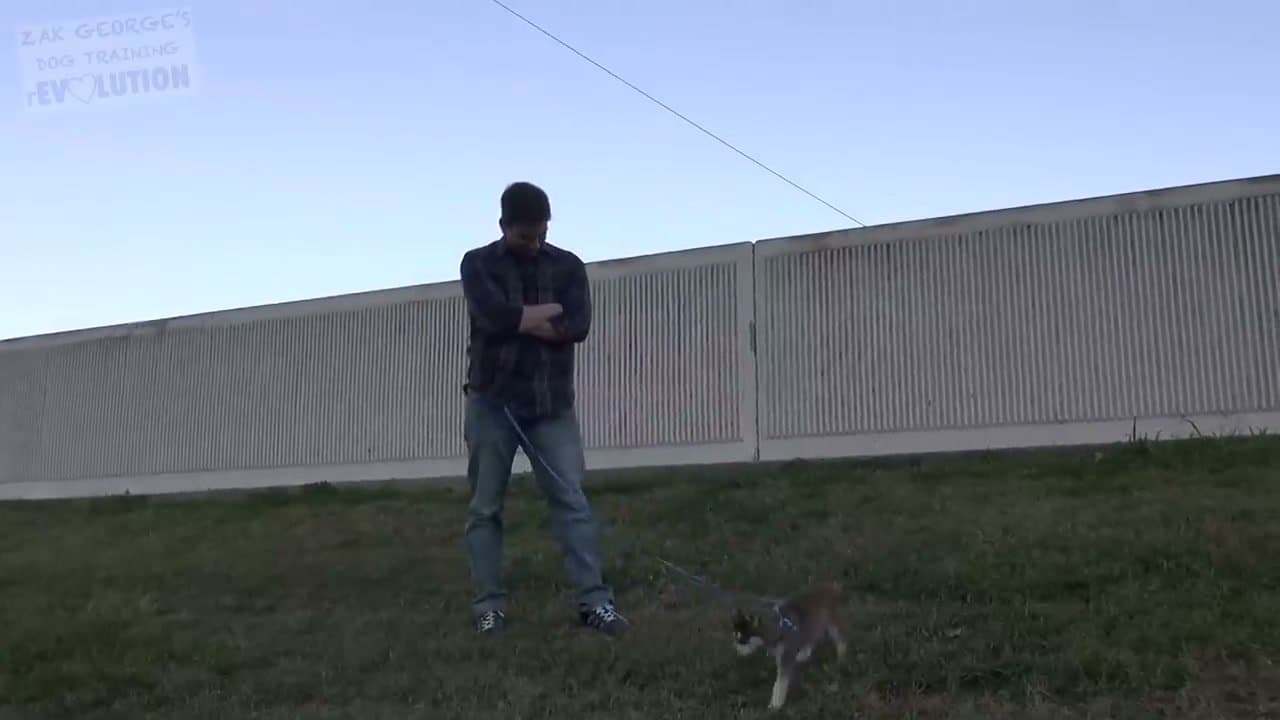
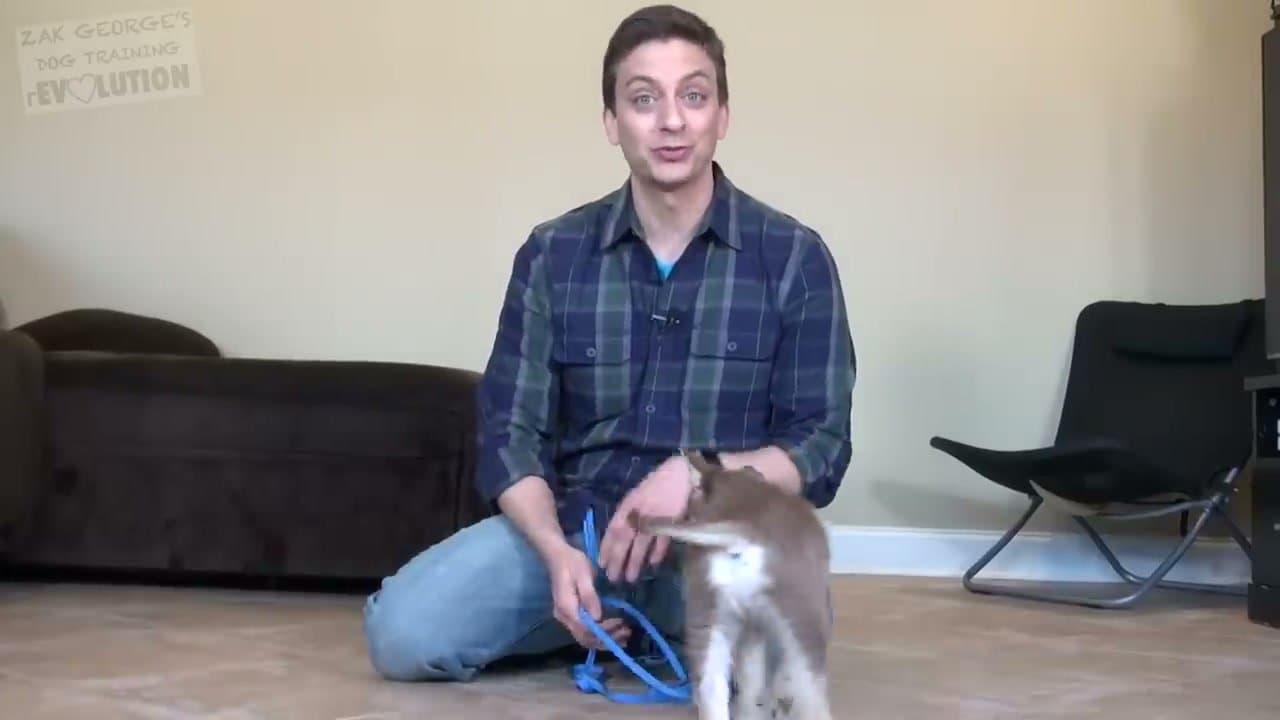
The easiest way to supervise constantly is to clip a six-foot leash from your belt loop to their harness - they can't wander off and you'll catch the signs (circling, sniffing, squatting) before an accident happens. Baby gates and a puppy playpen work when you can't tether them to you.

3

Introduce the Crate Gradually

3:30
Step 3: Introduce the Crate Gradually

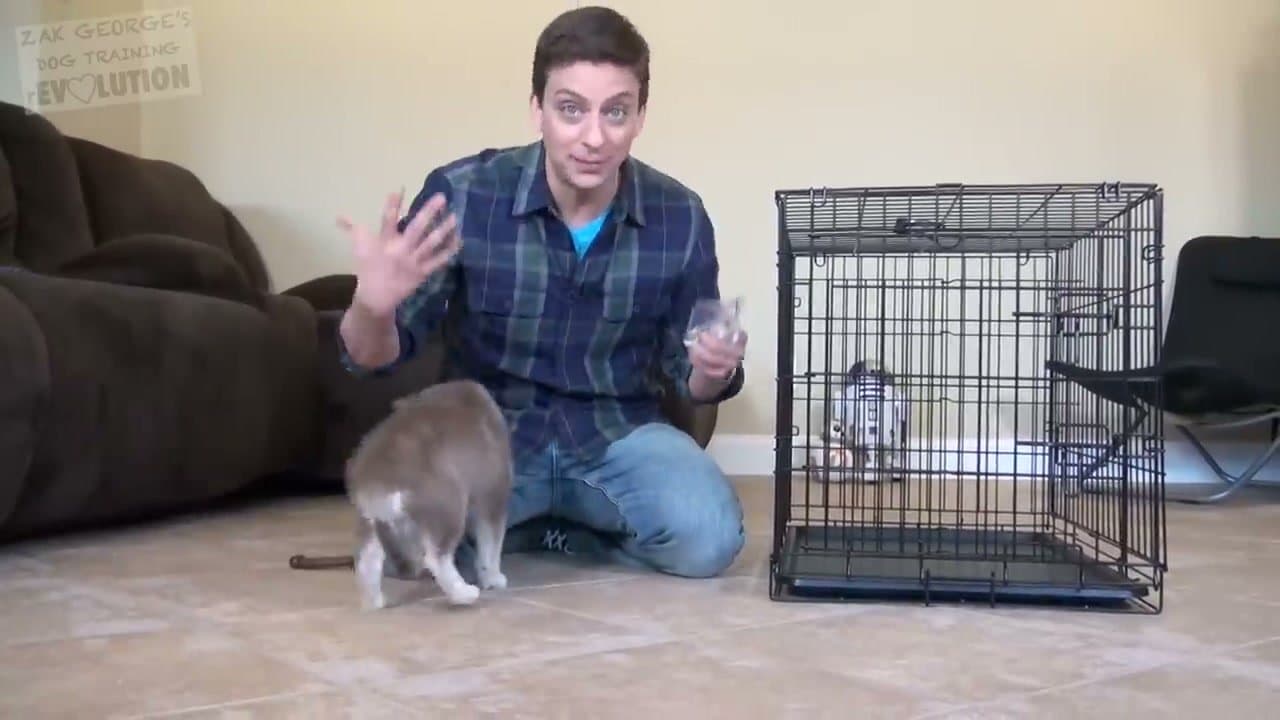
Set up a crate sized so your puppy can stand, turn around, and lie down comfortably - no bigger. Most wire crates come with a divider panel so you can start small and enlarge the space as the puppy grows.

Don't force them in. Toss treats just inside the open door, let them walk in on their own, and reward them for entering. Work up to closing the door briefly while you sit next to the crate. For the first few weeks, place the crate near your bed so the puppy isn't alone at night.

Tip

A crate should feel like a bedroom, not a jail. Keep a soft blanket and a safe chew toy inside. Never use it as punishment - that breaks the whole training foundation.

Products used in this step

4

Set the Potty Schedule

6:20
Step 4: Set the Potty Schedule

Take the puppy outside about once an hour during the day. Always go immediately after they wake up, after they eat, and after active play.

A good rule for how long they can hold it in the crate is one hour per month of age - a two-month-old can hold it maybe two hours at most. Most young puppies need one bathroom break in the middle of the night. Stay outside five to ten minutes and let them sniff - don't chatter at them, because talking becomes a distraction.

5

Reward Heavily the Second They Finish

6:47
Step 5: Reward Heavily the Second They Finish

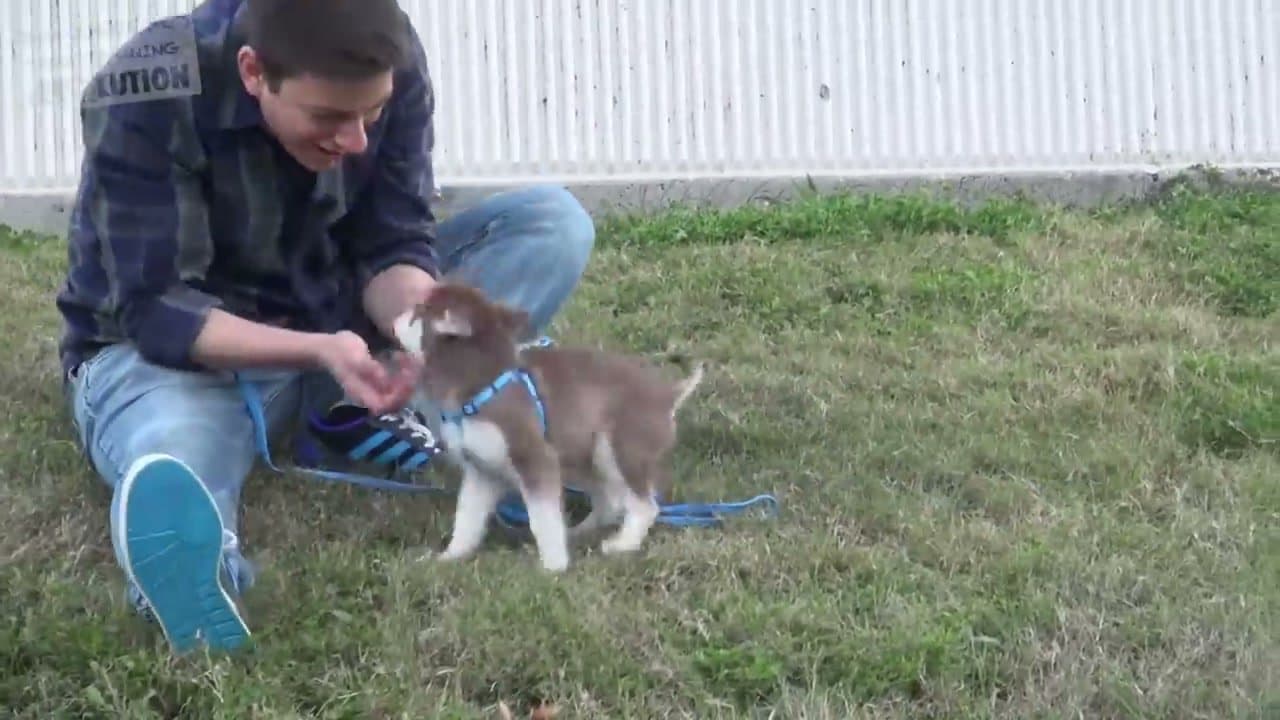
The instant the puppy finishes going outside, pour on the praise - enthusiastic voice, a high-value treat, or a short play session.

Timing matters more than anything else. Reward during or right after the act, not thirty seconds later when you're walking back to the door. Puppies learn by association - going potty outside has to become 'the most fun moment of the day' in their heads. Within a couple weeks most puppies will start leading you to the door on their own.

Products used in this step

6

Don't Punish Accidents

1:10
Step 6: Don't Punish Accidents

If you catch them mid-accident inside, scoop them up and rush outside to finish. If you find a puddle after the fact, just clean it up with an enzymatic pet cleaner - regular cleaner leaves a scent trail the puppy will return to.

Don't rub their nose in it, don't yell, don't punish. An accident means you weren't watching closely enough or missed a cue. Fix your supervision, not the puppy. Skip puppy pads unless outdoor access is genuinely impractical - pads teach the puppy that inside is sometimes okay, which is the opposite of what you want.

Tip

Submissive or excitement peeing (during greetings, when scared) is separate from potty training. Most puppies outgrow it by 12-18 months.

Products used in this step

Products Used

Your Guide

Zak George’s Dog Training Revolution

As an Amazon Associate we earn from qualifying purchases. Links on this page may be affiliate links - clicking them and buying doesn't change your price, but helps support ShowMeStepByStep.

Related Tutorials