Most people wash a car in the wrong order with the wrong tools and grind a season of fine scratches into the paint doing it. Done properly it takes about thirty minutes, costs roughly $40 in supplies that last years, and leaves the finish better than any automatic wash.
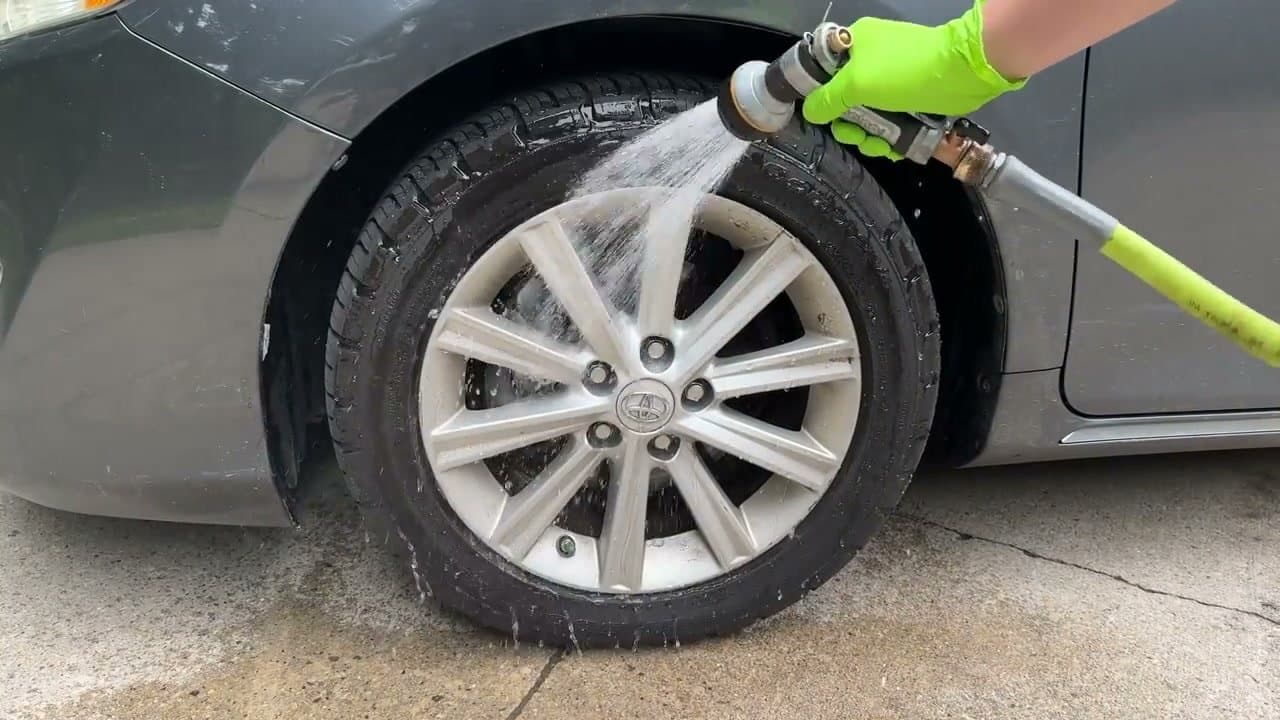
Wheels first, and here is why
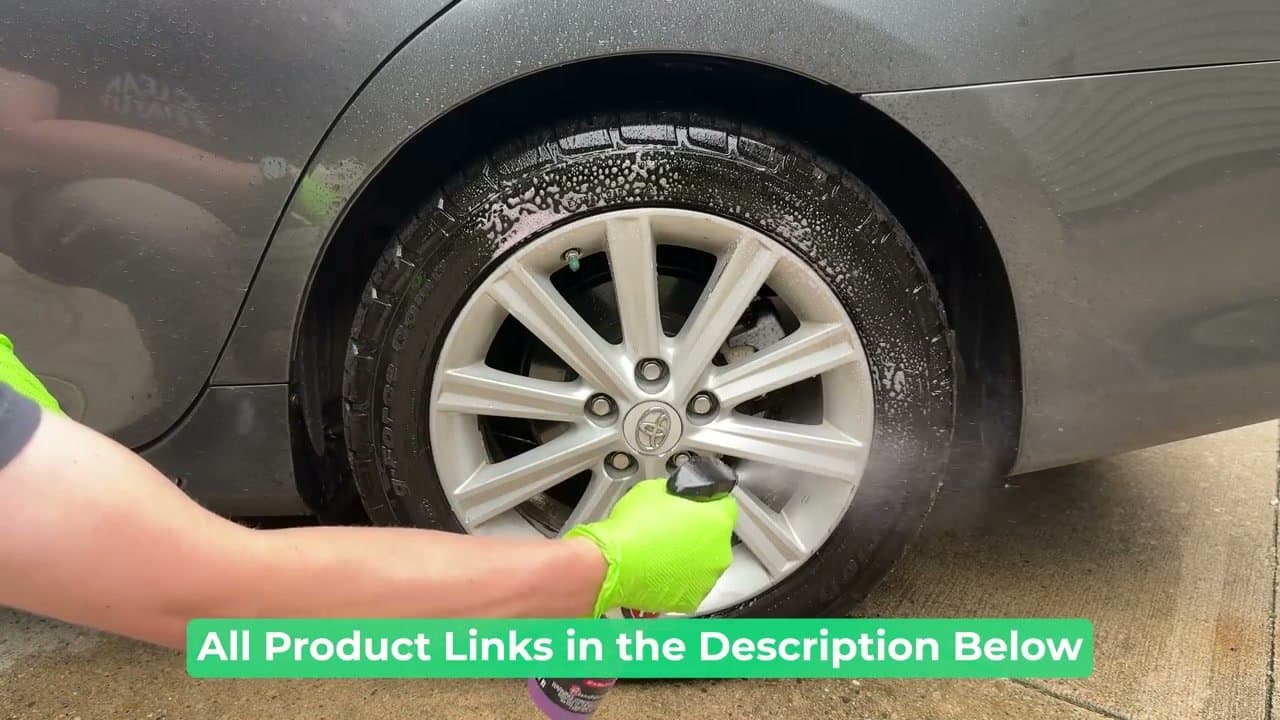
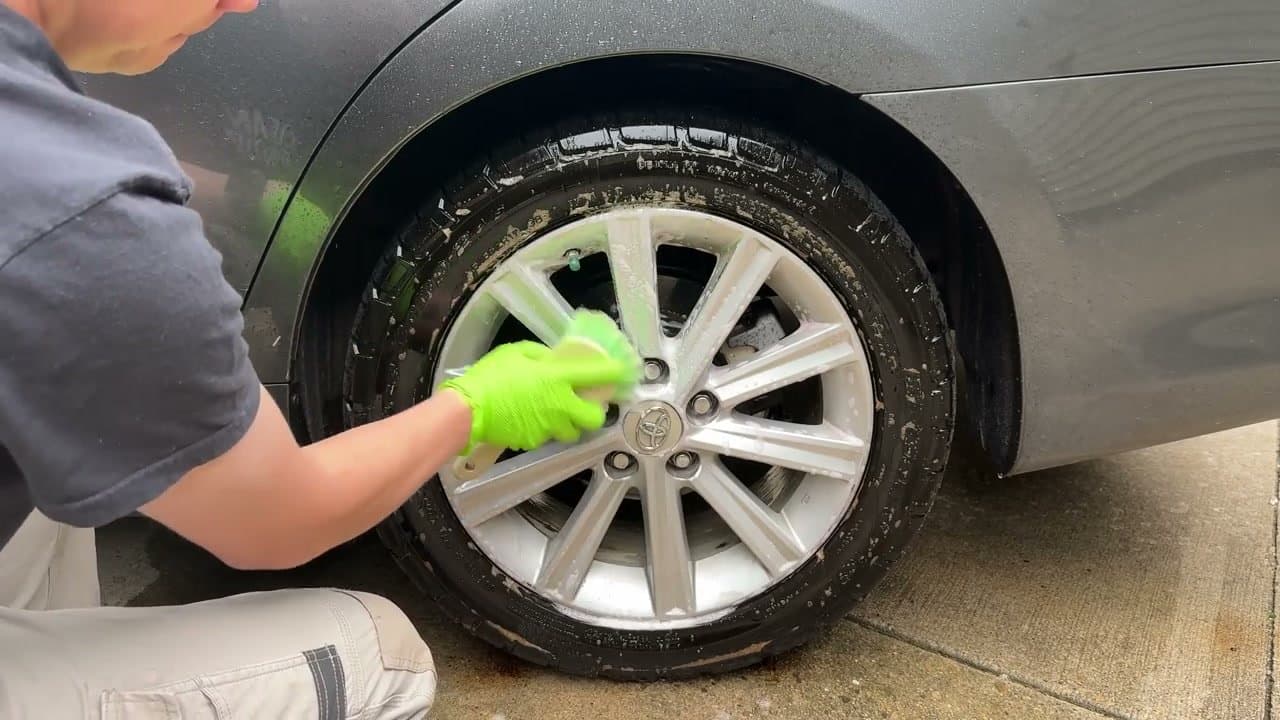
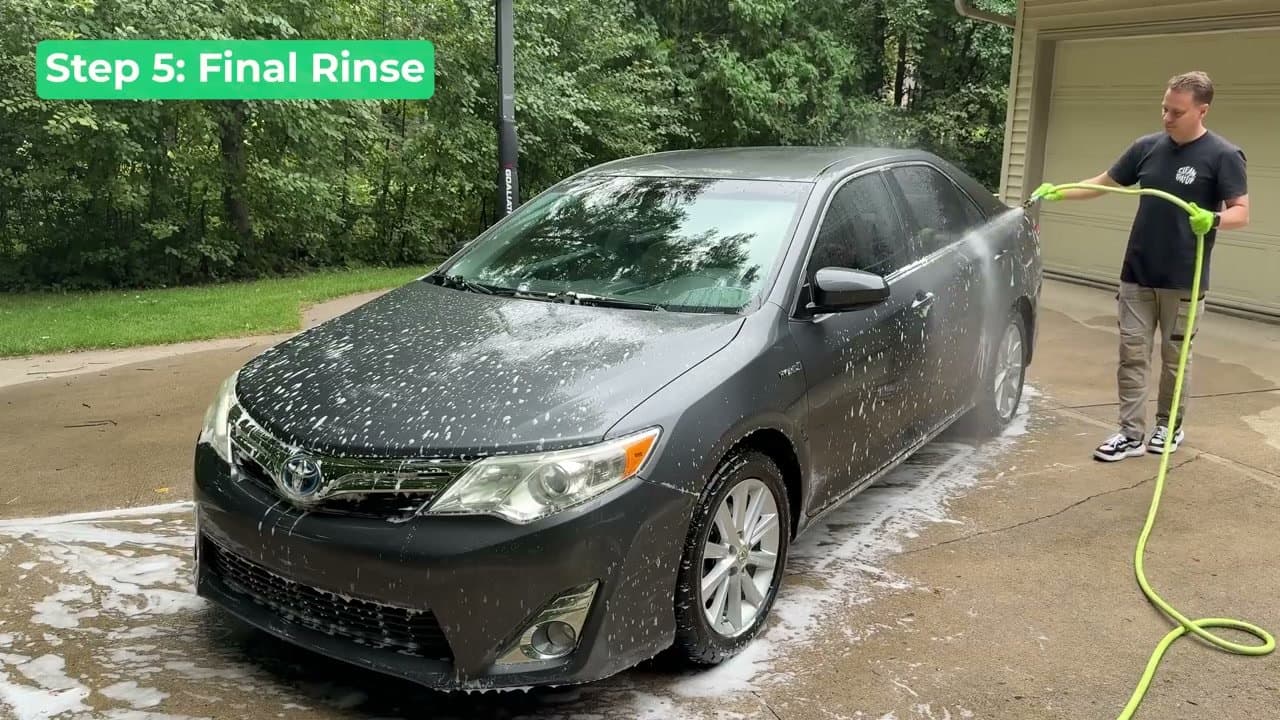
Wheels carry brake dust, which is iron filings and road grit. Wash them after the paint and you drag that grit up the panels on the same mitt. Wheels first, with their own brushes that never touch the bodywork, is the single biggest thing separating a good wash from a damaging one.
Let wheel cleaner sit the time the bottle says before agitating. It needs to dissolve the bonded brake dust, and scrubbing early just means scrubbing grit.
The two-bucket method
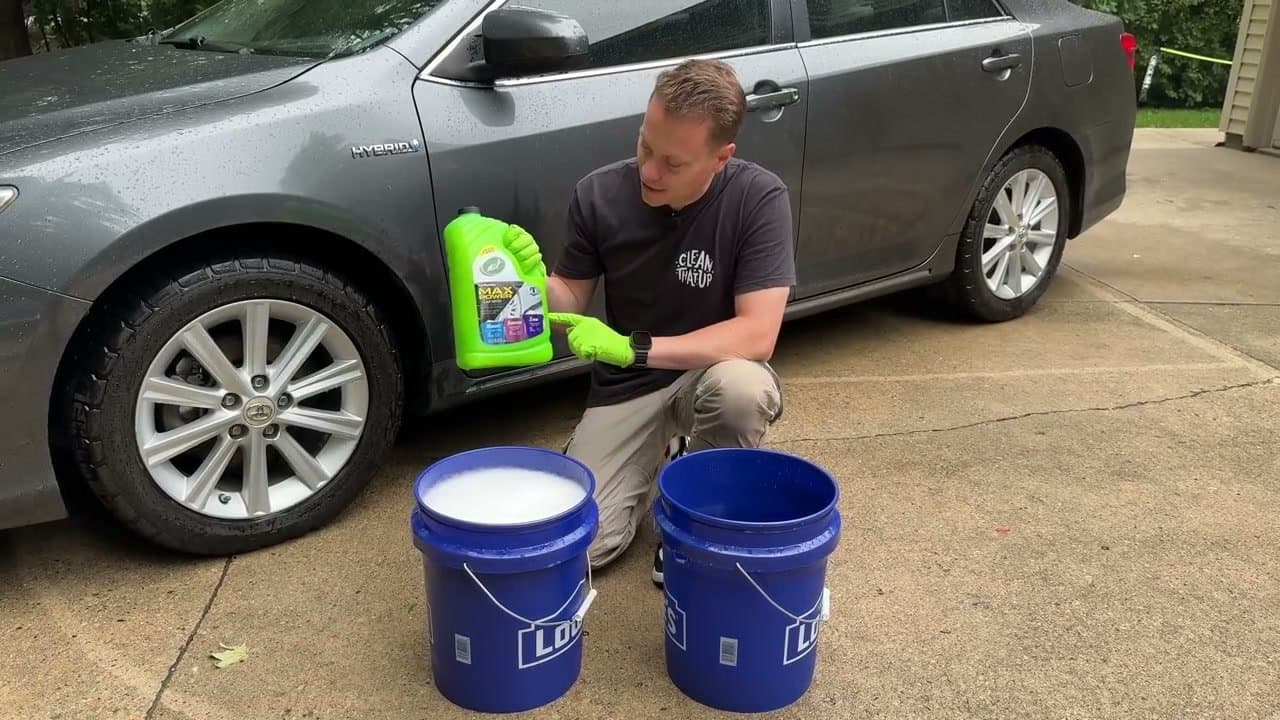
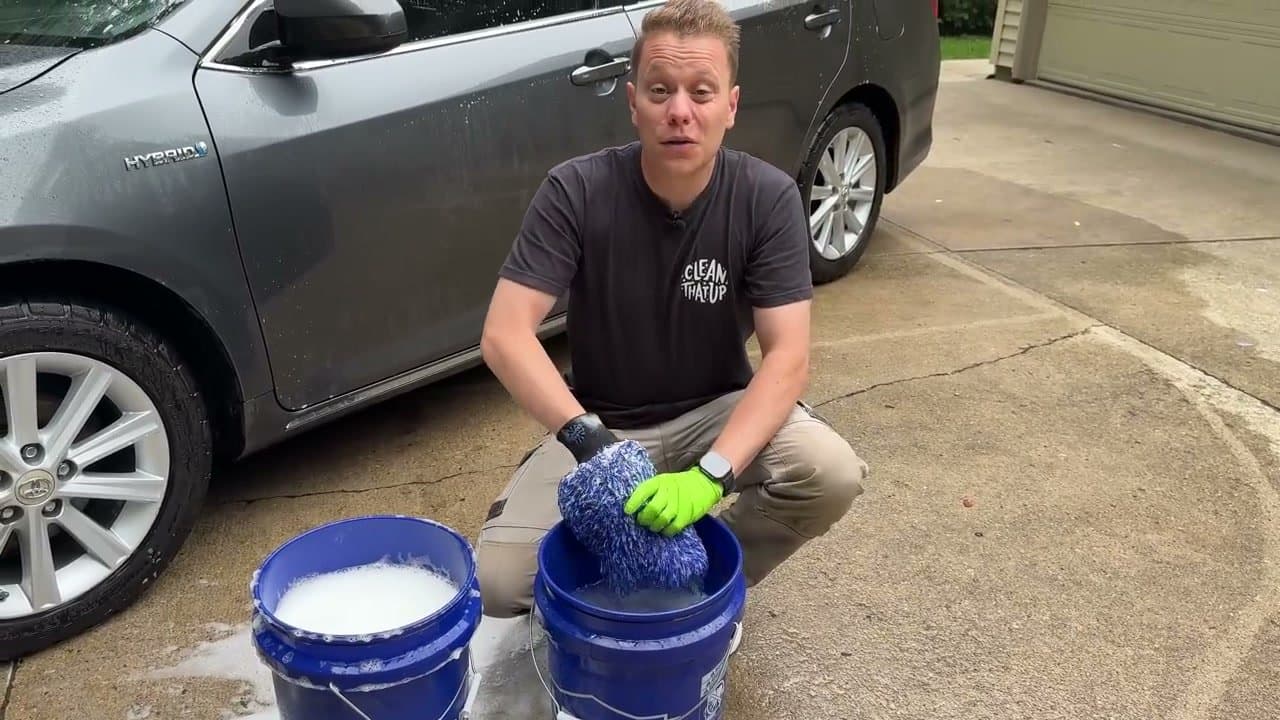
One bucket holds soapy water. The other holds plain rinse water. The mitt goes soap, panel, rinse bucket, soap again. Every time it goes back to the rinse bucket, the dirt it just picked up drops out there instead of going back into your soap.
Grit guards in the bottom of both buckets trap what falls off so it does not get stirred back up. That is a $15 addition that does more for your paint than any wax.
Top down, straight lines
Gravity moves dirt downward, so working roof to sills means you are always washing the cleanest remaining panel. Rocker panels and the lower bumper are filthiest and come last.
Wash in straight lines, front to back, not circles. Any fine scratch you do put in will run in the direction of airflow and be far less visible than a swirl. Circular motion is what produces the spiderweb pattern you see under petrol-station lights.
Never wash in direct sun
Soap that dries on the panel leaves a film that is harder to remove than the dirt was, and water drying on hot paint leaves mineral spots that etch in. Early morning, evening, or in shade. If the panel is hot to the touch, wait.
Dry immediately
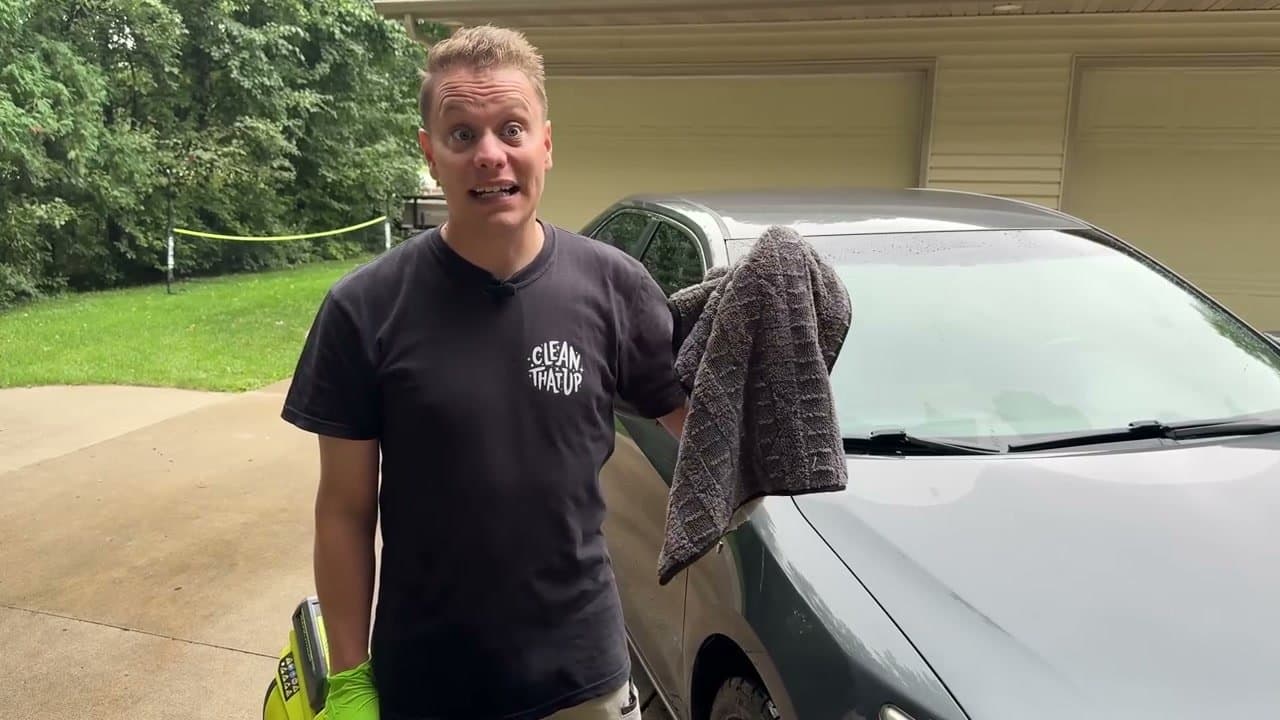
Air-drying is how you get water spots, especially with hard water. A large plush microfibre drying towel laid flat and drawn across the panel beats rubbing, and a leaf blower gets water out of mirror housings, grilles and badge recesses where it would otherwise dribble out an hour later.
Do not use an old bath towel. Cotton loops are abrasive enough to mar clear coat.
How often
Every two weeks is plenty for most cars. Sooner if the car has been through road salt, sat under trees, or collected bird droppings, which are acidic enough to etch clear coat within days in warm weather.
The rest of the basics
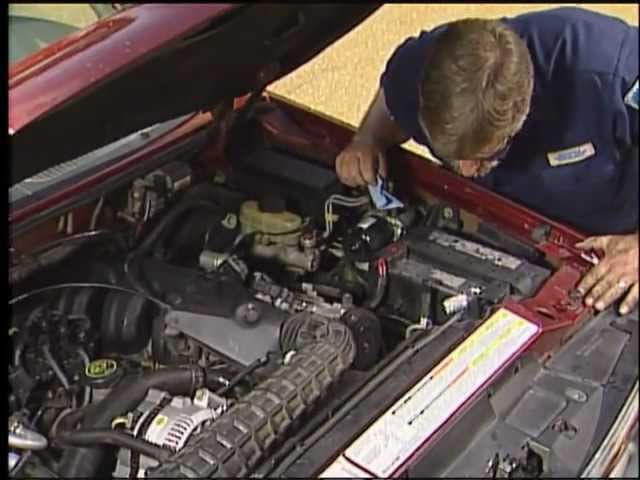
Car care compounds. Checking your oil and tire pressure take five minutes between washes, rotating tires keeps the wear even, and changing a tire is the one you want to have practised before you need it.