How to Fold a Sweater: 3 Methods for Drawers, Shelves, and Hangers

Also in:Adulting

By ShowMeStepByStepPublished Updated

Based on a video by Tor from Organizing TV.

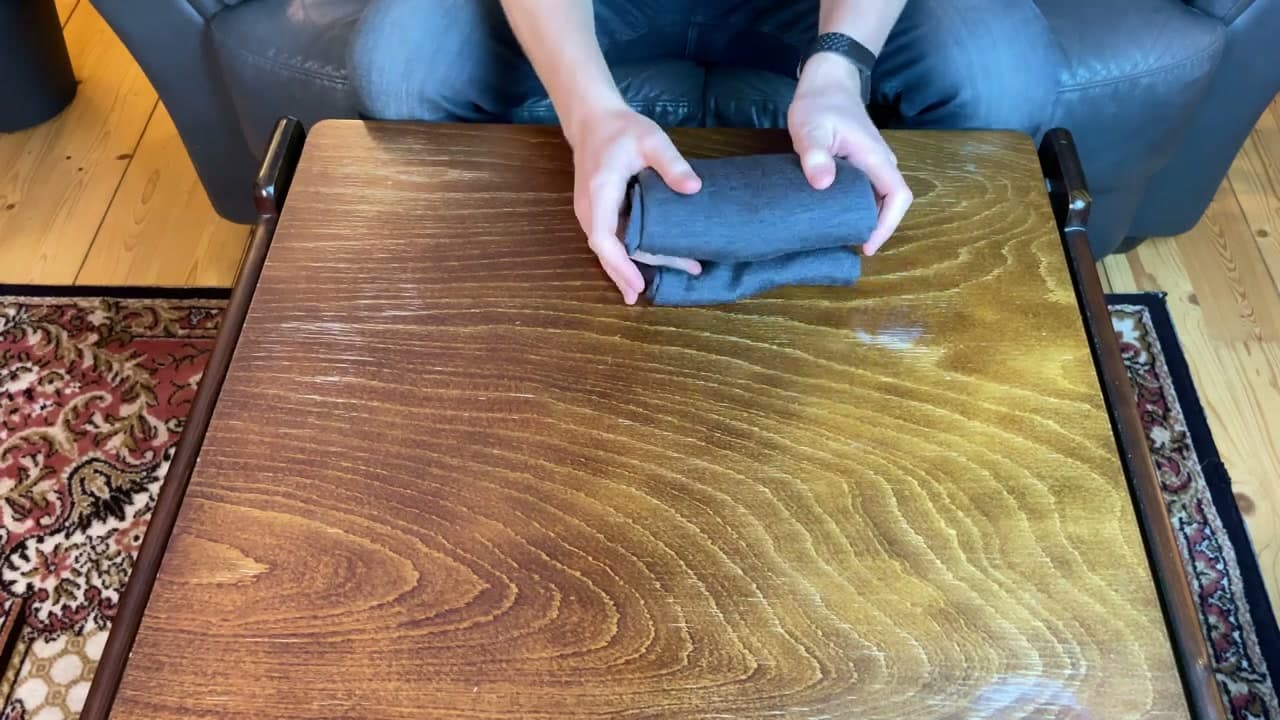
How to fold a sweater the right way changes everything about how a closet feels. A pile of sweaters on a shelf collapses into a slumped wedge within a week. A drawer of horizontal stacks means you pull the bottom one out and the top six topple. Folding each sweater into a self-locking shape - rectangle, roll, or file - holds the shape on its own.

This walkthrough covers three methods from Tor at Organizing TV, plus a quick KonMari file-fold to round out the set. Method 1 is the clean shelf-stack fold for cardigans and any open-front sweater. Method 2 is a tight hoodie roll that doubles as a travel pillow. Method 3 is the military roll - the tightest cylinder you can get from a regular sweater - plus a faster drawer-friendly variation. Pair it with our fitted sheet fold walkthrough, our dedicated hoodie fold, our dress shirt fold, our pocket square folds, and our dress pants fold, and the whole linen closet starts to behave.

One last note before you start. Cotton, cashmere, and wool all behave differently under a tight fold. Cotton holds creases hardest - great for the military roll, less great if you wear the sweater the next day. Wool springs back fast but stretches under tension over weeks - skip the locking military pocket for wool and use the drawer-box variation instead. Cashmere wants the gentlest fold; pick Method 1 or the KonMari file-fold for anything pricey.

Step-by-Step Guide

1

Method 1: Lay the Cardigan Face-Down and Quarter-Fold the Body

0:36
Step 1: Method 1: Lay the Cardigan Face-Down and Quarter-Fold the Body

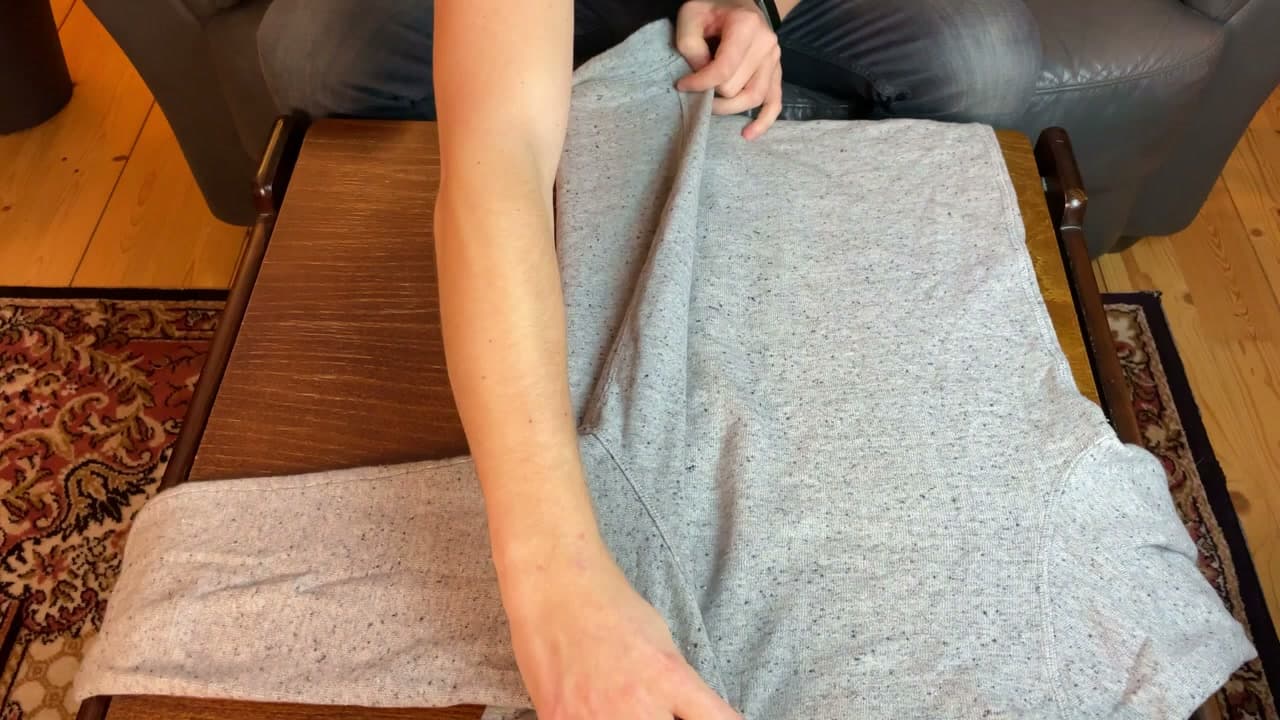
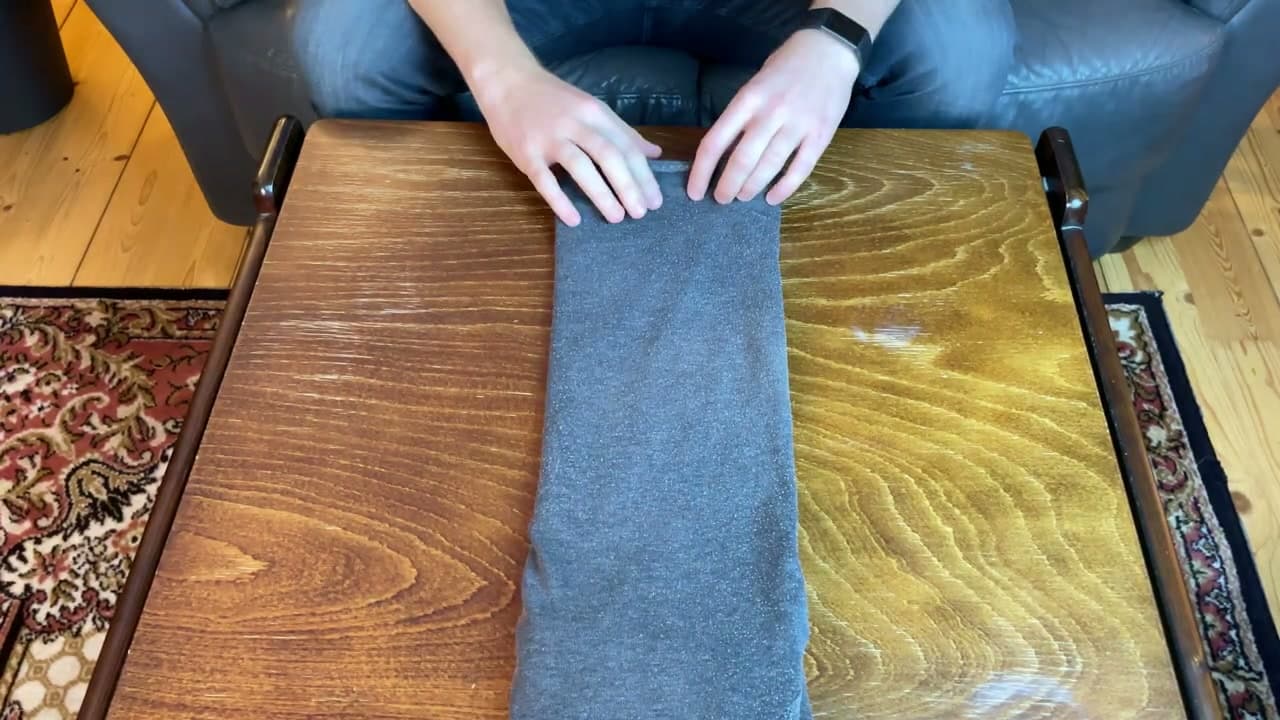
Cardigans are the trickiest sweater to fold neatly because the open front never wants to stay closed on its own. Start by laying the cardigan flat on a table with the front buttons facing down. Smooth out wrinkles, especially at the shoulders.

Visually split the body into four equal vertical sections. Take the left edge and fold it inward one quarter of the way toward the center. Repeat on the right side. The two panels should meet near the middle of the back. This narrow strip is the foundation for the shelf-stack fold and works on any open-front sweater - cardigans, button-downs, even unzipped fleeces.

Tip

Button at least the top button before you start folding. It keeps the front from peeling open in the middle of the fold.
2

Method 1: Fold the Sleeves Down and Bring the Body Into Thirds

0:47
Step 2: Method 1: Fold the Sleeves Down and Bring the Body Into Thirds

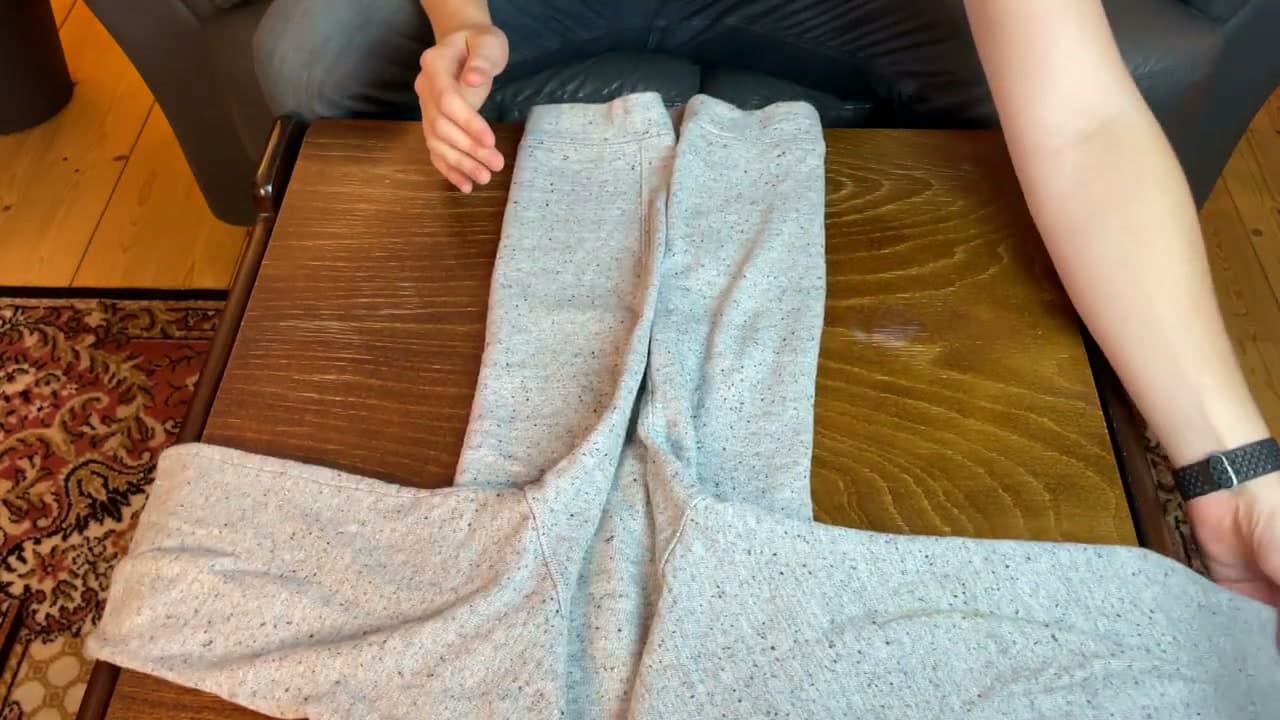
With the body in a strip, take each sleeve and fold it straight down along the side seam. The cuff should sit at the bottom hem. If a sleeve runs long, fold it back up on itself so nothing hangs over the edge.

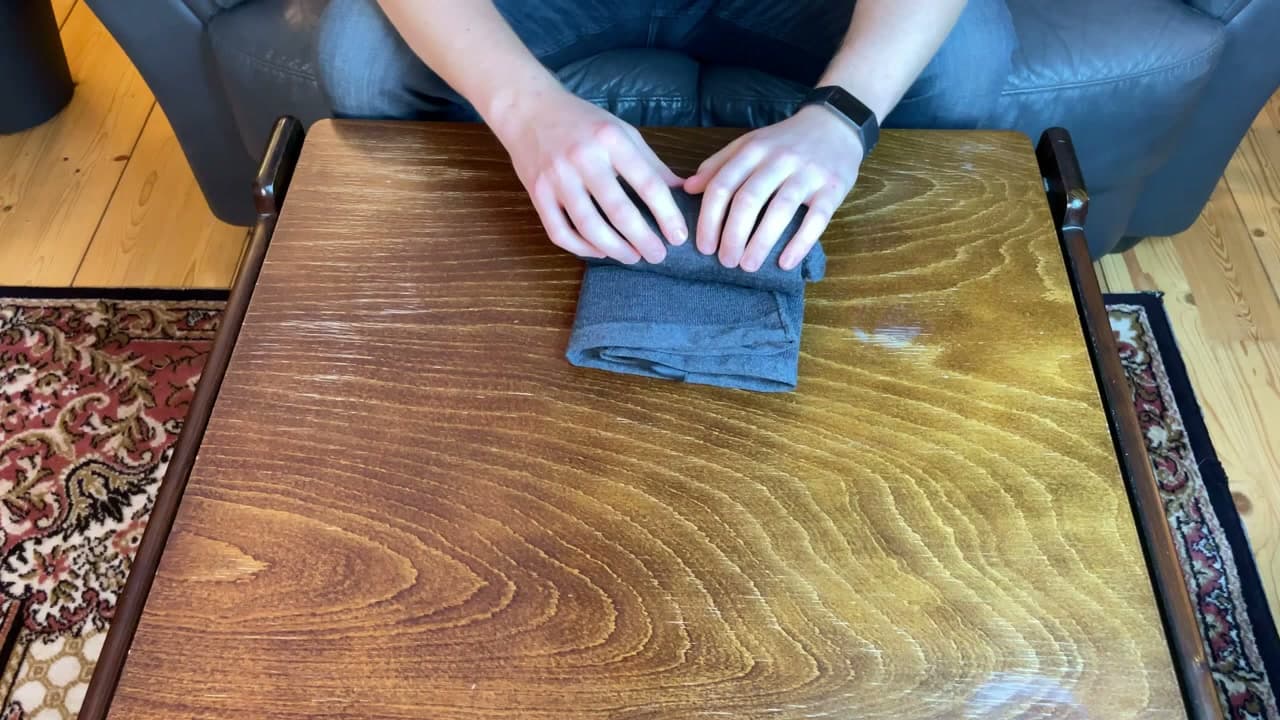
Now split the length into three equal sections. Start at the bottom hem and fold up one third, then bring the top third down over that. You end up with a neat rectangle roughly the size of a folded T-shirt. It stacks cleanly on a shelf without unraveling. This is the cleanest fold for shelf storage, especially if you stack four or five sweaters in a column inside a fabric storage bin.

Tip

Start the bottom fold first, not the top fold. Tor demos this in the video - folding bottom-up holds the cardigan together more nicely than folding top-down.

3

Method 2: Set Up the Hoodie Face-Up and Fold the Sleeves Across

2:10
Step 3: Method 2: Set Up the Hoodie Face-Up and Fold the Sleeves Across

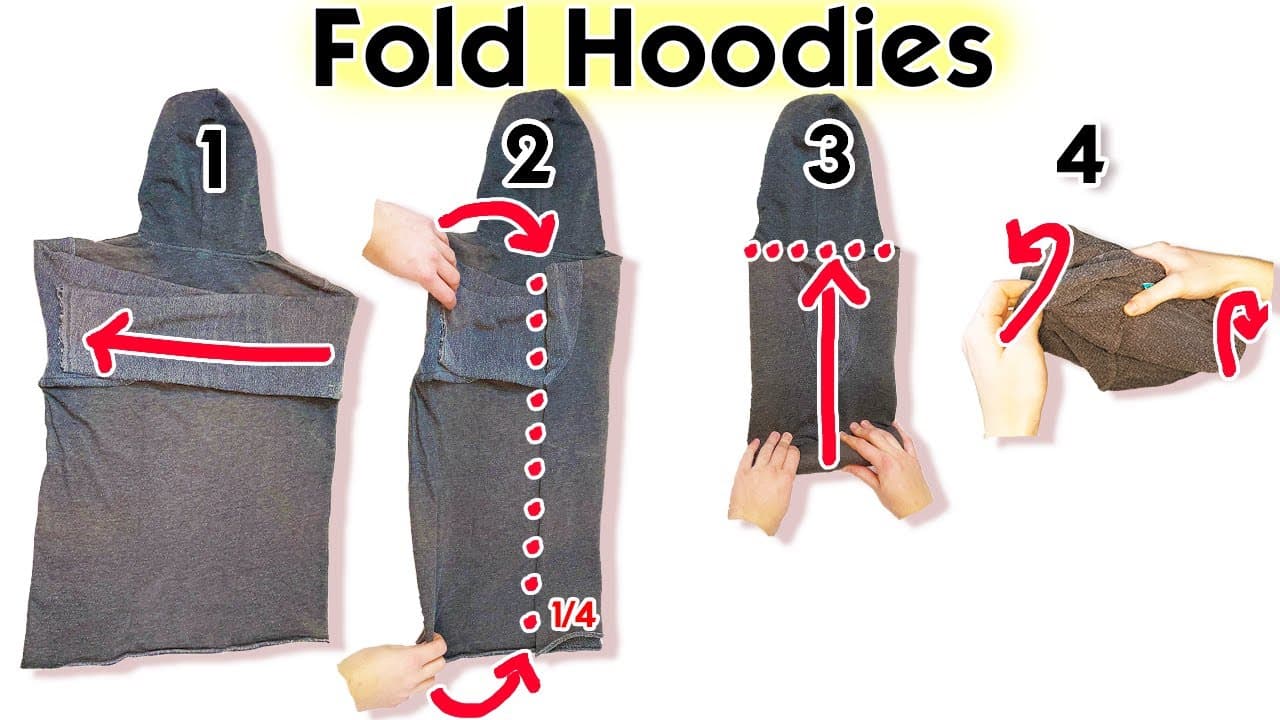
For the hoodie, flip the orientation. Lay the hoodie face-up with the hood at the top of your work surface. Smooth out any bunching at the shoulders and across the chest.

Fold each sleeve across the body toward the opposite side, laying them flat on top of the front. If the sleeves run long enough to hang off the other edge, fold them back down at the elbow so they sit flush. Then bring the left and right sides of the body in one third of the way each, so the whole hoodie forms a long narrow strip from the hood at the top to the hem at the bottom. This is the setup for the roll that finishes the fold and locks itself.

Tip

Lay the drawstrings flat down the center of the hoodie before you start folding. They tuck in cleaner and the finished roll looks neater.

4

Method 2: Roll From the Hem and Tuck the Hood to Lock It

2:40
Step 4: Method 2: Roll From the Hem and Tuck the Hood to Lock It

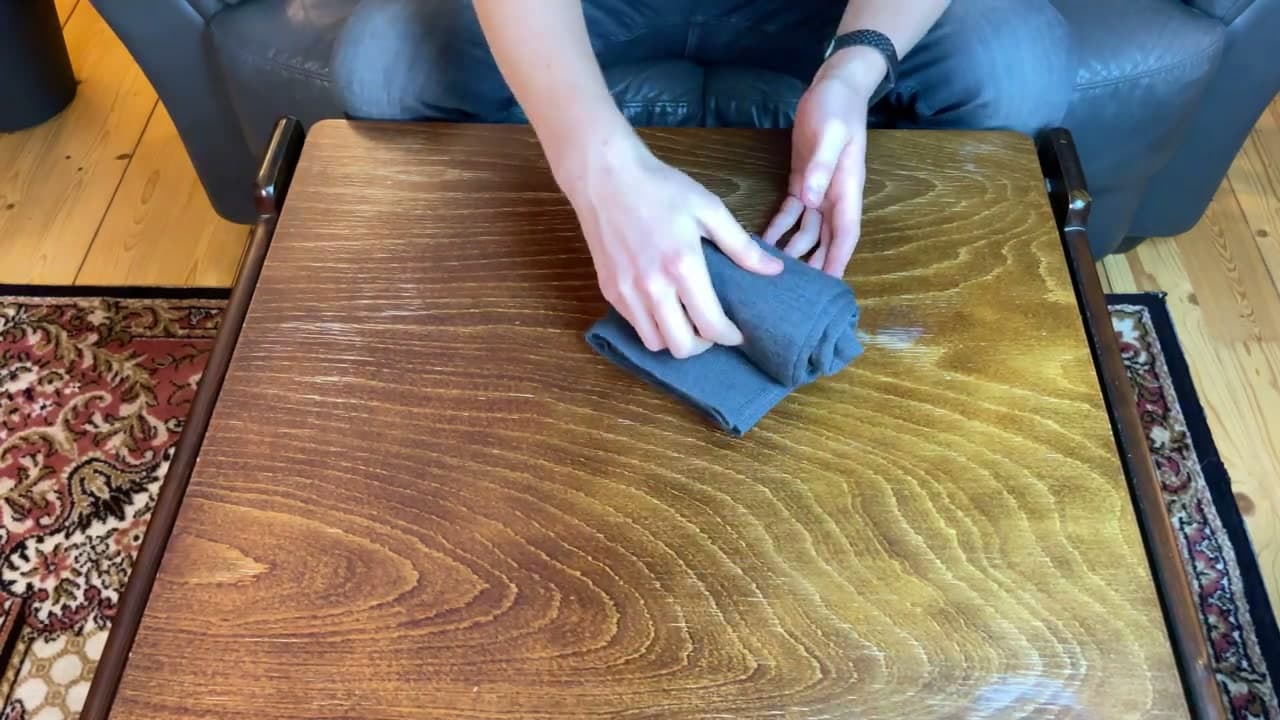
Starting at the bottom hem of the long strip, roll the hoodie upward toward the hood. A tighter roll saves more drawer or suitcase space but creates more wrinkles. If you're packing for tomorrow, ease up on the tension. If it's a hoodie you won't wear for a month, roll it tight.

When the roll reaches the hood, pull the hood up and over the entire bundle. Tuck the edges around so the hood wraps the roll like an envelope. This locks the whole thing in place - no rubber bands, no ties, nothing slipping. It also doubles as a perfectly serviceable travel pillow. Stuff one in your carry-on instead of a neck pillow.

Tip

If your hood still has drawstrings, cinch them lightly after wrapping. The pulled cords double-secure the roll and keep it from loosening in a packed suitcase.

5

Method 3: Military Roll a Regular Sweater for Maximum Compactness

4:30
Step 5: Method 3: Military Roll a Regular Sweater for Maximum Compactness

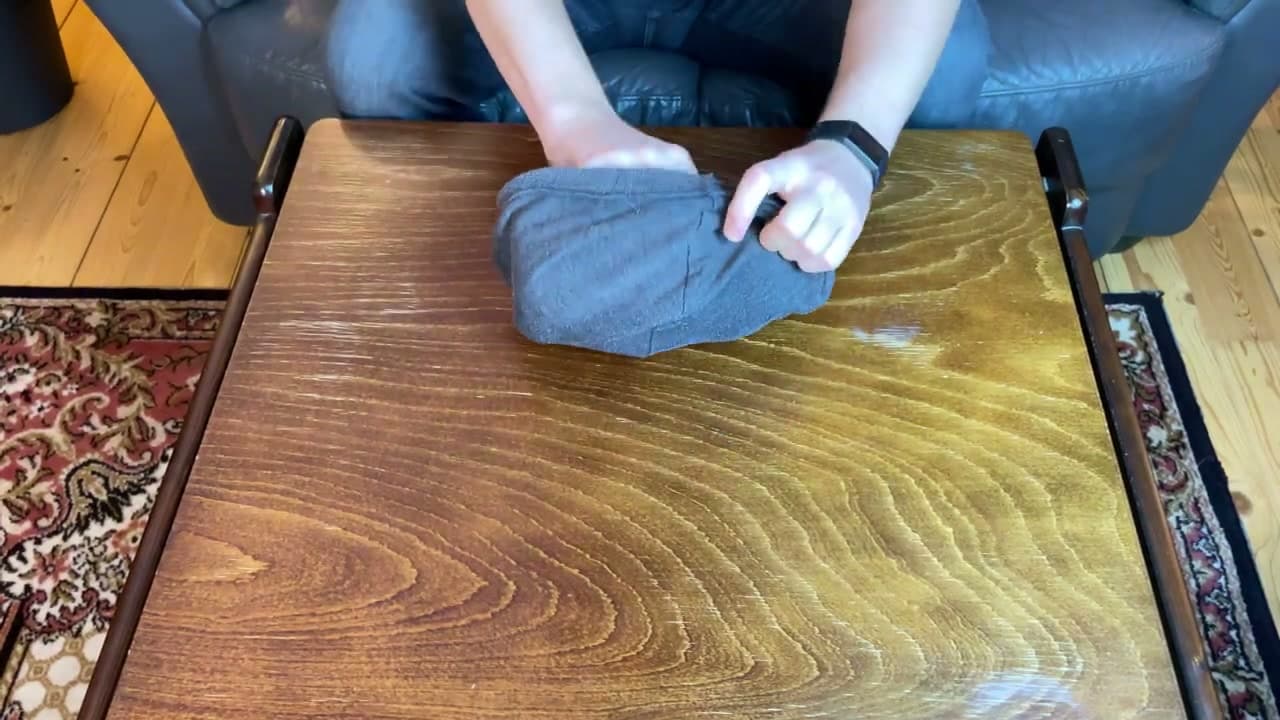
The military roll is Tor's personal favorite and the tightest cylinder you can get from a regular crewneck sweater. Start with the sweater face-down. Lift the bottom hem and fold it back over the body about seven centimeters (three inches) - pulling that small section inside-out. This creates a pocket at the bottom that becomes the lock at the end.

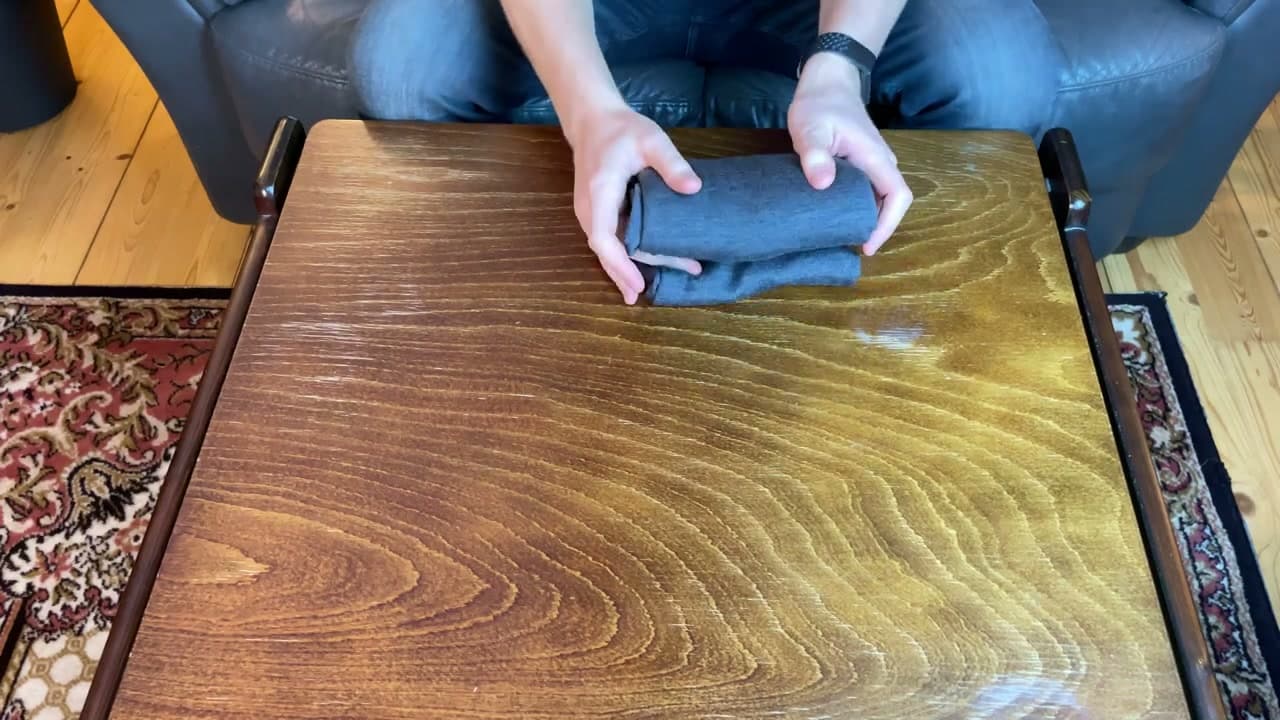
Now fold the sleeves over the body the same way as the hoodie, then bring each side in one third. Flip the sweater so the pocket is at the top. Roll tightly from the top down toward where the pocket sits. When you reach the bottom, pull the inside-out pocket over the entire roll. The pocket flips outside-in and wraps the cylinder. No ties needed - it holds its shape on its own and stays locked even when shaken.

Tip

Reserve more bottom-hem space on big sweaters. Tor uses seven centimeters on a large sweater; small sweaters need less, oversized hoodies need more. Too short a pocket and it won't stretch over the finished roll.

6

Method 3 Variation: Skip the Pocket Lock and Use an IKEA Drawer Box

5:58
Step 6: Method 3 Variation: Skip the Pocket Lock and Use an IKEA Drawer Box

The full military roll is great for travel but harsh on fabric over weeks. The locking pocket stretches the fibers, and pure wool or cashmere doesn't bounce back from sitting under that tension for months. Tor's better long-term version: do the setup the same way - sleeves in, sides folded one third - but skip the inside-out pocket entirely.

Just roll the sweater up loosely without locking anything. It will want to unravel once you let go. Drop the unsecured roll into an IKEA SKUBB drawer box or any small fabric storage bin. The walls of the box hold the rolls upright next to each other. Pull one out and the rest stay in place. Almost the same space savings as the military roll, far easier on the fabric, and noticeably faster to fold.

Tip

The original IKEA boxes Tor uses are SKUBB - cheap, washable, and they sit perfectly in standard drawers. Two narrow ones fit side-by-side in most dressers and turn a chaotic drawer into a row of visible sweaters.

7

Method 4: KonMari File-Fold for Vertical Drawer Storage

6:55
Step 7: Method 4: KonMari File-Fold for Vertical Drawer Storage

The KonMari file-fold finishes the set. It's not a roll - it's a compact rectangle that stands on its own edge. Lay the sweater flat, fold the sides in one third on each side, then fold the sleeves down so they sit inside the strip. Fold the sweater in half lengthwise (bottom up to top), then fold it once more so the final shape is a small block roughly the size of a paperback book.

Stand the blocks upright in a drawer side-by-side, like books on a shelf. Every sweater is visible at a glance, and pulling one out doesn't disturb its neighbors. The file-fold works best on cotton blends and lighter knits that hold a crease. Pure wool tends to flop over - pair wool sweaters with a drawer divider or pack them tighter so they brace each other.

Tip

If a sweater won't stand on its own, the fold isn't tight enough. Re-fold one more time across the middle to compress it further. Most cotton and acrylic blends stand fine after the standard four folds.

Products Used

Your Guide

Tor from Organizing TV

As an Amazon Associate we earn from qualifying purchases. Links on this page may be affiliate links - clicking them and buying doesn't change your price, but helps support ShowMeStepByStep.

Tags

Test your knowledge

Did the lesson stick? Find out in 2 minutes.

5 quick questions covering what you just read. No signup, no score saved — just a gut check.

Quick reference

Key takeaways from How to Fold a Sweater: 3 Methods for Drawers, Shelves, and Hangers

5 questions, answers, and one-line explanations. Tap to expand.

  1. 1.Best fold for a cardigan that needs to stack on a shelf?

    Answer: Quarter-fold body then thirds (shelf-stack fold)

    Quarter-fold to a narrow strip, then fold in thirds - stacks cleanly without unraveling.

  2. 2.How should you lay a hoodie down before folding it?

    Answer: Face-up, hood at the top

    Face-up with hood at top so you can wrap the hood around the final roll.

  3. 3.How does the hoodie roll lock itself shut?

    Answer: Tucking the hood up and over the rolled bundle

    Pull the hood over the roll and tuck the edges - no rubber bands needed.

  4. 4.What does the inside-out 'pocket' do in the military roll?

    Answer: Locks the roll closed when you pull it inside-out at the end

    The inside-out pocket at the hem becomes the locking sleeve that wraps the rolled cylinder.

  5. 5.When is the KonMari file-fold the right pick?

    Answer: When you want every sweater visible at a glance in a drawer

    File-folded sweaters stand upright like books; you scan and grab without disturbing neighbors.

What's next

Related collections

Curated theme pages that include this tutorial.

Weekly Digest

Liked this lifestyle tutorial?

Pick the categories you want to hear about. Weekly digest of new step-by-step tutorials. No spam, easy unsubscribe.

Send me tutorials about

We only email about new tutorials. Easy unsubscribe anytime.