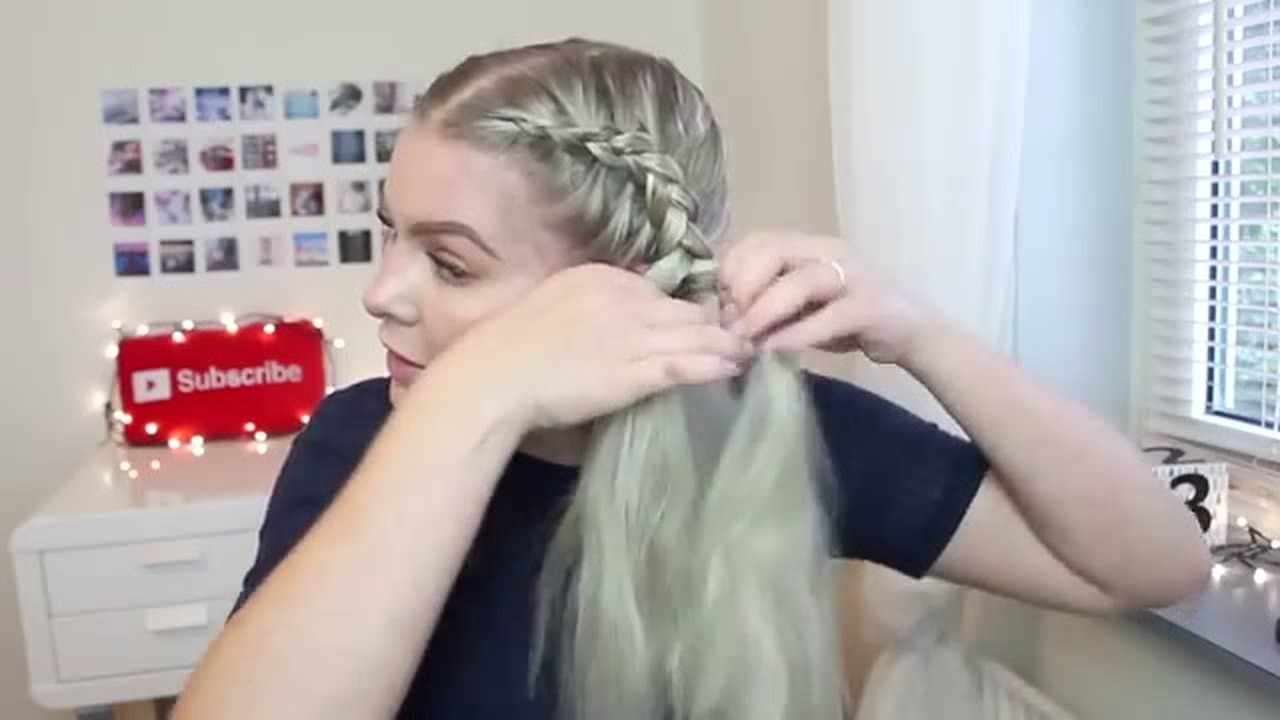
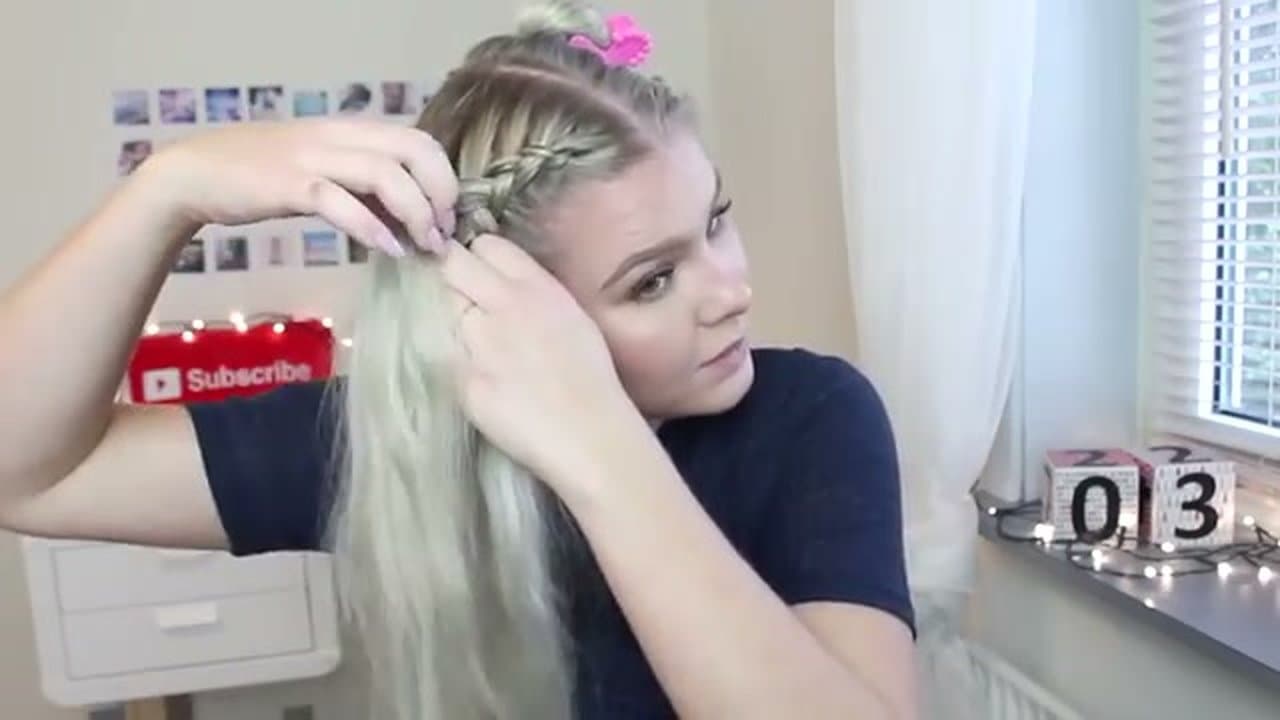
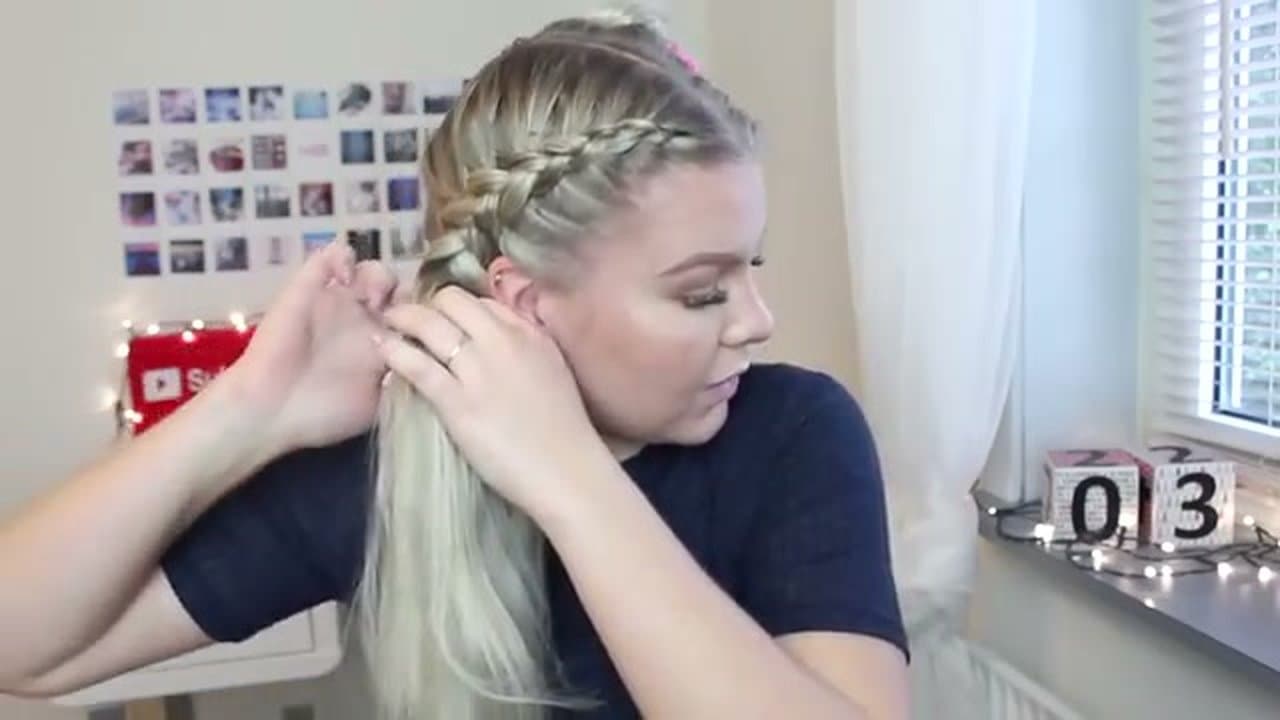
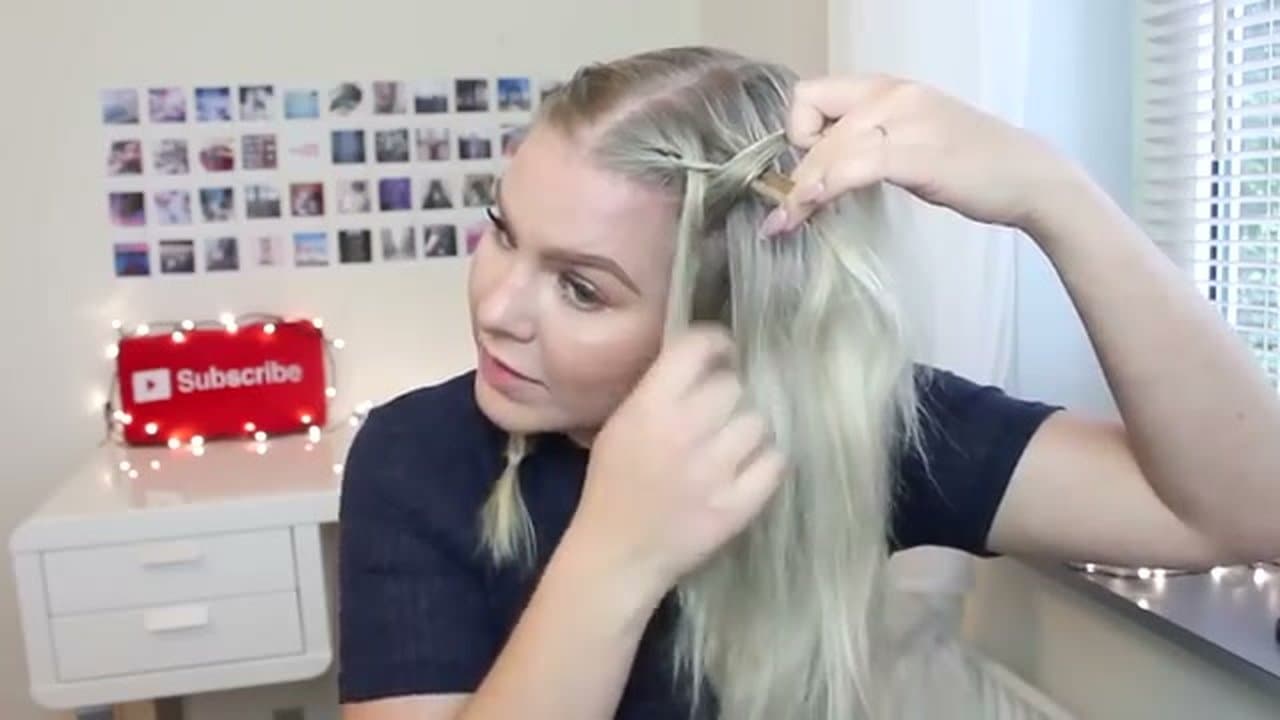
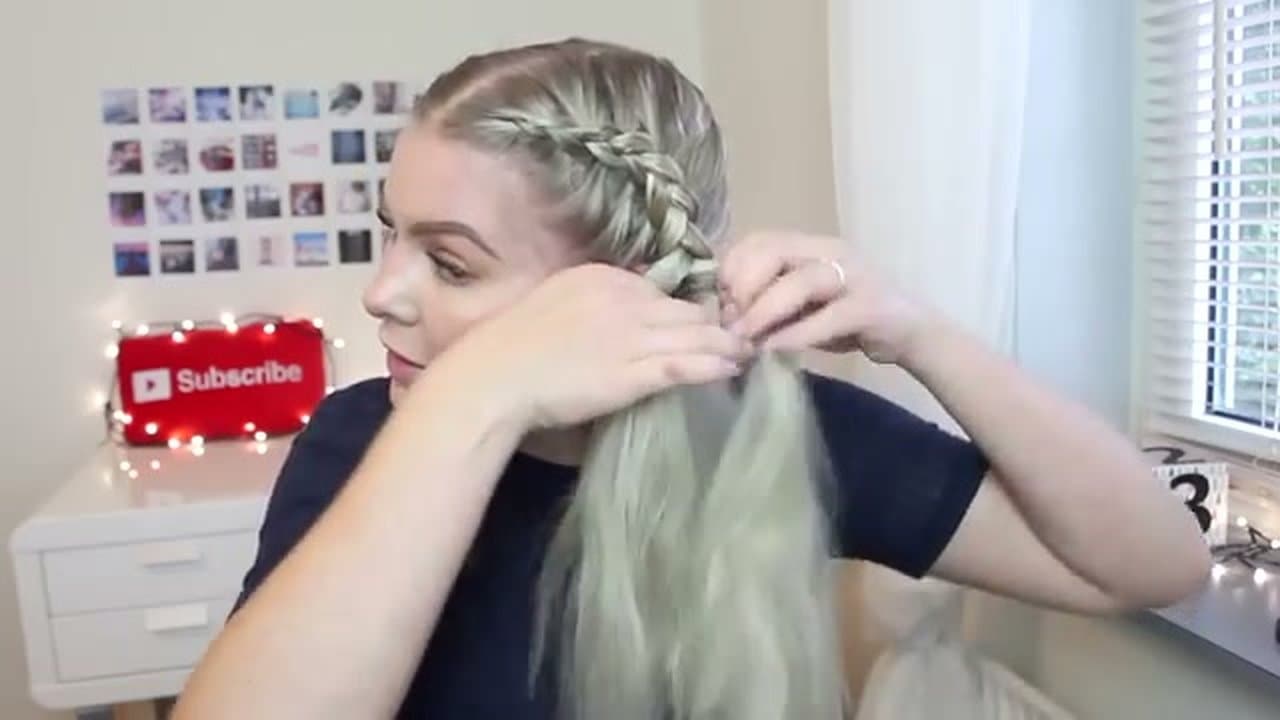
A Dutch braid is a French braid turned inside out. Both braids add hair as they go. The
difference is one word: a French braid crosses each side strand over the
middle, a Dutch braid crosses it under. That single change lifts the braid
so it sits on top of the head like a rope instead of lying flat against the scalp.
This walkthrough follows EverydayHairInspiration on YouTube, and it is built for doing the
braid on your own head, which is harder than braiding someone else. The first pass feels
clumsy. By the third row your hands find the rhythm and stop needing your eyes.
Plan on ten to fifteen minutes for one braid and about twenty for two. Day-two hair works
better than freshly washed hair. A little grit helps the strands grip each other.
Dutch braid vs French braid
People mix these up constantly, so here is the whole difference in one table.
| French braid | Dutch braid |
|---|
| Side strands cross | Over the middle | Under the middle |
| How it sits | Flat, woven into the scalp | Raised, on top of the hair |
| Also called | Classic plait | Inside-out braid, reverse French braid, boxer braid |
| Easier to learn | Slightly, because over feels natural | Takes a few tries to reverse the habit |
| Holds up | Good | Better, because the raised rope traps more hair |
If you already know a French braid, you know a Dutch braid. Do exactly what you do now and
send every strand under instead of over. Your hands will fight you for the first ten crosses.
Slow down, say "under" out loud if it helps, and keep going.
How to Dutch braid your own hair
The hard part of braiding your own head is that you cannot see your hands. Set yourself up
so you do not need to.
- Two mirrors. A hand mirror facing a wall mirror lets you check the back
without turning your head, which pulls the braid off centre.
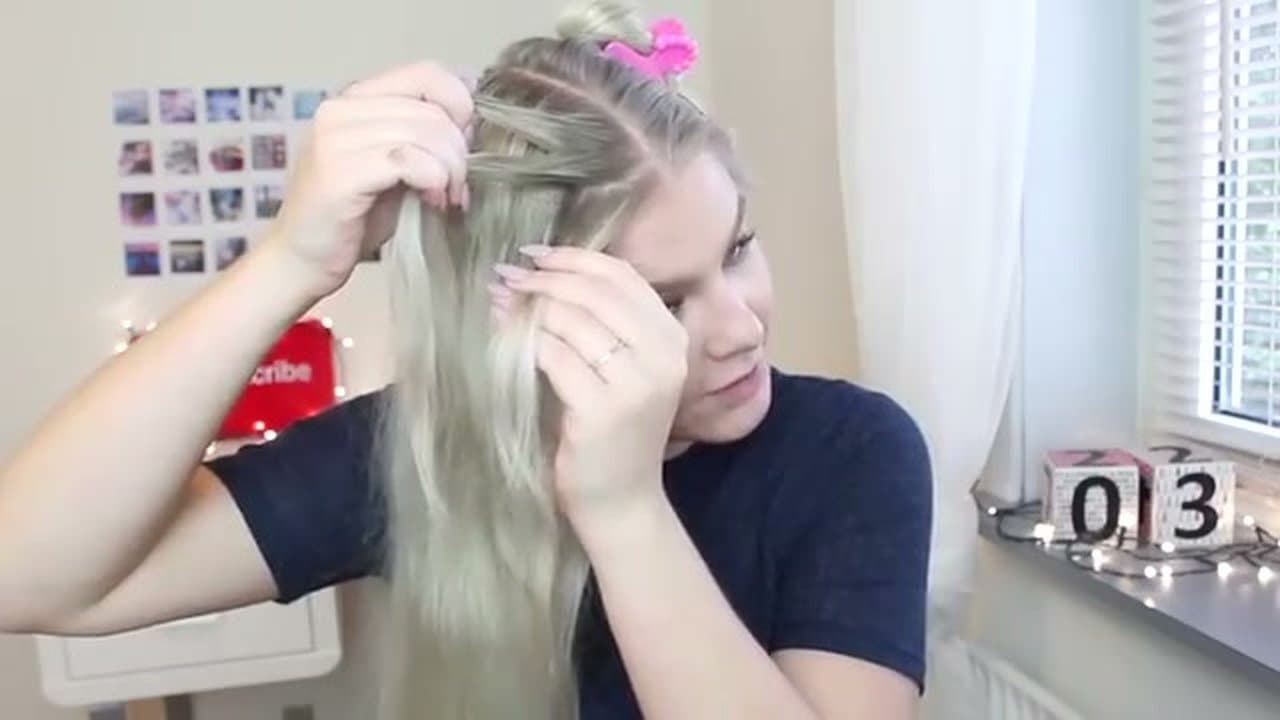
- Hand placement. Hold the three strands with the outer two pinched between
thumb and index finger and the middle one resting across your ring and little fingers. The
free index finger on each side is what scoops up new hair.
- Keep your elbows down. Arms up over your head tire in a minute. Braid with
your hands close to the scalp and your elbows near your ribs, then rotate your hands as the
braid travels down.
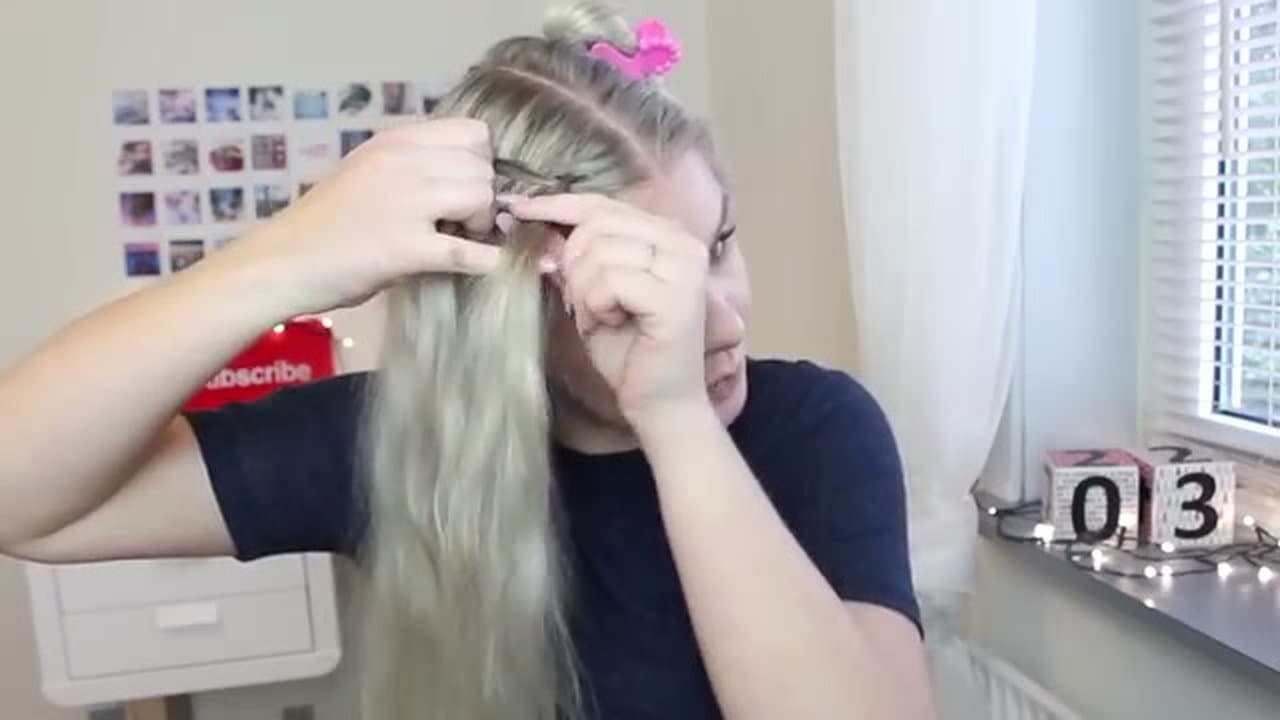
- Add hair with the same-side hand. Before you cross the right strand under,
the right index finger sweeps a thin section of loose hair from the hairline into it. Same on
the left. Never reach across.
- Thin sections. Each added section should be about the width of the strand
you are adding it to. Thick sections make the braid bulky at the top and thin at the bottom.
Practice the under-cross on a loose ponytail first, no adding. Once that feels automatic,
start adding hair. Learning both at once is what makes people give up.
Double Dutch braids
Two braids, one each side of a centre part, are the boxer-braid look. The method is identical
to a single braid, done twice.
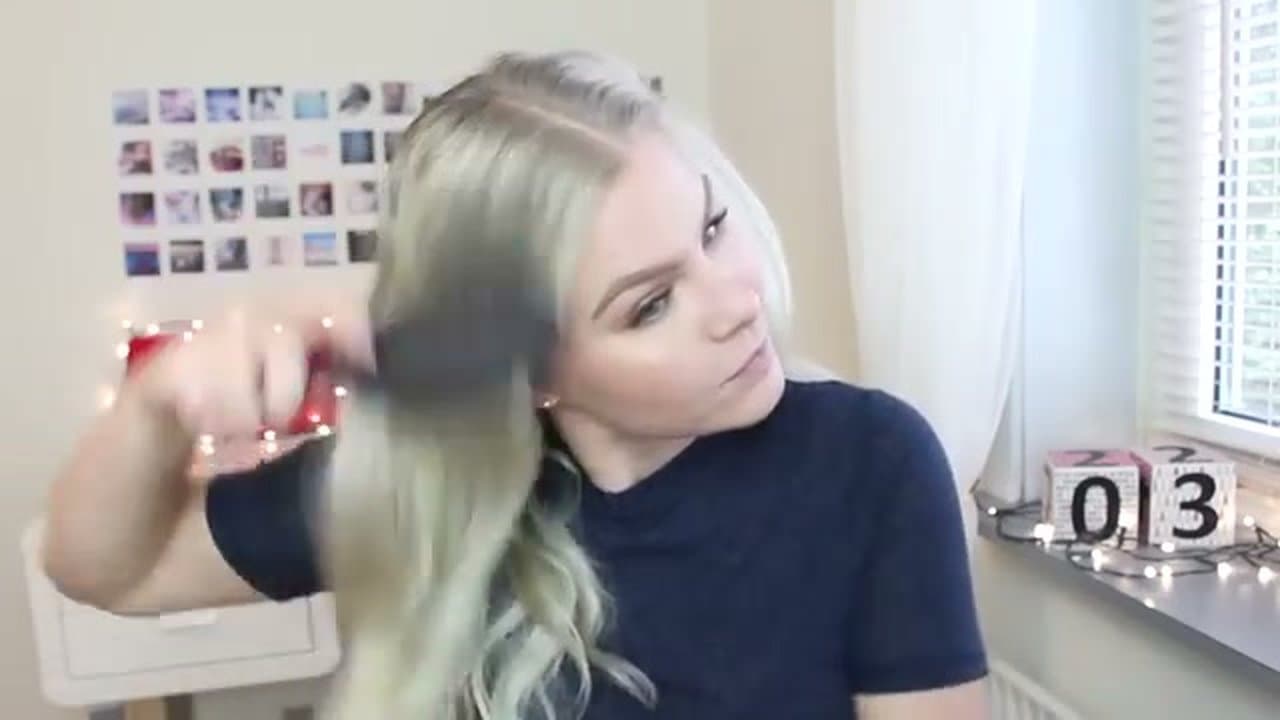
- Part the hair from the centre of the forehead straight back to the nape. Use the tail of a
comb, and check the part in the mirror before you start. A crooked part shows all day.
- Clip one side away so it cannot drift into the working braid.
- Braid the first side from the hairline down, adding hair only from that half of the head.
Keep the braid running along the part, not toward the ear.
- Repeat on the second side. Match the starting point and the tension to the first braid.
- Tie both off with clear elastics and gently tug the outer loops of each braid to fatten
them if you want the fuller look.
Pigtail Dutch braids stop at the nape and hang loose. For the boxer version, keep adding
hair all the way to the nape and then braid the tails to the ends.
Dutch braid on short hair
Chin-length hair can take a Dutch braid, but the layers will push out. Mist the hair with
water or a light hold spray before you start, braid tightly, and tuck the short ends under the
braid as you go. A couple of bobby pins at the nape hold the tail. Half-up styles work best on
short hair because the braid only has to survive from the hairline to the crown.
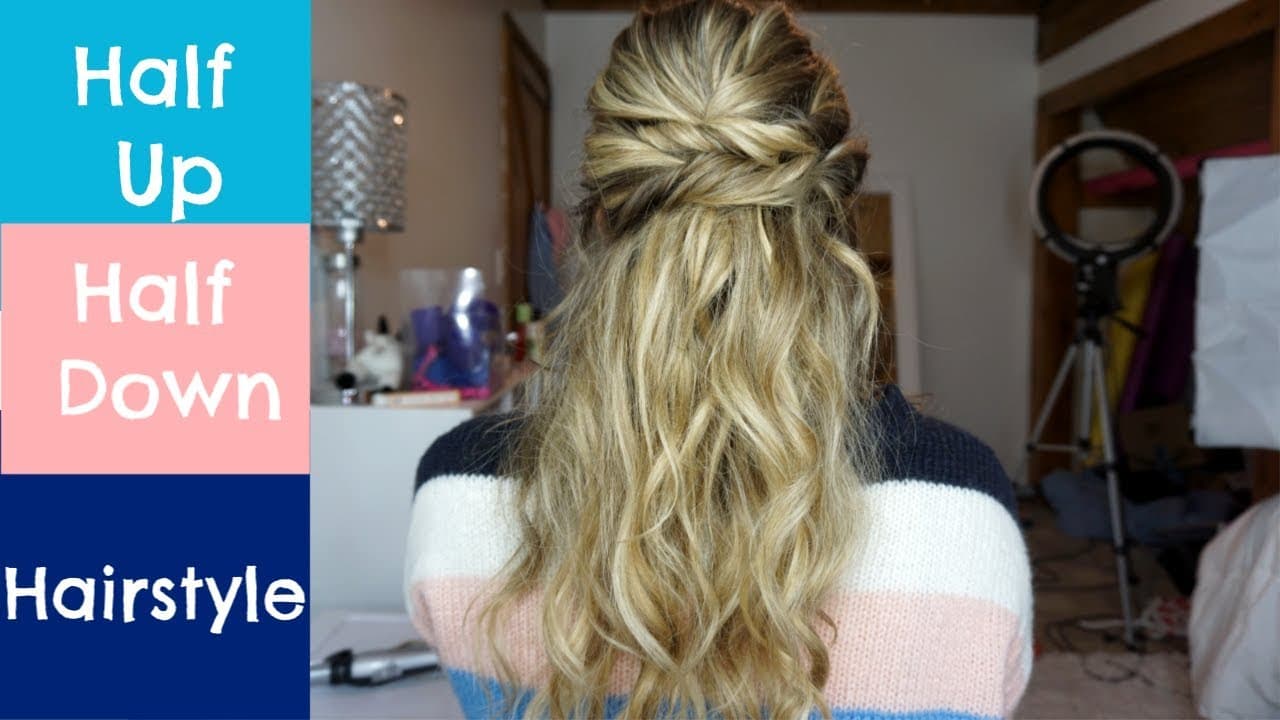
Dutch braid ponytail and half-up styles
You do not have to braid to the ends. Two variations that use the same seven steps:
- Half-up. Braid from the hairline to the crown, adding hair only from the
top third of the head, then tie the braid off and leave the rest loose.
- Braided ponytail. Braid from the hairline to the crown, gather the braid
and all the loose hair into a ponytail, and secure it with one elastic. The braid becomes a
raised stripe down the centre of the head.
Why the braid looks loose or flat
- It lies flat. You crossed over somewhere. Every cross has to go under.
Undo to the last raised section and redo from there.
- It is loose at the top. The starting strands were too big or you did not
pull tight on the first two crosses. Start with a section the size of a golf ball, not a
tennis ball.
- Gaps and bumps. Hair was added unevenly. Take the same amount each time and
smooth it against the head before crossing.
- It slides out in an hour. Hair was too clean and slippery. Dry shampoo at
the roots or a day of wear fixes it.
- One braid is fatter. The part was off centre. Repart with the comb before
the second braid.
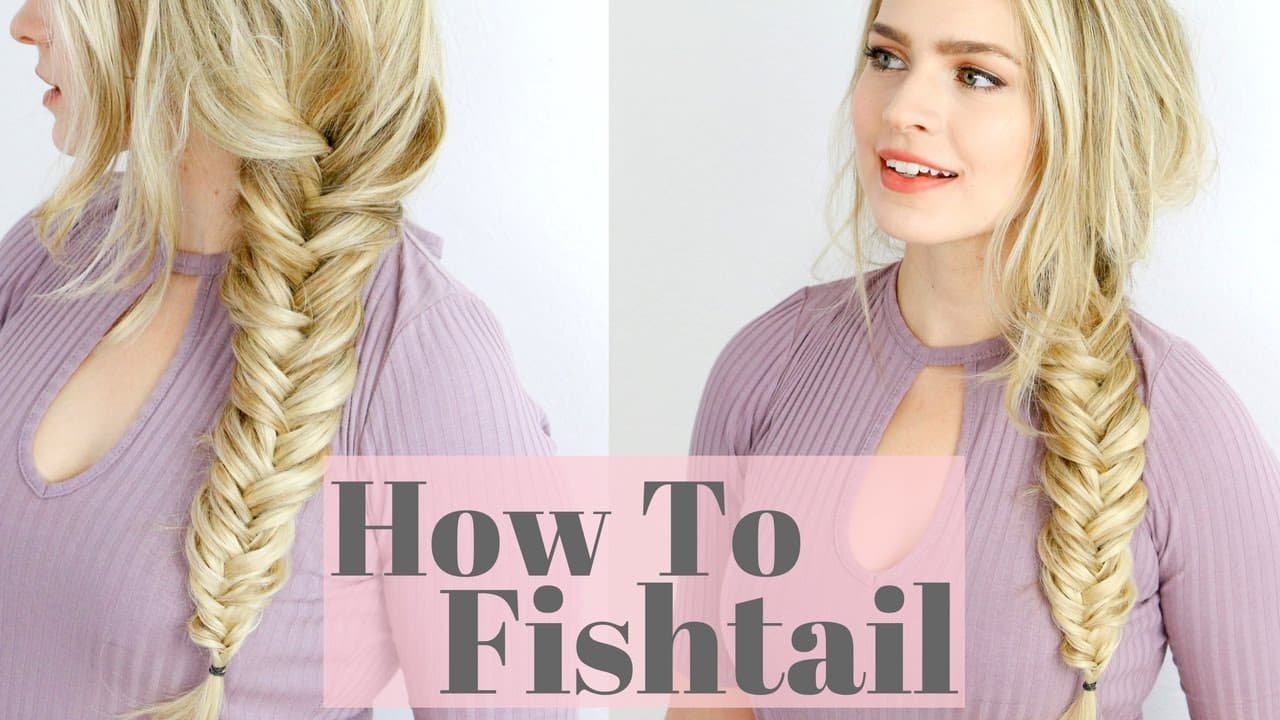
Once a Dutch braid feels easy, the lifestyle/how-to-french-braid-hair">French
braid is the same hands with the cross reversed, and the
fishtail braid is a two-strand cousin
worth learning next.