How to Install a Kitchen Faucet in 7 Steps

Home ImprovementMedium12:217 steps
Also in:Adulting

By ShowMeStepByStepPublished Updated

Based on a video by The Home Depot.

A new kitchen faucet is one of those upgrades that pays you back every time you wash a dish. Better flow, a cleaner look, a handle that doesn't stick. The job sounds intimidating because there's water and plumbing involved, but the mechanics are straightforward. Two supply lines, a mounting nut, some thread tape, and a careful leak check.

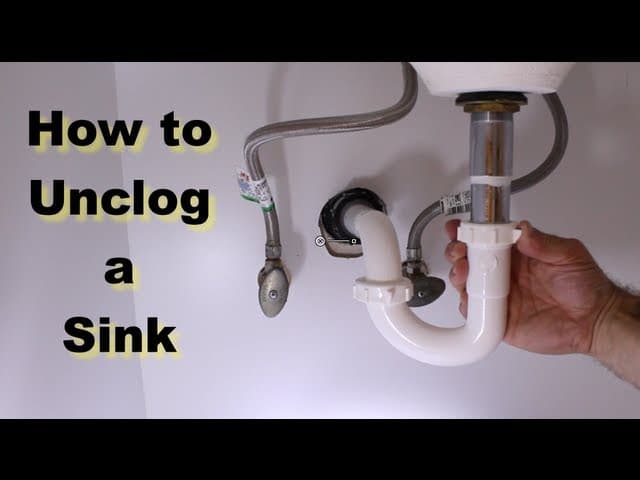
This walkthrough follows a single-handle centerset faucet install, which is the most common kitchen setup. If your old faucet has been dripping or rocking back and forth, the fix-it route is covered in how to fix a leaky faucet. Still leaks after that? Replacement is the right call. While you're under the sink, take a look at the drain too - how to unclog a sink the right way shows what to do if it's been slow.

Budget about two hours start to finish, plus a trip to the hardware store if you discover a corroded shutoff valve along the way. The biggest pitfall is rushing the leak check at the end. Five extra minutes there saves you from a flooded cabinet at 2 a.m.

Step-by-Step Guide

1

Step 1: Clear Out the Cabinet and Set Up Your Workspace

0:12
Step 1: Step 1: Clear Out the Cabinet and Set Up Your Workspace

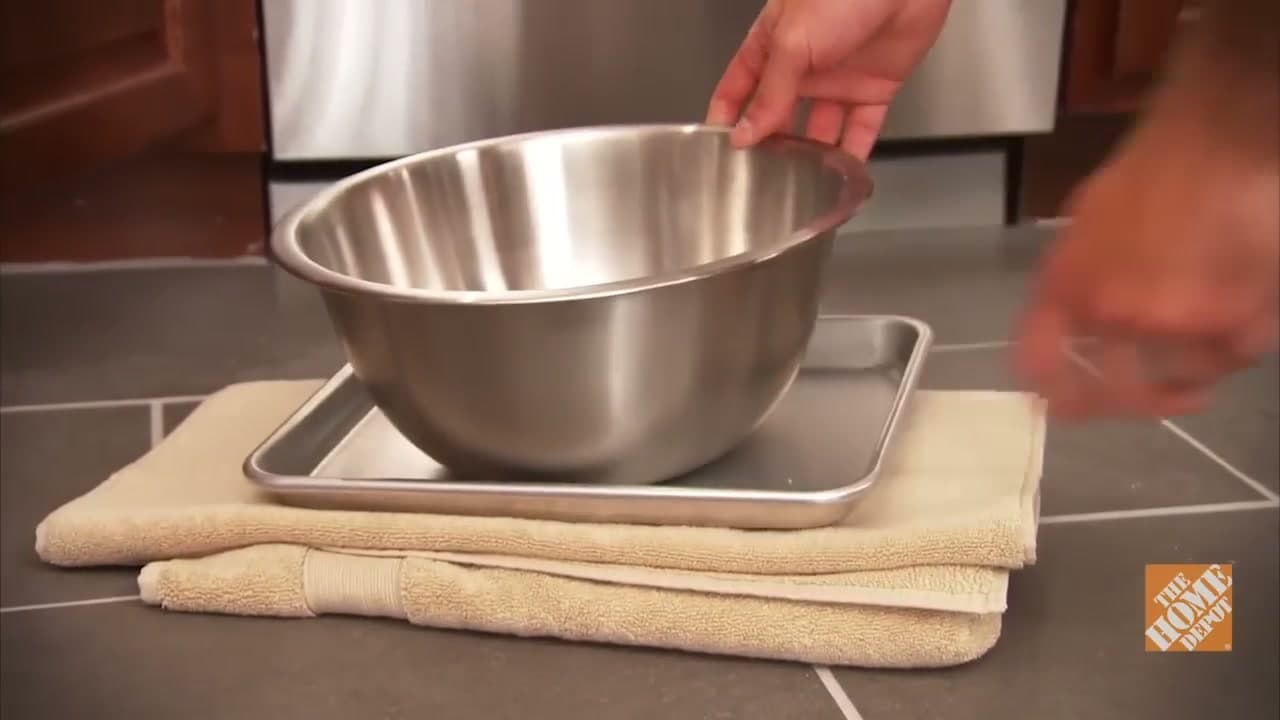
Pull everything out from under the sink. Cleaning supplies, the bucket of mystery sponges, all of it. You need clear access to the back of the cabinet and room to lay on your back. Slide a shallow pan and a couple of old towels into place to catch the water that will drain out of the supply lines. A pillow under your head makes the next hour bearable. Watch at 0:12 for the workspace setup. If there's an outlet under the sink for a disposal or dishwasher, kill its breaker before you start.

Tip

Wear safety glasses. Old caulk, mineral deposits, and rust flakes all love to fall straight into your eyes when you're working upside down.

2

Step 2: Shut Off Hot and Cold Supply Valves

0:48
Step 2: Step 2: Shut Off Hot and Cold Supply Valves

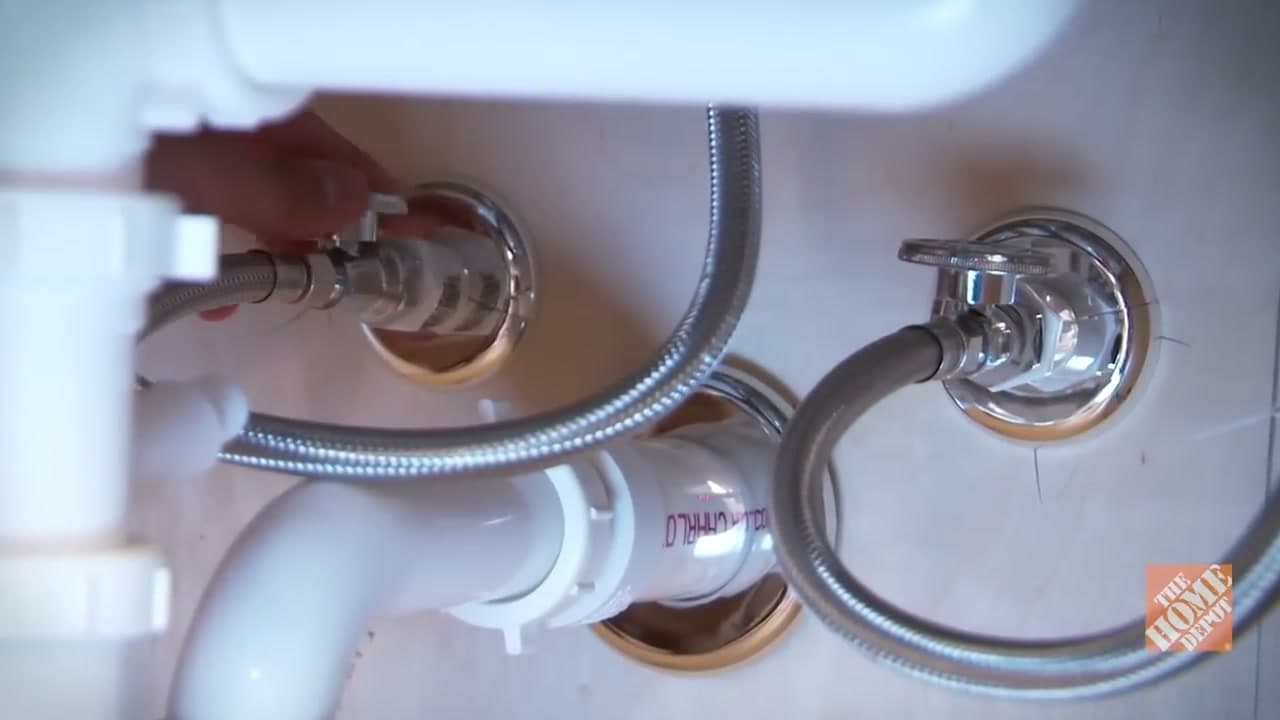
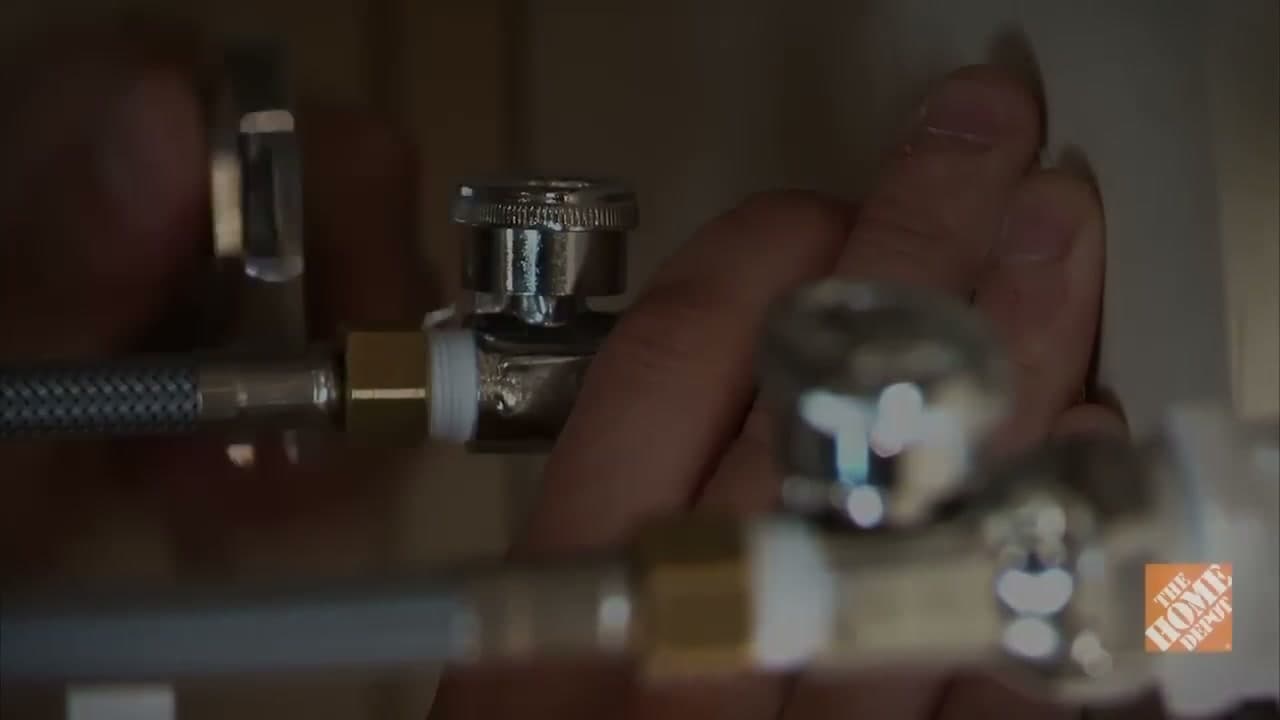
Reach behind the drain trap and find the two shutoff valves on the wall - one for hot, one for cold. Turn each clockwise until it stops. Depending on the style, that's anywhere from a quarter turn to several full turns. If the valves are stiff from years of sitting idle, grip them through a rag or use a pair of pliers for leverage. Watch at 0:48. Once both valves are off, walk back up top and lift the faucet handle to drain any pressure left in the line.

Tip

If you don't have shutoff valves at all, you'll have to kill water to the whole house at the main. Add installing shutoffs to your project list while you're under there.

Products used in this step

3

Step 3: Disconnect the Supply Lines from the Shutoff Valves

1:40
Step 3: Step 3: Disconnect the Supply Lines from the Shutoff Valves

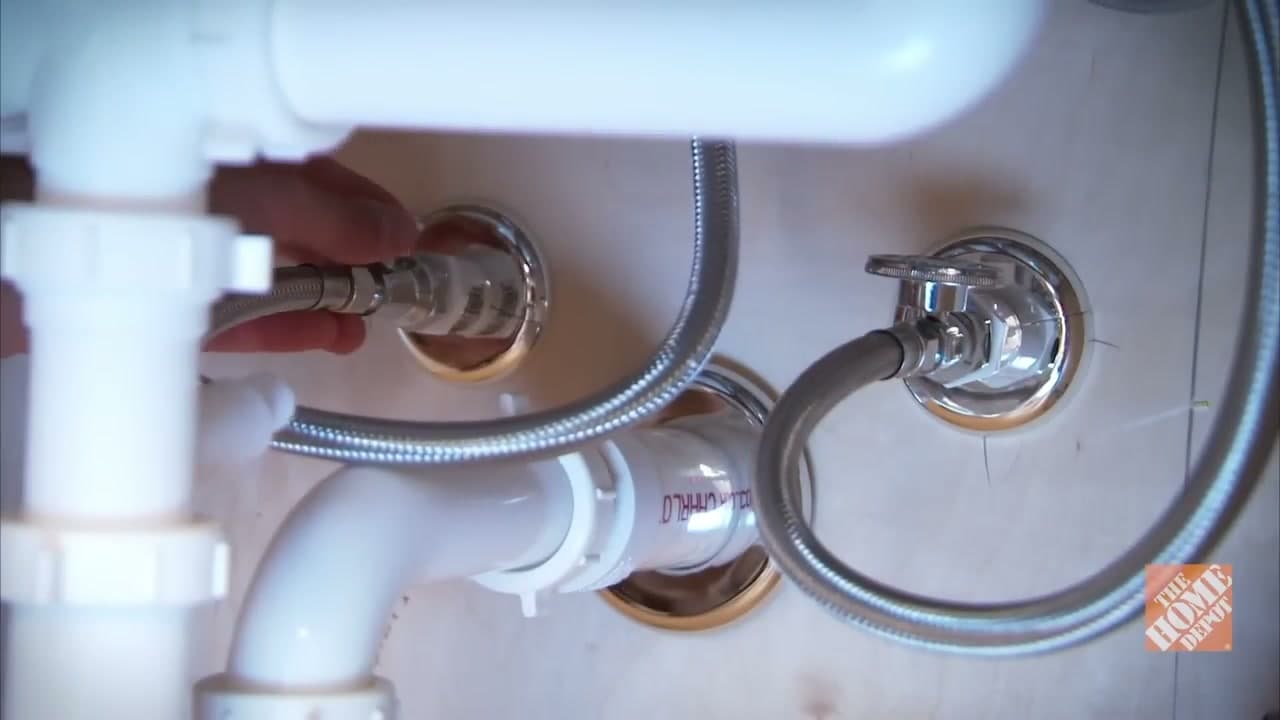
Each supply line has a threaded nut where it meets the valve. Slip an adjustable wrench around the nut and turn counterclockwise. Hold the valve body steady with your other hand or a second wrench - if you let the valve spin freely, you can break the connection inside the wall and turn a faucet swap into a drywall job. Watch at 1:40. A small slug of water will dribble out into your pan when the nut backs off. Repeat for the other side.

Tip

If a valve keeps dripping even with the handle fully closed, the valve itself is bad. Shut off water to the whole house and replace the valve before installing the new faucet.

Products used in this step

4

Step 4: Remove the Old Faucet

6:40
Step 4: Step 4: Remove the Old Faucet

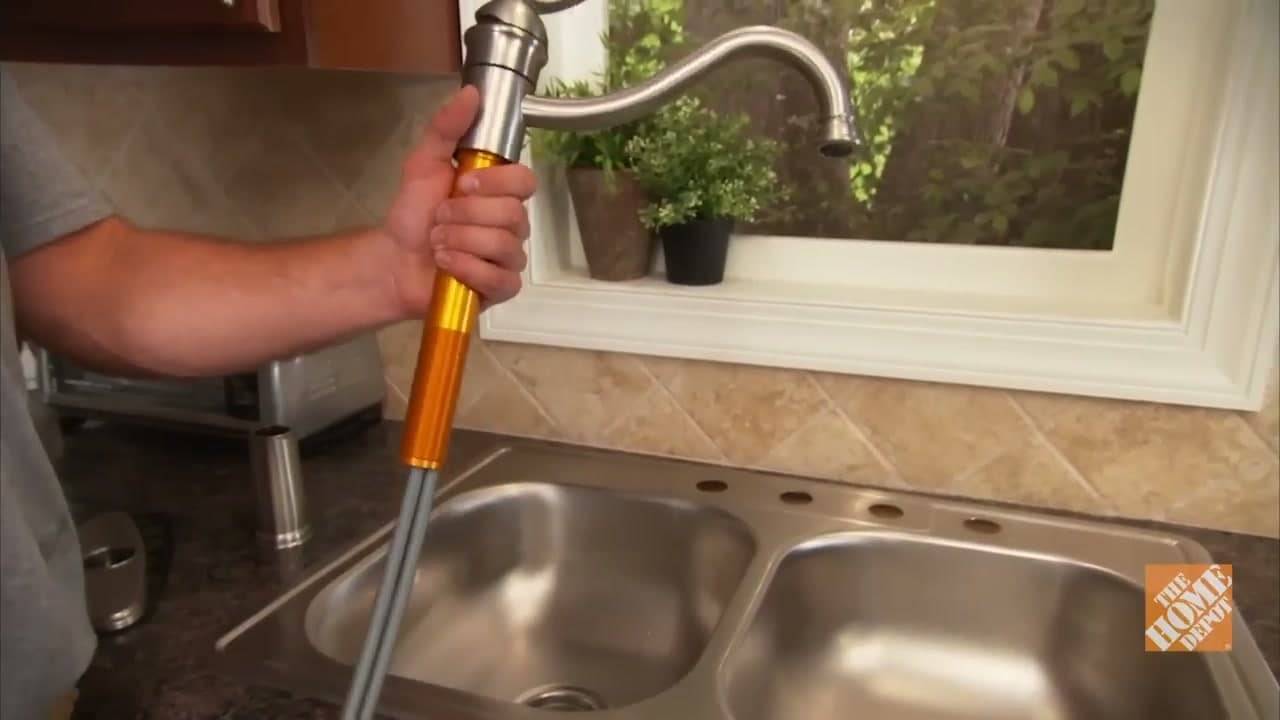
With both supply lines free, go back above the sink and look at what you're removing. Mounting hardware lives under the deck - usually a large nut threaded onto the faucet shank, sometimes with separate mounting screws. Reach up with a basin wrench (the ratcheting head pivots 90 degrees so you can grip nuts in tight spots) and turn the mounting nut counterclockwise until it backs off. Watch at 4:20. Lift the old faucet straight up and out. If it won't budge, the caulk seal underneath is holding it - work a putty knife around the base.

Tip

Rusted hardware? Hit it with PB Blaster, walk away for 10 minutes, then try again. A second application is normal.

5

Step 5: Set the New Faucet and Tighten the Mounting Hardware

8:08
Step 5: Step 5: Set the New Faucet and Tighten the Mounting Hardware

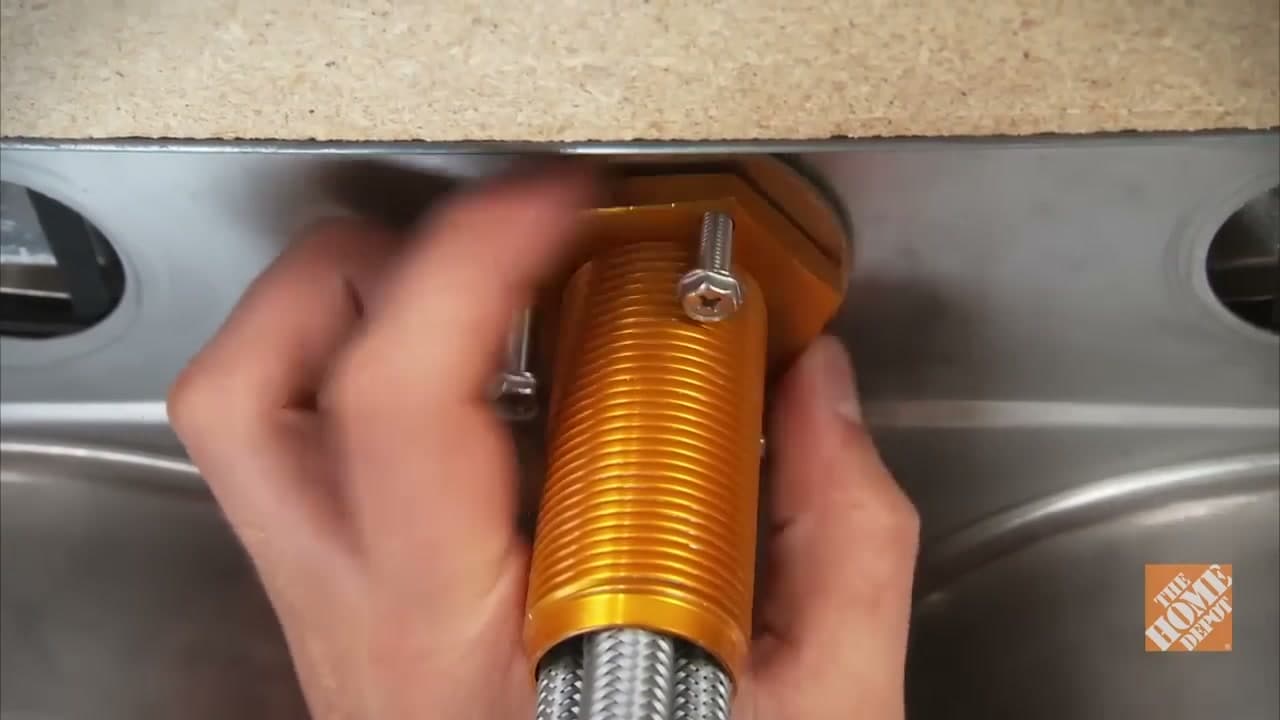
Scrape and clean the sink deck so the new faucet sits on a flat surface. Drop your new gasket onto the underside of the base (or the escutcheon plate if you're covering three holes with a single-handle unit). Feed the supply lines down through the center hole and seat the faucet on the deck. Crawl back under and slide the mounting washer and nut up the shank. Thread the nut by hand, then tighten the mounting screws evenly with a Phillips driver until the faucet is rock solid against the cabinet underside. Watch at 8:08.

Tip

Have someone hold the faucet straight from above while you tighten from below. A faucet that ends up cocked to one side is a pain to straighten out later.

6

Step 6: Connect the Supply Lines

9:53
Step 6: Step 6: Connect the Supply Lines

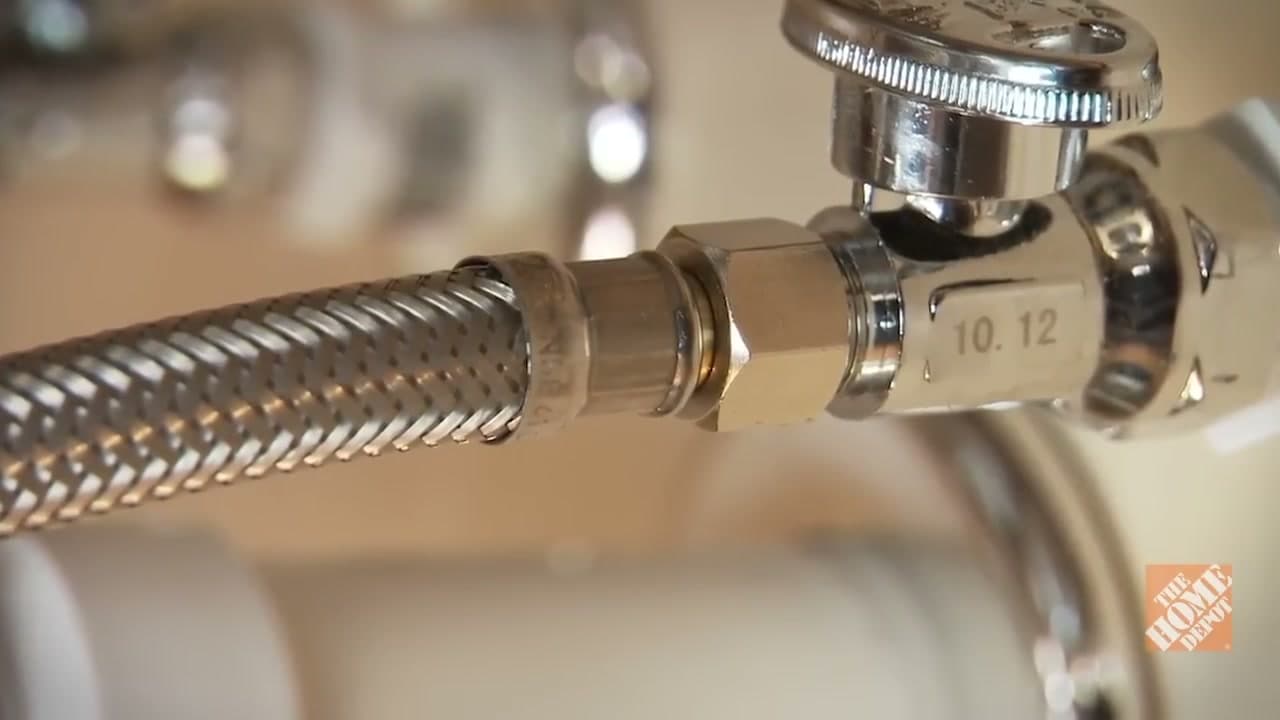
Tear a small strip of Teflon tape and wrap it clockwise around the threads of each shutoff valve - three or four turns is plenty. Watch at 9:53. The cold supply line from your faucet goes to the cold valve (usually on the right). Hot goes to hot. Thread each nut on by hand first to make sure it isn't cross-threaded, then snug it down with an adjustable wrench. Brace the valve body with your free hand again so it doesn't rotate.

Tip

Snug, not gorilla-tight. Compression fittings and braided lines seal with the gasket inside the nut, not with brute force.

7

Step 7: Turn the Water Back On and Check for Leaks

11:18
Step 7: Step 7: Turn the Water Back On and Check for Leaks

Reach back behind the cabinet and open both shutoff valves slowly, counterclockwise. Stand the handle up and let water run through for a full minute on hot, then on cold. Watch at 11:18. While the water flows, grab the flashlight and inspect all four connections: faucet-to-line on hot, faucet-to-line on cold, line-to-valve on hot, line-to-valve on cold. Run a dry finger or paper towel under each joint. Any moisture means tighten a quarter turn and recheck. If a joint keeps weeping, shut the water back off, add another wrap of Teflon tape, and reseat the connection.

Tip

After the leak check passes, unscrew the aerator from the spout, run the faucet wide open for a minute to flush debris from the lines, then thread the aerator back on.

Products Used

☐ The Checklist

How to Install a Kitchen Faucet in 7 Steps

Tools
8
Materials
5
Steps
7
Video
12 min

Your Guide

The Home Depot

As an Amazon Associate we earn from qualifying purchases. Links on this page may be affiliate links - clicking them and buying doesn't change your price, but helps support ShowMeStepByStep.

Tags

Related Tutorials