How to Use an EpiPen - First Aid in 6 Steps

Health BasicsEasy4:256 steps
Also in:Adulting

By ShowMeStepByStepPublished Updated

Based on a video by NationwideChildrens.

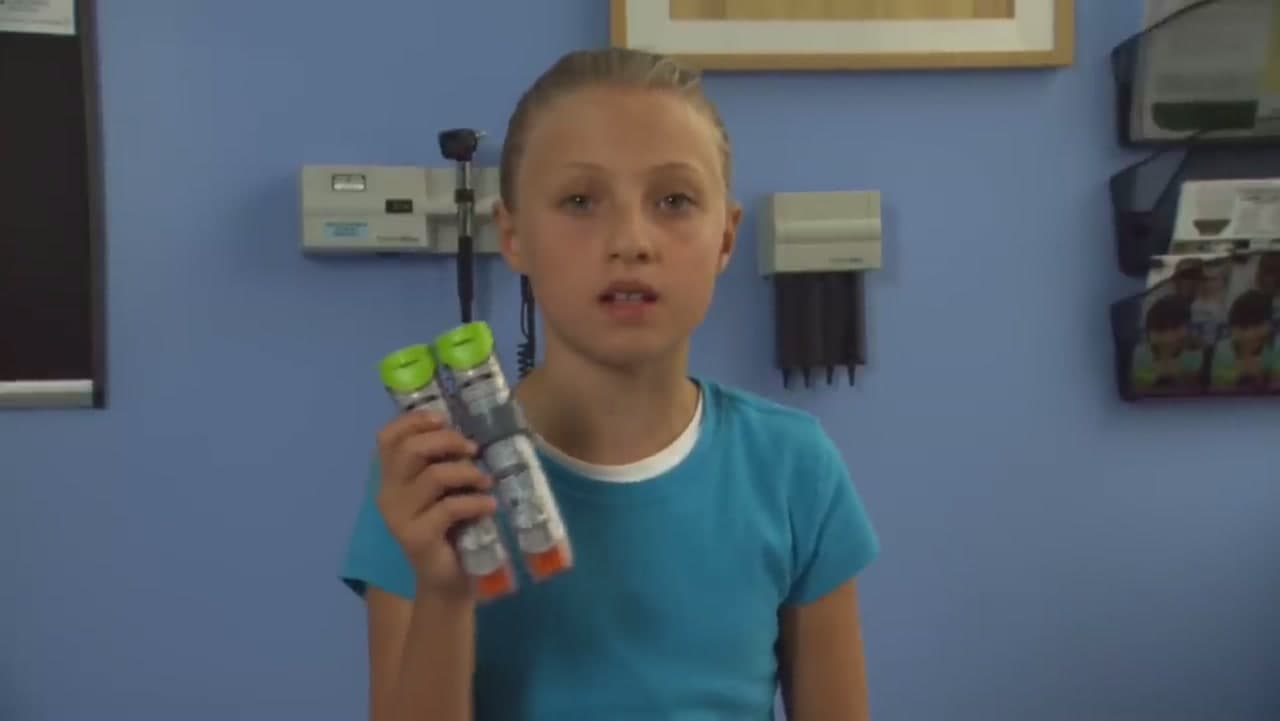
An EpiPen delivers epinephrine into a leg muscle to reverse anaphylaxis. The whole act takes about 15 seconds: pull the pen out of its tube, pull off the blue safety cap, press the orange tip into the outer thigh until it clicks, hold for 10 seconds, then call 911.

This guide is built from the Nationwide Children's Hospital training video. Practice the moves now while you are calm. Most people who hesitate during a real reaction do so because they have never handled the pen, not because the steps are complicated. Buy a trainer pen (no needle, no medicine) and rehearse with it once a year - the muscle memory is what gets the medicine into the leg fast.

This is general first-aid education, not medical advice. In any suspected anaphylaxis emergency, give the EpiPen AND call 911 immediately. If you are not sure whether a reaction is anaphylaxis, give the shot anyway. Epinephrine is safe in a healthy person who didn't need it; delayed treatment of a real anaphylaxis is what kills. References: AAAAI.org, AAP HealthyChildren.org, EpiPen.com.

Step-by-Step Guide

1

Step 1: Recognize Anaphylaxis - Don't Wait

0:10

Step 1: Step 1: Recognize Anaphylaxis - Don't Wait

The signs to act on: hives or red bumps, puffy eyes or lips, swollen or itchy tongue, wheezing, trouble breathing, sudden drop in blood pressure, or two or more allergic symptoms after a known exposure (food, insect sting, medication).

If you are even slightly unsure, give the shot. The longer you wait, the harder anaphylaxis is to reverse. Mild reactions can become fatal in minutes. About 150 children and young adults die from food allergies each year in the US, and the common factor in fatal cases is delay.

Tip

Anaphylaxis can present without hives. If breathing is affected after a known trigger, treat as anaphylaxis even with no visible skin reaction.
2

Step 2: Take the EpiPen Out and Grip It in a Fist

2:52
Step 2: Step 2: Take the EpiPen Out and Grip It in a Fist

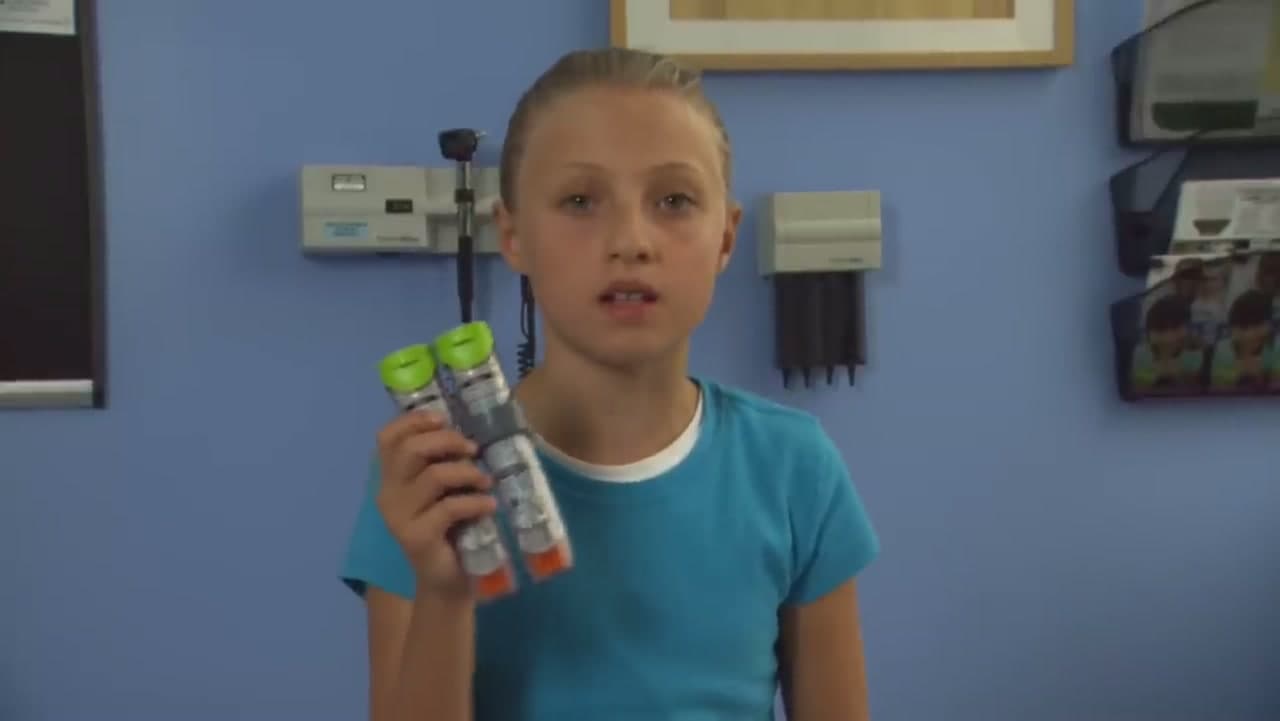
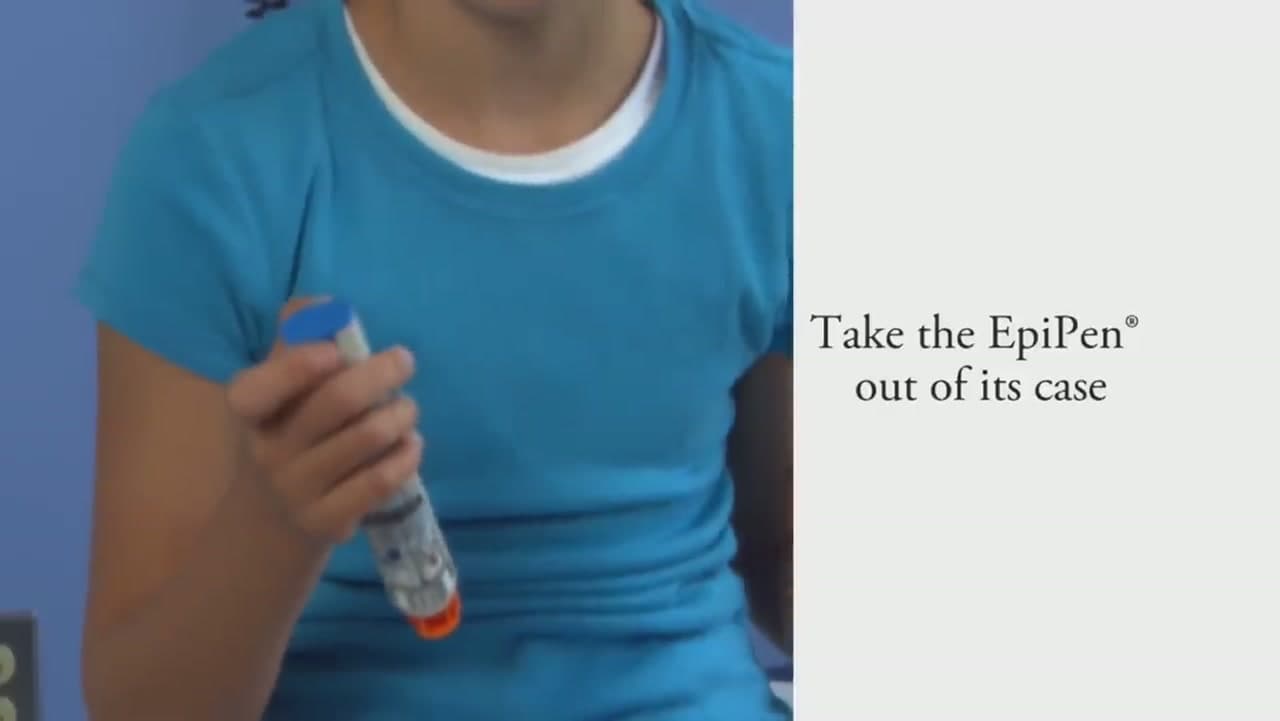
EpiPens are stored in a hard tube case. Flip the cap off the case and slide the pen out. Hold it in a closed fist with the orange tip pointing down toward the leg.

Never put your thumb, finger, or hand over either end. The orange tip is where the spring-loaded needle deploys. If you press it against your own thumb by accident, the needle fires into your thumb instead of the patient's thigh. A fist grip on the middle of the pen is the safe hold.

3

Step 3: Pull Off the Blue Safety Cap

2:58
Step 3: Step 3: Pull Off the Blue Safety Cap

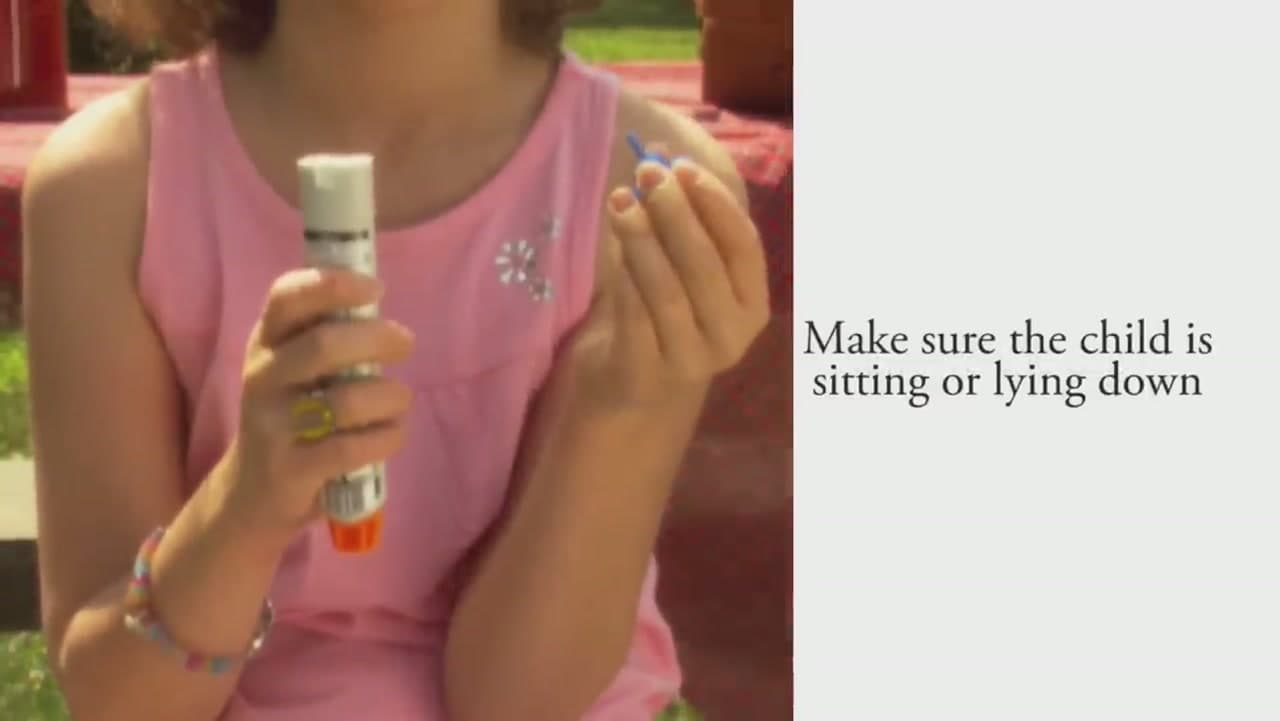
With the pen in a fist grip, use your other hand to pull the blue safety cap straight up and off. Don't bend it sideways, twist it, or use your thumb to flip it - any of those can fire the pen before you mean to.

While you do this, get the person sitting or lying down. Smaller children sit on a lap or a chair. Older kids and adults sit on the floor or lie flat. The sitting position keeps them from falling if blood pressure drops further during the reaction.

4

Step 4: Press the Orange Tip Firmly Into the Outer Thigh

3:06
Step 4: Step 4: Press the Orange Tip Firmly Into the Outer Thigh

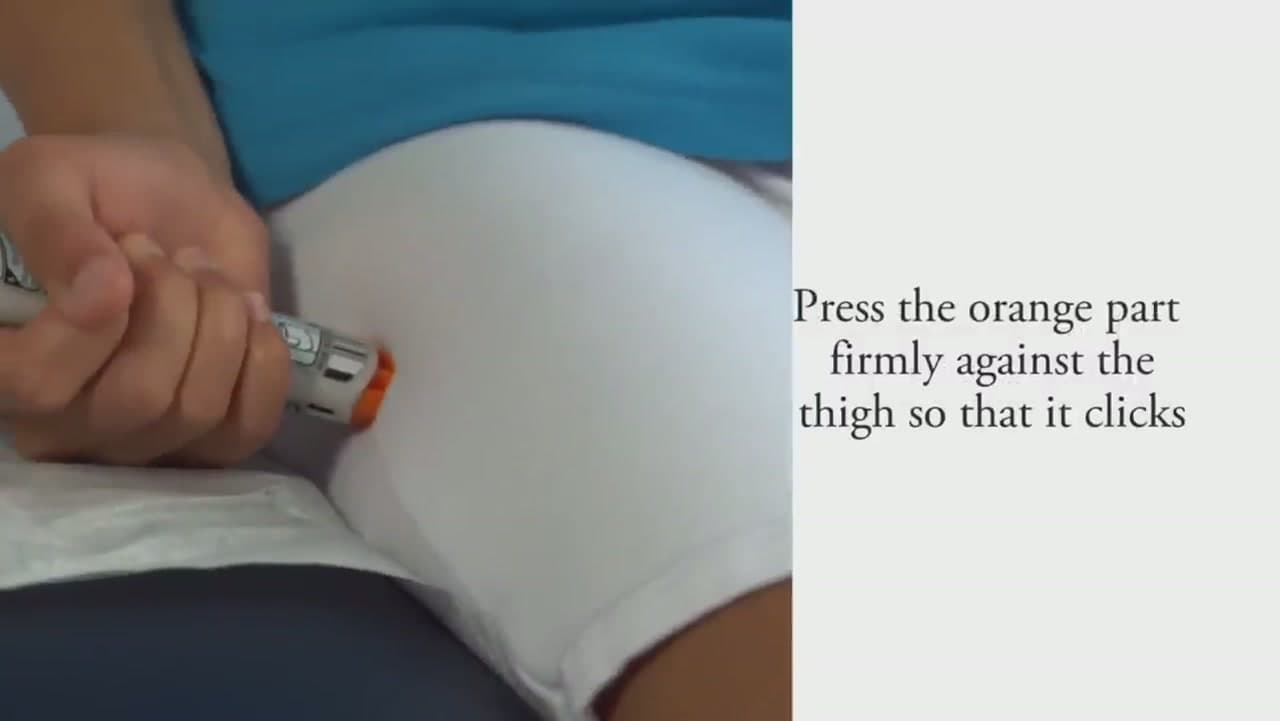
Find the big muscle on the outside of the thigh - the side of the leg, between the hip and the knee. That is where the medicine goes. Avoid the front of the thigh and the inside of the leg.

Hold the person's leg steady so they can't jerk away from the click. Press the orange tip firmly straight in against the thigh until you hear a click. The needle goes through jeans, leggings, and most clothing fabrics - you do not need to expose the skin.

Tip

If the person is fighting back or panicking, kneel on the leg below the injection point to keep it still. A jerk mid-injection can bend the needle and waste the dose.

5

Step 5: Hold for 10 Seconds - Press, Click, Hold

3:10
Step 5: Step 5: Hold for 10 Seconds - Press, Click, Hold

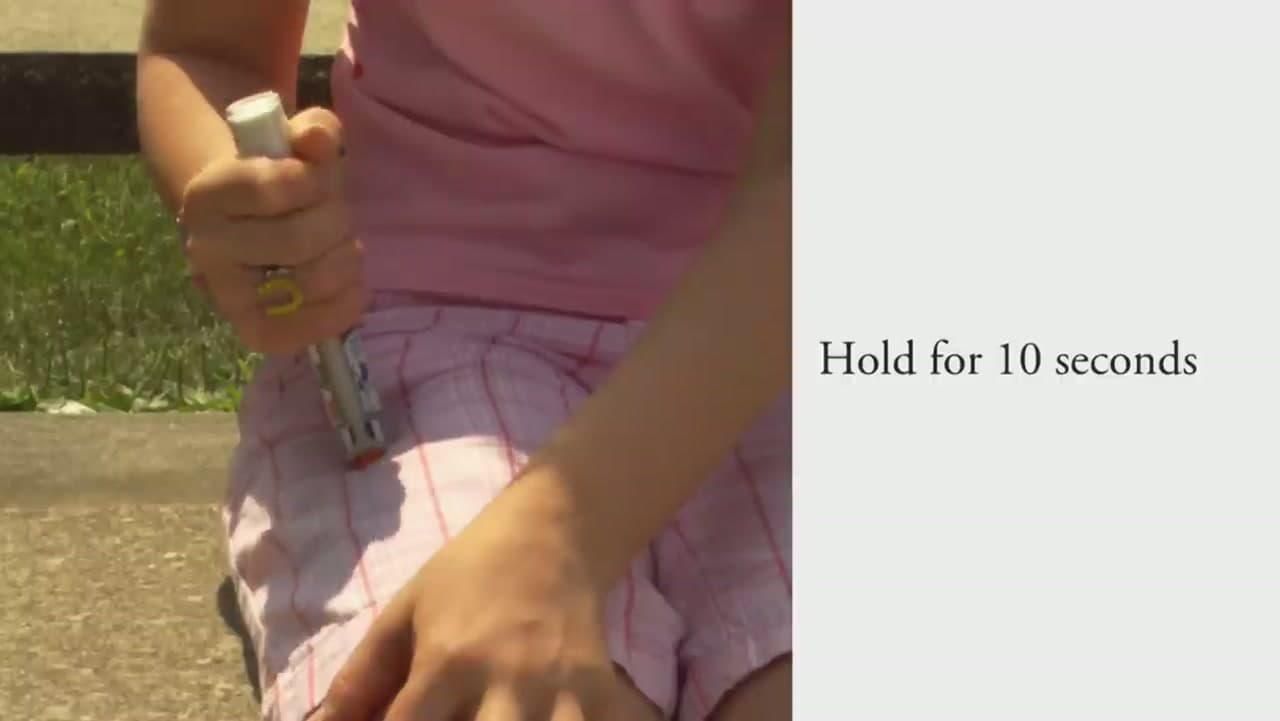
Keep the pen pressed firmly against the thigh for 10 full seconds after the click. Count out loud so you don't shorten the time when adrenaline takes over ("one one-thousand, two one-thousand..."). The medicine takes those 10 seconds to inject fully.

Don't bounce, lift, or re-press. After 10 seconds, pull the pen straight out. The orange tip should extend to cover the needle - it is safe to handle. Keep the used pen with the patient so paramedics know exactly what dose was given.

6

Step 6: Call 911 and Get a Second Pen Ready

0:44
Step 6: Step 6: Call 911 and Get a Second Pen Ready

Call 911 even if symptoms are already improving. Tell the dispatcher "anaphylaxis" so the right response is sent. Epinephrine wears off in 10 to 20 minutes, and the reaction can return harder than the first wave (biphasic anaphylaxis). The person needs hospital observation for at least 4 to 6 hours.

About 1 in 5 people need a second EpiPen before help arrives. Anyone at risk of anaphylaxis should carry two pens at all times. If symptoms come back or never fully resolve, give the second dose into the other thigh using the same steps.

Tip

Build an anaphylaxis action plan with the prescribing doctor. The plan lists trigger foods, symptoms, exact dose, and emergency contacts - keep copies at school, daycare, work, and in the EpiPen carry case.

Products Used

Your Guide

NationwideChildrens

As an Amazon Associate we earn from qualifying purchases. Links on this page may be affiliate links - clicking them and buying doesn't change your price, but helps support ShowMeStepByStep.

Tags

Related Tutorials