How to Stop a Nosebleed

Health BasicsEasy5:456 steps
Also in:Adulting

Based on a video by Dearborn ENT.

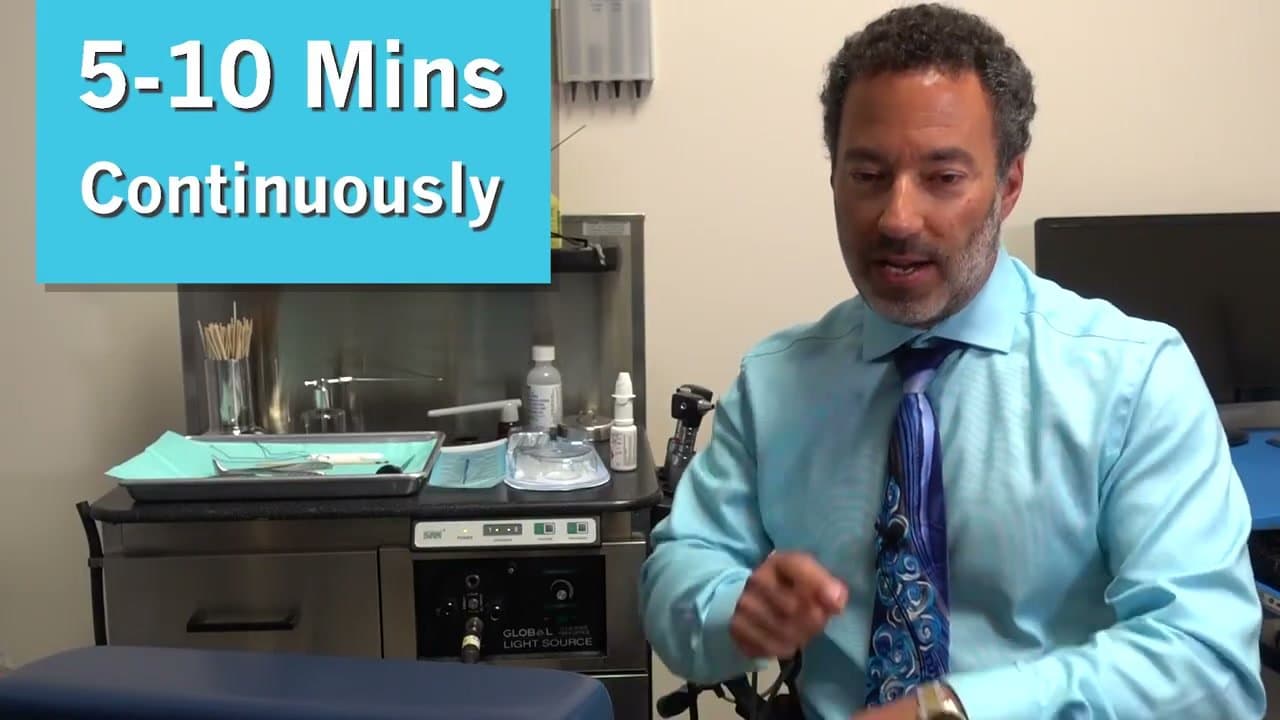
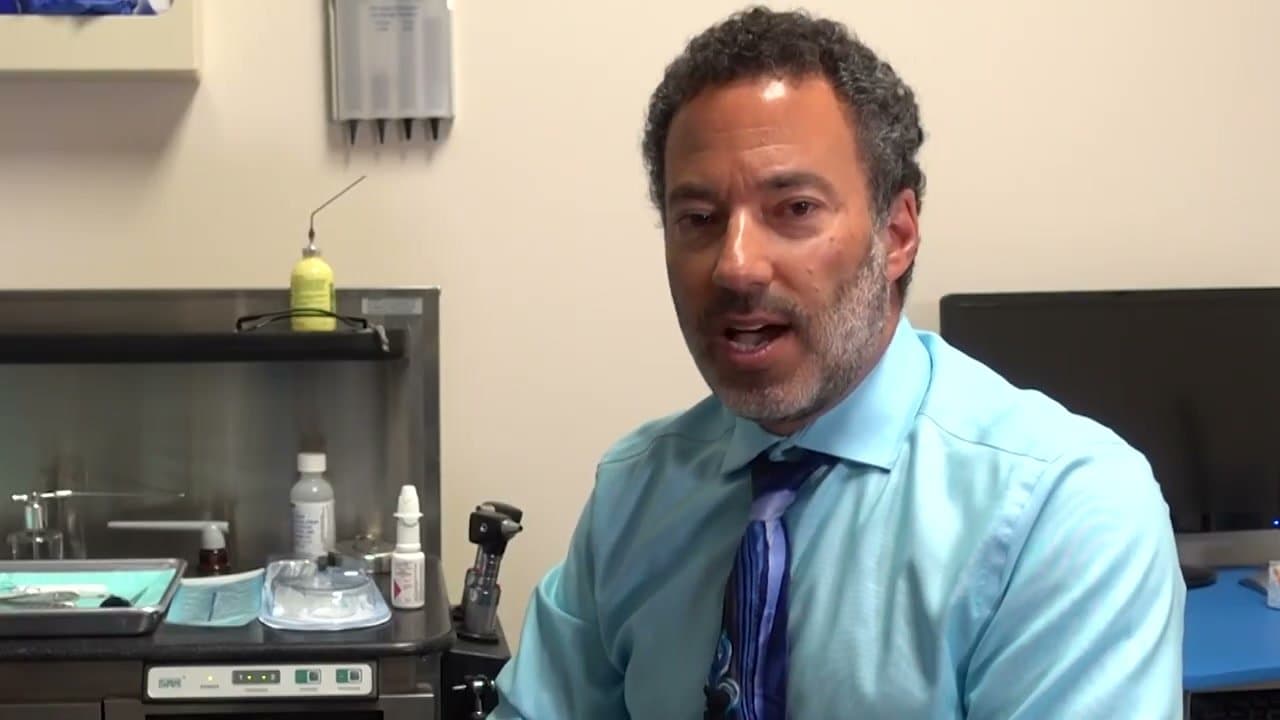
The instinct when blood starts running out of your nose is to tilt your head back. Don't. That's the single biggest myth in first aid for nosebleeds. The right move is to lean forward, pinch the soft cartilage just below the bony bridge, and hold steady pressure for 5 to 10 minutes. This guide is from an ENT specialist and works for the 90% of nosebleeds that come from the front of the nose.

Step-by-Step Guide

1

Sit Up and Lean Forward

0:32
Step 1: Sit Up and Lean Forward

Sit upright in a chair and tilt your head slightly forward. The old advice to tip the head back is wrong - it sends blood down the throat instead of out the nose, which causes choking, gagging, and sometimes vomiting later. Forward lets gravity work for you and keeps the airway clear.
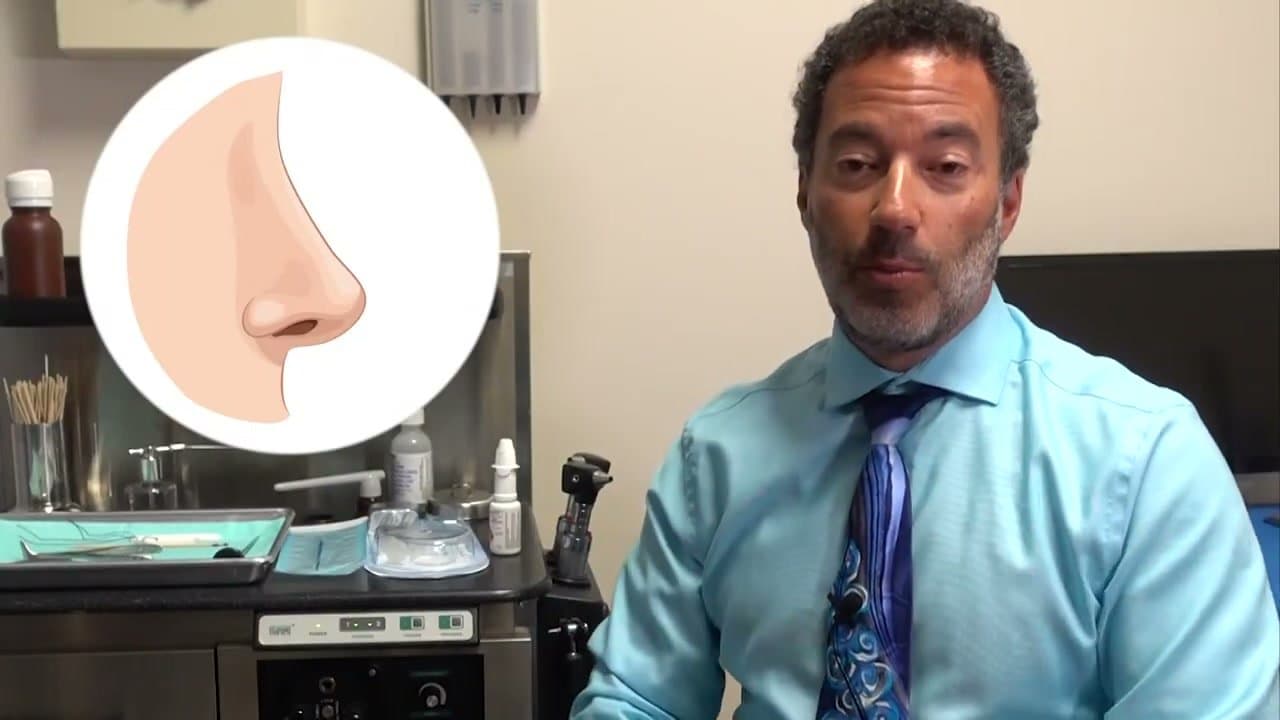
2

Hold a Bowl or Towel Underneath

0:41
Step 2: Hold a Bowl or Towel Underneath

Put a small bowl, plastic cup, or folded towel under your nose to catch the drips. This keeps clothes and the floor clean and lets you see roughly how much blood is coming out - useful information if you end up needing medical attention later.

3

Pinch the Soft Part of the Nose

0:47
Step 3: Pinch the Soft Part of the Nose

Find the spot just below where the bony bridge ends - that's where the cartilage starts and where 90% of nosebleed vessels live. Squeeze that section between your thumb and finger.

Don't pinch the bony top (you can't compress bone). Don't pinch the very tip of the nostrils (the bleeding vessels aren't there). The right spot is the squishy middle section.

4

Hold Firm, Steady Pressure

1:10
Step 4: Hold Firm, Steady Pressure

Squeeze hard enough that the nostrils are completely closed. Don't peek. Don't release to check. The vessels need uninterrupted pressure to form a stable clot.

Tip

If your hand gets tired, switch hands or have someone else take over the pinch - just don't release the pressure during the swap.

5

Hold for at Least 5 to 10 Minutes

1:35
Step 5: Hold for at Least 5 to 10 Minutes

Time it on a clock or phone. Five minutes minimum if you're not on any blood thinners. A full ten if you take aspirin, warfarin, Eliquis, Plavix, or any other anticoagulant.

Releasing at 30 seconds 'to see if it worked' is the most common reason nosebleeds keep restarting. The clot needs the full window to set.

6

Get Medical Help if It Doesn't Stop

2:38
Step 6: Get Medical Help if It Doesn't Stop

If the bleed continues after 10 minutes of unbroken pressure, or if blood is gushing rather than dripping, head to an emergency room or call an ENT. ENTs often fit nosebleed patients in same-day because the office tools (cautery, telescope) are faster and less painful than ER nasal packing.

Tip

After a significant nosebleed, follow up with an ENT within a few days even if it stopped on its own. Recurrent nosebleeds can point to medication issues, blood pressure problems, or a vessel that needs cauterizing.

Your Guide

Dearborn ENT

As an Amazon Associate we earn from qualifying purchases. Links on this page may be affiliate links - clicking them and buying doesn't change your price, but helps support ShowMeStepByStep.

Tags

Related Tutorials