A choking person has maybe two or three minutes before they pass out. The Heimlich maneuver is one of those rare skills you can learn in five minutes and may only ever use once, and that once is the one that counts.
It goes by two names. Most people say Heimlich maneuver. Most current first-aid manuals print abdominal thrusts instead, which is the same technique under a plainer name. Outside the US you will see it spelled manoeuvre. Whatever it is called, the movement below is the one taught by the Red Cross and the American Heart Association.
What follows covers an adult or a child over one year old, then the three situations that change the technique completely: a baby under one, someone pregnant, and being alone when it happens to you.
Signs of choking: telling a blockage from a bad cough
People get this wrong in both directions, and both directions are dangerous.
Someone coughing hard, wheezing, or squeezing words out still has air moving past the obstruction. Their own cough is stronger than anything your hands can do. Stay next to them, tell them to keep coughing, and let them work. Hitting the back of a partial blockage can shift it into a complete one.
A full obstruction is nearly silent, and it looks like this:
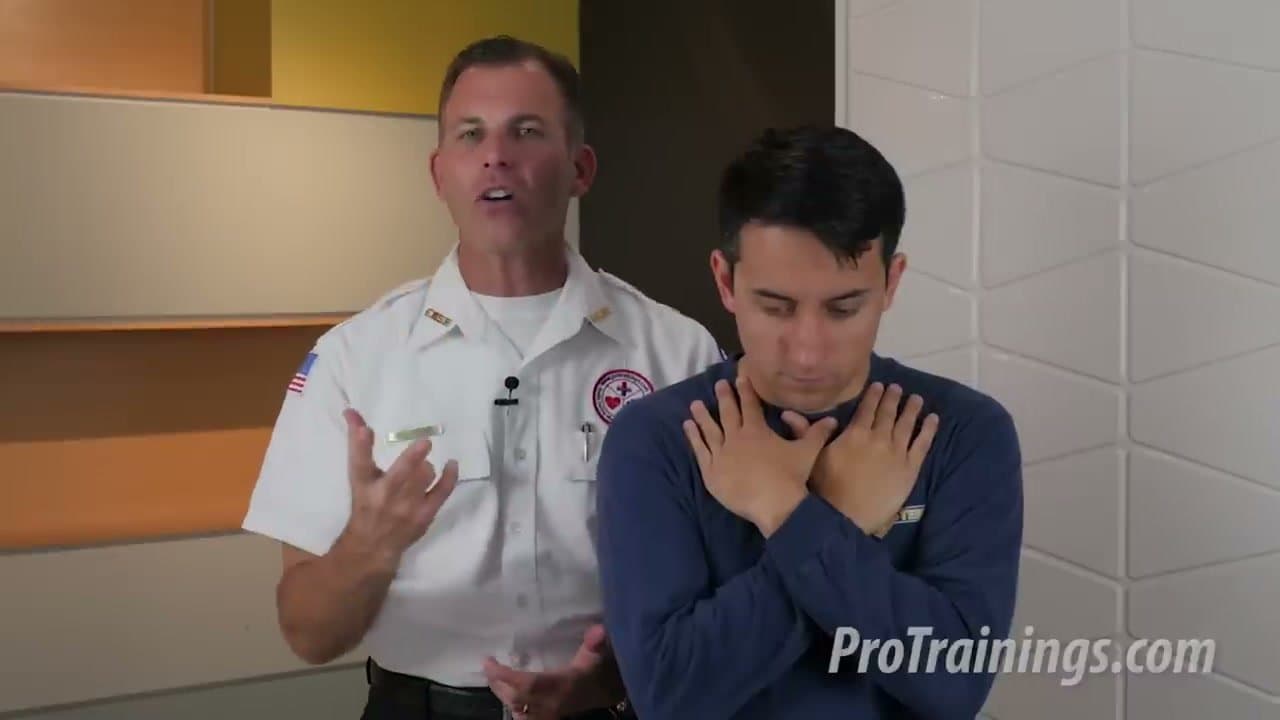
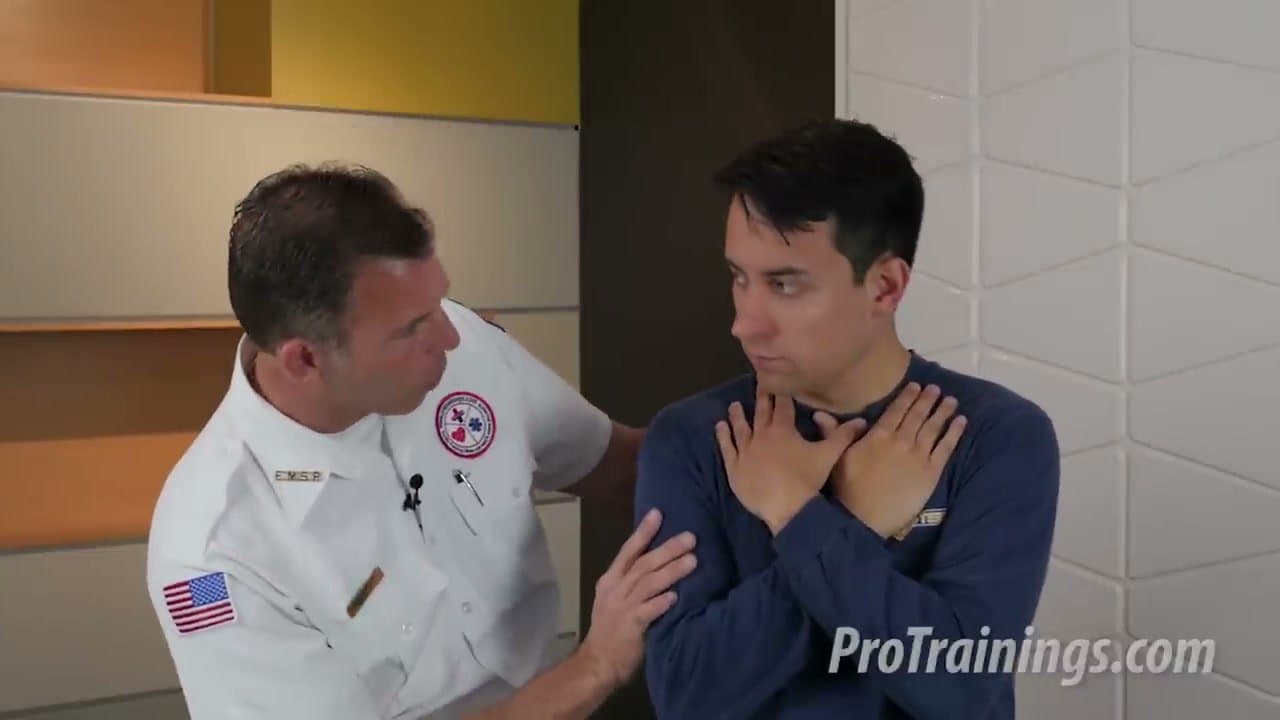
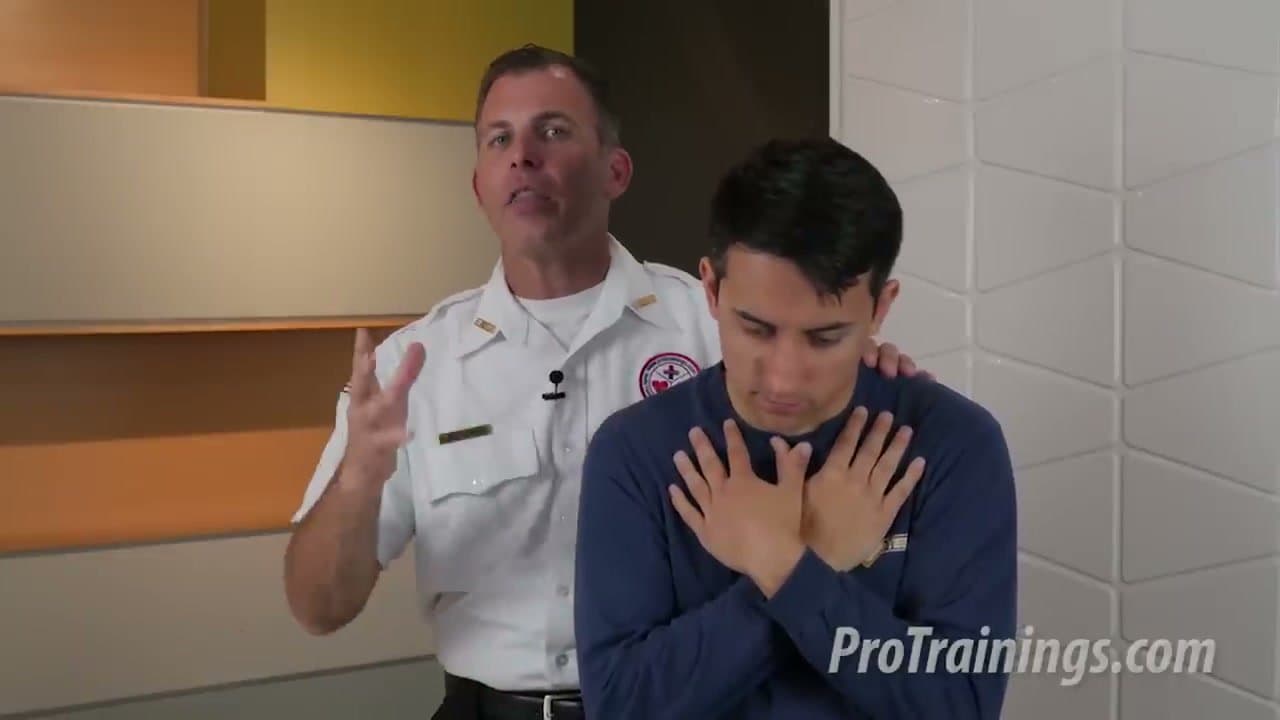
- Both hands clutched at the throat. This is the universal choking sign and most people do it without ever having been taught it
- No sound at all. No cough, no wheeze, no words
- Wide eyes and open panic
- Lips, face or fingertips going grey or blue
- A weak cough that is getting quieter rather than stronger
Ask one question: are you choking? A nod with no sound is your answer. Point at a specific person and tell them to call 911, then start. Naming someone matters, because a general shout for help in a crowded room gets answered by nobody.
What abdominal thrusts do
There is still air in the lungs of a choking person. The blockage is above it, sitting in the windpipe, and the problem is that they cannot generate the pressure to move it.
A thrust into the soft hollow below the ribs drives the diaphragm upward, squeezes the lungs from underneath, and pushes that trapped air up the windpipe behind the object. It is a cough made with someone else's arms. That is the whole mechanism, and knowing it tells you why the direction matters so much: straight back into the belly does very little, while back and sharply up under the ribcage is what moves the diaphragm.
The Heimlich maneuver in four steps
- Get behind them and brace. Stand with one foot forward between their feet. If they go limp you are the thing holding them up, and a staggered stance is what lets you lower them instead of dropping them.
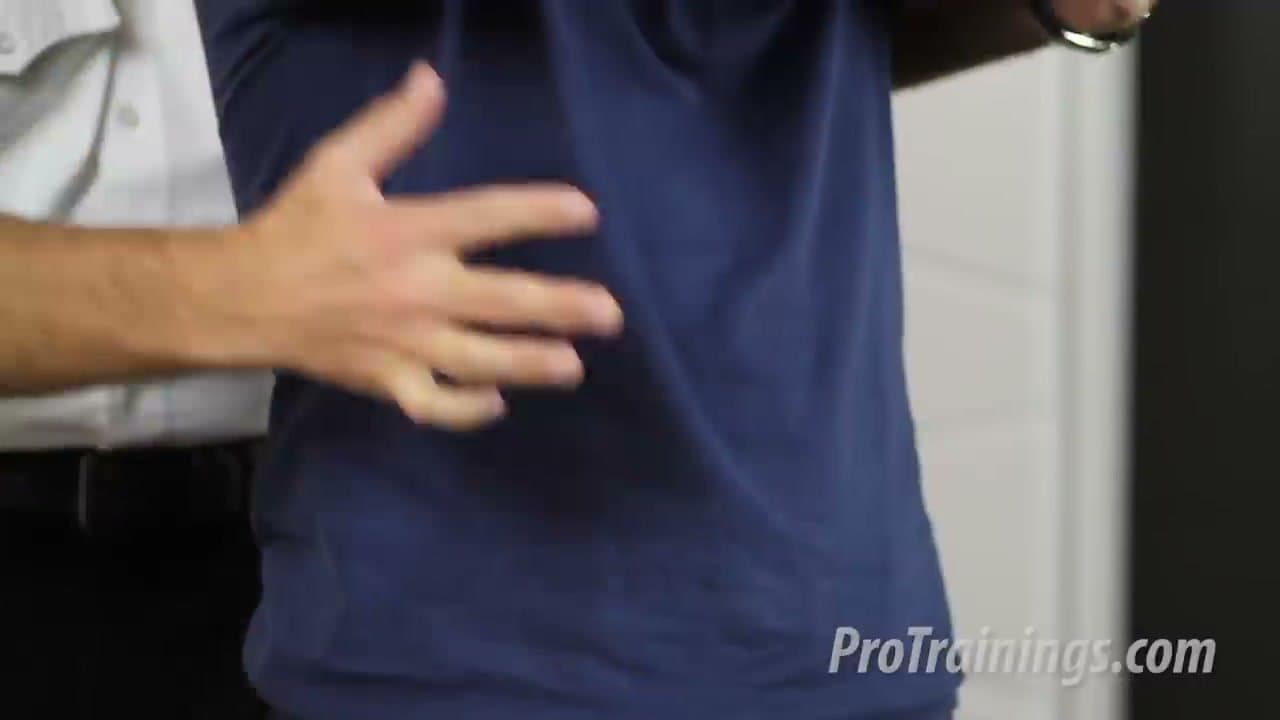
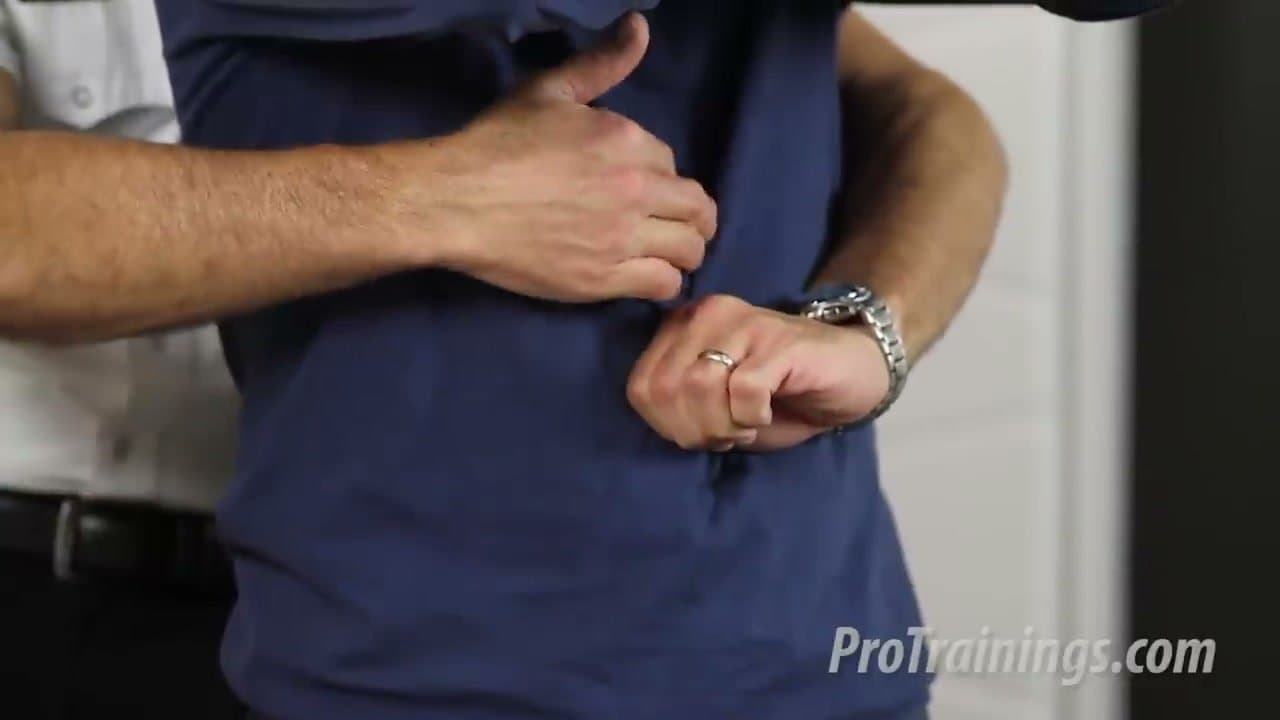
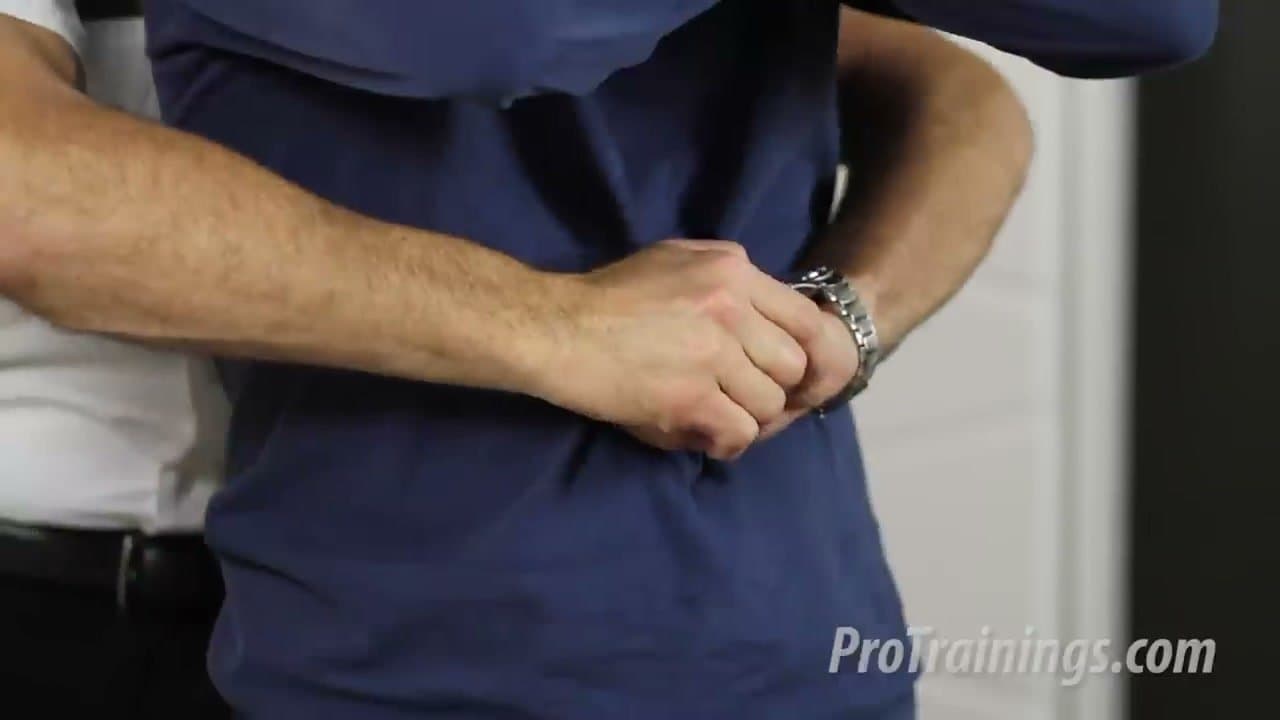
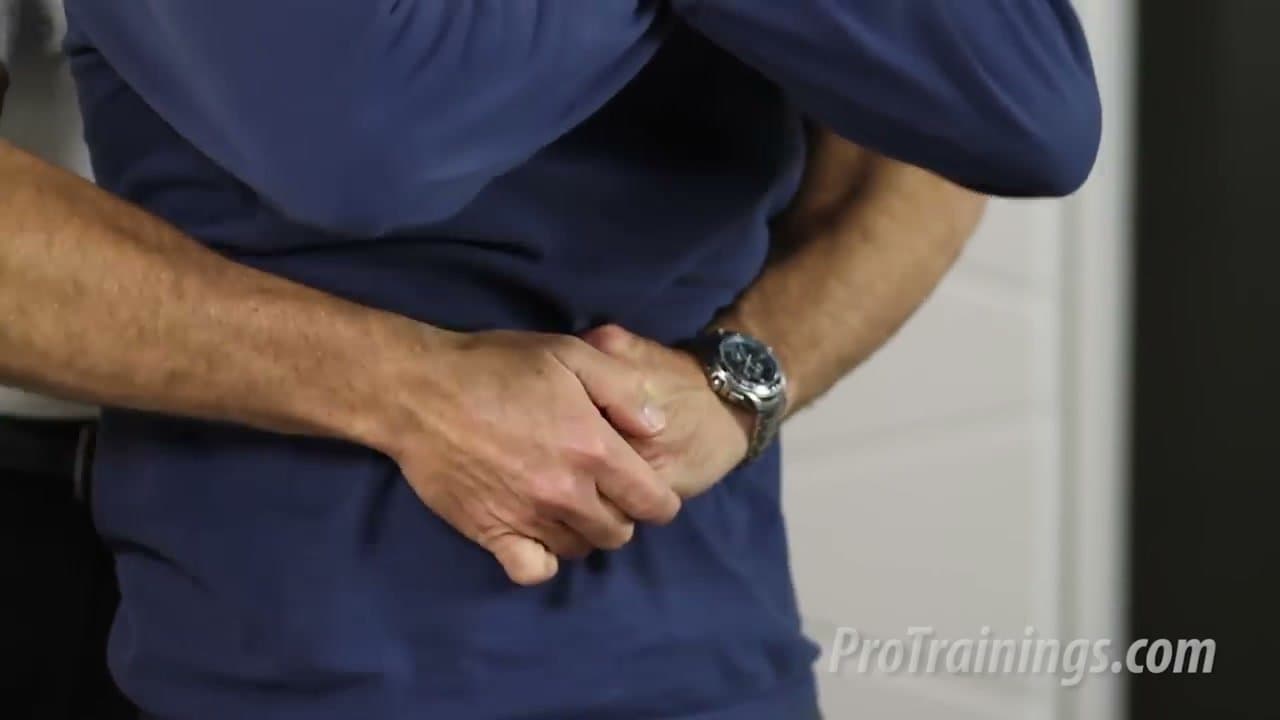
- Find the spot. Wrap your arms around their waist. Make a fist and place the thumb side against the belly, just above the navel and well below the bottom tip of the breastbone.
- Thrust inward and upward. Grab your fist with your other hand and pull sharply in and up, as though trying to lift them off their feet. Each thrust is a separate, committed movement, not a squeeze.
- Repeat until it clears. Keep going until the object comes out, they start coughing or breathing on their own, or they stop responding. There is no set number to stop at.
Many first-aid courses now teach a cycle of five back blows then five abdominal thrusts. The back blows go between the shoulder blades with the heel of your hand, with the person leaning well forward so gravity helps. Both approaches are accepted. If you were taught the five and five, use it.
Where your hands go
Hand position is where most of the injuries come from, and it is worth being fussy about.
The target is the soft hollow between the navel and the bottom of the ribcage. Put your fist too low and you are pushing on intestine and nothing happens. Too high and you are driving into the xiphoid process, the small pointed tab of cartilage at the base of the breastbone, which snaps and can be pushed into the liver.
Find the navel with one hand, place the thumb side of your fist directly above it, and you will be in the right place without having to think about anatomy in the moment.
A baby under one year old: never use abdominal thrusts
This is the single most important variation on the page. An infant's liver sits low and is barely covered by the ribcage, and an abdominal thrust can tear it. Babies get back blows and chest thrusts instead.
- Sit down. Lay the baby face down along your forearm with your hand supporting the jaw and head, head lower than the chest, forearm braced on your thigh.
- Give five back blows between the shoulder blades with the heel of your free hand.
- Sandwich the baby between your forearms and turn them face up, still head-down.
- Give five chest thrusts: two fingers on the breastbone just below the nipple line, pressing about an inch and a half deep.
- Repeat the five and five until the object comes out or the baby stops responding.
Get someone else to call 911 the moment you start. Alone, work on the baby for two minutes first, then call while you keep going.
Children over one get the standard abdominal thrusts, though you will need to kneel to get behind a small child and you should use noticeably less force than you would on an adult.
Doing it on yourself
Alone and choking, nobody is coming to help. Two things work.
A hard edge. This is the one that reliably does it. The back of a sturdy chair, a countertop edge, a table corner, a stair rail. Set it just above your navel, hold on, and drop your whole body weight onto it sharply. Repeat. The edge does the job a second person's fist would do, and your body weight supplies more force than your arms can.
Your own fist. Same fist, same spot above the navel, other hand over the top, driven in and up. Most people cannot generate enough force this way, so treat it as what you do while moving toward a counter.
Dial 911 first if you have a phone in reach. You will not be able to speak, but an open line from a fixed address still gets help dispatched.
Pregnant, or someone you cannot reach around
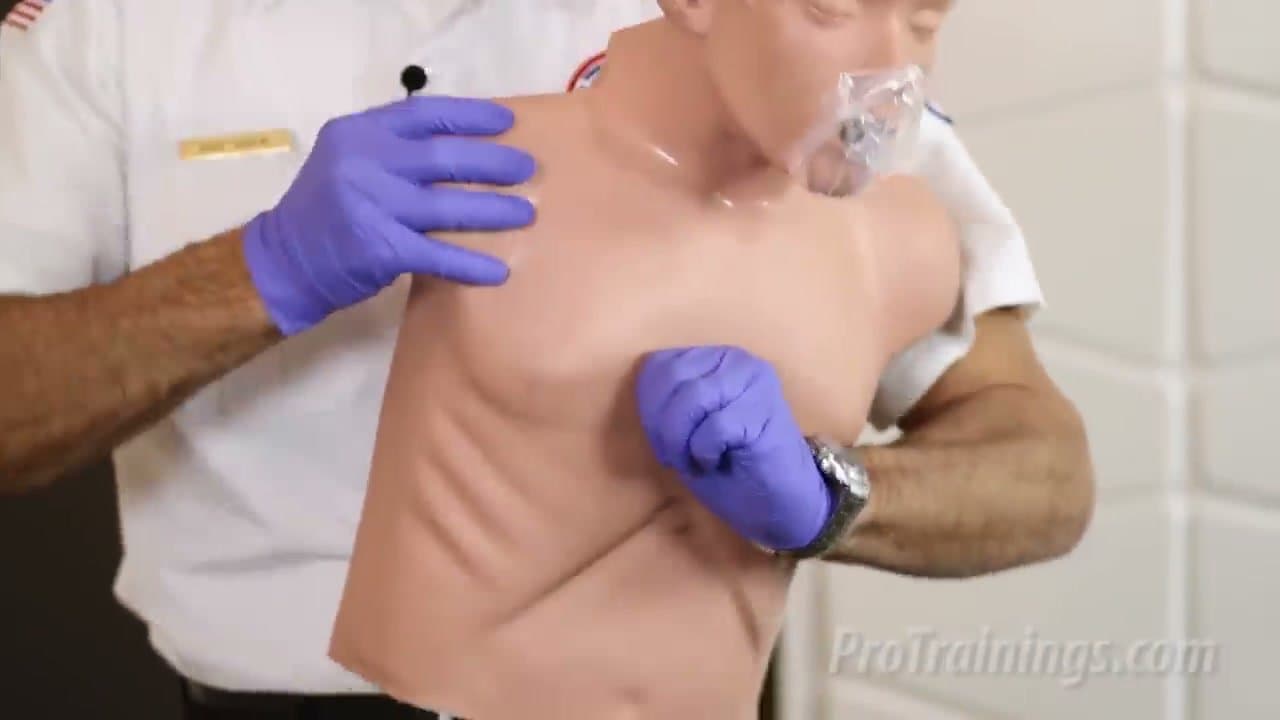
In late pregnancy there is no usable space above the navel, and on a very large person your hands may not meet. Move up to chest thrusts.
Stand behind them and bring your arms under the armpits rather than around the waist. Place your fist on the centre of the breastbone, at its base, avoiding the pointed tip. Cover it with your other hand and pull straight back toward yourself. Straight back, not upward. Otherwise the rhythm is identical: separate, committed thrusts until it clears.
If they go limp
Lower them to the floor, supporting the head. Call 911 now if that has not already happened.
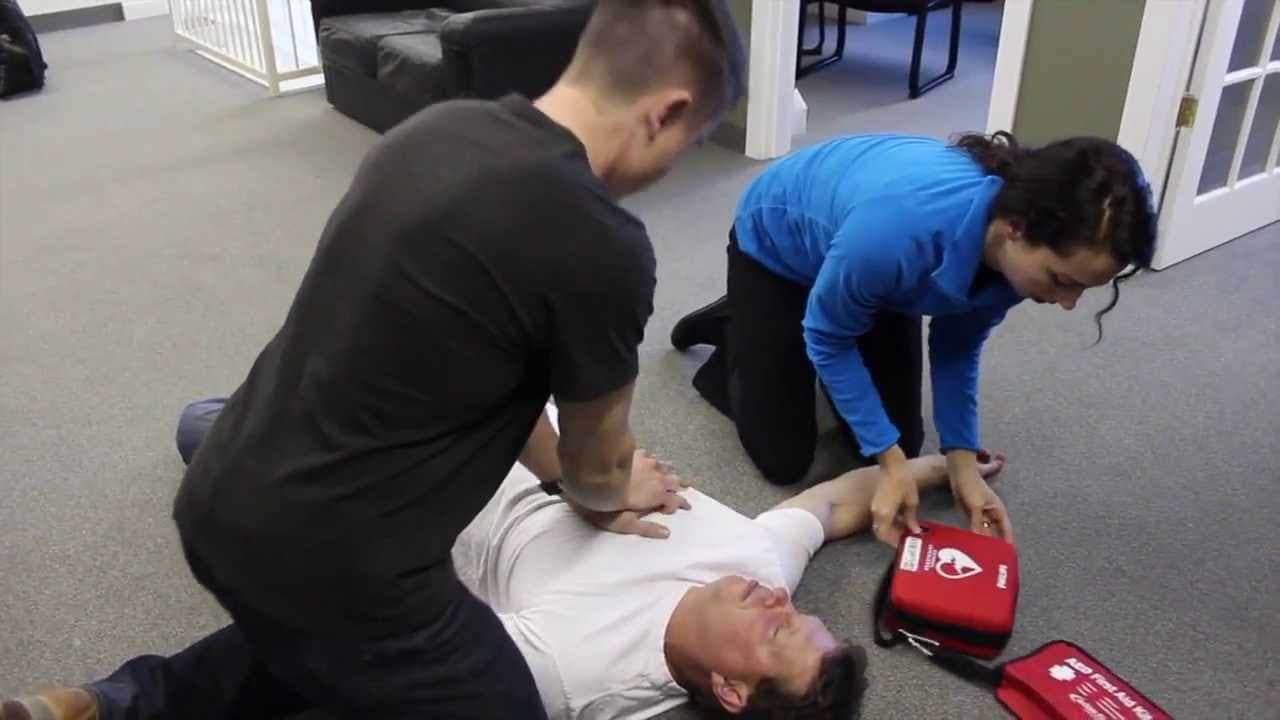
Start CPR. Thirty chest compressions, then open the mouth and look before giving any breaths. If the object is visible and you can hook it out with a finger, do that. Never sweep a finger around blindly, because that is how an object that was reachable gets pushed down where it is not.
Chest compressions produce roughly the same pressure as an abdominal thrust, so CPR is still working on the blockage the whole time. Our step-by-step CPR and AED guide covers compression depth and rhythm.
Get checked over afterwards
Abdominal thrusts work by force, and the force has to go somewhere. Cracked ribs, bruised organs and, rarely, a ruptured stomach or liver are all documented outcomes of a successful rescue.
Anyone who received thrusts should see a doctor the same day, even feeling fine. Go sooner for stomach or chest pain, trouble swallowing, vomiting, or any suspicion that part of the object is still down there. Anyone who lost consciousness needs to be seen, no exceptions.
Reading this is not the same as having done it once. A hands-on class from the Red Cross or your local ambulance service runs a couple of hours and puts the movement into your hands, which is what you will actually be relying on. It pairs naturally with CPR, controlling severe bleeding and using an EpiPen.