Severe bleeding treatment is one of the highest-stakes first-aid skills you can learn. Most people lose a meaningful amount of blood in the first 5 minutes after an injury, which means the bystander on the scene matters more than the paramedics on the way. The good news: controlling severe bleeding is mostly about pressure, position, and not panicking - skills any adult can practice in advance.
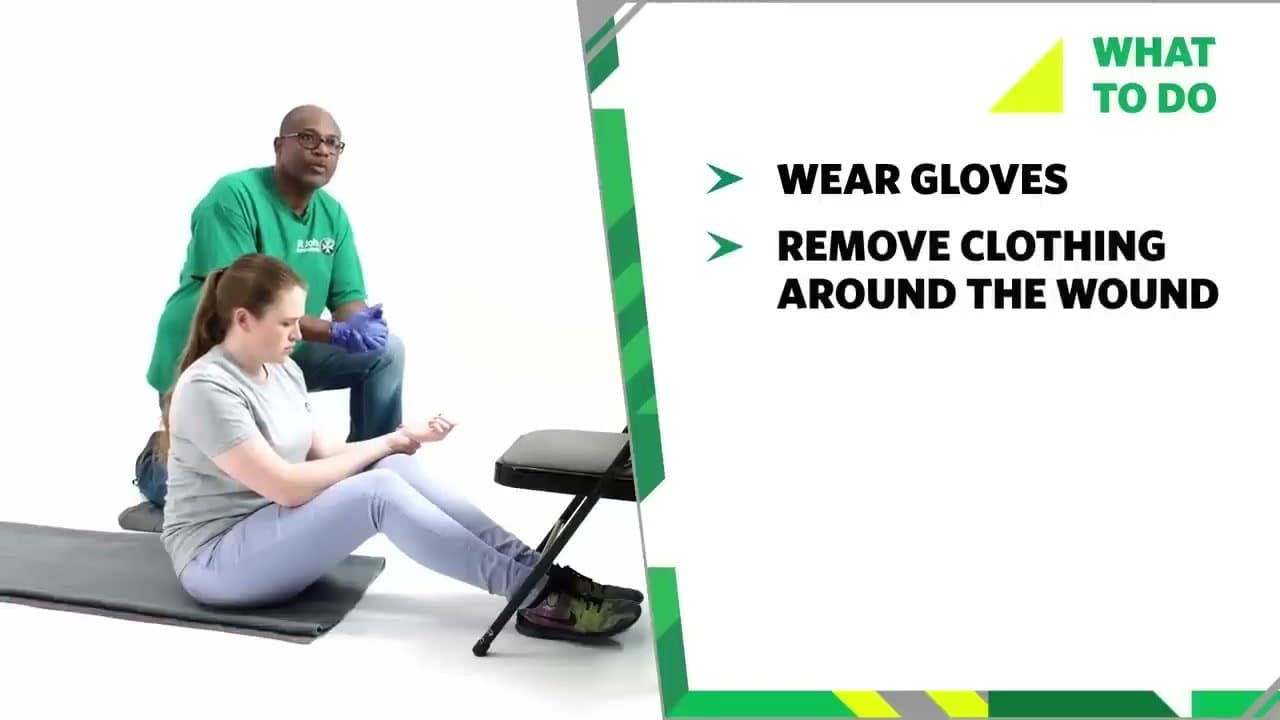
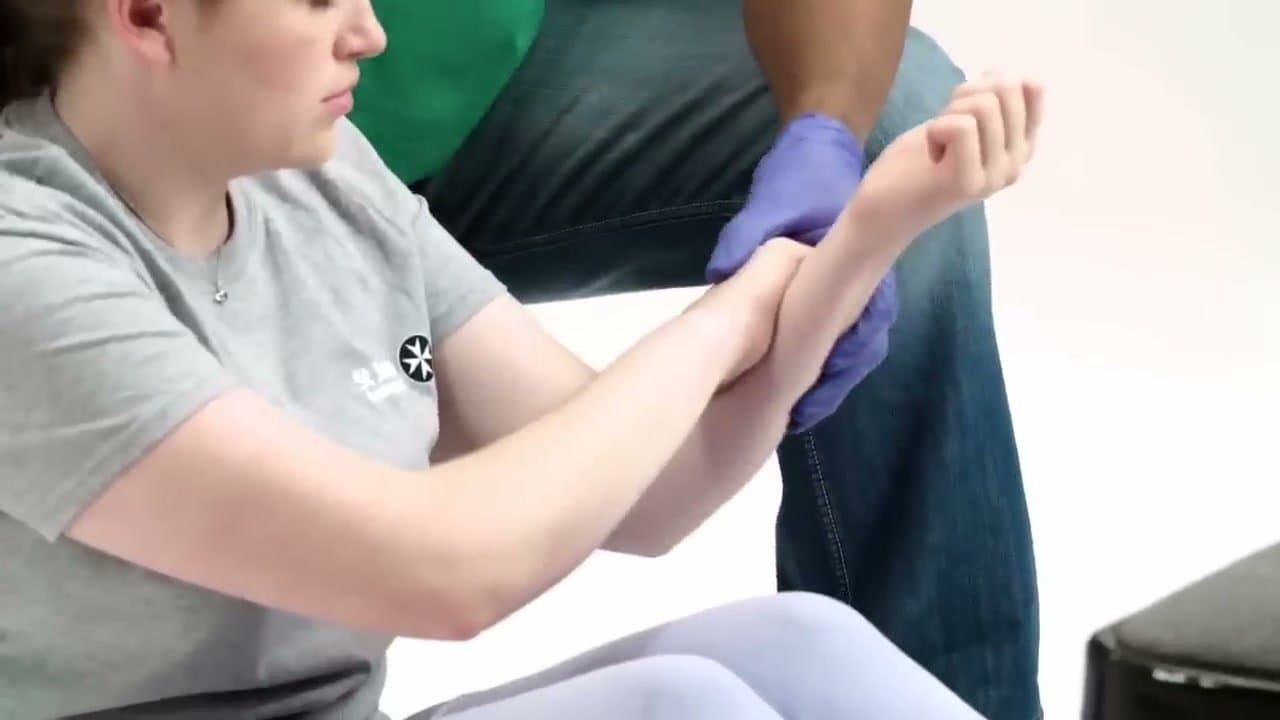
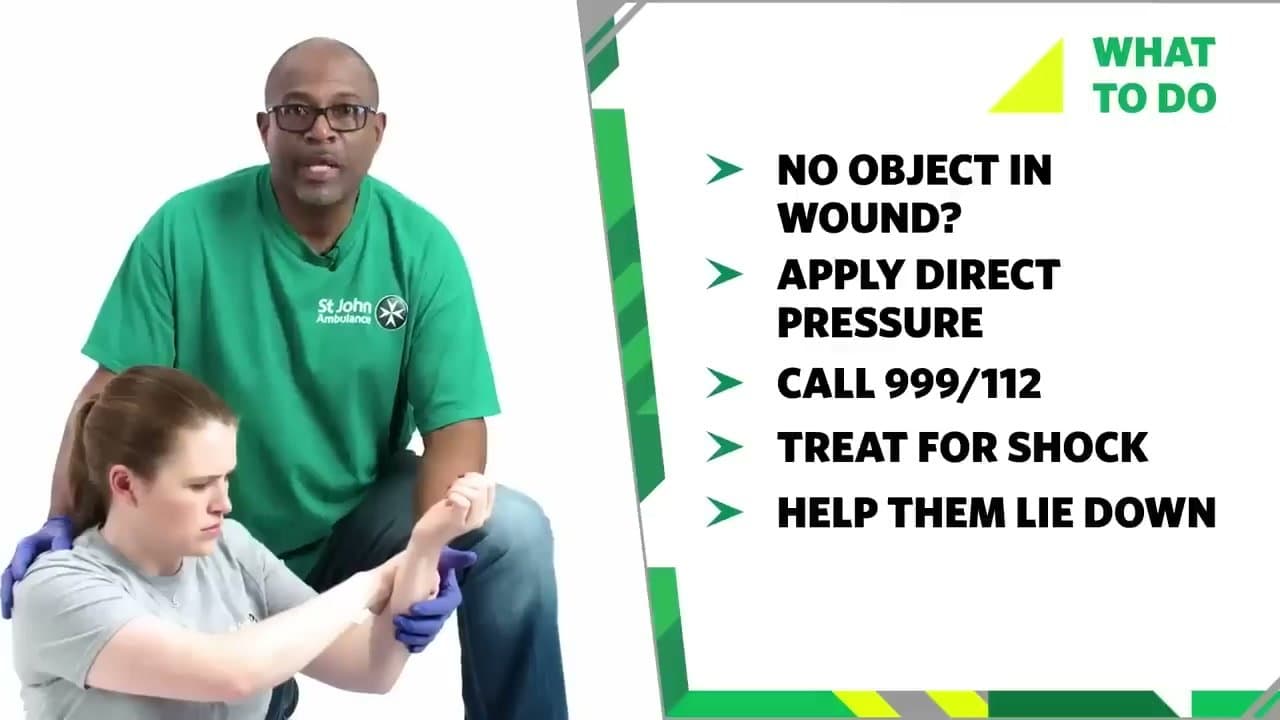
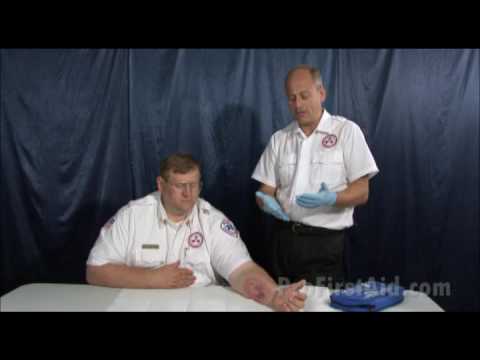
This severe bleeding first aid walkthrough follows the bystander procedure taught by St. John Ambulance and the American Red Cross. The 7 steps cover the full sequence: protect yourself, expose the wound, check for embedded objects, apply firm direct pressure, call 911, treat for shock, and bandage in place. The procedure is the same whether the casualty is conscious or unresponsive - the order just changes slightly.
The biggest mistakes to avoid when you stop severe bleeding: pulling out an embedded object (it's holding pressure on the artery - leave it), peeking under the dressing (every peek restarts the clotting clock), and forgetting to treat for shock (more people die from shock than from the original blood loss). This guide flags each one before you make it. For other emergency-response skills, see how to perform CPR and use an AED, how to treat a burn, and how to stop a nosebleed.
Variations by injury type
Limb bleeding (arm, leg). Direct firm pressure on the wound is first-line. If pressure alone doesn't slow the bleeding within 2-3 minutes, the wound has likely cut a major artery. This is where a tourniquet may be appropriate (see the question below). Elevate the limb above heart level once pressure is applied; gravity helps slow the flow.
Torso, neck, or head bleeding. Tourniquets do NOT work here - you can't compress a torso artery from the outside. Use firm direct pressure with the largest clean dressing you can find, and pack the wound (push gauze or clean cloth deep into the wound cavity, then maintain pressure on top). Call 911 immediately; survival on torso wounds depends heavily on EMS time.
Embedded object (knife, glass, metal). Don't pull it out. The object itself is tamponading the wound - pulling it out can cause much faster bleeding. Pad around the object with bulky dressings on both sides, then bandage to hold the object in place. Keep the casualty still until EMS arrives.
Amputation or partial amputation. Tourniquet above the wound. Wrap the severed part in clean dressing, place in a sealed bag, and put the bag on ice (do not let the body part itself touch the ice directly). Hand both casualty and limb off to EMS. Modern surgical reattachment has a real success window of 4-6 hours.
Pediatric severe bleeding. Same procedure as adults but with adjustments: smaller hands mean less surface area for direct pressure, so use a folded clean cloth and apply with one hand if possible. Children go into shock faster than adults because of smaller blood volume - keep them warm and elevate legs as soon as the dressing is on. Reassure them constantly; panic makes shock worse.
Bleeding from a nosebleed or minor cut. Different procedure - direct pressure still applies, but you don't call 911 for these. For nosebleeds, our separate nosebleed guide covers the pinch-and-lean-forward method that controls 95% of cases.
Common questions about treating severe bleeding
Nine questions we get most often about controlling bleeding before EMS arrives. For other adjacent emergency skills, see the Heimlich maneuver, how to use an EpiPen, and how to treat heat exhaustion.
When should I use a tourniquet versus direct pressure?
Direct pressure is always first. Switch to a tourniquet only when: (1) direct pressure for 2-3 minutes hasn't slowed the bleeding meaningfully, (2) the wound is on a limb (arms, legs - not torso/neck/head), and (3) you have a real tourniquet or a wide cloth strap (a thin shoelace can cut into tissue). Apply 2-3 inches above the wound, tighten until the bleeding stops, mark the time on the casualty's forehead in pen, and don't release until EMS or a hospital takes over.
What if the blood soaks through the bandage?
Do NOT remove the first dressing. Removing it pulls off the partial clot that's already forming. Apply a second dressing directly on top of the first and continue firm pressure. If a third dressing soaks through and you still have time before EMS arrives, the pressure isn't firm enough or you've missed the bleeding source - check for additional wounds and press harder on the primary one.
How do I treat for shock after I've stopped the bleeding?
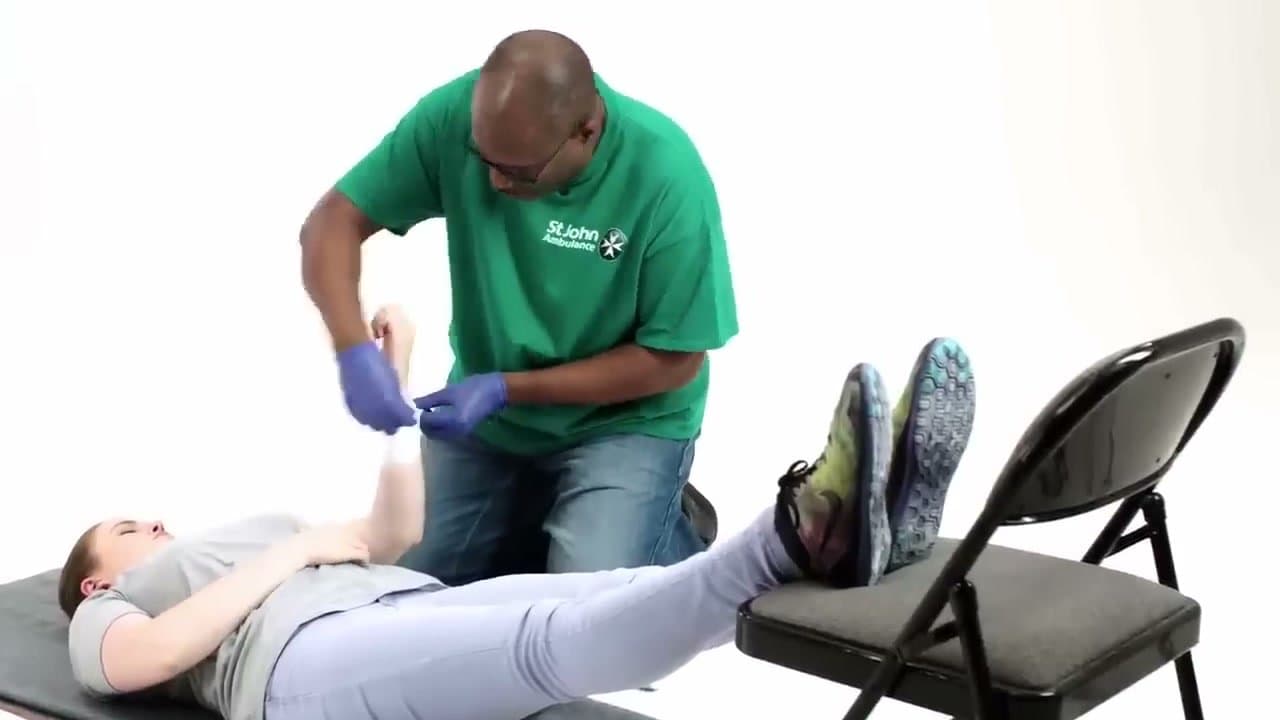
Lay the casualty flat on their back. Elevate their legs 6-12 inches (use a backpack, folded jacket, or anything firm). Cover them with a blanket or jacket - shock drops body temperature even in a warm room. Talk to them calmly and reassure them; psychological calm reduces shock severity. Do not give food or water; if surgery is needed, an empty stomach matters.
Do I really need to call 911 for every severe wound?
Yes, for anything where bleeding doesn't slow within 5 minutes of firm direct pressure, any wound where you can see fat or bone, any wound from a high-velocity impact (car, fall over 6 feet, gunshot), or any wound where the casualty's mental status changes. When in doubt, call - 911 dispatchers can talk you through the procedure while help is on the way.
Can I treat severe bleeding without gloves or supplies?
Yes, but with caveats. Bare-hand pressure works in a true emergency; bloodborne diseases (HIV, hepatitis) are real but the immediate threat is the bleeding. Use any clean fabric - shirt, towel, bandana - as a dressing if no gauze is available. Wash thoroughly with soap and water afterward and check with a doctor about post-exposure prophylaxis if there's a known infection risk.
How do I know if I should remove something stuck in a wound?
Never remove embedded objects. The only exceptions: an object impeding the airway (something stuck in the throat) or an object on the chest preventing CPR. Otherwise, treat embedded objects as load-bearing - they're slowing the bleeding, and pulling them out can cause rapid hemorrhage. Pad around the object and let the surgeon remove it in a controlled setting.
How long should I keep pressure on the wound?
Until EMS takes over - not a minute less. Typical paramedic arrival in a city is 6-10 minutes; rural areas can stretch to 20-30. Plan to hold firm, two-handed pressure for at least 10 minutes without peeking. If your arms tire, swap with another bystander but keep one hand on the wound during the swap so pressure never breaks. Peeking under the dressing pulls off the clot that's forming and restarts the bleeding clock.
What if the bleeding still won't stop after pressure and a tourniquet?
This is when packing the wound becomes critical. For limb wounds where direct pressure and a tourniquet haven't worked, push clean gauze or cloth deep into the wound cavity itself - not just on top - then apply firm pressure on the packing. For chest, neck, or abdomen wounds where tourniquets don't work, wound packing plus heavy pressure is your only option until EMS arrives. Tell the 911 dispatcher exactly what you're doing; they can coach you on the technique.
When should I call 911 versus drive to the ER myself?
Call 911 for any severe bleeding - do not drive. Three reasons: (1) the casualty can deteriorate in the car and you can't treat them while driving, (2) paramedics carry blood products and IV fluids that buy critical time, and (3) the ambulance gets priority routing through traffic. The only exception: you are minutes from a hospital, the bleeding is fully controlled with pressure, and a second adult is in the back seat maintaining that pressure. Even then, call 911 first so the ER is ready when you arrive.