How to Prune Hydrangeas (All Varieties, Step-by-Step)

GardeningMedium10:337 stepsBrowse more →

By ShowMeStepByStepPublished

Based on a video by Northlawn Flower Farm and Gardens.

Most people who lose their hydrangea blooms did not lose them to weather. They pruned at the wrong time for the variety they had. The big leafy mophead with no flowers in July? Probably cut back in spring. The leggy overgrown panicle that flops over every August? Probably never pruned at all.

The fix is simple once you know which kind you have. Panicle and smooth hydrangeas bloom on new wood - the canes the plant grows this spring - so you cut them back hard in late winter. Bigleaf, mountain, and oakleaf bloom on old wood from last year, so you only deadhead them and you do it right after they flower. Get that one rule right and the rest is just timing and a sharp pair of bypass pruners.

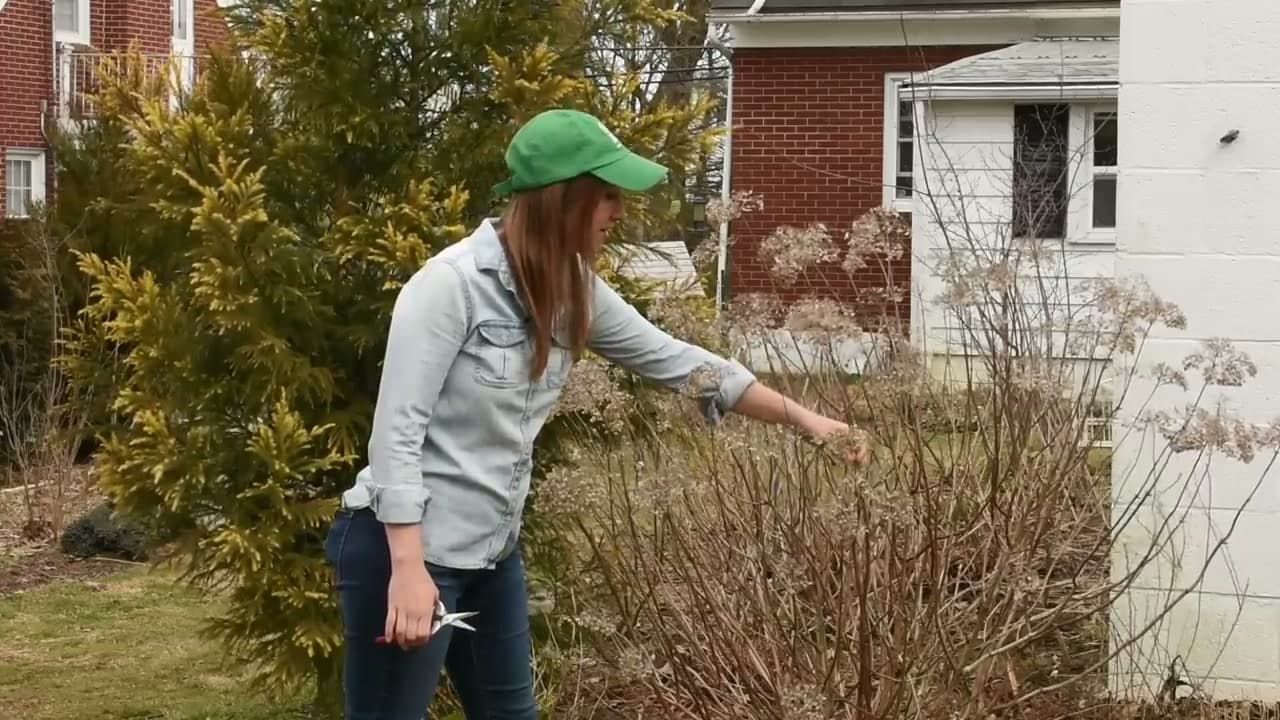
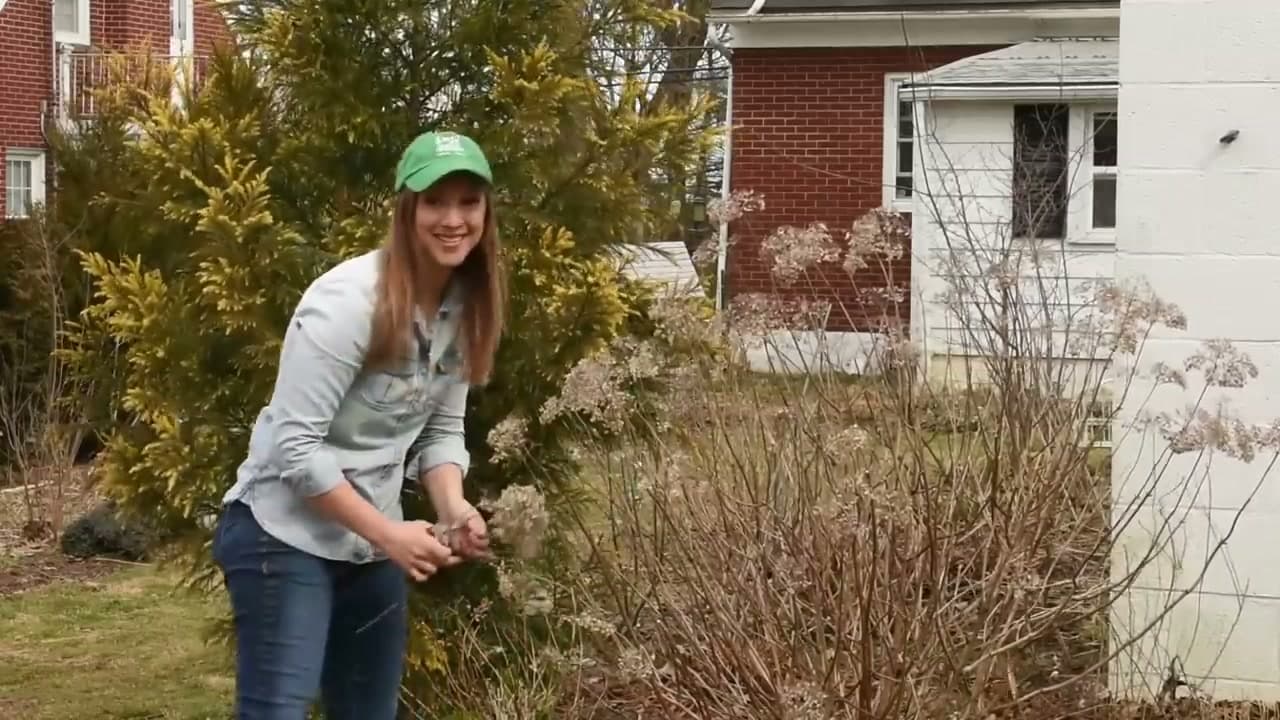
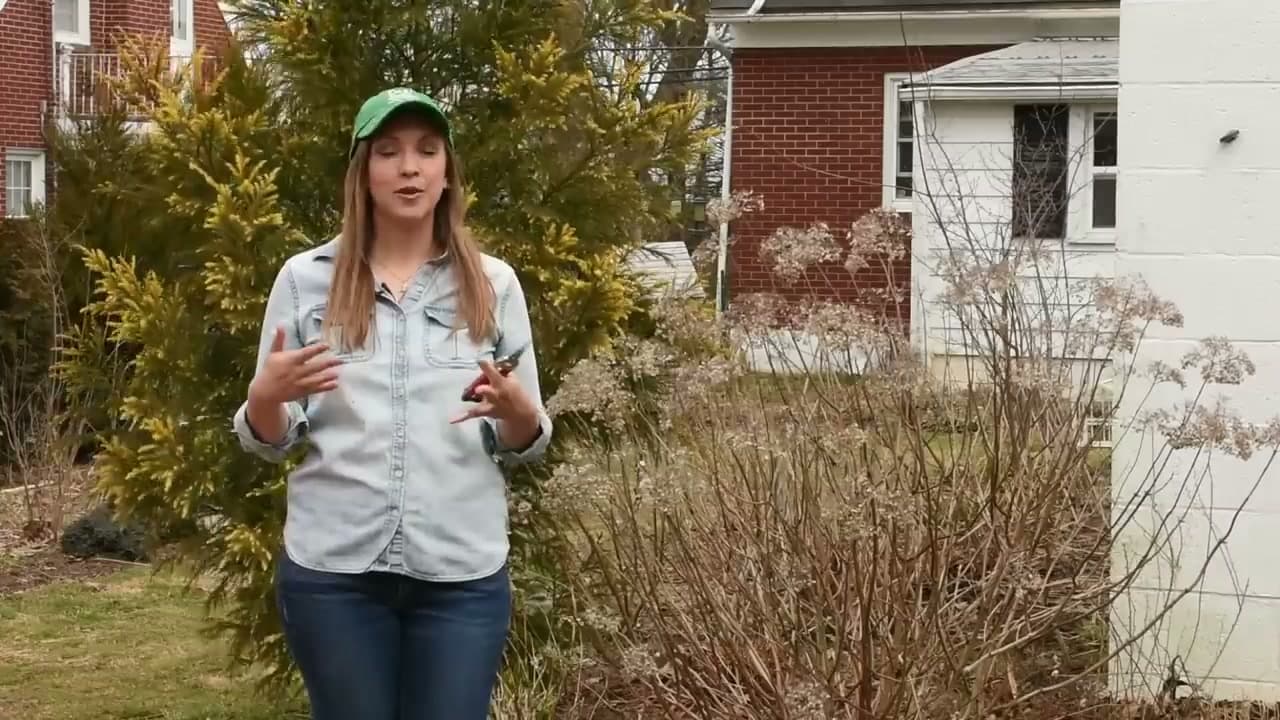
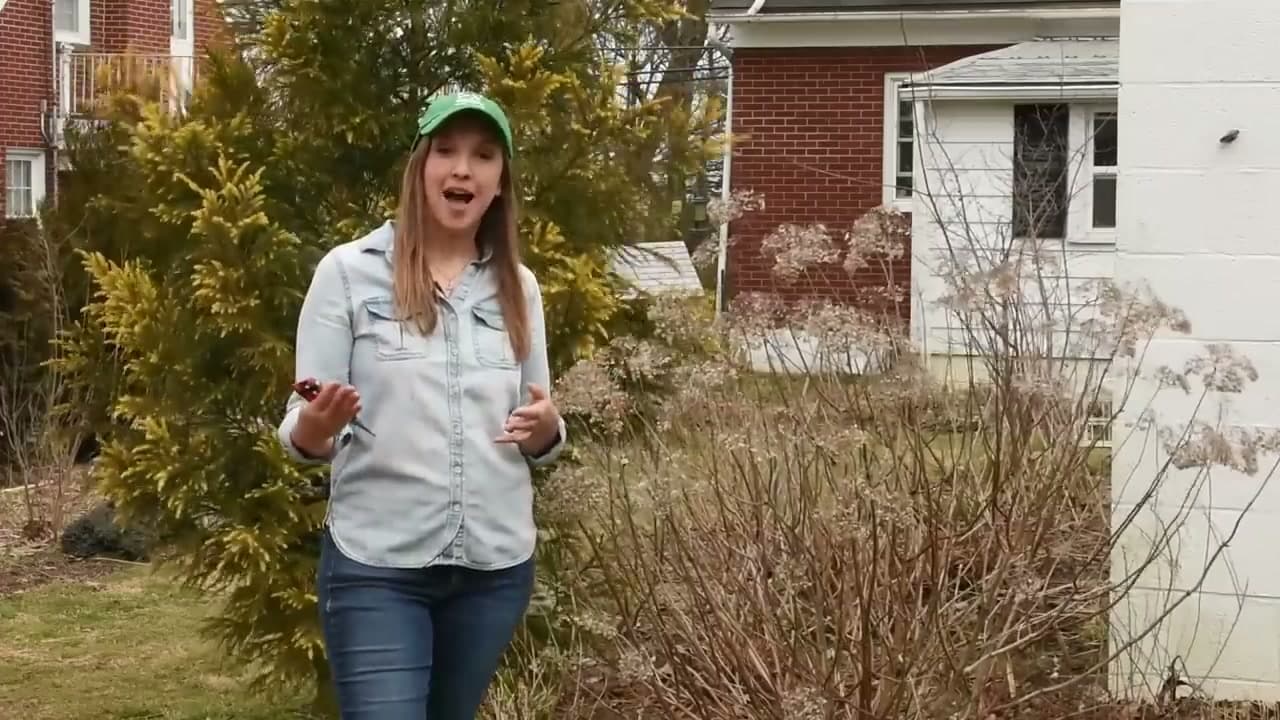
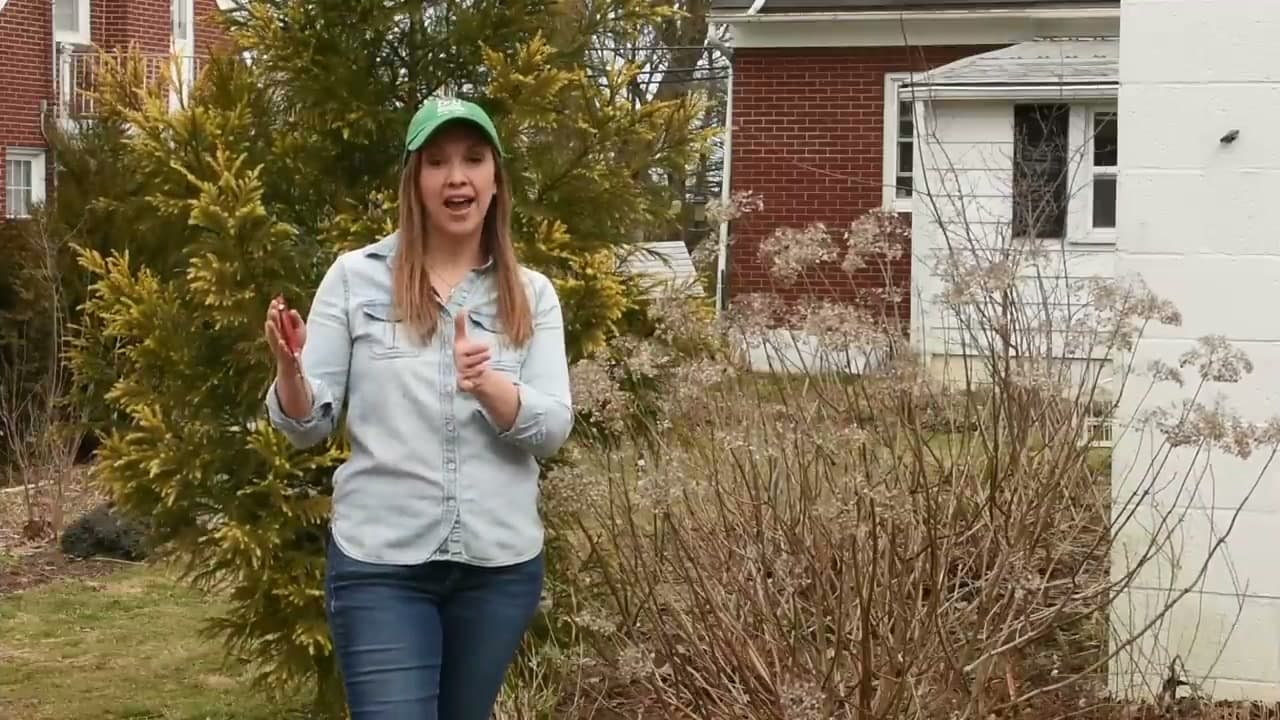
Liz at Northlawn Flower Farm walks through every variety with the actual bushes in her yard. The video runs about ten minutes and has nearly 400,000 views from gardeners who finally figured out why the neighbor's hydrangeas bloomed and theirs did not.

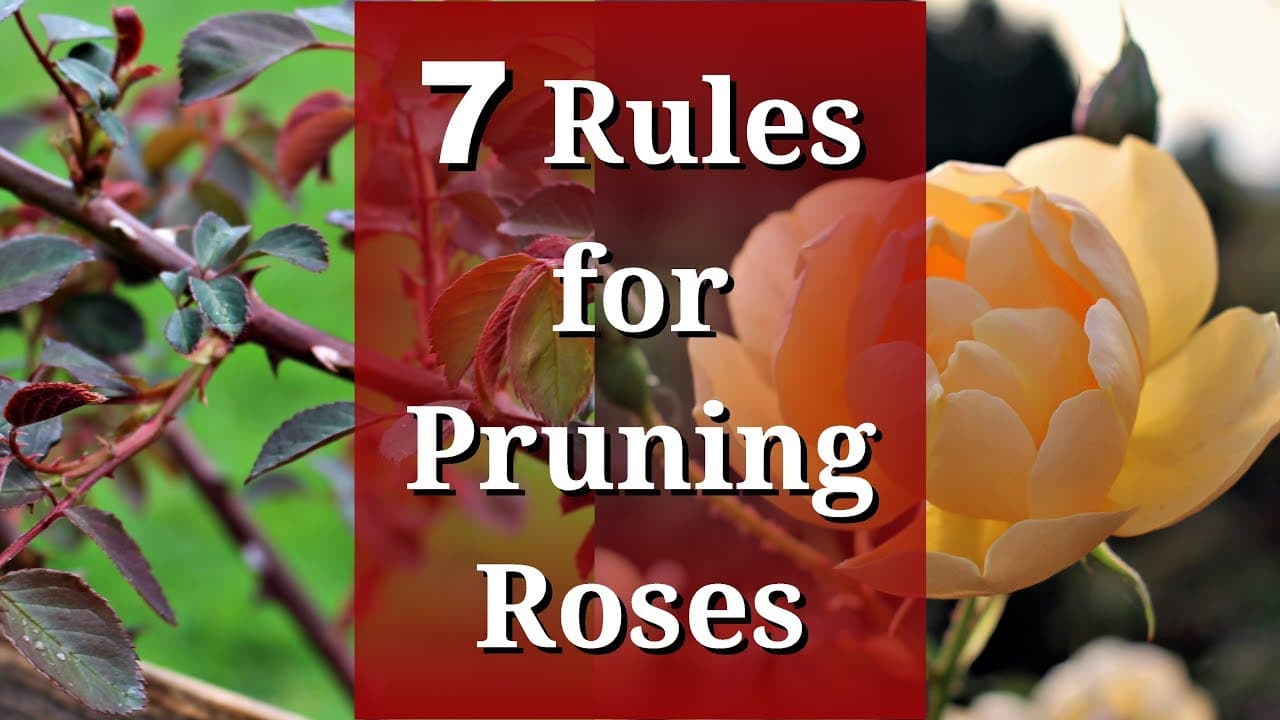
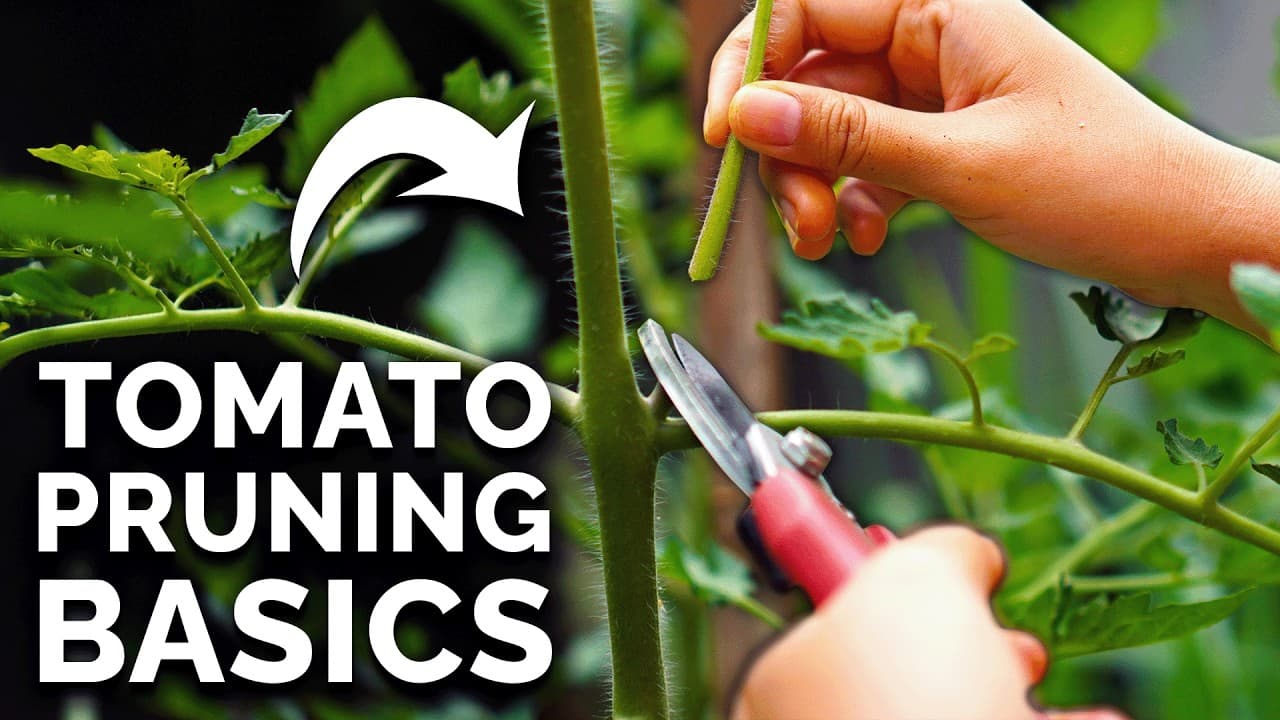
Once you have the hydrangeas handled, the rest of the spring shrub work follows the same rhythm. Our guides on how to prune roses and how to prune tomato plants cover the other two big spring-pruning targets. For summer-long bloom care, see how to deadhead roses and how to deadhead geraniums - both use a similar snap-or-snip technique to keep the flowers coming.

Step-by-Step Guide

1

Identify New-Wood Hydrangeas (Panicle and Smooth)

0:30
Step 1: Identify New-Wood Hydrangeas (Panicle and Smooth)

Walk up to the plant and look at the flower shape. Panicle hydrangeas (Hydrangea paniculata - varieties like Limelight, Pinky Winky, Vanilla Strawberry) make cone-shaped flower heads that start white and often age to pink or red. They get tall, the stems go woody, and the plant looks more like a small tree than a bush.

Smooth hydrangeas (Hydrangea arborescens - varieties like Annabelle, Incrediball, Invincibelle) have round mop-head blooms in white or pink on softer, greener stems. The whole shrub is shorter and looser. Both of these are new-wood bloomers. That single fact means you can cut them back hard every year without losing a single flower - the canes that grow this spring are the ones that will bloom this summer.

Tip

If you cannot remember the variety name, snap a phone photo of the flowers in bloom this summer and search it. Cone-shaped on a tall woody shrub is almost always panicle. Round white mop on a green stem is almost always smooth.
2

Identify Old-Wood Hydrangeas (Bigleaf, Mountain, Oakleaf)

1:15
Step 2: Identify Old-Wood Hydrangeas (Bigleaf, Mountain, Oakleaf)

Bigleaf hydrangeas (Hydrangea macrophylla - the most common one in nurseries) are the classic blue, pink, or purple mop-heads. They have thick glossy leaves and the color shifts with your soil pH. Mountain hydrangeas (Hydrangea serrata) look similar but smaller and tougher. Oakleaf hydrangeas (Hydrangea quercifolia) are easy to spot - their leaves are shaped exactly like oak leaves, and they make cone-shaped white-pink blooms.

All three of these set the buds for next summer on this year's growth. That woody stem standing there in March already has the 2026 flowers tucked inside it as tiny buds. Cut the stem in spring and you cut off the entire summer's bloom. This is the single biggest reason home gardeners get a bushy green plant with zero flowers.

Tip

Leaf shape is the fastest tell. Glossy heart-shaped or oval leaves with serrated edges - bigleaf or mountain. Big lobed leaves that look like oak - oakleaf. If the leaves are still down, look at the dried flower heads still attached to the stems. Mop shapes mean bigleaf or smooth. Cones mean panicle or oakleaf.

3

Time Your Pruning By Variety

1:45
Step 3: Time Your Pruning By Variety

For panicle and smooth hydrangeas, prune in late winter or very early spring when the buds along the canes are just starting to swell. In most of the US that is late February through early April. Wait until you can see the fat green buds and you will know exactly where the live wood ends and the dieback starts.

For bigleaf, mountain, and oakleaf, do nothing in spring. Wait until the plant finishes flowering in mid-to-late summer, then prune within two or three weeks of the last bloom fading. Cut later than that and you start removing the buds the plant just set for next year. If you missed the window, leave it alone for a full year - one bushy season is better than two bloomless ones.

Tip

If you inherited the plant and have no idea which type it is, do nothing for a full year. Let it bloom on its own schedule and watch the flower shape. Identify it from the blooms, then put the next year's pruning date on your calendar so you do not forget when the leaves are down.

4

Sharpen and Sterilize Your Pruners

2:28
Step 4: Sharpen and Sterilize Your Pruners

Use bypass pruners - the kind with two curved blades that slide past each other like scissors. They make a clean cut that heals fast. Anvil pruners (one blade pressing onto a flat plate) crush the stem and leave a ragged wound that invites disease. Save the anvils for dead wood only.

Wipe the blades with rubbing alcohol or a 10% bleach solution before you start, and again between plants if you are working on more than one hydrangea. Hydrangeas are susceptible to a fungal cane disease called botryosphaeria, and dirty blades will move it from a sick plant to a healthy one in seconds. If the blades are dull, sharpen them first - a sharp pruner needs much less force and gives a cleaner cut.

Tip

Felco F-2 bypass pruners are the gardener-standard for a reason. They last decades, the blades are replaceable, and they cut up to about a 1-inch cane. For anything thicker, switch to a pair of long-handled loppers - same bypass-blade design, more leverage.

5

Cut Just Above a Healthy Bud

3:18
Step 5: Cut Just Above a Healthy Bud

Find a healthy bud or a pair of buds on the cane. Buds look like small swollen bumps along the stem, usually paired on opposite sides. Position the bypass blade about a quarter inch above the bud, with the angle of the cut sloping slightly away from the bud. The blade side of the pruner should face the part of the cane you are keeping.

Make the cut in one clean motion - do not saw back and forth. The angled cut sheds water away from the bud and the bud directly below will push the new flowering shoot. Cut flush to the bud and you kill it. Cut too far above the bud and you leave a dead stub that rots back into the live wood and invites cane disease.

Tip

Outward-facing buds are the ones you want. A bud pointing out from the center of the plant will grow into a cane that opens up the shrub. A bud pointing inward grows into a cane that crosses the middle and tangles. When you have a choice, cut just above the outward-facing bud.

6

Reduce Panicle and Smooth Hydrangeas by One-Third

4:17
Step 6: Reduce Panicle and Smooth Hydrangeas by One-Third

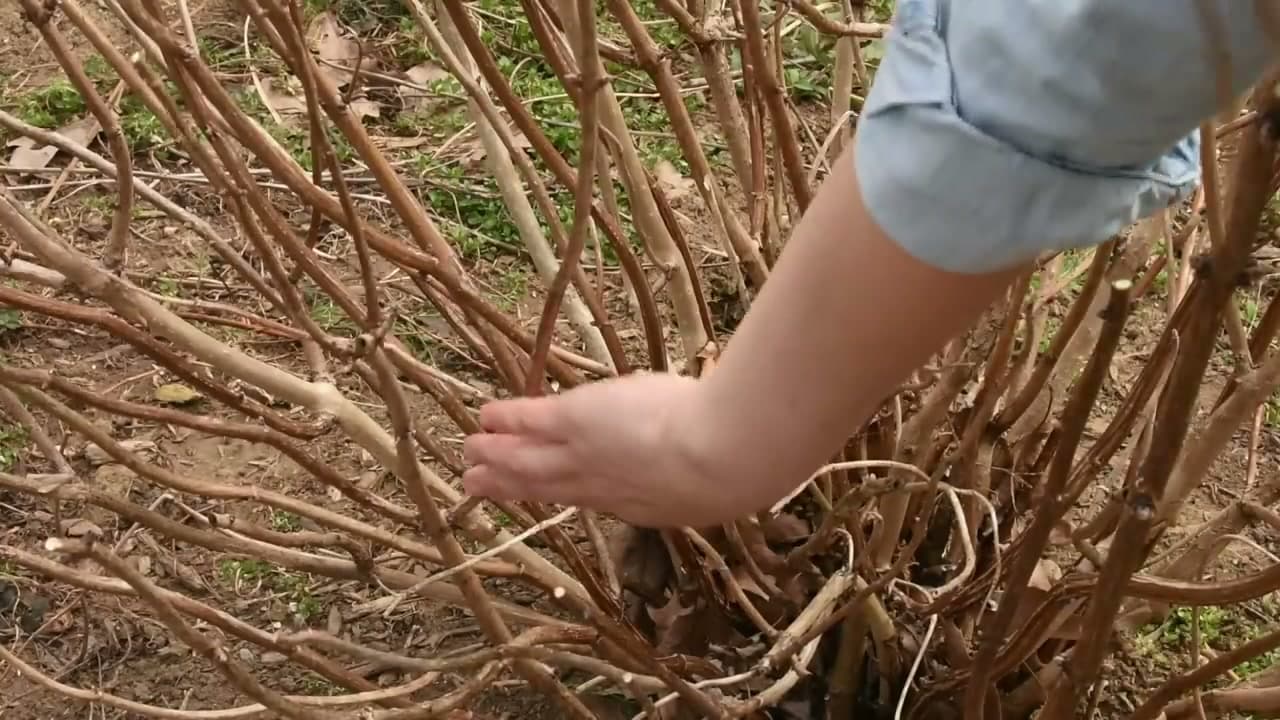
On panicle and smooth hydrangeas, the goal is to remove about one-third of the plant's overall height each year. Work in from the outside of the shrub. Take the thinnest weakest canes all the way down to the ground - those skinny pencil-sized stems will not hold up a flower head. Then shorten the strongest canes back to a healthy outward-facing bud, taking off the top third.

Also remove anything dead, damaged, diseased, or crossing through the center of the plant. Dead canes are gray and brittle and snap when you bend them. Crossing canes rub against each other in the wind and create wounds where disease enters. You are aiming for an open vase shape with five to ten strong upright canes and good airflow through the middle.

Tip

For older smooth hydrangeas (Annabelle and similar) that flop over every year, you can cut the whole plant down to about six inches off the ground. They will come back from the base with stronger, thicker stems that hold the heavy mop-head blooms upright.

7

Deadhead Old-Wood Hydrangeas and Mulch the Base

8:50
Step 7: Deadhead Old-Wood Hydrangeas and Mulch the Base

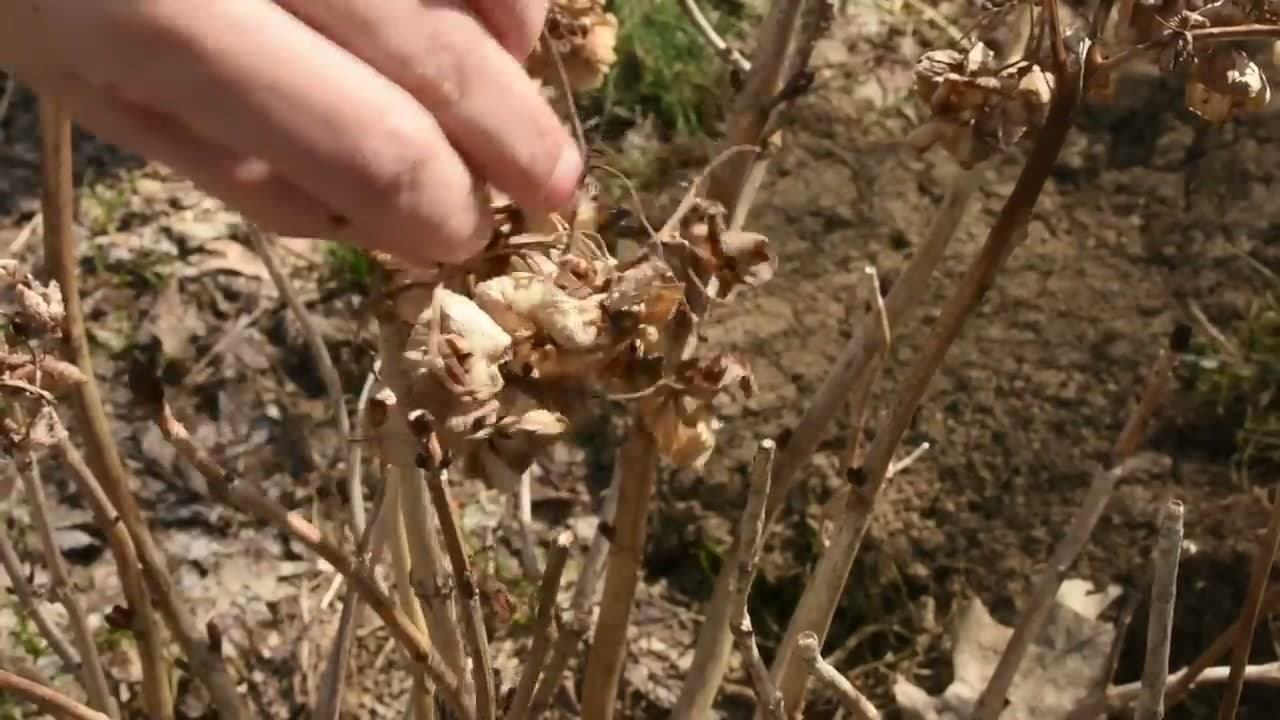
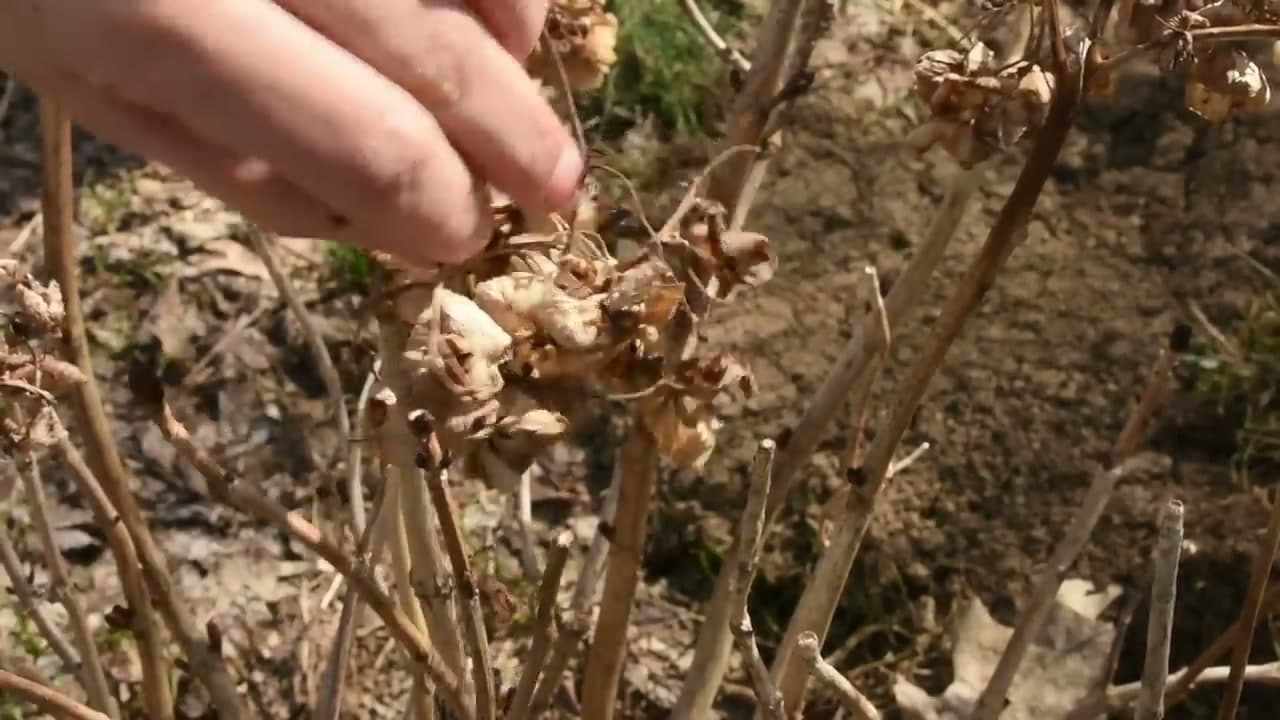
For bigleaf, mountain, and oakleaf hydrangeas, the only spring pruning is deadheading the spent flower heads. Hold the dried bloom in one hand, trace the stem down to the first pair of fat healthy buds you can see, and snip or snap the stem off about a quarter inch above those buds. Leave the rest of the stem alone - those buds are this summer's flowers.

Once any hydrangea is pruned, water it deeply at the base and spread two to three inches of mulch around the root zone, keeping the mulch a few inches off the actual stem. Mulch locks in moisture for the spring growth surge, keeps the soil cool through summer, and slowly feeds the plant as it breaks down. A handful of balanced shrub fertilizer raked into the mulch in early spring covers the season's feeding for most hydrangeas.

Tip

If a bigleaf or mountain hydrangea has dead stems that did not push leaves by late May, those are winter-killed and safe to cut all the way to the ground. Live old wood will green up under the bark when you scratch it with a fingernail. Dead old wood is brown and dry inside. Only remove the dead - the live old wood still has buds.

Products Used

☐ The Checklist

How to Prune Hydrangeas (All Varieties, Step-by-Step)

Tools
3
Materials
2
Steps
7
Video
11 min

Your Guide

Northlawn Flower Farm and Gardens

As an Amazon Associate we earn from qualifying purchases. Links on this page may be affiliate links - clicking them and buying doesn't change your price, but helps support ShowMeStepByStep.

Tags

What's next

Related collections

Curated theme pages that include this tutorial.

Weekly Digest

Liked this gardening tutorial?

Pick the categories you want to hear about. Weekly digest of new step-by-step tutorials. No spam, easy unsubscribe.

Send me tutorials about

We only email about new tutorials. Easy unsubscribe anytime.